Treasures with a history

Did Romans invent army knives? These things are way older than you think


Published on March 22, 2026
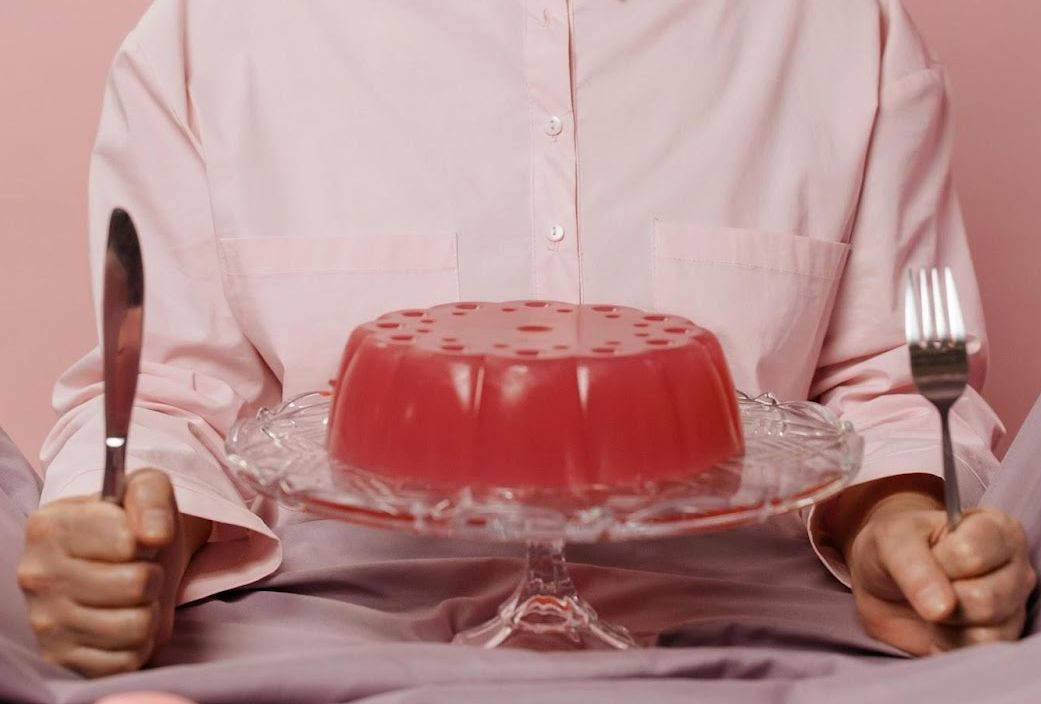

Image: cottonbro studio

Jell-O, Swiss Army Knives, roller skates, lighters… It’s hard to picture these items existing hundreds of years ago, isn’t it? And yet, some of the treasures that make modern life easier have indeed been around, in some cases, for millennia. Read on to learn when these 11 items were actually first invented!

1

Gelatin

Image: Lena Ti

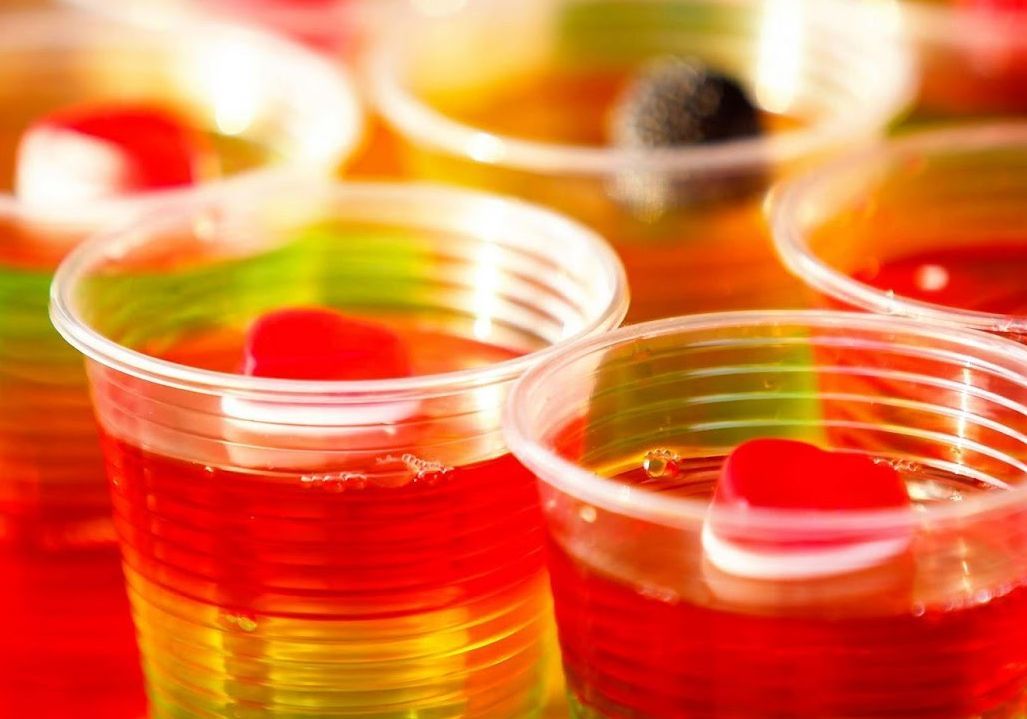
Gelatin desserts existed centuries before Jell-O! Medieval cooks used boiled animal collagen to make shimmering molds for banquets. The brand Jell-O came in 1897, when Pearl B. Wait in New York flavored powdered gelatin with fruit syrups.

2

Nintendo

Image: Sigmund

It’s hard to imagine the video game giant existing before electricity. But Nintendo was founded in 1889 in Kyoto as a playing card company. For decades, it produced hanafuda cards, then toys, and only entered electronics in the 1970s.

3

Roller skates

Image: Brittani Burns

Long before disco rinks or inline blades, a Belgian inventor named John Joseph Merlin assembled the first roller skates in 1760, skating into a London ballroom (and famously crashing). Early versions had fixed metal wheels and very poor steerability.

4

Lighters

Image: Thomas Despeyroux

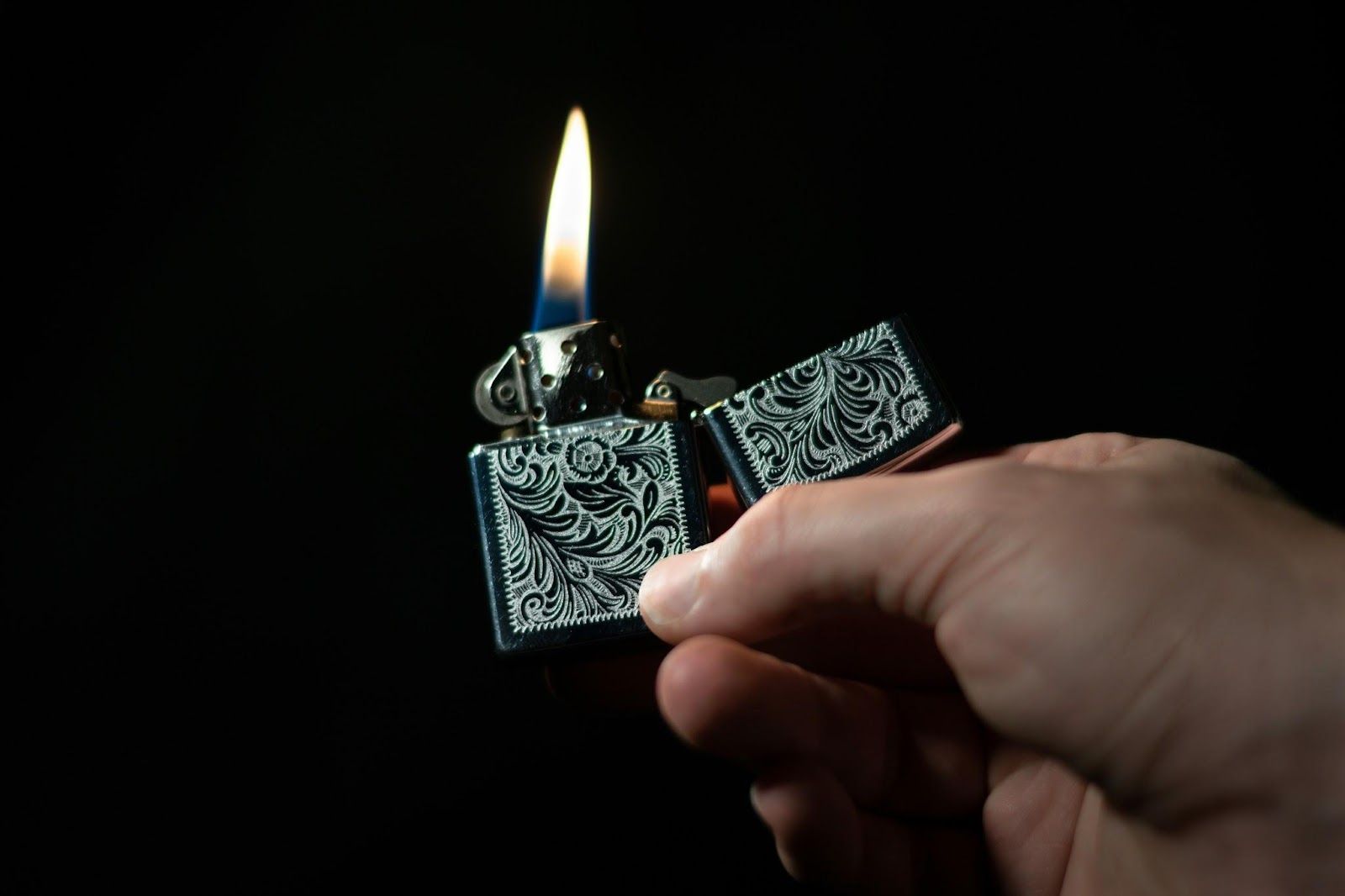
Famously, lighters predate matches. But do you know exactly how long lighters have existed? The first usable one appeared in 1823, invented by a German chemist. The first friction match only appeared 3 years later.

5

"Swiss Army Knife"

Image: Denise Jans

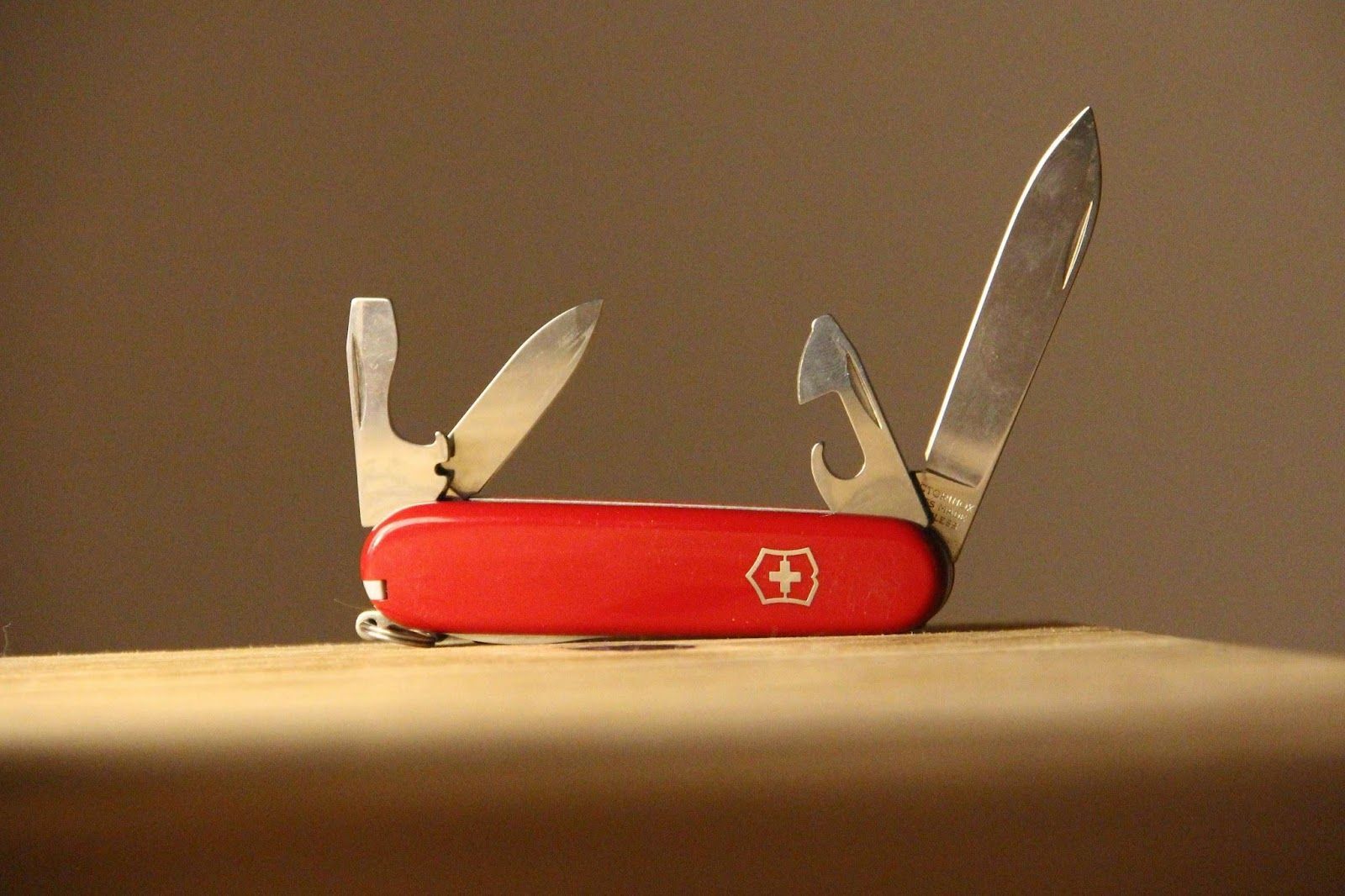
That’s what we call the famous red multi-tool standardized by Victorinox in 1891. But archaeologists discovered a Roman folding tool from around 200 AD made of silver and iron, with knife, spoon, fork, spike, and spatula. It might not have been mass-produced or standardized, but it certainly was there first.

6

Dishwasher

Image: Mohammad Esmaili

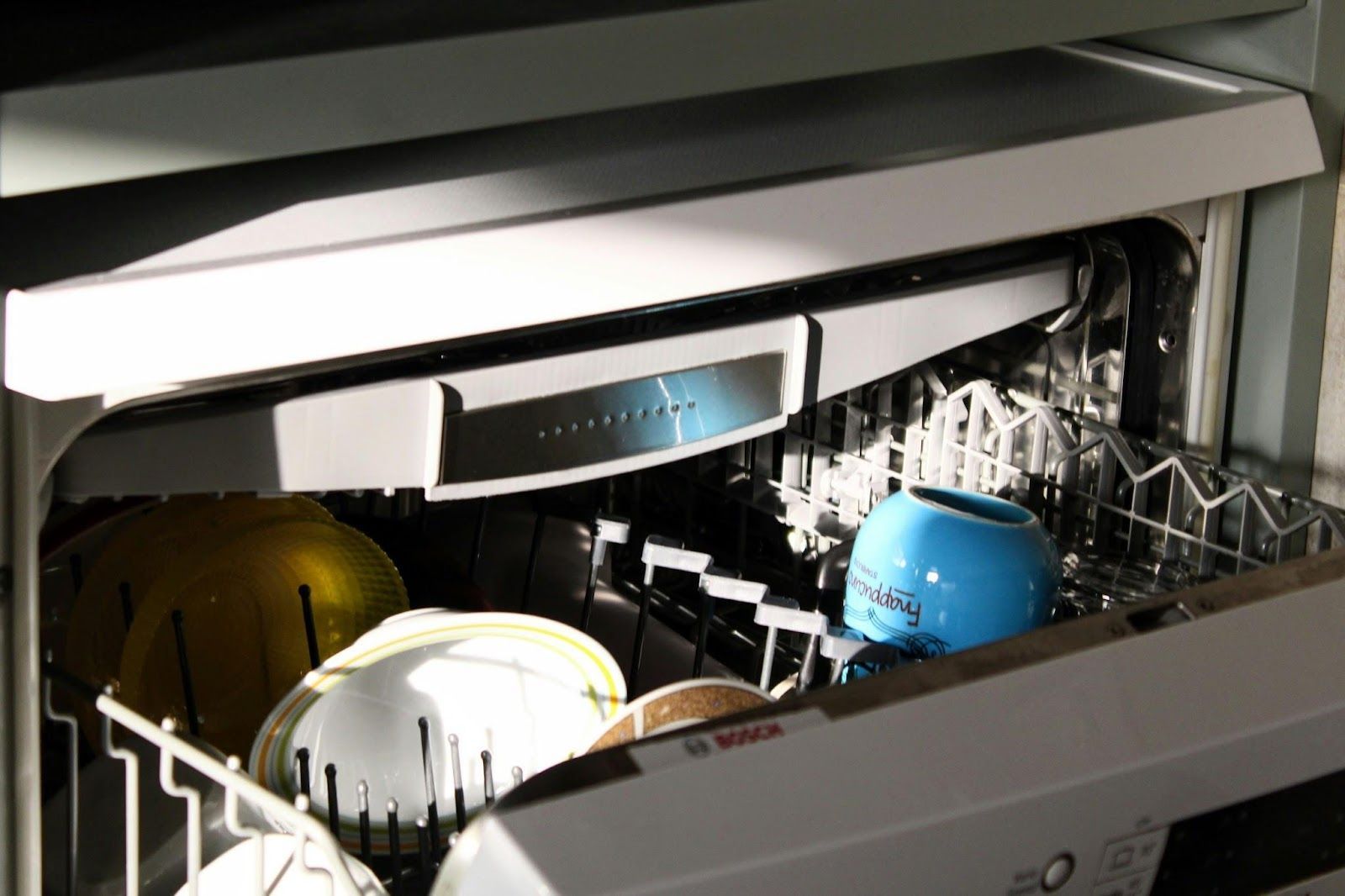
We may associate dishwashers with mid-20th-century suburban kitchens, but the first one dates to 1886, when Josephine Cochrane built a hand-cranked model to save her fine china from clumsy servants.

7

Escalators

Image: Teemu Laukkarinen

The 20th century was still far away when the first working escalator was patented. The year was 1859, yet it was introduced at Coney Island only 30 years later—as an amusement ride!

8

The Internet

Image: Leon Seibert

It’s not a thing of the 90s! Its roots go back to 1969, when ARPANET connected four U.S. universities for military-funded research. The web’s 1991 debut by Tim Berners-Lee made it public and visual, hence the illusion that the "Internet" appeared overnight.

9

Concrete

Image: Robert Keane

Do you associate concrete blocks with modernity in your mind? Think again! The Romans used advanced volcanic-ash mixes to build huge, durable structures (like the Pantheon dome or aqueducts). The Ancient Roman techniques even give clues on how to make longer-lasting concrete today.

10

Printing technology

Image: Bruno Martins

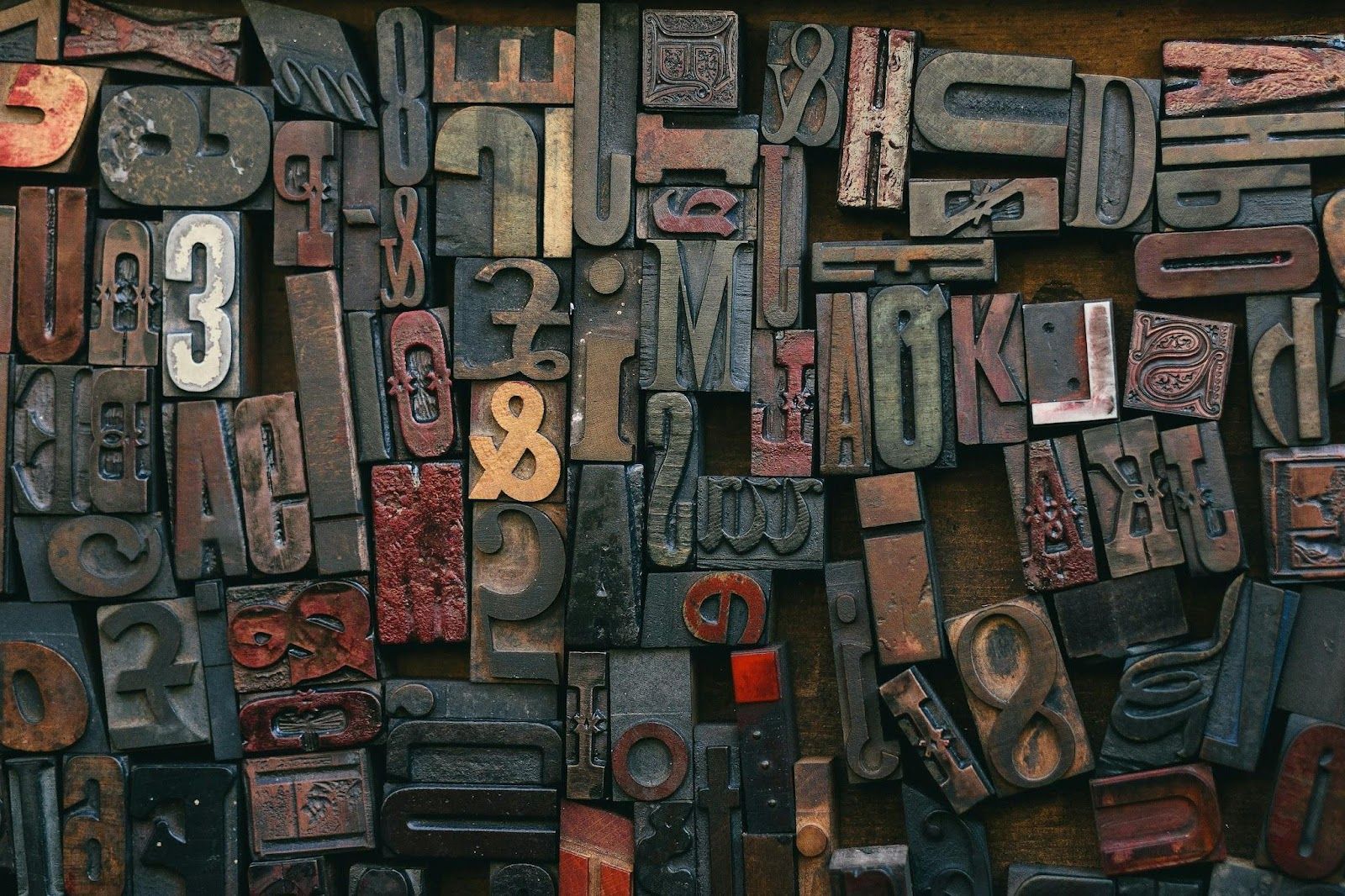
We are not talking about electronic printers. Think about the movable type technology: It goes back in history way, way farther than Gutenberg’s system.

Printing with woodblocks and even early movable type existed in China long before the 15th-century European printing that Gutenberg perfected and popularized.

11

Magnetic compass

Image: Mick Haupt

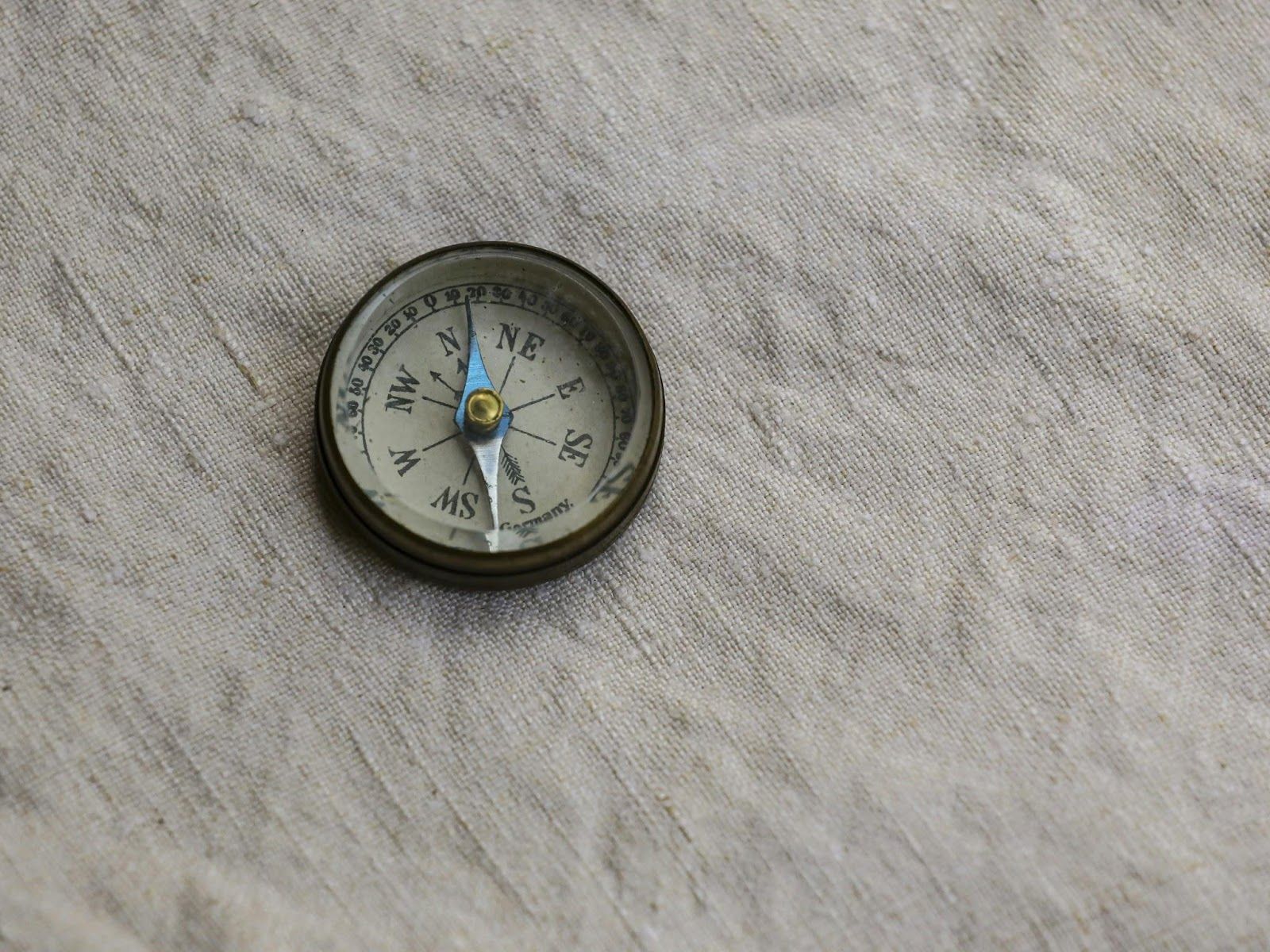
The great ancestor of GPS was probably the magnetic compass used for navigation. The discovery that magnetic force could be used to calculate the position of the poles occurred over 2000 years ago during the Han dynasty, in China.

Stop! You’ve been using these 11 objects the wrong way


Published on March 22, 2026


Image: Diana Polekhina

We use countless objects daily without questioning their design, yet many have hidden features or were meant for entirely different purposes. From kitchen tools to bananas, here are 11 everyday items you might be using all wrong—or that at least have surprising secrets built in.

1

Toothpaste

Image: Anastasia Nikitina

Yes, toothpaste was always intended to clean and polish teeth, but its mild abrasives make it effective for cleaning jewelry, removing stains from clothing, and even defogging mirrors.

Interestingly, the first toothpaste-like substance dates back to ancient Egypt, where a blend of pumice and vinegar was used for oral care. Modern toothpaste, which includes ingredients like baking soda—another household staple—explains why it’s so effective on surfaces beyond just teeth.

2

Pasta spoons

Image: Markus Winkler

That hole in your pasta spoon isn’t just for draining water; it can also help measure a perfect portion of dry spaghetti!

A single serving of spaghetti is about the amount that fits through the hole. This design prevents cooking too much or too little, though not all pasta spoons have holes large enough for accurate measuring.

3

Gas pumps

Image: engin akyurt

The latch inside gas pump nozzles was originally designed to shut off fuel flow automatically when the tank is full, not to hold the pump open.

Modern pumps use this mechanism as a safety feature, preventing spills and overflows. In some places, using the latch to hold the nozzle open is even illegal due to fire risks.

4

Grocery carts

Image: Karsten Winegeart

Those metal loops on the back of grocery cart seats aren’t just for show—they’re designed to hold plastic bags with fragile items.

Hanging lighter bags here prevents them from being crushed by heavier groceries in the cart, yet few shoppers take advantage of this simple design. So, next time you go shopping, give it a try—it could be a real lifesaver.

5

Soda can tabs

Image: Bam Mccarthy

The hole in a soda can tab isn’t just part of the opening mechanism—it can double as a straw holder. Once you pop the can open, turning the tab around aligns the hole perfectly for a straw. This prevents the straw from floating or shifting while drinking.

While this wasn’t the original intent behind the design, it’s a clever and surprisingly convenient way to make use of an otherwise inconsequential design quirk.

6

Two-tone erasers

Image: Annie Spratt

If you're like me, this has likely been a brain teaser since childhood: What is the blue side of a two-tone eraser for? Popular wisdom says it's for ink removal, but have you ever tried erasing ink with that side? It just completely obliterates the paper.

Well, it turns out the blue side of a two-tone eraser was actually designed for use on heavier paper, not for removing ink.

7

Keyboard bumps

Image: Matúš Kameniar

The small bumps on the ‘F’ and ‘J’ keys exist to help typists find their hand placement without looking.

These tactile guides help your fingers find their way back to the home row, enabling faster and more efficient typing. Even if you're not a professional typist, you can rely on this feature to improve both speed and accuracy while writing.

8

Peeling bananas

Image: Monika Guzikowska

Ever watched a monkey peel a banana? You might be in for a surprise, because it turns out the easiest way to peel a banana is from the bottom, not the stem.

Monkeys naturally pinch the bottom of the banana and pull, avoiding the struggle of breaking the tough stem. This method also reduces the risk of squishing the fruit inside.

9

Measuring tape

Image: Brett Jordan

The small hole at the end of a measuring tape is designed to hook onto nails or screws for one-person measurements. This feature provides a more stable grip when measuring long distances without needing an extra set of hands.

Also, the serrated edge on some tapes doubles as a tool for marking surfaces. So, next time you don't have a buddy around to help, don’t worry—your measuring tape has you covered!

10

Oven drawer

Image: Andrea Davis

Many people use the drawer under their oven for storage, but it was originally designed as a warming drawer.

This compartment keeps cooked food warm while the rest of the meal finishes, though in some modern models, it may simply be intended for extra storage. Checking your oven’s manual might reveal its true purpose.

11

Wine bottle indent

Image: Mockup Free

Ever heard someone say you can judge a good wine by the depth of the indentation at the bottom of the bottle? Well, that’s a myth, though it may suggest a better-designed bottle.

The indent at the bottom of a wine bottle, called a punt, helps distribute pressure and maintain structural integrity. Originally designed to support the bottle against carbonation in sparkling wines, it’s now mostly tradition but still improves durability.

Looking for an extra scoop of literary fun?

Learn more with our Word of the day

scrumptious

/ˈskrəm(p)ʃəs/