Food for thought
Did you know these popular dishes used to be very different?
Published on May 19, 2026
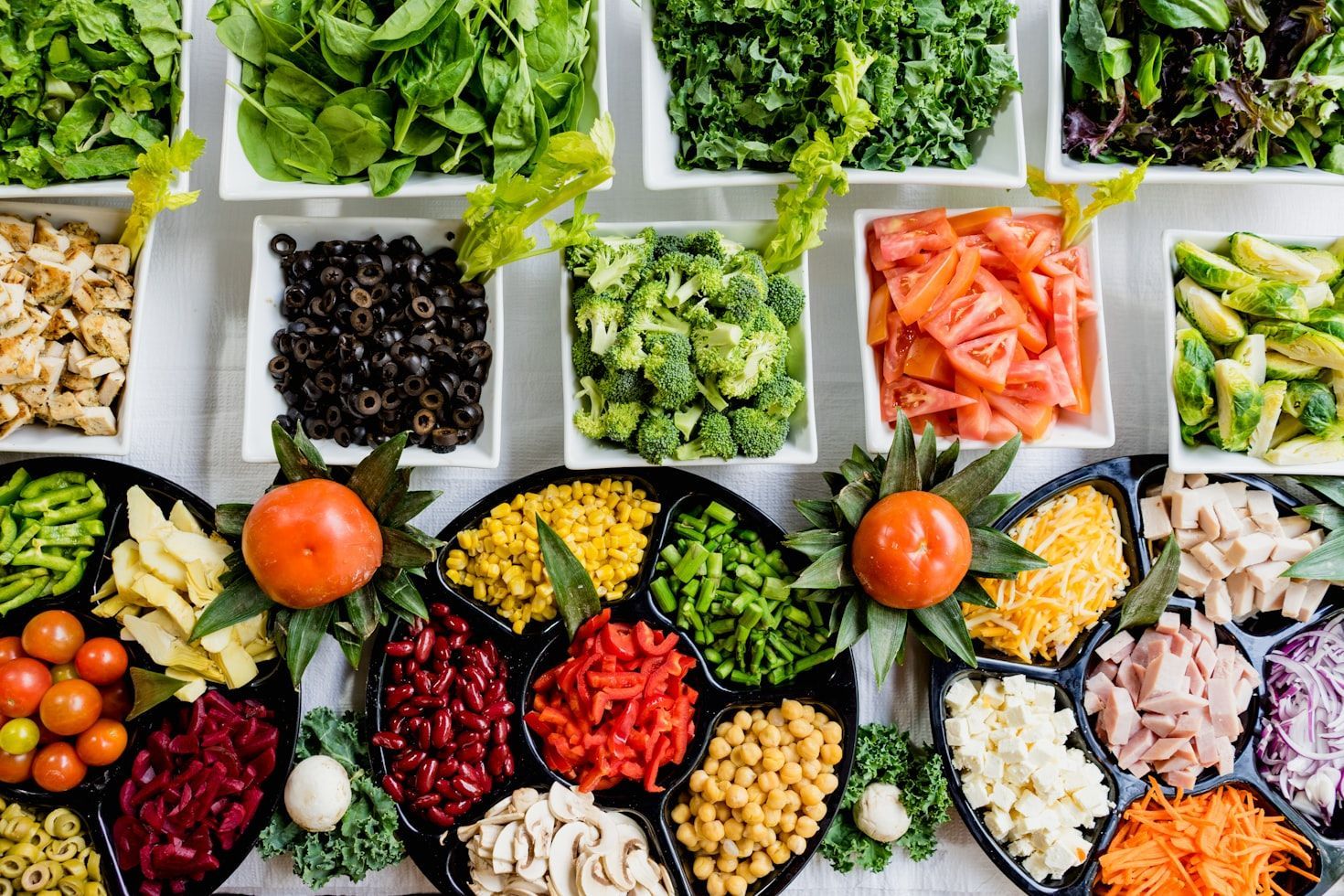
The food scene in the U.S. is extremely varied, taking inspiration from different cuisines around the world. Several staple dishes that Americans know and love, such as pizza or orange chicken, were not created here; they were brought from many corners of the world by immigrants, but tastes, ingredients, and techniques have changed, and many of these dishes have also changed to adapt to the new country. Other dishes were developed in America, but they were intended to emulate or replace something left behind. Let’s look into 10 dishes that can be found everywhere in the U.S., but only because of immigration.
Pizza

There’s nothing more quintessentially American than a good pizza, but everybody knows pizza is Italian, right? But not all pizza. Back home in Italy, pizza follows a ‘less-is-more’ approach: a light crust, few fresh ingredients, and minimal toppings, all aiming to achieve simple, well-balanced flavors.
On the other hand, American pizza is bolder: stronger flavors, abundant cheese and toppings, several dough styles, and an array of influences from different cultures make it a staple for all tastes and occasions. In this case, more is more.
Orange chicken
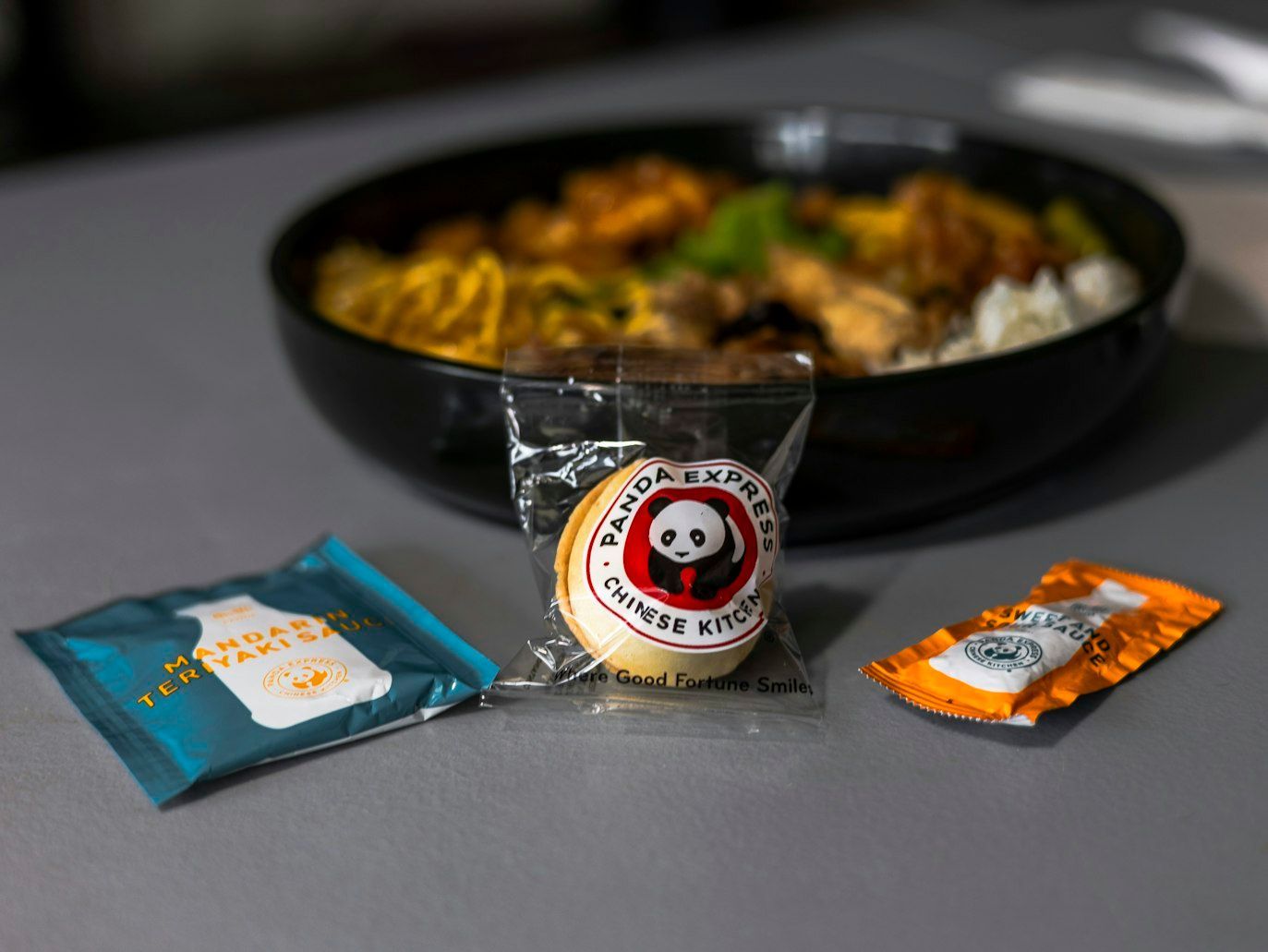
If you know Panda Express, you know Orange chicken. After all, it is one of their signature dishes; they even have a food truck that tours the U.S., giving away samples of the dish. But did you know that it’s an Americanized version of a Chinese classic that has no orange at all?
The guys at Panda Express claim that orange chicken is their version of General Tso’s chicken, but this dish is not common in China. Instead, there are several versions of a similar dish that uses tangerine, a flavor common in Chinese cuisine but not as suited for American taste as orange.
Chicken Alfredo
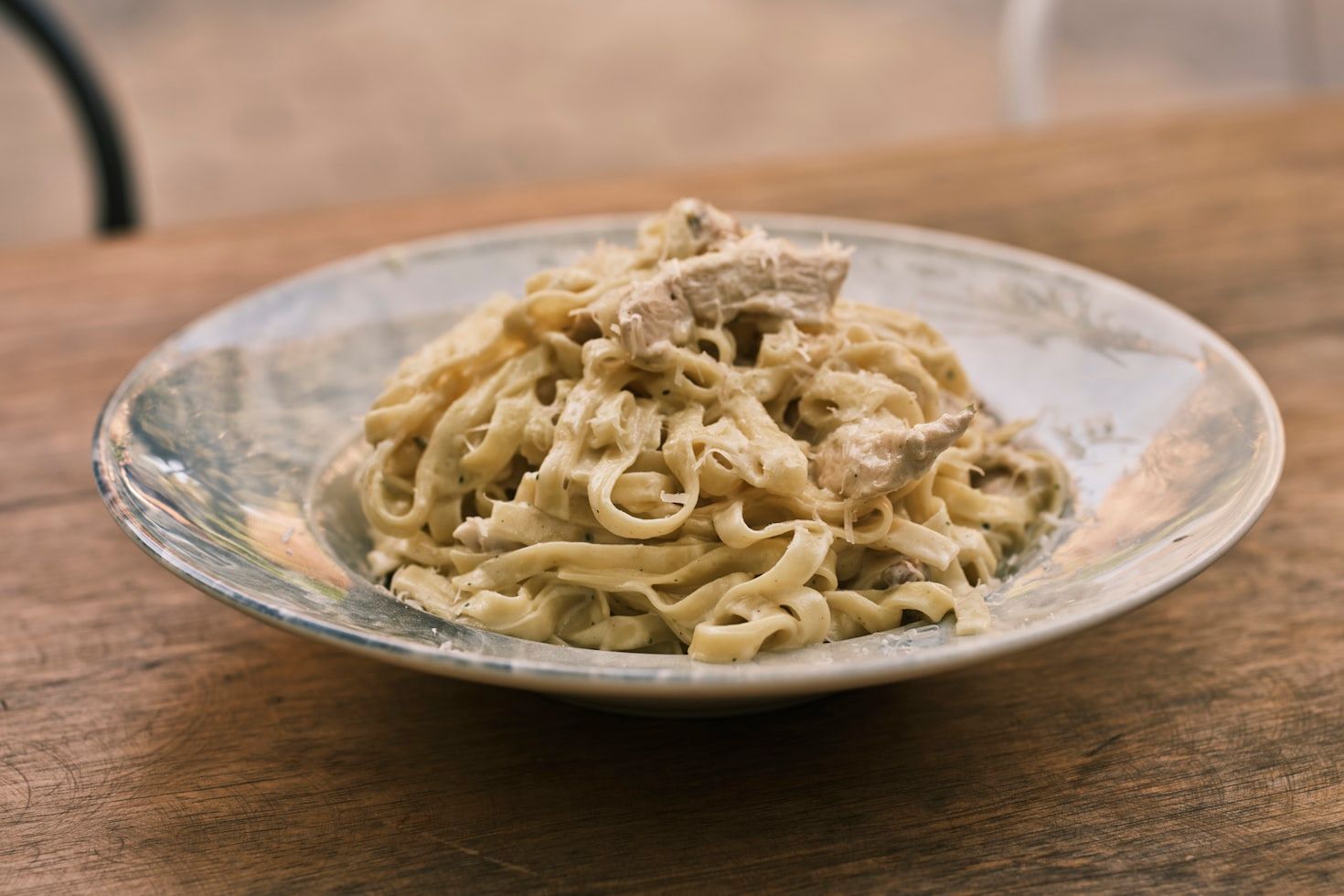
Chicken Alfredo seems to be a point of contention between Italian servers and American tourists, the latter insisting it’s an Italian dish while the former claim they do not know about it. They are both technically right, but only because they are thinking about different things.
Fettuccine Alfredo is a Roman dish consisting of fettuccine with parmesan cheese and butter, emulsified to form a creamy sauce. This ingredient combination is not uncommon in Italy, and the dish is mainly known as fettuccine al burro (literally, ‘with butter’). American Alfredo, however, has evolved to include cream, and it is typically served with chicken, which makes it a totally different dish. It is not surprising, then, that Italians are confused.
Hard-shell tacos
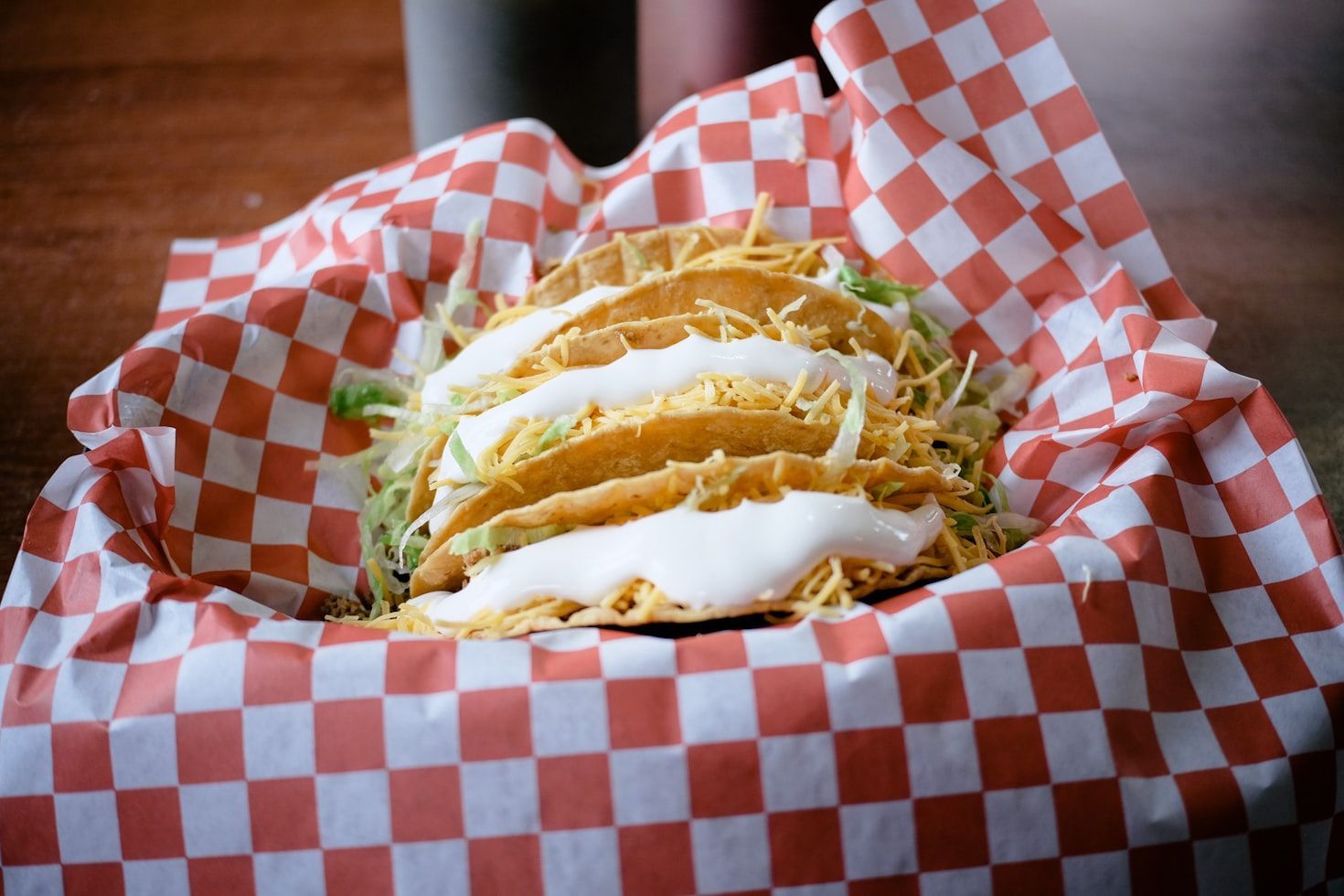
We could spend the whole day talking about the wonders and intricacies of Tex-Mex cuisine and its importance for Americans, but let’s focus on one of its star dishes: the hard-shell taco. While the shared culinary history and cultural exchange between the U.S. and its southern neighbor is extensive, this crispy dish was invented on this side of the border in Mexican-American communities.
There’s no consensus on who invented or sold the first hard-shell taco, but there are records of its existence from the very early 20th Century. The dish gained national popularity in the 1960s when Taco Bell added it to its menu, and it’s now a go-to classic all around the country.
Fortune cookies
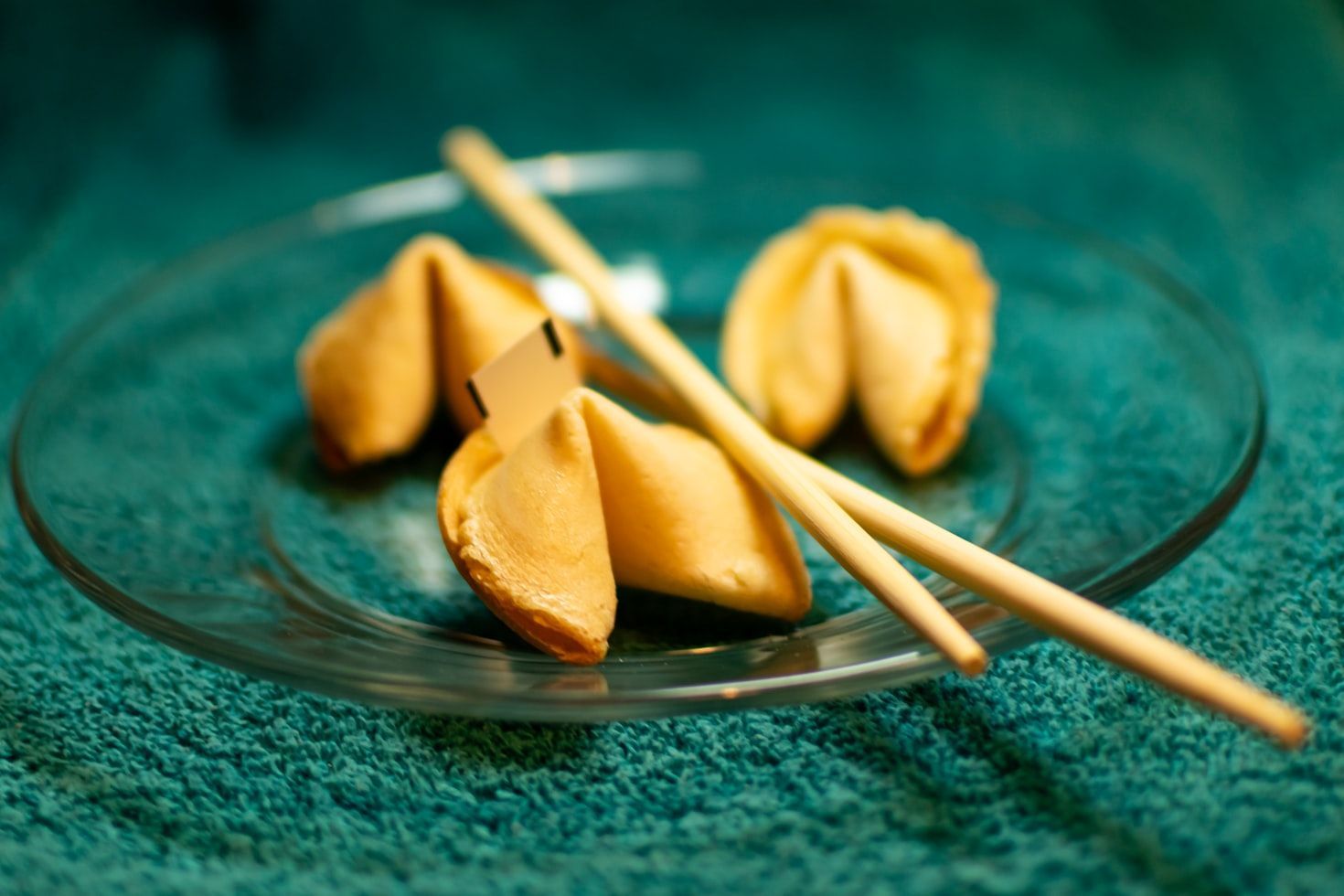
Some could argue that no one really eats fortune cookies, but we can agree that they are an integral part of Chinese takeout, so we’ll count them as ‘food’. However, they are not Chinese, nor were they associated with Chinese food in the beginning.
Fortune cookies were invented in San Francisco in the early 20th Century by Suyeichi Okamura, a Japanese restaurant owner, who allegedly got the idea from a Japanese snack. Years later, a Chinese cook claimed the idea to be his, and the courts had to intervene, ruling in favor of Okamura. No matter their origin, fortune cookies are non-negotiable if you are in the mood for Chinese takeout.
Cuban sandwich

A staple in Floridian cuisine, one can only assume that the Cuban sandwich came from Cuba. But not the Cuban sandwich you are thinking of. What did come from there was the sandwich mixto (mixed sandwich), which, in many Hispanic countries, is just a ham and cheese sandwich, toasted, with possible add-ons such as lettuce, tomato, pickles, and some sauce.
The American Cuban sandwich, as we know it, is believed to have been invented by Cuban immigrants, and it follows a set recipe: Cuban bread, mustard, pork, ham, cheese, and pickles. Tampa and Miami fight for the honor of being the birthplace of the Cuban sandwich, with one main disagreement about its construction: in Tampa, salami is a non-negotiable, most likely influenced by the Italian community.
Apple pie
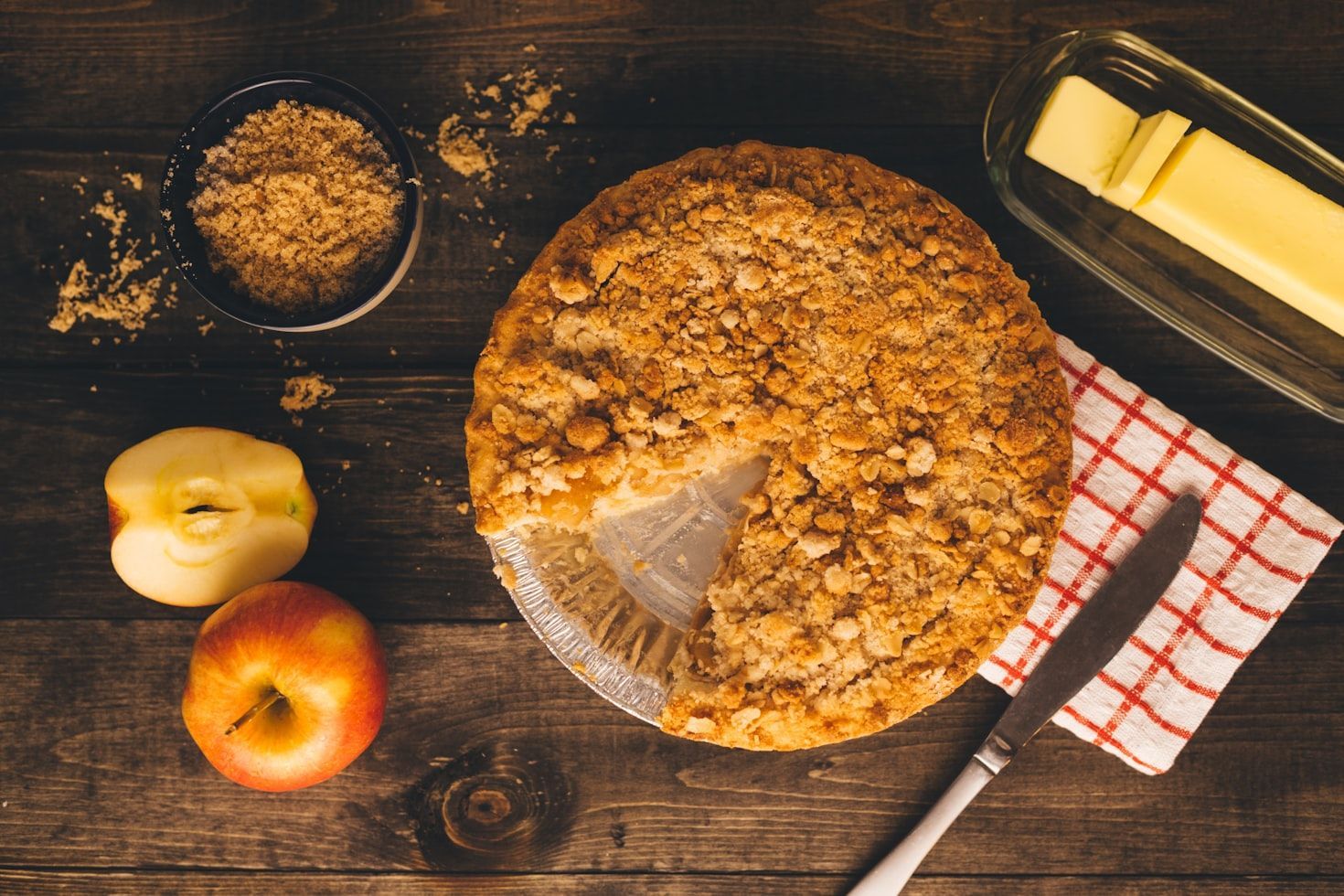
Apple pie is considered to be the U.S.’s unofficial pie, but it’s actually from England, which puts a new spin on the phrase "as American as apple pie". But some could think the English and American versions to be quite similar. Is there a real difference? Pie, apples, and everything in between were brought to America by the English, but the modern versions of this pie are different enough to justify a distinction.
English apple pie usually has a crumblier pastry, can include several spices and fruits such as raisins, pears, or figs, and has less sugar, relying upon the natural sweetness of apples. The American version, highly influenced by the Dutch appeltaart, has a flakier pastry, tart apples (and more sugar to balance the flavor), usually includes cinnamon, and might have a crumble. The verdict? Not quite twins, more like cousins.
Sushi
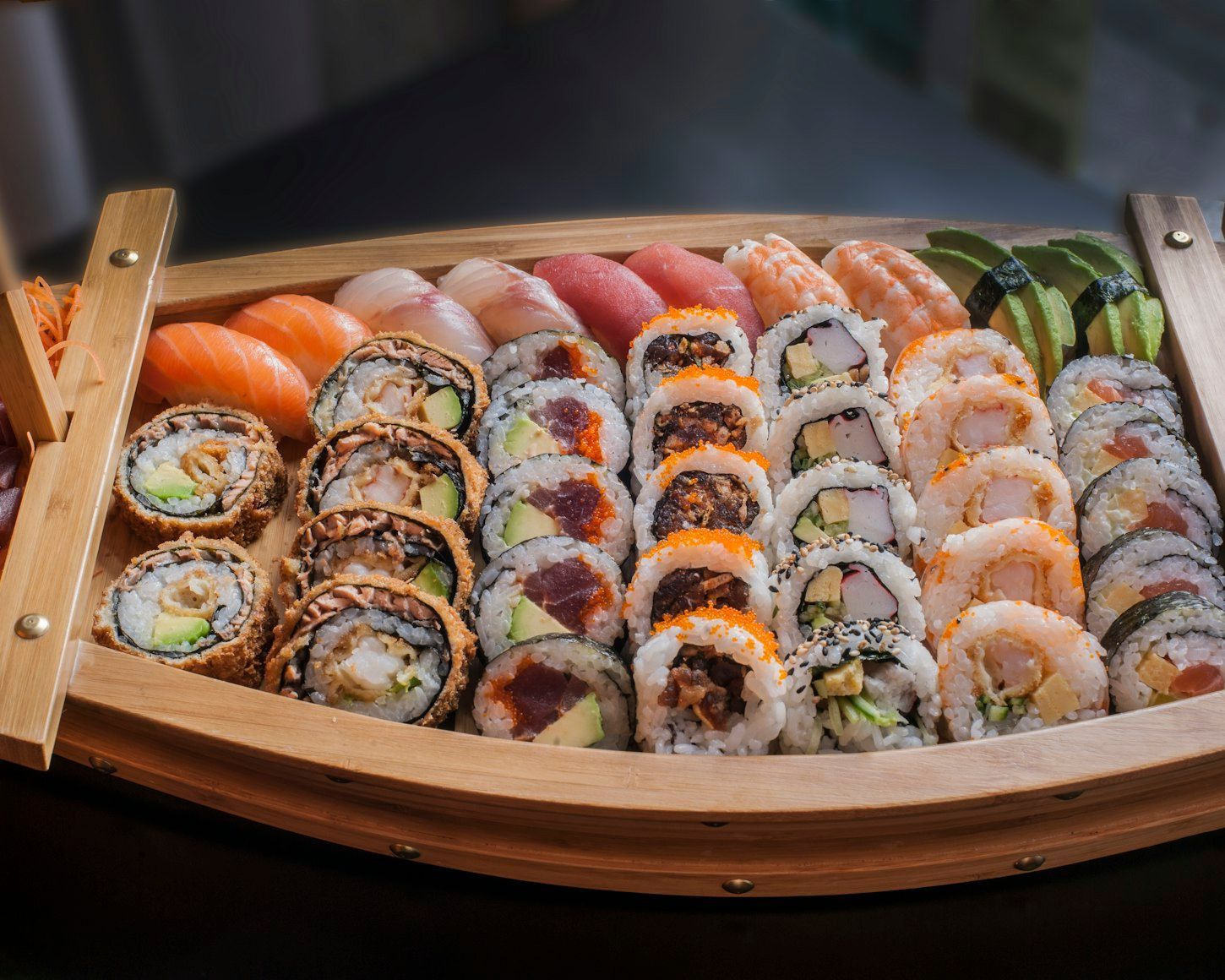
If there’s a common trait for sushi in the Western world, it is that it’s nothing like Japanese sushi, and America is not the exception. The first sushi restaurant in the U.S. opened in the 1960s and initially served authentic Japanese sushi, but quickly evolved to adapt to local tastes.
While Japanese sushi is all about simplicity, American-style sushi tends to mix varied ingredients and flavors, to use different varieties of rice, and to include fusion influences. So, avocado and cream cheese? 0% traditional, 100% delicious.
English muffin
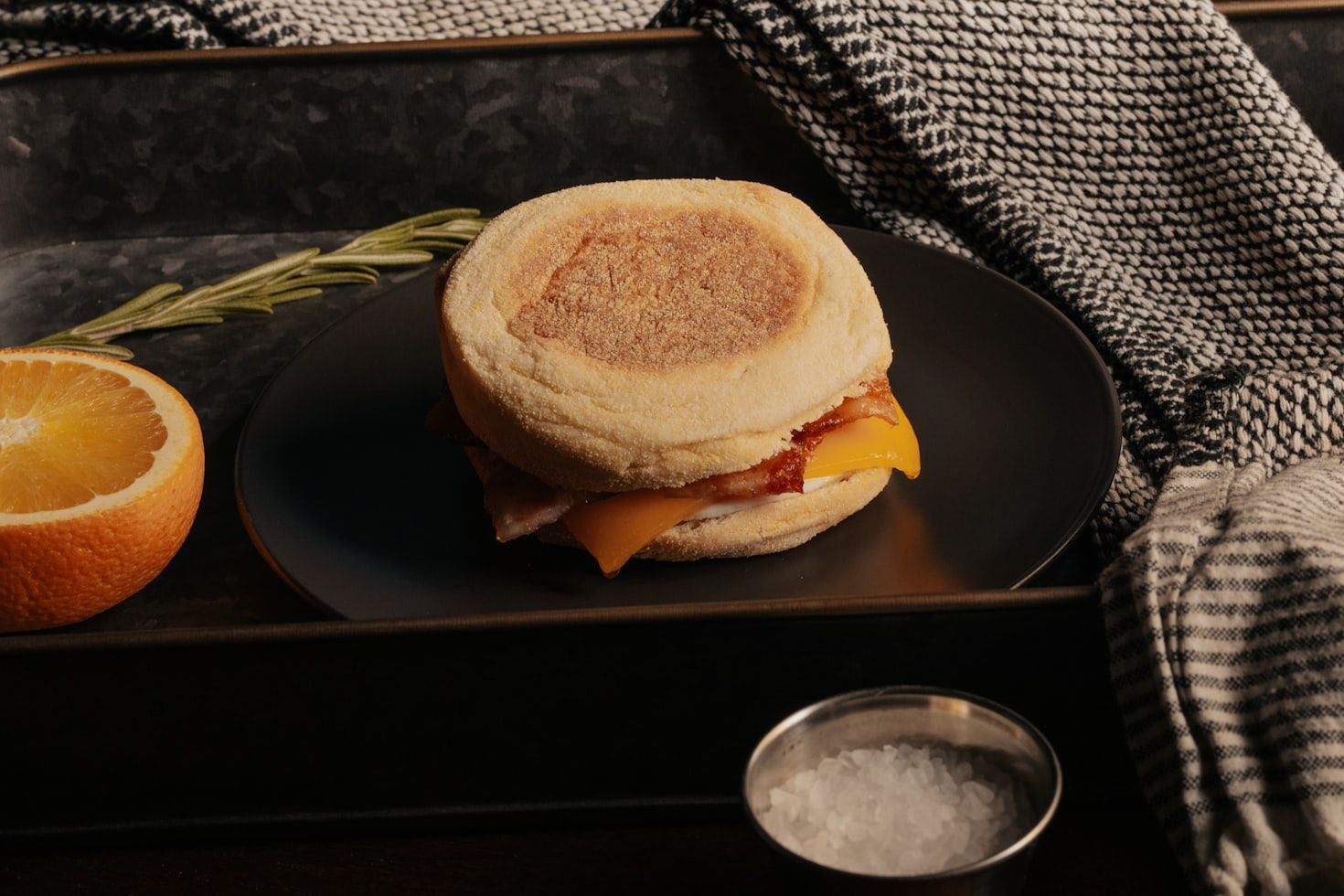
The English first came across the English muffin in the 1990s, that’s because English muffins are American, even if they were created by an Englishman. Samuel Bath Thomas developed this breakfast staple in New York in the late 19th Century, and he was most likely influenced by an English classic, the crumpet.
Crumpets and English muffins serve similar culinary purposes (they are round vessels for yummy toppings), but the similarities don’t go much beyond that. Crumpets are made with baking soda, which results in a chewy, tangy dough, with bubble-like holes that make them perfect for butter, jam, or cream, and, unlike English muffins, are not intended to be split in half. On the other hand, English muffins use yeast and are more bread-like and crumblier. They can be paired with either sweet or savory toppings, and are a go-to for breakfast sandwiches. English only in name, American in spirit.
Chicken parmesan
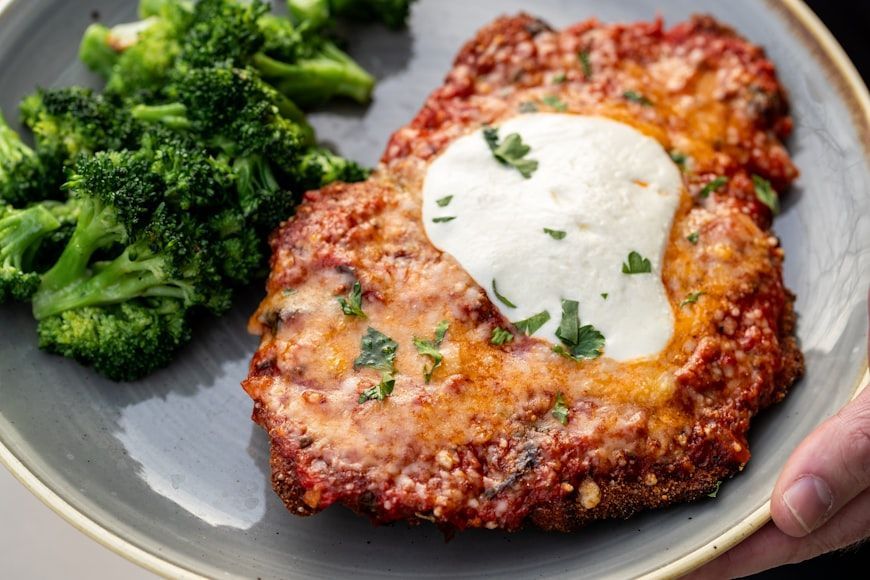
This staple dish follows an idea common to a lot of Italian American dishes: the addition of meat to a dish that was originally meatless. When Italian immigrants arrived in America, they found out that many of the ingredients they were used to were not available here. On the other hand, meat was much more accessible in comparison to the Italy they had left.
The original recipe for this dish is called melanzane alla Parmigiana (or just parmigiana), and uses breaded eggplant slices instead of chicken cutlets. No one knows who was the first to substitute the eggplant with a chicken cutlet, but we do know why it became popular.