Uncovering old data
What did the Dodgers actually dodge? 12 pro sports team names explained
Published on August 5, 2026
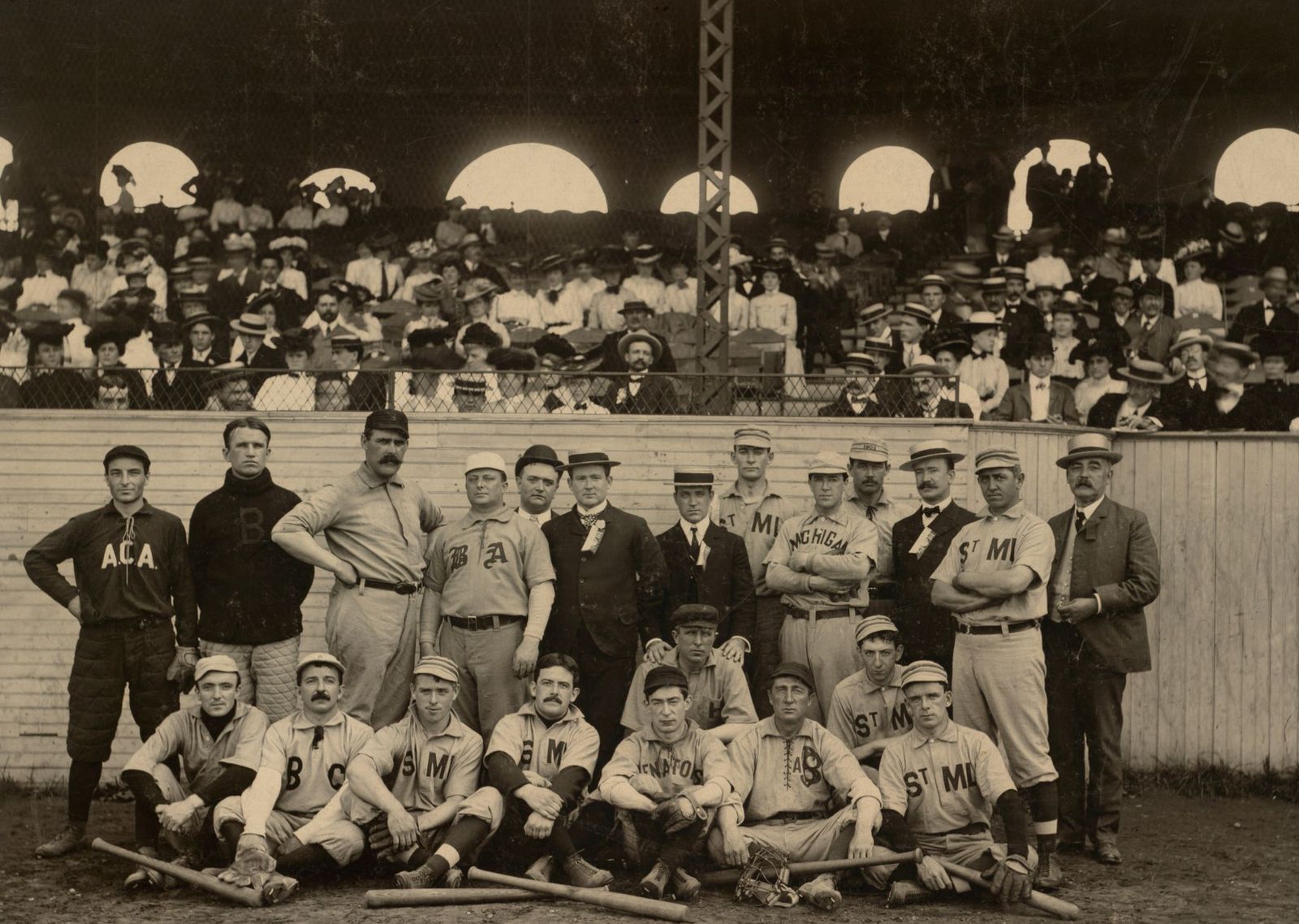
Some sports team names sound fierce, others sound mysterious, and a few seem downright confusing. Why are basketball players in Utah called the Jazz? What exactly is a Dodger? And who were the 49ers? As it turns out, many of America's most iconic team names are little time capsules, preserving stories about cities, industries, historical events, and even newspaper jokes. Take a look at these 12 household names. Which one surprised you the most?
Los Angeles Dodgers
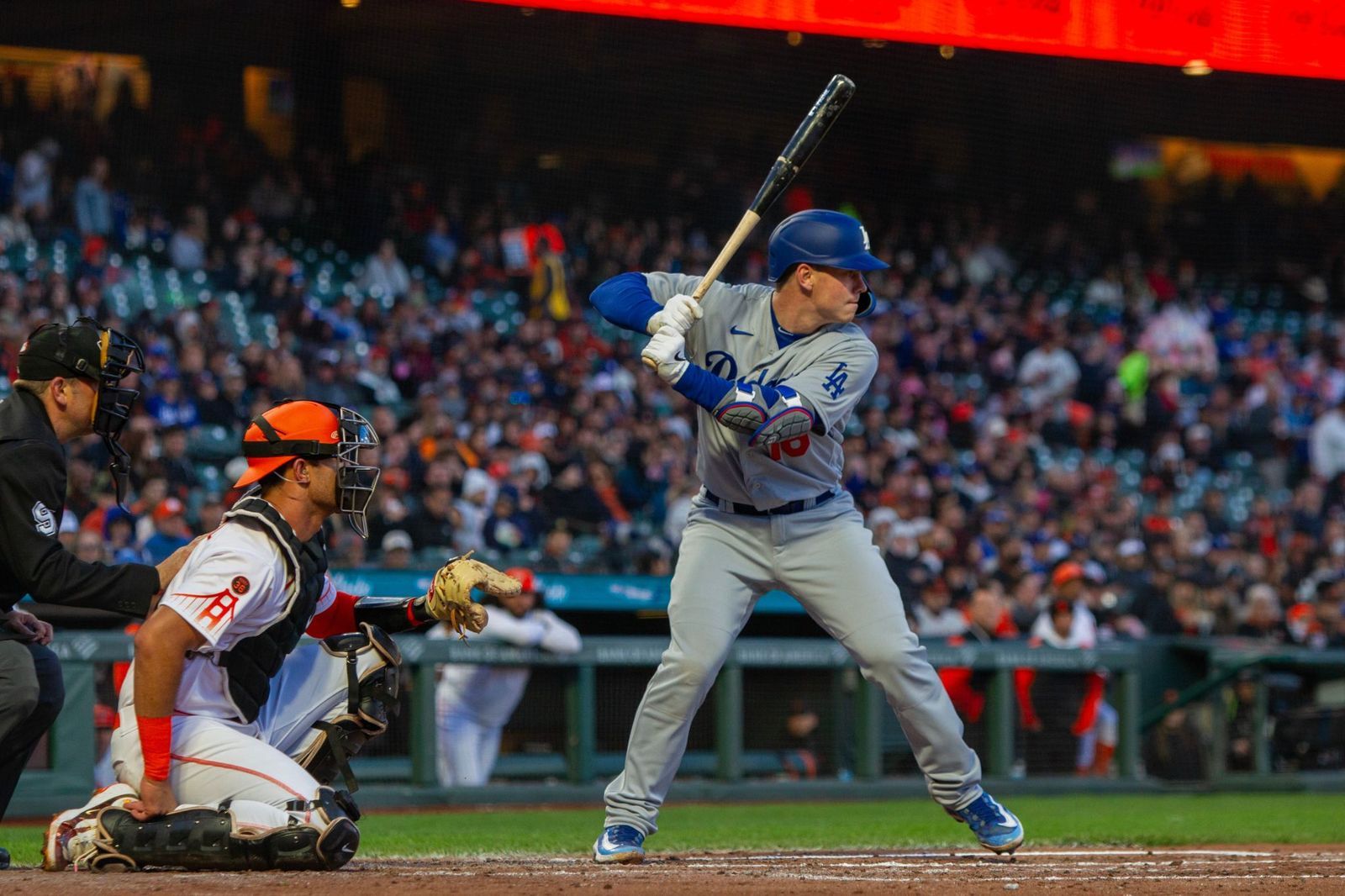
The Dodgers weren't always from Los Angeles. The franchise began in Brooklyn, where residents earned the nickname "trolley dodgers" during the late 1800s. Electric streetcars crisscrossed the borough, and pedestrians had to dodge them constantly to avoid serious accidents. Local newspapers started referring to the baseball club as the Dodgers, and the name eventually stuck.
When the team moved west in 1958, it kept the nickname, turning a distinctly Brooklyn expression into one of baseball's most recognizable brands. Few fans realize the name celebrates quick-footed pedestrians rather than baseball players.
Green Bay Packers
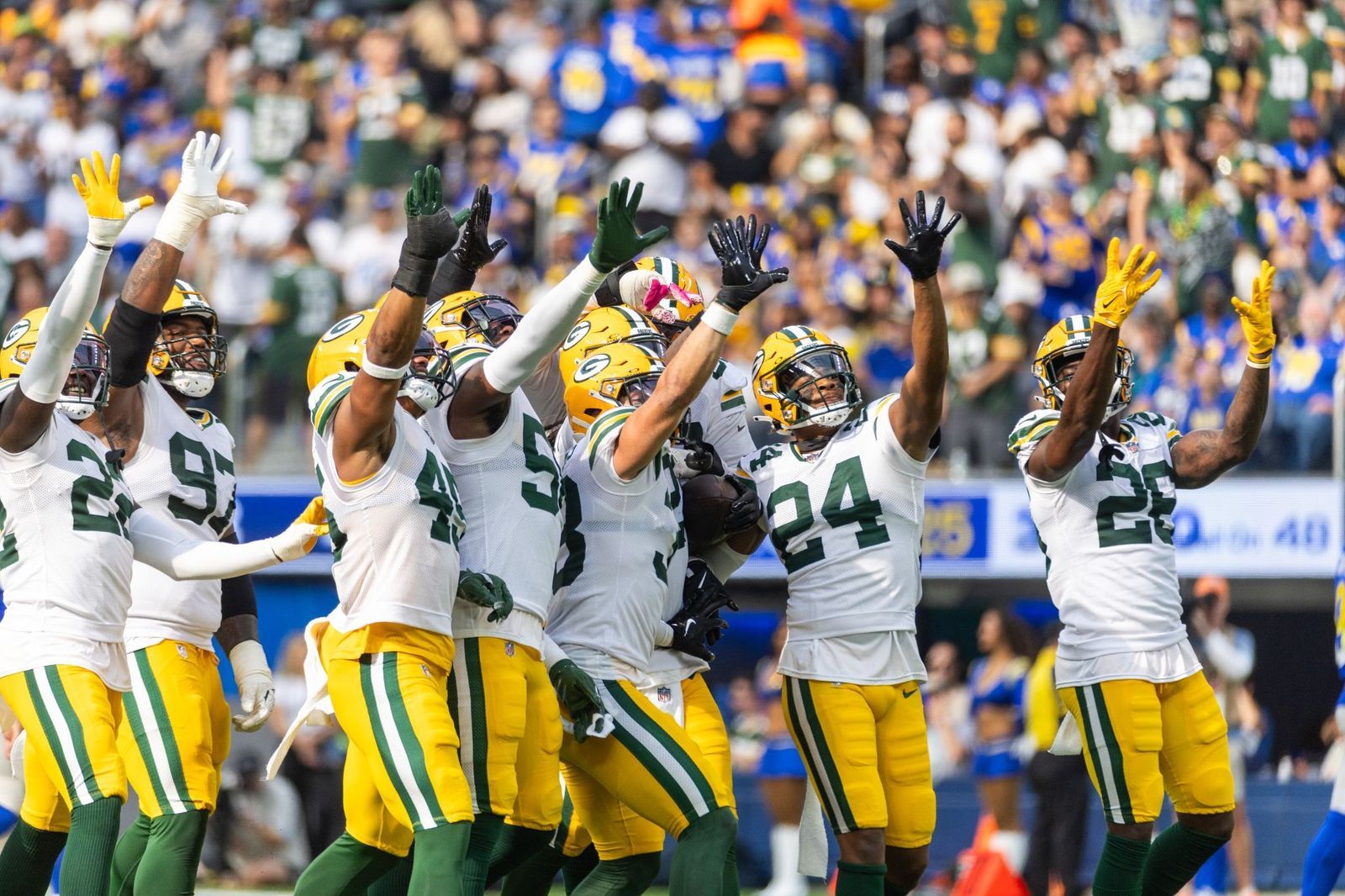
The Packers owe their name to a meat-packing company. In 1919, future coach and founder Curly Lambeau secured money for uniforms from the Indian Packing Company, where he worked. Since many of the players were employees there as well, local reporters naturally began calling the team the Packers.
Unlike most professional sports franchises, Green Bay has never changed its nickname. More than a century later, it remains one of the few major American teams still carrying the name of its original corporate sponsor.
Pittsburgh Steelers
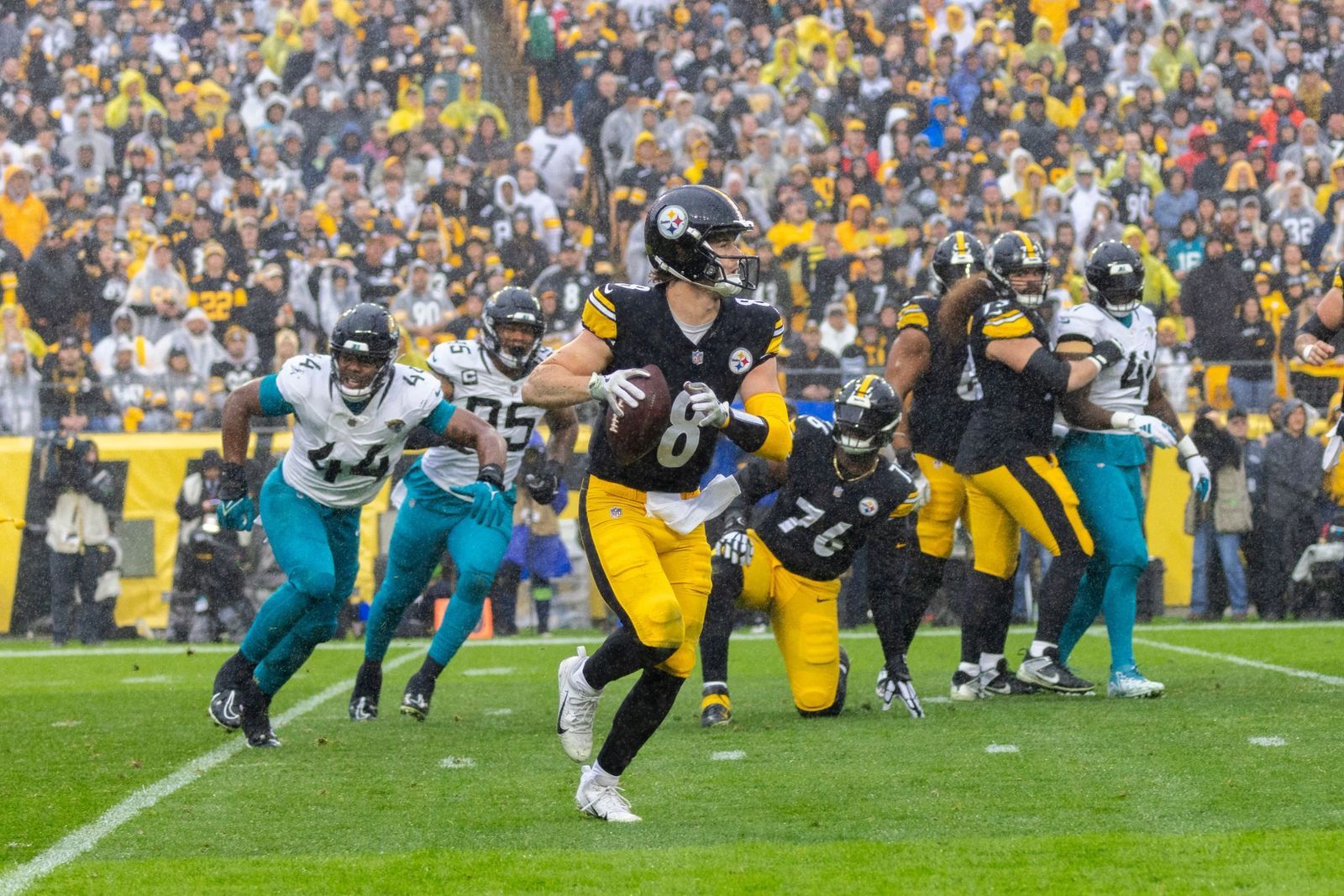
Pittsburgh's identity has long been tied to steel, so it was only fitting that its football team embraced the city's signature industry. The franchise entered the NFL in 1933 as the Pirates but adopted the name Steelers in 1940 after owner Art Rooney held a public contest.
The new name honored the thousands of steelworkers whose mills made Pittsburgh one of the world's great industrial cities. Even today, the team's famous logo incorporates the Steelmark, a symbol created for the American steel industry.
San Francisco 49ers
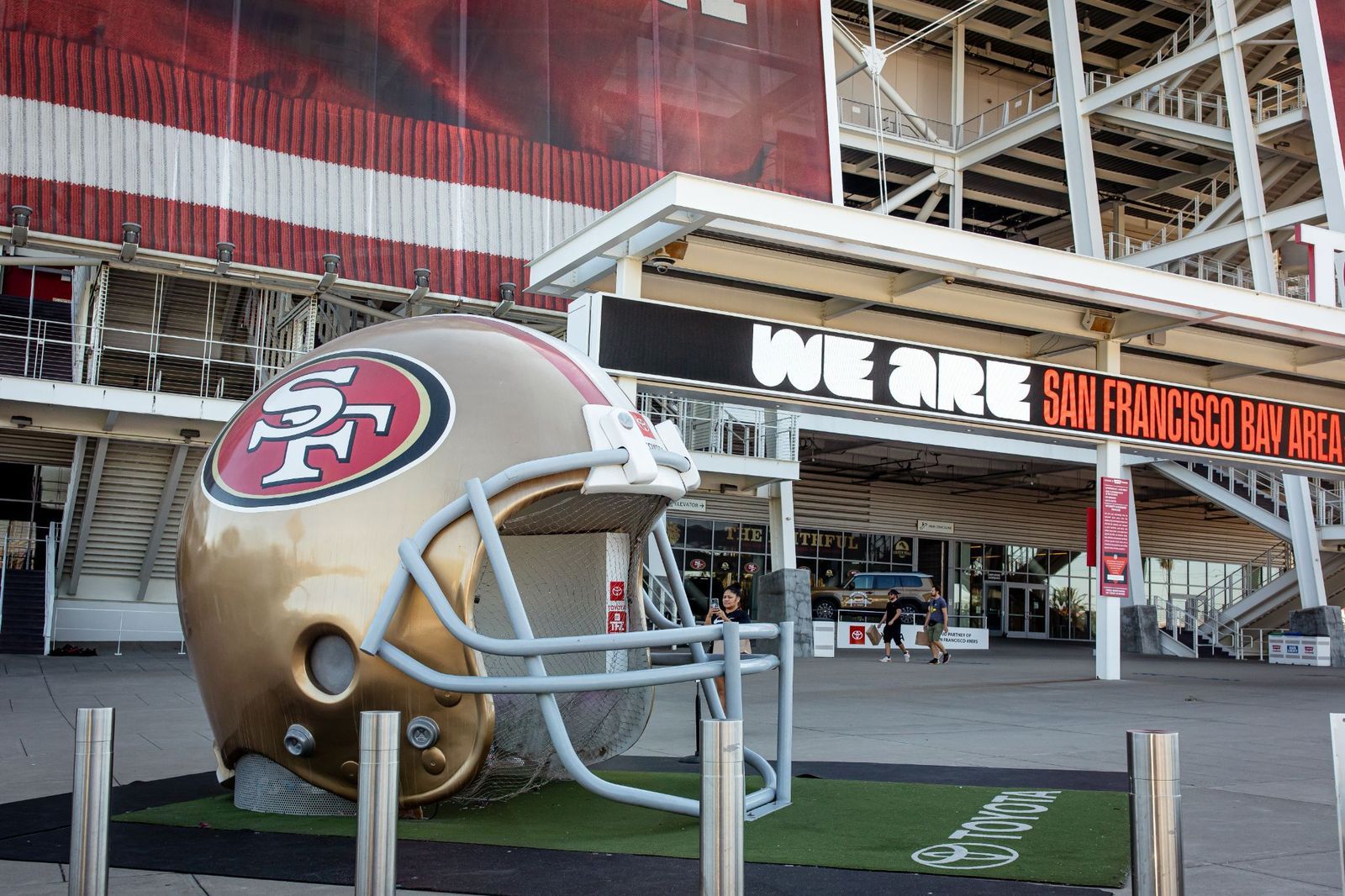
The 49ers are named after the fortune seekers who flooded California during the Gold Rush. Gold was discovered at Sutter's Mill in 1848, but the greatest wave of prospectors arrived the following year, becoming known as the "Forty-Niners."
Although the franchise now represents the San Francisco Bay Area, its name celebrates one of the most transformative events in California history. The Gold Rush attracted hundreds of thousands of newcomers and helped shape the modern American West.
Chicago Cubs
Despite the bear mascot, the Cubs were originally named after young baseball players rather than young bears. Around the beginning of the twentieth century, sportswriters noticed Chicago's roster featured an unusually youthful group of players and began referring to them simply as the Cubs.
The nickname gradually replaced earlier names such as the White Stockings, Colts and Orphans. Today it's difficult to imagine the club as anything else, but its famous name started as little more than a newspaper description.
Milwaukee Brewers
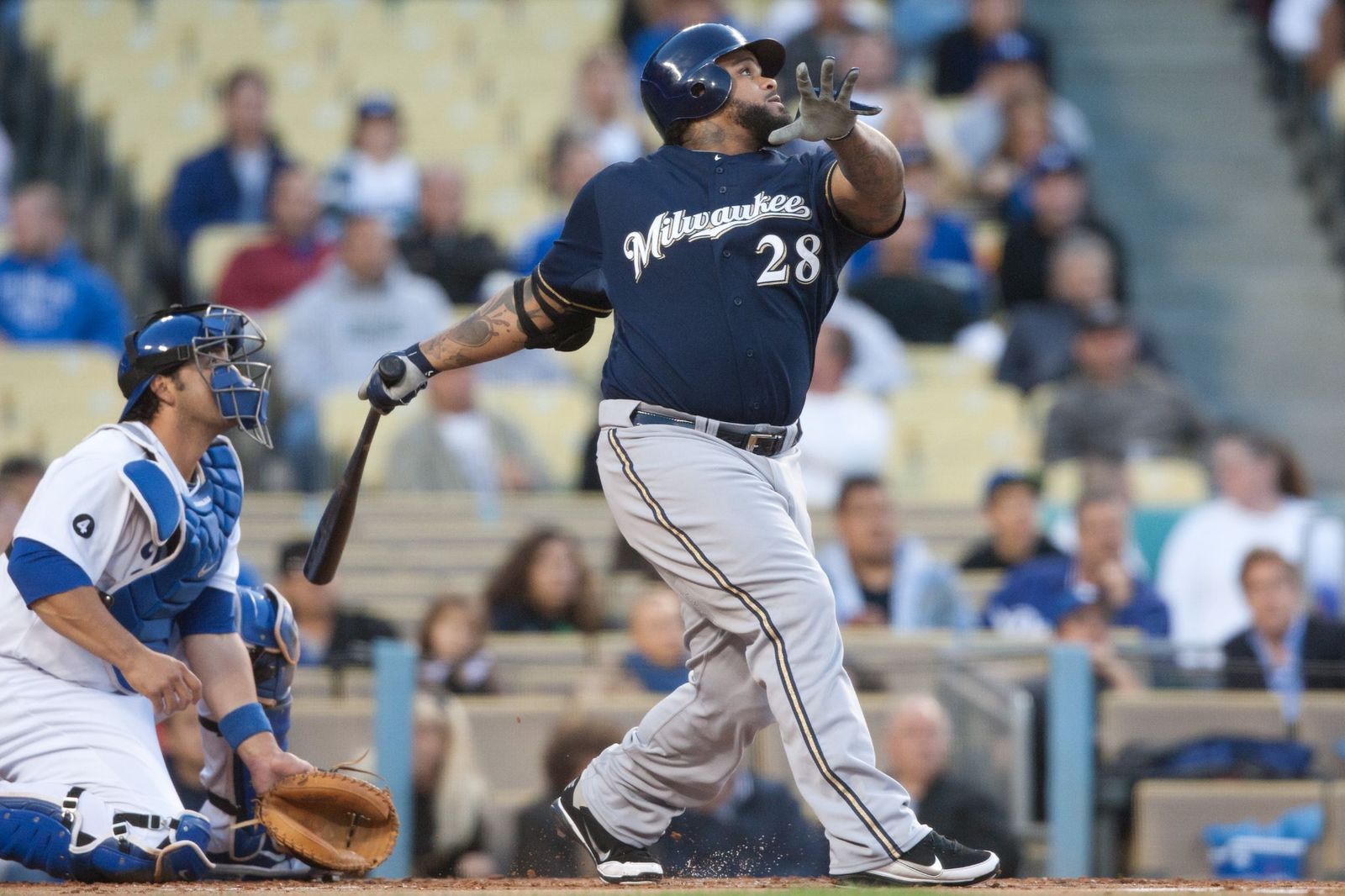
Milwaukee has been one of America's great brewing capitals for generations, home to legendary breweries such as Miller, Pabst, Schlitz, and Blatz. Baseball teams in the city had used the nickname Brewers since the late nineteenth century, making it an obvious choice when the current franchise relocated from Seattle in 1970.
Rather than honoring a mascot or an individual, the name celebrates the industry that helped define Milwaukee's economy and identity for well over a century.
Houston Astros
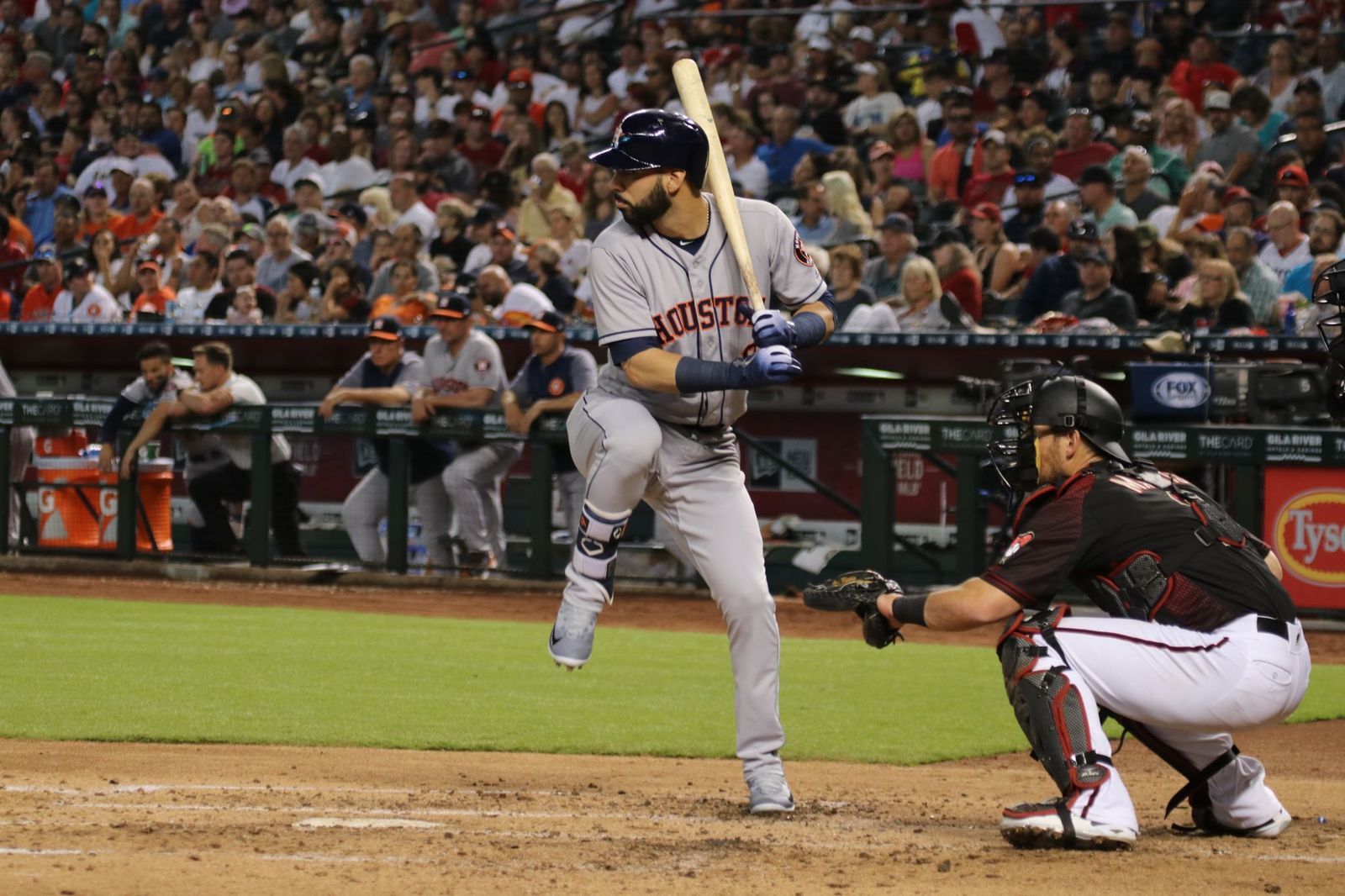
Houston's baseball club entered Major League Baseball in 1962 as the Colt .45s. Three years later, the team moved into the futuristic Astrodome just as Houston became the home of NASA's Manned Spacecraft Center, placing the city at the heart of America's space program.
The franchise adopted the name Astros in 1965 to reflect this new Space Age identity. It remains one of the clearest examples of a professional team embracing a city's role in scientific history.
Los Angeles Lakers
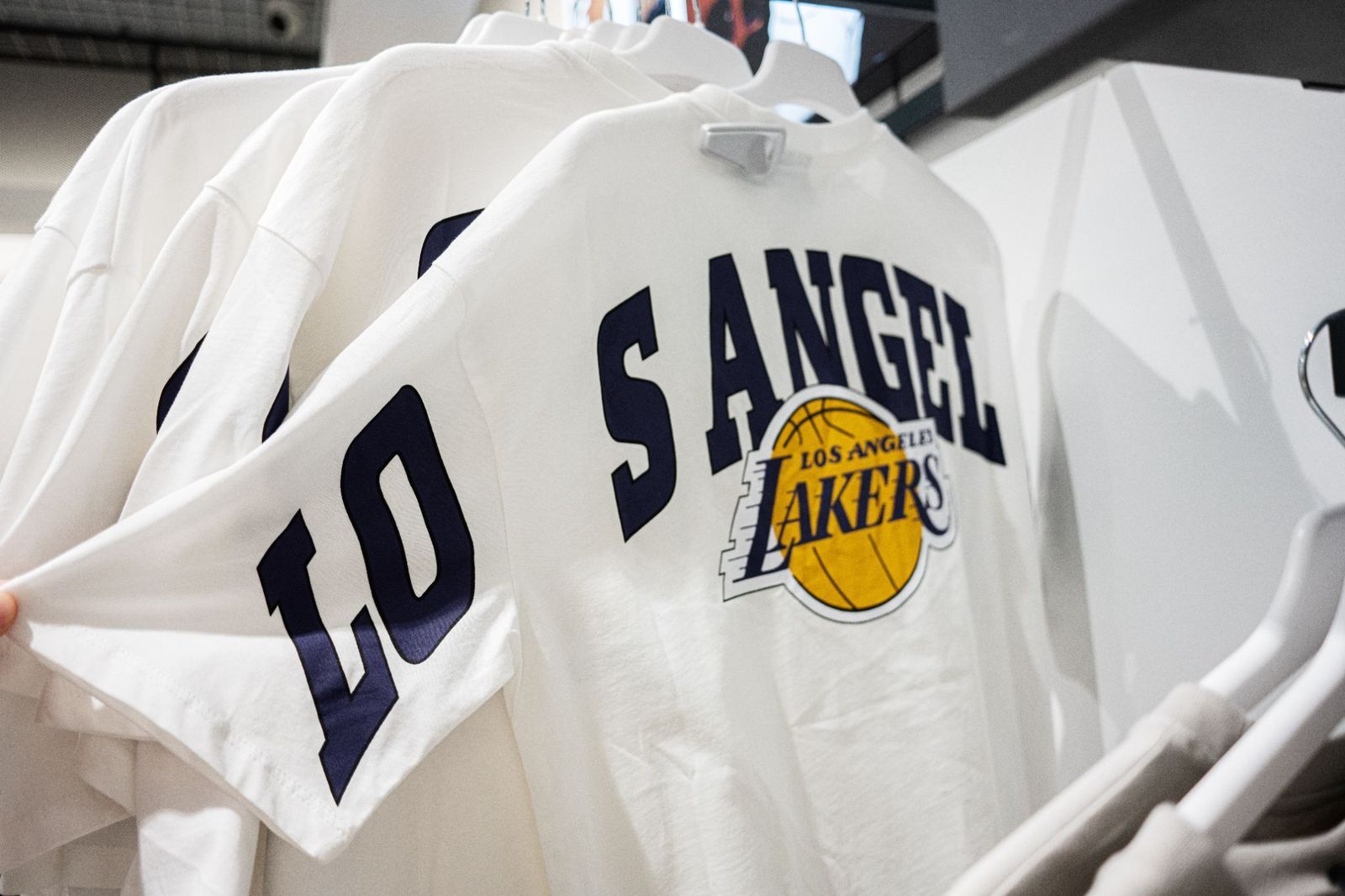
The Lakers have one of sports' most famous geographical mismatches. The franchise began in Minneapolis, Minnesota, whose nickname, "The Land of 10,000 Lakes", made the Lakers a perfect fit.
When the team relocated to Los Angeles in 1960, it simply kept the name. While Southern California isn't known for lakes, the nickname had already earned a winning reputation and had become too valuable to abandon.
Utah Jazz
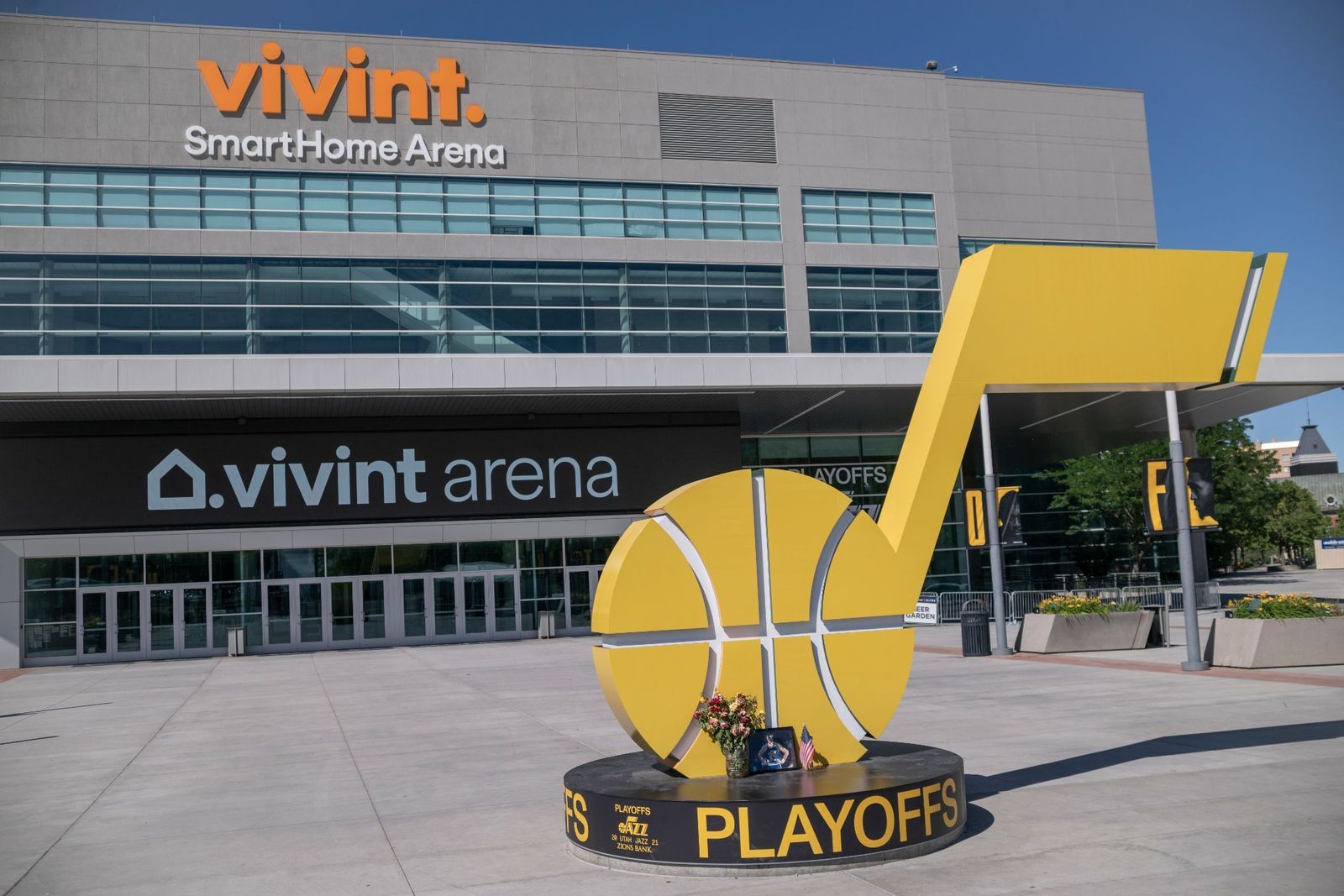
Few team names puzzle fans more than the Utah Jazz. The explanation is simple: the franchise wasn't originally from Utah. It began as the New Orleans Jazz in 1974, borrowing its name from the city that gave birth to jazz music.
After financial difficulties forced the team to move to Salt Lake City in 1979, the nickname remained unchanged. It has since become one of the best-known examples of a sports team carrying a name that reflects its original hometown rather than its current one.
New York Rangers
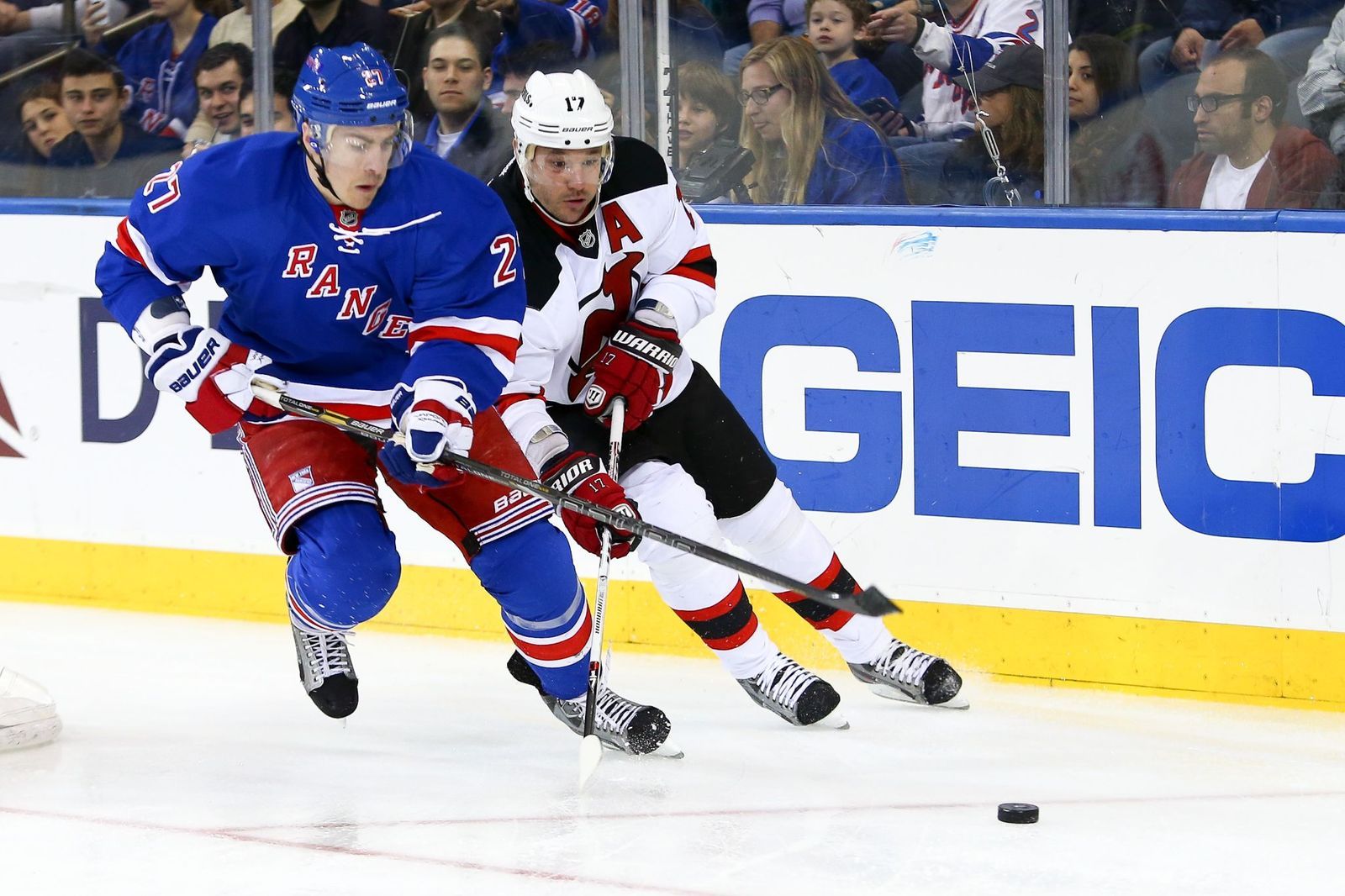
The Rangers weren't named after soldiers or adventurers. Instead, the nickname grew out of a newspaper pun. When boxing promoter Tex Rickard received an NHL franchise in 1926, journalists jokingly referred to the club as "Tex's Rangers," echoing the famous Texas Rangers.
The playful phrase was quickly shortened to simply "Rangers," giving hockey one of its most enduring names, all thanks to a clever headline.
Detroit Red Wings
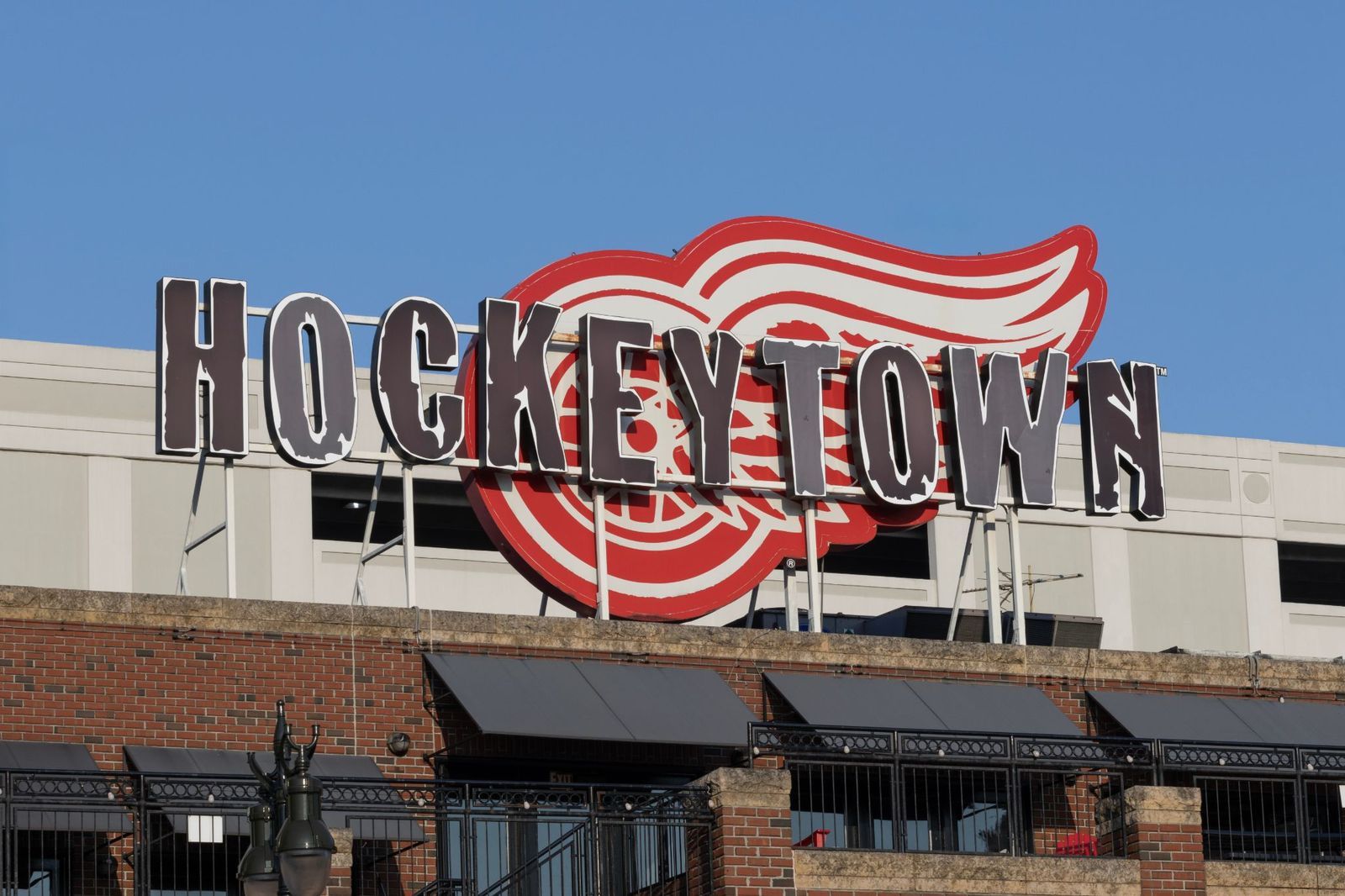
Detroit's famous winged-wheel logo tells the story behind its nickname. When businessman James E. Norris purchased the franchise in 1932, he renamed it the Red Wings after Montreal's Winged Wheelers, an amateur club with which he had once been associated.
The winged wheel also proved especially appropriate for Detroit, already earning worldwide recognition as the center of the American automobile industry. The logo has become one of hockey's most iconic symbols.
Kansas City Royals
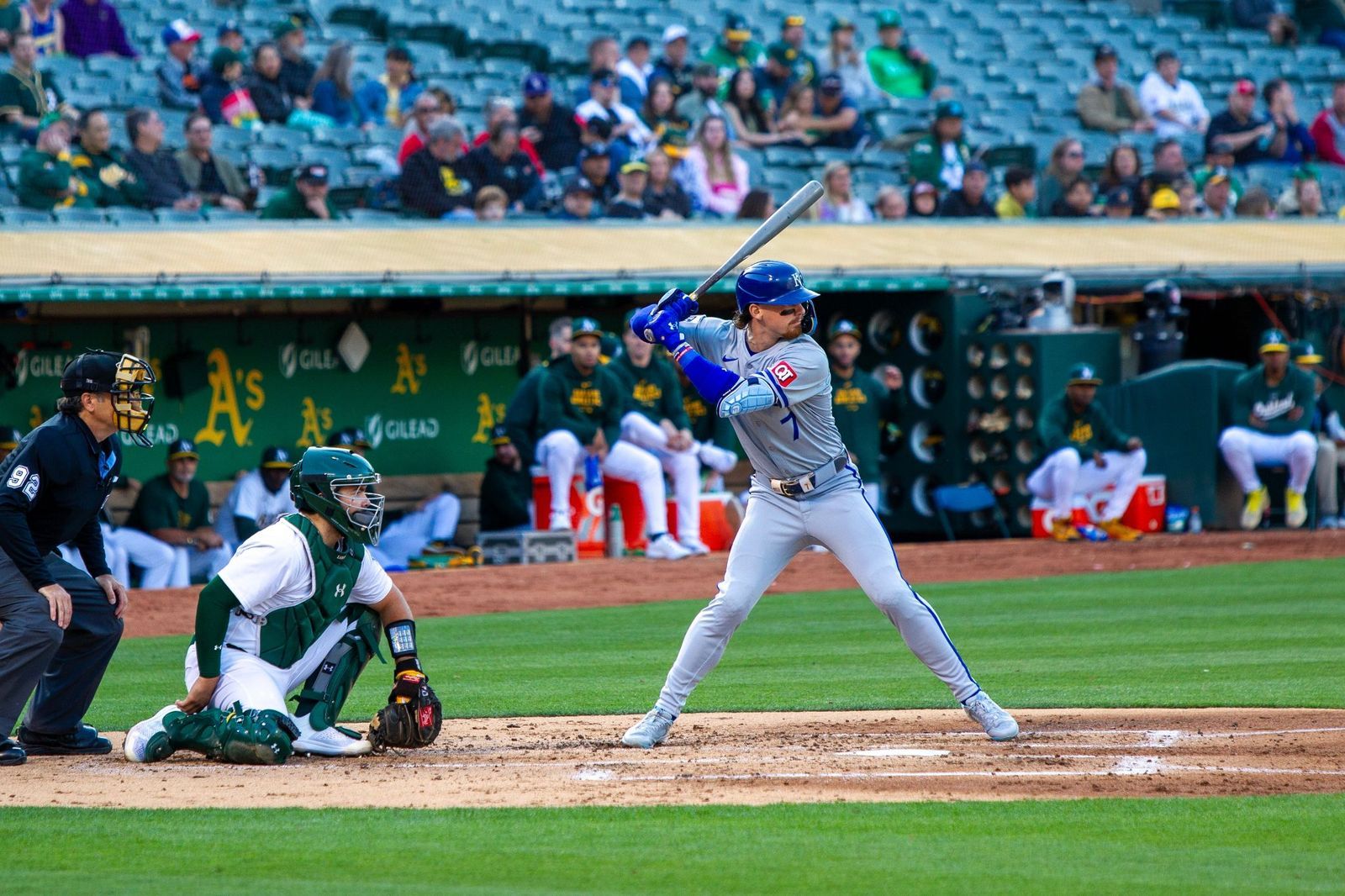
The Royals aren't named after kings or queens. Instead, they honor the American Royal, one of the nation's largest livestock, horse, and rodeo exhibitions, held annually in Kansas City since 1899.
When the city received an expansion baseball franchise in 1969, fans voted in a naming contest, and the Royals won in tribute to this beloved local institution. It's a reminder that sometimes a team's name celebrates hometown traditions rather than history's famous rulers.