Fear Factor

Many of us suffer from nomophobia without knowing it. Phobias 101


Published on December 21, 2024


Image: Nik

We all feel scared sometimes, right? But phobias aren't simple fears; They represent a type of irrational and strong fear of objects, situations, or activities that can cause intense feelings of anxiety. Some are very frequent, such as arachnophobia (fear of spiders) or claustrophobia (fear of confined spaces). However, there are many other phobias that are not only rare but also have some of the strangest names. Have you ever heard of chaetophobia? Do you know the term for mirror phobia? If you want to discover 10 uncommon phobias and the origin of their names, read on!

1

Anthophobia

Image: Gabriela Popa

Since old times, poets and artists have dedicated part of their work to nature, particularly flowers. In all types, sizes, and colors, Mother Nature has a flower for everyone, and we, as humans, have incorporated them into our culture in countless ways.

But not everything is rosy. Some people struggle when spring arrives. We're not talking about those allergic to pollen –although they suffer too– but those with anthophobia.

Άνθος (anthos) is the Greek word for flower. So, as the name implies, it's a deep fear of flowers, their appearance, contact with them, or, in some cases, even their scent.

2

Arithmophobia

Image: Waldemar

Do you have a lucky number? We do! Numbers represent a lot in our lives, both socially and personally. In fact, many cultures have adopted certain numbers as positive or negative symbols. For example, according to Chinese culture, 8 is a lucky number, while 4 heralds bad news. In Japanese culture, 7 is responsible for announcing good fortune.

Arithmophobia is the irrational fear of numbers. Some people with arithmophobia may reject all numbers in general, while others may associate the fear with a specific number, especially those considered negative or unlucky. Just like the word "arithmetics," arithmophobia has its origin in the Greek ἀριθμός (arithmós), meaning "numbers" or "counting."

3

Nomophobia

Image: Yura Fresh

While connectivity allows us to work, find out what's going on in the world, keep in touch with our loved ones, and receive funny memes, technology can also have its downside.

Our reliance and dependence on laptops and cell phones have increased in recent years, and one of the consequences was the emergence of a condition called nomophobia.

According to the National Library of Medicine, nomophobia is the severe anxiety caused by the fear of being without your phone, losing it, or lacking cell service. Unlike most phobias, its name doesn't have Greek origins; it's actually a portmanteau: NO MObile PHOne phoBIA.

4

Ailurophobia

Image: Kim Davies

Cats and dogs have been part of our lives for ages, but while many of us may find them adorable, some people would prefer another type of pet. Why? Well, for many and varied reasons, and one of them could be ailurophobia.

Ailurophobia is the intense and irrational fear of cats. Its name comes from the Greek αἴλουρος (ailouros), meaning "cat," and φόβος (phóbos), "fear," and its symptoms and triggers can vary from person to person.

Surprising as it may be, this phobia is not new. It seems that this fear has been around since ancient times. In fact, some stories claim that figures such as Julius Caesar and Alexander the Great experienced this phobia.

5

Eisoptrophobia

Image: Caroline Veronez

What's the first thing you do when you wake up in the morning? For many of us, looking in the mirror is part of our daily routine, whether it's brushing our teeth or trying on the outfit we'll wear to work. For some, however, a mirror isn't necessary. In fact, they would prefer to avoid it at all costs.

We're talking about eisoptrophobia, the irrational fear of mirrors. As you've probably guessed by now, this word is also derived from Greek but is a bit more specific. εἰς (eis) means "into," and ὀπτῐκός (optikos) refers to vision, image, or sight. As you can see, the word's etymology points to a fear of the reflected image rather than the mirror itself.

6

Logophobia

Image: Ionela Mat

Wherever you go, wherever you look, there will be words. On your phone screen, on the TV, on book spines, food packages, clothing labels, street signs, and even graffiti. They're everywhere!

All that will seem overwhelming when you learn about logophobia, the fear or terror of words. As you know, Φόβος is the Greek word for "fear," while λόγος (logos) translates as "word" or "speech." This fear can be triggered by a specific word, a type of word, or all of them.

7

Sesquipedalophobia

Image: Sergi Kabrera

Believe it or not, sesquipedalophobia is the fear of long words. Ironic, isn't it?

In Latin, sesqui means "one and a half," while pedis is "foot." In Rome, there was a term for really long words: sesquipedalis, those that seemed "a foot and a half long." Over time, this Latin joke became part of the medical term.

But there's more! As if "sesquipedalophobia" wasn't long enough, the term "hippopotomonstrosesquippedaliophobia" has emerged in recent years to describe the same fear. While the latter is not officially recognized, it seems that someone thought it would be good to exaggerate the term by adding the Latin monstrum ("monster") and hippopotamus.

8

Arachibutyrophobia

Image: Towfiqu barbhuiya

Peanut butter is one of Americans' major favorites. Whether it's breakfast or any other meal, this ingredient is a staple in most of our diets. However, there are those who can't tolerate it.

If you experience sweaty palms, dizziness, discomfort, or anxiety at the mere thought of peanut butter entering your mouth, perhaps it's arachibutyrophobia.

Arachi is a Greek term related to leguminous plants such as peanuts, and βούτυρον (bouturon) means "butter." Some people associate this specific phobia with the idea of peanut butter sticking to the roof of their mouth, which triggers a fear of choking.

9

Chaetophobia

Image: Tim Mossholder

When it comes to looking good, hair is the key. We all know things aren't easy when it's a bad hair day, right?

While for most of us, it's as simple as going to the salon or taking some time out of our day to fix our hair, it's not so simple for others.

No one enjoys walking into the bathroom just to find a pile of loose hair scattered around. Definitely not pleasant scenery! But when dislike reaches an extreme, it can be chaetophobia, an irrational and persistent fear of hair. This name comes from the Greek χαίτη (khaitē), meaning "loose, flowing hair."

10

Globophobia

Image: Adi Goldstein

"Pennywise" is a familiar name to most of us, isn't it? Thanks to this iconic clown from Stephen King's novel and the movies based on it, we have all come to hear about coulrophobia, the fear of clowns.

While coulrophobia is quite common, there is another related phobia that is much less frequent. This is globophobia, the extreme fear of balloons, their texture, smell, the material they are made of, or the possibility of them popping. For that reason, globophobia is one of the phonophobias, associated with loud sounds.
The 12 longest-living animals on Earth (and how they cheat time)


Published on December 21, 2024


Image: David Clode

Nature doesn’t just create beauty, it crafts survival miracles. While most animals have short lives, a rare few have mastered the art of staying alive for centuries, even millennia. These aren’t just long-lived creatures; they’re nature’s ultimate time travelers. From the frozen depths of the oceans to the darkest corners underground, they’ve developed bizarre, brilliant strategies to cheat death. Get ready to meet 12 animals whose lifespans will absolutely blow your mind.

1

Antarctic Sponge (Anoxycalyx joubini)

Image: NOAA

Record age: up to 15,000 years

This unassuming sea sponge thrives in the freezing waters of Antarctica, where temperatures hover around 28.6 °F—so cold that biological processes hit the brakes. In such icy conditions, metabolism slows to a crawl, allowing these sponges to live for thousands of years.

Some have reached impressive sizes of over 3 feet tall and have been around since mammoths were still thundering across the tundra. They don’t move, they don’t stress, and they barely change, just quietly existing while centuries pass them by. Their secret to extreme longevity? Glacial patience, deep-sea stillness, and a lifestyle that redefines "low-maintenance".

2

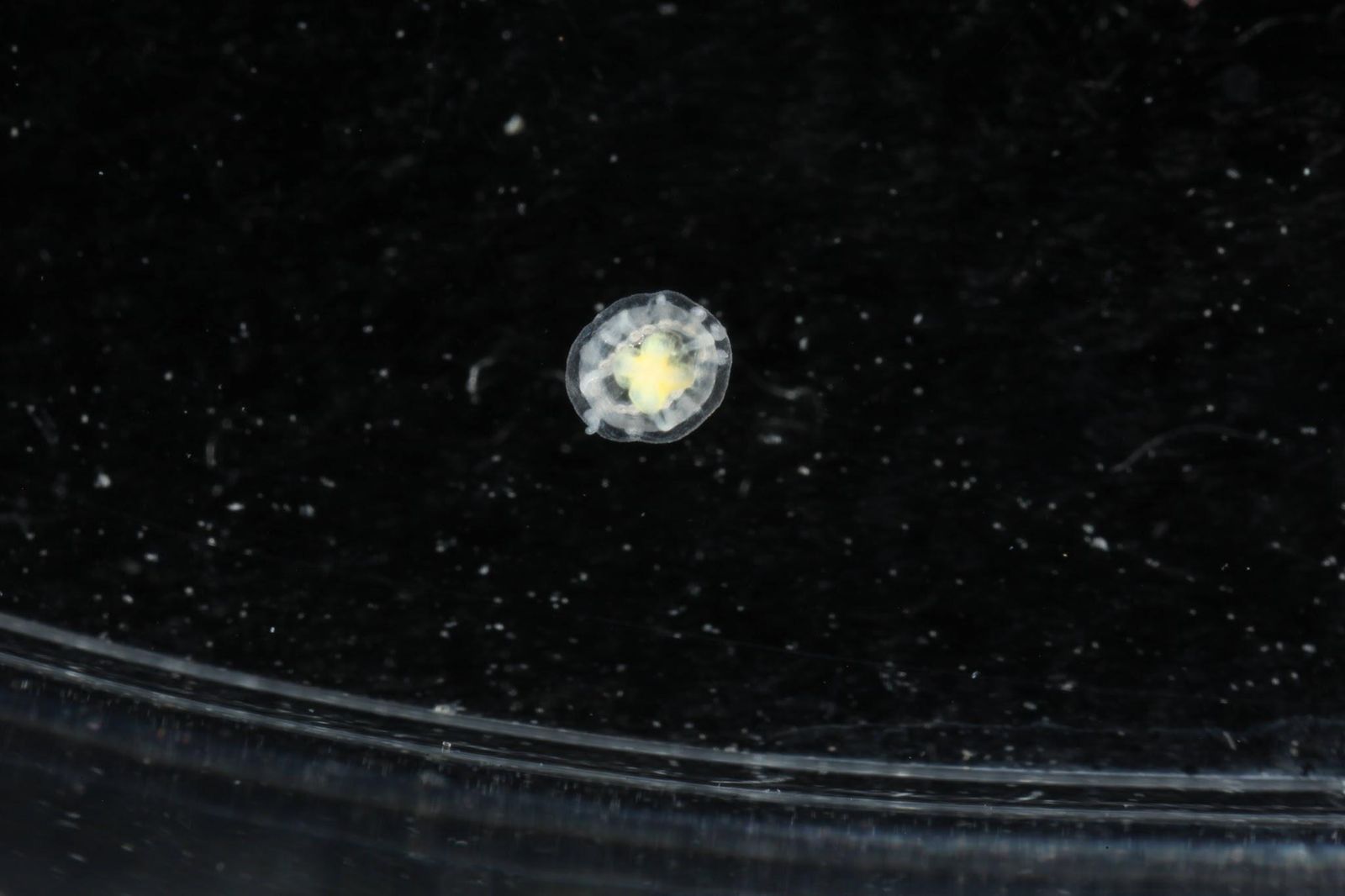
Immortal Jellyfish (Turritopsis dohrnii)

Image: Dr. Karen J. Osborn, CC0, via Wikimedia Commons

Age: technically… infinite

This tiny jellyfish, no bigger than a fingernail—less than 0.2 inches—is like the ocean’s very own Benjamin Button. What makes it truly extraordinary is its ability to rewind its life story, flipping back to a youthful, juvenile stage whenever it wants. While it’s not completely invincible (predators and other threats are still very real), if left undisturbed, it can keep hitting the reset button on aging indefinitely, making it one of the most fascinating "time-benders" in nature.

3

Ocean Quahog Clam (Arctica islandica)

Image: Norbert Braun

Record age: 507 years

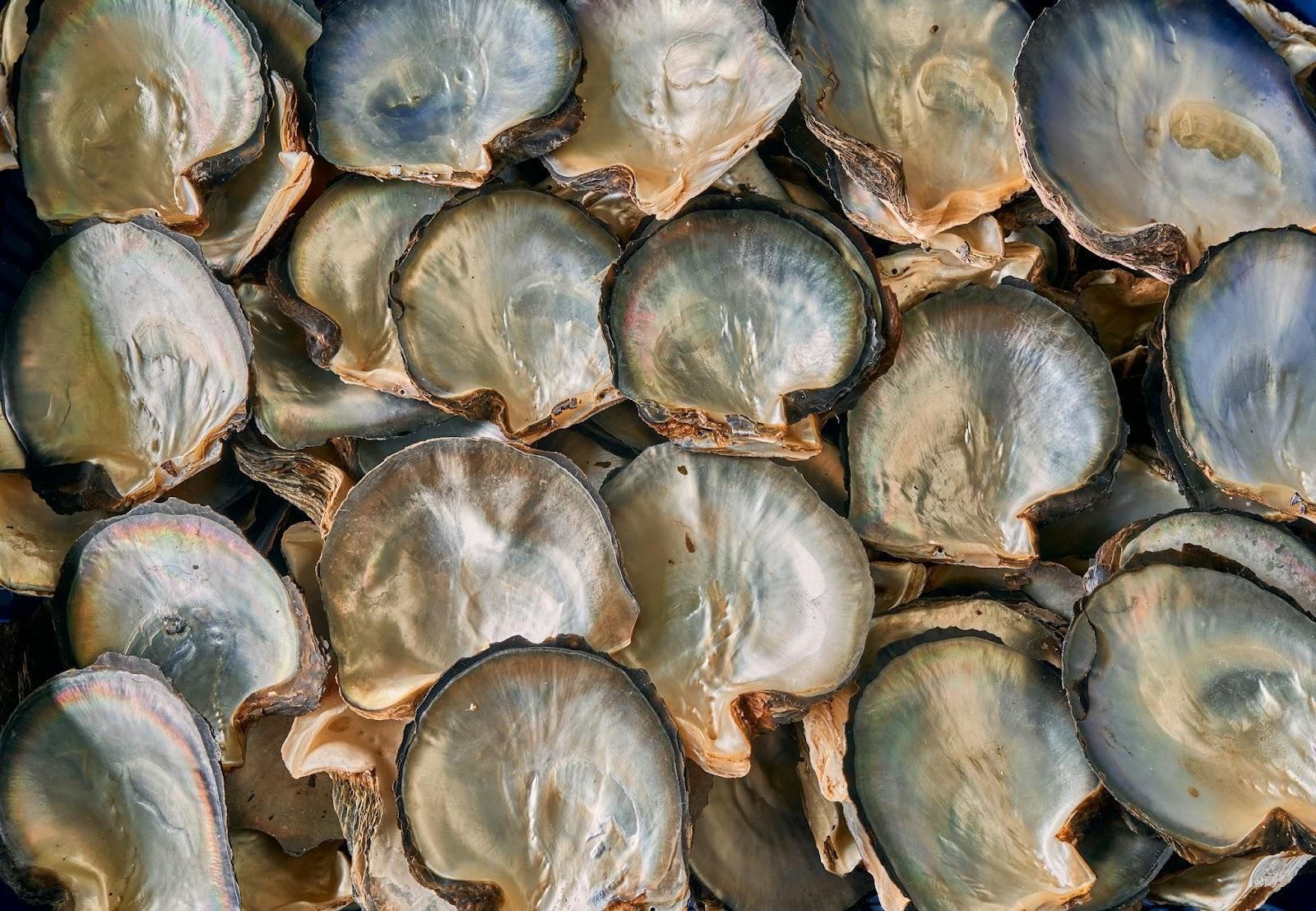
In 2006, a special clam was discovered buried deep in the seabeds of the North Atlantic. Scientists were able to determine that it had been there since at least 1499—that’s centuries before the United States was even a thought! This ancient marvel, nicknamed "Ming", was able to perfect a slow-and-steady approach to life. Growing at a snail’s pace and barely budging, Ming’s sedentary lifestyle turned out to be a brilliant strategy for beating the clock. Who knew doing almost nothing could be the ultimate secret to longevity?

4

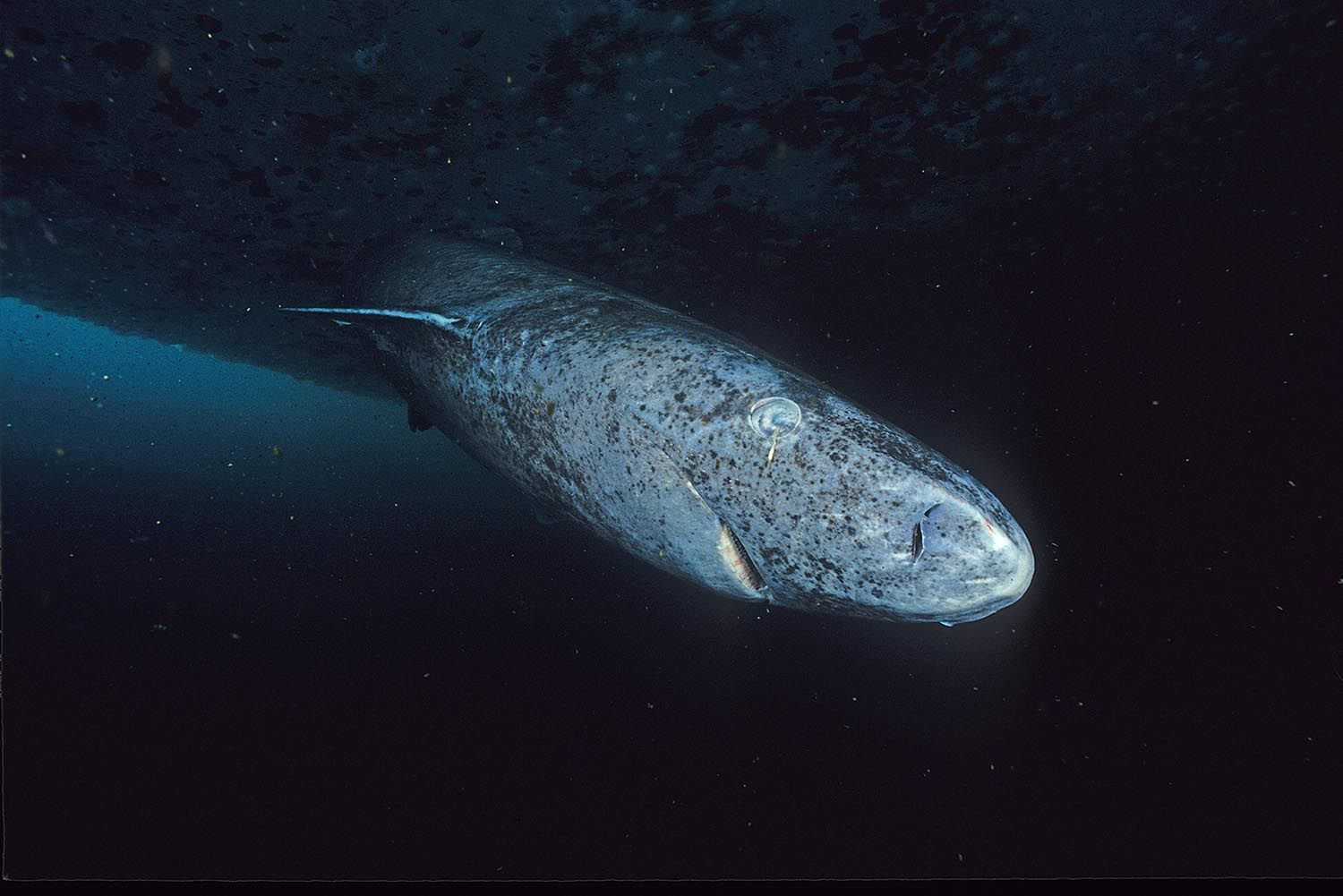
Greenland Shark (Somniosus microcephalus)

Image: https://upload.wikimedia.org/wikipedia/commons/3/39/Greenland_shark_profile.jpg

Record age: estimated 392 years

These sharks aren’t your average ocean cruisers—they can stretch over 20 feet long and weigh up to 2,200 pounds. But what’s really mindblowing is how slowly they move, like they’re in a permanent state of deep relaxation. Living in the icy Arctic waters, these giants don’t hit adulthood until they’re about 150 years old, and some can glide through the depths for nearly 400 years. Imagine that! These ancient swimmers were already around before America declared independence... and they are still out there, silently roaming the seas!

5

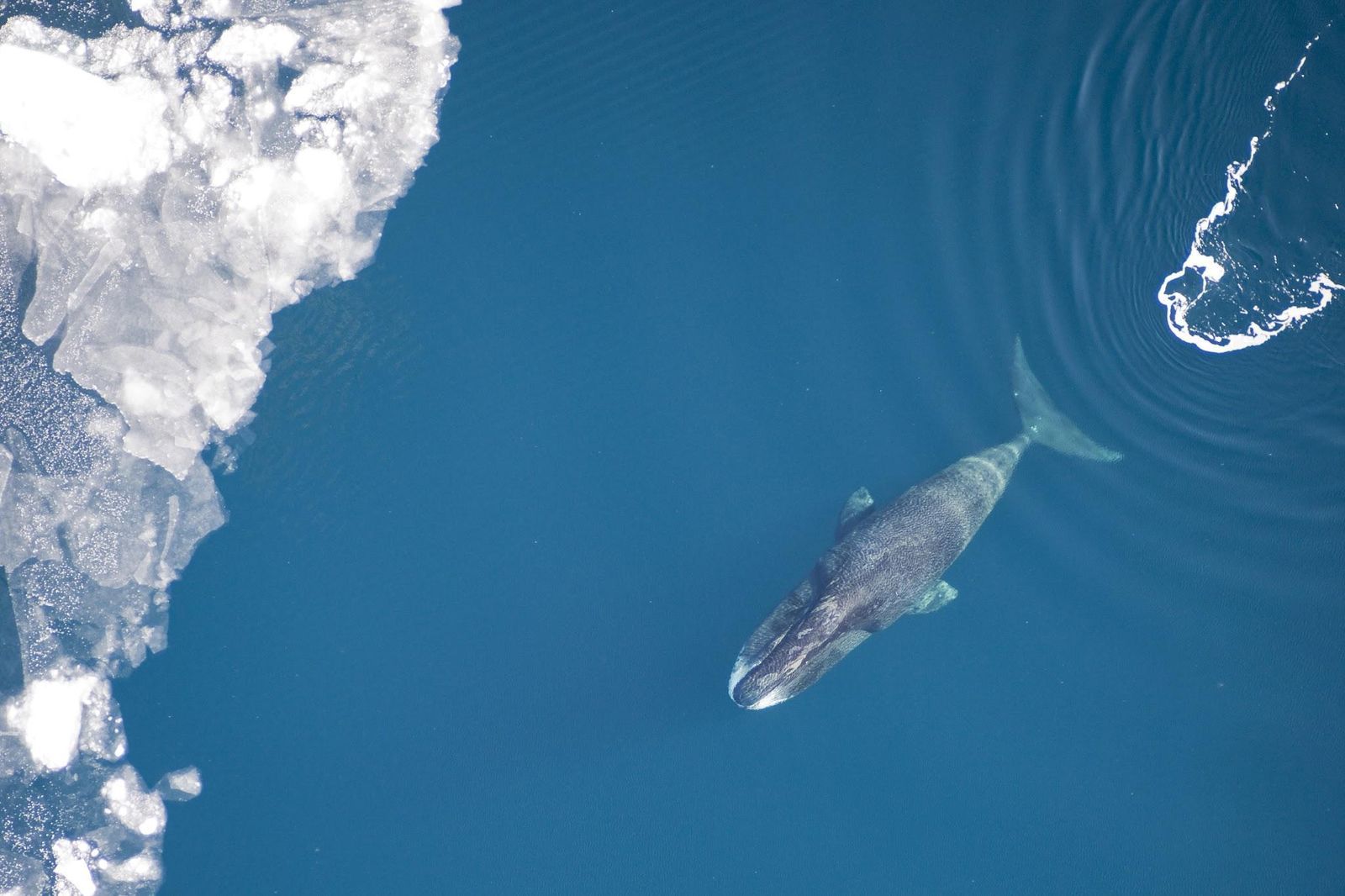
Bowhead Whale (Balaena mysticetus)

Image: Vicki Beaver, Alaska Fisheries Science Center, NOAA FIsheries, Marine Mammal Permit#14245, Public domain, via Wikimedia Commons

Record age: over 211 years

This whale is a true ocean giant, stretching up to 60 feet long and weighing a staggering 200,000 pounds. But what makes it stand out isn’t just its size but its age. Some of these majestic creatures carry harpoons from the 1800s still lodged in their skin, like walking history books. Just picture living so long that you’re literally carrying outdated technology embedded in your body—talk about being a time traveler of the seas!

6

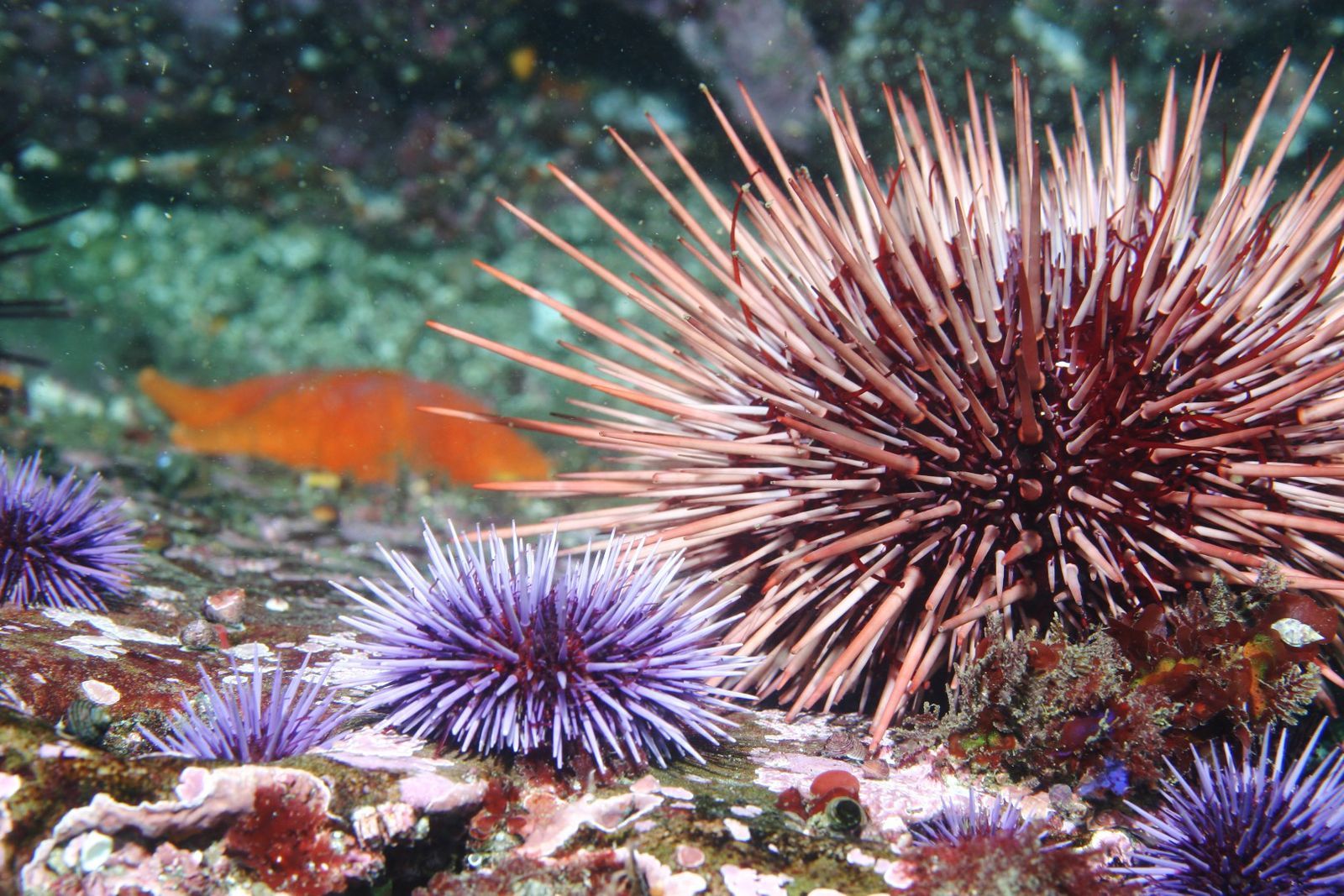
Red Sea Urchin (Mesocentrotus franciscanus)

Image: National Marine Sanctuaries, Public domain, via Wikimedia Commons

Record age: 200 years

Spanning the chilly Pacific coastline from California all the way up to Alaska, this spiky little ball—about 7 inches across—is full of surprises. It munches on algae and calls the deep, dark ocean its home, thriving at depths of up to 300 feet. Don’t let its size fool you: this prickly creature is a true elder of the cold seas, quietly outliving many ocean neighbors while keeping a low profile. A tough, slow-living veteran wrapped in spikes!

7

Koi Carp (Cyprinus rubrofuscus)

Image: Daniel Dan

Record age: 226 years

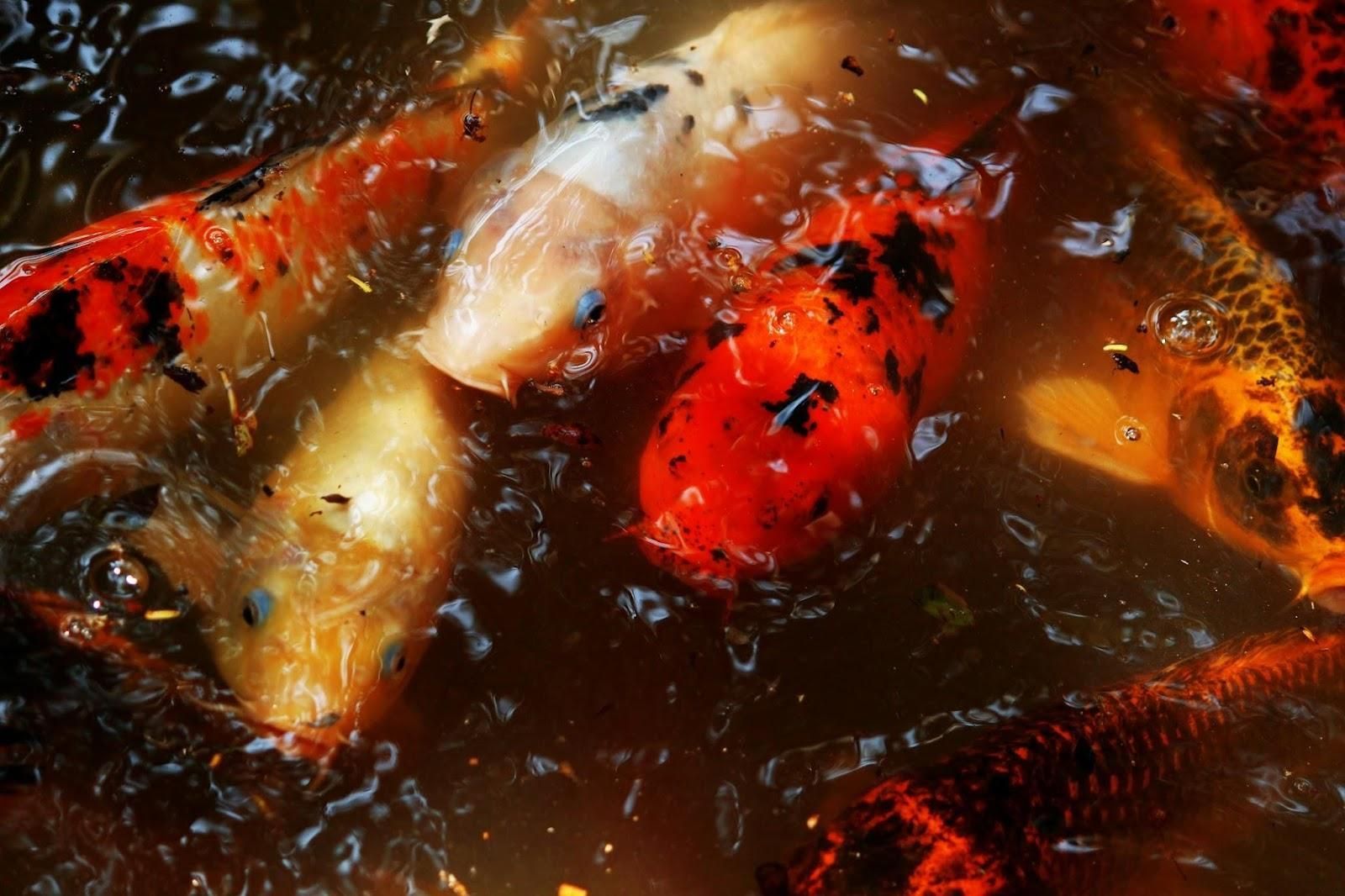
Meet Hanako, a legendary Japanese koi who swam through life for an astonishing 226 years. Scientists discovered how old she was by studying the rings on her scales, much like counting the growth rings of a tree. These colorful, ornamental fish aren’t just symbols of good fortune; they’re also secret long-lifers with the potential to celebrate over two centuries of birthdays, as long as they get the right care and a peaceful pond to call home.

8

Seychelles Giant Tortoise (Aldabrachelys gigantea)

Image: Ryan Grewell

Record age: 190 years

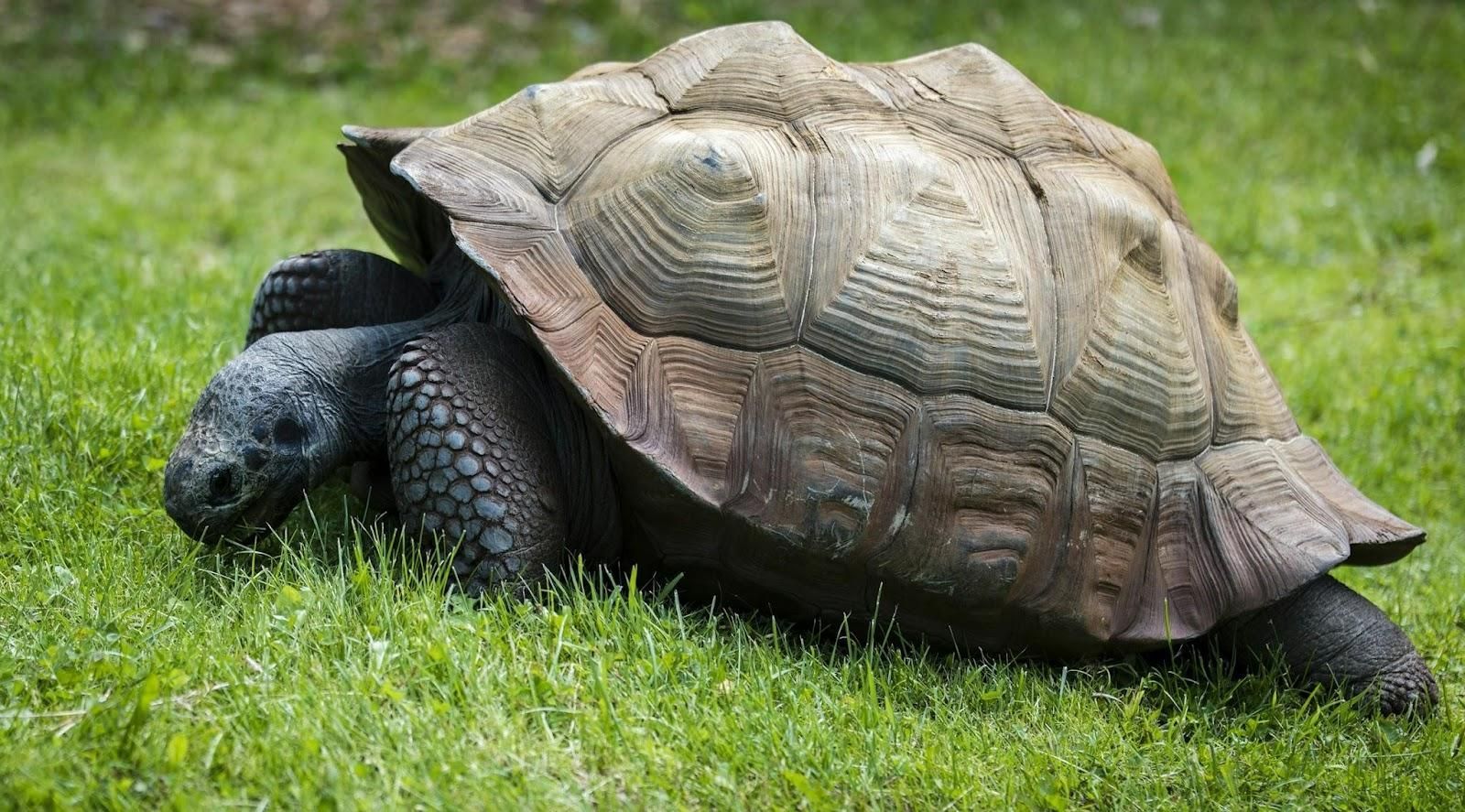
Jonathan is a male tortoise living on the remote island of Saint Helena in the South Atlantic Ocean. He was born back in 1832, and he’s still happily chomping lettuce and soaking up the sun today. Weighing in at more than 400 pounds and measuring around 3 feet long, Jonathan holds the title of the oldest known living land animal on the planet. If he could share tales, they’d span nearly two centuries of history. Imagine that!

9

Lake Sturgeon (Acipenser fulvescens)

Image: See page for author, Public domain, via Wikimedia Commons

Record age: 152 years

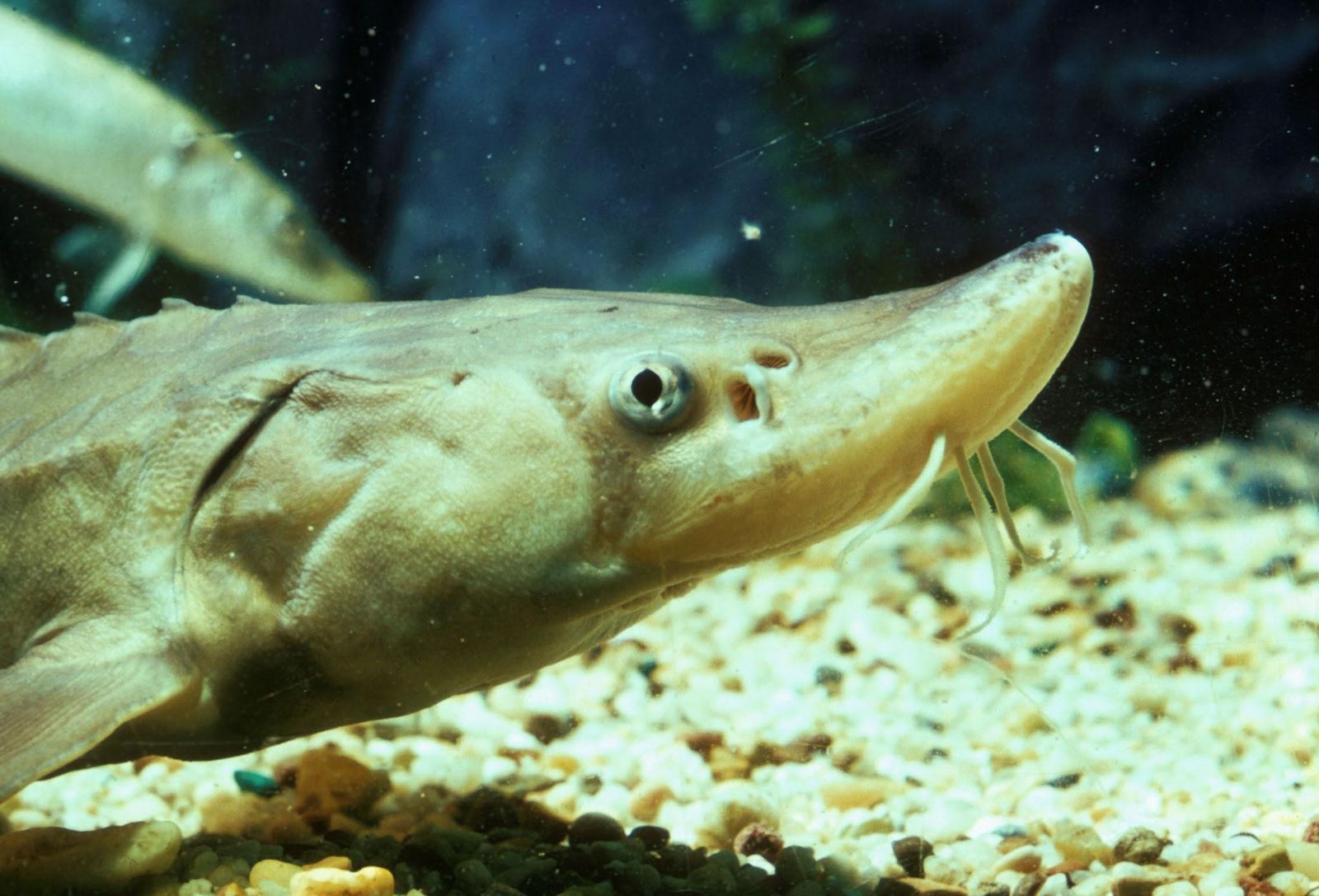
This ancient-looking fish, with its whisker-like barbels, looking like a tiny underwater submarine, prowls the lakes of North America. It can reach an impressive length of up to 7 feet and weigh around 200 pounds. These slow-living creatures don’t rush into adulthood—they start breeding only around age 20—and then take their time cruising through life at a leisurely pace. Believe it or not, one legendary catch in Wisconsin was estimated to be over 150 years old!

10

Kakapo Parrot (Strigops habroptilus)

Image: Andreas Sjövall

Record age: over 90 years

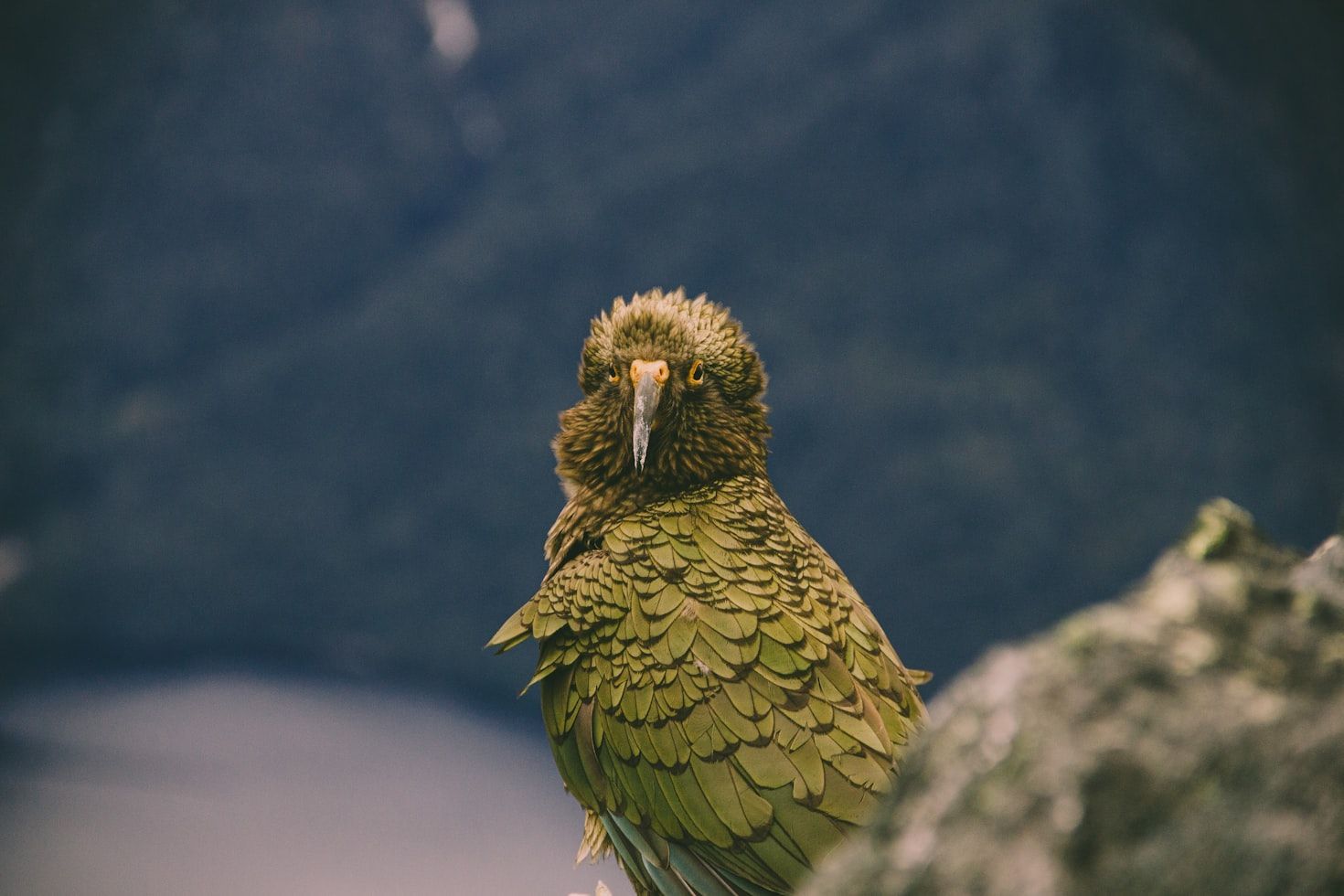
This chunky, night-loving parrot from New Zealand is a true oddball—it can’t fly, snores like a grumpy grandpa, and smells like fresh flowers. Despite its quirks, this bird boasts an impressively long lifespan. Sadly, it teeters on the edge of extinction. The oldest known kakapo, affectionately named Richard Henry, lived 90 years, earning him the title of the charmingly eccentric elder statesman of the avian world.

11

Naked Mole Rat (Heterocephalus glaber)

Image: Daderot, CC0, via Wikimedia Commons

Record age: 37 years

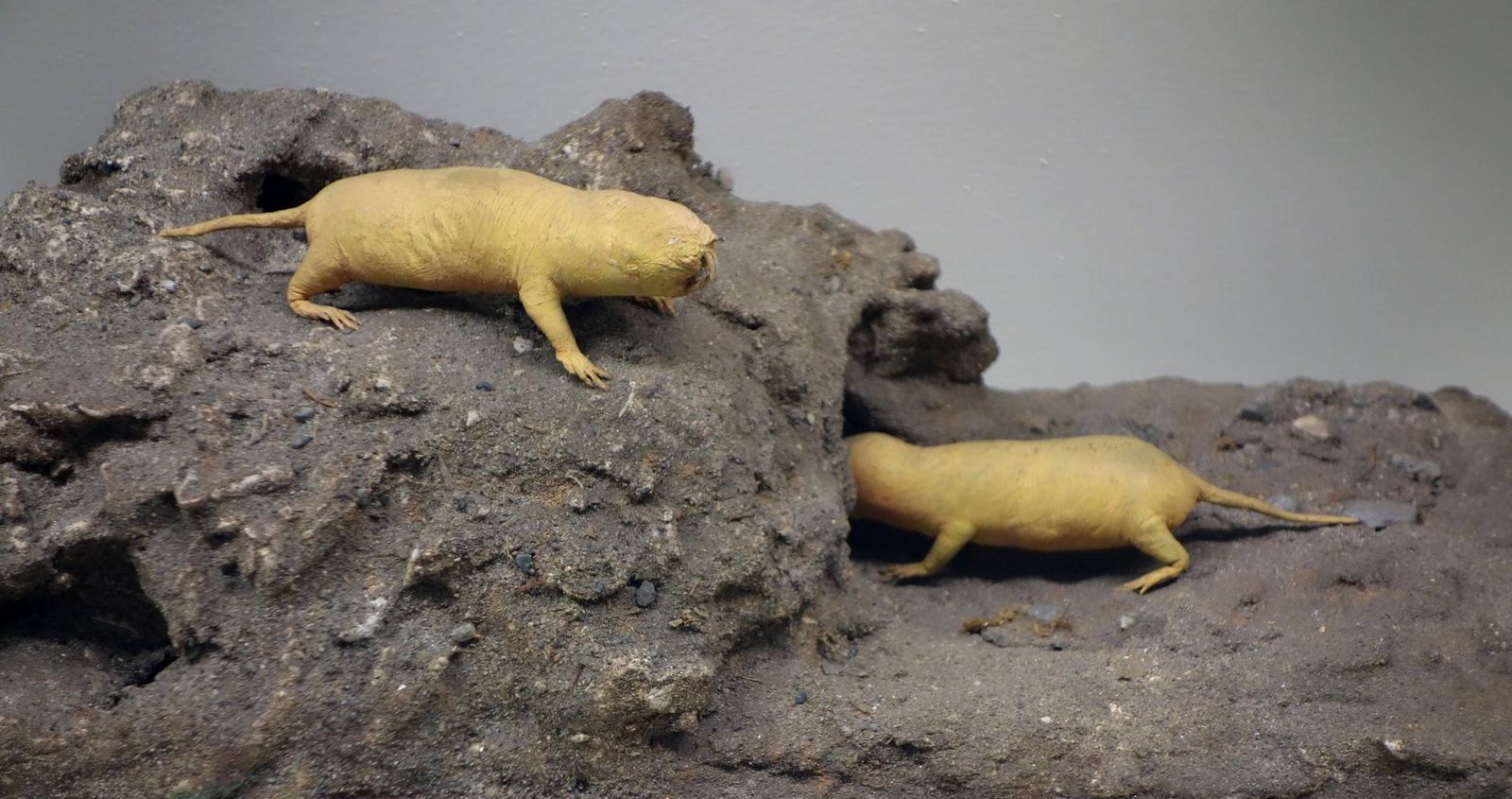
This tiny, kooky rodent—barely 3 inches long and just over an ounce in weight—could’ve been cast straight from a sci-fi apocalypse flick. Dwelling in vast underground colonies across Africa, it’s practically invincible to cancer, pain, and the usual effects of aging. Scientists are fascinated by this little marvel, even if it’s not winning beauty contests anytime soon. Its superpowers make it a star in longevity research!

12

American Lobster (Homarus americanus)

Image: OAR/National Undersea Research Program (NURP)., Public domain, via Wikimedia Commons

Record age: estimated 100+ years

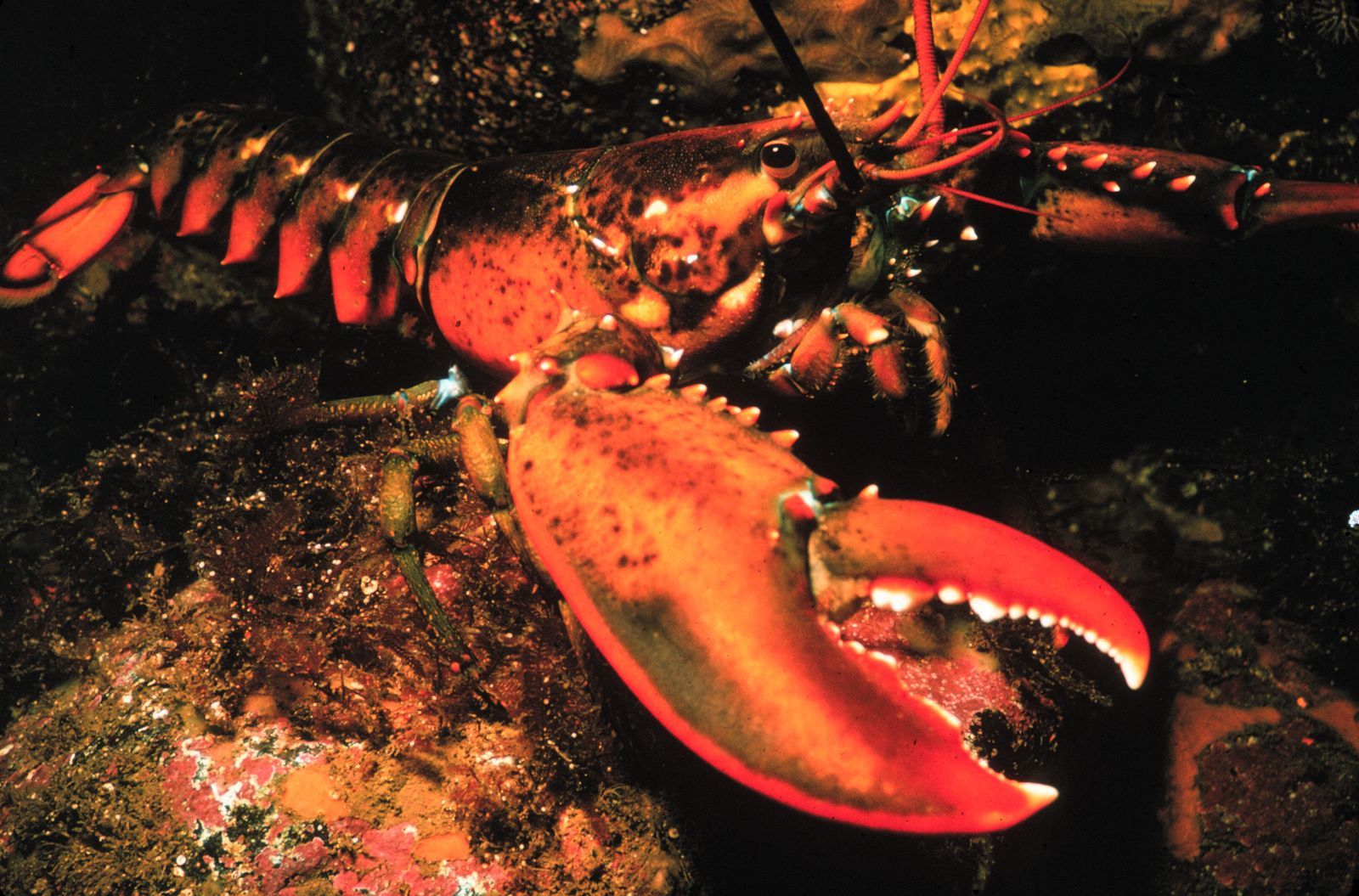
Lobsters have a totally different rulebook than us when it comes to aging. They don’t really grow old; they just keep getting bigger and bigger. Some giant lobsters weigh over 40 pounds and stretch beyond 3 feet long. Their biggest threats? Not old age, but predators or the risky process of shedding their shells. In theory, they could live forever if left alone—but let’s be honest, not many get to enjoy a peaceful, lobster-sized retirement!

Looking for an extra scoop of literary fun?

Learn more with our Word of the day

hangdog

/ˈhæŋˌdɔɡ/