Mind the fruit

Who was Granny Smith, the apple? Fruits and veggies with real names


Published on September 12, 2026

Image: alfpoint

You probably know a Granny Smith from a McIntosh, and you may have ordered Hass avocado without giving its name a second thought. But many familiar fruits and vegetables are actually carrying around the names of real people. Behind those supermarket labels are farmers, judges, missionaries, immigrants, and a few very lucky gardeners. Let’s take a look at 11 people whose names unexpectedly became part of our grocery vocabulary!

1

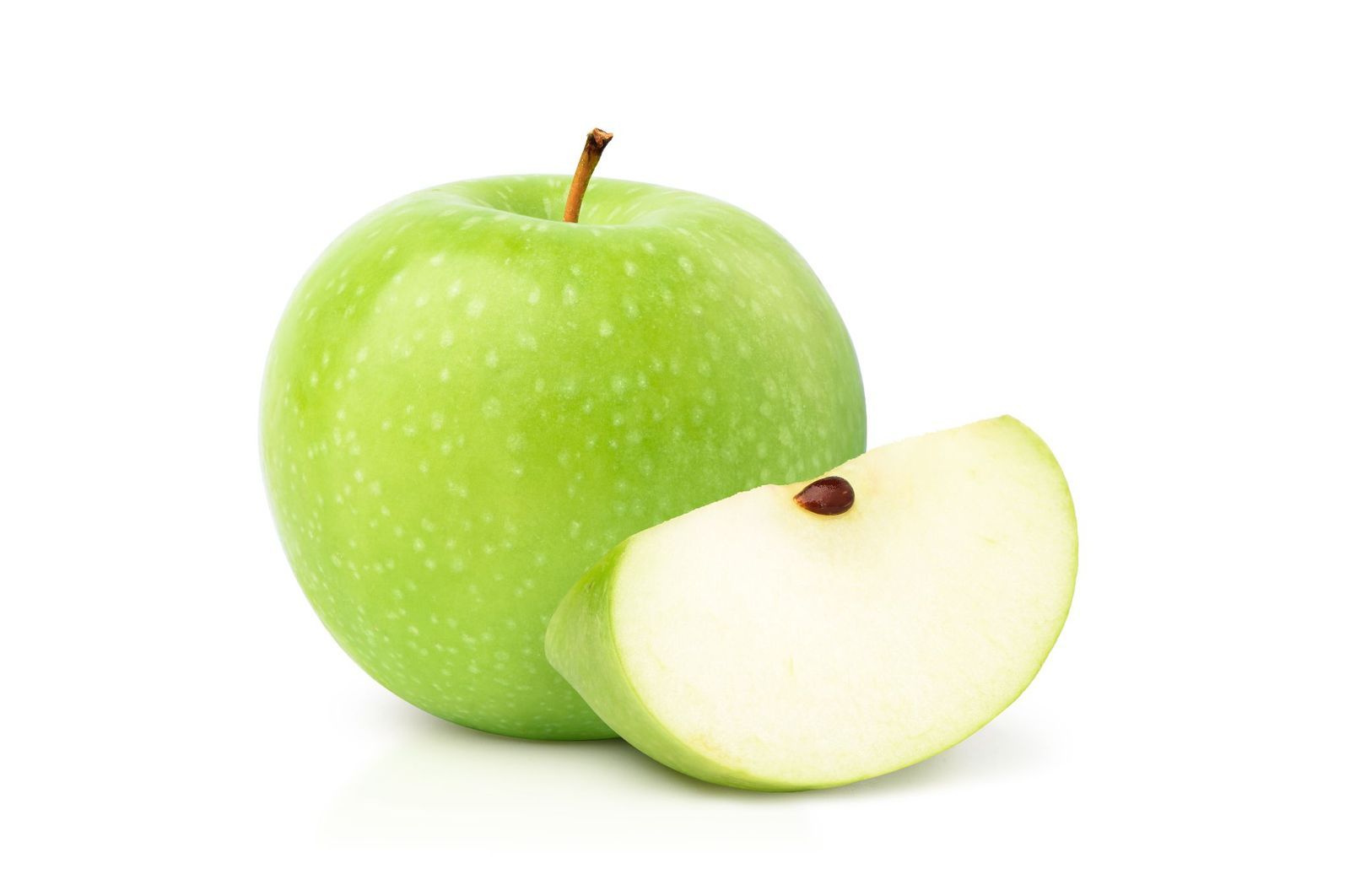
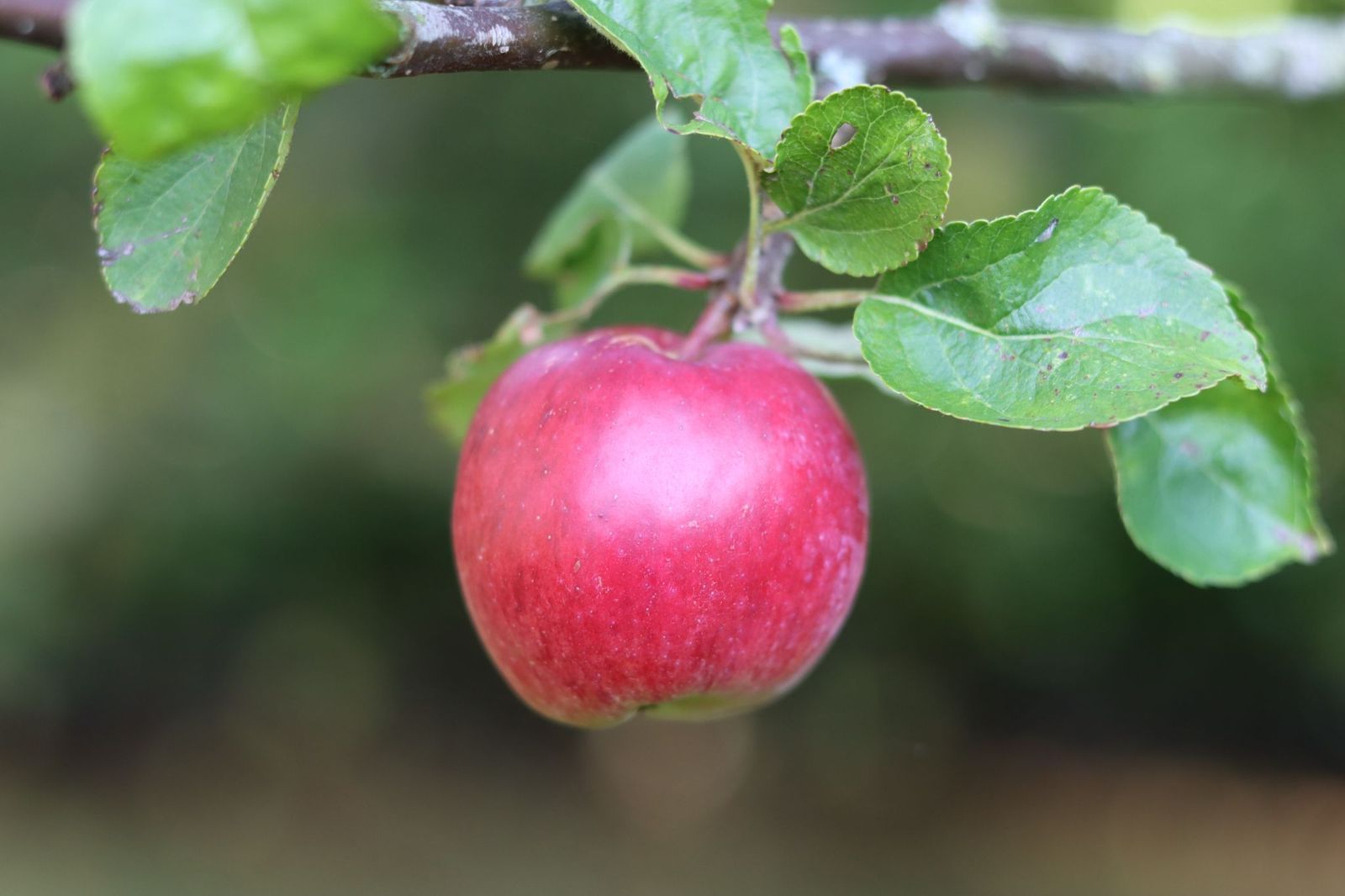
Granny Smith Apple -Maria Ann Smith

Image: Photoongraphy

Yes, Granny Smith was a real granny. Maria Ann Smith was born in England in 1799 and emigrated to Australia with her husband, Thomas, in 1838. The couple eventually established an orchard in Eastwood, near Sydney.

Around 1868, Smith showed another orchardist an unusual apple seedling growing near a creek on her property, apparently from discarded crab apples. She propagated it, but died in 1870, before seeing its success. By the 1890s, "Granny Smith's seedlings" were winning prizes, and her crisp green apple was on its way to international fame.

2

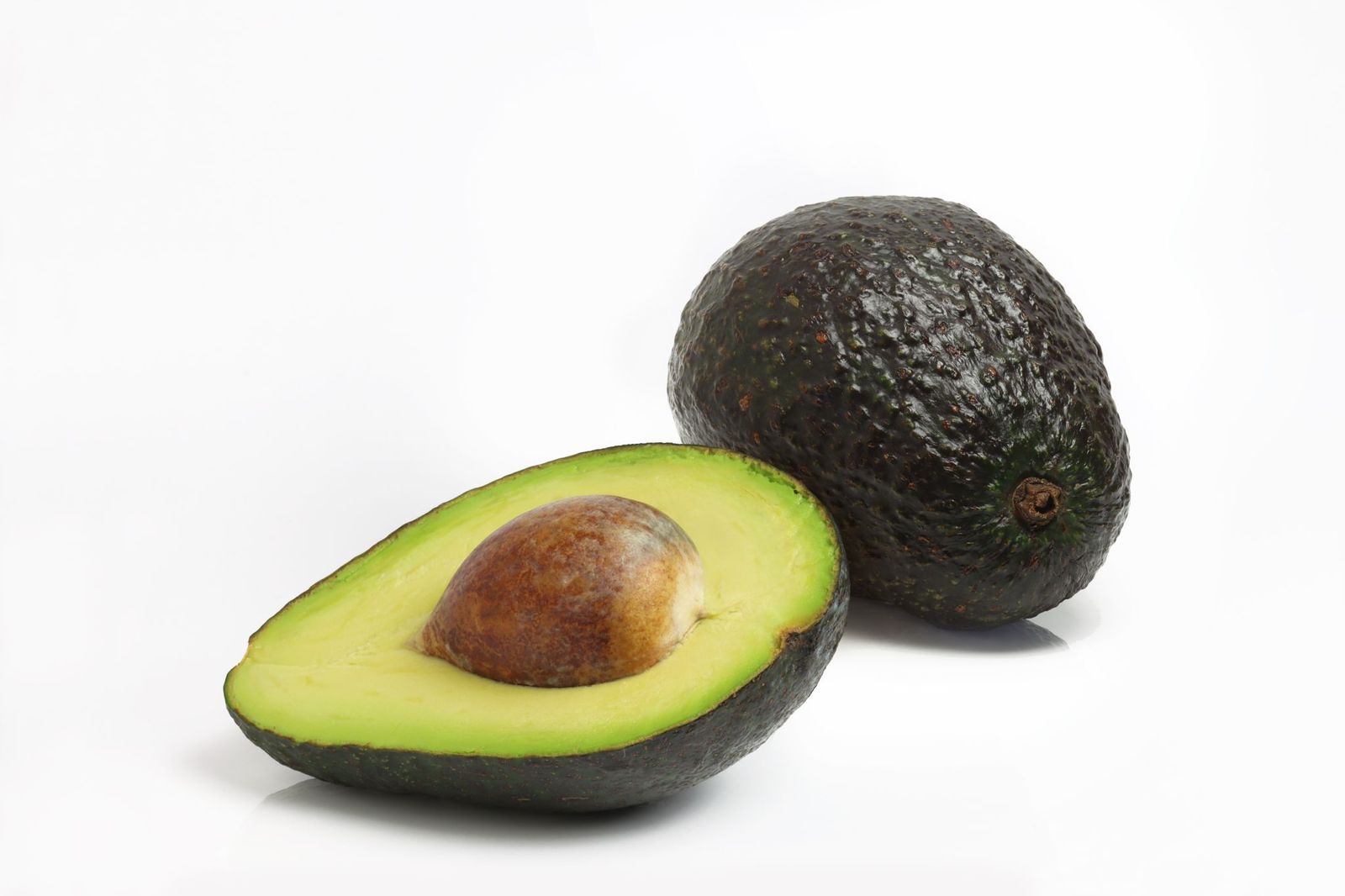
Hass avocado - Rudolph Hass

Image: Thomas Montini

Rudolph Hass wasn't a famous botanist. He was a California mail carrier who bought avocado seedlings for a small orchard in La Habra Heights in the 1920s. One stubborn little tree resisted his attempts to graft another avocado variety onto it.

Luckily, Hass didn't chop it down. The tree produced delicious fruit with an unusual rough, dark skin, and his children reportedly loved it. Hass patented the variety in 1935, giving it his surname. Today, the Hass dominates the avocado business, but its namesake made relatively little money from the tree that transformed the industry.

3

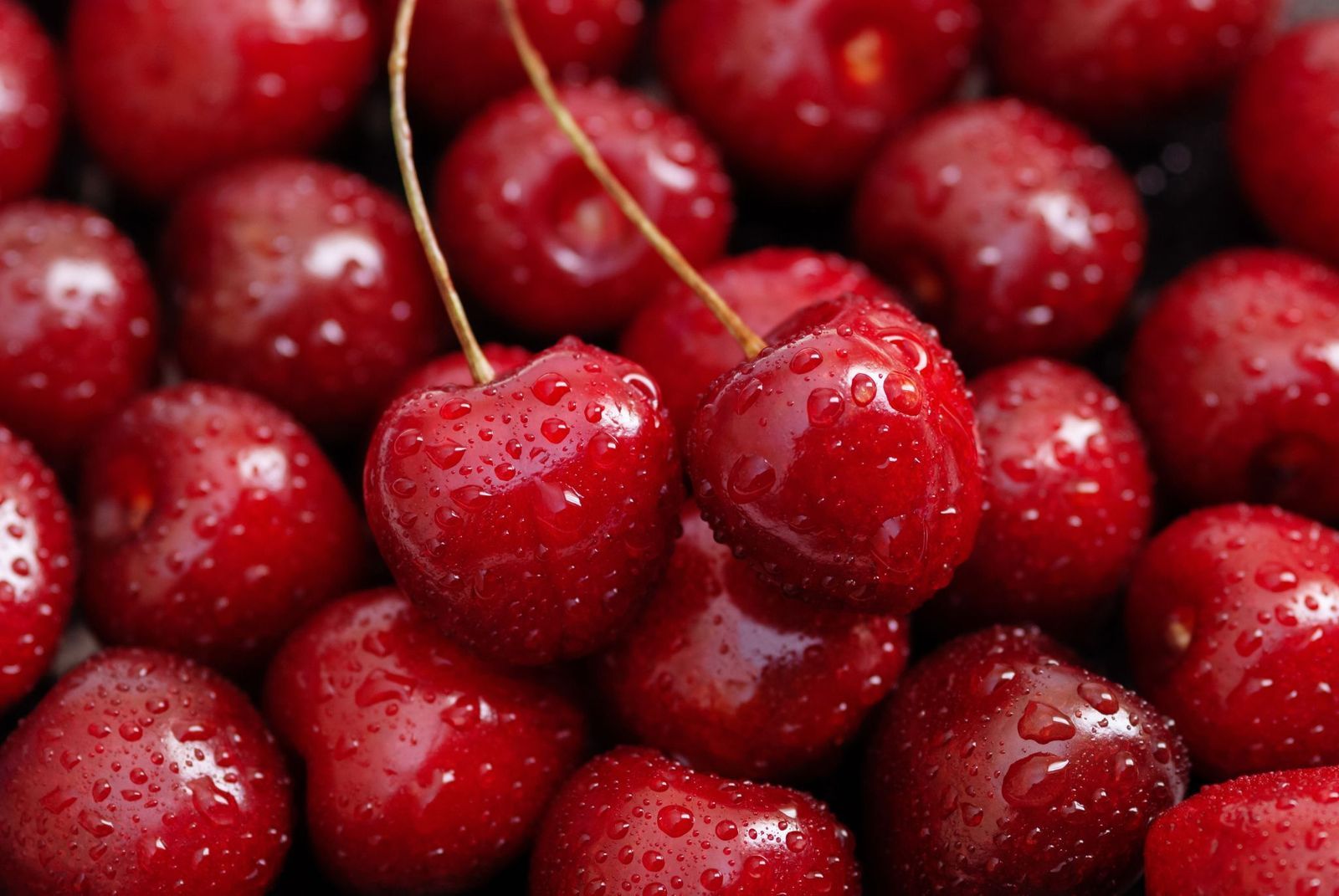
Bing cherry - Ah Bing

Image: Nadya So

The name behind America's famous dark-red cherry belonged to a 19th-century Chinese immigrant. Ah Bing worked for decades as foreman at horticulturist Seth Lewelling's nursery in Milwaukie, Oregon, where he supervised a large crew of Chinese workers.

Historical accounts differ over exactly how much credit Bing deserves for developing the variety, but they agree that Lewelling named it in his honor. Bing returned to China in 1889 and never came back to America. More than a century later, however, his name remains attached to one of the country's most important sweet cherries.

4

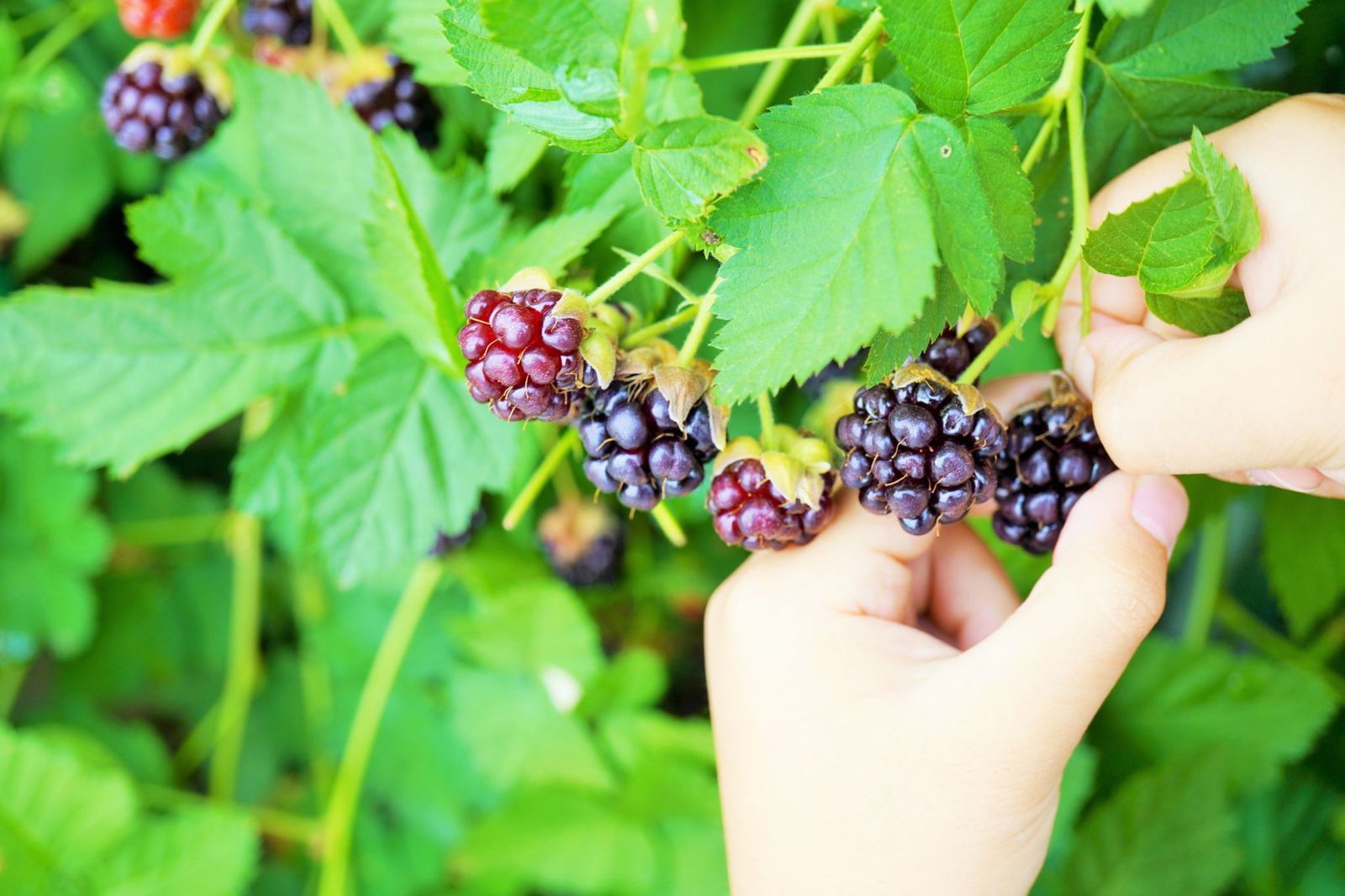
Boysenberry - Rudolph Boysen

Image: cattosus

The boysenberry almost vanished before most people ever got a chance to taste one. California horticulturist Rudolph Boysen experimented with berry hybrids during the 1920s but eventually abandoned the project and the surviving plants.

USDA horticulturist George Darrow later became intrigued by reports of Boysen's enormous berries and enlisted grower Walter Knott to help find them. They discovered neglected vines on Boysen's former property, transplanted them, and brought them back to health. Knott sold the rediscovered fruit under Boysen's name, helping launch the business that became Knott's Berry Farm.

5

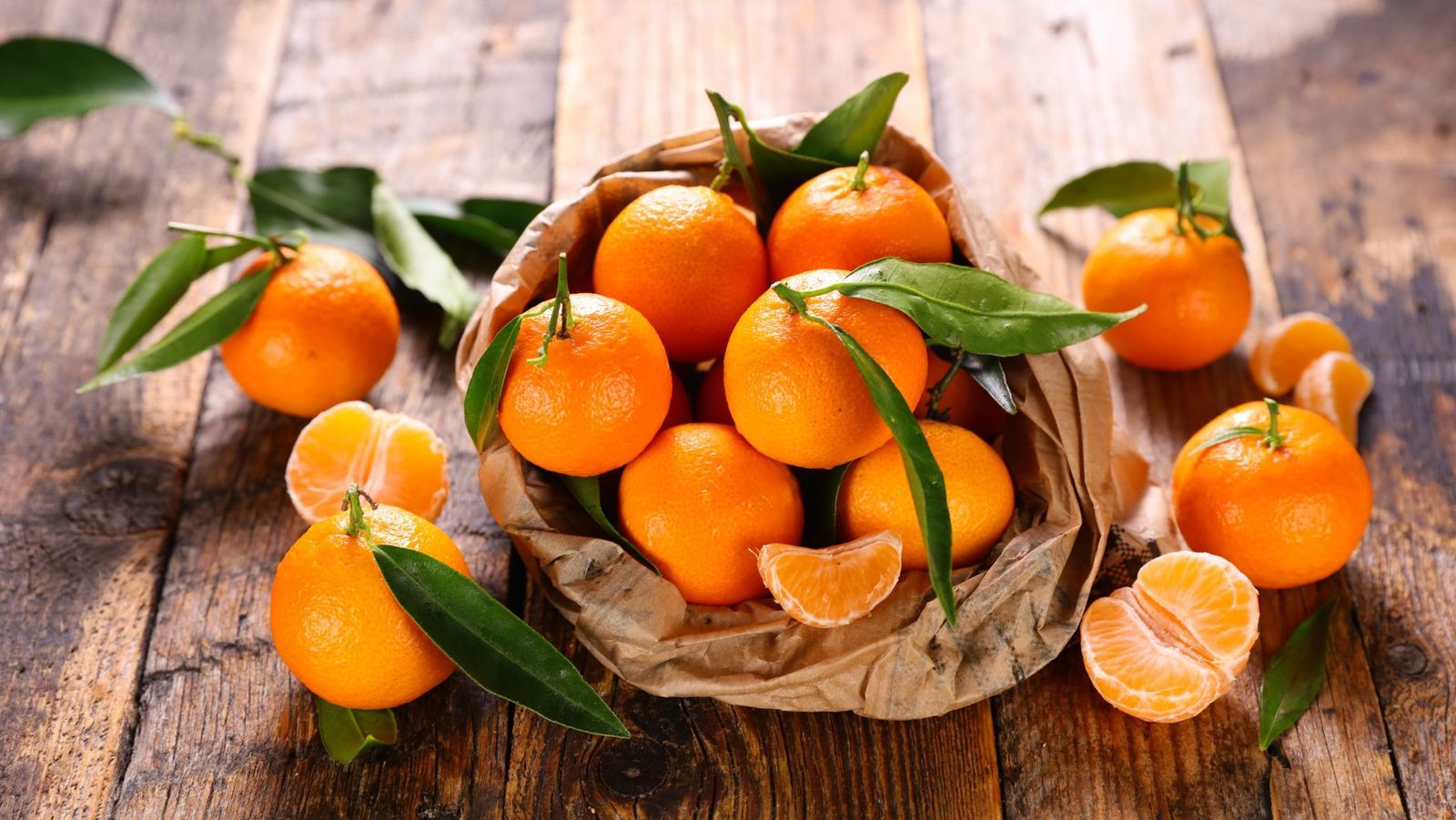
Clémentine - Clément Rodier

Image: Chatham172

The clementine didn't take its name from a farmer named Clementine. Its namesake was Clément Rodier, a French Catholic missionary brother who worked at an orphanage in Misserghin, near Oran in what was then French Algeria.

Around the turn of the 20th century, a new type of mandarin appeared in the orphanage's citrus garden and came to be associated with Brother Clément. Its precise botanical origins have been debated, but his connection to the name is well established. The little seedless citrus traveled quickly: clementines were already being cultivated in Riverside, California, by 1909.

6

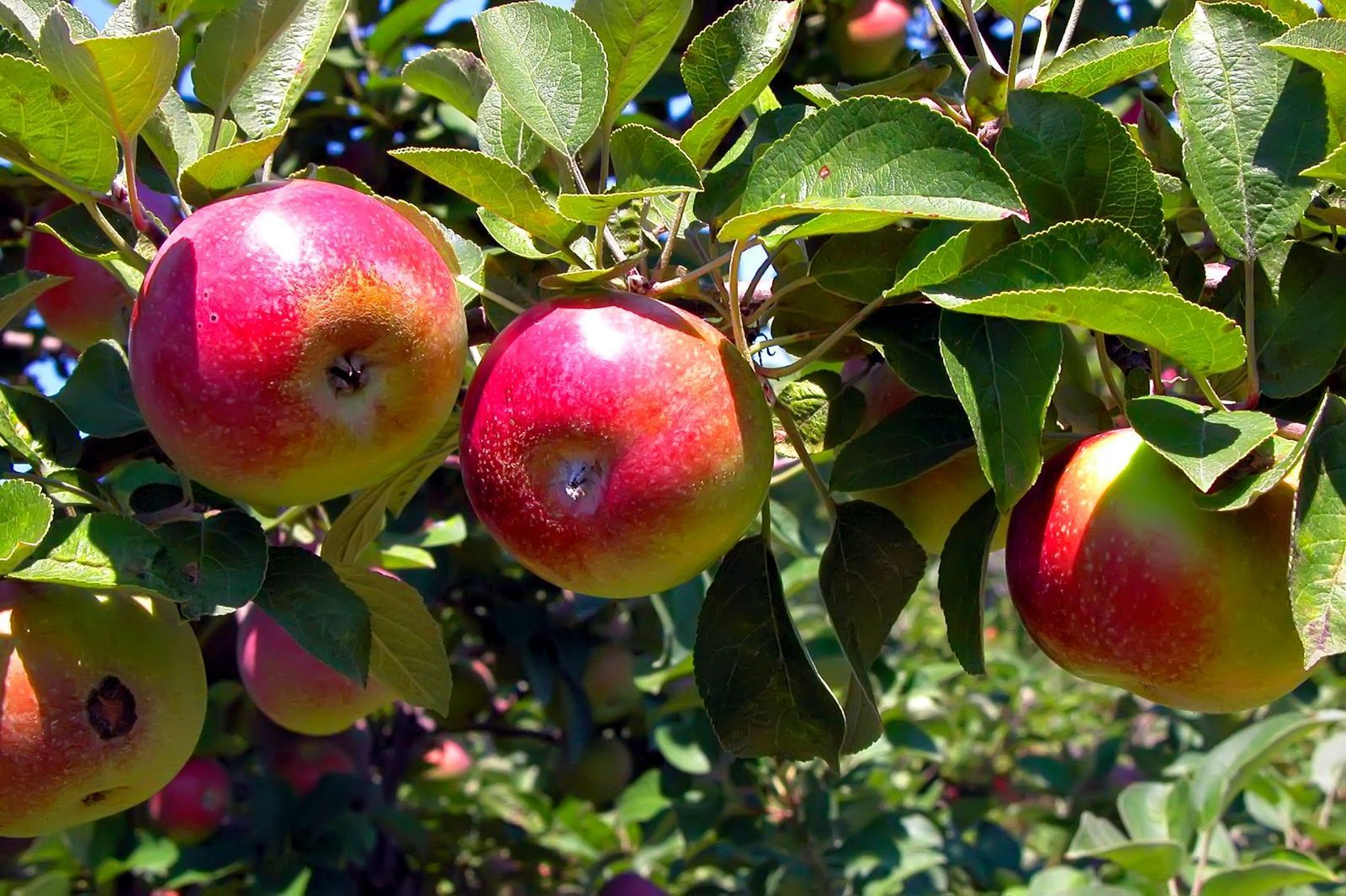
McIntosh apple - John McIntosh

Image: Dennis MacDonald

After settling in Dundela, Ontario, John McIntosh discovered wild apple seedlings growing on land he was clearing and transplanted several of them. One survived and produced particularly good fruit.

His family propagated the tree, and the McIntosh eventually became one of Canada's best-known apples. But the surname made another unexpected leap in the 20th century. Apple employee Jef Raskin named the Macintosh computer project after his favorite apple variety, changing the spelling. One chance seedling ultimately helped name a technological revolution.

7

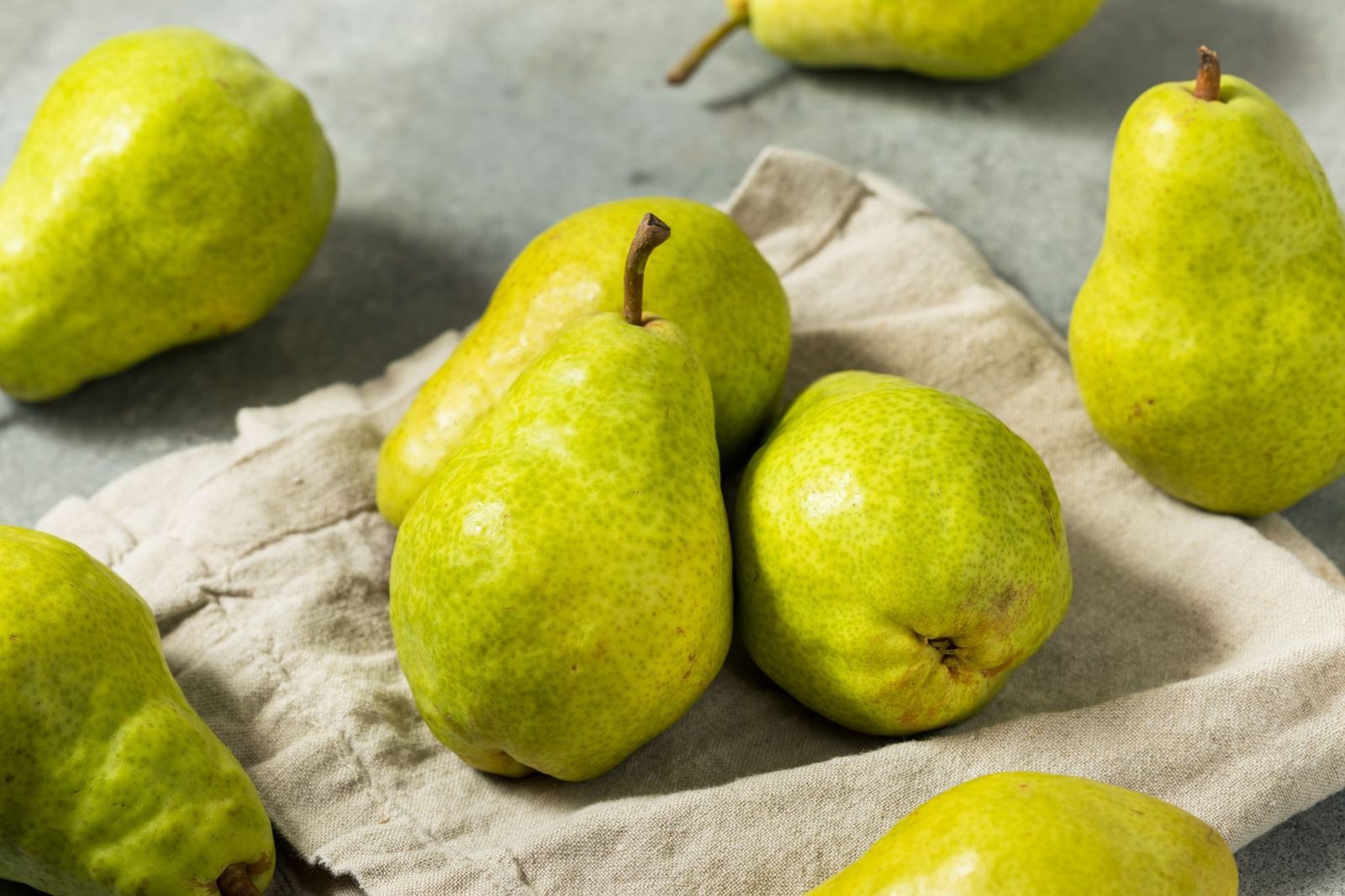
Bartlett pear - Enoch Bartlett

Image: Brent Hofacker

Enoch Bartlett received one of the most successful cases of mistaken credit in horticultural history. The pear Americans call Bartlett was already an English variety known as Williams' Bon Chrétien when trees were brought to Massachusetts around 1799.

Bartlett later acquired the property where they were growing and, apparently unaware of their European identity, propagated and distributed the pear under his own name. Americans eventually discovered that Bartlett and Williams were the same variety, but the new name had already stuck. That's why Americans still buy Bartlett pears while British shoppers generally know them as Williams pears.

8

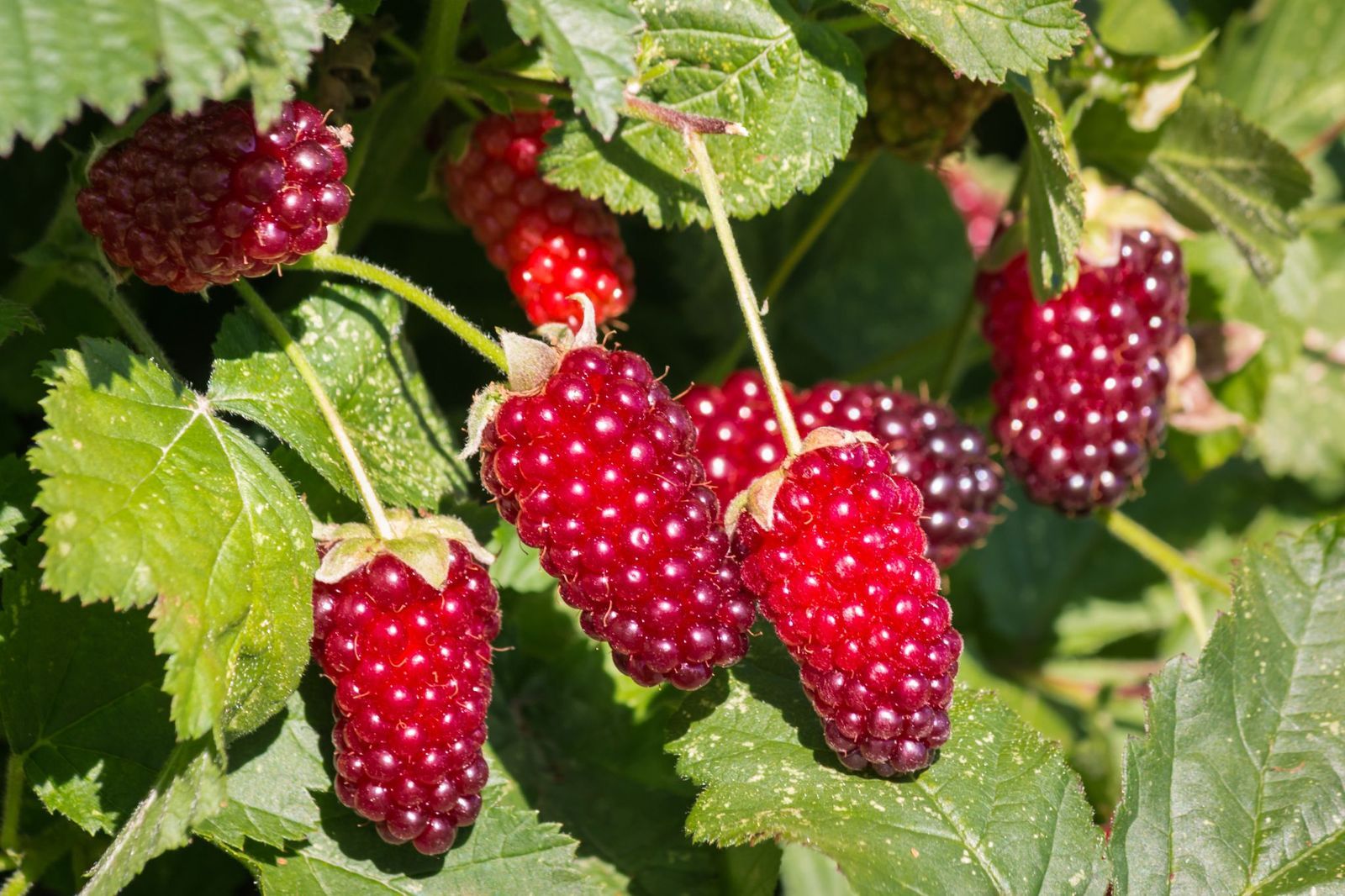
Loganberry - James Harvey Logan

Image: patjo

Imagine having a respectable career as a judge and being remembered mainly for a berry. That was the unusual fate of James Harvey Logan, a lawyer, judge, and enthusiastic amateur horticulturist in Santa Cruz, California.

In the 1880s, Logan experimented with berries in his garden and produced the reddish-purple fruit that became known as the loganberry. Its exact parentage has generated some historical debate, but Logan's role and the origin of its name are clear. His horticultural experiments proved remarkably durable: more than a century later, his surname still appears on jams, desserts, and berry plants.

9

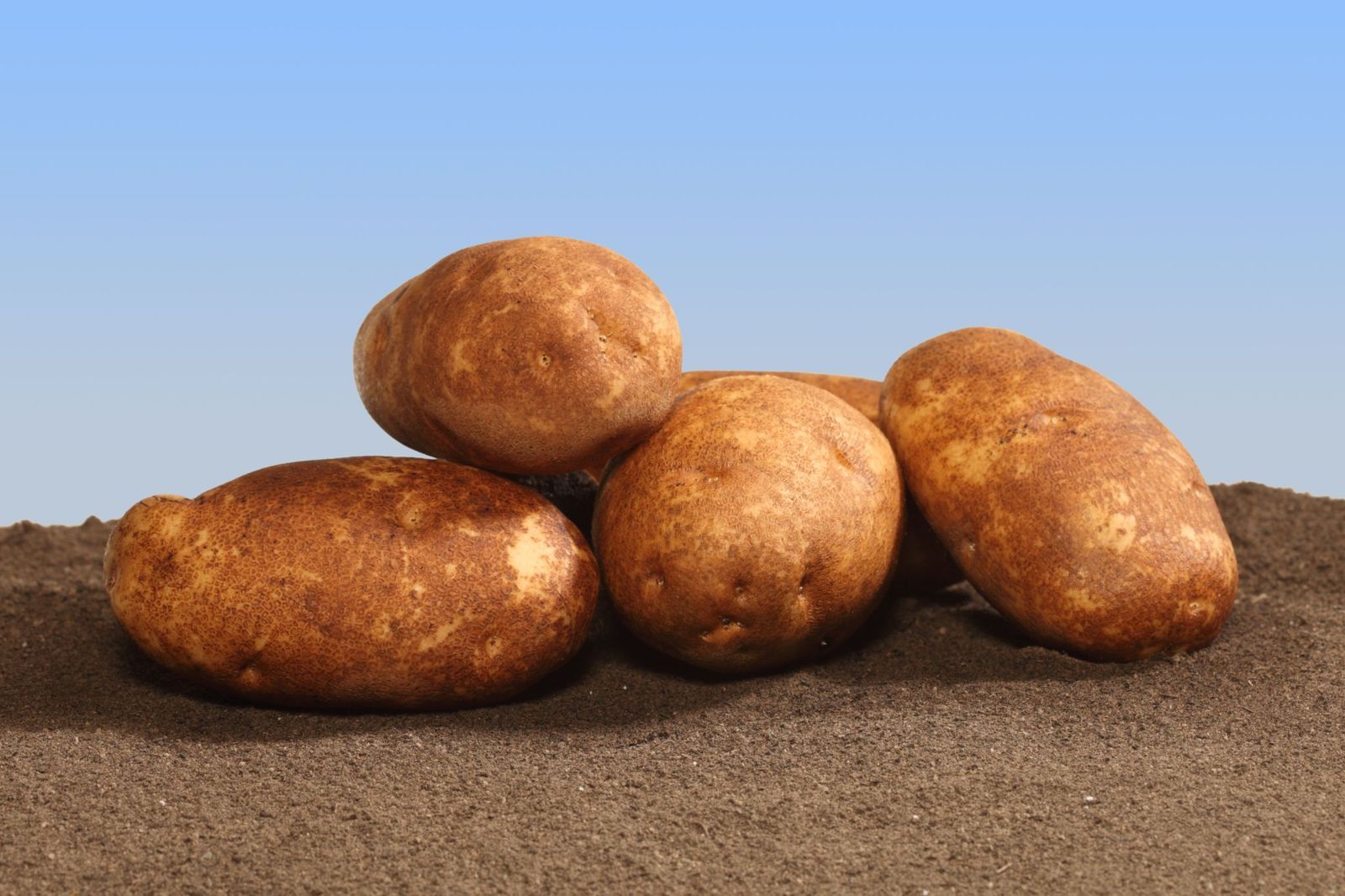
Burbank potato - Luther Burbank

Image: B Brown

Before Luther Burbank became one of America's most celebrated plant breeders, a potato helped finance his future. While farming in Lunenburg, Massachusetts, he noticed a rare seed ball growing on an Early Rose potato plant and experimented with its seeds.

One of the resulting plants produced unusually promising potatoes. Burbank sold the rights to his new variety for about $150: a modest-looking sum today, but enough to help fund his move to California in 1875. There he developed hundreds of plant varieties. The later Russet Burbank descended from his potato and became especially important in American agriculture.

10

Cox’s orange pippin - Richard Cox

Image: Francesca Leslie

Richard Cox was a retired English brewer who pursued horticulture at his property in Buckinghamshire, where he raised the apple that would eventually bear his surname around 1825.

The Cox's Orange Pippin became one of Britain's classic dessert apples, but Cox himself never witnessed the height of its fame. He died in 1845, while nurseryman Charles Turner introduced the variety commercially around 1850.



Odd words, old meanings

These 10 idioms and phrases are still in use, but don’t always make sense


Published on September 12, 2026


Image: Towfiqu barbhuiya

How much is a notch when it comes to volume? Who is Bob, and why is he everyone’s uncle? What is the difference between a spider web and a cobweb? Languages change with time and use, and English is no exception, but some phrases remain frozen in time, and while we still use them, we don’t always know their literal meaning. Here are 10 idioms and words that don’t make sense, but once did.

1

To a T

Image: Tobias Schwindling

We often use the phrase "to a T" (sometimes spelled "to a tee") to indicate something done perfectly, with precision. But is it about the letter "T"? Not really. The original phrase used to be "to a tittle," with tittle being the proper name for the dot of the "i" or the "j," and it conveyed the idea of doing something accurately, down to the smallest detail. Eventually, "tittle" was shortened to "T," but the phrase had already stuck, even if its literal meaning was lost.

2

Fathom

Image: Uliana Semenova

Although "fathom" might sound very formal, we all know that it is synonymous with "understand." But did you know that fathom is actually a nautical unit of measurement? From the Old English fæðm ("the span of the arms" or "embrace"), it represented the distance between the left and right fingertips of outstretched arms. Eventually, a "fathom" was standardized to about six feet or two yards, and was mainly used by sailors to measure water depth. It was this connection with depth that led the word to take on a figurative meaning of "getting to the bottom" of something, or understanding it thoroughly.

3

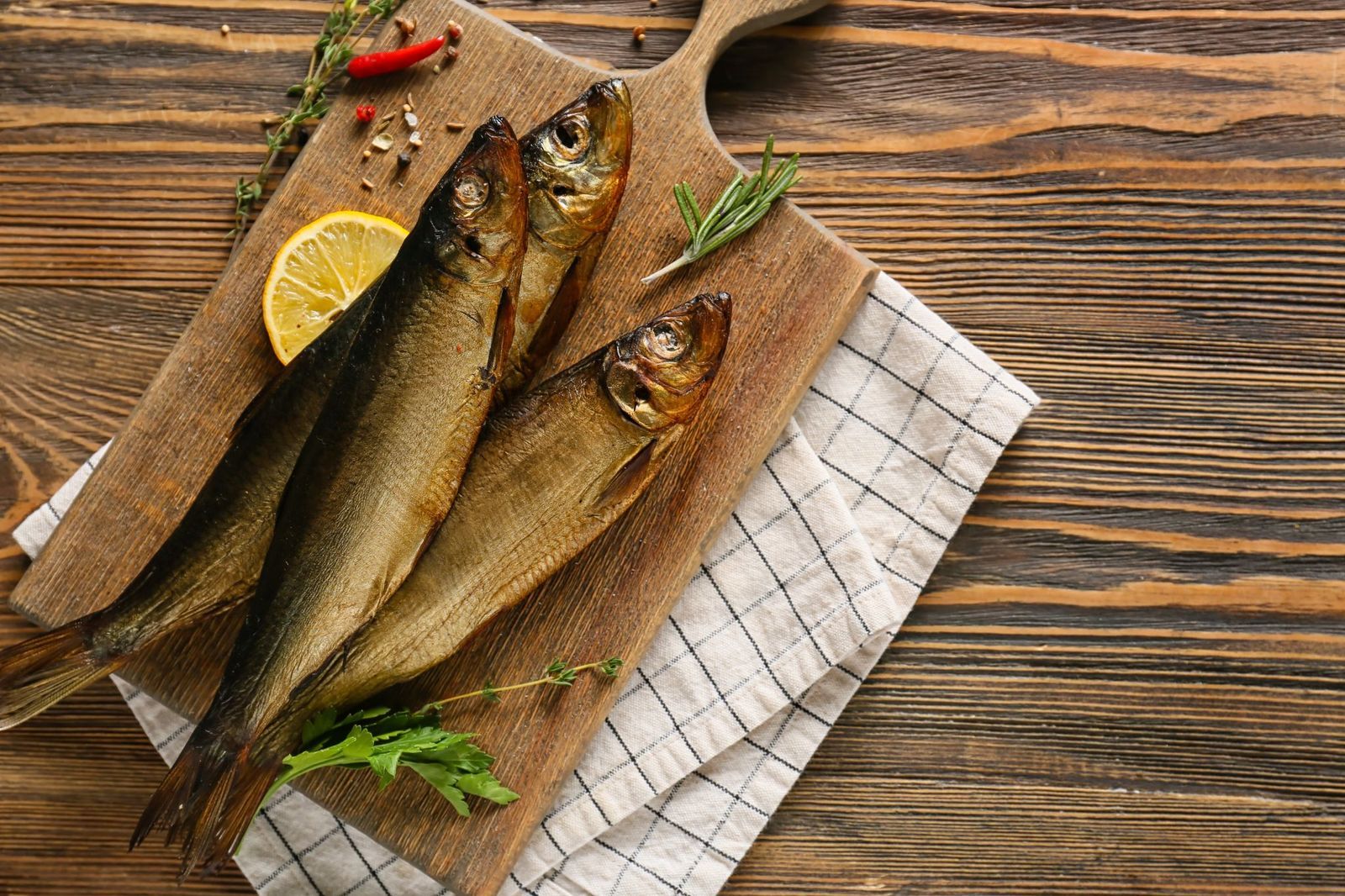
Red herring

Image: Pixel-Shot

Popularly, we understand that a "red herring" is something meant to give false clues or distract from another pressing issue. But why a herring? Herrings turn red when smoked and also acquire a strong, pungent smell, which made them a great tool for training hunting dogs, as the smell of the fish covered the trail of the prey. As a metaphor, though, it was popularized in the early 19th century by journalist William Cobbett, who used it to describe how the press was easily swayed by false news.

4

Rule of thumb

Image: PeopleImages

If something is a "rule of thumb," it means that it’s a common guideline, usually based on experience rather than science. In its origins, this phrase was quite literal: thumbs served as a rule. Tradesmen often used the width and length of their thumbs to take and remember measurements, a system that, though practical and effective, only worked for the owner of the thumb in question. Its use as an idiom comes from 17th century writers comparing this popular method with more scientific measuring systems.

5

Turn it down a notch

Image: Wahyu TH

If someone asks us to "take it down a notch," how much should we lower our volume? With "notch," this idiom refers to mechanical dials, like the ones used in a radio, where the notches signal the different levels. And while radios only date back to the 20th century, the roots of this idiom go all the way back to the 17th century and to the phrase "take it down a peg," related to wooden pins used for measurements.

6

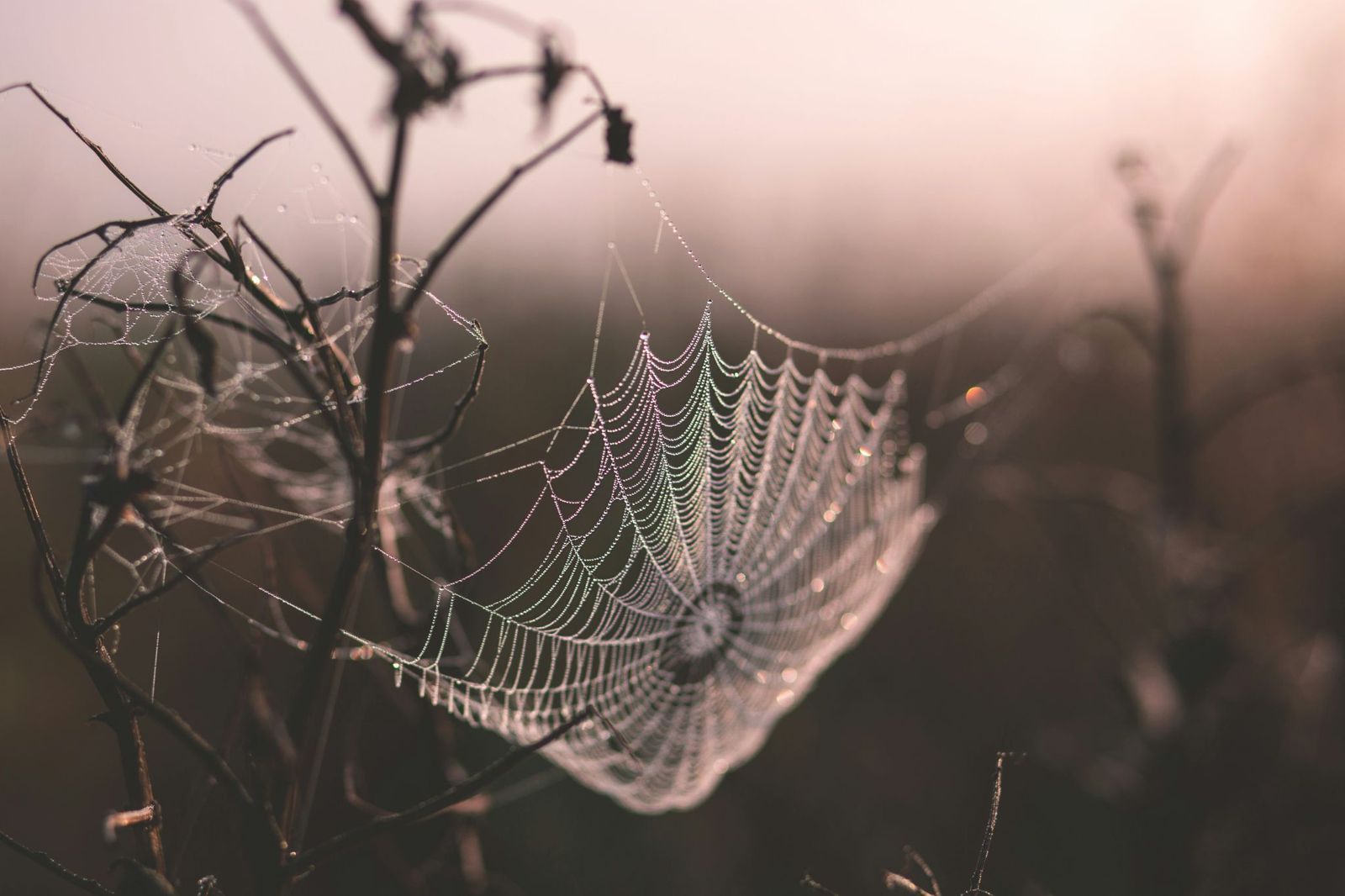
Cobweb

Image: freestocks

Is there a difference between a cobweb and a spiderweb? Although they are synonymous, most dictionaries will make the distinction that "cobweb" is particularly used for dusty, abandoned spiderwebs. But what does the "cob" part mean? "Cobweb" is derived from the Middle English coppeweb, composed of coppe ("spider") and web ("woven fabric"). If we go one step further, coppe comes from the Old English attorcoppe ("spider"), a mix of attor ("poison") and coppe ("head" or "round thing"). So, despite the slight difference in their actual use, "cobweb" and "spiderweb" mean the same thing.

7

Break the ice

Image: NOAA

It isn’t difficult to see how "breaking the ice" might have originated from people actually breaking ice, but what many ignore is that this custom (and the phrase) is rooted in diplomacy and trade. When large trade vessels were unable to advance due to frozen rivers, canals, or harbors, it was common to send people in a small boat to "break the ice" and allow the ship to continue its course. In some places, however, locals would send "icebreakers" to clear the path for a foreign vessel as a welcome and a sign of goodwill. The metaphorical use of the phrase exists in many languages, but it was first recorded in English in the 16th century.

8

Let one’s hair down

Image: Element5 Digital

The idea of "letting down your hair" is popularly associated with relaxing and letting formalities aside, but the phrase is rooted in an actual Medieval and Renaissance custom. Traditionally, single women would keep their hair loose and uncovered, but would pin it up once they married. It was not proper for a married woman to be seen in public with their hair down, something they would only do in the comfort of their home, foregoing elaborate hairstyles and uncomfortable pins. Eventually, loose hair lost its social status meaning, but the connection with relaxation remained.

9

Bob's your uncle

Image: Pablo Arroyo

According to historians, no one knows who Uncle Bob is, or what his connection is with simple and easily accomplished tasks, but popular folklore claims to have the answer. According to this theory, the phrase refers to British Prime Minister Robert Gascoyne-Cecil (who went by Bob), appointing his nephew Arthur Balfour as Chief Secretary for Ireland, a position he was woefully unqualified for, but that was made possible because "Bob’s your uncle".

10

Midwife

Image: Juice Flair

Have you ever wondered why midwives have that name? After all, there is nothing "mid" nor necessarily "wifely" in helping someone give birth. The answer takes us back to Old English, where mid meant "with" or "together with," and wif (the origin of "wife") meant "woman," "female," or "lady," and not necessarily a married female. First recorded around the year 1300, "midwife" was an accompanying person (typically a woman) who assisted mothers during labor. Although the literal meaning of the term is lost to us, the importance of the role was surely the reason this word survived through the centuries.

Looking for an extra scoop of literary fun?

Learn more with our Word of the day

preclude

/priˈklud/