Fear Factor

What pet was Julius Caesar afraid of? Discover 10 rare phobias!


Published on December 21, 2024


Image: Nik

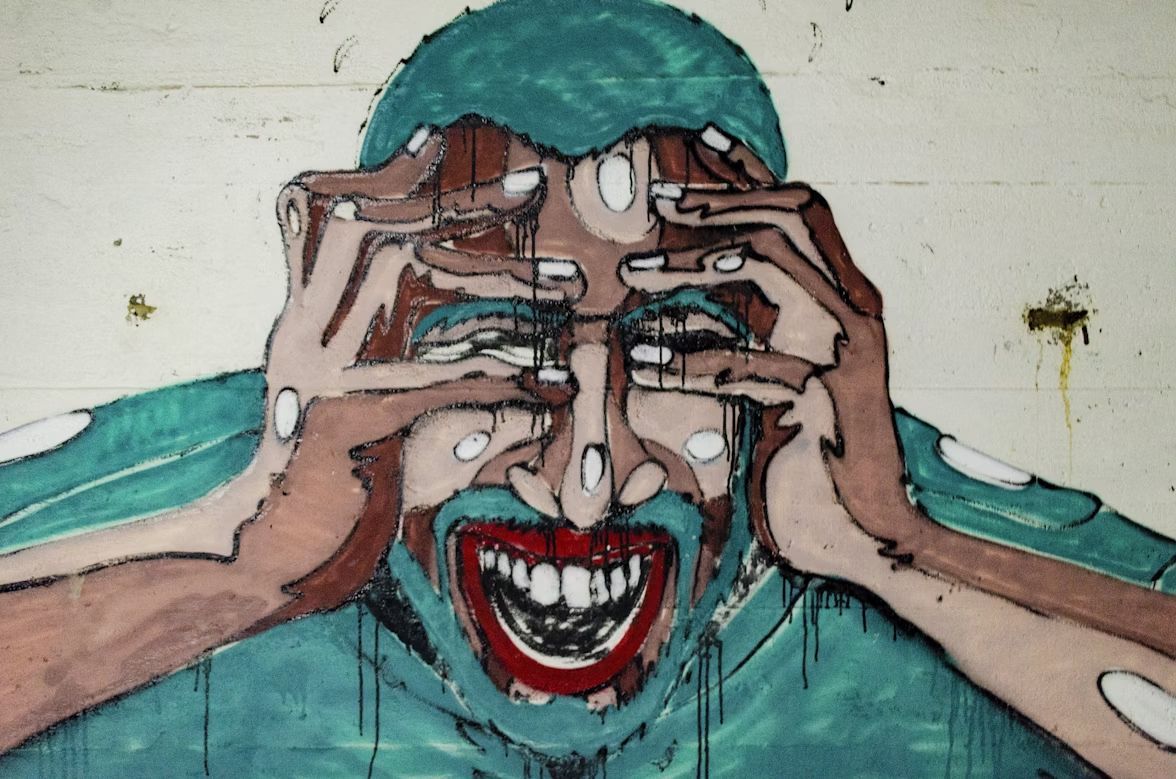
We all feel scared sometimes, right? But phobias aren't simple fears; They represent a type of irrational and strong fear of objects, situations, or activities that can cause intense feelings of anxiety. Some are very frequent, such as arachnophobia (fear of spiders) or claustrophobia (fear of confined spaces). However, there are many other phobias that are not only rare but also have some of the strangest names. Have you ever heard of chaetophobia? Do you know the term for mirror phobia? If you want to discover 10 uncommon phobias and the origin of their names, read on!

1

Anthophobia

Image: Gabriela Popa

Since old times, poets and artists have dedicated part of their work to nature, particularly flowers. In all types, sizes, and colors, Mother Nature has a flower for everyone, and we, as humans, have incorporated them into our culture in countless ways.

But not everything is rosy. Some people struggle when spring arrives. We're not talking about those allergic to pollen –although they suffer too– but those with anthophobia.

Άνθος (anthos) is the Greek word for flower. So, as the name implies, it's a deep fear of flowers, their appearance, contact with them, or, in some cases, even their scent.

2

Arithmophobia

Image: Waldemar

Do you have a lucky number? We do! Numbers represent a lot in our lives, both socially and personally. In fact, many cultures have adopted certain numbers as positive or negative symbols. For example, according to Chinese culture, 8 is a lucky number, while 4 heralds bad news. In Japanese culture, 7 is responsible for announcing good fortune.

Arithmophobia is the irrational fear of numbers. Some people with arithmophobia may reject all numbers in general, while others may associate the fear with a specific number, especially those considered negative or unlucky. Just like the word "arithmetics," arithmophobia has its origin in the Greek ἀριθμός (arithmós), meaning "numbers" or "counting."

3

Nomophobia

Image: Yura Fresh

While connectivity allows us to work, find out what's going on in the world, keep in touch with our loved ones, and receive funny memes, technology can also have its downside.

Our reliance and dependence on laptops and cell phones have increased in recent years, and one of the consequences was the emergence of a condition called nomophobia.

According to the National Library of Medicine, nomophobia is the severe anxiety caused by the fear of being without your phone, losing it, or lacking cell service. Unlike most phobias, its name doesn't have Greek origins; it's actually a portmanteau: NO MObile PHOne phoBIA.

4

Ailurophobia

Image: Kim Davies

Cats and dogs have been part of our lives for ages, but while many of us may find them adorable, some people would prefer another type of pet. Why? Well, for many and varied reasons, and one of them could be ailurophobia.

Ailurophobia is the intense and irrational fear of cats. Its name comes from the Greek αἴλουρος (ailouros), meaning "cat," and φόβος (phóbos), "fear," and its symptoms and triggers can vary from person to person.

Surprising as it may be, this phobia is not new. It seems that this fear has been around since ancient times. In fact, some stories claim that figures such as Julius Caesar and Alexander the Great experienced this phobia.

5

Eisoptrophobia

Image: Caroline Veronez

What's the first thing you do when you wake up in the morning? For many of us, looking in the mirror is part of our daily routine, whether it's brushing our teeth or trying on the outfit we'll wear to work. For some, however, a mirror isn't necessary. In fact, they would prefer to avoid it at all costs.

We're talking about eisoptrophobia, the irrational fear of mirrors. As you've probably guessed by now, this word is also derived from Greek but is a bit more specific. εἰς (eis) means "into," and ὀπτῐκός (optikos) refers to vision, image, or sight. As you can see, the word's etymology points to a fear of the reflected image rather than the mirror itself.

6

Logophobia

Image: Ionela Mat

Wherever you go, wherever you look, there will be words. On your phone screen, on the TV, on book spines, food packages, clothing labels, street signs, and even graffiti. They're everywhere!

All that will seem overwhelming when you learn about logophobia, the fear or terror of words. As you know, Φόβος is the Greek word for "fear," while λόγος (logos) translates as "word" or "speech." This fear can be triggered by a specific word, a type of word, or all of them.

7

Sesquipedalophobia

Image: Sergi Kabrera

Believe it or not, sesquipedalophobia is the fear of long words. Ironic, isn't it?

In Latin, sesqui means "one and a half," while pedis is "foot." In Rome, there was a term for really long words: sesquipedalis, those that seemed "a foot and a half long." Over time, this Latin joke became part of the medical term.

But there's more! As if "sesquipedalophobia" wasn't long enough, the term "hippopotomonstrosesquippedaliophobia" has emerged in recent years to describe the same fear. While the latter is not officially recognized, it seems that someone thought it would be good to exaggerate the term by adding the Latin monstrum ("monster") and hippopotamus.

8

Arachibutyrophobia

Image: Towfiqu barbhuiya

Peanut butter is one of Americans' major favorites. Whether it's breakfast or any other meal, this ingredient is a staple in most of our diets. However, there are those who can't tolerate it.

If you experience sweaty palms, dizziness, discomfort, or anxiety at the mere thought of peanut butter entering your mouth, perhaps it's arachibutyrophobia.

Arachi is a Greek term related to leguminous plants such as peanuts, and βούτυρον (bouturon) means "butter." Some people associate this specific phobia with the idea of peanut butter sticking to the roof of their mouth, which triggers a fear of choking.

9

Chaetophobia

Image: Tim Mossholder

When it comes to looking good, hair is the key. We all know things aren't easy when it's a bad hair day, right?

While for most of us, it's as simple as going to the salon or taking some time out of our day to fix our hair, it's not so simple for others.

No one enjoys walking into the bathroom just to find a pile of loose hair scattered around. Definitely not pleasant scenery! But when dislike reaches an extreme, it can be chaetophobia, an irrational and persistent fear of hair. This name comes from the Greek χαίτη (khaitē), meaning "loose, flowing hair."

10

Globophobia

Image: Adi Goldstein

"Pennywise" is a familiar name to most of us, isn't it? Thanks to this iconic clown from Stephen King's novel and the movies based on it, we have all come to hear about coulrophobia, the fear of clowns.

While coulrophobia is quite common, there is another related phobia that is much less frequent. This is globophobia, the extreme fear of balloons, their texture, smell, the material they are made of, or the possibility of them popping. For that reason, globophobia is one of the phonophobias, associated with loud sounds.
Decoding

Being a "treasured guest" is not a compliment. This is the hidden meaning


Published on December 21, 2024


Image: Hitesh Choudhary

Have you ever heard "Code Adam" while shopping for groceries at Walmart? Or maybe you’ve heard how "Dr. Firestone" was being paged during a routine hospital visit. They sound like harmless announcements. But behind these ordinary words are secret codes staff use to signal emergencies without causing panic. From hospitals and supermarkets to airports and Disney Parks, these phrases quietly warn employees that something is happening. You hope you never hear them, but if you do, it helps to know exactly what they mean.

1

Treasured guest

Image: Helena Lopes

We all love getting special attention at airports or hotel desks, but if you hear the clerk call you a "treasured guest," don’t feel so flattered. You may not be as VIP as one could think.

In the hospitality industry, "treasured guest" has become a humorous bit of industry folklore to describe someone causing trouble. Maybe a customer yelling at staff over expired coupons, demanding impossible accommodations, or throwing a full-blown tantrum at the front desk. Whatever it is, the phrase has become the staff’s secret way to warn co-workers without escalating the situation in front of the customers. Most guests don’t realize the meaning, but once you know it, you may start hearing it more often. We just hope it’s not about you.

2

Code Adam

Image: Karsten Winegeart

Imagine you’re pushing a shopping cart through Walmart when suddenly the overhead speaker announces, "Code Adam." You can easily assume it’s some kind of employee meeting or cleanup request. But when you see them start locking the exits and moving around, you know something’s wrong.

This code was created in 1994 by Walmart in collaboration with the National Center for Missing & Exploited Children (NCMEC), in memory of the tragic case of 6-year-old Adam Walsh. Adam was abducted from a Sears department store in 1981 while shopping with his mother. His father, John Walsh, later became famous for hosting the TV program America’s Most Wanted and advocating for missing children. Even if Adam’s story ended in tragedy, Walmart created the emergency system in Adam’s memory, and other retailers soon adopted it nationwide, intending to have a quick response to missing or abducted children.

3

Code Blue

Image: Günter Valda

You’re sitting in a hospital waiting room during a routine check-up when you suddenly hear "Code Blue, Room 214." Most people immediately know it sounds serious, even if they are not entirely sure why.

The phrase "Code Blue" is used at hospitals to draw the necessary staff and equipment to perform a resuscitation. It was created in the early 1960s at Beathany Medical Center by Dr. Hughes Day. Before then, hospital resuscitations were often chaotic and poorly coordinated. In 1961, Dr. Day received a grant to build one of America’s first cardiac care centers, and he developed both the Code Blue alert system and the modern crash cart to improve survival rates during cardiac emergencies. Today, the system is used in hospitals across the country, sometimes with specialized versions like "Code Blue Pediatric" or "Code Blue Neonate."

4

Dr. Firestone

Image: Cdn Pages

Imagine visiting a loved one in the hospital when the intercom calmly announces, "Paging Dr. Firectone to the third floor." Your head surely goes, "Dr. Firestone’s probably having a busy day up there." He is, but it’s not what you think.

The phrase is actually a discreet fire alert used to warn staff about smoke, flames, or overheating equipment without frightening patients and visitors. Hospitals adopted these coded announcements after realizing that openly yelling "fire" over loudspeakers could create panic, especially among patients who aren’t able to move quickly. "Code Red" is an alternative used by many health centers today, but it also hints at the situation while keeping hallways calm.

5

Code 10

Image: Blake Wisz

You’re standing at a checkout counter when the cashier picks up the phone and quietly says, "I need a Code 10 authorization." If you think that’s just another way to get a supervisor’s approval or technical issue, think again. In reality, the cashier may suspect the credit card is stolen or fraudulent.

Code 10 was developed through a cooperative effort between major credit card companies like Visa and Mastercard, along with international standard organizations. As credit cards became more common in the 1960s and 1970s, stores needed a discreet way to alert banks about suspicious activity without directly accusing customers and potentially putting employees at danger. When a cashier requests a Code 10, the bank’s operator begins asking yes-or-no questions to assess the situation and guide the employee on what to do next.

6

Code Bravo

Image: CDC

You’ve probably experienced those long airport security lines. The wait is usually uneventful. But sometimes, you can hear "Code Bravo" over the speakers. Maybe it’s a delay, or maybe it’s an issue with luggage. Within seconds, people stop moving, the security line freezes, and exits may even close. It’s something bigger.

Code Bravo is the emergency phrase used by airport security and the Transportation Security Administration to signal a serious security threat, such as an unattended bag, a breach at a checkpoint, or someone slipping into a restricted area. The term comes from the international phonetic alphabet used in aviation and military communications, where "Bravo" represents the letter B. When this is called, security staff immediately lock down affected areas, stop screening lines, and search for the source of the threat. To passengers, it’s sudden and confusing, but to security, it’s a carefully rehearsed response.

7

Code Alpha

Image: Navy Medicine

You are heading back to your cabin on a cruise ship when the speakers announce, "Code Alpha, Deck 7." You may think Alpha is related to the captain, but that’s not the case. It means someone on board is suffering a medical emergency.

The phrase comes from the NATO phonetic alphabet, where "Alpha" represents the letter A. In maritime emergency jargon, it became shorthand for a Priority A medical situation requiring immediate response. Cruise lines such as Royal Caribbean and Disney Cruise Line commonly use the term, though some ships use variations like repeating "Alpha" three times. Once the code is announced, onboard medical teams rush toward the specified deck or cabin. If necessary, stretcher crews are mobilized, and in severe cases, the ship may even divert course toward the nearest port for emergency evacuation. Passengers are enjoying the views, but the staff is running to save a life.

8

10-33

Image: chris robert

Anyone who remembers the CB radio craze of the 1970s probably smiles when they hear "10-4." Movies, truckers, and radio fans turned those number codes into a part of American culture. So if you overhear "10-33" on a police scanner, you might assume it’s just another routine message. But it’s not as simple as it sounds.

The 10-code system was first created in 1937 by Illinois State Police communications director Charles Hopper and later standardized by the Association of Public Safety Communications Officials, better known as APCO. Officers needed short phrases they could understand clearly over crackling radio signals. The 10-33 code commonly means an officer needs emergency assistance. In some departments, it also signals radio silence so dispatchers can focus on the crisis unfolding in real time.

9

Signal 70

Image: Samuel Lopez Cruz

Disney World is amazing, the parks offer something for everyone, and there are things to see wherever you look. But that’s exactly the kind of place where a child can easily disappear into a sea of strollers, balloons, characters, and crowds. For that reason, Disney has developed the "Signal 70," which alerts cast members and security that a child has become separated from their family.

The number comes from older police and emergency radio systems, where "70" was commonly associated with missing persons. Disney adopted the phrase because it allows employees to communicate discreetly without frightening or alarming nearby guests. If a member finds the child, they gently -and magically- escort them to Baby Care Center, where they coordinate the reunion.

10

Echo, Echo, Echo

Image: Alonso Reyes

Cruises are great to relax, enjoying a good book under the sun with a nice drink by the side. Until you hear "Echo, echo, echo" on the speakers. If you do, something is happening somewhere else on the ship.

The code is used among cruise employees to signal that dangerous winds or a navigational hazard are affecting the ship. It comes from the international maritime phonetic alphabet, where "Echo" stands for the letter E. In maritime signalling, the letter traditionally means "I am altering my course to starboard." And, in time, the phrase became associated with urgent ship maneuvers and weather-related warnings. However urgent, the repetition of the word by three doesn’t represent life-threatening situations. It alerts the crew of a certain hazard to prepare while avoiding panic among passengers.

Looking for an extra scoop of literary fun?

Learn more with our Word of the day

ambidextrous

/ˌæmbəˈdɛkst(ə)rəs/