A group of what?

What do you call a group of ravens? 10 strange collective nouns


Published on July 4, 2026
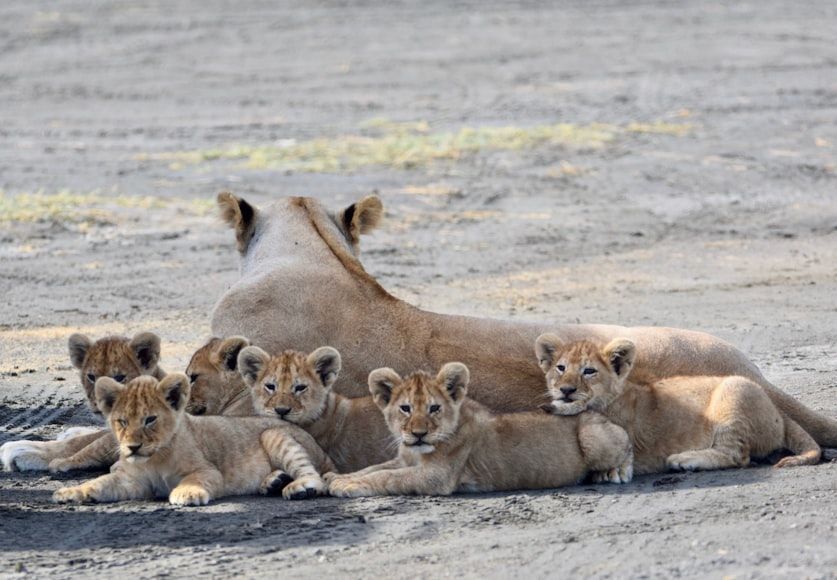

Image: Uzuri Safaris Tanzania

A shrewdness? A murder? An unkindness? None of these words even suggests that we are talking about apes, crows, or ravens, but we are. Why are animal collective nouns so strange? During the Middle Ages, English nobles developed a hunting language. These ‘terms of venery’ were not intended to be practical, but to show erudition and mastery of an elite code. Some of these names were adopted into everyday language and continue to be used nowadays.

1

Sounder

Image: Rolf Schmidbauer

Boars are wild pigs, so why isn’t a group of boars just a herd? While ‘herd’ can be used, linguists believe that the collective noun ‘sounder’ —from the Old English sundor, meaning ‘to separate’— was used as a reference to the fact that boar herds were led by sows (the female adult), separate from the males that were solitary or formed male-only groups.

2

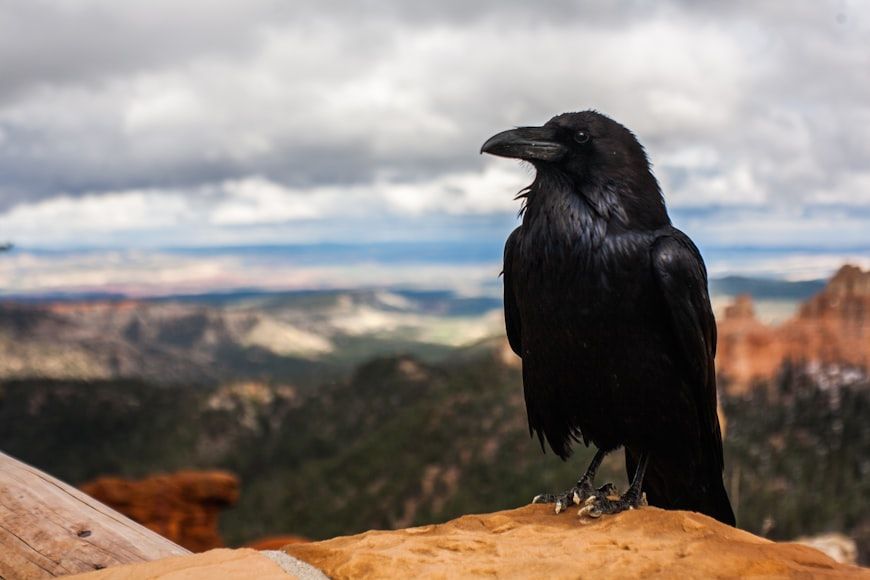
Unkindness

Image: Tyler Quiring

All across Europe, ravens bore a reputation for being tricksters and bad omens. In several folk traditions, they were seen as messengers for the Gods and bearers of prophecies, an ominous task reinforced by their black plumage. The term ‘unkindness’ to refer to a group of ravens reflected the perceived malice or cruelty of these animals.

3

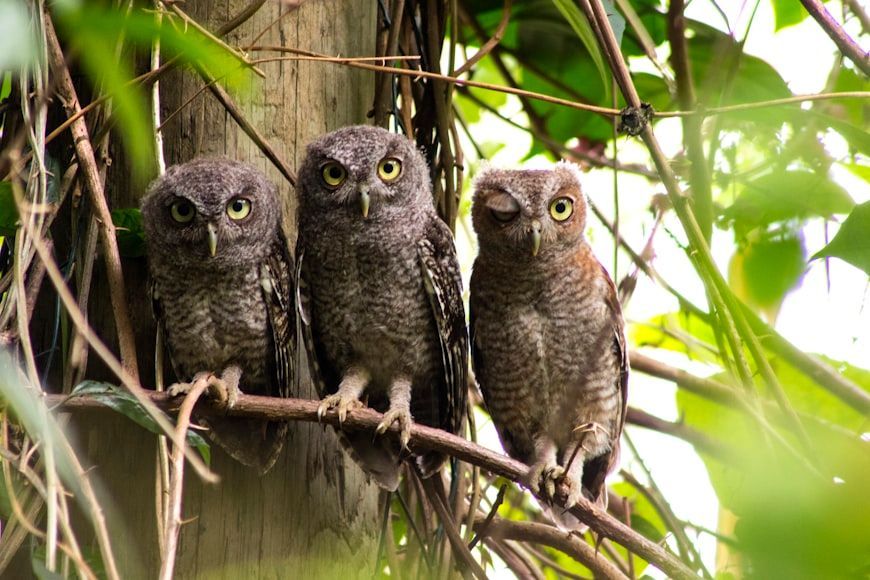
Parliament

Image: Robin Canfield

Since classical times, owls have been a symbol of wisdom and knowledge, and in the Greek tradition, these birds were the companions of Athena, goddess of wisdom. This led to the idea of a group of owls meeting for serious gatherings, such as a parliament.

4

Business

Image: Jeremy Hynes

This is indeed an odd term to use as a collective noun, but it stems from a copying mistake. The 1486 Book of St. Albans, which describes several of these animal collective nouns, states that a group of ferrets is called a besynes —meaning ‘activity’— due to the scurrying habits of these animals. Over time, the word was miscopied as ‘business’, and the term stuck.

5

Siege

Image: vegonaise

There are several theories about the reason for this particular term as a collective noun for herons. Some say that it is a reference to their patient hunting stance (siege comes from the Latin sedere, ‘to sit’). Other opinions refer to the use of ‘siege’ as a synonym for ‘plague’ or ‘vexation’, as these animals are noisy and generally unpleasant to have around.

6

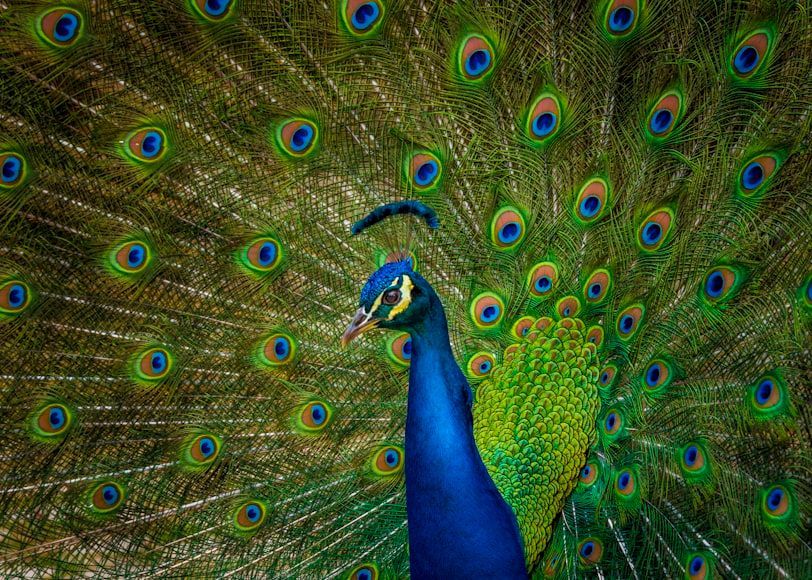
Ostentation

Image: Siddhant Kumar

This one is quite straightforward. Male peacocks are known to parade their colorful feathers in front of the females, and have always been used as a symbol of vanity and flamboyance. Therefore, calling a group of peacocks an ‘ostentation’ seems quite fitting.

7

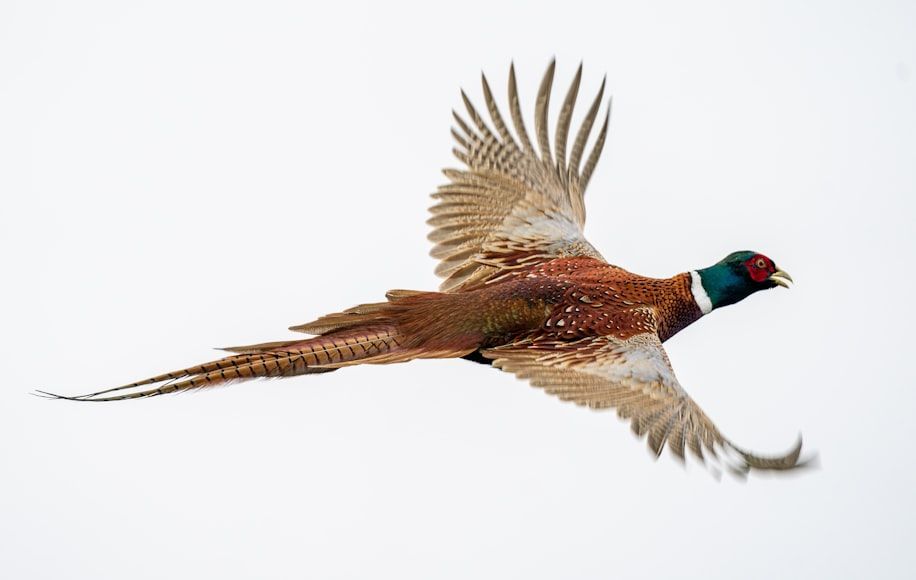
Bouquet

Image: Bob Brewer

Several collective nouns can be used to describe a group of pheasants, but the term ‘bouquet’ stands out because it doesn’t just refer to the group of animals, but to flying pheasants. When hunters startled these birds, they took flight all at once in different directions, their colorful feathers looking like a ‘bouquet’ against the sky.

8

Shrewdness

Image: Vasilis Caravitis

Like ravens, apes were perceived to be wicked, and this term reflected that idea. Originally, ‘shrewd’ was used to mean ‘evil, ‘mischievous, or ‘malicious’, so a group of apes was named a ‘shrewdness’. Later on, ‘shrewd’ came to mean ‘clever’ or ‘astute’, both qualities that apes do possess.

9

Mischief

Image: Zdeněk Macháček

Were mice thought to be mischievous? Not really. The word ‘mischief’ was originally used to mean ‘harm, trouble, or annoyance’, and mice were troublesome pests that ate stored food and caused property damage.

10

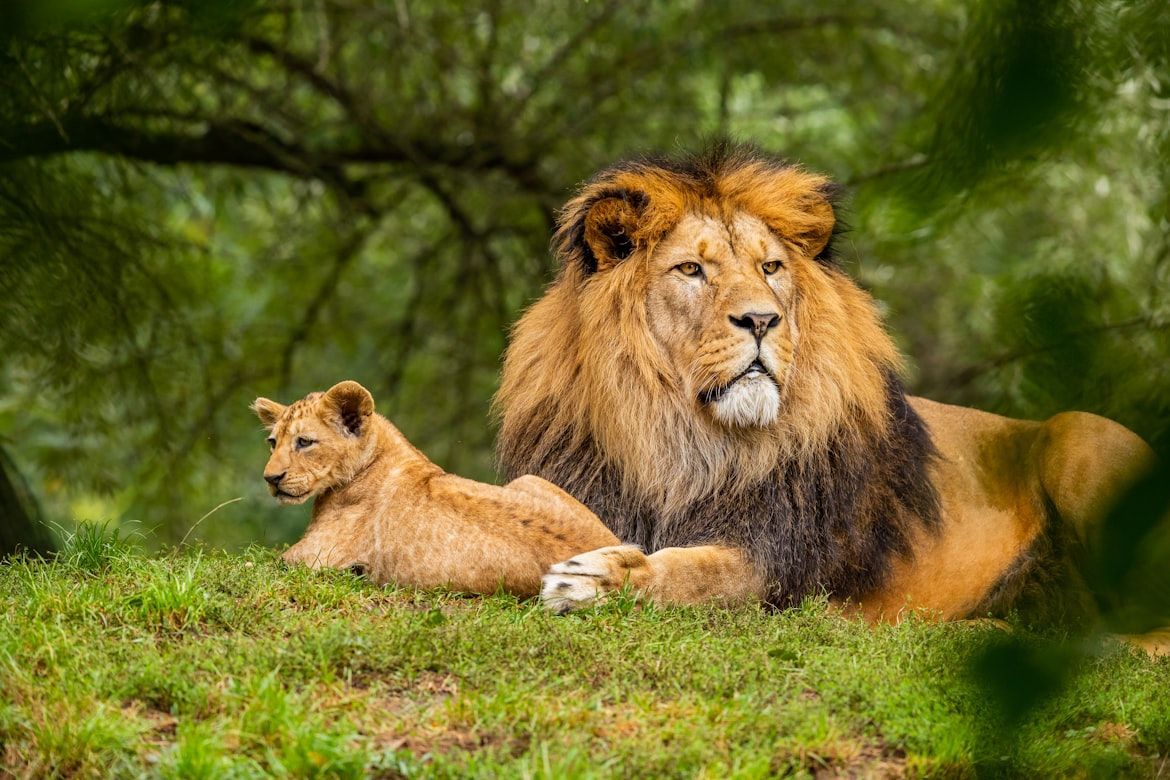
Pride

Image: Zdeněk Macháček

We are so used to the use of ‘pride’ as a collective noun that it might not sound as strange as other words in this list, but this term originated in the same way. Lions were a symbol of royalty, courage, and authority, so the word used to describe them had to reflect these qualities. While ‘pride’ can be used negatively, it also carries the positive connotation of ‘dignity’ and ‘high standing’.
Letters with meaning

Think you know what "PIN" stands for? Let’s test that!


Published on July 4, 2026


Image: Markus Winkler

You probably rattle off "PIN," "USB," or "Mrs." without hesitating, but do you actually know what those letters stand for? Some abbreviations come from Latin, some from long-lost measurements, and a few make absolutely no sense at first glance. So let’s dive into the interesting roots of 12 common abbreviations you’ve been using for years.

1

No.

Image: Nick Hillier

Why "No." for "number" when there’s no "O" in the word? You can blame Latin on that one.

The abbreviation comes from numero, meaning "number," which was originally abbreviated as an "N" with a small "o" above it (Nº). That old symbol eventually morphed into the familiar No. we still use today.

2

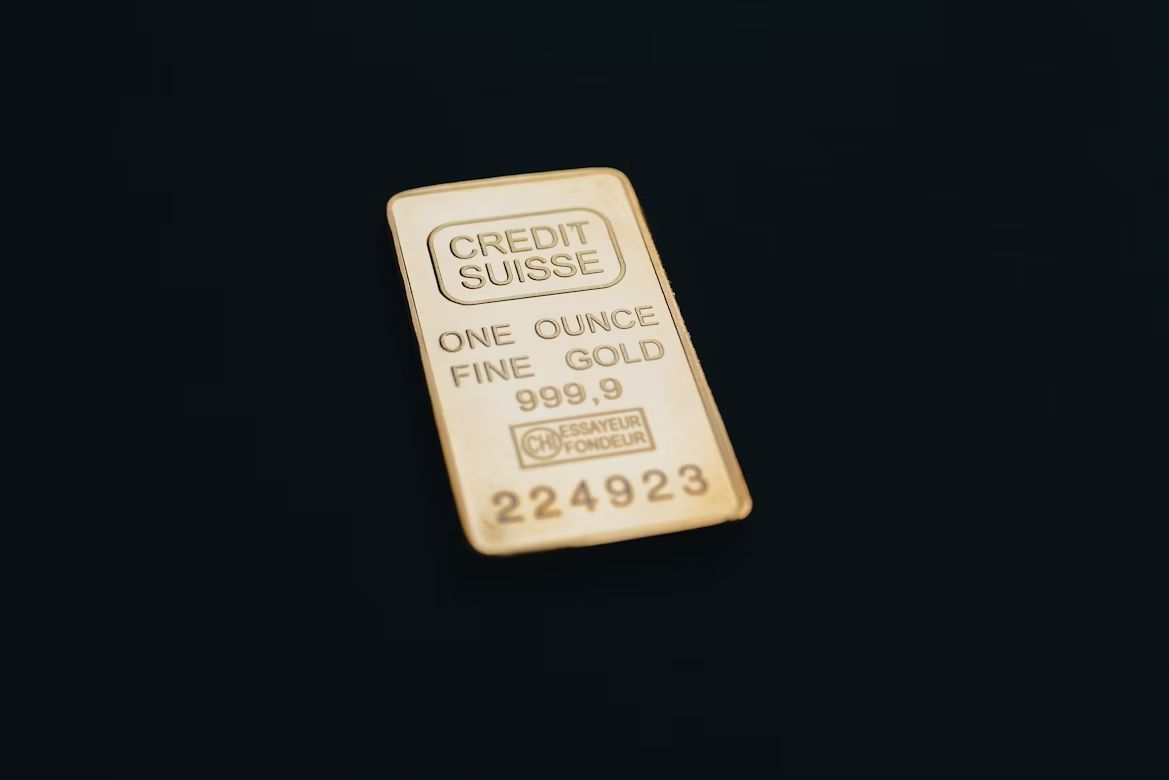
Lb.

Image: Graphic Node

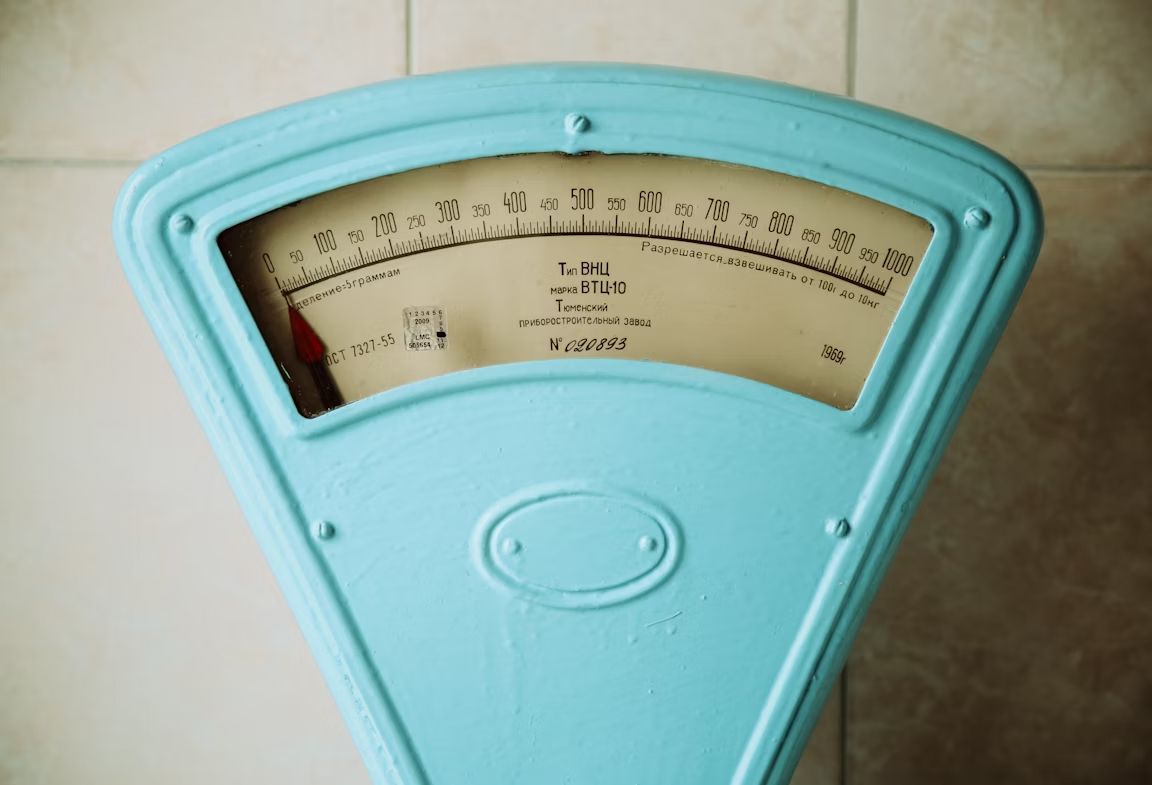
The abbreviation "lb" actually comes from libra pondo, Latin for "a pound by weight." The pondo gave us the English word "pound," while the libra stuck around as "lb."

It’s also why the British pound symbol (£) looks like a fancy "L." How interesting is that?

3

Oz.

Image: rc.xyz NFT gallery

"Ounce" and "oz" don’t match up phonetically, but historically, they’re connected. The word comes from the Latin uncia, meaning one-twelfth of a Roman pound.

It passed through Italian as onza, which is how we ended up with the abbreviation oz. Now it makes a little more sense, don’t you think?

4

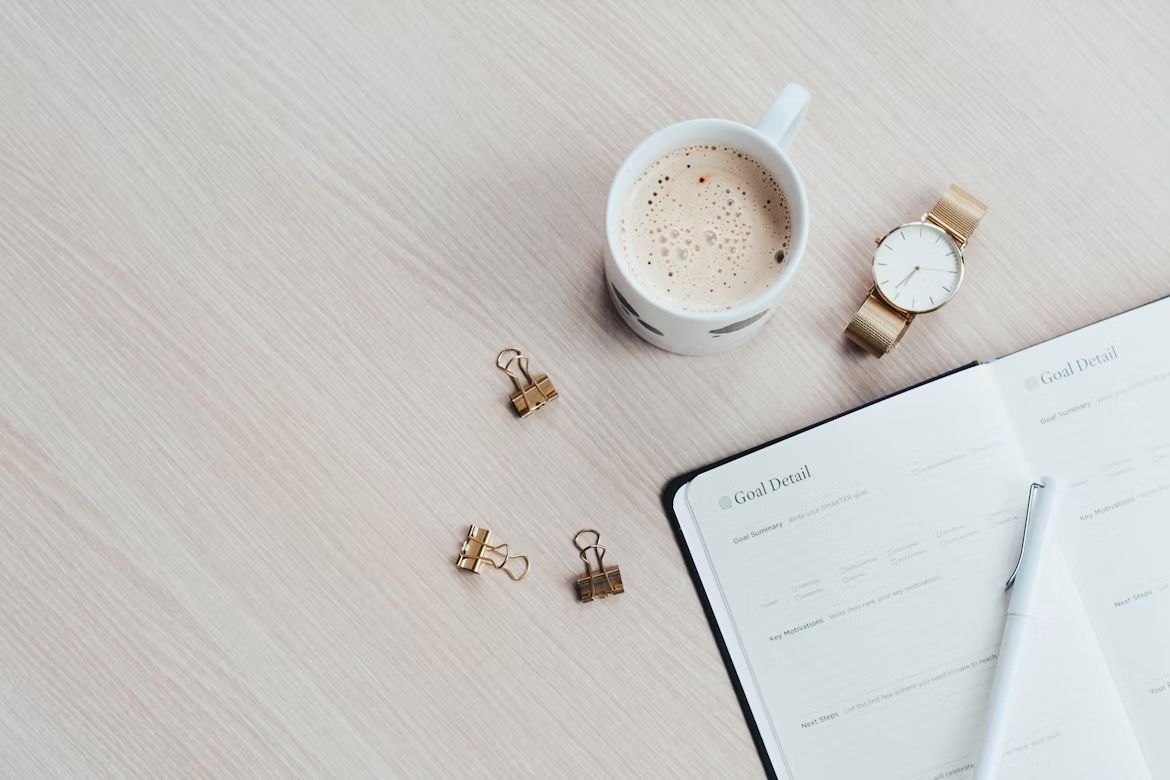
A.M. and P.M.

Image: Jon Tyson

Most of us know whether it’s morning or night without translating Latin, right? But there’s some history behind these time markers. A.M. stands for ante meridiem (before noon) and P.M. for post meridiem (after noon).

You’ve probably seen "post" in other words like "post-op" or "postwar"—now you know why it shows up in time too!

5

PIN

Image: Julian

"PIN" stands for "personal identification number"— so saying "PIN number" is technically redundant.

Scottish engineer James Goodfellow created the PIN system in 1966 when he patented an early cash machine. Now it’s second nature, and we don’t even think twice about typing it in.

Bonus fact: "ATM" stands for "automated teller machine," so saying "ATM machine" is also a redundancy.

6

CC

Image: Brett Jordan

"CC" stands for "carbon copy," from the days when people used carbon paper to make duplicates of typed letters. You’d slip a sheet between two papers, type your note, and you had two copies.

The email version took off in the 1980s, and we’ve been CC-ing ever since.

"BCC"? That’s "blind carbon copy," meaning the recipient is hidden from others. How about that, huh?

7

USB

Image: Lucian Alexe

"Universal Serial Bus" might sound like a fancy Greyhound line, but it’s actually the system that helps gadgets talk to each other.

In computer terms, a "bus" is a communication channel, like a digital highway. The USB was created in the mid-1990s to simplify connecting devices.

8

Et al.

Image: Gülfer ERGİN

You’ve probably seen "et al." on academic papers or research articles. It’s short for et alia, Latin for "and others."

Only the "al" is abbreviated, which is why it gets the period. The word alia is also the root of "alias," a name used by someone else. But you already knew that one, didn’t you?

9

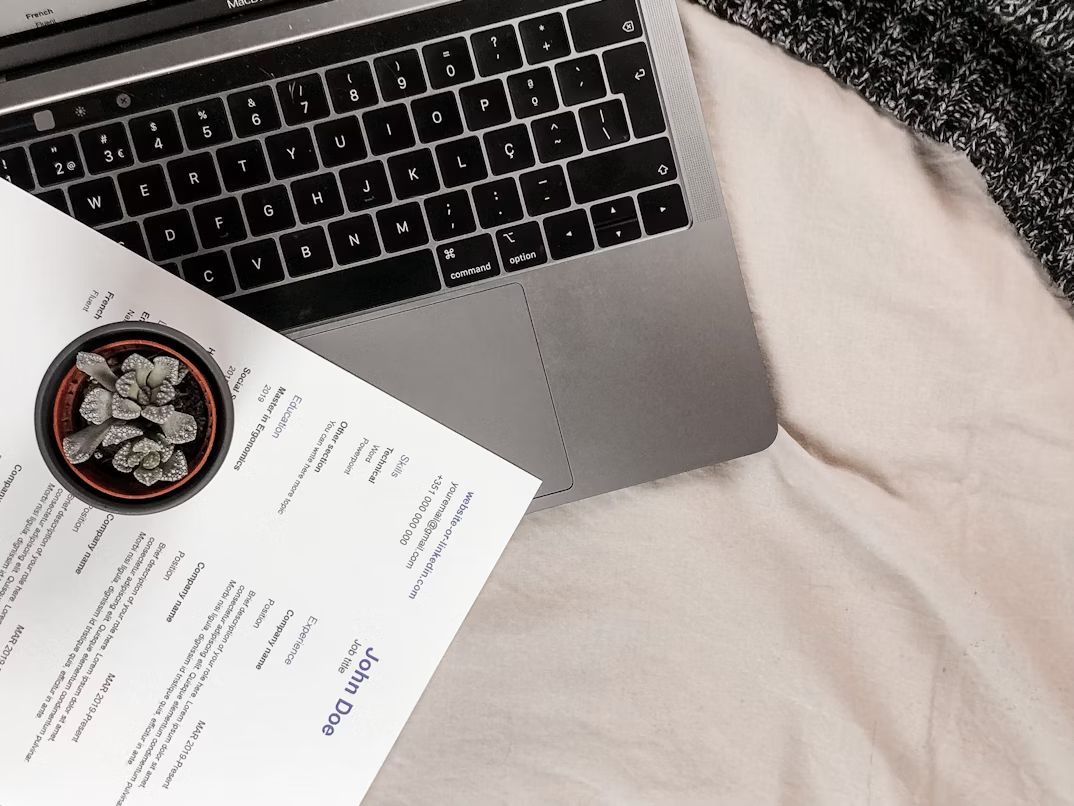
CV

Image: João Ferrão

CV stands for curriculum vitae, Latin for "course of life." It’s a fancier version of a résumé and is often used in academia or overseas job applications.

The phrase popped up in the early 1900s and adds a bit of sobriety to your work history. Who said job hunting couldn’t be sophisticated?

10

MO

Image: Content Pixie

"MO" stands for modus operandi, Latin for "method of operating." Originally, it described the signature behavior of criminals, but these days it’s more broadly used to mean someone’s usual way of doing things.

If your uncle always steals the last slice of pie, that’s just his MO. Sneaky, but predictable, you know.

11

SIM

Image: Andrey Matveev

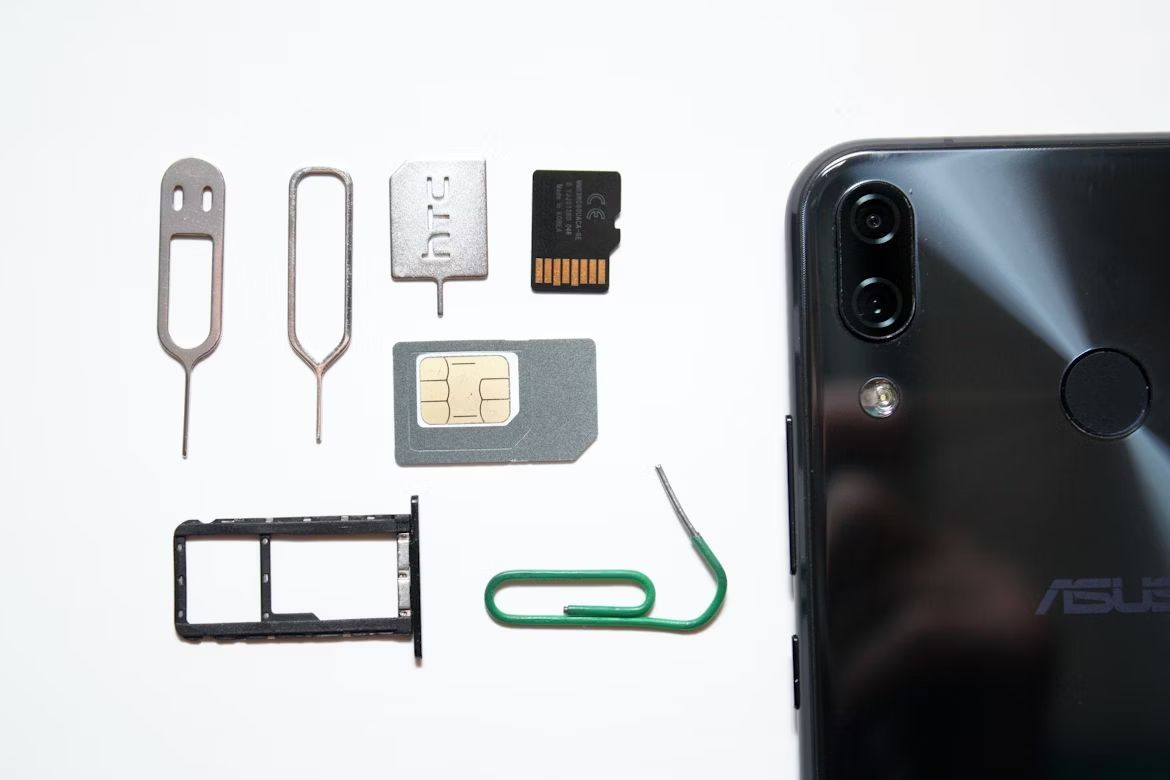
The SIM in your phone stands for "Subscriber Identity Module." It’s what tells the network who you are and lets you make calls, send texts, and use data.

First rolled out in 1991, SIM cards act like your phone’s ID badge—without one, your phone’s just a fancy calculator.

12

Mrs.

Image: Thomas AE

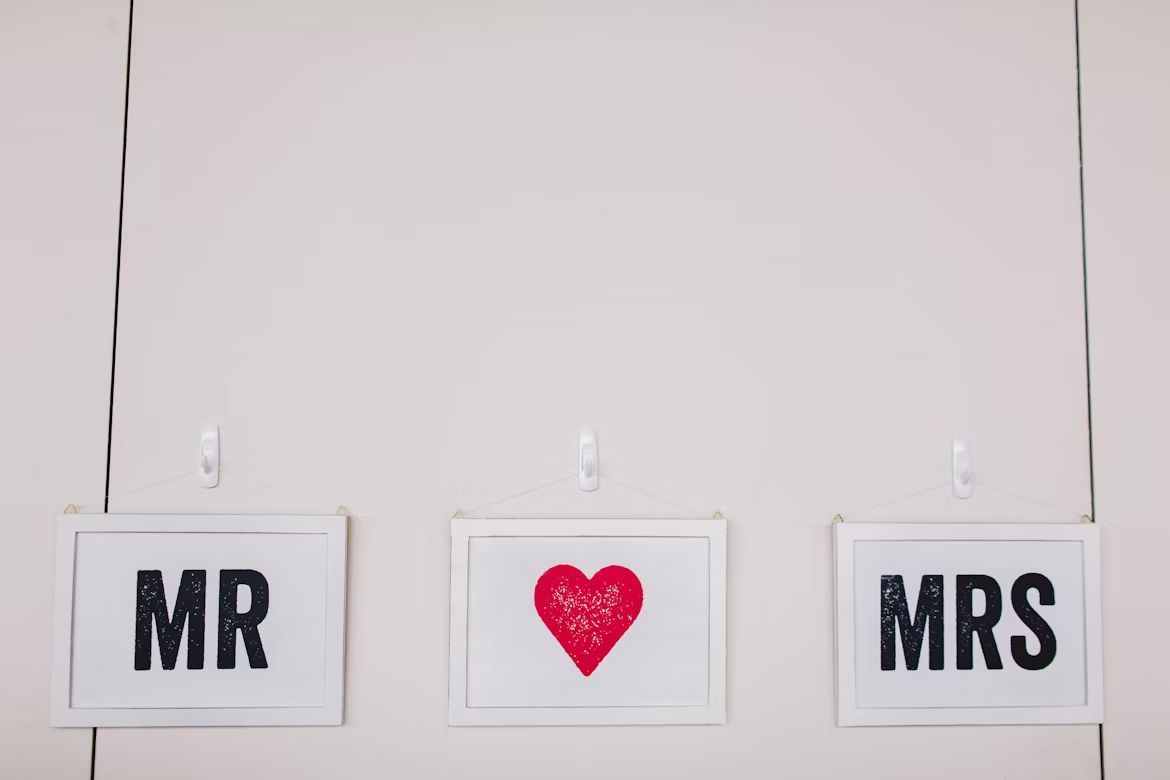
"Mrs." looks like it should rhyme with "mars," but we say it "missus." That’s because it originally stood for "mistress." Don’t worry— not the scandalous kind, just the lady of the house.

Over time, mistress took on new meanings, but the "R" stayed behind in the abbreviation. Go figure.

Looking for an extra scoop of literary fun?

Learn more with our Word of the day

precede

/priˈsid/