In your genes

You might be a human relic if you have any of these 12 traits


Published on June 25, 2025


Image: Cade Proulx

You may have never met your great-great-grandparents, but their biological legacy lives on in you in ways you might not expect. From tiny quirks in your body to odd preferences and physical features, ancestral survival and lifestyle choices have shaped what you carry today. Here are 12 surprising traits that science has linked to deep genetic inheritance.

1

Hitchhiker’s thumb

Image: Katya Ross

A thumb that bends backward at the top joint is known as a hitchhiker’s thumb. It results from a single gene variant.

This trait is controlled by a variation in the gene responsible for joint flexibility. Some people have it in both thumbs, while others only in one. It's a harmless variation that may have been more common in populations requiring greater dexterity.

2

Eye color shifts

Image: Max Leveridge

Some babies are born with blue or gray eyes that change color over time. The way this shift unfolds is written in your DNA.

After birth, melanin production in the iris increases over time. Genetic variants in the OCA2 and HERC2 genes regulate melanin levels. These subtle changes can take months or even years to settle into a final eye color.

3

Tongue rolling

Image: Alex Guillaume

The ability to roll your tongue into a tube shape is often thought to be purely genetic, and that’s partially true. While you can learn to do it with a lot of practice, studies show it’s also influenced by genes.

Some populations have a higher percentage of tongue rollers, and the trait may have originally been a byproduct of muscle control needed for speech or food manipulation in early humans.

4

Fear of heights

Image: Tim Trad

Acrophobia, or intense fear of heights, has a genetic link tied to survival instincts from your prehistoric ancestors.

People with heightened depth perception or balance issues may inherit a stronger fight-or-flight response to elevation. This reaction likely helped early humans avoid dangerous cliffs or falling from trees.

5

Red hair sensitivity

Image: KaLisa Veer

Strange as it sounds, redheads often experience pain differently. Some studies suggest they have a higher threshold for certain types of pain, while others indicate increased sensitivity to specific stimuli like cold or heat.

This is linked to ancient adaptations in the MC1R gene, which influences melanin production and also affects pain modulation through opioid receptors in the brain. Variants of this gene were more common in populations from colder regions, such as prehistoric Europe.

6

Freckles that multiply in sunlight

Image: Chermiti Mohamed

Freckles are genetic, but they bloom with sun exposure due to the way ancestral DNA interacts with UV light.

In fact, the same MC1R gene involved in red hair also influences how melanin clusters into freckles. This is because freckling was advantageous for fair-skinned populations needing some UV protection without full pigmentation.

7

Lactose tolerance

Image: Anita Jankovic

The ability to digest milk into adulthood is a relatively recent mutation in human history. Populations with pastoralist ancestors—such as Northern Europeans and some East Africans—evolved lactase persistence, the continued production of the enzyme lactase that enables them to digest milk throughout adulthood.

Most of the world remains lactose intolerant, but those with this mutation can thank their ancestors for a genetic advantage linked to dairy-based survival.

8

Sneezing in bright light

Image: Thomas Park

Weirdly enough, some people sneeze when exposed to sunlight or even just bright lights. This phenomenon, known as the "photic sneeze reflex," affects 18–35% of people and is linked to genetics.

While this inherited quirk is harmless, it likely results from crossed nerve signals between the optic and trigeminal nerves, the latter of which controls facial sensations and reflexes like sneezing.

9

Second toe longer than big toe

Image: Claudia Love

Also called Morton’s toe, this feature was once thought to improve balance or running efficiency. The trait is hereditary and common in certain populations.

Greek statues often depict this toe shape, suggesting it was either idealized or prevalent in ancient Mediterranean groups. Biomechanical studies show mixed results, but some suggest that a longer second toe can affect posture and gait.

10

Cold weather endurance

Image: Mika Ruusunen

People with ancestry from colder regions often have inherited a better tolerance to cold. Adaptations such as higher basal metabolic rates, subcutaneous fat distribution, and heat-conserving blood vessel responses are linked to genetic clusters in populations like the Inuit or Sámi.

Genes like UCP1, which influence fat burning and thermogenesis, are more active in these populations.

11

Vestigial muscles

Image: Marco Bianchetti

Some people have a vestigial muscle in the forearm that others lack entirely. Called the palmaris longus, it once helped tree-climbing primates enhance their arm strength.

Today, about 14% of people are born without it in one or both arms. It has little to no effect on grip strength, making it a living fossil of human evolution. Interestingly, when present, it’s often harvested for surgical grafts because its absence doesn’t impair function.

12

Hair whorl direction

Image: Bethany Beck

Clockwise or counterclockwise hair whorls are influenced by genetics, and some studies link their direction to the same genes that affect handedness. However, identical twins can sometimes have opposite whorl patterns, suggesting a mix of genetics and early fetal environment.

This trait has no known survival function but may serve as a visible marker of underlying developmental processes during early embryonic growth.
Hospital secrets

What is a "Code Gray" and what you should know if you hear it at the E.R.


Published on June 25, 2025


Image: voronaman

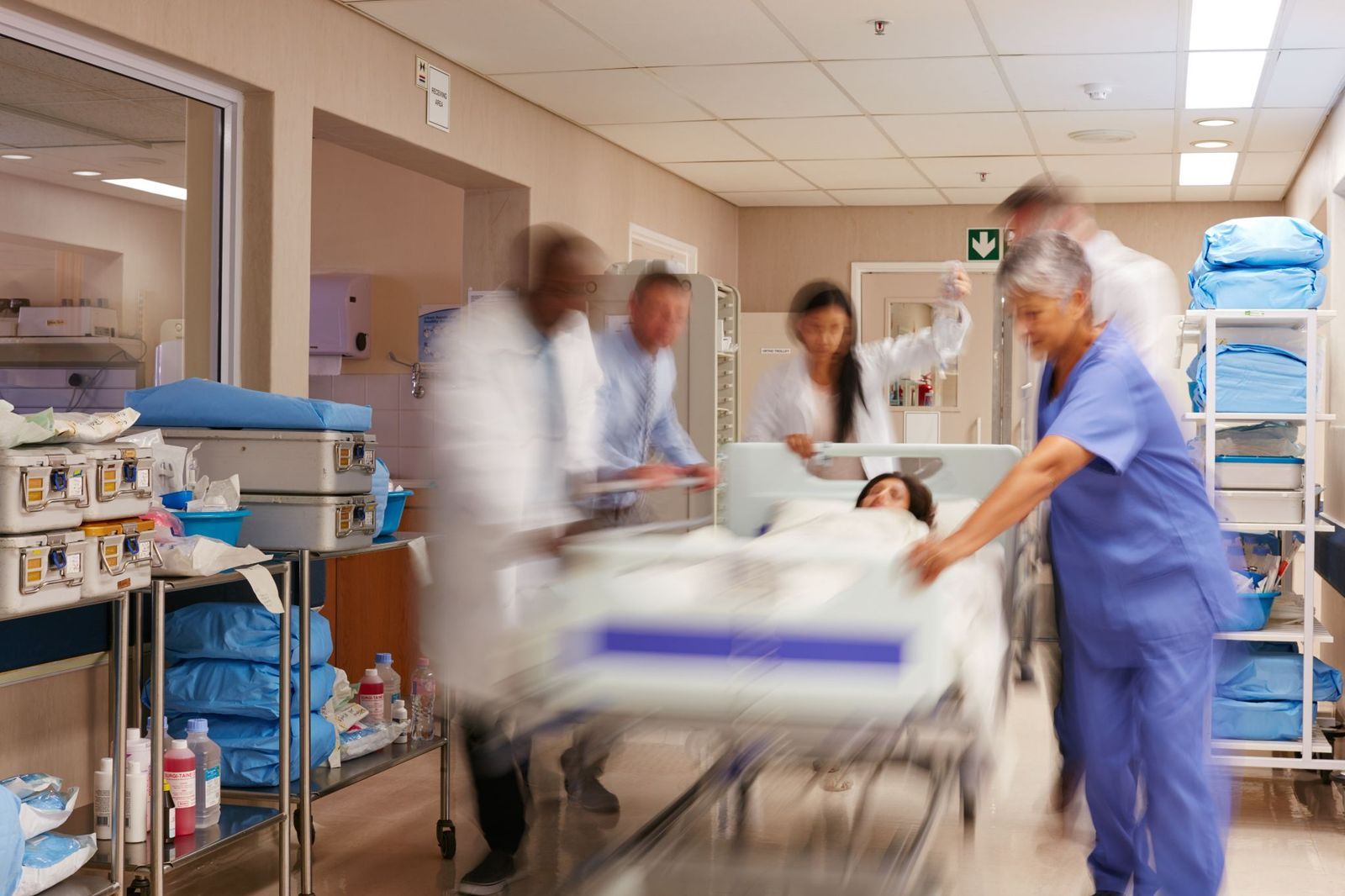
A trip to the emergency room can be stressful enough without hearing doctors and nurses speak a language that sounds like a secret code. One minute, someone is asking for medication "STAT," the next there’s a "Code Gray," and another patient is suddenly "NPO." What do those words really mean? Some are official medical terms, others are insider slang, but they all help hospital staff communicate quickly when every second counts. Here are 10 of those codes explained.

1

Code Gray

Image: PeopleImages

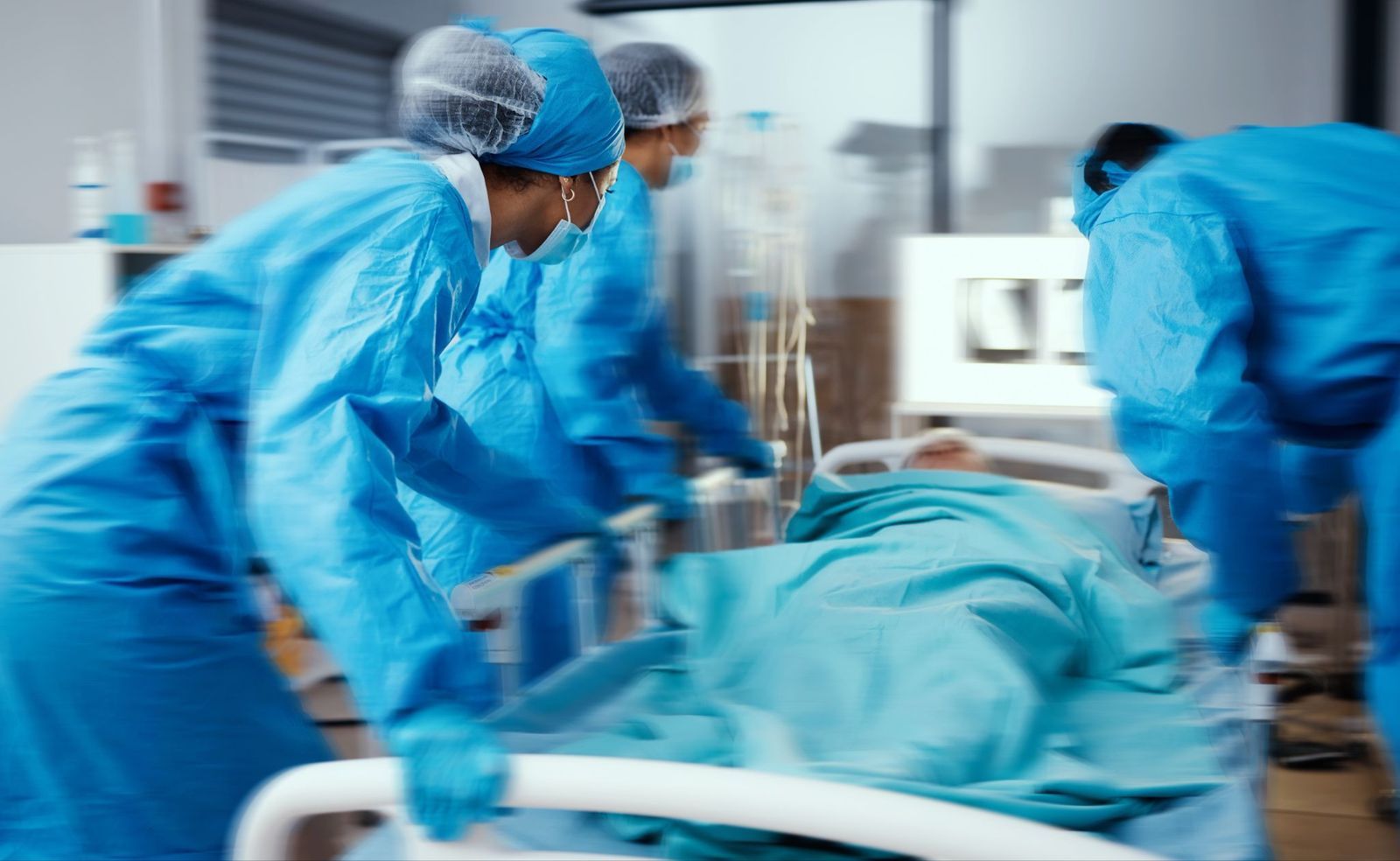
The E.R. can be hectic and unpredictable. Most patients are frightened or uncomfortable, but now and then someone becomes aggressive because of pain, confusion, mental illness, or the effects of alcohol or other substances. That’s when you can hear "Code Gray" announced over the speakers.

The code is used to summon security officers to help manage a violent or combative situation. While color codes vary from one hospital to another, Code Gray commonly signals that staff needs extra assistance to protect patients, visitors, and healthcare workers. Even if you know it now, most people in the waiting room never know what happened, and that’s exactly the point.

2

NPO

Image: PeopleImages

You have a scheduled surgery, you’re in your bed waiting to be taken to the surgery room, and you ask for a cup of coffee to make the wait lighter. The nurse will probably tell you you’re an NPO. You may think it’s serious, but it’s simply a procedure.

"NPO" is an abbreviation that comes from the Latin phrase Nil Per Os, which means "nothing by mouth." It tells patients they cannot eat, drink, or sometimes even take medication until doctors say it’s safe. The rule is most common before surgery or certain medical tests, when food or liquids could increase the risk of complications or alter the results. It may be frustrating, but it’s an important part of keeping patients safe.

3

STAT!

Image: PeopleImages

You’ve probably been through the experience of visiting an emergency room, either to get checked or to visit a loved one. In that part of the hospital where everyone is rushing to save lives, you’ve probably heard a doctor asking for the R.C.P. cart or medication "STAT!" It sounds urgent, and that's because it is.

The expression comes from the Latin statim, which means "immediately" or "without delay." Hospitals have used Latin medical terms for centuries, but STAT is one of the few that remains part of everyday conversation. When a doctor says it, the request jumps to the top of the priority list. It doesn’t always refer to a life-or-death situation, but it does mean the medical team needs something done as quickly as possible.

4

Code Pink

Image: Vladimir Tretyakov

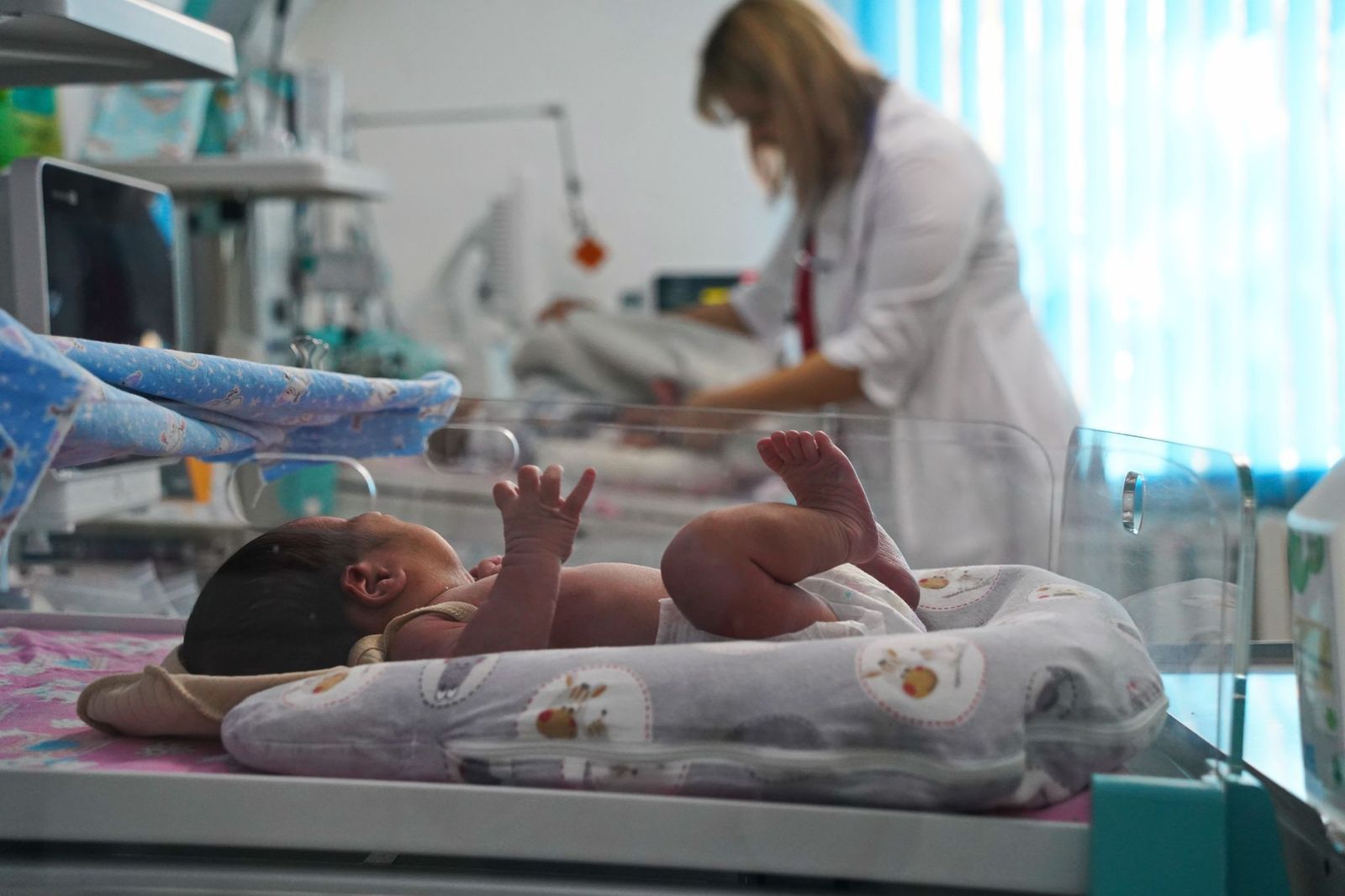
Newborns are always a reason to celebrate at the hospital. Parents usually rest happily next to their child as they receive congratulations from close relatives. However, the hospital is always prepared to handle extremely rare emergencies under "code pink."

If you hear a "Code Pink," it usually means a baby or young child is suspected of being abducted from the hospital. Within seconds, security officers respond, exits may be monitored or blocked, and staff begins following carefully rehearsed procedures. Although different hospitals sometimes use different color codes, Code Pink has become widely recognized across North America as one of the most serious alerts a hospital can issue.

5

Walkie-talkie

Image: Arunporn Thanapotivirat

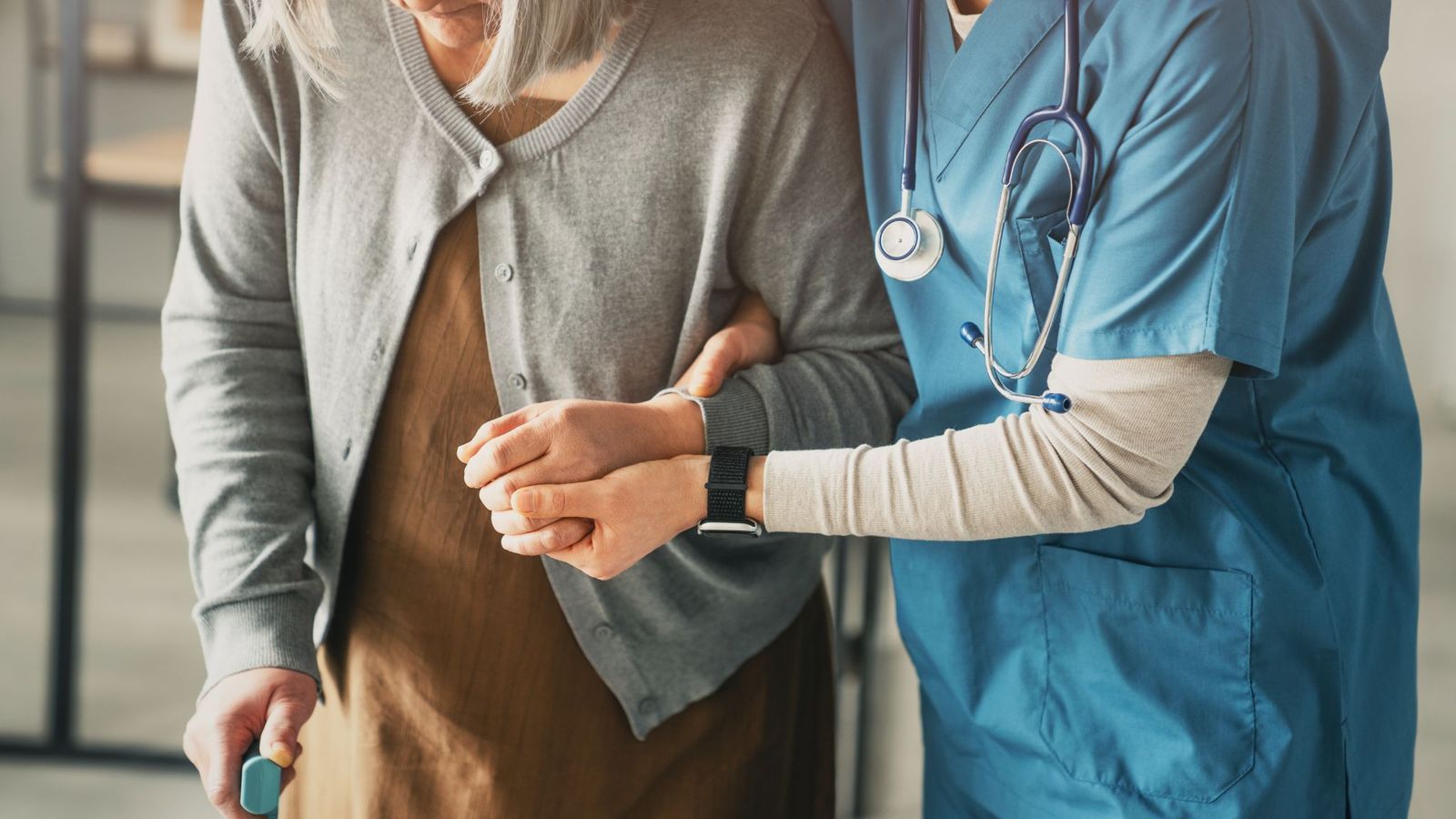
If you’ve ever spent a few days in the hospital, you’ve probably noticed that some patients are walking up and down the halls, while others need help just getting out of bed. When a nurse refers to someone as a "walkie-talkie," it’s actually good news.

This informal expression refers to patients who can walk on their own, use the bathroom without assistance, and handle most basic tasks independently. It’s not an official medical term, of course, but it’s commonly used among healthcare workers because it quickly tells the next shift that the patient requires less hands-on care than many others.

6

Total

Image: sebra

As nurses change shifts, you’ll often hear them give a quick report about each patient. One person may only need medication, while another is described as a "total."

The term is short for a patient who requires total care. They may need help eating, bathing, getting dressed, turning in bed, or moving from one place to another. Although the expression sounds impersonal, it’s simply a practical way for caregivers to communicate how much assistance someone needs.

7

Frequent flyer

Image: Studio Romantic

Most people hear "frequent flyer" and think of an airline reward program. And that’s correct, but in an emergency room, the phrase has a very different meaning.

A frequent flyer is an informal nickname for patients who repeatedly return to the hospital, often due to chronic illness, recurring medical conditions, or other ongoing health issues. Behind the light-hearted nickname is often a difficult reality. Many of these patients are simply dealing with medical problems that require regular emergency care, and the expression is just a way to make the experience a bit lighter among the familiar faces of doctors and nurses.

8

WOW

Image: Studio Romantic

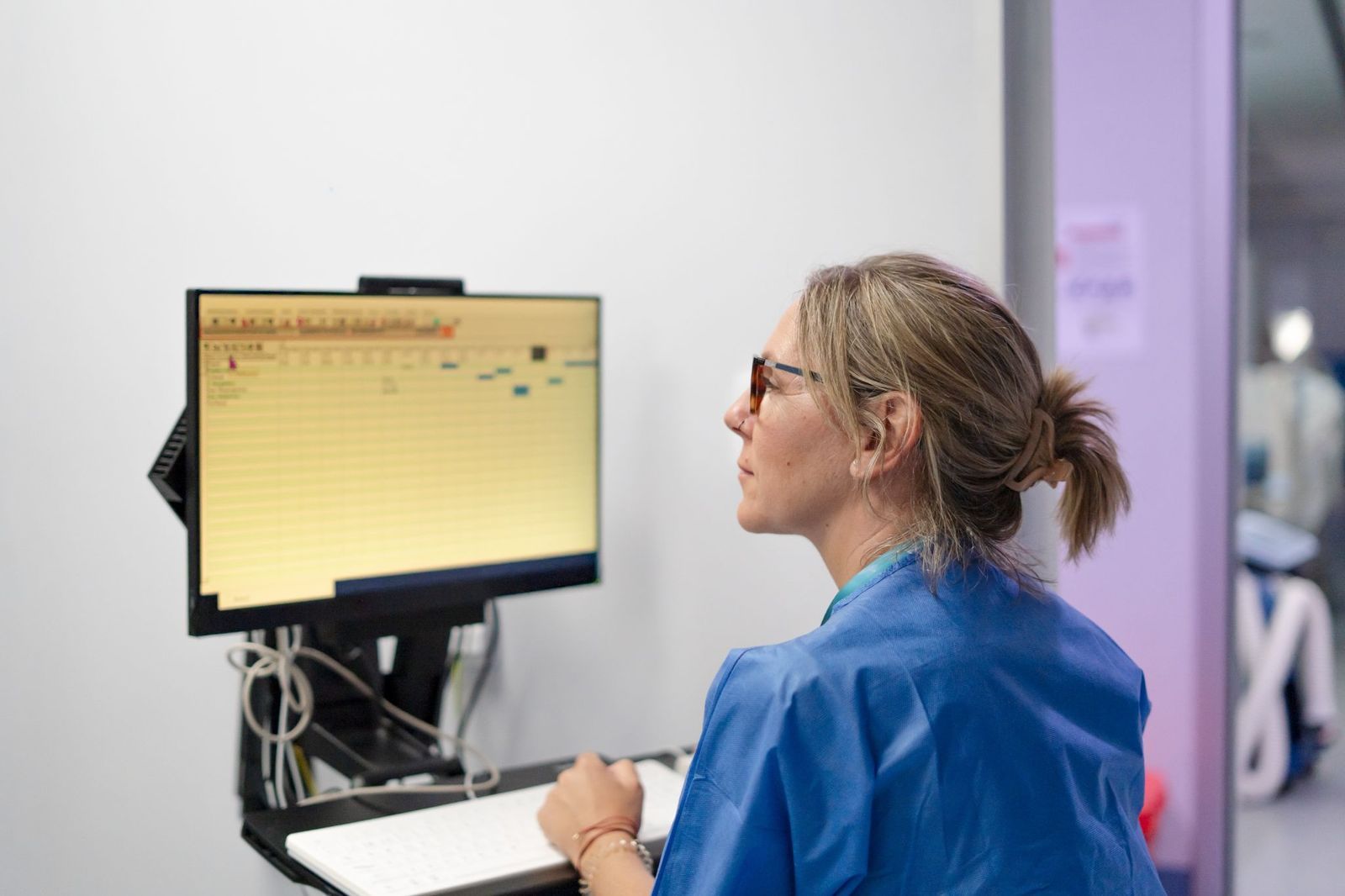
Not all codes are for patients. The next time you’re in a hospital, look closely at what the nurse is pushing from room to room. It may look like a small rolling desk with a computer on top. Staff often call it a "WOW," short for "workstation on wheels."

As hospitals switched from paper charts to electronic medical records, these mobile computers became essential. Nurses use them to review test results, scan medications, update patient charts, and check doctors’ orders without leaving the bedside. The name sounds funny, but the technology helps caregivers spend more time with patients instead of walking back and forth to a nursing station.

9

Sharp container

Image: NMK-Studio

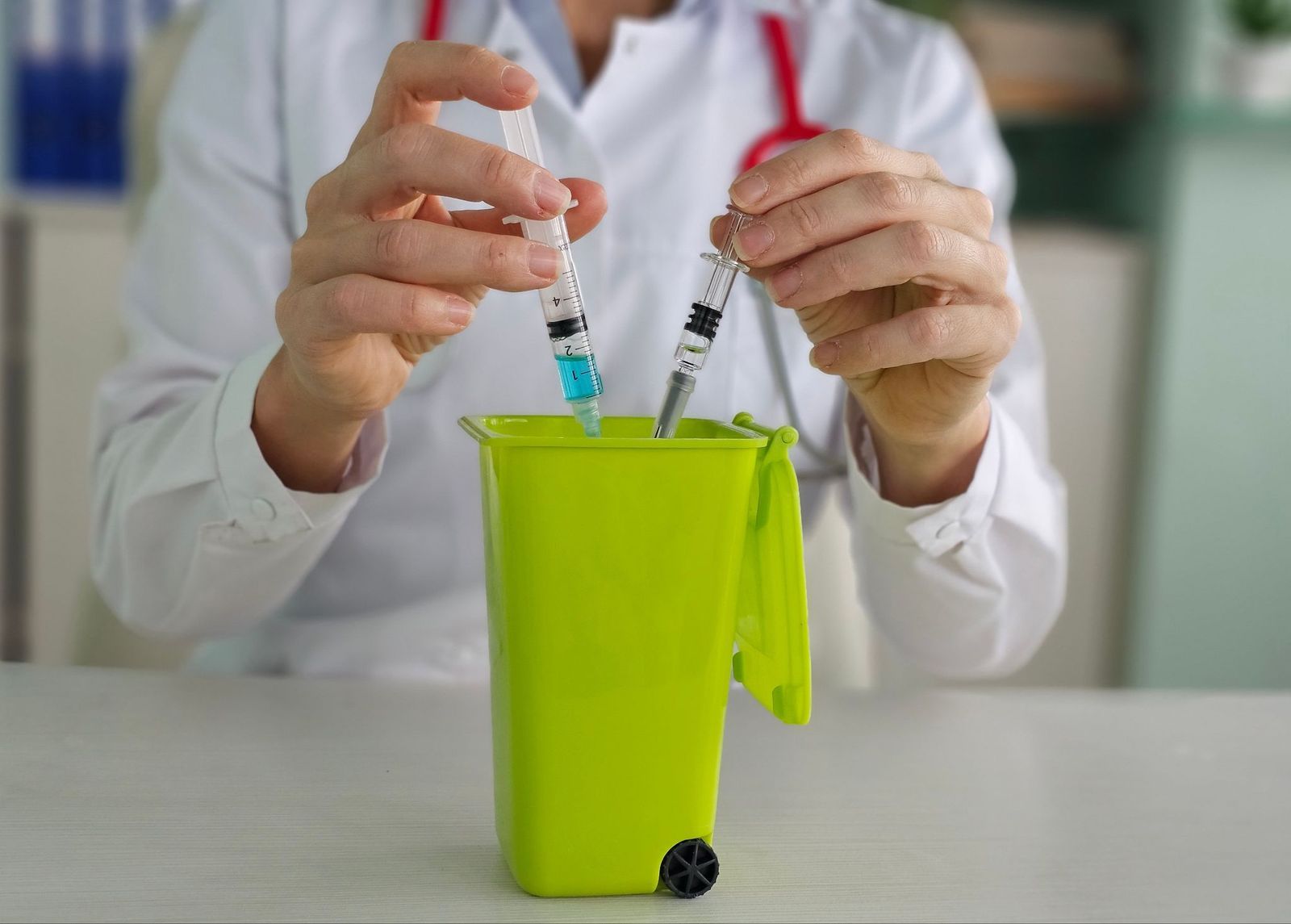
After getting a shot or having blood drawn, most patients never think about where the used needle ends up. It certainly doesn't go into an ordinary trash can.

Hospitals place needles, scalpels, and other sharp medical instruments into special containers designed to prevent accidental injuries. These sturdy, puncture-resistant boxes are sealed when full and safely disposed of in accordance with strict health regulations. This not only protects nurses, but it also protects cleaning crews, waste handlers, and even the public from dangerous needle sticks. It’s one of the most important safety measures in every hospital, even though most patients never notice it.

10

B-52

Image: Photoroyalty

If you’ve ever watched a medical drama, you've probably seen a patient become so agitated that several staff members rush into the room. In situations like that, a doctor or nurse may ask for a "B-52." But the name has nothing to do with numbers themselves; it actually comes from a medicine.

B-52 is hospital slang for a fast-acting injection used to calm down patients who are severely combative or at risk of harming themselves or others. The nickname comes from a commonly used combination of medications that usually include diphenhydramine, haloperidol, and lorazepam. It’s strictly reserved for when other methods of calming the patient haven’t worked.

Looking for an extra scoop of literary fun?

Learn more with our Word of the day

presuppose

/ˌprisəˈpoʊz/