Lost in translation

Use these English words abroad, and you are in for a big surprise


Published on June 14, 2026


Image: Nachristos

We Americans like to think that since we speak English, we can get by just fine anywhere from London to Bridgetown. But traveling abroad can quickly turn into a game of linguistic telephone! Imagine the sheer confusion of a tourist asking for a nice, warm biscuit with breakfast, only to be handed a chocolate chip cookie, or trying to pack their luggage into a boot instead of the trunk. It pays to think twice before you open your mouth overseas, or you might find yourself in some hilariously awkward situations. Here are 12 everyday words that mean something completely different once you leave American soil.

1

Biscuit (U.S. vs. U.K.)

Image: Pawel Czerwinski

Picture yourself at a quaint London bed-and-breakfast, ordering gravy to go with your morning biscuit. The waiter returns, looking baffled, with a plate of crunchy chocolate chip cookies.

To us, a biscuit is that fluffy, buttery piece of heaven perfect for breakfast. To the British, a biscuit is what we call a cookie. Save the gravy for home, or you'll get some very strange looks!

2

Boot (U.S. vs. U.K.)

Image: Zhen Yao

You arrive at a London hotel, and the polite bellhop asks, "Shall I put your bags in the boot, sir?" You might look down at your leather footwear and wonder how on earth your suitcase is going to fit in there.

Don't worry, your shoes are safe. While Americans call the rear storage compartment of a car the trunk, the British call it the boot.

3

Banger (U.S. vs. Ireland)

Image: Rachel Clark

Imagine your Irish tour guide points to a menu and promises you a "classic banger" for lunch. You might expect the pub to start blasting a high-energy, catchy song right there at the table.

Instead, you'll be served a sizzling, savory sausage. In Ireland and the U.K., bangers are just sausages, famously paired with mashed potatoes for a comforting meal. It's a hit for your stomach, not your ears!

4

Messages (U.S. vs. Scotland)

Image: Centre for Ageing Better

Next time you hear a Scotsman say he is "going for the messages," don't expect him to return with a handful of letters or a phone full of unread texts.

In Scotland, this delightful phrase simply means going grocery shopping. He’s just heading out to grab some milk, bread, and eggs, completely offline.

5

Fortnight (U.S. vs. Australia/U.K.)

Image: Estée Janssens

If an Aussie hotel clerk tells you your reservation is locked in for a fortnight, you might be taken aback. While we rarely use this old-fashioned word in the States, it is completely standard down under and in the U.K. It simply means a period of two weeks. Enjoy your long vacation!

6

Jelly (U.S. vs. U.K./New Zealand)

Image: THE RETROMATE CAFE CAFE

Imagine ordering a classic peanut butter and jelly sandwich in Auckland, only to watch the café worker stare at you in absolute horror.

In New Zealand and the U.K., jelly isn't a smooth fruit spread; it’s what we call Jell-O. Putting a wobbly, strawberry gelatin dessert between two slices of bread is definitely an acquired taste you might want to skip.

7

Entrée (U.S. vs. Canada/France)

Image: Julien Sarazin

You’re celebrating a beautiful anniversary at a lovely restaurant in Montreal. Eager for the main event, you order a delicious-sounding steak from the entrée section of the menu, expecting a giant plate.

Unfortunately, you’ll be left scratching your head when a tiny appetizer arrives. In Canada and Europe, the entrée is the starter. The actual main course comes later, so pace yourself!

8

Suspenders (U.S. vs. U.K.)

Image: Caroline Hernandez

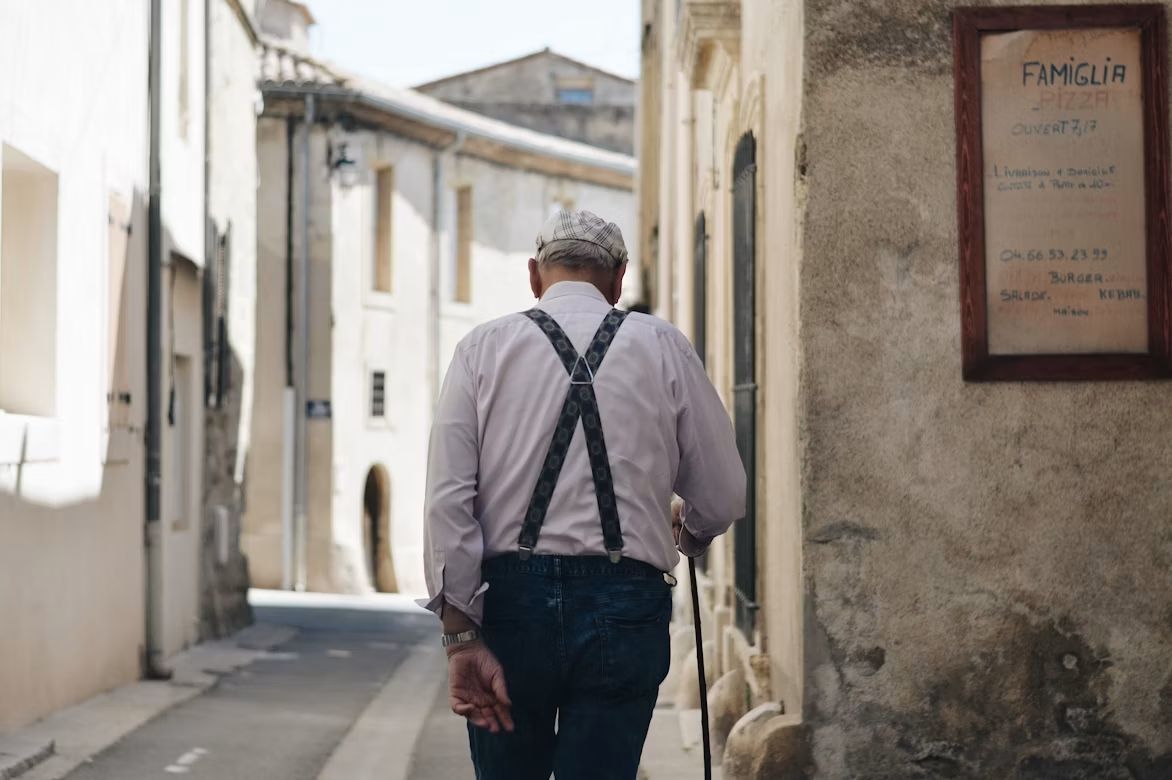
Imagine a stylish American gentleman telling his British colleagues that he bought a bright red pair of suspenders to wear to the office. The room will likely go dead silent with embarrassment.

To Americans, suspenders are just classy elastic shoulder straps that hold up trousers. In the U.K., however, suspenders are garter belts used to hold up women's stockings. That's one major office mix-up!

9

Lick (Barbados vs. U.S.)

Image: Lawrence Hookman

If you are relaxing on a beautiful beach in Barbados and a friendly local warns that someone might "give you a lick," please don't expect anyone to come over and run their tongue across your arm!

In the Caribbean, giving someone a lick means to hit or strike them. It’s an aggressive warning, a far cry from the completely innocent, sugary action we think of back home.

10

Pavement (U.S. vs. U.K.)

Image: Josh Wilburne

Imagine walking through London when an angry cyclist yells, "Get off the pavement!" You might look down, confused, thinking, "But I’m not standing in the middle of the street!"

In the U.S., pavement refers to the asphalt road where cars drive. In the U.K., the pavement is actually the sidewalk. He’s just asking you to clear the pedestrian path, so no need to dodge traffic!

11

Pants (U.S. vs. U.K.)

Image: lan deng

Imagine complimenting a British gentleman at a formal dinner by telling him, "I love your pants!" Instead of a thank you, you'll likely receive a look of absolute horror.

To Americans, pants are simply trousers. But to the British, pants refer strictly to underwear. Telling someone you like their pants means you’re complimenting their briefs, which is a bit too much information for polite conversation!

12

Chips (U.S. vs. U.K./Ireland)

Image: Mustafa Bashari

Picture yourself walking into a London pub and ordering a burger with a side of potato chips. You might be disappointed when the waiter brings out a basket of steaming, thick-cut French fries instead of a crispy bag of Lay's.

In the U.K. and Ireland, chips are fries. If you actually want those thin, crunchy snacks from a bag, you have to ask for "crisps."


Hospital secrets

What is a "Code Gray" and what you should know if you hear it at the E.R.


Published on June 14, 2026


Image: voronaman

A trip to the emergency room can be stressful enough without hearing doctors and nurses speak a language that sounds like a secret code. One minute, someone is asking for medication "STAT," the next there’s a "Code Gray," and another patient is suddenly "NPO." What do those words really mean? Some are official medical terms, others are insider slang, but they all help hospital staff communicate quickly when every second counts. Here are 10 of those codes explained.

1

Code Gray

Image: PeopleImages

The E.R. can be hectic and unpredictable. Most patients are frightened or uncomfortable, but now and then someone becomes aggressive because of pain, confusion, mental illness, or the effects of alcohol or other substances. That’s when you can hear "Code Gray" announced over the speakers.

The code is used to summon security officers to help manage a violent or combative situation. While color codes vary from one hospital to another, Code Gray commonly signals that staff needs extra assistance to protect patients, visitors, and healthcare workers. Even if you know it now, most people in the waiting room never know what happened, and that’s exactly the point.

2

NPO

Image: PeopleImages

You have a scheduled surgery, you’re in your bed waiting to be taken to the surgery room, and you ask for a cup of coffee to make the wait lighter. The nurse will probably tell you you’re an NPO. You may think it’s serious, but it’s simply a procedure.

"NPO" is an abbreviation that comes from the Latin phrase Nil Per Os, which means "nothing by mouth." It tells patients they cannot eat, drink, or sometimes even take medication until doctors say it’s safe. The rule is most common before surgery or certain medical tests, when food or liquids could increase the risk of complications or alter the results. It may be frustrating, but it’s an important part of keeping patients safe.

3

STAT!

Image: PeopleImages

You’ve probably been through the experience of visiting an emergency room, either to get checked or to visit a loved one. In that part of the hospital where everyone is rushing to save lives, you’ve probably heard a doctor asking for the R.C.P. cart or medication "STAT!" It sounds urgent, and that's because it is.

The expression comes from the Latin statim, which means "immediately" or "without delay." Hospitals have used Latin medical terms for centuries, but STAT is one of the few that remains part of everyday conversation. When a doctor says it, the request jumps to the top of the priority list. It doesn’t always refer to a life-or-death situation, but it does mean the medical team needs something done as quickly as possible.

4

Code Pink

Image: Vladimir Tretyakov

Newborns are always a reason to celebrate at the hospital. Parents usually rest happily next to their child as they receive congratulations from close relatives. However, the hospital is always prepared to handle extremely rare emergencies under "code pink."

If you hear a "Code Pink," it usually means a baby or young child is suspected of being abducted from the hospital. Within seconds, security officers respond, exits may be monitored or blocked, and staff begins following carefully rehearsed procedures. Although different hospitals sometimes use different color codes, Code Pink has become widely recognized across North America as one of the most serious alerts a hospital can issue.

5

Walkie-talkie

Image: Arunporn Thanapotivirat

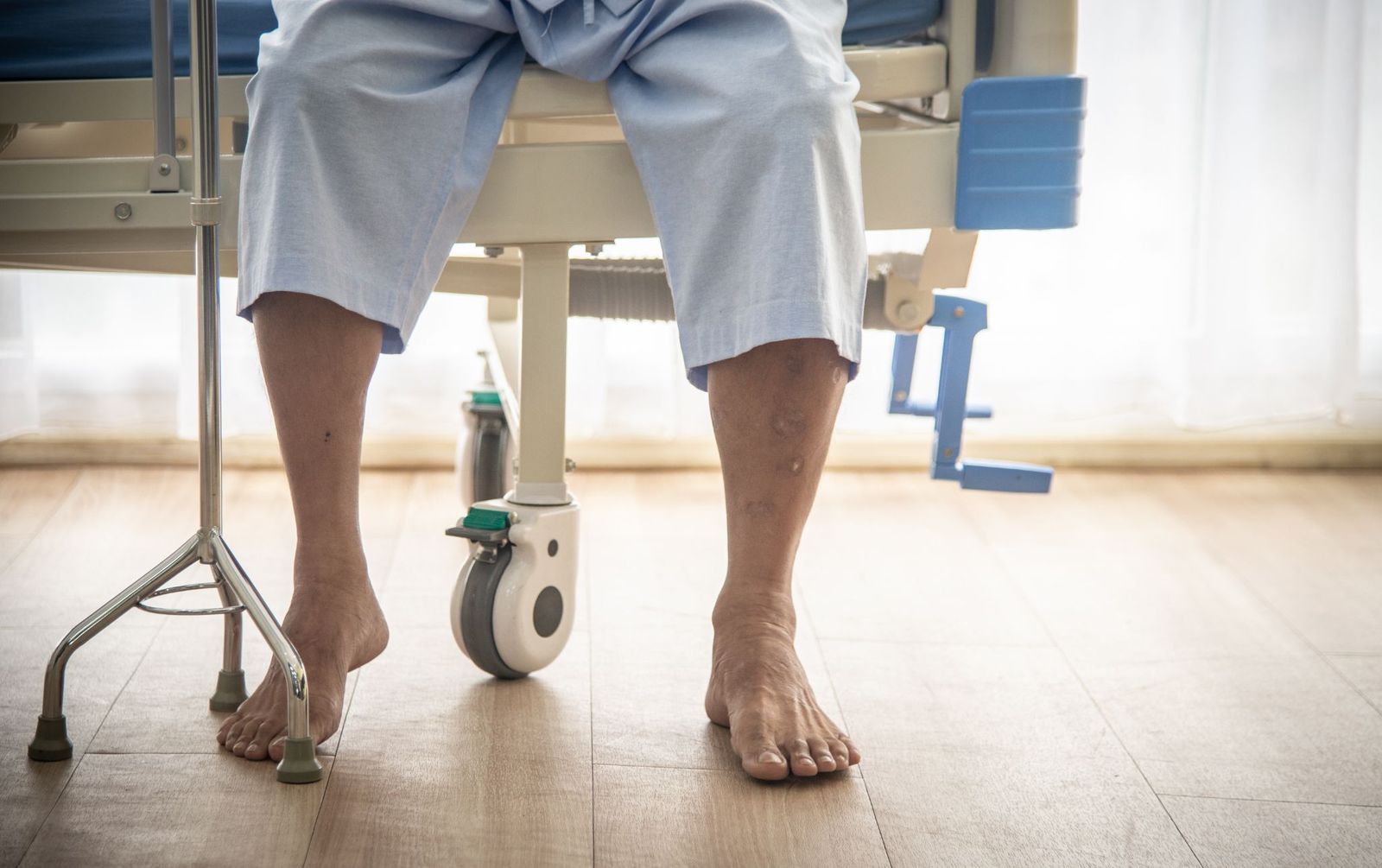
If you’ve ever spent a few days in the hospital, you’ve probably noticed that some patients are walking up and down the halls, while others need help just getting out of bed. When a nurse refers to someone as a "walkie-talkie," it’s actually good news.

This informal expression refers to patients who can walk on their own, use the bathroom without assistance, and handle most basic tasks independently. It’s not an official medical term, of course, but it’s commonly used among healthcare workers because it quickly tells the next shift that the patient requires less hands-on care than many others.

6

Total

Image: sebra

As nurses change shifts, you’ll often hear them give a quick report about each patient. One person may only need medication, while another is described as a "total."

The term is short for a patient who requires total care. They may need help eating, bathing, getting dressed, turning in bed, or moving from one place to another. Although the expression sounds impersonal, it’s simply a practical way for caregivers to communicate how much assistance someone needs.

7

Frequent flyer

Image: Studio Romantic

Most people hear "frequent flyer" and think of an airline reward program. And that’s correct, but in an emergency room, the phrase has a very different meaning.

A frequent flyer is an informal nickname for patients who repeatedly return to the hospital, often due to chronic illness, recurring medical conditions, or other ongoing health issues. Behind the light-hearted nickname is often a difficult reality. Many of these patients are simply dealing with medical problems that require regular emergency care, and the expression is just a way to make the experience a bit lighter among the familiar faces of doctors and nurses.

8

WOW

Image: Studio Romantic

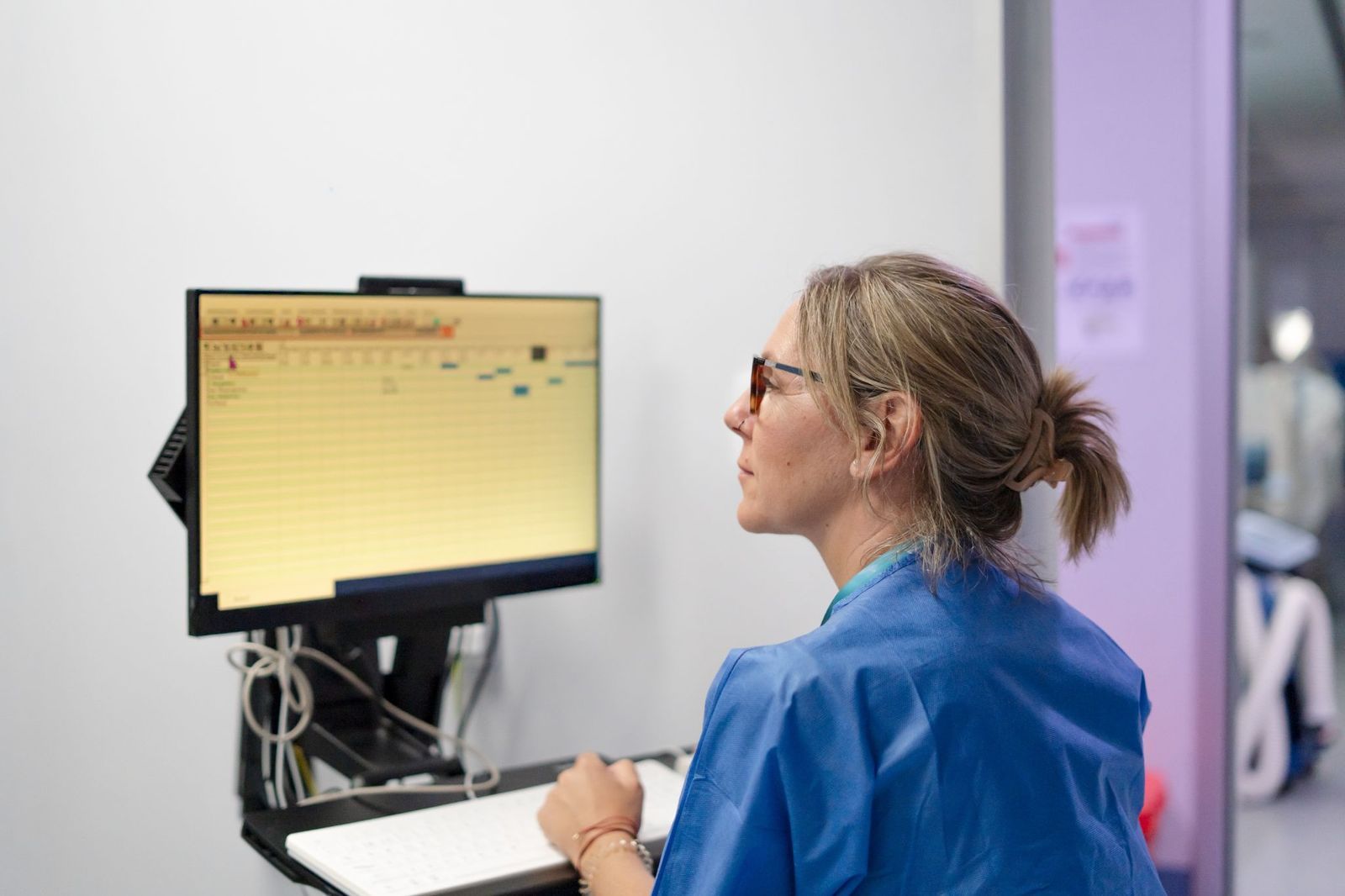
Not all codes are for patients. The next time you’re in a hospital, look closely at what the nurse is pushing from room to room. It may look like a small rolling desk with a computer on top. Staff often call it a "WOW," short for "workstation on wheels."

As hospitals switched from paper charts to electronic medical records, these mobile computers became essential. Nurses use them to review test results, scan medications, update patient charts, and check doctors’ orders without leaving the bedside. The name sounds funny, but the technology helps caregivers spend more time with patients instead of walking back and forth to a nursing station.

9

Sharp container

Image: NMK-Studio

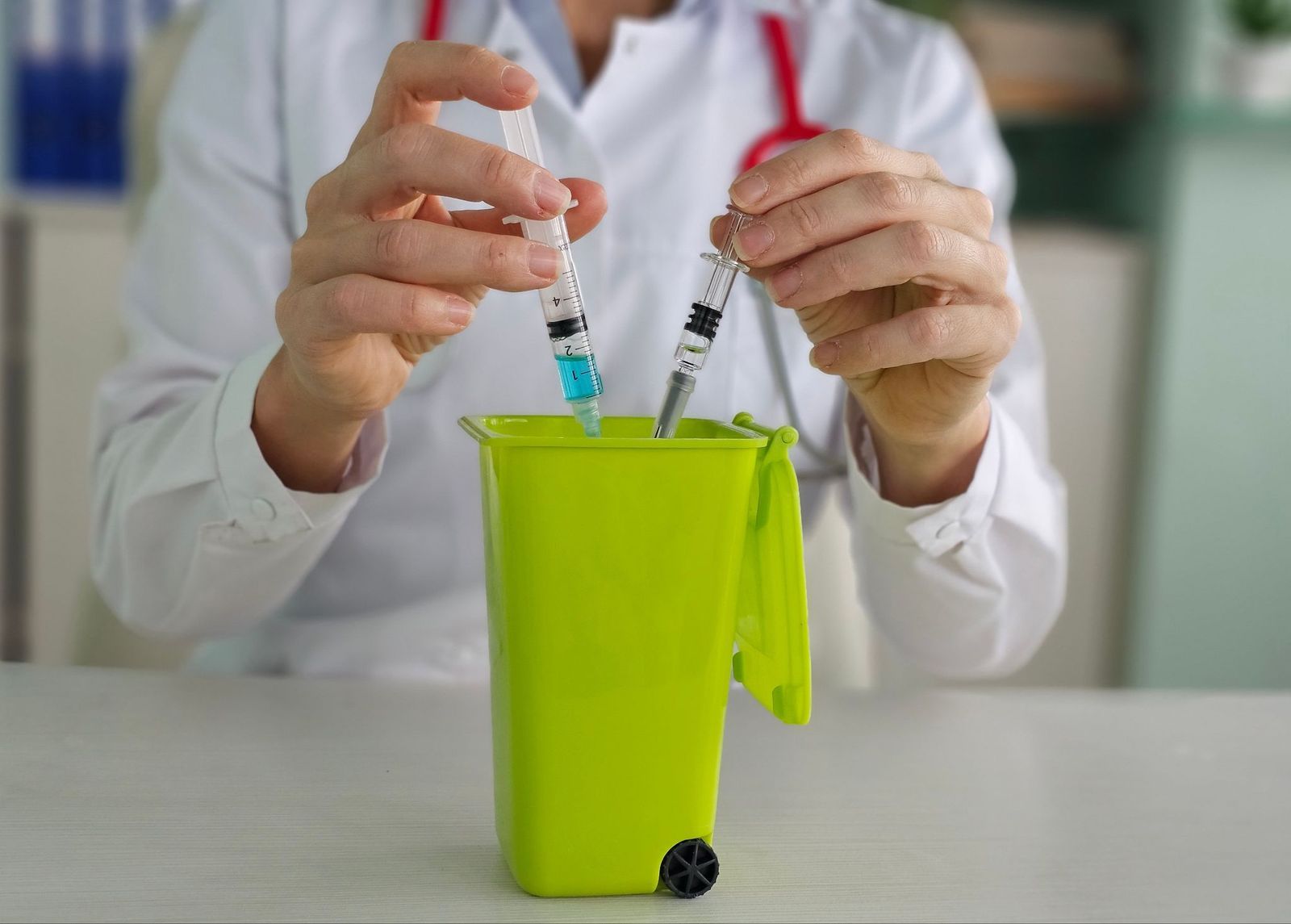
After getting a shot or having blood drawn, most patients never think about where the used needle ends up. It certainly doesn't go into an ordinary trash can.

Hospitals place needles, scalpels, and other sharp medical instruments into special containers designed to prevent accidental injuries. These sturdy, puncture-resistant boxes are sealed when full and safely disposed of in accordance with strict health regulations. This not only protects nurses, but it also protects cleaning crews, waste handlers, and even the public from dangerous needle sticks. It’s one of the most important safety measures in every hospital, even though most patients never notice it.

10

B-52

Image: Photoroyalty

If you’ve ever watched a medical drama, you've probably seen a patient become so agitated that several staff members rush into the room. In situations like that, a doctor or nurse may ask for a "B-52." But the name has nothing to do with numbers themselves; it actually comes from a medicine.

B-52 is hospital slang for a fast-acting injection used to calm down patients who are severely combative or at risk of harming themselves or others. The nickname comes from a commonly used combination of medications that usually include diphenhydramine, haloperidol, and lorazepam. It’s strictly reserved for when other methods of calming the patient haven’t worked.

Looking for an extra scoop of literary fun?

Learn more with our Word of the day

suave

/swɑv/