Timeless wisdom shared

What did Eleanor Roosevelt mean by that? Famous phrases explained


Published on July 24, 2026

Image: neftali

"The future belongs to those who believe in the beauty of their dreams": iconic quotes like this inspire us, and "Well done is better than well said" captures an important life lesson. If we keep these words in mind more often, life might be a little easier. Here are 10 famous phrases by remarkable people and what they really mean.

1

"That’s one small step for man, one giant leap for mankind." – Neil Armstrong

Image: Rawpixel.com

Chores and work pile up for everyone, and the beginning is often the hardest part. But once you do, even with just one tiny task, that’s enough to get you going. Neil Armstrong (1930-2012) was an aeronautical engineer, astronaut, and the first human to set foot on the moon as commander of the Apollo 11 mission.

Spoken on July 20, 1969, these words marked the crowning moment of the U.S. space program during the Cold War. The phrase contrasts the literal step Armstrong was taking with the broader achievement it represented for humanity.

2

"Stay hungry, stay foolish." – Steve Jobs

Image: Grey82

Sometimes we want to motivate others and even ourselves to "think different", as Apple once said, and no one embodied that better than Steven Paul Jobs, more popularly known as Steve Jobs (1955-2011).

He was an influential entrepreneur, industrial designer, and media mogul who co-founded and was the CEO of Apple. Jobs delivered this iconic line during Stanford University’s commencement speech in 2005. Essentially, it is a call to maintain an insatiable curiosity and desire to learn ("stay hungry") and an openness to risks and unconventional ideas without focusing on the possibility of failure ("stay foolish").

3

"You may encounter many defeats, but you must not be defeated." – Maya Angelou
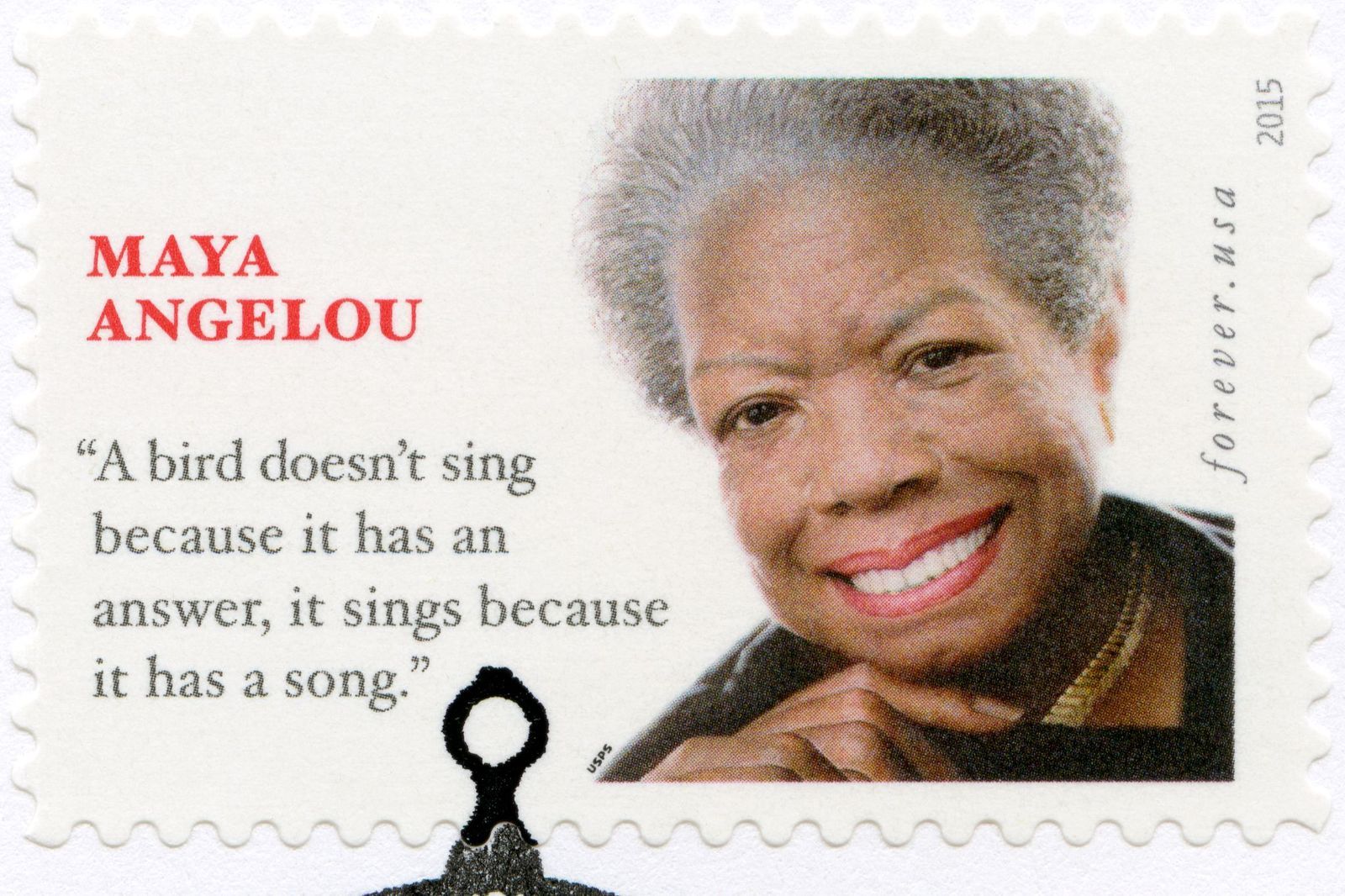
Image: Olga Popova

How many times have you had a rough day or been through something that made you feel like giving up? This famous quote by Dr. Marguerite Annie Johnson, better known as Maya Angelou (1928-2014), reminds us that true defeat comes when we give up and that resilience helps us get up after every fall. In other words, success isn’t about avoiding failure but about refusing to let it break you.

She was an internationally acclaimed writer, poet, singer, and civil rights activist. She published seven memoirs, including I Know Why the Caged Bird Sings (1969), three books of essays, and several collections of poetry.

4

"Float like a butterfly, sting like a bee." – Muhammad Ali
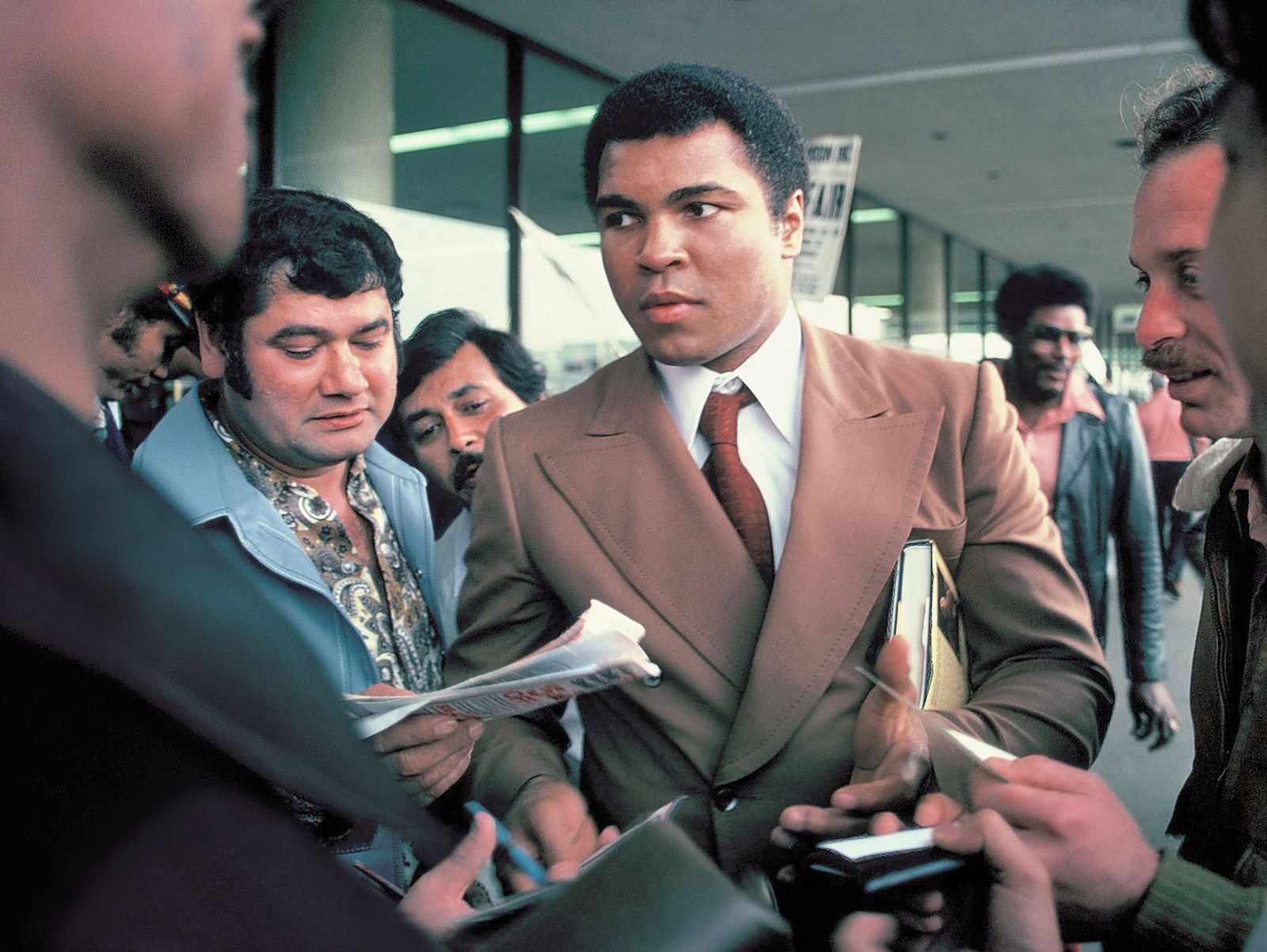
Image: Scott Woodham Photography

Just when we can feel like we are a walking paradox, words have the unique ability to connect opposites. Muhammad Ali (1942-2016) was an American boxer, activist, and one of the most influential sportsmen of the 20th century. He is widely regarded as the greatest heavyweight boxer of all time and was also known for his poetic flair.

This famous quote brings together his love for language and legendary fighting style. It describes how he moved effortlessly around the ring before delivering his sharp knockout blows.

5

"The future belongs to those who believe in the beauty of their dreams." – Eleanor Roosevelt
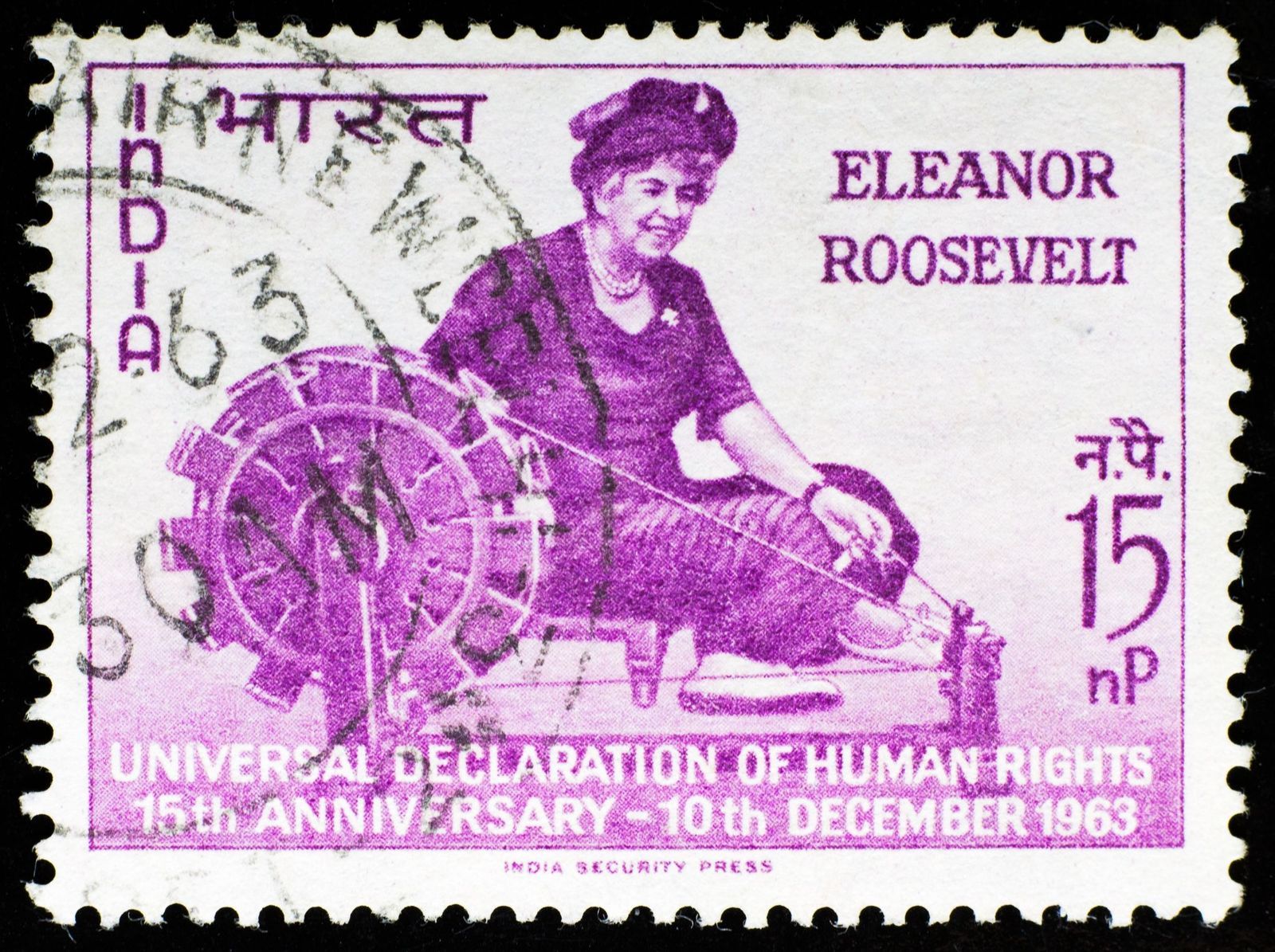
Image: Manuel Esteban

You’ve probably faced moments of doubt in your life, a trip that seemed impossible to take, or a job that felt out of reach. But there comes a point when we must remember the things we dare to imagine are the blueprints for where we are headed.

That’s exactly what Eleanor Roosevelt (1884-1962) meant by this phrase. The former U.S. First Lady, tireless civil rights advocate, and U.S. delegate to the United Nations was one of the most influential figures of the 20th century. She didn’t just write these words; she lived by them. This quote reflects her belief that ordinary people can make a difference if they dare to dream and have the perseverance to act.

6

"Well done is better than well said." –Benjamin Franklin
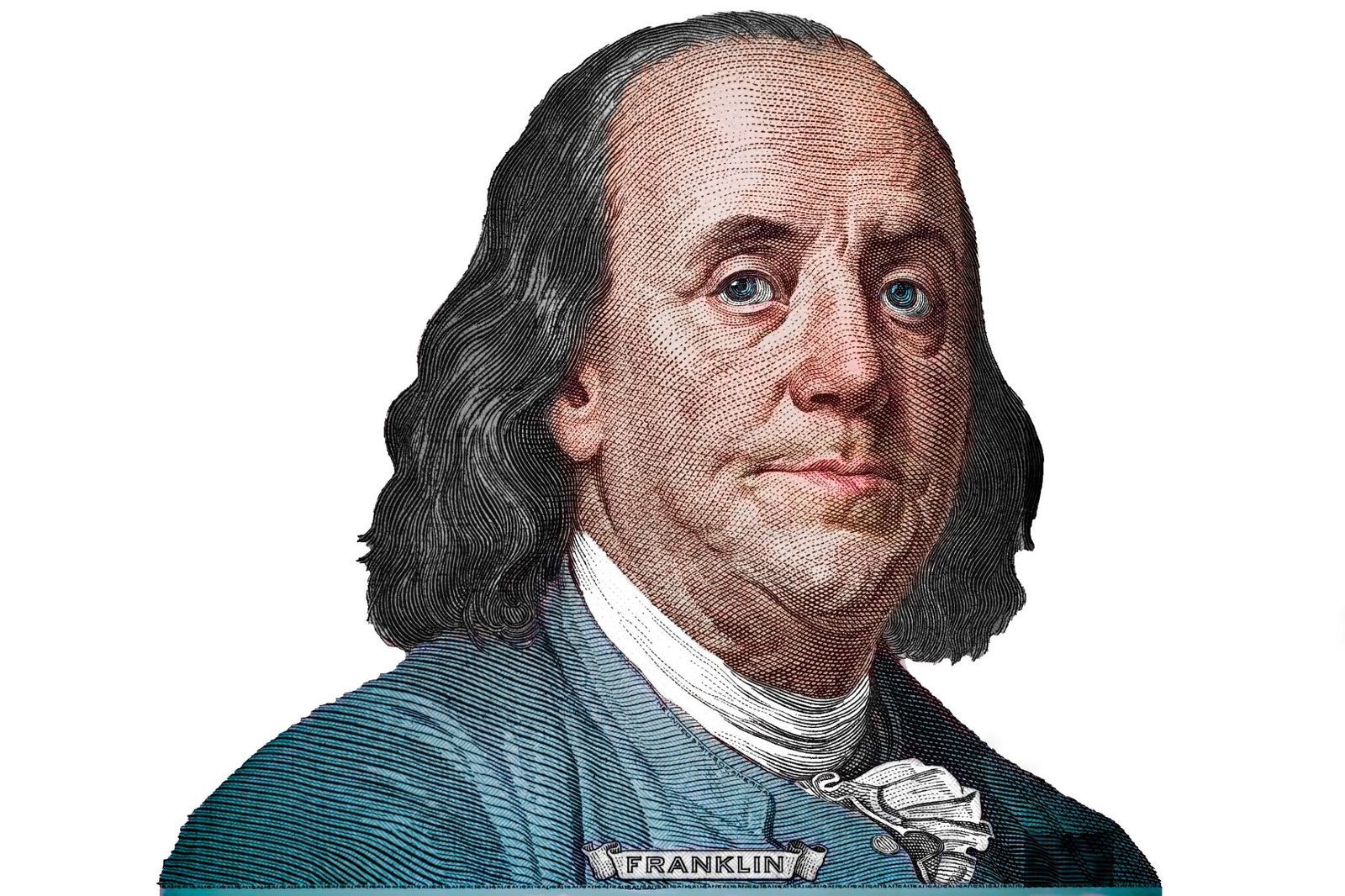
Image: Ruslan Lytvyn

Sometimes the most important ideas sound the simplest, but they were once said by people who were so different from the rest that they made difficult ideas seem easy. Benjamin Franklin (1706-1790) was one of these people. He was one of the Founding Fathers of the United States, as well as a politician, scientist, and American inventor.

Franklin’s maxim, published in his Poor Richard’s Almanack (1737), means that taking action and achieving concrete results is much more important than merely talking about things without getting anywhere. Ultimately, it is the 18th-century equivalent of "Actions speak louder than words."

7

"Speak softly and carry a big stick." – Theodore Roosevelt
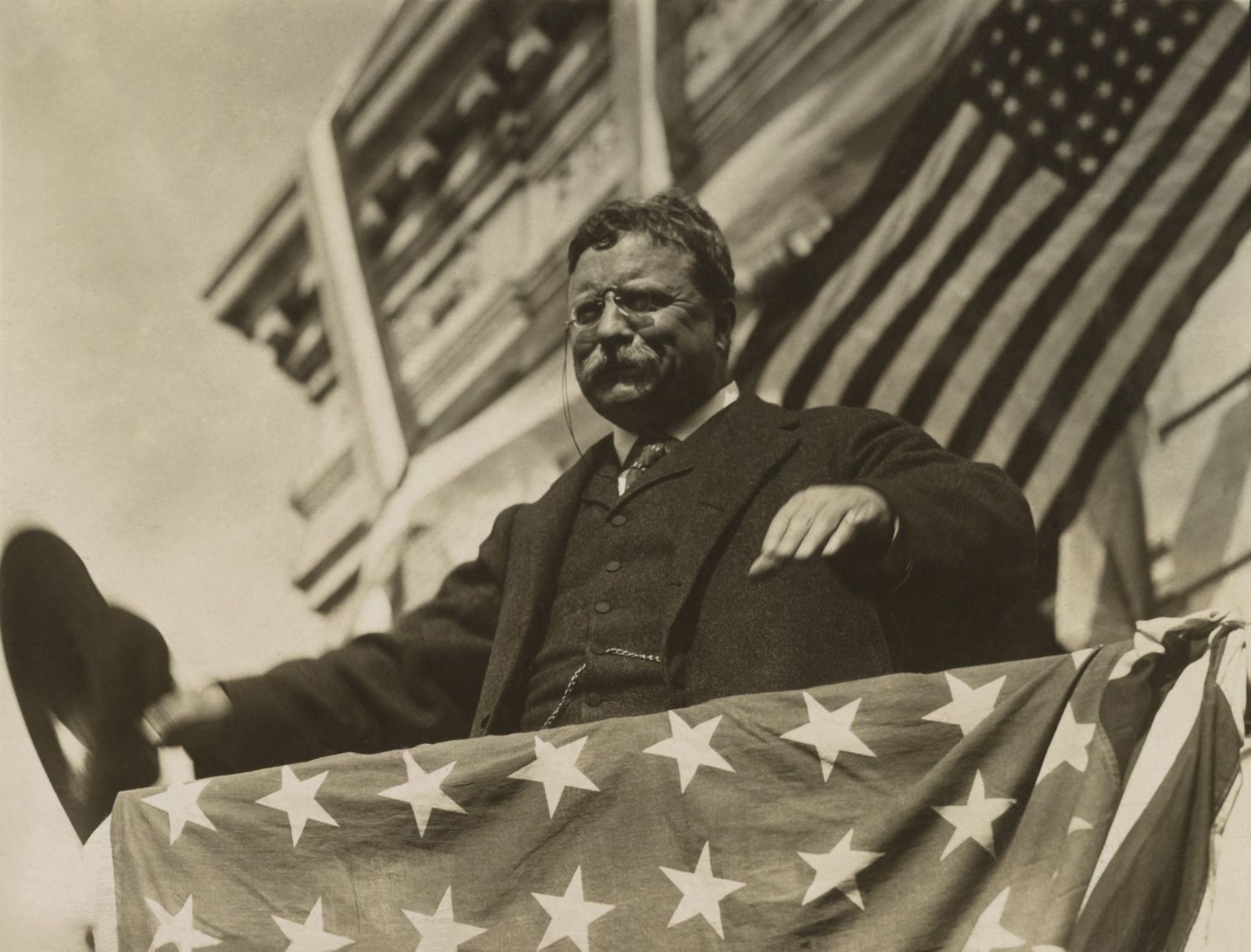
Image: Everett Collection

Topics such as foreign policy can seem distant and complex, but Theodore Roosevelt (1858-1919), an American politician who served as the 26th President of the United States from 1901 to 1909, and vice president in the preceding term, made the idea easier to understand and applicable to everyday life.

This phrase, often cited as a proverb, was popularized by Roosevelt in reference to foreign policy. It means that one should negotiate peacefully and respectfully ("speak softly"), while sustaining a constant and credible threat of power in reserve ("carry a big stick") to back up one’s words.

8

"The most difficult thing is the decision to act, the rest is merely tenacity." – Amelia Earhart
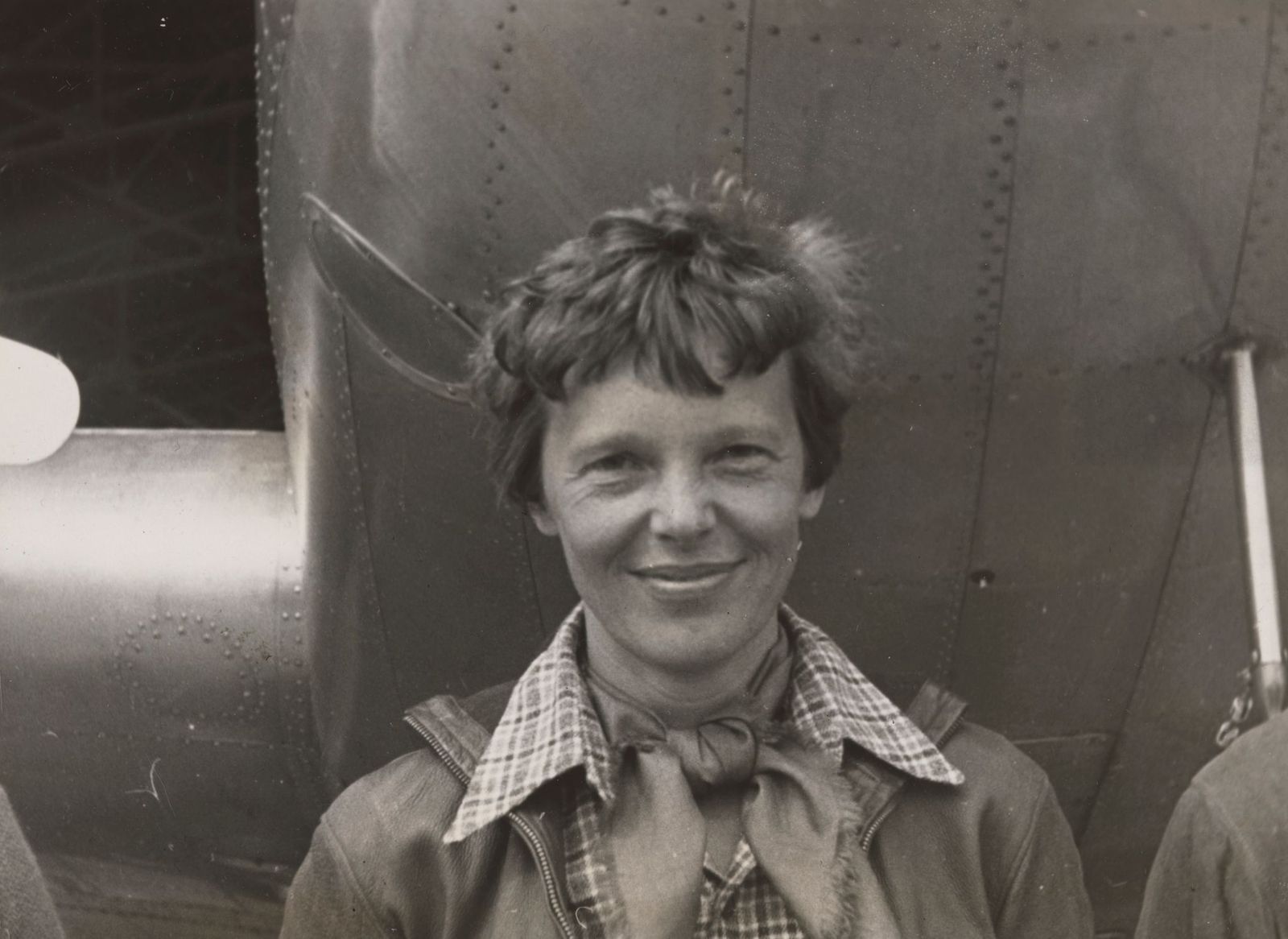
Image: Rawpixel.com

How often are we afraid to go after what we want? And when we finally do, how many of us are strong enough to keep going and face the challenges ahead? Amelia Earhart (born in 1897, missing since 1937, and declared dead in 1939) was a pioneer in American aviation, having been the first woman to cross the Atlantic nonstop and alone, and the person who said these words.

They remind us that the mental hurdle of starting something new and facing one's fears is often the hardest step. Once you commit, however, overcoming the obstacles that will arise requires determination and endurance.

9

"Women's rights are human rights." – Hillary Clinton
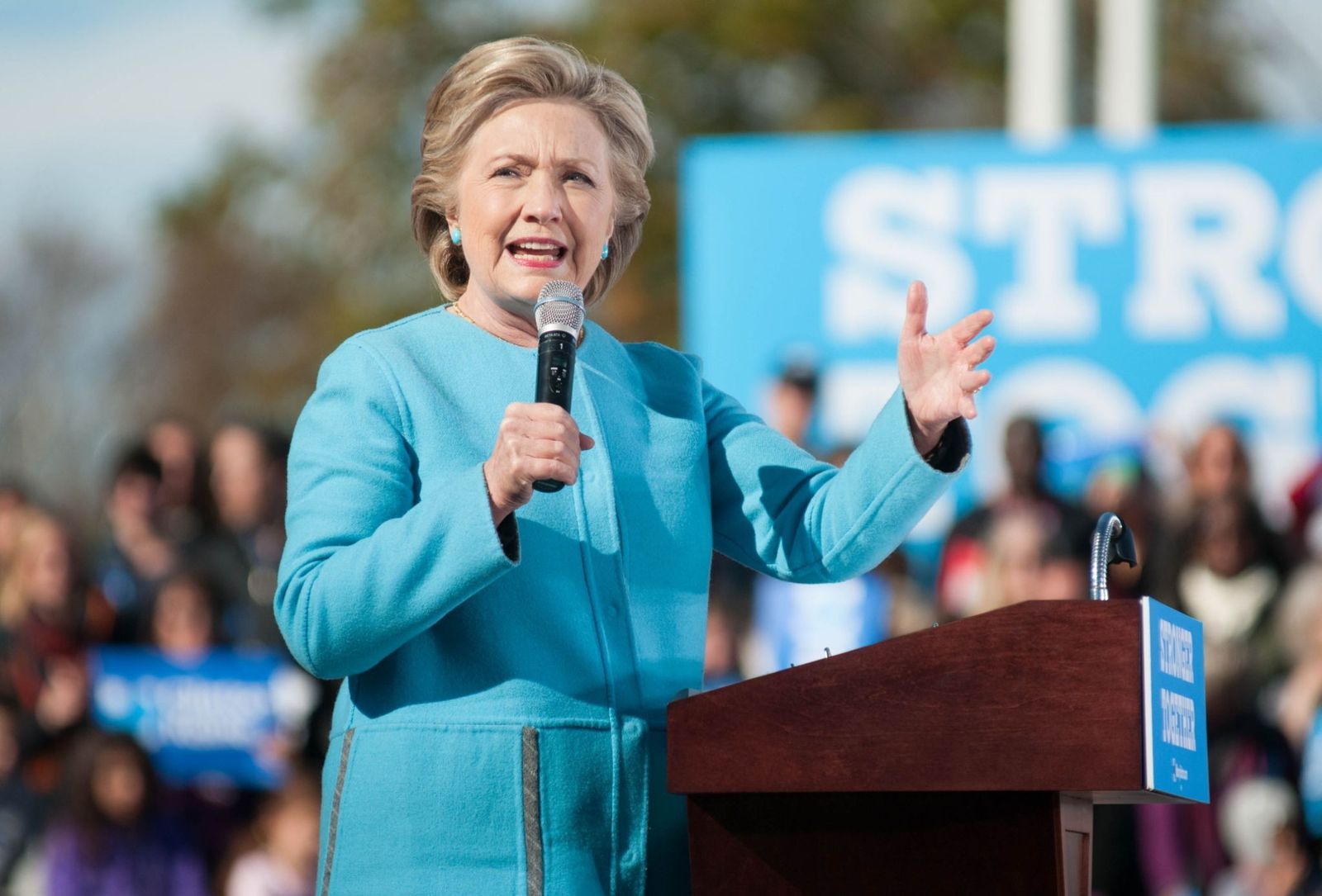
Image: Andrew Cline

At times, the most obvious truths are the hardest to explain, but not for Hillary Clinton (born in 1947). She has had an internationally acclaimed career spanning roles as a politician, diplomat, lawyer, and philanthropist. She was the 67th United States Secretary of State, served in the United States Senate, and ran for president in 2008 and 2016.

Her quote was delivered in 1995, when she was First Lady, at the United Nations Fourth World Conference on Women, in Beijing, China. This iconic statement dismantles the excuse that women’s issues are either cultural or secondary, and instead establishes that protecting women is an essential component of universal human rights.

10

"Government of the people, by the people, for the people, shall not perish from the Earth." – Abraham Lincoln

Image: Stacey Newman

Another issue that often appears to be complex is the structure of government, but another great American politician, Abraham Lincoln (1809-1865), who was a lawyer and served as the 16th president of the United States from 1861 until his assassination in 1865, helped us understand it better.

Lincoln spoke these words in 1863 during the Gettysburg Address, which is considered one of the clearest definitions of American democracy: power derives from the consent of the governed (the people); it is exercised by their representatives (by the people); and it exists there to serve the public welfare (for the people).



Hospital secrets

What is a "Code Gray" and what you should know if you hear it at the E.R.


Published on July 24, 2026


Image: voronaman

A trip to the emergency room can be stressful enough without hearing doctors and nurses speak a language that sounds like a secret code. One minute, someone is asking for medication "STAT," the next there’s a "Code Gray," and another patient is suddenly "NPO." What do those words really mean? Some are official medical terms, others are insider slang, but they all help hospital staff communicate quickly when every second counts. Here are 10 of those codes explained.

1

Code Gray

Image: PeopleImages

The E.R. can be hectic and unpredictable. Most patients are frightened or uncomfortable, but now and then someone becomes aggressive because of pain, confusion, mental illness, or the effects of alcohol or other substances. That’s when you can hear "Code Gray" announced over the speakers.

The code is used to summon security officers to help manage a violent or combative situation. While color codes vary from one hospital to another, Code Gray commonly signals that staff needs extra assistance to protect patients, visitors, and healthcare workers. Even if you know it now, most people in the waiting room never know what happened, and that’s exactly the point.

2

NPO

Image: PeopleImages

You have a scheduled surgery, you’re in your bed waiting to be taken to the surgery room, and you ask for a cup of coffee to make the wait lighter. The nurse will probably tell you you’re an NPO. You may think it’s serious, but it’s simply a procedure.

"NPO" is an abbreviation that comes from the Latin phrase Nil Per Os, which means "nothing by mouth." It tells patients they cannot eat, drink, or sometimes even take medication until doctors say it’s safe. The rule is most common before surgery or certain medical tests, when food or liquids could increase the risk of complications or alter the results. It may be frustrating, but it’s an important part of keeping patients safe.

3

STAT!

Image: PeopleImages

You’ve probably been through the experience of visiting an emergency room, either to get checked or to visit a loved one. In that part of the hospital where everyone is rushing to save lives, you’ve probably heard a doctor asking for the R.C.P. cart or medication "STAT!" It sounds urgent, and that's because it is.

The expression comes from the Latin statim, which means "immediately" or "without delay." Hospitals have used Latin medical terms for centuries, but STAT is one of the few that remains part of everyday conversation. When a doctor says it, the request jumps to the top of the priority list. It doesn’t always refer to a life-or-death situation, but it does mean the medical team needs something done as quickly as possible.

4

Code Pink

Image: Vladimir Tretyakov

Newborns are always a reason to celebrate at the hospital. Parents usually rest happily next to their child as they receive congratulations from close relatives. However, the hospital is always prepared to handle extremely rare emergencies under "code pink."

If you hear a "Code Pink," it usually means a baby or young child is suspected of being abducted from the hospital. Within seconds, security officers respond, exits may be monitored or blocked, and staff begins following carefully rehearsed procedures. Although different hospitals sometimes use different color codes, Code Pink has become widely recognized across North America as one of the most serious alerts a hospital can issue.

5

Walkie-talkie

Image: Arunporn Thanapotivirat

If you’ve ever spent a few days in the hospital, you’ve probably noticed that some patients are walking up and down the halls, while others need help just getting out of bed. When a nurse refers to someone as a "walkie-talkie," it’s actually good news.

This informal expression refers to patients who can walk on their own, use the bathroom without assistance, and handle most basic tasks independently. It’s not an official medical term, of course, but it’s commonly used among healthcare workers because it quickly tells the next shift that the patient requires less hands-on care than many others.

6

Total

Image: sebra

As nurses change shifts, you’ll often hear them give a quick report about each patient. One person may only need medication, while another is described as a "total."

The term is short for a patient who requires total care. They may need help eating, bathing, getting dressed, turning in bed, or moving from one place to another. Although the expression sounds impersonal, it’s simply a practical way for caregivers to communicate how much assistance someone needs.

7

Frequent flyer

Image: Studio Romantic

Most people hear "frequent flyer" and think of an airline reward program. And that’s correct, but in an emergency room, the phrase has a very different meaning.

A frequent flyer is an informal nickname for patients who repeatedly return to the hospital, often due to chronic illness, recurring medical conditions, or other ongoing health issues. Behind the light-hearted nickname is often a difficult reality. Many of these patients are simply dealing with medical problems that require regular emergency care, and the expression is just a way to make the experience a bit lighter among the familiar faces of doctors and nurses.

8

WOW

Image: Studio Romantic

Not all codes are for patients. The next time you’re in a hospital, look closely at what the nurse is pushing from room to room. It may look like a small rolling desk with a computer on top. Staff often call it a "WOW," short for "workstation on wheels."

As hospitals switched from paper charts to electronic medical records, these mobile computers became essential. Nurses use them to review test results, scan medications, update patient charts, and check doctors’ orders without leaving the bedside. The name sounds funny, but the technology helps caregivers spend more time with patients instead of walking back and forth to a nursing station.

9

Sharp container

Image: NMK-Studio

After getting a shot or having blood drawn, most patients never think about where the used needle ends up. It certainly doesn't go into an ordinary trash can.

Hospitals place needles, scalpels, and other sharp medical instruments into special containers designed to prevent accidental injuries. These sturdy, puncture-resistant boxes are sealed when full and safely disposed of in accordance with strict health regulations. This not only protects nurses, but it also protects cleaning crews, waste handlers, and even the public from dangerous needle sticks. It’s one of the most important safety measures in every hospital, even though most patients never notice it.

10

B-52

Image: Photoroyalty

If you’ve ever watched a medical drama, you've probably seen a patient become so agitated that several staff members rush into the room. In situations like that, a doctor or nurse may ask for a "B-52." But the name has nothing to do with numbers themselves; it actually comes from a medicine.

B-52 is hospital slang for a fast-acting injection used to calm down patients who are severely combative or at risk of harming themselves or others. The nickname comes from a commonly used combination of medications that usually include diphenhydramine, haloperidol, and lorazepam. It’s strictly reserved for when other methods of calming the patient haven’t worked.

Looking for an extra scoop of literary fun?

Learn more with our Word of the day

persuade

/pərˈsweɪd/