The day after us

How Earth would reset itself in 11 brutal steps


Published on August 27, 2025


Image: Peter Herrmann

What if every human vanished right now? For the sake of this thought experiment, let’s assume that there was no big war, no virus—just poof, gone. Nature wouldn’t hesitate to reclaim what we built. From silent cities to nuclear disasters, the world would start changing immediately. Here’s what would actually happen, and how fast, if people disappeared from Earth.

1

Power fails within hours

Image: Andriy Nestruiev

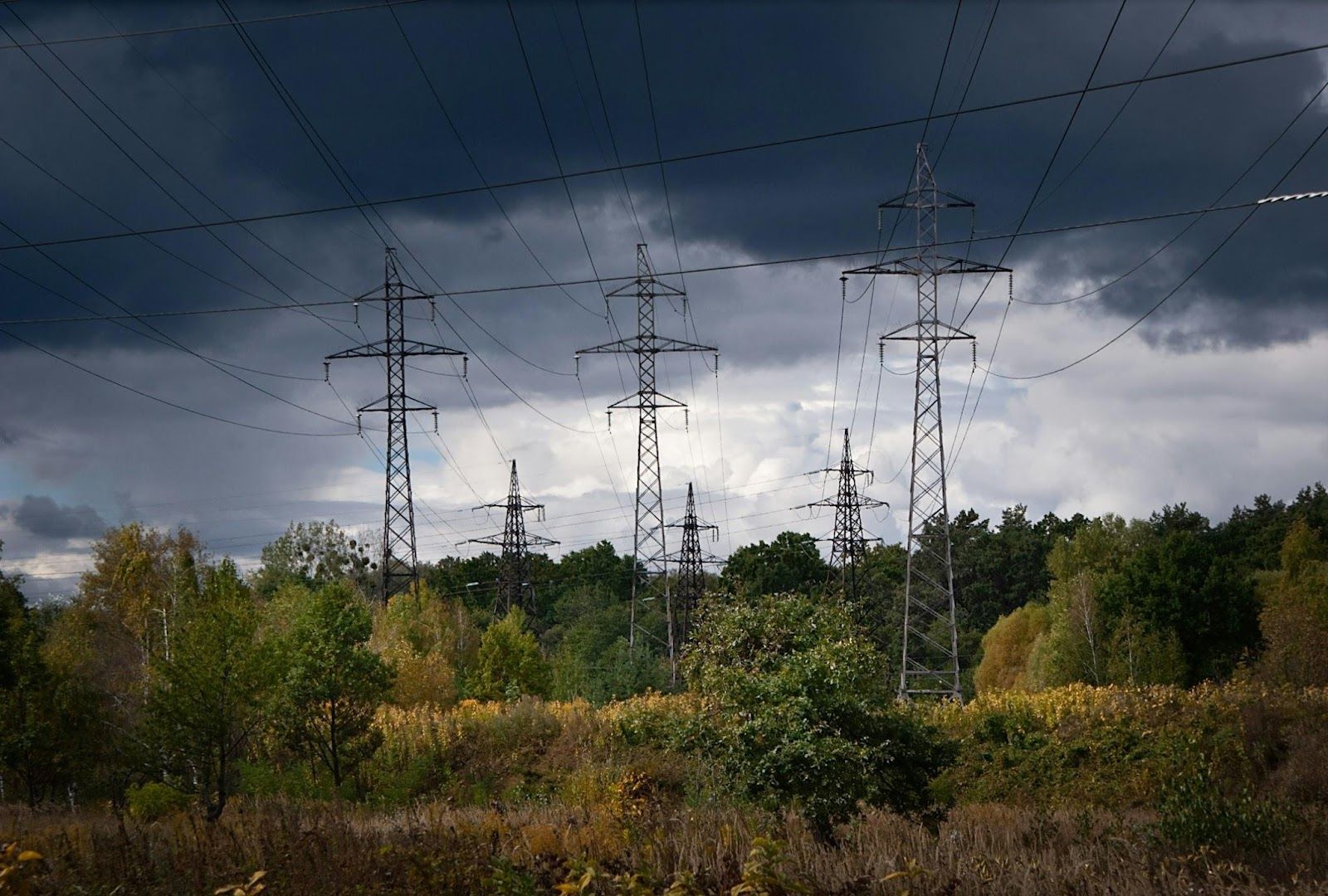
Power plants need constant maintenance. Without humans, fossil fuel stations would shut down within just a few hours. Backup generators at nuclear and hydro plants might last a couple more days, but without human oversight, even they’d fail.

Eventually, power grids would collapse worldwide, and complete darkness would fall on cities within a day or two.

2

Subways start flooding

Image: Nenad Spasojevic

Pumps in underground transit systems like NYC’s run nonstop to keep out water. Without maintenance (and more importantly, power), those pumps would stop working in just a couple of days.

By the end of the first week, tunnels would begin flooding, damaging infrastructure, and washing out entire underground networks.

3

Pets and livestock go feral

Image: Praswin Prakashan

Most domestic animals rely entirely on humans for food, water, and shelter. Dogs might form feral packs, but millions—especially indoor pets—would eventually die of starvation.

Livestock like cows and chickens would perish or become easy prey, disrupting rural food chains. However, within a few generations, some could revert to free-roaming behavior, similar to their wild ancestors.

4

Nuclear plants meltdown

Image: Lukáš Lehotský

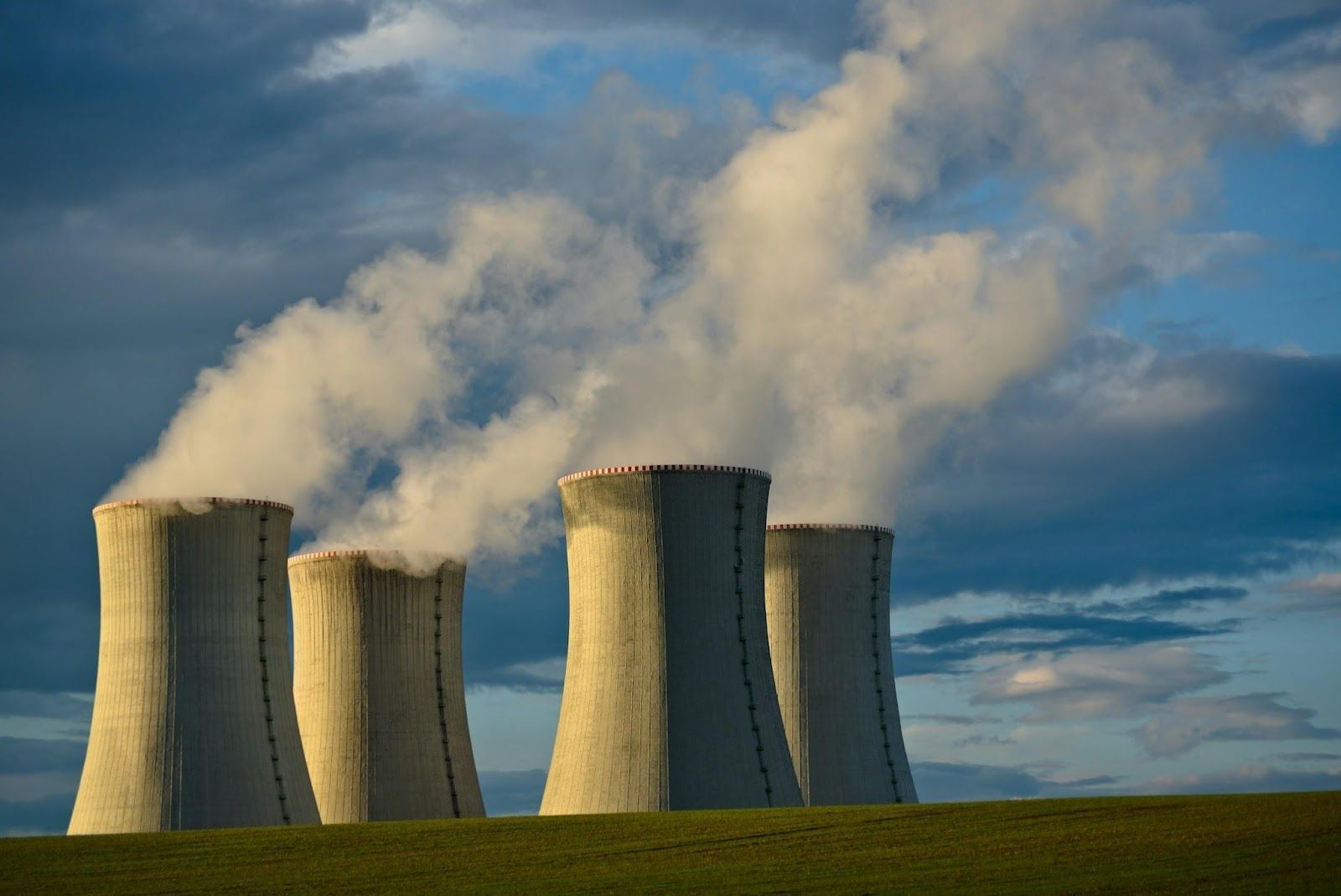
Without humans, nuclear power plants would quickly become major hazards to all surviving life. Most reactors would automatically enter into safe mode and shut down within hours, as automated systems detect the loss of the electrical grid.

However, cooling systems require active maintenance. Within a short time, without intervention, reactor cores would begin to overheat. Multiple Fukushima-style meltdowns could occur, releasing radioactive material into the air, soil, and water across entire regions.

5

Bridges rust and fall

Image: Juan Manuel Núñez Méndez

Salt, moisture, and wind would destroy most human-made bridges within decades. Without protective coatings, steel corrodes and load-bearing cables weaken over time.

Even iconic structures like the Golden Gate Bridge would likely collapse within 100 years. In contrast, ancient Roman structures and other archaeological remains that have already endured for millennia could survive for many centuries more, barring major seismic events or other natural disasters.

6

Wildlife rebounds

Image: Erik Mclean

Many animal populations would thrive without humans suppressing them. Species once hunted or crowded out would reclaim territory.

Wolves, bears, deer, and even predators like big cats could return to their former ranges, reshaping ecosystems quickly.

7

Roads disappear under greenery

Image: Miikka Luotio

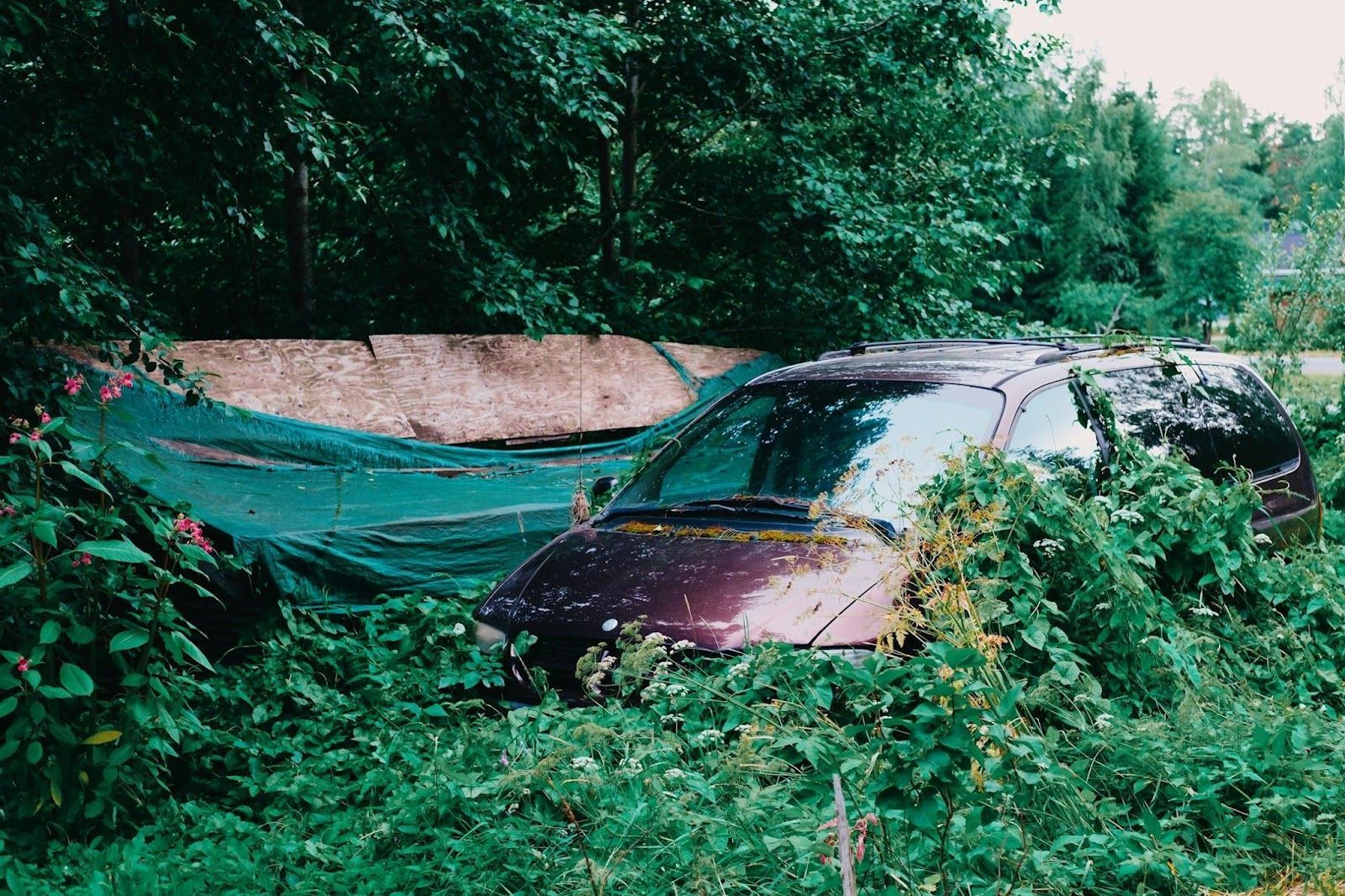
Plants would break through pavement and reclaim roadways within a few years—something nature wastes no time doing, as we can see in any abandoned roads or areas today.

Tree roots and erosion would be the first to crack and crumble concrete and asphalt. And without vehicles to maintain wear patterns, roads would soon disappear under grasses, shrubs, and eventually forest.

8

Dams break down

Image: Tejj

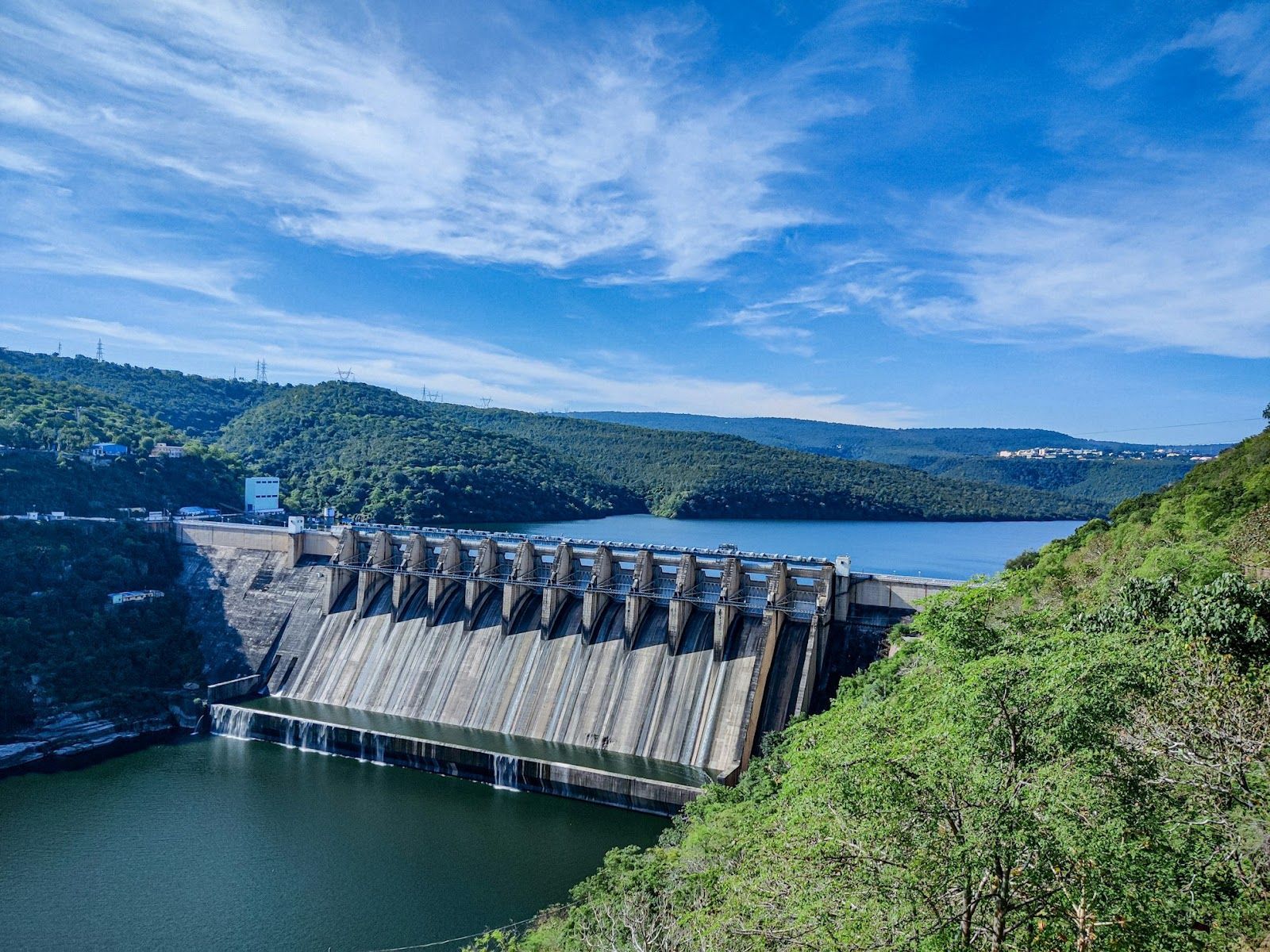
Like many human-made structures, dams require active monitoring to prevent erosion, cracking, and overflow. Within a few decades, silt buildup and unchecked water flow would cause many to breach or collapse.

The resulting floods would be catastrophic, reshaping river valleys and floodplains across entire continents.

9

Art and culture are forgotten

Image: Nik

What would happen to our cultural legacy? Without us, it won’t last long. Books, paintings, and digital media would begin to degrade quickly.

Even in semi-protected conditions, paper would yellow and crumble. Museums without climate control would suffer from mold and temperature damage. Hard drives and servers would corrode and become unreadable within decades.

10

Earth's climate stabilizes—slowly

Image: Cédric Dhaenens

Despite the chaos our disappearance would bring to most ecosystems, there’s a silver lining: greenhouse gases would decline over time, gradually cooling the planet. Oceans and plants would absorb the excess CO₂.

Within a few hundred years, global temperatures could return to pre-industrial levels, though damage like ice sheet loss would take millennia to undo.

11

Traces fade in millennia

Image: jean wimmerlin

Most recognizable evidence of human civilization would vanish over a few thousand years. Materials like plastic, glass, and some metals might persist for over 500,000 years, but nature would slowly break them down.

Concrete crumbles, buildings collapse, and corrosion eats metal. After 10,000 years, only massive stone structures like Mount Rushmore or the Pyramids might remain—weathered and barely recognizable. Even our radio signals would eventually fade into cosmic background noise.
The truth about your brain

You won’t believe what happens in your brain while you sleep


Published on August 27, 2025


Image: Milad Fakurian

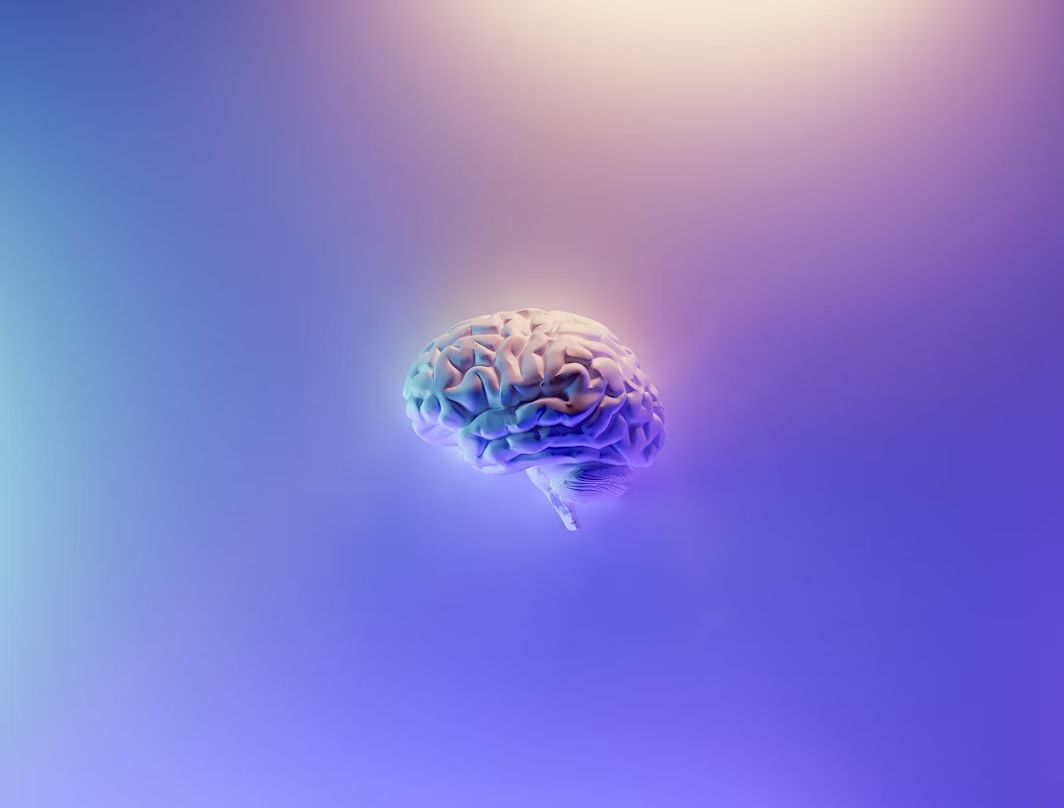
Your brain is one of the most powerful and mysterious organs in your body. It controls everything from your thoughts to your emotions and even processes information at lightning speed. But how much do you really know about it? Some long-believed myths about the brain have been debunked, while other surprising facts reveal just how incredible this organ truly is. Get ready to be amazed by these fascinating brain facts!

1

Myth: We only use 10% of our brain

Image: Natasha Connell

You’ve probably heard this one before, but it’s completely false! While it’s true that not all parts of the brain fire at the same time, imaging studies show that most regions are active throughout the day, even when we sleep.

Your brain is constantly working, controlling bodily functions and emotions, and processing information. So next time someone says you’re only using 10% of your brain, you can confidently tell them that’s just a myth!

2

The brain itself can’t feel pain

Image: Aarón Blanco Tejedor

Here’s a weird fact: While your brain processes pain signals from the rest of your body, it has no pain receptors of its own. This is why surgeons can perform brain surgery on conscious patients without causing them pain.

However, the membranes and tissues surrounding the brain do have pain receptors, which is why headaches and brain injuries can be so excruciating.

3

Headaches are actually chemical reactions

Image: Usman Yousaf

How come we have headaches if the brain has no pain receptors? Well, that’s because headaches are triggered by chemical activity in the brain, changes in nerves and blood vessels, and even fluctuating serotonin levels.

In some cases, hormones like estrogen can also play a role, which explains why migraines are more common in women.

4

Dreams: Your brain’s midnight movie theater

Image: Go to Johannes Plenio's profile Johannes Plenio

Dreams are proof that your brain never rests! (Warning: this fact can make you feel exhausted.) While you sleep, your limbic system, that is, the part of the brain that deals with emotions, becomes especially active, which is why dreams often feel so intense.

On average, humans experience four to seven dreams per night, even if we don’t always remember them. And what about that scary nightmare about falling? Well, you can thank your amygdala, the brain’s fear center, for that one.

5

Your short-term memory lasts less than 30 seconds

Image: Brett Jordan

Have you ever walked into a room and instantly forgotten what you were after? That’s because short-term memory only lasts about 20-30 seconds! That’s not enough!

Your brain holds a limited amount of information in its active state before deciding whether to store it or discard it. Ironically, we can’t really choose what makes the cut, but we do hope these facts stay with you!

6

Brain freeze is your body’s warning signal

Image: BUDDHI Kumar SHRESTHA

That sharp, icy pain when you eat something too cold? It’s your brain’s way of telling you to slow down! Officially called sphenopalatine ganglioneuralgia, a brain freeze happens when cold food or drinks rapidly chill the blood vessels in your throat, causing them to constrict and then rapidly expand. This sends pain signals to your brain, warning you of the sudden temperature shift. It’s annoying, but it’s actually your body trying to protect itself!

7

Your brain thinks a lot!

Image: Josh Riemer

You didn’t need us to tell you, but let’s look at the details: The average person has between 12,000 and 60,000 thoughts per day. What’s even more interesting? 95% of those thoughts are the same ones you had yesterday. Is that not surprising enough? Hear this out: 80% of them tend to be negative. That’s because our brains are wired for survival, constantly analyzing risks and potential dangers.

8

Your brain uses 20% of your body’s oxygen and blood

Image: Terry Vlisidis

Even though it only makes up about 2% of your body weight, your brain employs a major quantity of energy! It consumes 20% of your oxygen and blood supply, making it one of the most demanding organs in your body.

If your brain goes without oxygen for just five minutes, brain cells start dying, leading to irreversible damage. This is why deep breathing and cardiovascular exercise are great for brain health!

9

Seeing stars? That’s your brain processing vision!

Image: Alexander Andrews

Do you know that feeling when you hit the back of your head and see stars? That’s because your occipital lobe, which controls vision, is located at the back of your brain. If you get hit there, your brain momentarily misfires, causing flashes of light.

Interestingly, your brain processes vision on the opposite side; while your right brain controls your left eye, your left brain controls your right eye. It’s one of the many ways the brain operates in a complex way.

10

Your brain can power a light bulb!

Image: Rodion Kutsaiev

Believe it or not, your brain generates between 12 and 25 watts of electricity when you’re awake. If you can’t really grasp how powerful that is, check this out: It’s enough to power a small light bulb! Your brain’s electrical activity is what allows neurons to send signals at speeds of up to 260 miles per hour.

11

Your brain is mostly fat

Image: Robina Weermeijer

Your brain may be the fattiest organ in your body, consisting of at least 60% fat! This is why consuming healthy fats, like omega-3s and omega-6s present in fish, for example, is essential for brain health.

Healthy fats stabilize brain cell walls, reduce inflammation, and support cognitive function. So go ahead and enjoy that avocado toast, it’s food for your brain!

12

Your brain shrinks as you age

Image: Robina Weermeijer

It’s not just your memory that fades over time; the brain itself physically shrinks as one gets older. It continues developing until your late 40s, but after that, it slowly decreases in size.

Now, size doesn’t equal intelligence, so a smaller brain doesn’t necessarily mean a less capable one. Staying mentally active, exercising, and eating brain-boosting foods can help keep it in top shape!

13

Cholesterol plays a big role in memory

Image: Lisa Yount

We often think of cholesterol as bad, but your brain actually depends on it! In fact, 25% of your body’s cholesterol is stored in your brain, where it helps with learning and memory. However, unlike other organs, the brain can’t absorb cholesterol from the blood, it has to produce its own. So, while too much cholesterol in the body can be harmful, the right amount is vital for brain function. At least you can use that as an excuse to get that burger!

Looking for an extra scoop of literary fun?

Learn more with our Word of the day

embroil

/ɛmˈbrɔɪl/