Be articulate

What do you call a fork’s tips? 12 fancy terms to impress thy neighbors


Published on August 22, 2026


Image: Iren_Geo

English has a word for almost everything, even the things most people never think to name. From the tiny metal ring on a paintbrush to the groove above your upper lip, countless everyday objects, sounds, and sensations have surprisingly specific names. Most of these words come from Latin, Greek, or centuries-old trades, and many are still used by doctors, architects, musicians, and craftspeople today. Here are 12 wonderfully obscure terms that might just become your new favorite vocabulary words.

1

Ferrule

Image: Steve A Johnson

That little metal band holding the bristles onto a paintbrush or reinforcing the end of an umbrella has a name: a ferrule. Its job is to strengthen the object and prevent wood or other materials from splitting after repeated use. Without ferrules, many everyday tools simply wouldn't last as long.

The word entered English in the early 1600s and ultimately traces back to Latin. Today, you'll find ferrules on fishing rods, golf clubs, pool cues, pencils, electrical cables, furniture, and even dental restorations. It's one of those tiny parts you've probably seen thousands of times without ever knowing its name.

2

Agraffe

Image: Bauda Laboratorio Creativ

Peek inside a high-quality grand piano and you may find an agraffe, a small metal guide that keeps the strings perfectly aligned as they leave the tuning pins. That tiny piece plays an important role in producing the instrument's clear, balanced sound.

Borrowed from the French word for "hook" or "clasp," agraffe also refers to decorative fasteners used in jewelry and clothing. It's a highly specialized word that is used in two very different worlds: elegant fashion and world-class music.

3

Philtrum

Image: Simeon Jacobson

The narrow groove between your nose and your upper lip isn't just part of your face, it has a name. It's called the philtrum, and everyone has one, although its shape and depth vary from person to person.

The name comes from the ancient Greek philtron, meaning "love charm" or "love potion." Physicians sometimes examine the philtrum when diagnosing certain congenital conditions, but for most of us, it's simply one of those familiar facial features we never realized deserved its own entry in the dictionary.

4

Lunula

Image: PixelCommerceStudio

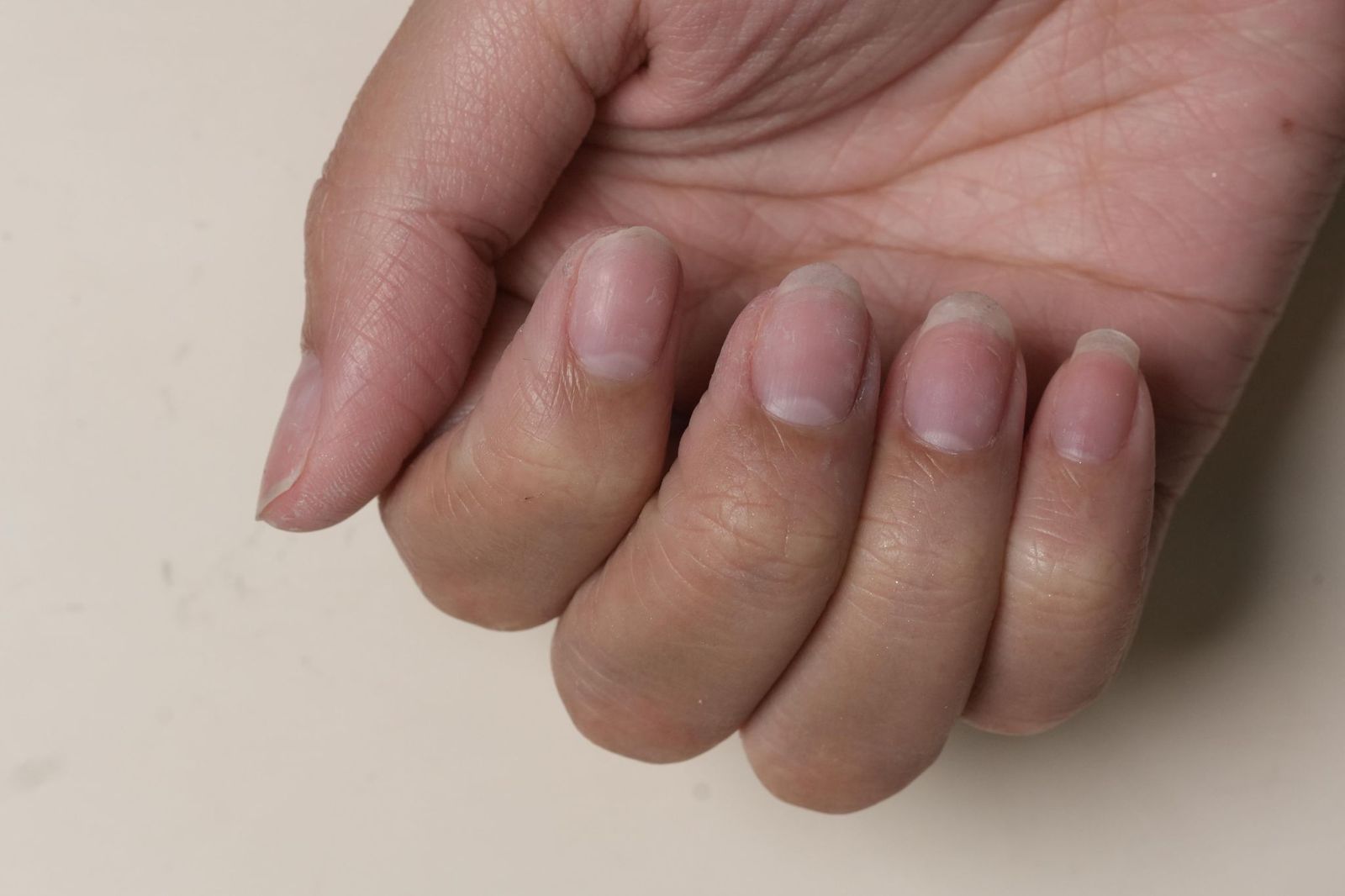
Look at the base of your thumbnail, and you'll probably notice a pale, crescent-shaped area. That's the lunula, the visible portion of the nail matrix where new nail cells are formed before the nail grows outward.

Its name comes from the Latin word for "little moon," an obvious nod to its shape. Lunulae are usually easiest to spot on the thumbs and may be faint or even invisible on other fingers. Surprisingly, that's perfectly normal and varies widely from one person to another.

5

Phosphene

Image: Chanin Dasri

Ever rubbed your closed eyes and seen flashes, sparkles, or floating patterns of light? Those mysterious little bursts are called phosphenes, and they happen even though no actual light is entering your eyes.

Scientists have studied phosphenes for centuries because they reveal how the brain processes visual information. Even astronauts have reported seeing them aboard spacecraft, where cosmic rays can stimulate the visual system and create brief flashes in the darkness of space.

6

Susurration

Image: Joshua J. Cotten

Some words sound like what they describe, and susurration is one of the best examples. It refers to a soft whispering, rustling, or murmuring sound, like leaves swaying in the wind, gentle ocean waves, or rain falling through a forest.

The word comes from the Latin susurrare, meaning "to whisper." Writers and poets have long adored it because the repeated "s" sounds seem to imitate the quiet noises themselves. It's hard to say susurration without almost whispering it.

7

Collywobbles

Image: Sasun Bughdaryan

Butterflies in your stomach before a speech? A nervous feeling before an exam? The British have a delightfully funny word for that: collywobbles. It refers to mild stomach discomfort, jitters, or anxious digestive unease.

Unlike many entries on this list, its exact origin isn't entirely clear, though it became popular in Britain during the early twentieth century. Today, it's usually used humorously, making an unpleasant feeling sound a little less unpleasant.

8

Muntin

Image: Bits And Splits

Those thin strips dividing old-fashioned window panes into neat little rectangles aren't just decorative; they're called muntins. Before modern manufacturing made large sheets of glass practical, muntins helped hold many small panes together.

Today, they're often added purely for appearance, giving newer homes a classic look. They're frequently confused with mullions, but there's an important difference: mullions separate entire window units, while muntins divide the individual panes within a single window.

9

Tines

Image: Julian Wallner

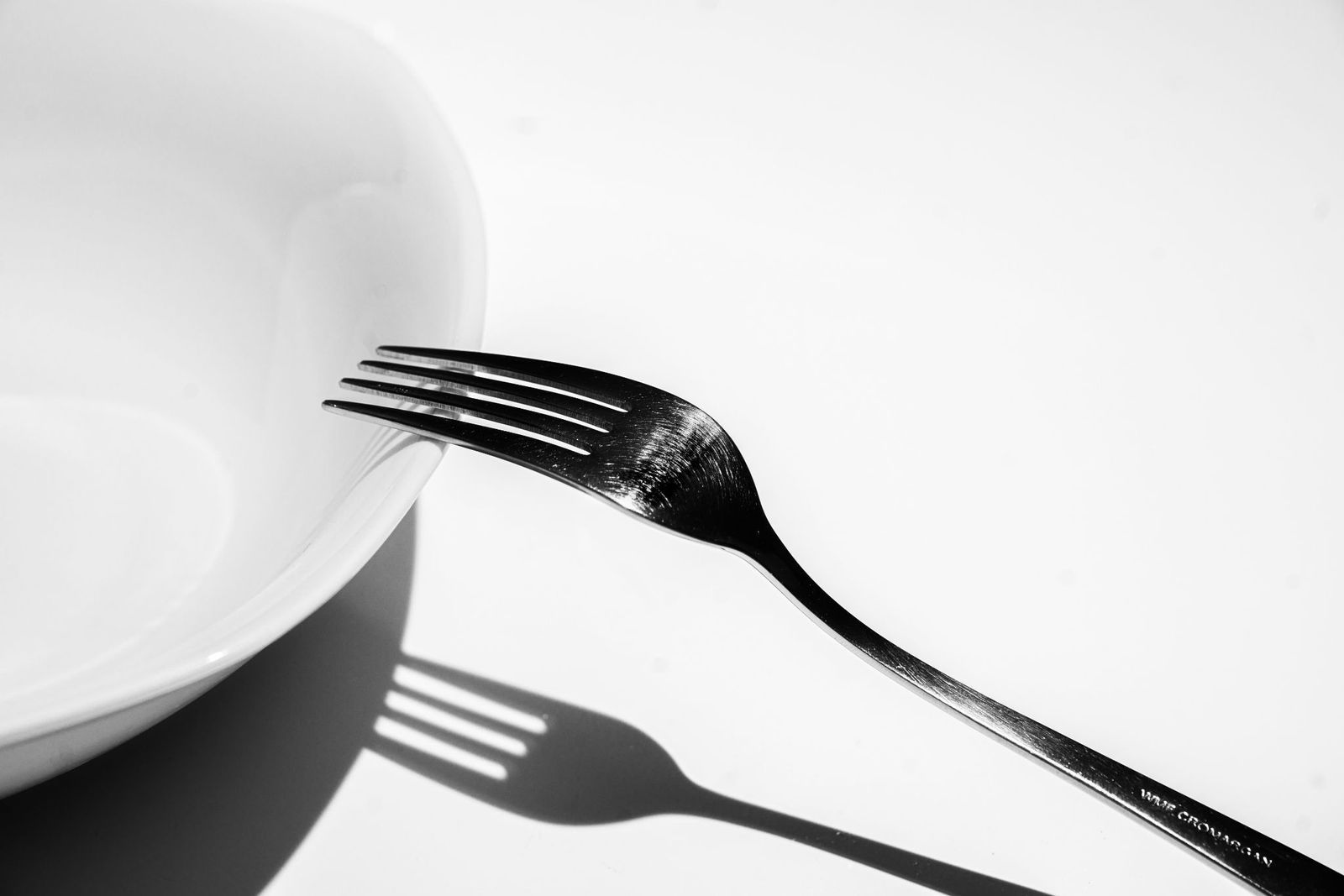
The pointed parts of your dinner fork aren't simply "prongs." Their proper name is tines. The same word also describes the spikes on rakes, pitchforks, combs, and even the branching points on a deer's antlers.

The term has existed since Old English and remains surprisingly useful. Hunters count antler tines, gardeners replace broken rake tines, and engineers carefully design tine shapes for farming equipment.

10

Pip

Image: Tracey Parish

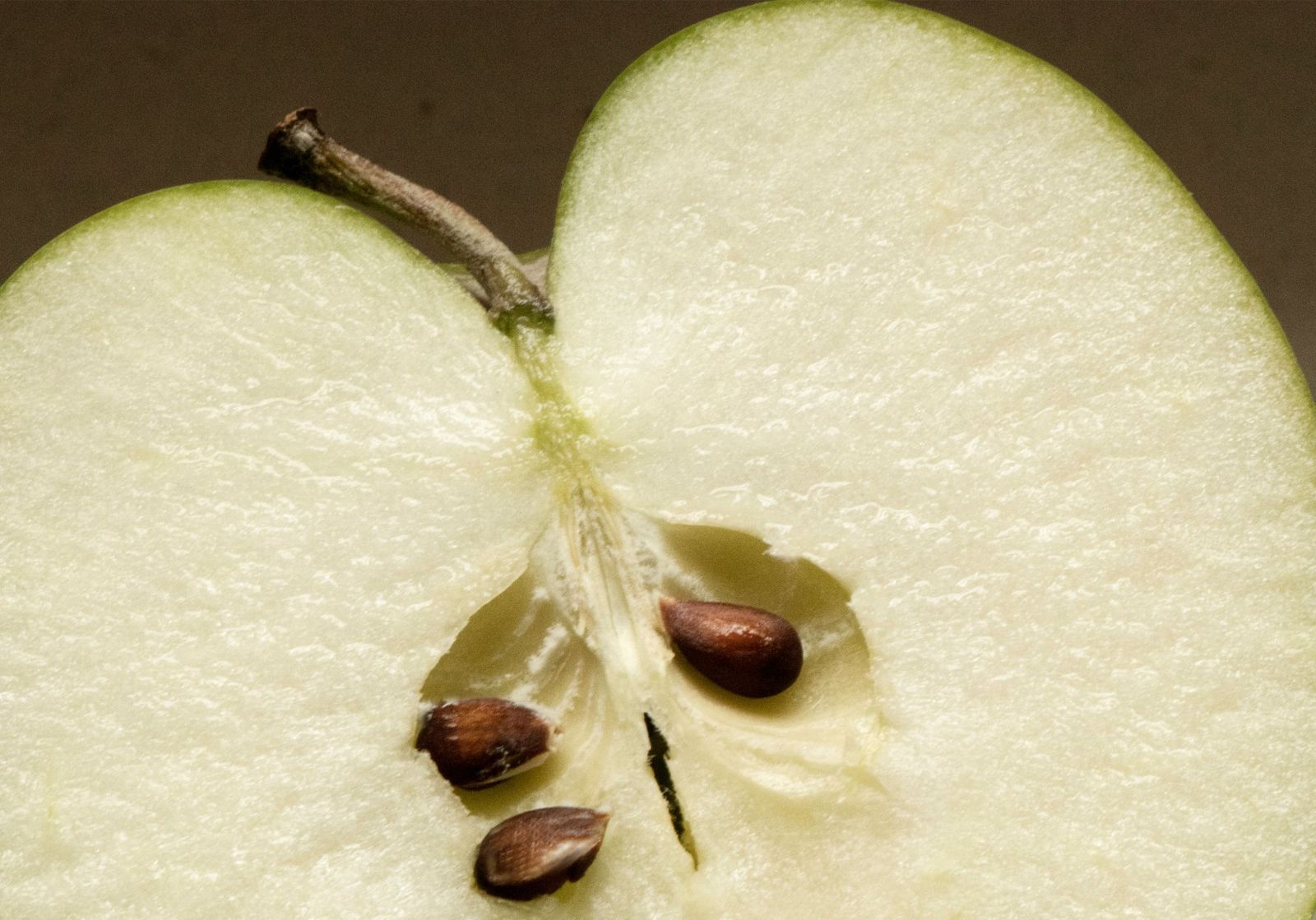
Slice open an apple, and you'll find several pips inside. In British English, pip is the everyday word for the small seeds found in fruits like apples, grapes, oranges, and lemons, while American English usually sticks with simply "seed."

The word has branched into many other fields as well. The tiny dots on dice, the symbols on playing cards, and even certain military insignia are all called pips. It's proof that one small word can sprout into several completely different meanings.

11

Paresthesia

Image: Sasun Bughdaryan

Almost everyone has experienced paresthesia, even if they've never heard the word. It's the medical name for the tingling "pins and needles" sensation that happens when a nerve is temporarily compressed, like after sitting awkwardly or sleeping on your arm.

Most episodes disappear within minutes as normal nerve function returns. However, persistent paresthesia can sometimes signal nerve disorders, diabetes, or vitamin deficiencies, which is why doctors pay close attention when the symptom doesn't go away.

12

Vagitus

Image: Tim Bish

A newborn baby's first cry has a surprisingly mysterious name: vagitus. That first loud wail does much more than announce a new arrival, it helps expand the lungs as the baby begins breathing independently for the very first time.

Derived from the Latin word for "cry" or "wail," vagitus remains a standard medical term in obstetrics and pediatrics. Doctors even use the expression vagitus uterinus for the exceptionally rare phenomenon of a baby crying before complete delivery, one of medicine's most unusual recorded events.

The truth about your brain

You won’t believe what happens in your brain while you sleep


Published on August 22, 2026


Image: Milad Fakurian

Your brain is one of the most powerful and mysterious organs in your body. It controls everything from your thoughts to your emotions and even processes information at lightning speed. But how much do you really know about it? Some long-believed myths about the brain have been debunked, while other surprising facts reveal just how incredible this organ truly is. Get ready to be amazed by these fascinating brain facts!

1

Myth: We only use 10% of our brain

Image: Natasha Connell

You’ve probably heard this one before, but it’s completely false! While it’s true that not all parts of the brain fire at the same time, imaging studies show that most regions are active throughout the day, even when we sleep.

Your brain is constantly working, controlling bodily functions and emotions, and processing information. So next time someone says you’re only using 10% of your brain, you can confidently tell them that’s just a myth!

2

The brain itself can’t feel pain

Image: Aarón Blanco Tejedor

Here’s a weird fact: While your brain processes pain signals from the rest of your body, it has no pain receptors of its own. This is why surgeons can perform brain surgery on conscious patients without causing them pain.

However, the membranes and tissues surrounding the brain do have pain receptors, which is why headaches and brain injuries can be so excruciating.

3

Headaches are actually chemical reactions

Image: Usman Yousaf

How come we have headaches if the brain has no pain receptors? Well, that’s because headaches are triggered by chemical activity in the brain, changes in nerves and blood vessels, and even fluctuating serotonin levels.

In some cases, hormones like estrogen can also play a role, which explains why migraines are more common in women.

4

Dreams: Your brain’s midnight movie theater

Image: Go to Johannes Plenio's profile Johannes Plenio

Dreams are proof that your brain never rests! (Warning: this fact can make you feel exhausted.) While you sleep, your limbic system, that is, the part of the brain that deals with emotions, becomes especially active, which is why dreams often feel so intense.

On average, humans experience four to seven dreams per night, even if we don’t always remember them. And what about that scary nightmare about falling? Well, you can thank your amygdala, the brain’s fear center, for that one.

5

Your short-term memory lasts less than 30 seconds

Image: Brett Jordan

Have you ever walked into a room and instantly forgotten what you were after? That’s because short-term memory only lasts about 20-30 seconds! That’s not enough!

Your brain holds a limited amount of information in its active state before deciding whether to store it or discard it. Ironically, we can’t really choose what makes the cut, but we do hope these facts stay with you!

6

Brain freeze is your body’s warning signal

Image: BUDDHI Kumar SHRESTHA

That sharp, icy pain when you eat something too cold? It’s your brain’s way of telling you to slow down! Officially called sphenopalatine ganglioneuralgia, a brain freeze happens when cold food or drinks rapidly chill the blood vessels in your throat, causing them to constrict and then rapidly expand. This sends pain signals to your brain, warning you of the sudden temperature shift. It’s annoying, but it’s actually your body trying to protect itself!

7

Your brain thinks a lot!

Image: Josh Riemer

You didn’t need us to tell you, but let’s look at the details: The average person has between 12,000 and 60,000 thoughts per day. What’s even more interesting? 95% of those thoughts are the same ones you had yesterday. Is that not surprising enough? Hear this out: 80% of them tend to be negative. That’s because our brains are wired for survival, constantly analyzing risks and potential dangers.

8

Your brain uses 20% of your body’s oxygen and blood

Image: Terry Vlisidis

Even though it only makes up about 2% of your body weight, your brain employs a major quantity of energy! It consumes 20% of your oxygen and blood supply, making it one of the most demanding organs in your body.

If your brain goes without oxygen for just five minutes, brain cells start dying, leading to irreversible damage. This is why deep breathing and cardiovascular exercise are great for brain health!

9

Seeing stars? That’s your brain processing vision!

Image: Alexander Andrews

Do you know that feeling when you hit the back of your head and see stars? That’s because your occipital lobe, which controls vision, is located at the back of your brain. If you get hit there, your brain momentarily misfires, causing flashes of light.

Interestingly, your brain processes vision on the opposite side; while your right brain controls your left eye, your left brain controls your right eye. It’s one of the many ways the brain operates in a complex way.

10

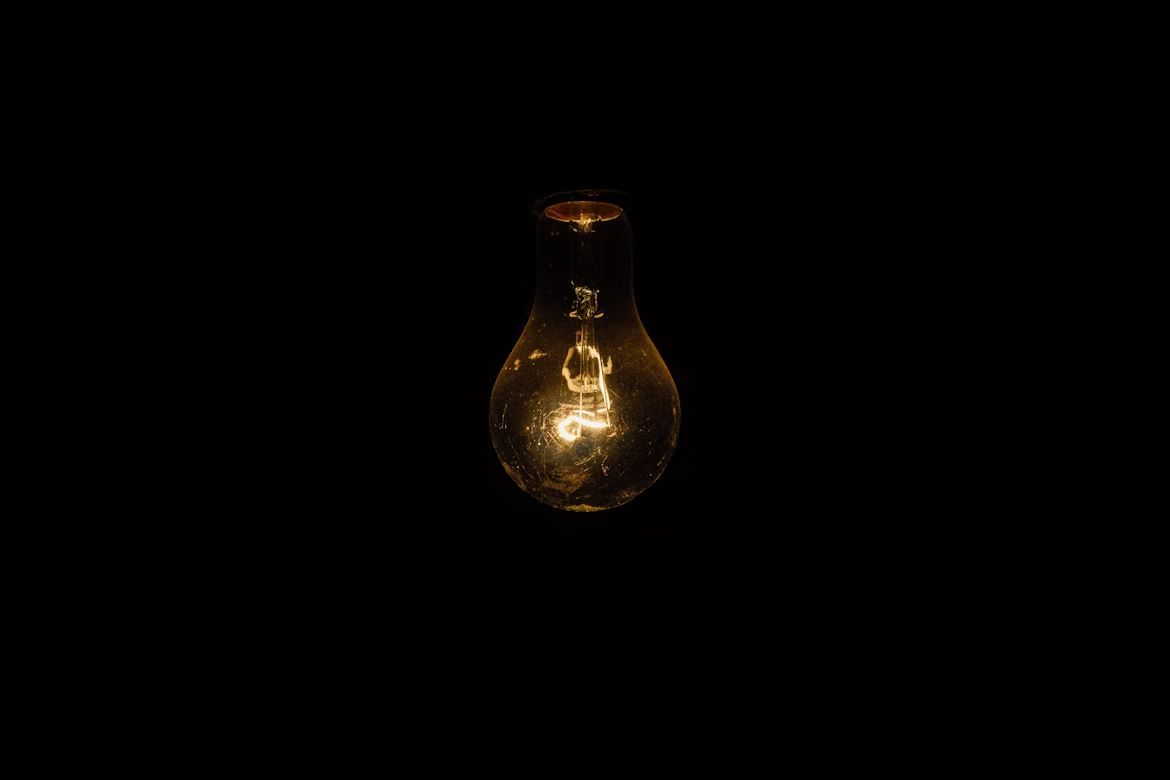
Your brain can power a light bulb!

Image: Rodion Kutsaiev

Believe it or not, your brain generates between 12 and 25 watts of electricity when you’re awake. If you can’t really grasp how powerful that is, check this out: It’s enough to power a small light bulb! Your brain’s electrical activity is what allows neurons to send signals at speeds of up to 260 miles per hour.

11

Your brain is mostly fat

Image: Robina Weermeijer

Your brain may be the fattiest organ in your body, consisting of at least 60% fat! This is why consuming healthy fats, like omega-3s and omega-6s present in fish, for example, is essential for brain health.

Healthy fats stabilize brain cell walls, reduce inflammation, and support cognitive function. So go ahead and enjoy that avocado toast, it’s food for your brain!

12

Your brain shrinks as you age

Image: Robina Weermeijer

It’s not just your memory that fades over time; the brain itself physically shrinks as one gets older. It continues developing until your late 40s, but after that, it slowly decreases in size.

Now, size doesn’t equal intelligence, so a smaller brain doesn’t necessarily mean a less capable one. Staying mentally active, exercising, and eating brain-boosting foods can help keep it in top shape!

13

Cholesterol plays a big role in memory

Image: Lisa Yount

We often think of cholesterol as bad, but your brain actually depends on it! In fact, 25% of your body’s cholesterol is stored in your brain, where it helps with learning and memory. However, unlike other organs, the brain can’t absorb cholesterol from the blood, it has to produce its own. So, while too much cholesterol in the body can be harmful, the right amount is vital for brain function. At least you can use that as an excuse to get that burger!

Looking for an extra scoop of literary fun?

Learn more with our Word of the day

ramshackle

/ˈræmˌʃæk(ə)l/