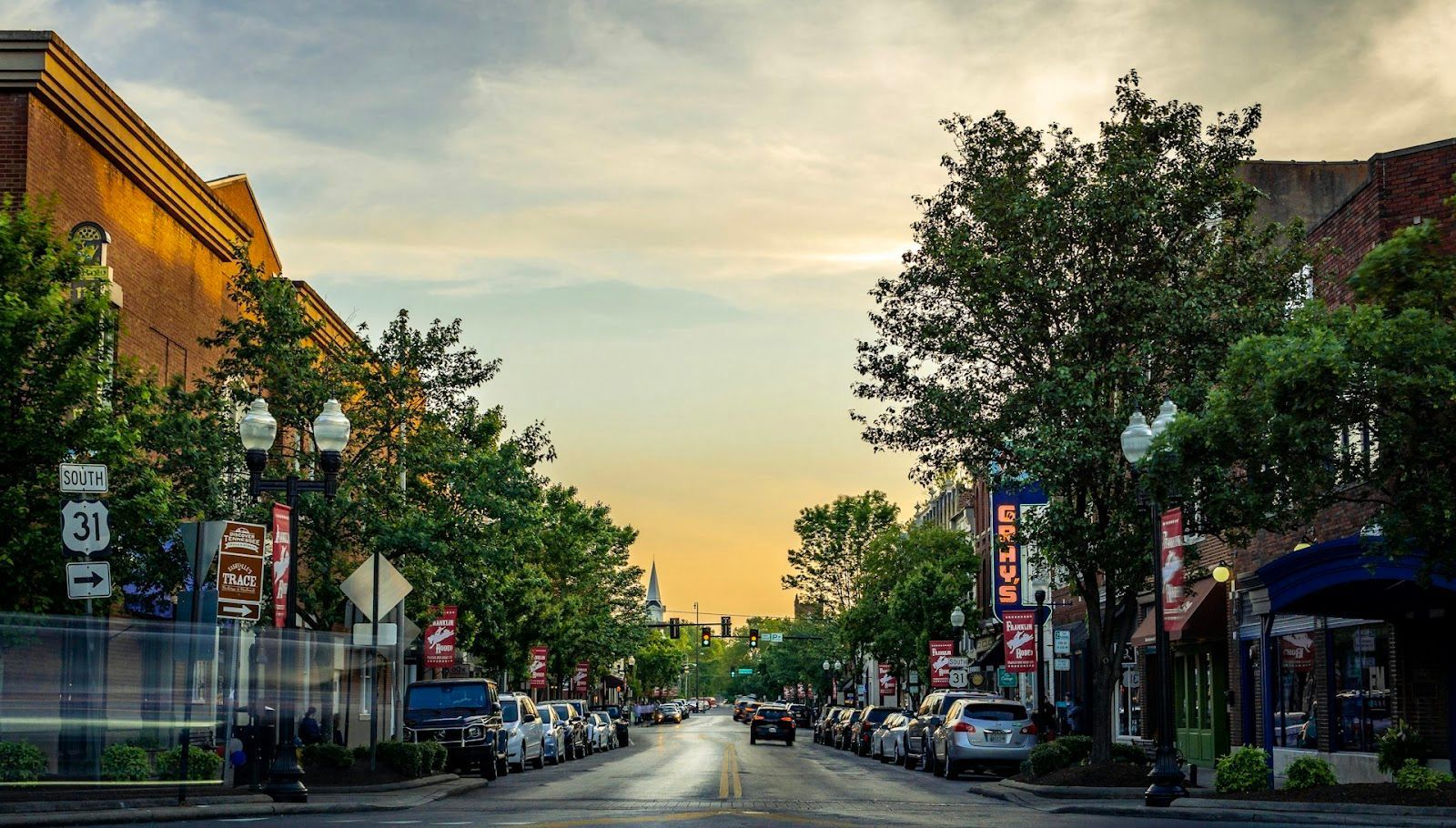
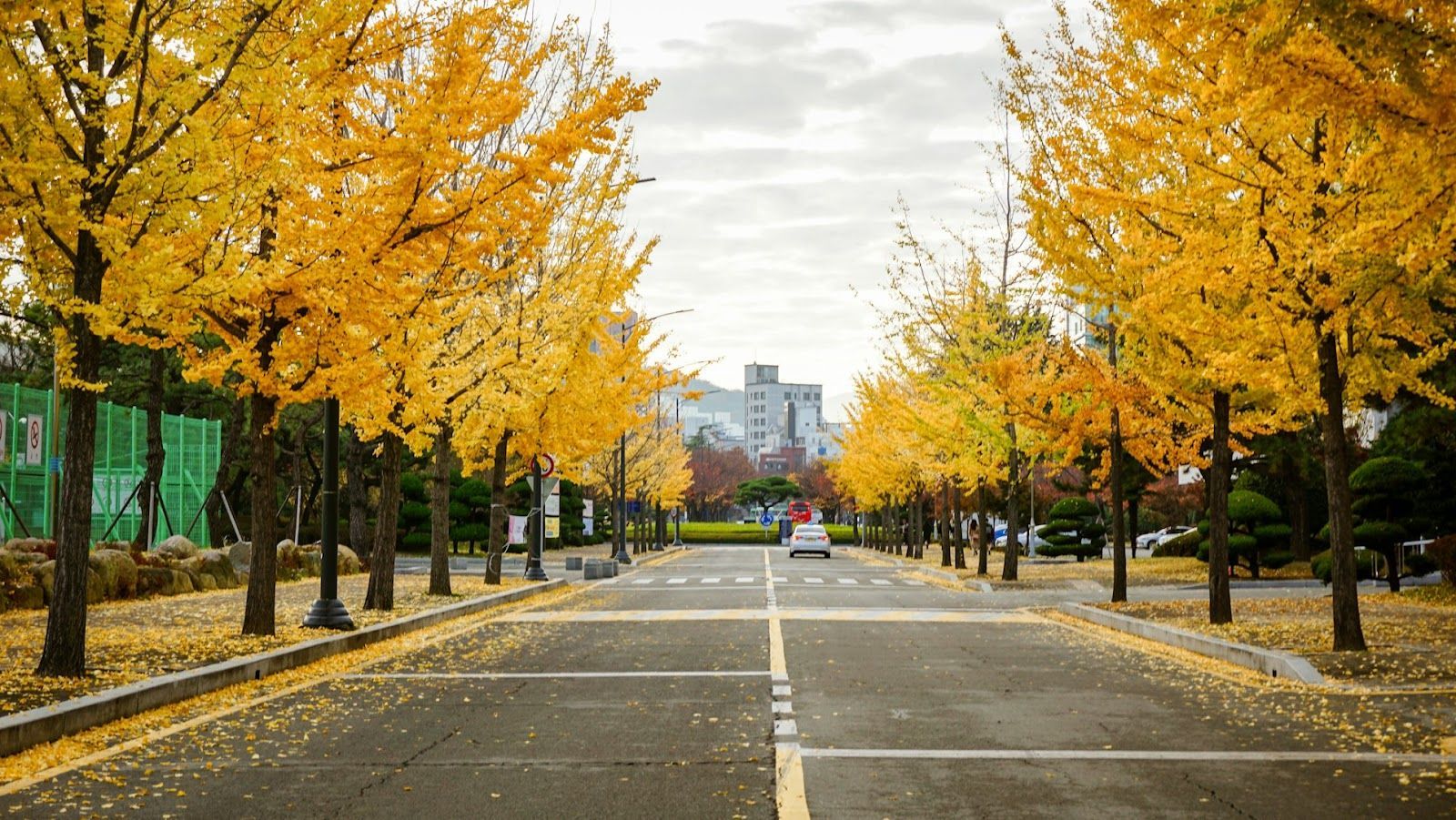
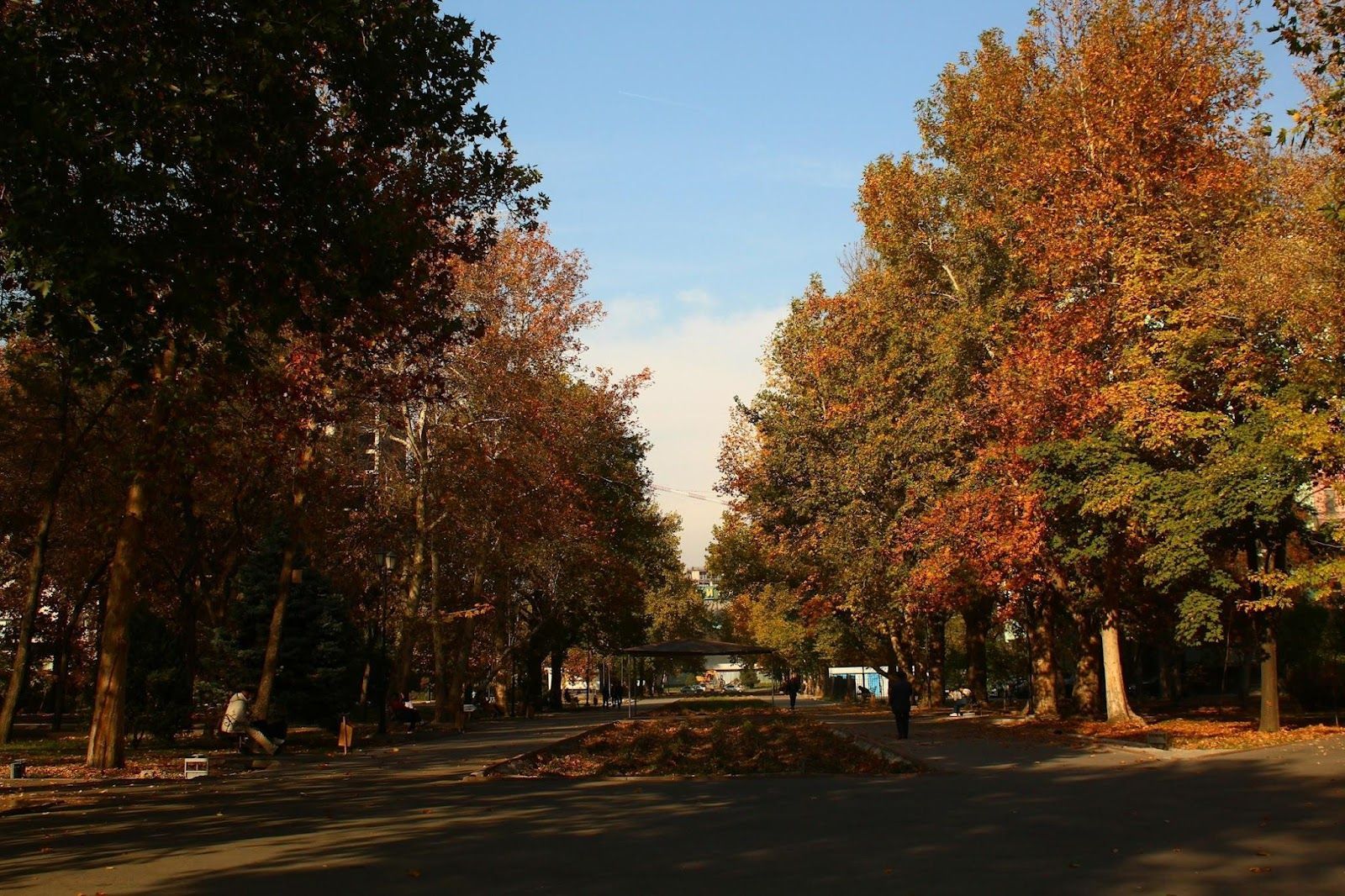
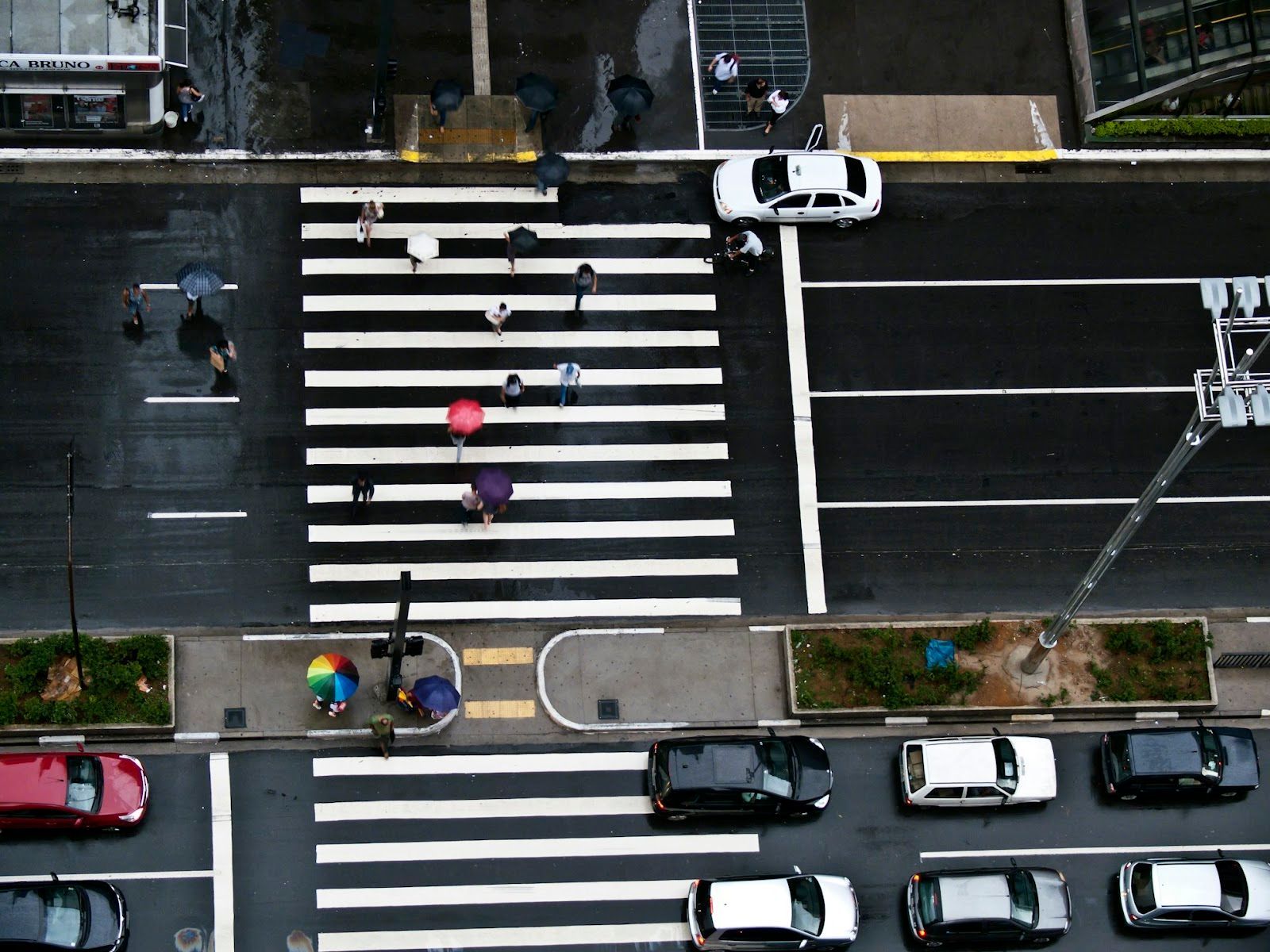
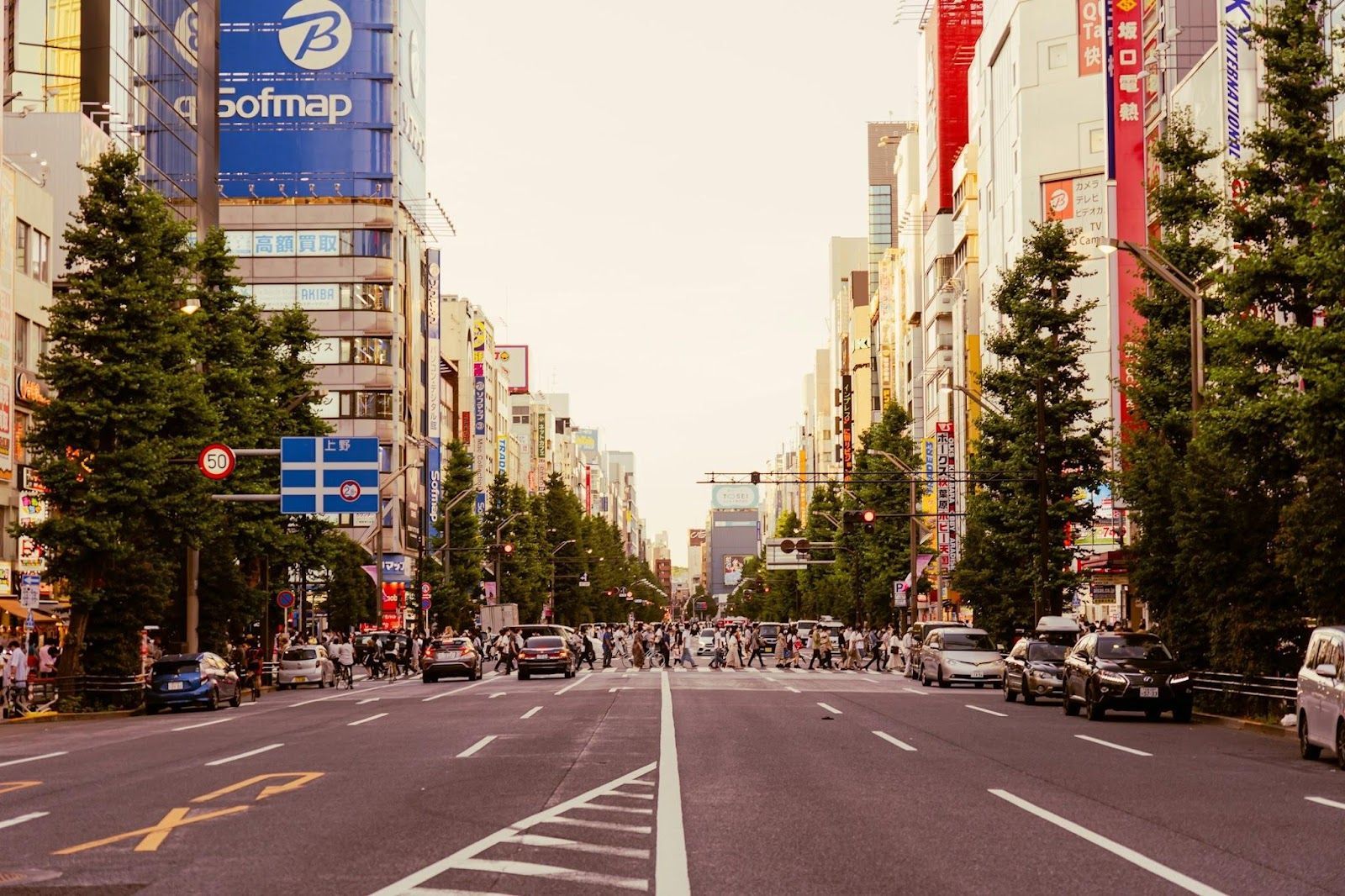
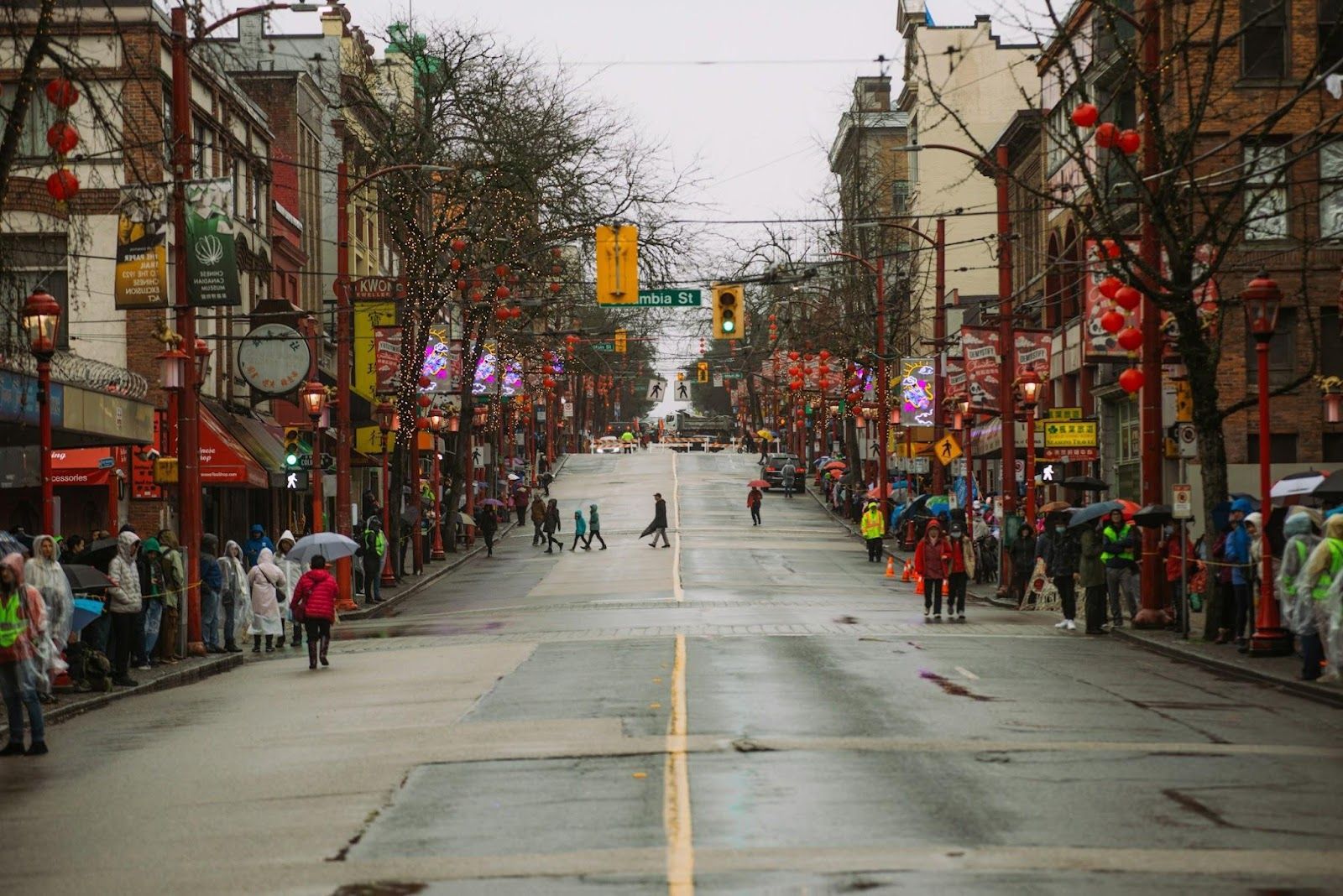
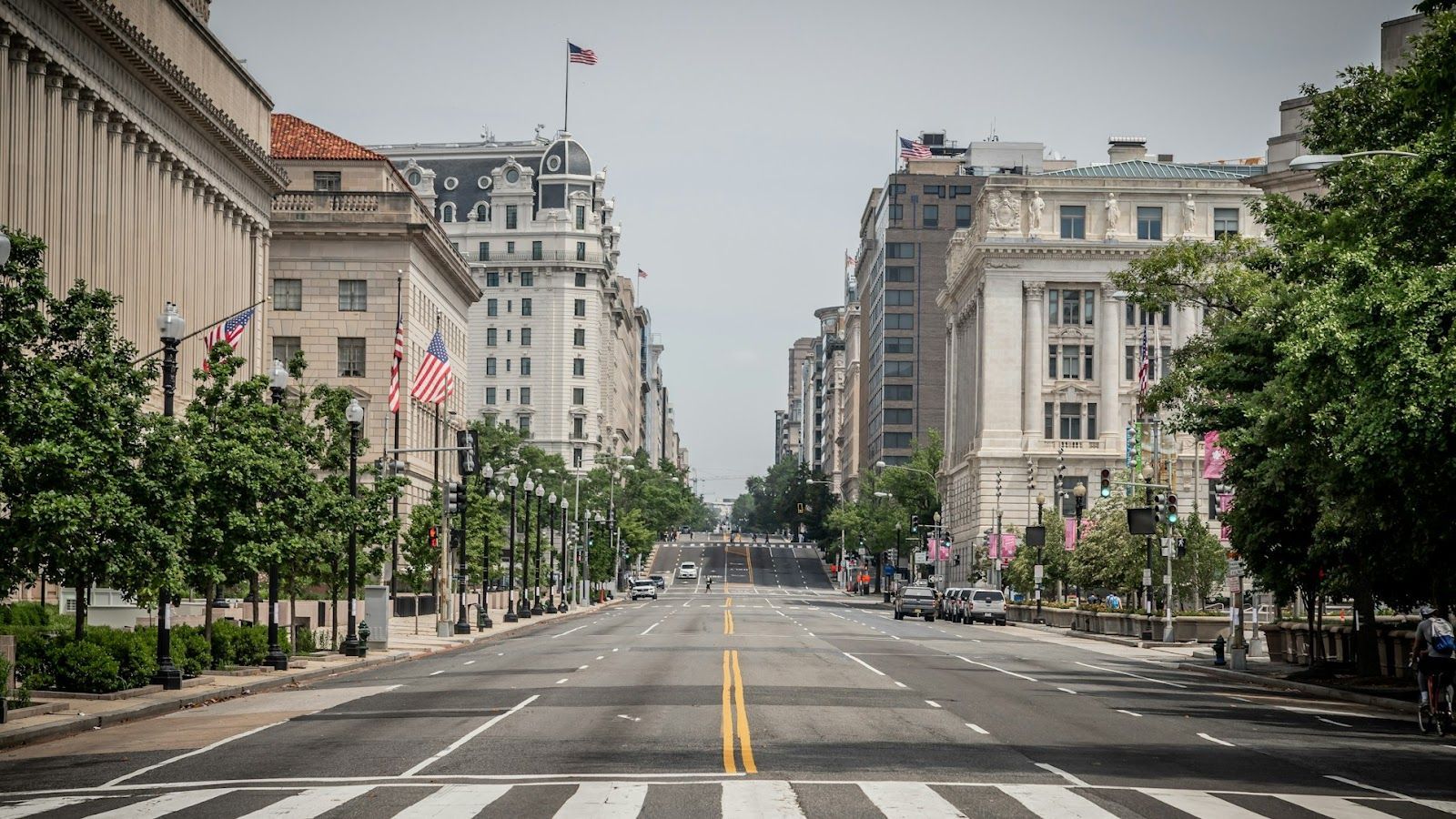
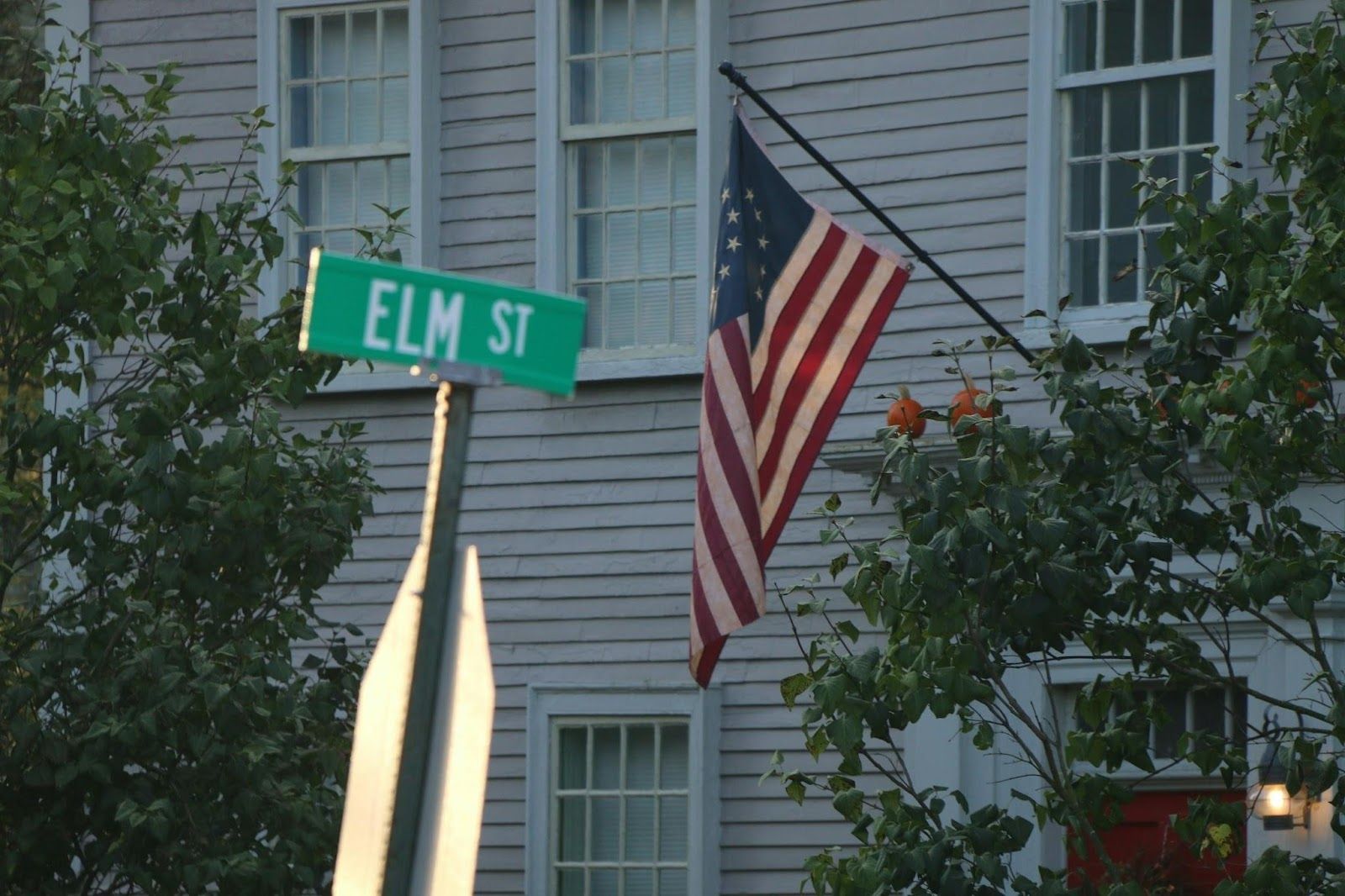
Do you live in one of these?

Why does every town have a Maple Street? The 11 most-used street names


Published on January 6, 2026


Image: Igor Shalyminov

Have you ever wondered why so many streets in the U.S. are named "Main," "Maple," or "Broadway"? From historical references to nature-inspired names and beyond, every street name has a reason behind it. Take a look at the following 11 common street names. How many of these names are present in your neighborhood?

1

Main

Image: Brandon Jean

A self-explanatory name, for sure, "Main Street" is usually the most important avenue of a town or city, in its early stages. Sometimes, as it can happen, the city will grow and the "Main" street will no longer be the most important one, but the name almost always remains.

2

Maple

Image: KWON JUNHO

A testament to the U.S.’s most abundant tree, "Maple Street" is a common name found in towns and cities across the country. It has also appeared frequently in fictional settings, from novels and films to cartoons like The Simpsons.

3

Second

Image: Timur M

Strangely enough, the name "Second Street" is more common than "First Street." One might assume that for every Second Street in America, there must also be a First Street—but that’s not always the case. The explanation lies in the fact that many "First Streets" have been renamed since their original naming.

4

Oak

Image: Seval Torun

Another common street name honoring one of America’s most widespread trees, "Oak Street," is a name that can be found in towns and cities of all sizes across the nation.

5

Park

Image: Leroy Tan

Another self-explanatory name is the following example. The streets and avenues named "Park Street" in America usually start, end, or border a public park.

6

High

Image: gustavo nacht

A name somewhat similar in use to "Main Street" is "High Street." Though much less common in the US, it is often found in older towns with colonial or British influence and is typically bestowed upon the most important street in a town or city.

7

Central

Image: S. Tsuchiya

Akin to "Main" and "High," "Central Street" is a name given to streets and avenues that are situated in the downtown area of a town or city, and pass through some of its most important features, like government buildings or central squares.

8

Church

Image: Boyu Hu

Many street names originate as landmark references, pointing to notable features along the road. Nearly every town in America has a "Church Street," most of them named after a church that once stood—or still stands—along their path.

9

Market

Image: Albert Stoynov

Across the country, streets named "Market Street" often serve as the center of commercial activity in a town or city. Like other landmark-based street names, the designation reflects the street’s primary use—in this case, as a commercial thoroughfare.

10

Washington

Image: Vlad Tchompalov

Unsurprisingly, "Washington Street," the Father of the Nation’s name, appears in nearly every American town and city, and in a larger proportion than any other historical figure’s name.

11

Elm

Image: Steve Lieman

The third and final tree-based street name in this list, "Elm Street," comes from a common North American tree. Like Maple and Oak, Elm Street has appeared in numerous fictional stories, television shows, novels, and movies, most notably, A Nightmare on Elm Street.

What science says

It was false after all: 10 health myths that sound true—but aren't


Published on January 6, 2026


Image: Alicja Gancarz

Health myths are everywhere! These ideas were simply passed down for so long that they became part of what we believed. But now science has stepped in to clear things up. Does cold weather make you sick? Can lemon detox your body? Is reading in low light really harmful? Let's uncover the truth behind 10 common health myths!

1

Cutting your hair makes it grow faster

Image: Element5 Digital

Have you ever been told that cutting your hair will make it grow faster? We're sorry to say that's just a myth. Hair grows from the root, not the ends. So, trimming it won't boost growth, though it does help remove split ends that can make your hair look dry or unhealthy.

2

Cold weather causes colds

Image: Thom Holmes

This is one of the most common health myths. Cold weather often gets blamed, but it's not the temperature that makes you catch a cold. During winter, we tend to stay indoors with others and keep the windows closed, an environment that makes it easier for viruses to spread. That's why colds tend to be more common in winter!

3

Eating before bed makes you gain weight

Image: Michelen Studios

The idea that eating before bed automatically leads to weight gain is a myth. In reality, it has more to do with what you eat and how much, rather than the time of day. Often, when we eat very late at night, we're tired and more likely to reach for quick, high-calorie, heavy foods. This can disrupt sleep and lead to consuming more calories than we burn, both of which may affect weight. If it's close to bedtime, it's better to have something light and healthy in a moderate portion than to skip a meal altogether.

4

Wearing glasses weakens your vision

Image: Bud Helisson

Does wearing glasses weaken your vision? Myth! If an eye doctor prescribes glasses, wearing them as directed helps correct your vision; it won't make it worse. Additionally, the right glasses can help prevent or reduce headaches caused by reading or spending long hours in front of a screen.

5

Reading in low light causes permanent eye damage

Image: Amir Balam

This myth is closely related to the previous one. If you love reading and sometimes have to do it in low light because of the situation, don't worry. According to experts, reading in low light doesn't cause permanent or irreversible eye damage. However, it's not recommended because it can make your eyes feel tired or strained, leading to discomfort or headaches.

6

You need to drink 8 glasses of water a day

Image: engin akyurt

We're all different, and so are our bodies. The idea that everyone should drink exactly eight glasses of water a day is more of a general guideline than a rule. Staying well hydrated throughout the day is extremely important, but how much water you need depends on factors like your weight, age, climate, and overall health. We should prioritize staying consistently hydrated instead of obsessing over the number of glasses we drink.

7

Lemon water detox and cleanse your body

Image: Tirza van Dijk

Some people say drinking lemon water helps eliminate toxins and cleanse the body. While adding a slice of lemon to your water is a refreshing way to stay hydrated, it doesn't have any special "detoxifying" powers. The vitamin C in citrus fruits is beneficial, but the body has its own natural detox system. The liver and kidneys are the main organs that filter waste and eliminate toxins.

8

All fat is bad

Image: Aneta Voborilova

Not all fats are bad! Just like other food groups, your body needs fats to function properly. The important thing is knowing the difference between healthy fats and those that can be harmful. Foods like avocados, seeds, olive oil, fish, and nuts are rich in healthy fats. On the other hand, the fats found in processed or fried foods are the ones that can have a negative impact on your body.

9

Liver disease is always caused by alcohol or fats

Image: Elevate

Liver diseases can be serious. While heavy and frequent consumption of alcohol and fats is a major contributor, it's not the only cause. Liver problems can also result from many other factors. These include viral infections, autoimmune diseases, genetic disorders, high blood pressure, and exposure to certain chemicals.

10

Breakfast is the most important meal

Image: Brooke Lark

There's some truth to it: breakfast is important because it replenishes our glucose and energy levels and supports proper metabolism. However, the idea that it's the most important meal of the day might be an exaggeration. Everyone's body has different needs, and all meals are important, so we shouldn't skip any of them!

Looking for an extra scoop of literary fun?

Learn more with our Word of the day

shrewd

/ʃrud/