When sports got weird and unpredictable

What's the strangest thing that's ever happened during a game?


Published on May 14, 2026
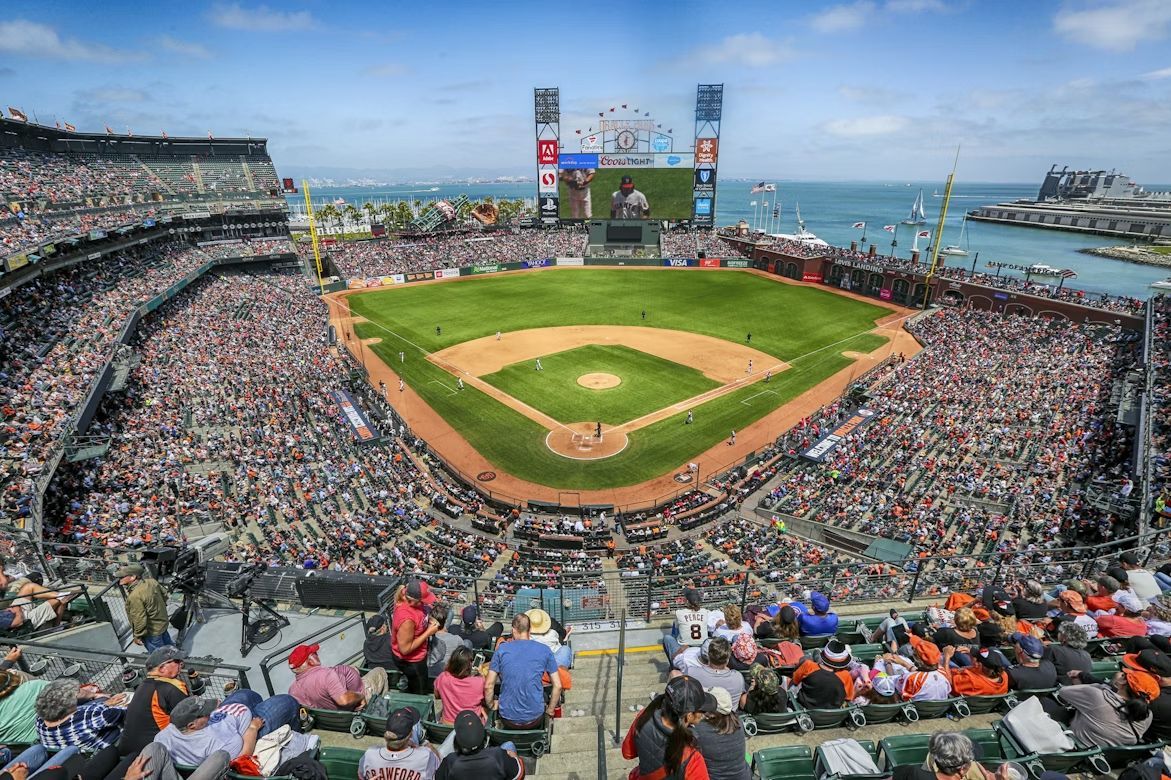

Image: Mick Haupt

Sports are supposed to be about athletic excellence, nail-biting competition, and moments of glory. But sometimes, the most memorable moments are the ones that leave us laughing, scratching our heads, or wondering whether we really saw what we think we saw. From wardrobe malfunctions to unexpected animal invasions, these 10 moments prove that sports can be just as entertaining when things go hilariously wrong.

1

The Fog Bowl (1988)

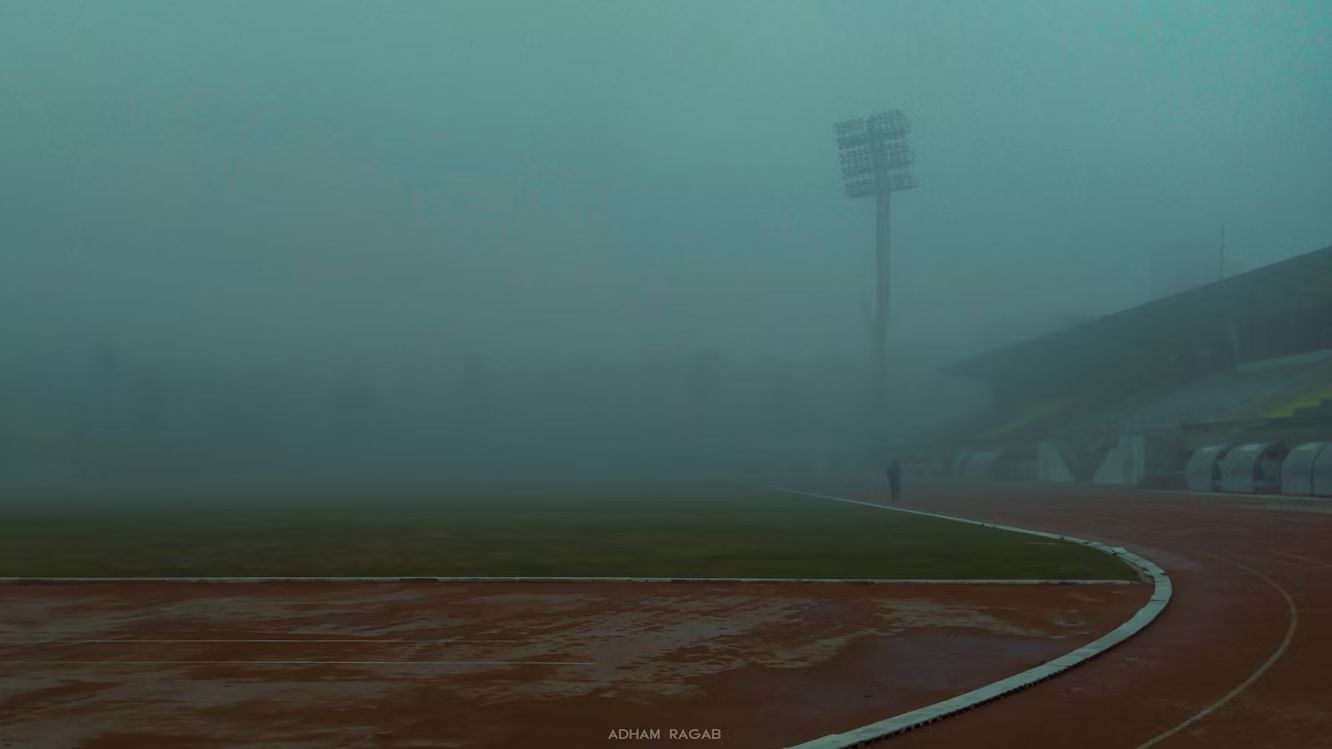
Image: Adham Ragab

Picture this: you're watching a playoff game between the Chicago Bears and Philadelphia Eagles, and suddenly you can't see anything. Not because your TV is broken, but because the field has disappeared into a thick blanket of fog. The 1988 NFC Divisional Playoff became known as the "Fog Bowl" when dense fog rolled into Soldier Field, making it nearly impossible for players, coaches, or fans to see what was happening.

The broadcasters were reduced to guessing what was going on, and viewers at home had a better view than the 65,000 fans who paid to be there. The Bears won 20-12, though no one could really see how.

2

Randy Johnson Explodes a Bird (2001)

Image: Ragib Huda

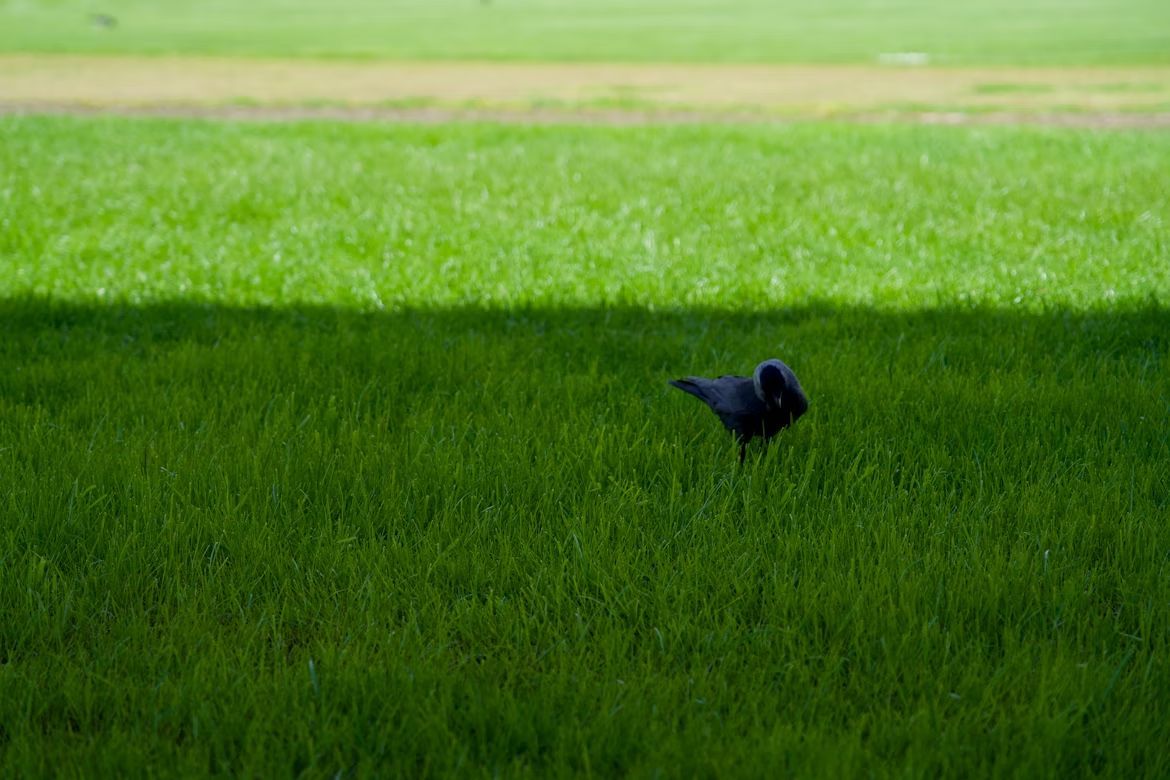
Randy Johnson was known as "The Big Unit" for his intimidating 6'10" frame and blazing fastball. But on March 24, 2001, he became known for something entirely different: killing a bird mid-flight with a pitch. During a spring training game against the San Francisco Giants, Johnson wound up and released a fastball just as a dove flew across the plate. The result was an explosion of feathers that left everyone stunned.

3

The Butt Fumble (2012)

Image: Muyuan Ma

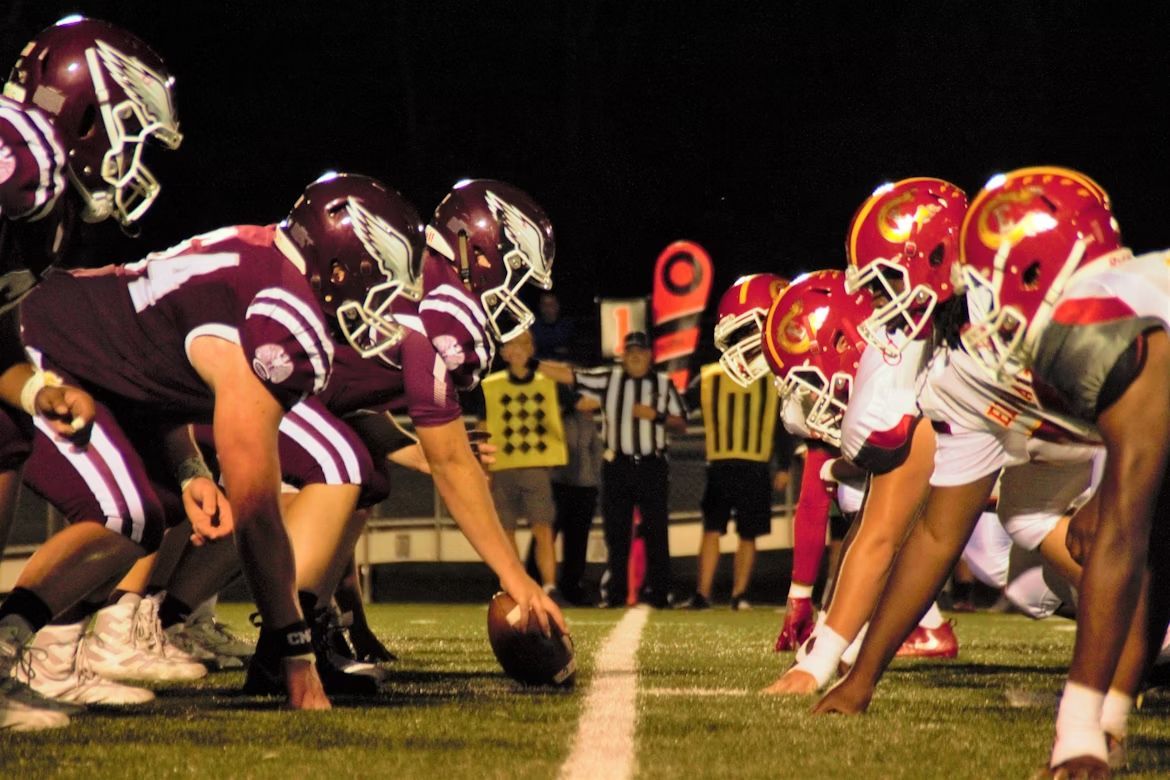
The Butt Fumble was performed by New York Jets quarterback Mark Sanchez on Thanksgiving Day in 2012. Facing the New England Patriots, Sanchez took the snap, tried to run forward, and crashed directly into his own offensive lineman's backside, fumbling the ball in the process. The Patriots scooped it up and ran it back for a touchdown.

4

Disco Demolition Night (1979)

Image: Eric Krull

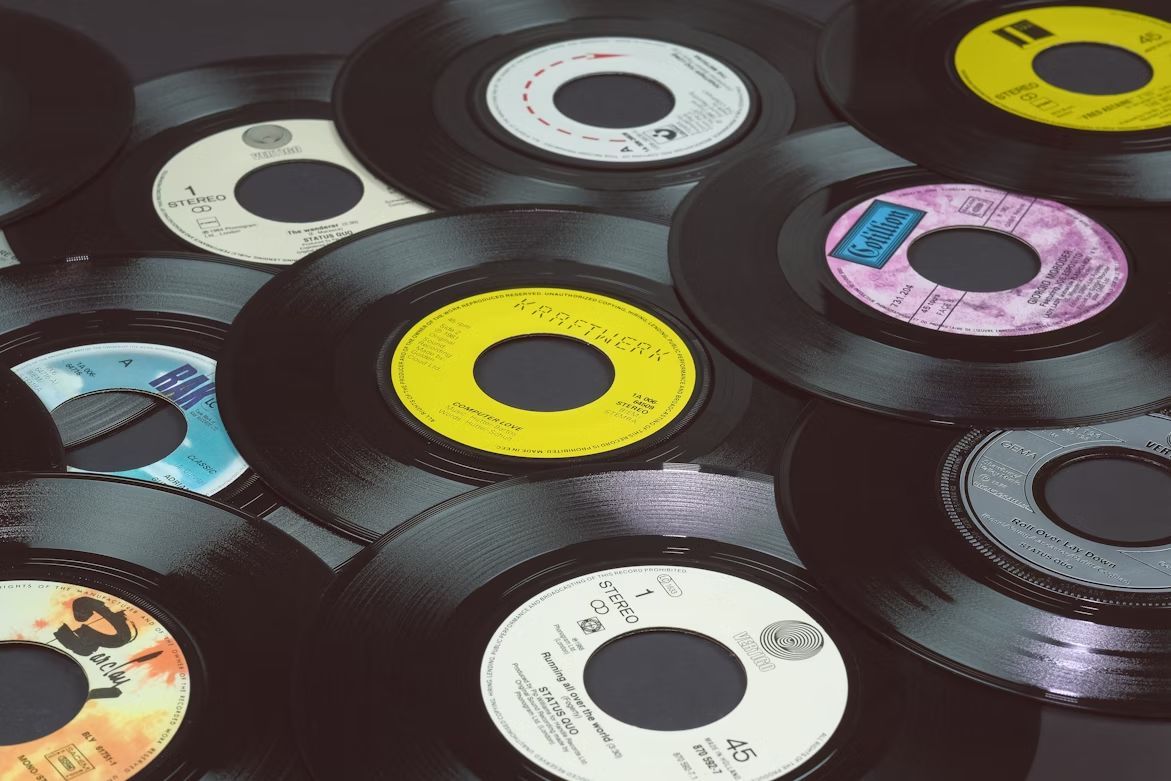
On July 12, 1979, the Chicago White Sox hosted "Disco Demolition Night" between games of a doubleheader. The promotion invited fans to bring disco records to be blown up on the field in exchange for discounted admission. Radio DJ Steve Dahl hyped up the event, and way more people showed up than expected.

After the first game, Dahl detonated a crate of disco records in center field, creating a massive explosion. Thousands of fans then stormed the field, tearing up chunks of grass, stealing bases, and causing widespread damage.

5

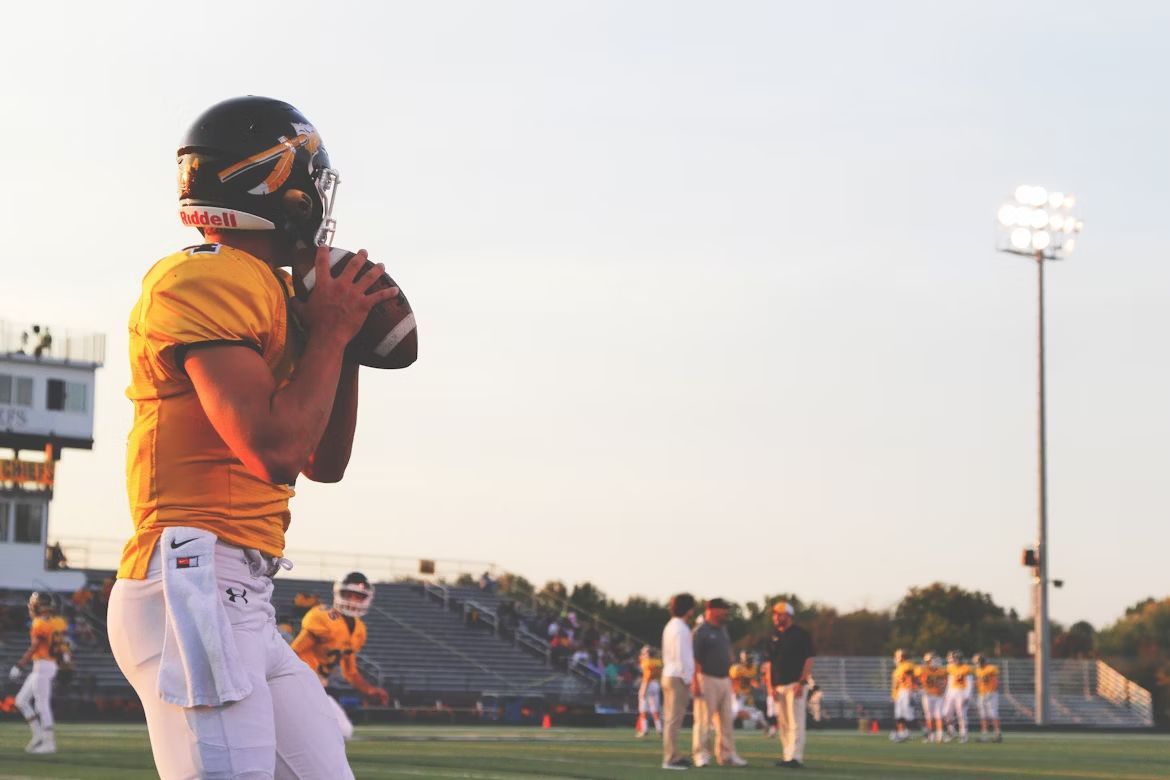
Wrong Way Riegels (1929 Rose Bowl)

Image: Mark Stuckey

Roy Riegels earned an unfortunate nickname that followed him for the rest of his life: "Wrong Way Riegels." During the 1929 Rose Bowl, played between California and Georgia Tech, Riegels scooped up a fumble and took off running—unfortunately, he ran 69 yards in the wrong direction toward his own end zone. His teammate, Benny Lom, chased him down the field, screaming for him to stop, finally tackling him at the one-yard line.

6

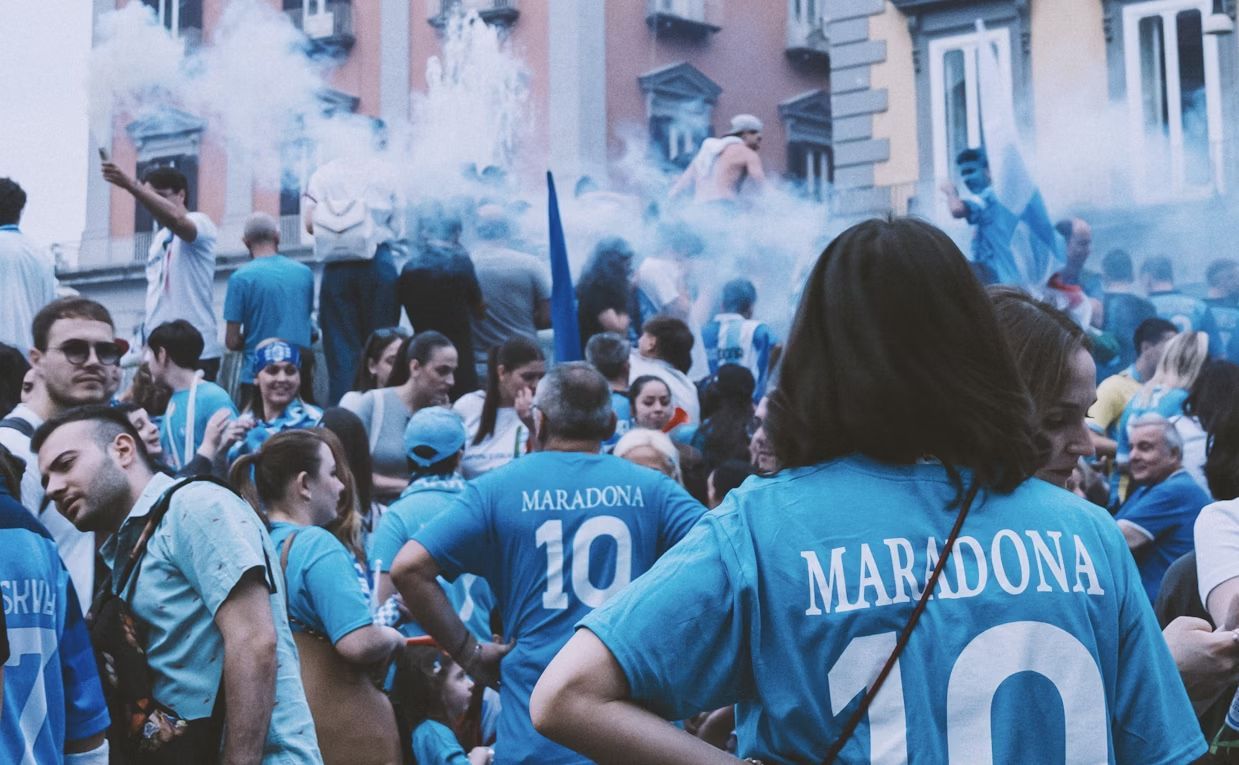
The Hand of God (1986)

Image: Carmen Laezza

Diego Maradona was one of soccer's greatest players, but one of his most famous goals was also his most controversial. During the 1986 World Cup quarterfinal match between Argentina and England, Maradona jumped for a ball in the box and punched it into the net with his hand. The referee didn't see it and allowed the goal to stand, despite furious protests from the English team.

After the game, Maradona claimed the goal was scored "a little with the head of Maradona and a little with the hand of God," which is how it earned its nickname. Argentina went on to win the match 2-1 and eventually won the World Cup.

7

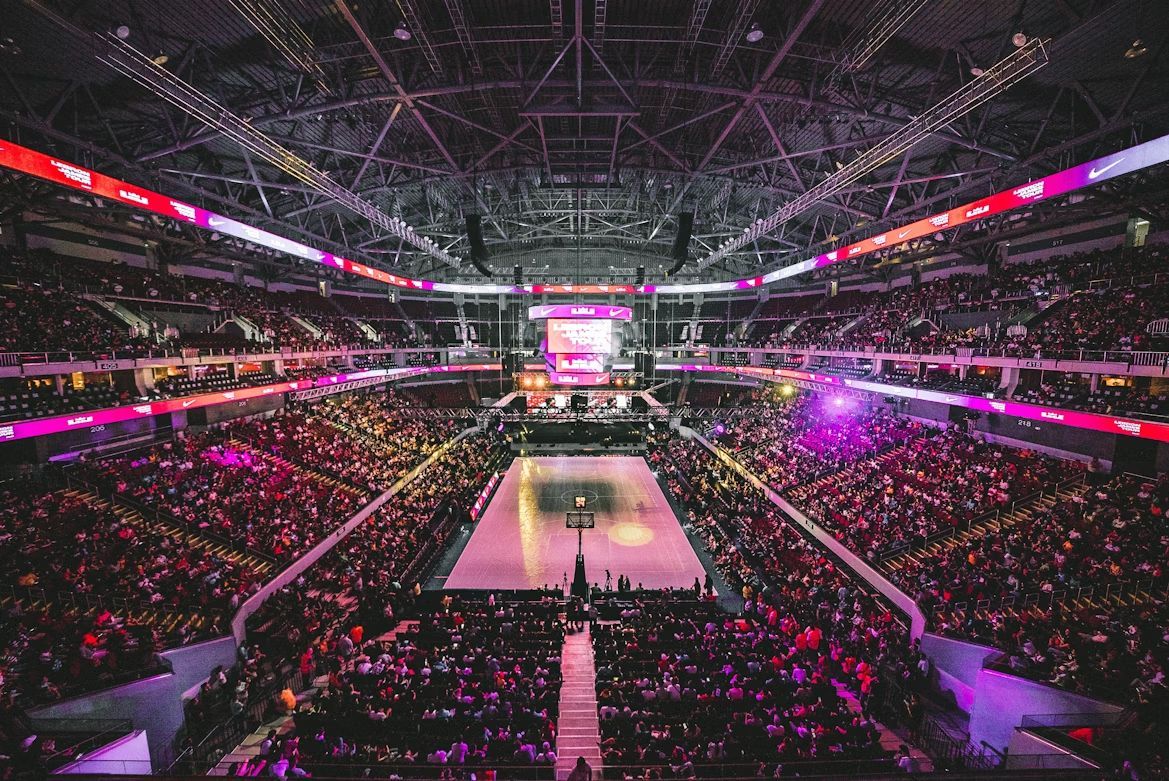
Malice at the Palace (2004)

Image: JC Gellidon

The brawl between the Indiana Pacers and Detroit Pistons on November 19, 2004, was not just a fight; it was a full-scale riot that spilled into the stands. It began with a hard foul and escalated when Ron Artest (later known as Metta World Peace) lay down on the scorer’s table. A fan threw a cup of beer at him, prompting Artest to charge into the stands and throw punches at spectators.

Other players followed, and chaos erupted with fans and players fighting throughout the arena. The fallout was severe: Artest was suspended for the rest of the season (86 games), and eight other players received suspensions totaling 146 games.

8

The Immaculate Reception (1972)

Image: Riley McCullough

In a 1972 playoff game between the Pittsburgh Steelers and Oakland Raiders, Steelers quarterback Terry Bradshaw threw a desperation pass with 22 seconds left. The ball ricocheted off either Raiders safety Jack Tatum or Steelers receiver Frenchy Fuqua—no one's quite sure which—and bounced backward. Steelers running back Franco Harris scooped the ball just before it hit the ground and ran it in for a touchdown, giving Pittsburgh a stunning 13-7 victory.

9

Streaker Tackles Rugby Ref (2002)

Image: Nicholas Green

Streakers are nothing new in sports, but one particularly ambitious individual took things to a new level during a 2002 rugby match in Australia. A naked man sprinted onto the field during a match between the Sharks and the Roosters, evading security guards with surprising athleticism. But instead of just running around, he decided to tackle referee Bill Harrigan, bringing him to the ground in what may be the only naked tackle in professional sports history.

10

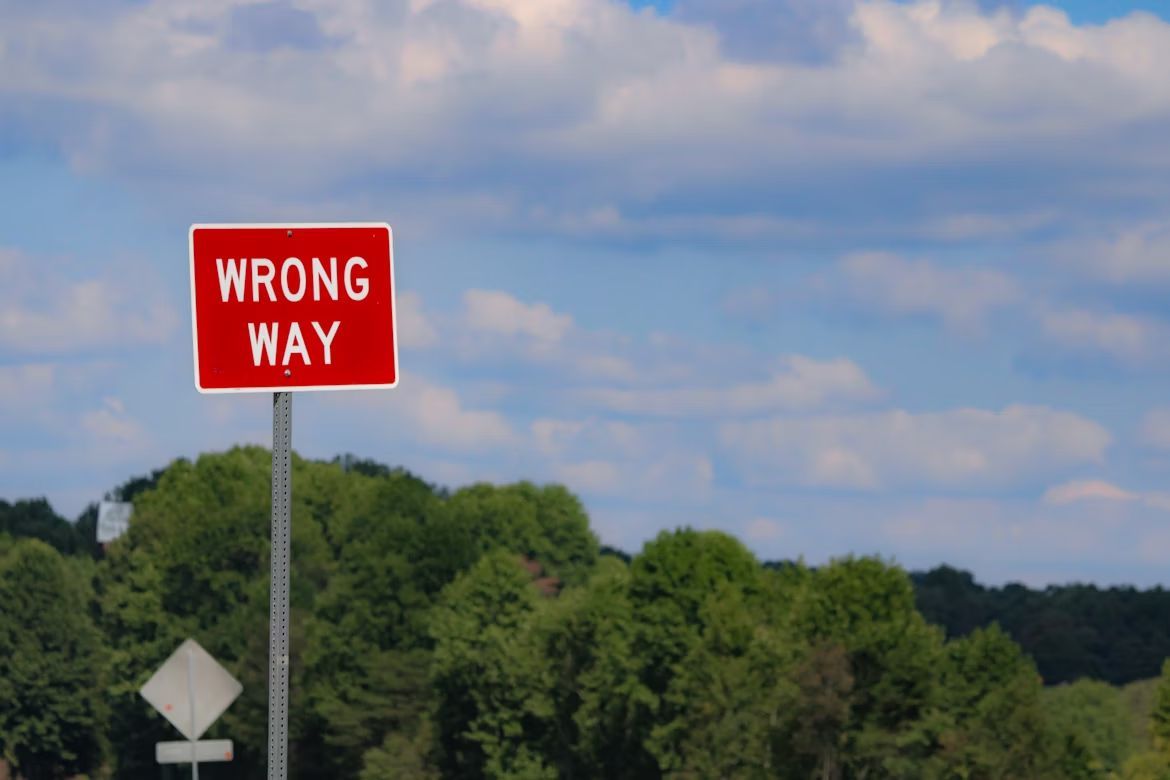
Jim Marshall's Wrong Way Run (1964)

Image: Carol Highsmith's America

Before Jim Marshall, there was Wrong Way Riegels—but Marshall's infamous mistake is the one etched into NFL blooper history. During a 1964 game between the Minnesota Vikings and the San Francisco 49ers, the defensive end scooped up a fumble and ran 66 yards—straight into the wrong end zone. Marshall threw the ball out of bounds in celebration, giving the 49ers a safety. His teammate Carl Eller tried to chase him down to tell him he was going the wrong way, but couldn't catch him.
Decoding

Being a "treasured guest" is not a compliment. This is the hidden meaning


Published on May 14, 2026


Image: Hitesh Choudhary

Have you ever heard "Code Adam" while shopping for groceries at Walmart? Or maybe you’ve heard how "Dr. Firestone" was being paged during a routine hospital visit. They sound like harmless announcements. But behind these ordinary words are secret codes staff use to signal emergencies without causing panic. From hospitals and supermarkets to airports and Disney Parks, these phrases quietly warn employees that something is happening. You hope you never hear them, but if you do, it helps to know exactly what they mean.

1

Treasured guest

Image: Helena Lopes

We all love getting special attention at airports or hotel desks, but if you hear the clerk call you a "treasured guest," don’t feel so flattered. You may not be as VIP as one could think.

In the hospitality industry, "treasured guest" has become a humorous bit of industry folklore to describe someone causing trouble. Maybe a customer yelling at staff over expired coupons, demanding impossible accommodations, or throwing a full-blown tantrum at the front desk. Whatever it is, the phrase has become the staff’s secret way to warn co-workers without escalating the situation in front of the customers. Most guests don’t realize the meaning, but once you know it, you may start hearing it more often. We just hope it’s not about you.

2

Code Adam

Image: Karsten Winegeart

Imagine you’re pushing a shopping cart through Walmart when suddenly the overhead speaker announces, "Code Adam." You can easily assume it’s some kind of employee meeting or cleanup request. But when you see them start locking the exits and moving around, you know something’s wrong.

This code was created in 1994 by Walmart in collaboration with the National Center for Missing & Exploited Children (NCMEC), in memory of the tragic case of 6-year-old Adam Walsh. Adam was abducted from a Sears department store in 1981 while shopping with his mother. His father, John Walsh, later became famous for hosting the TV program America’s Most Wanted and advocating for missing children. Even if Adam’s story ended in tragedy, Walmart created the emergency system in Adam’s memory, and other retailers soon adopted it nationwide, intending to have a quick response to missing or abducted children.

3

Code Blue

Image: Günter Valda

You’re sitting in a hospital waiting room during a routine check-up when you suddenly hear "Code Blue, Room 214." Most people immediately know it sounds serious, even if they are not entirely sure why.

The phrase "Code Blue" is used at hospitals to draw the necessary staff and equipment to perform a resuscitation. It was created in the early 1960s at Beathany Medical Center by Dr. Hughes Day. Before then, hospital resuscitations were often chaotic and poorly coordinated. In 1961, Dr. Day received a grant to build one of America’s first cardiac care centers, and he developed both the Code Blue alert system and the modern crash cart to improve survival rates during cardiac emergencies. Today, the system is used in hospitals across the country, sometimes with specialized versions like "Code Blue Pediatric" or "Code Blue Neonate."

4

Dr. Firestone

Image: Cdn Pages

Imagine visiting a loved one in the hospital when the intercom calmly announces, "Paging Dr. Firectone to the third floor." Your head surely goes, "Dr. Firestone’s probably having a busy day up there." He is, but it’s not what you think.

The phrase is actually a discreet fire alert used to warn staff about smoke, flames, or overheating equipment without frightening patients and visitors. Hospitals adopted these coded announcements after realizing that openly yelling "fire" over loudspeakers could create panic, especially among patients who aren’t able to move quickly. "Code Red" is an alternative used by many health centers today, but it also hints at the situation while keeping hallways calm.

5

Code 10

Image: Blake Wisz

You’re standing at a checkout counter when the cashier picks up the phone and quietly says, "I need a Code 10 authorization." If you think that’s just another way to get a supervisor’s approval or technical issue, think again. In reality, the cashier may suspect the credit card is stolen or fraudulent.

Code 10 was developed through a cooperative effort between major credit card companies like Visa and Mastercard, along with international standard organizations. As credit cards became more common in the 1960s and 1970s, stores needed a discreet way to alert banks about suspicious activity without directly accusing customers and potentially putting employees at danger. When a cashier requests a Code 10, the bank’s operator begins asking yes-or-no questions to assess the situation and guide the employee on what to do next.

6

Code Bravo

Image: CDC

You’ve probably experienced those long airport security lines. The wait is usually uneventful. But sometimes, you can hear "Code Bravo" over the speakers. Maybe it’s a delay, or maybe it’s an issue with luggage. Within seconds, people stop moving, the security line freezes, and exits may even close. It’s something bigger.

Code Bravo is the emergency phrase used by airport security and the Transportation Security Administration to signal a serious security threat, such as an unattended bag, a breach at a checkpoint, or someone slipping into a restricted area. The term comes from the international phonetic alphabet used in aviation and military communications, where "Bravo" represents the letter B. When this is called, security staff immediately lock down affected areas, stop screening lines, and search for the source of the threat. To passengers, it’s sudden and confusing, but to security, it’s a carefully rehearsed response.

7

Code Alpha

Image: Navy Medicine

You are heading back to your cabin on a cruise ship when the speakers announce, "Code Alpha, Deck 7." You may think Alpha is related to the captain, but that’s not the case. It means someone on board is suffering a medical emergency.

The phrase comes from the NATO phonetic alphabet, where "Alpha" represents the letter A. In maritime emergency jargon, it became shorthand for a Priority A medical situation requiring immediate response. Cruise lines such as Royal Caribbean and Disney Cruise Line commonly use the term, though some ships use variations like repeating "Alpha" three times. Once the code is announced, onboard medical teams rush toward the specified deck or cabin. If necessary, stretcher crews are mobilized, and in severe cases, the ship may even divert course toward the nearest port for emergency evacuation. Passengers are enjoying the views, but the staff is running to save a life.

8

10-33

Image: chris robert

Anyone who remembers the CB radio craze of the 1970s probably smiles when they hear "10-4." Movies, truckers, and radio fans turned those number codes into a part of American culture. So if you overhear "10-33" on a police scanner, you might assume it’s just another routine message. But it’s not as simple as it sounds.

The 10-code system was first created in 1937 by Illinois State Police communications director Charles Hopper and later standardized by the Association of Public Safety Communications Officials, better known as APCO. Officers needed short phrases they could understand clearly over crackling radio signals. The 10-33 code commonly means an officer needs emergency assistance. In some departments, it also signals radio silence so dispatchers can focus on the crisis unfolding in real time.

9

Signal 70

Image: Samuel Lopez Cruz

Disney World is amazing, the parks offer something for everyone, and there are things to see wherever you look. But that’s exactly the kind of place where a child can easily disappear into a sea of strollers, balloons, characters, and crowds. For that reason, Disney has developed the "Signal 70," which alerts cast members and security that a child has become separated from their family.

The number comes from older police and emergency radio systems, where "70" was commonly associated with missing persons. Disney adopted the phrase because it allows employees to communicate discreetly without frightening or alarming nearby guests. If a member finds the child, they gently -and magically- escort them to Baby Care Center, where they coordinate the reunion.

10

Echo, Echo, Echo

Image: Alonso Reyes

Cruises are great to relax, enjoying a good book under the sun with a nice drink by the side. Until you hear "Echo, echo, echo" on the speakers. If you do, something is happening somewhere else on the ship.

The code is used among cruise employees to signal that dangerous winds or a navigational hazard are affecting the ship. It comes from the international maritime phonetic alphabet, where "Echo" stands for the letter E. In maritime signalling, the letter traditionally means "I am altering my course to starboard." And, in time, the phrase became associated with urgent ship maneuvers and weather-related warnings. However urgent, the repetition of the word by three doesn’t represent life-threatening situations. It alerts the crew of a certain hazard to prepare while avoiding panic among passengers.

Looking for an extra scoop of literary fun?

Learn more with our Word of the day

tumult

/ˈtuˌməlt/