Borderline fun
How a pig started a war: 10 of the funniest border disputes ever
Published on April 29, 2026
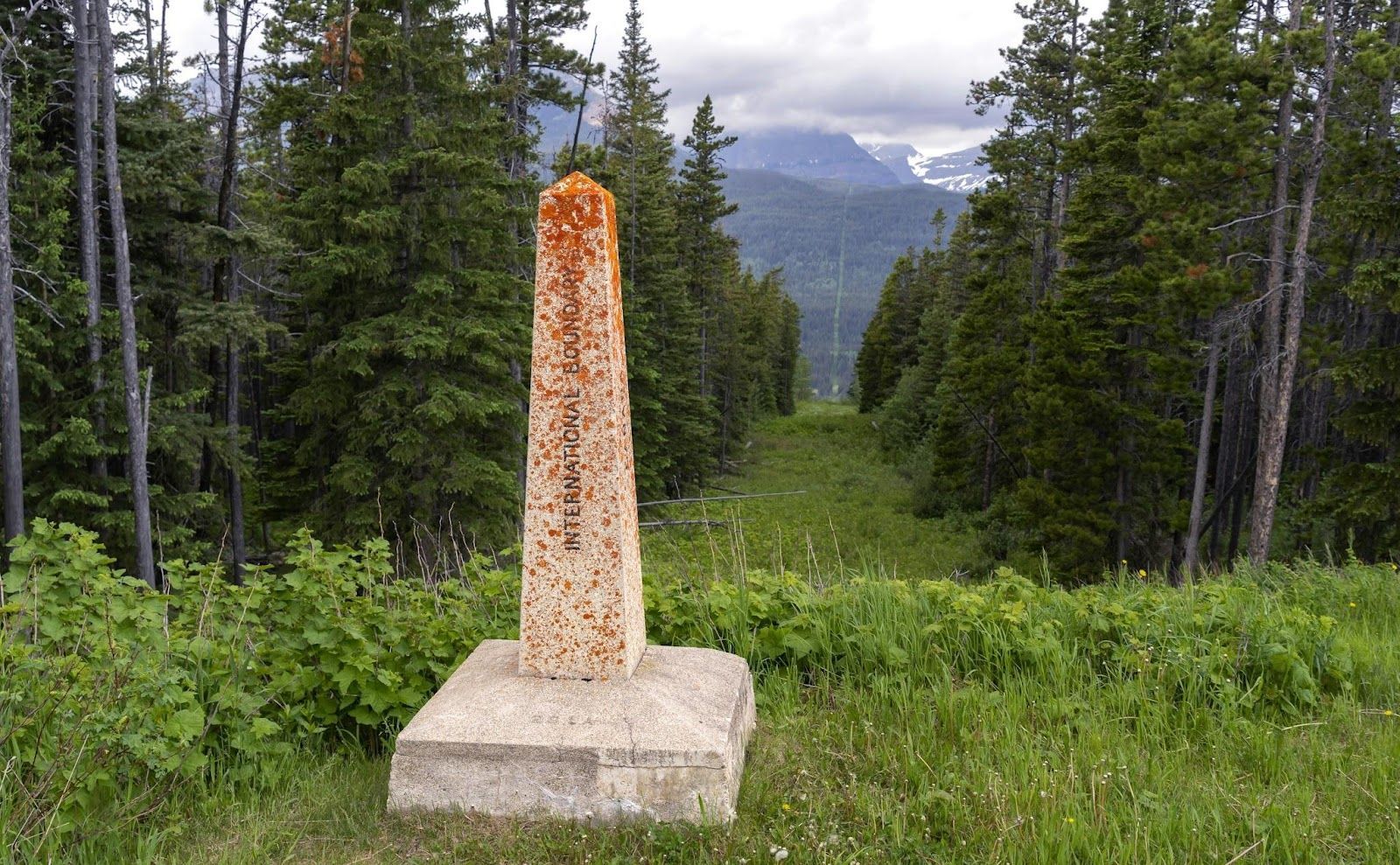 Image: Jim Witkowski
Borders are treated seriously—but not always. From prank invasions to livestock wandering into the wrong country, some of history's most absurd geopolitical clashes are downright comedic. While most of these disputes didn’t lead to war, they certainly led to raised eyebrows, diplomatic side-eyes, and in a few cases, friendly resolutions over a shared drink.
Pheasant Island Custody Battle
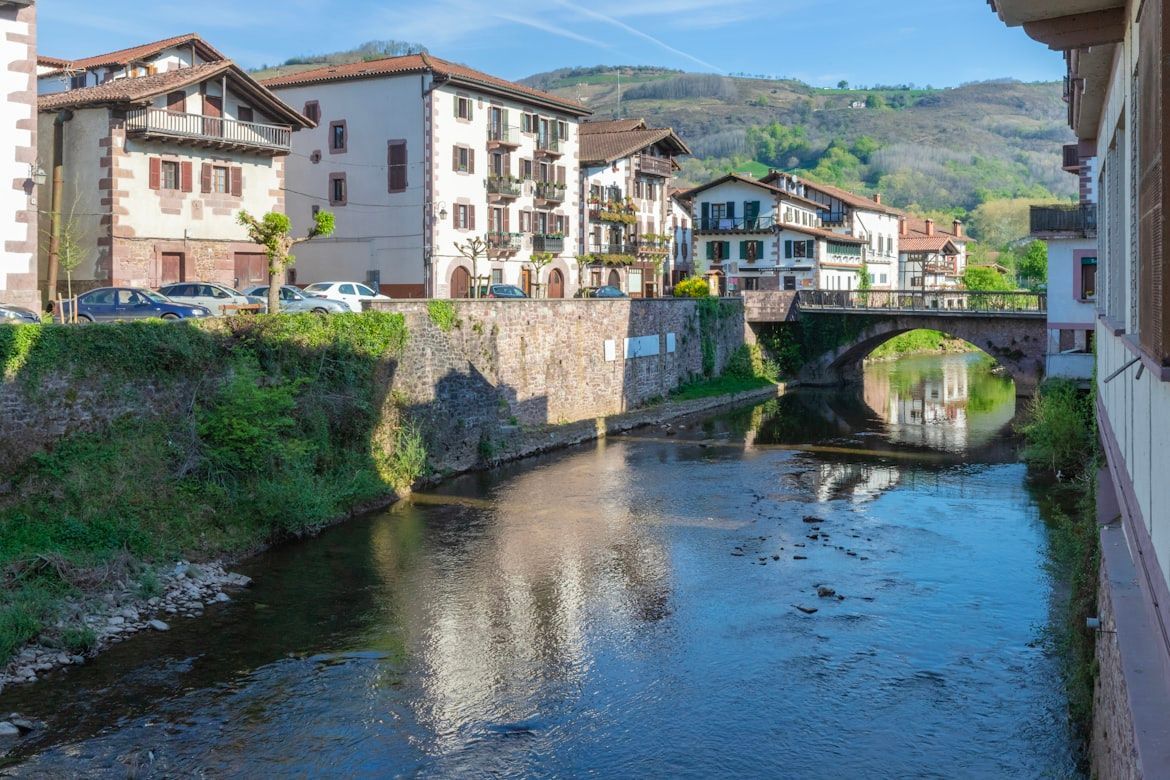 Image: Jordi Vich Navarro
France vs. Spain, 1659–present
After the Treaty of the Pyrenees, France and Spain agreed to co-own a small island in the Bidasoa River. But how? By literally swapping custody every six months.
For centuries, Pheasant Island has switched national flags twice a year without issue—despite having no permanent residents.
The Whisky War
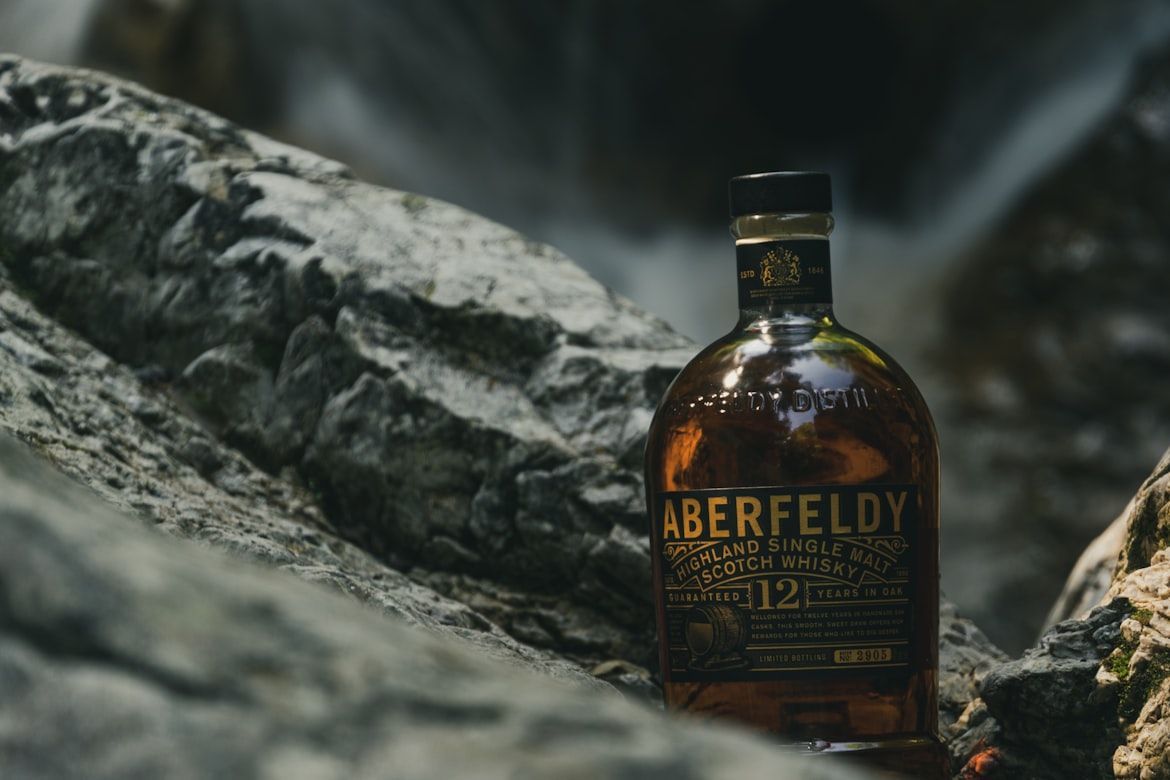 Image: Felix W.
Canada vs. Denmark, 1984–2022
For nearly 40 years, Canada and Denmark playfully "invaded" Hans Island, which by the way is a completely barren rock islet, by planting flags and leaving bottles of liquor behind.
In 2022, after many years of endless border pranks (and shared liquor), the two countries finally agreed to split the rock 50/50, calling it the "Whisky War" resolution.
The Pig War
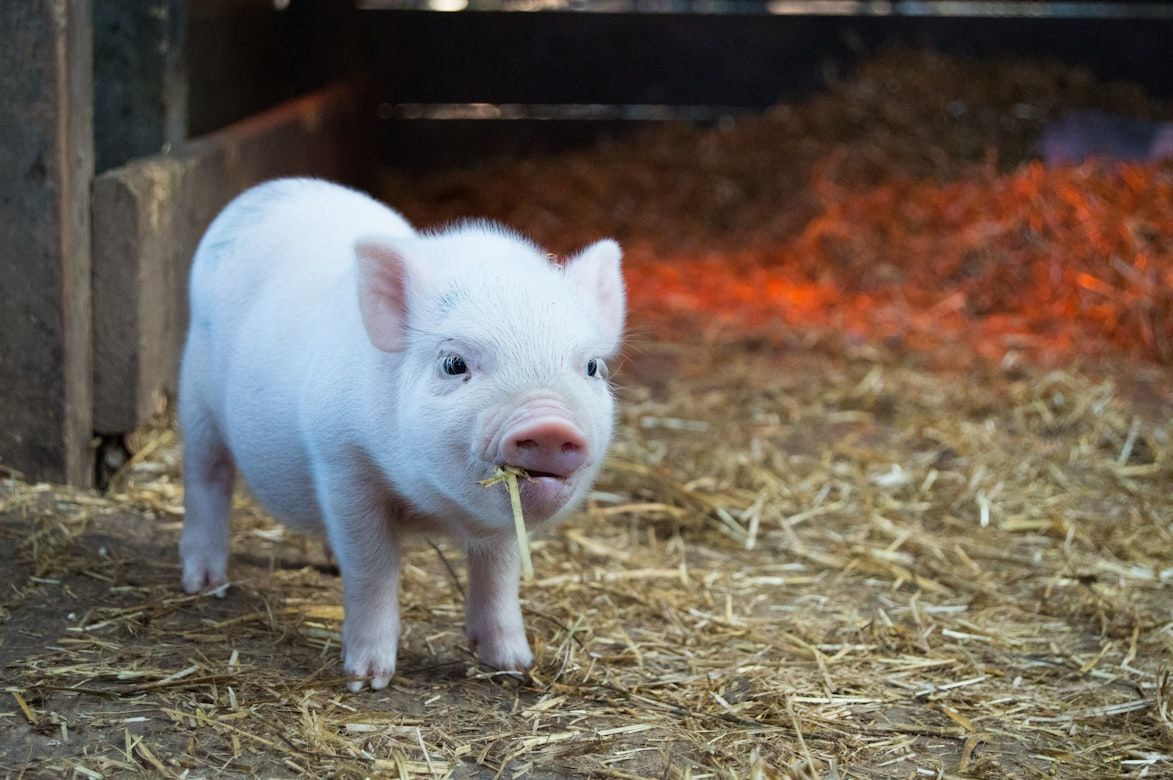 Image: Christopher Carson
USA vs. UK, 1859
It all started when an American farmer shot a British pig rooting in his potato patch on the San Juan Islands. This seemingly minor incident, however, sparked an international crisis that was only narrowly averted after U.S. President James Buchanan himself stepped in.
After this event, troops camped in a peaceful standoff for 12 years until arbitration gave the islands to the U.S. No human lives were lost, but still, sadly, the pig became the sole casualty of the conflict.
The Land Nobody Wants
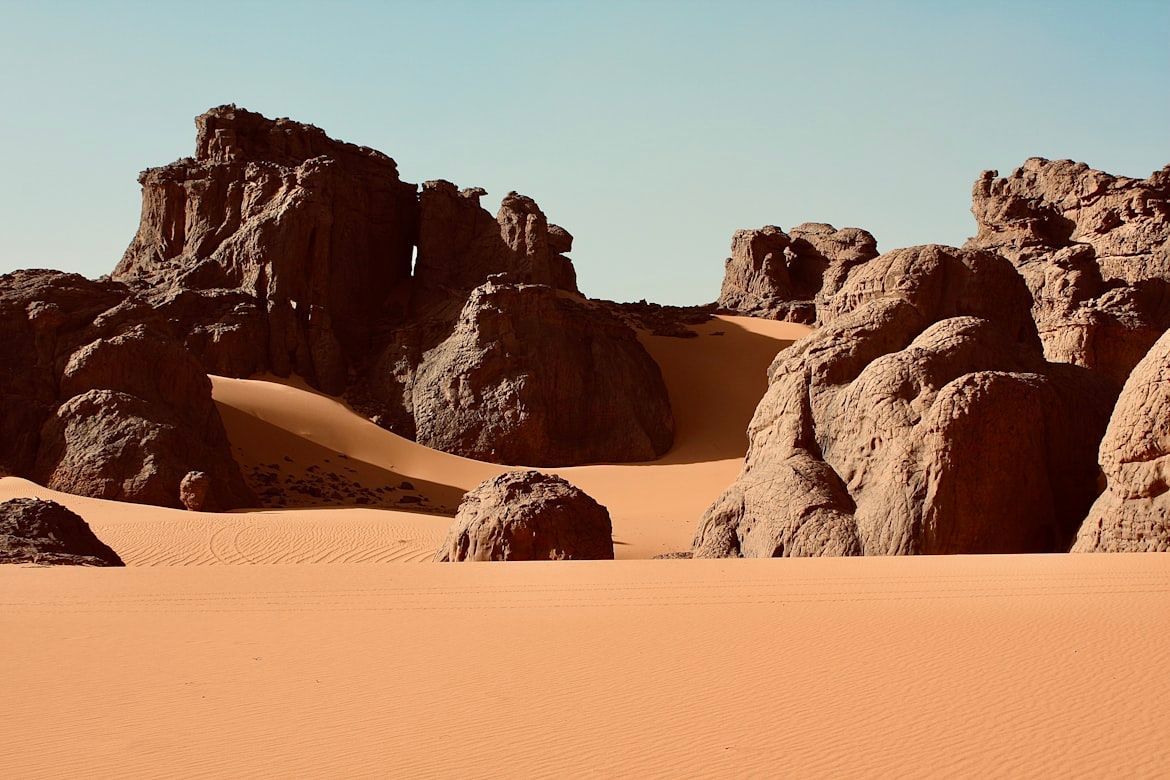 Image: Azzedine Rouichi
Egypt vs. Sudan, 1902–present
Due to conflicting colonial maps, Egypt and Sudan both claim the more valuable Hala'ib Triangle—and disown Bir Tawil, a barren strip of desert.
To this day, Bir Tawil remains one of the few unclaimed territories on Earth. Many micronations and would-be monarchs have planted flags there, but no one officially claims it.
Vennbahn Railway Exclaves
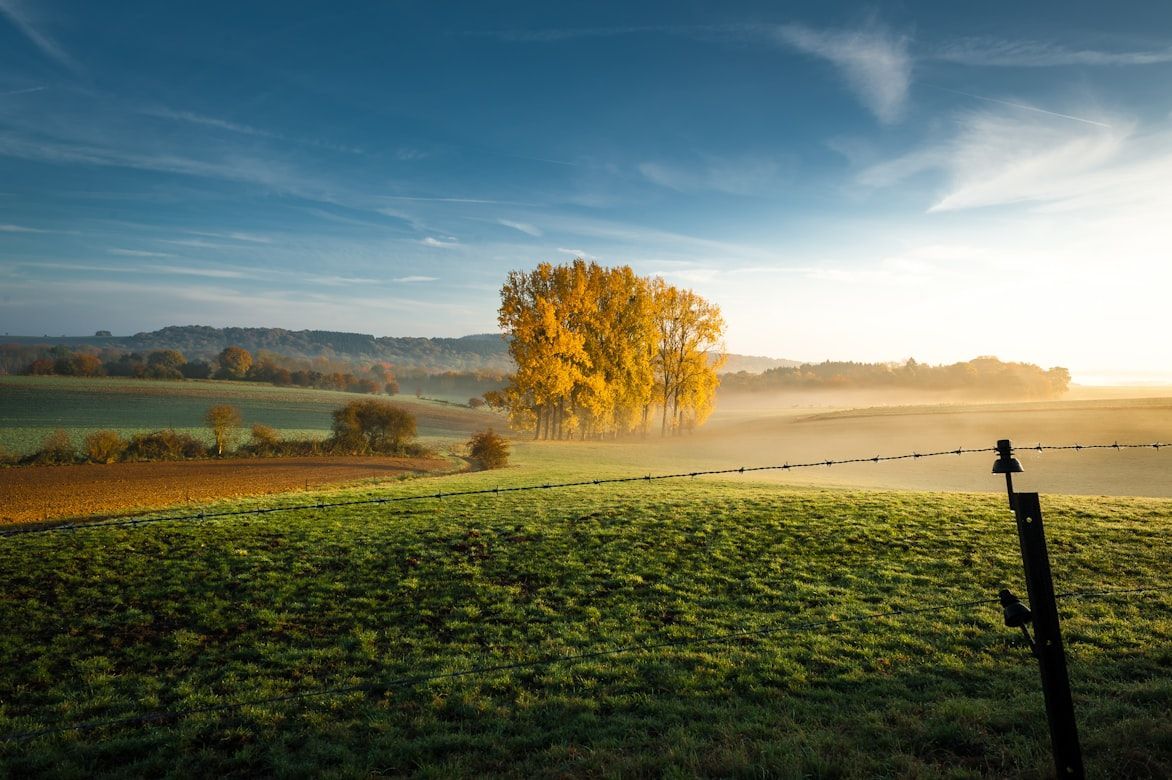 Image: Vincent Foret
Belgium vs. Germany, 20th century
After Germany’s defeat in the First World War, it was required to cede vast swaths of land to other European nations. Among these was the Vennbahn, an old railway built under the German Empire.
When the Vennbahn railway tracks were transferred to Belgium, a peculiar situation arose: the railway snaked in and out of what was rightfully German territory, creating hundreds of small German exclaves entirely surrounded by Belgian land.
The Missing Island
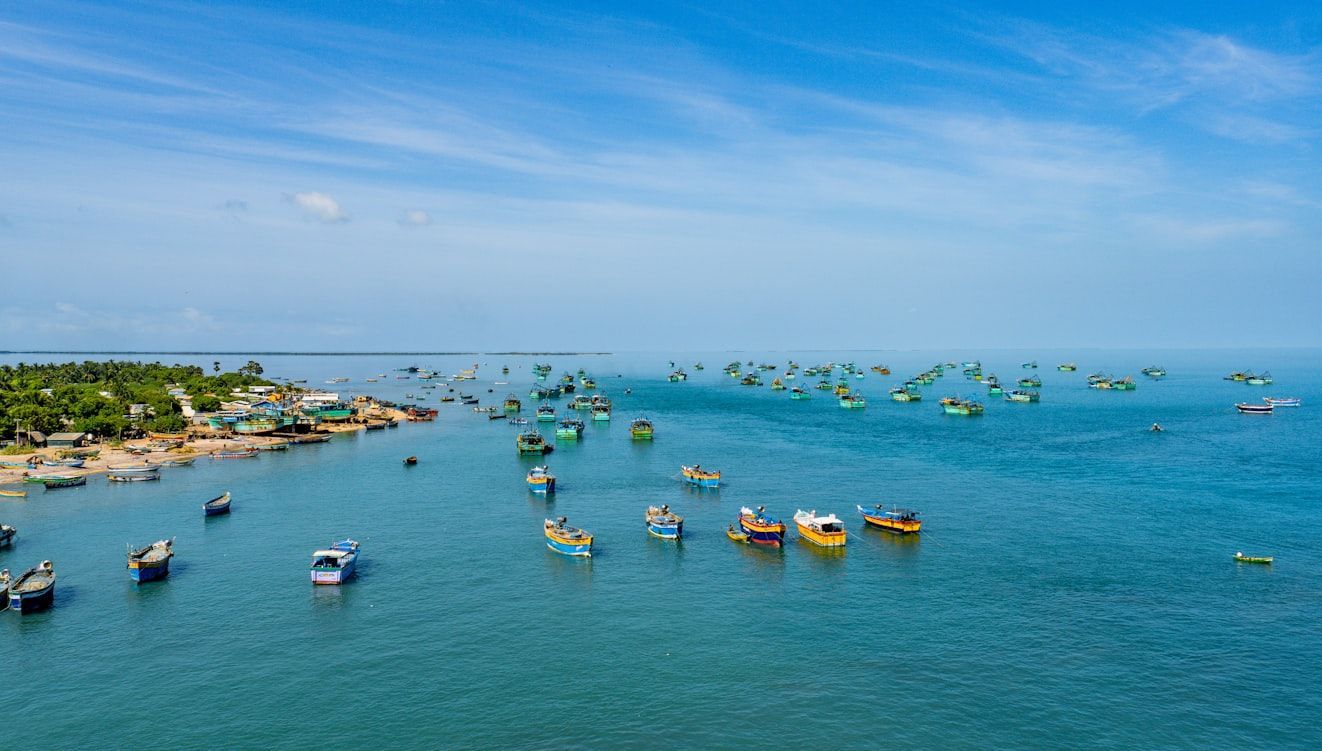 Image: Priya Singh
India vs. Bangladesh, 1970–2010
New Moore Island was a small, uninhabited sandbar that unexpectedly emerged from the Bay of Bengal in the 1970s, and both countries claimed it—only for the sea to reclaim it in 2010.
The long-winded dispute disappeared as literally as the island itself, with nature doing the diplomacy by sinking the land back underwater.
The Bridge to Nowhere
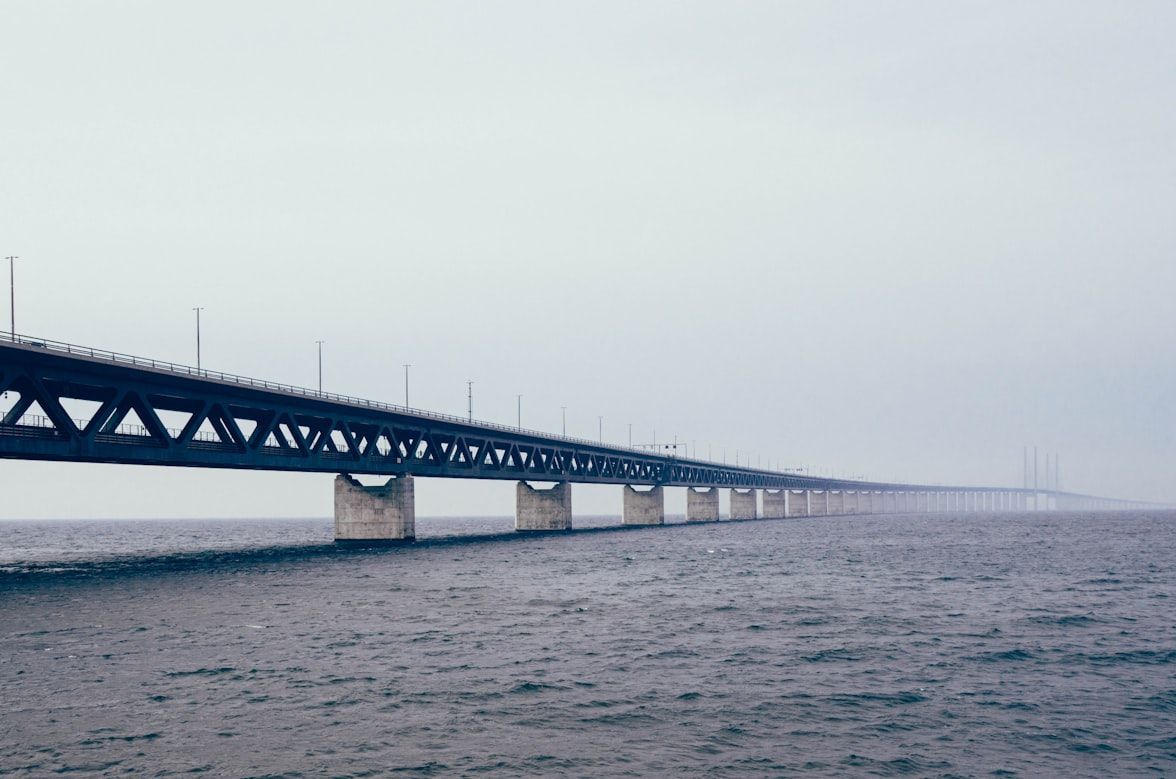 Image: Cristina Munteanu
Russia vs. China, 2000s
Not exactly a border dispute, but more of an unfulfilled promise and stalled partnership—a massive steel bridge across the Amur River, separating Russia and China, remained unfinished for years, stopping mid-stream due to inactivity on the Russian side.
This created a humorous situation for locals on the Chinese side, who could see that their half of the bridge was completed long ago, yet it led to nowhere. Eventually, Russia completed its half—but only after satellite photos of the disconnected bridge ends went viral.
The Fence War
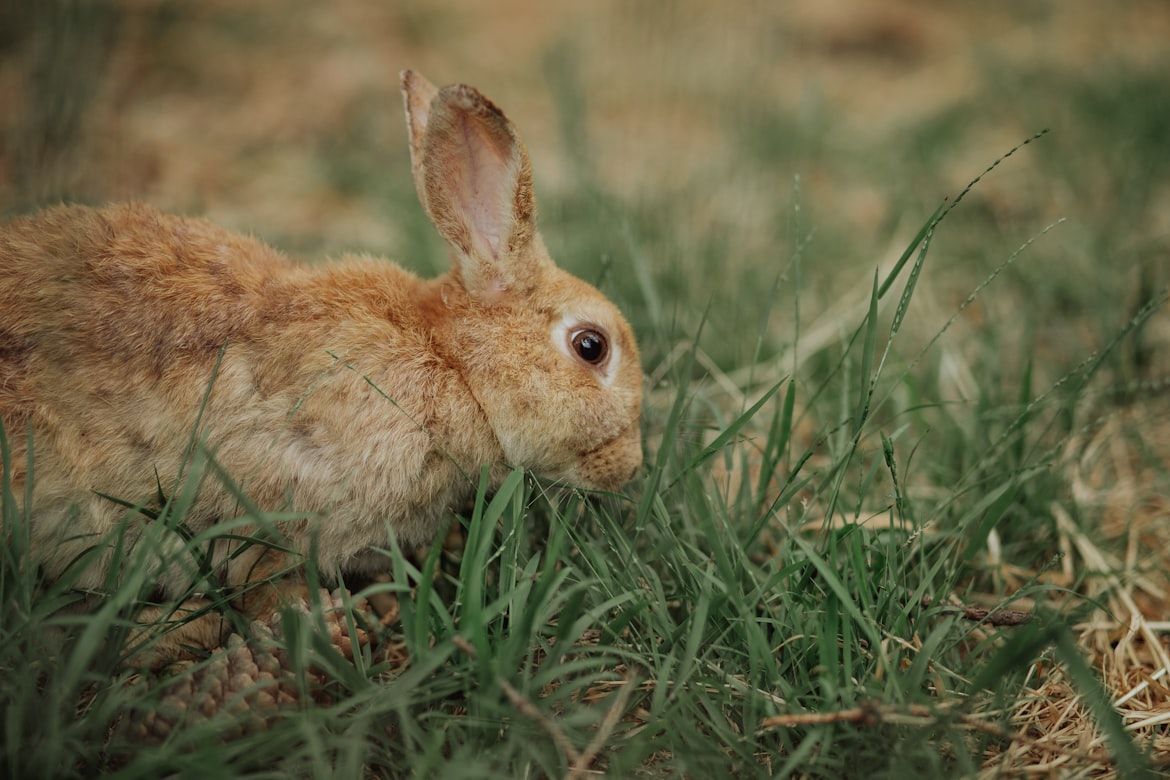 Image: Caleb Woods
Australia vs. Rabbits, 1900s
Not a nation-vs-nation conflict, but a border of sorts: Australia once built a 2,000-mile fence to separate rabbit-infested regions from rabbit-free ones.
However, the rabbits won in most cases, either by digging under or jumping over. While the fence failed to completely stop them, it did become a bizarre national landmark.
The Null Island
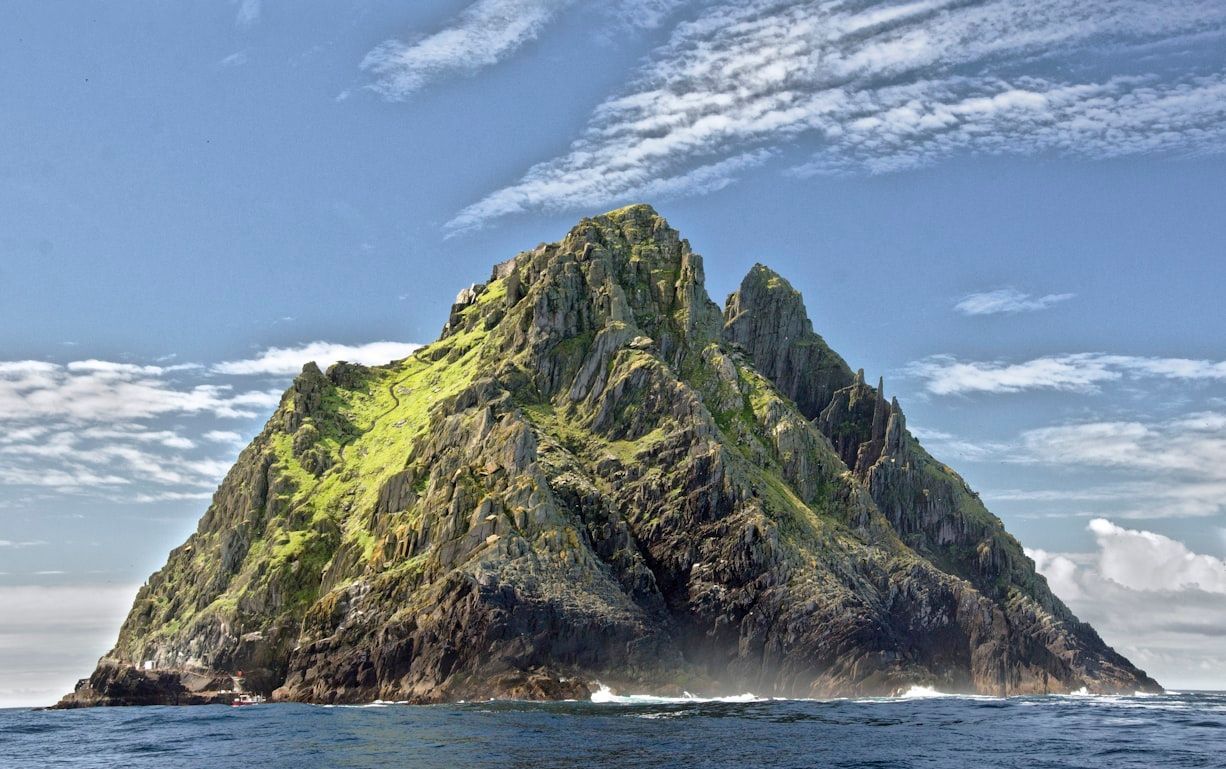 Image: Michael
Imaginary
While there were no actual disputes here, since the territory in question is completely fictional, "Null Island" is a fun example of a made-up place created solely for cartographic purposes.
Located at 0°N, 0°E, this imaginary island is often used humorously in mapping and geographic databases, or as a placeholder for errors—a sort of cartographic joke.
Neutral Moresnet Micronation
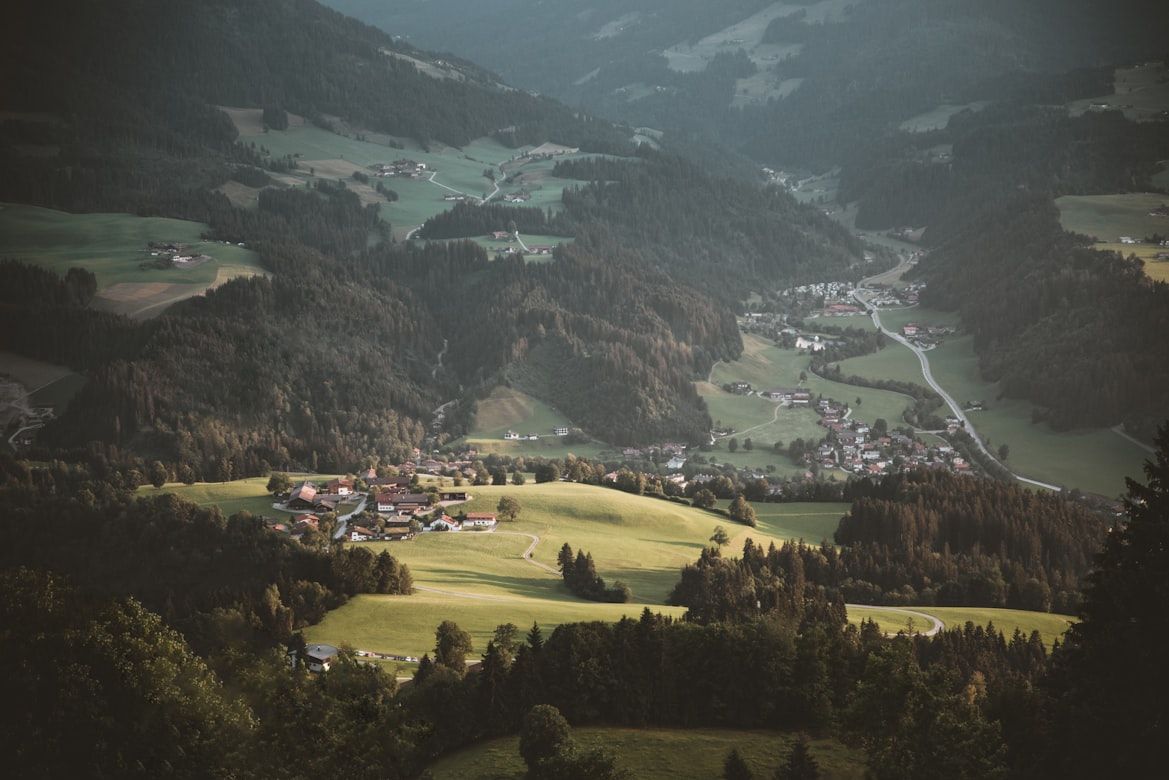 Image: Stephan Seeber
Belgium vs. Prussia, 1816–1919
For almost a century, a small triangle of land with a valuable zinc mine became a "neutral" zone jointly administered by two countries—mainly to circumvent the new border policies established by the 1814 Congress of Vienna.
A flag was even designed, and over time, locals proposed adopting Esperanto as the official language, with some pushing for independence. The League of Nations eventually dissolved the territory, but not before it became Europe’s weirdest almost-country.