Tales of bravery

10 daring animals who faced danger head-on


Published on April 3, 2026


Image: Jeswin Thomas

Not all heroes wear capes—some have paws, hooves, or even feathers. Throughout history, animals have often stepped in during emergencies, showing instincts and loyalty that proved crucial in saving human lives. From battlefield messengers to unexpected home guardians, here are 10 real cases of animals whose quick actions made all the difference.

1

Balto

Image: Benjamin Zanatta

In 1925, a diphtheria outbreak struck Nome, Alaska. Sled dog Balto led the final leg of a 674-mile relay in brutal conditions, delivering life-saving serum.

Balto’s navigation through blizzard conditions earned him national fame. A statue in New York’s Central Park honors his role.

2

Cher Ami

Image: Lallaoke

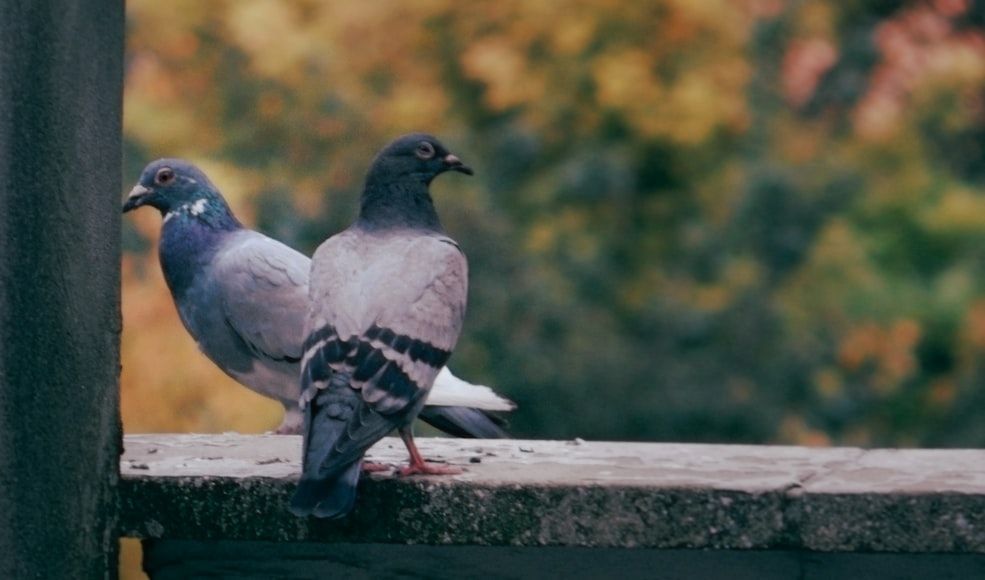
During WWI, Cher Ami carried a message that saved nearly 200 men of the "Lost Battalion." Despite being shot and severely injured, the pigeon completed its flight.

Cher Ami was awarded the French Croix de Guerre and is preserved at the Smithsonian.

3

Lulu

Image: Kenneth Schipper

In 1998, Lulu the pig squealed and blocked traffic until a driver followed her home, rescuing her owner, who was suffering from a heart attack.

The pig’s persistence and apparent understanding of the emergency captured national attention at the time.

4

Sergeant Stubby

Image: Jonathan Cooper

Stubby, a stray pit bull mix, became a WWI mascot and hero. He warned soldiers of gas attacks on several occasions and even caught a German spy!

For his heroic service, Stubby earned several medals, and his achievements are displayed at the Smithsonian’s National Museum of American History.

5

Tara

Image: Yerlin Matu

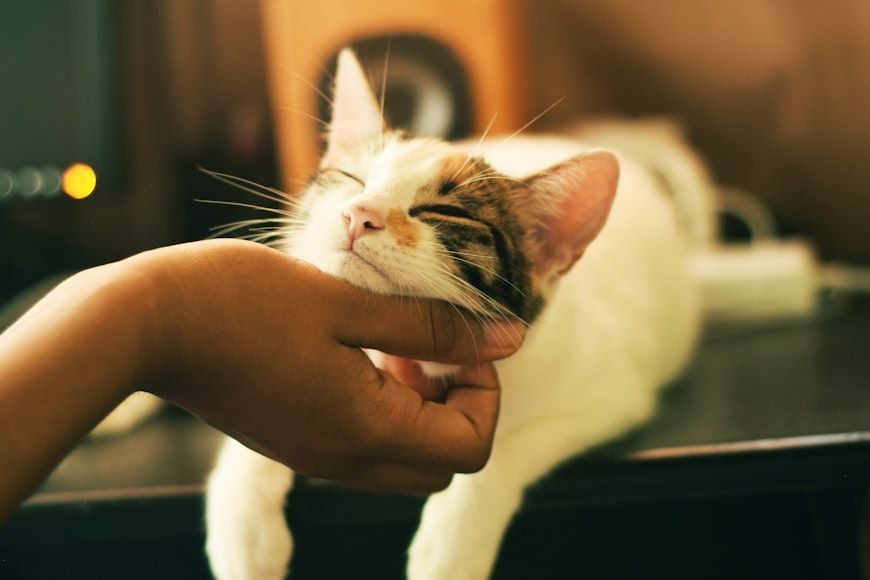
In 2014, surveillance footage showed Tara the cat leaping at and aggressively confronting a dog that attacked her family’s toddler.

The video went viral, cementing Tara as proof that cats can also be fearless defenders of their humans.

6

Willie

Image: Jonah Pettrich

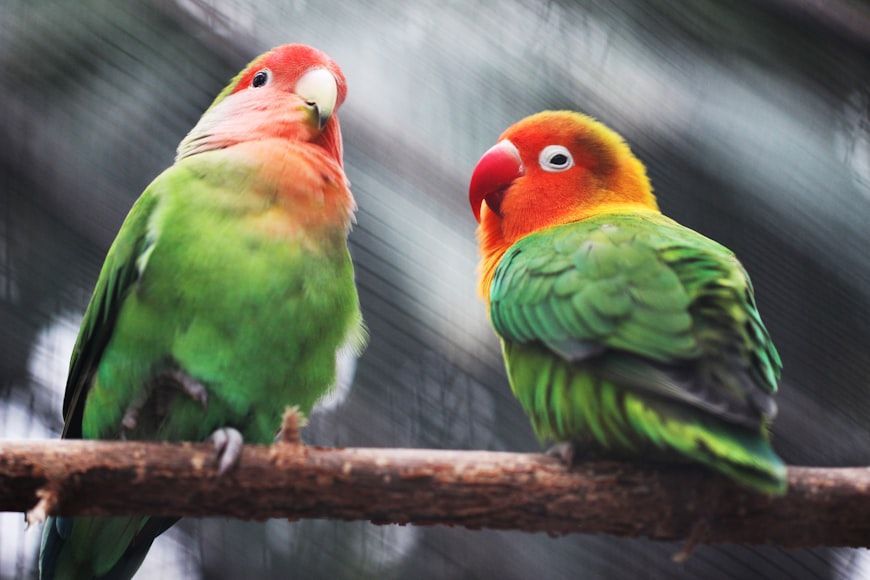
In 2008, Willie the parrot squawked "Mama, baby!" when a toddler began choking on food. His cries alerted the babysitter, who quickly intervened and saved the child.

Willie received the Animal Lifesaver Award from the Red Cross for his actions.

7

Buddy

Image: photo nic

Trained as a seizure response dog, Buddy once guided Alaska State Troopers to his owner’s home after a fire broke out in 2010.

After his owner suffered minor burns from a gasoline fire, he instructed Buddy to "get help." Buddy led Trooper Shanigan through remote, snow-covered back roads to the scene, as captured by the trooper's dashcam.

8

Moko

Image: NOAA

In 2008, Moko, a young bottlenose dolphin, guided two pygmy sperm whales off Mahia Beach, New Zealand, where they were at risk of stranding. Human efforts failed, but the whales followed Moko to deeper waters.

Conservation officers confirmed the rescue, and TIME later included Moko in its "Top 10 Heroic Animals" for this rare example of cross-species cooperation.

9

Lucky

Image: Steve Smith

In 2013, Lucky, a German Shepherd in Virginia, was shot while defending his family during a home invasion. He stayed alert despite his injuries until help arrived.

Lucky survived surgery and recovered fully, earning national attention for his courage and loyalty.

10

Prieta

Image: Helena Lopes

In 2019, Prieta, a horse in Simi Valley, California, ran back into a burning barn to rescue a young colt named Onyx. She squeezed through a narrow gap and guided the colt out of danger, despite the smoke and flames.

The rescue was captured on video and widely shared, earning Prieta recognition for her bravery.

What science says

It was false after all: 10 health myths that sound true—but aren't


Published on April 3, 2026


Image: Alicja Gancarz

Health myths are everywhere! These ideas were simply passed down for so long that they became part of what we believed. But now science has stepped in to clear things up. Does cold weather make you sick? Can lemon detox your body? Is reading in low light really harmful? Let's uncover the truth behind 10 common health myths!

1

Cutting your hair makes it grow faster

Image: Element5 Digital

Have you ever been told that cutting your hair will make it grow faster? We're sorry to say that's just a myth. Hair grows from the root, not the ends. So, trimming it won't boost growth, though it does help remove split ends that can make your hair look dry or unhealthy.

2

Cold weather causes colds

Image: Thom Holmes

This is one of the most common health myths. Cold weather often gets blamed, but it's not the temperature that makes you catch a cold. During winter, we tend to stay indoors with others and keep the windows closed, an environment that makes it easier for viruses to spread. That's why colds tend to be more common in winter!

3

Eating before bed makes you gain weight

Image: Michelen Studios

The idea that eating before bed automatically leads to weight gain is a myth. In reality, it has more to do with what you eat and how much, rather than the time of day. Often, when we eat very late at night, we're tired and more likely to reach for quick, high-calorie, heavy foods. This can disrupt sleep and lead to consuming more calories than we burn, both of which may affect weight. If it's close to bedtime, it's better to have something light and healthy in a moderate portion than to skip a meal altogether.

4

Wearing glasses weakens your vision

Image: Bud Helisson

Does wearing glasses weaken your vision? Myth! If an eye doctor prescribes glasses, wearing them as directed helps correct your vision; it won't make it worse. Additionally, the right glasses can help prevent or reduce headaches caused by reading or spending long hours in front of a screen.

5

Reading in low light causes permanent eye damage

Image: Amir Balam

This myth is closely related to the previous one. If you love reading and sometimes have to do it in low light because of the situation, don't worry. According to experts, reading in low light doesn't cause permanent or irreversible eye damage. However, it's not recommended because it can make your eyes feel tired or strained, leading to discomfort or headaches.

6

You need to drink 8 glasses of water a day

Image: engin akyurt

We're all different, and so are our bodies. The idea that everyone should drink exactly eight glasses of water a day is more of a general guideline than a rule. Staying well hydrated throughout the day is extremely important, but how much water you need depends on factors like your weight, age, climate, and overall health. We should prioritize staying consistently hydrated instead of obsessing over the number of glasses we drink.

7

Lemon water detox and cleanse your body

Image: Tirza van Dijk

Some people say drinking lemon water helps eliminate toxins and cleanse the body. While adding a slice of lemon to your water is a refreshing way to stay hydrated, it doesn't have any special "detoxifying" powers. The vitamin C in citrus fruits is beneficial, but the body has its own natural detox system. The liver and kidneys are the main organs that filter waste and eliminate toxins.

8

All fat is bad

Image: Aneta Voborilova

Not all fats are bad! Just like other food groups, your body needs fats to function properly. The important thing is knowing the difference between healthy fats and those that can be harmful. Foods like avocados, seeds, olive oil, fish, and nuts are rich in healthy fats. On the other hand, the fats found in processed or fried foods are the ones that can have a negative impact on your body.

9

Liver disease is always caused by alcohol or fats

Image: Elevate

Liver diseases can be serious. While heavy and frequent consumption of alcohol and fats is a major contributor, it's not the only cause. Liver problems can also result from many other factors. These include viral infections, autoimmune diseases, genetic disorders, high blood pressure, and exposure to certain chemicals.

10

Breakfast is the most important meal

Image: Brooke Lark

There's some truth to it: breakfast is important because it replenishes our glucose and energy levels and supports proper metabolism. However, the idea that it's the most important meal of the day might be an exaggeration. Everyone's body has different needs, and all meals are important, so we shouldn't skip any of them!

Looking for an extra scoop of literary fun?

Learn more with our Word of the day

reach

/ritʃ/