THIS ARTICLE AIN’T NO HARDTACK
An Educated Sailor’s Lingo: 10 Old Whaling Terms Explained
Published on December 4, 2024
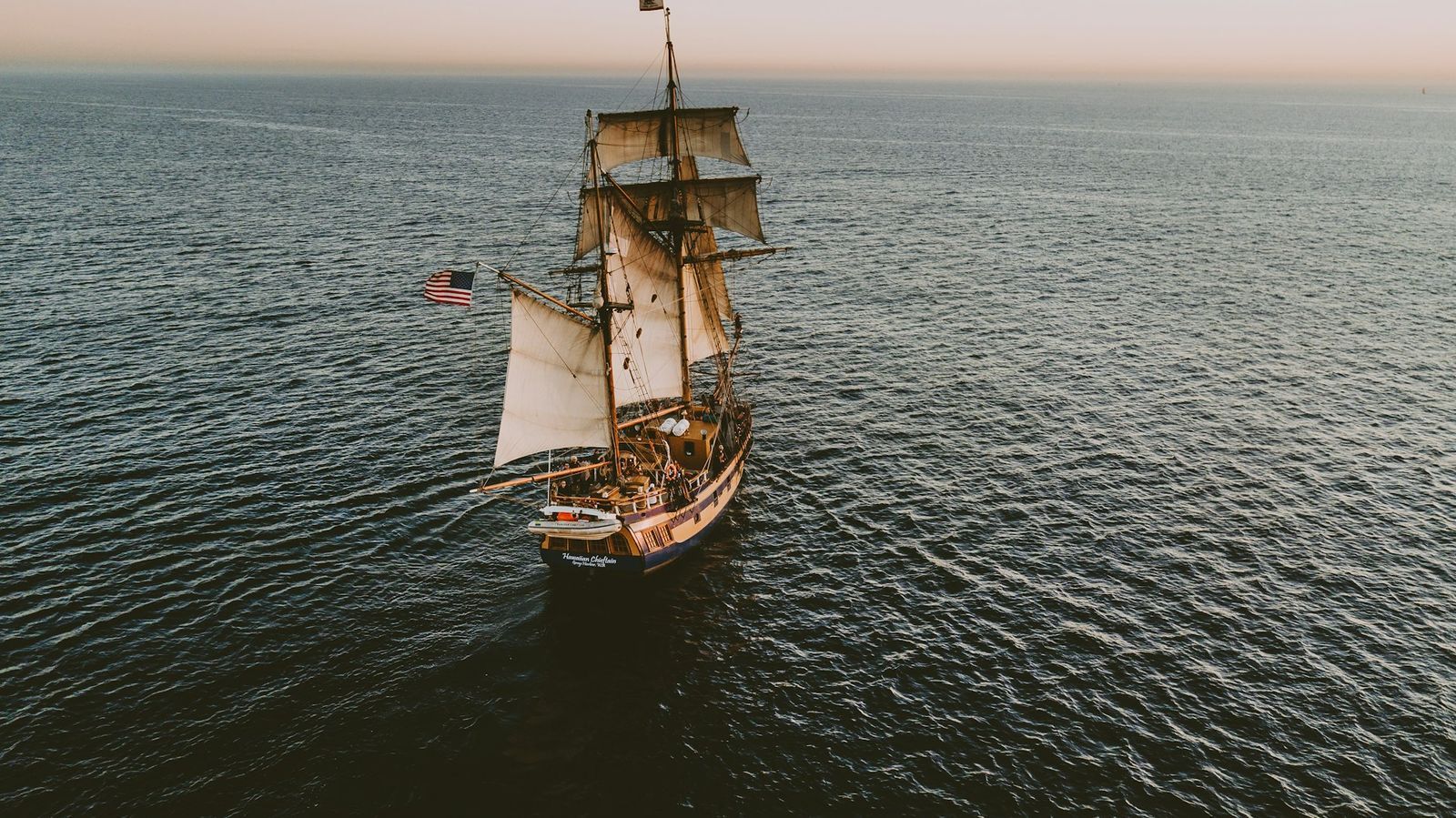
Even though every profession has its own lingo, few are as colorful as the nautical ones. Maybe it has to do with the sea breeze or the adventurous nature of the people who dared to spend a long time at sea at a time when neither medicine nor safety were very advanced. In any case, the sea has always been a treasure trove of specific terms, and the ancient whaling profession had quite a few idioms of its own. In the following list, we embark on a voyage across ten of these terms. So, scroll on and learn a thing or two, sailor!
Green Hand
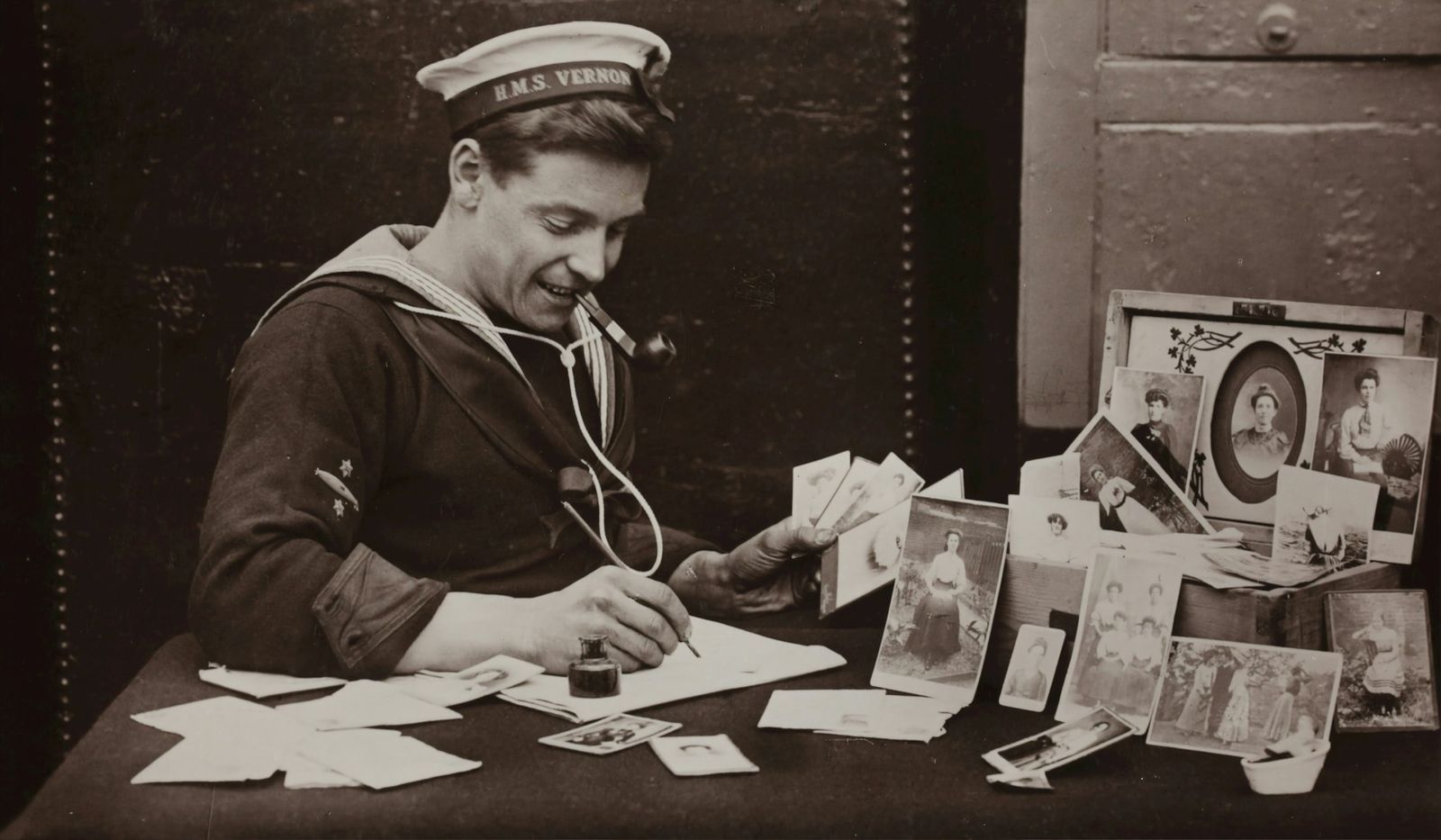
Everybody has to start somewhere, and that includes whaling ships. A green hand was the term used to describe an inexperienced crew member of a 19th-century whaler on his first voyage, who would typically have the smallest "lay", or share, in the profits.
Green hands would usually take care of the simplest chores, like moping the decks, cleaning, and doing the things that the rest of the crew didn’t want to do.
Boatswain
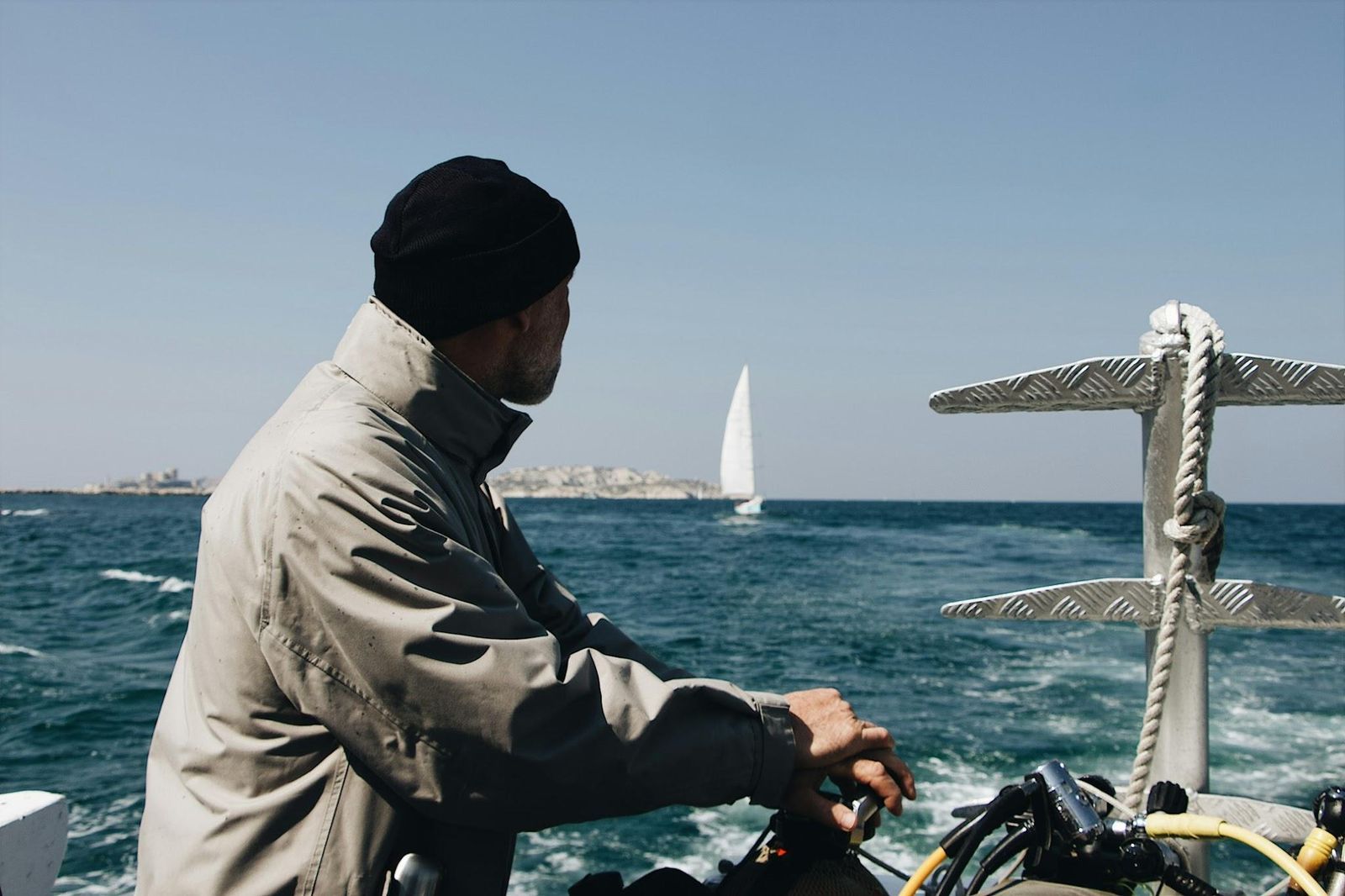
A very different ranking position, compared to the green hands, was the boatswain, also known as a deck boss or a qualified member of the deck department. This person was the most senior rate of the deck department and was responsible for the components of a ship's hull.
The boatswain supervised the other ship's deck department members, and typically was not a watchstander, except on vessels with small crews. Additional duties varied depending on the ship, crew, and circumstances.
Scrimshaw
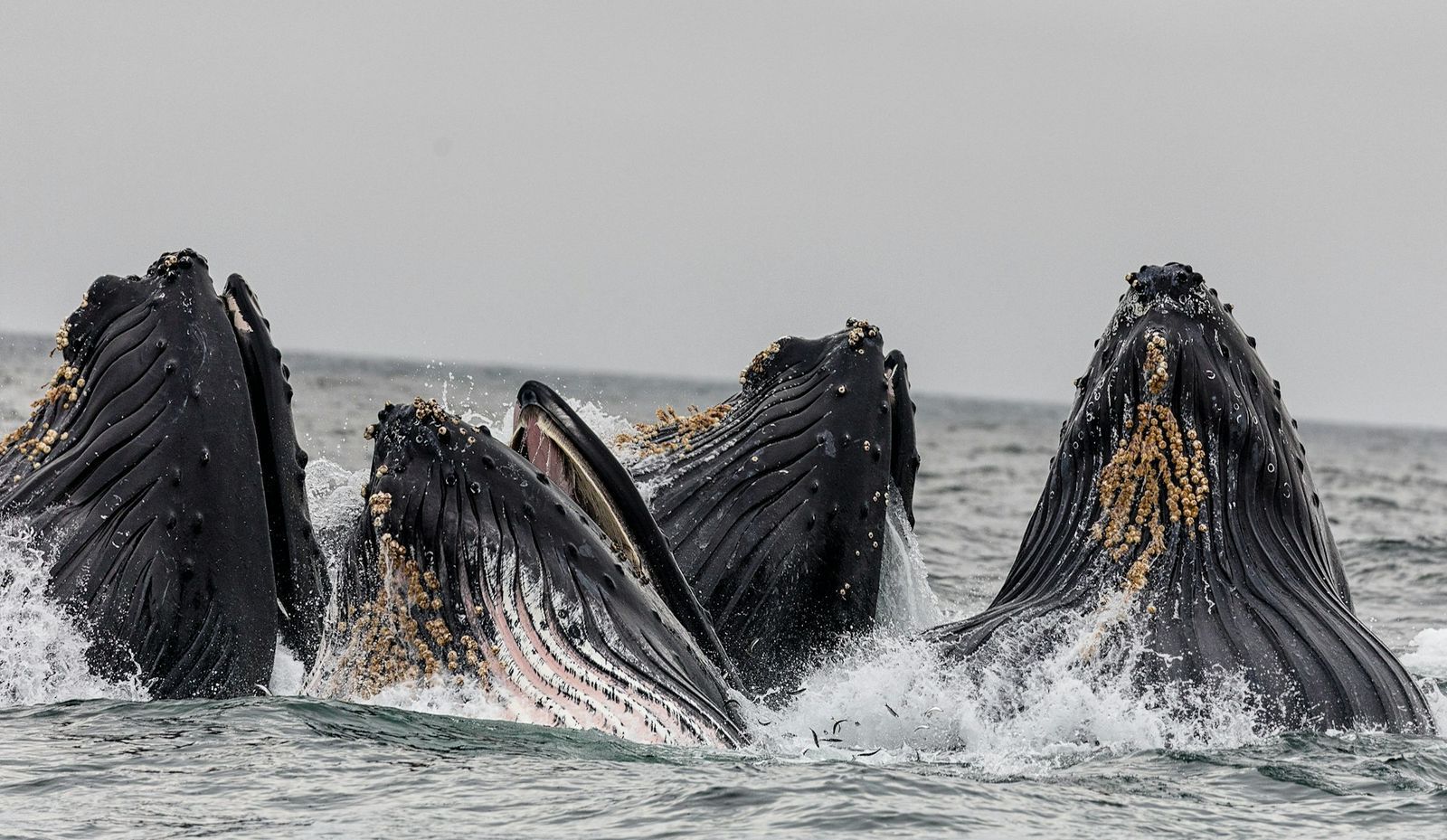
"Scrimshaw" is the name given to carvings done in bone or ivory, typically created by whalers, and engraved on the byproducts of whales, such as bones or cartilage. It is most commonly made out of the bones and teeth of sperm whales, because of their size.
This art form recreates elaborate engravings of pictures and lettering on the surface of the bone or tooth, with the engraving highlighted using a pigment. Scrimshaw probably began on whaling ships in the late 18th century and survived until the ban on commercial whaling.
Crow’s Nest
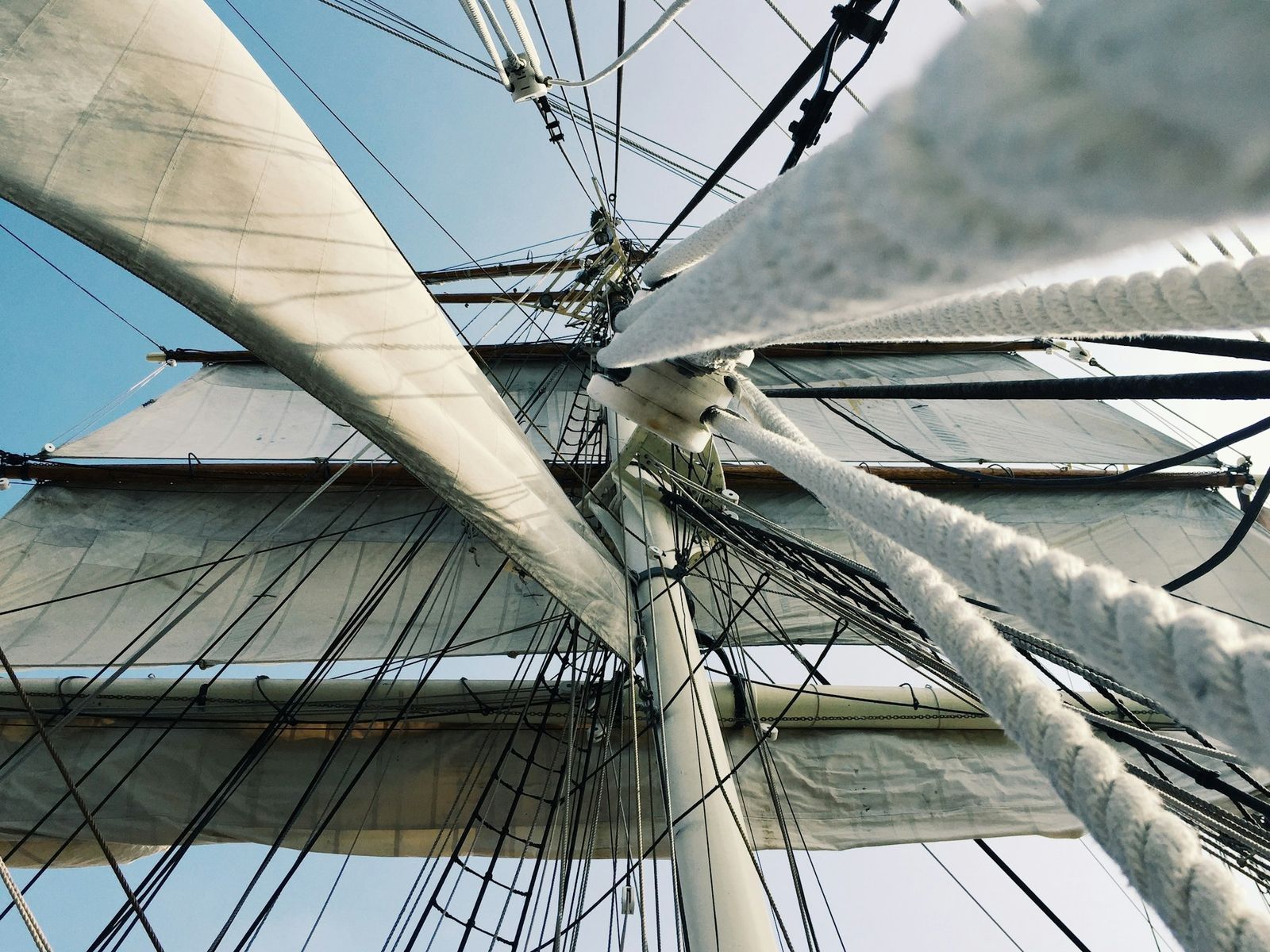
As the name implies, a "Crow’s Nest" is something that is high. Originally, it was a barrel lashed at the highest section of the mainmast where a man was stationed to look for whales or ice.
On ships, this position ensured the widest field of view for lookouts to spot approaching hazards, other ships, or land by using the naked eye or optical devices such as telescopes or binoculars.
Gam
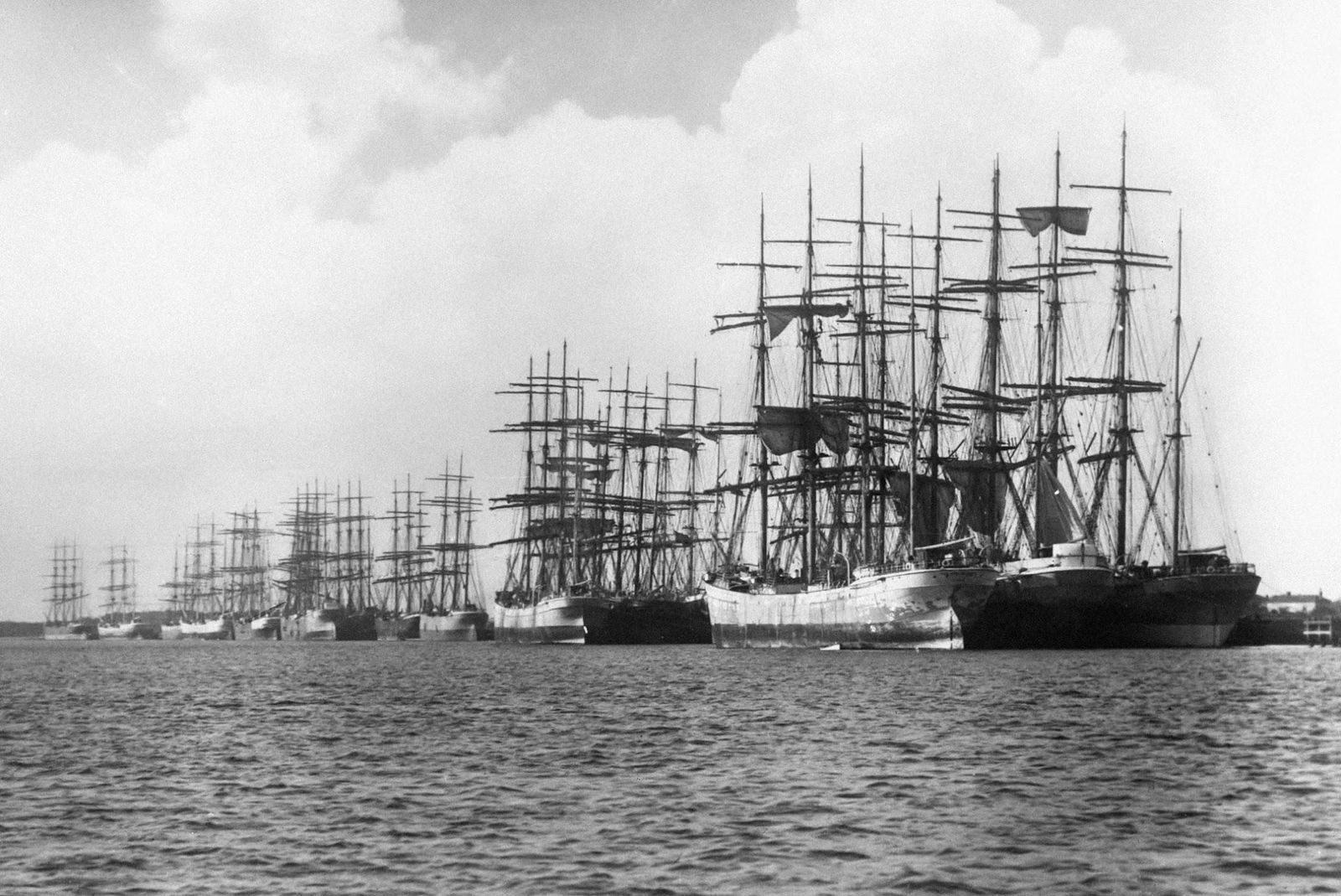
A "gam" was a social visit between whaling vessels, whalers, or the crew. It was coined in the 1840s and generally means pulling alongside another whaling vessel and "hopping" aboard to enjoy a social meeting.
Gamming was a way of taking a break from the monotony of the sea, seeing different faces, enjoying a pint of grog, some music, relaxing for a while, and helping boost the crew’s morale for all the ships involved
Hardtack

Back in the days when electricity and refrigeration were not around, food conservation was a complex endeavor, especially onboard ships that sailed for years on end. "Hardtack" is a type of dense cracker made from flour, water, and sometimes salt.
Being inexpensive and long-lasting, it was used for sustenance in the absence of perishable foods, commonly during long sea voyages, land migrations, and military campaigns.
Hove Down
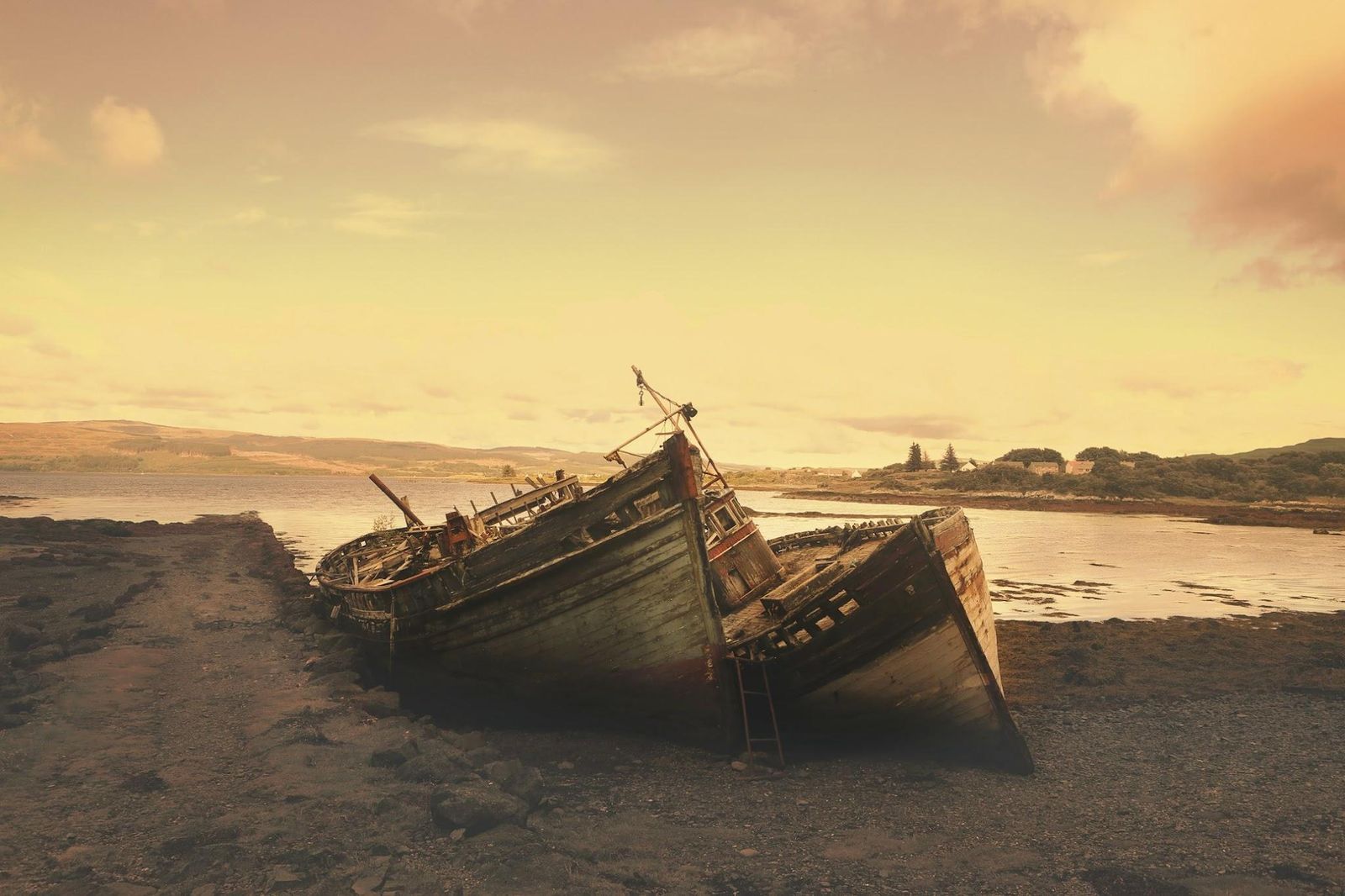
Whaling vessels were sturdy ships, capable of enduring the hardships of long voyages, and easily fixable, even far away from their home port. The word "hove" is the past tense of "heave", which in a nautical context means to move into a certain direction, position, or situation.
A vessel that is hove down is intentionally laid or tipped onto its side for repair, painting, or cleaning.
Cape-Horner

Even to this day, the Cape Horn is a feared place for sailors due to its terrible weather and conditions that have brought disgrace upon many ships. Back in the whaling days, this route was a common passage required to access the Pacific whaling grounds for whalers coming from Nantucket and New Bedford.
A large, square-rigged ship built to withstand the rigors of a Cape Horn passage was known as a Cape Horner.
Schooner
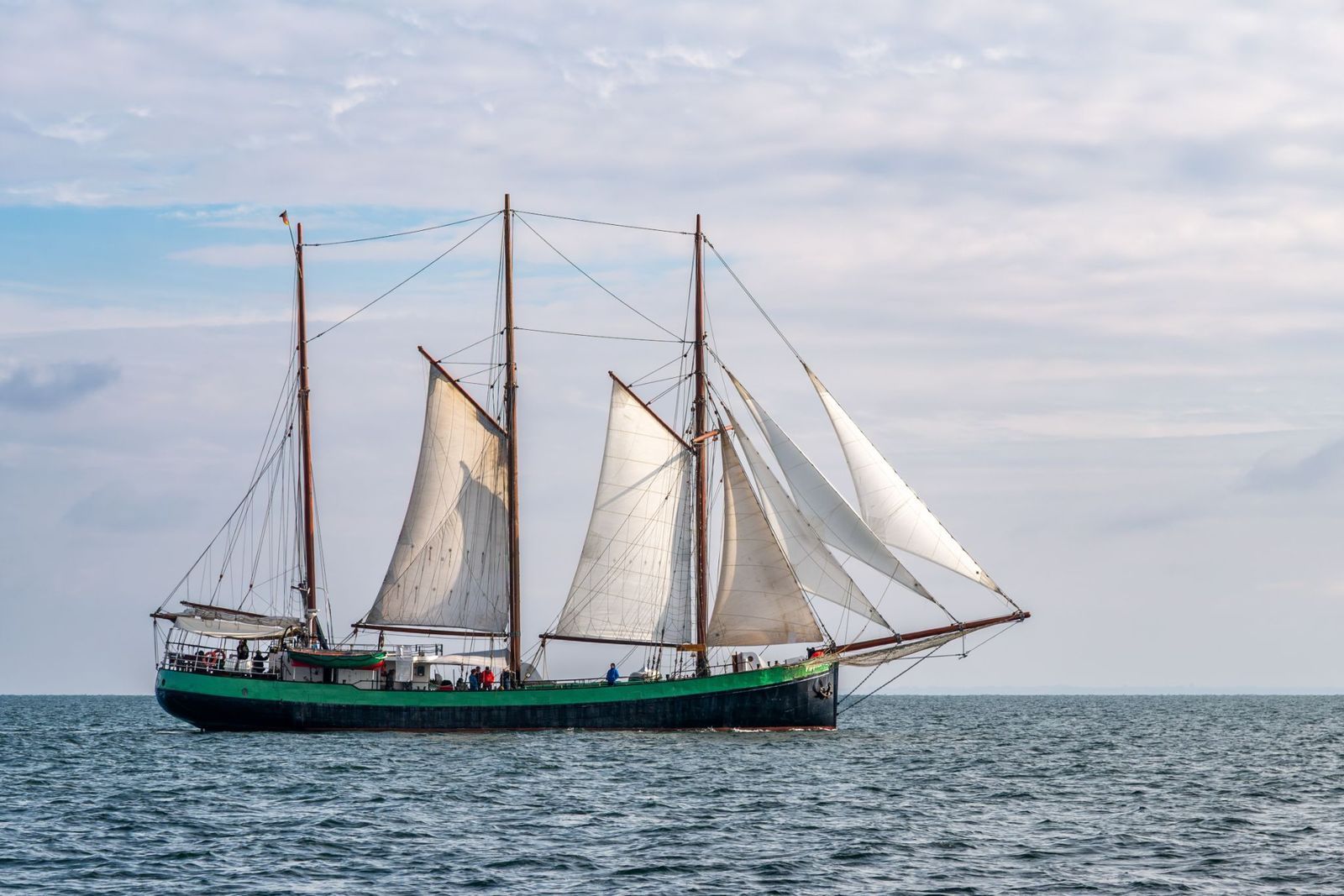
A "schooner" is a type of sailing vessel defined by its rig: fore-and-aft rigged on all of two or more masts and, in the case of a two-masted schooner, the foremast generally being shorter than the mainmast. This type of ship was commonly used as a whaling ship.
A topsail schooner also has a square topsail on the foremast, to which may be added a topgallant.
Lookout
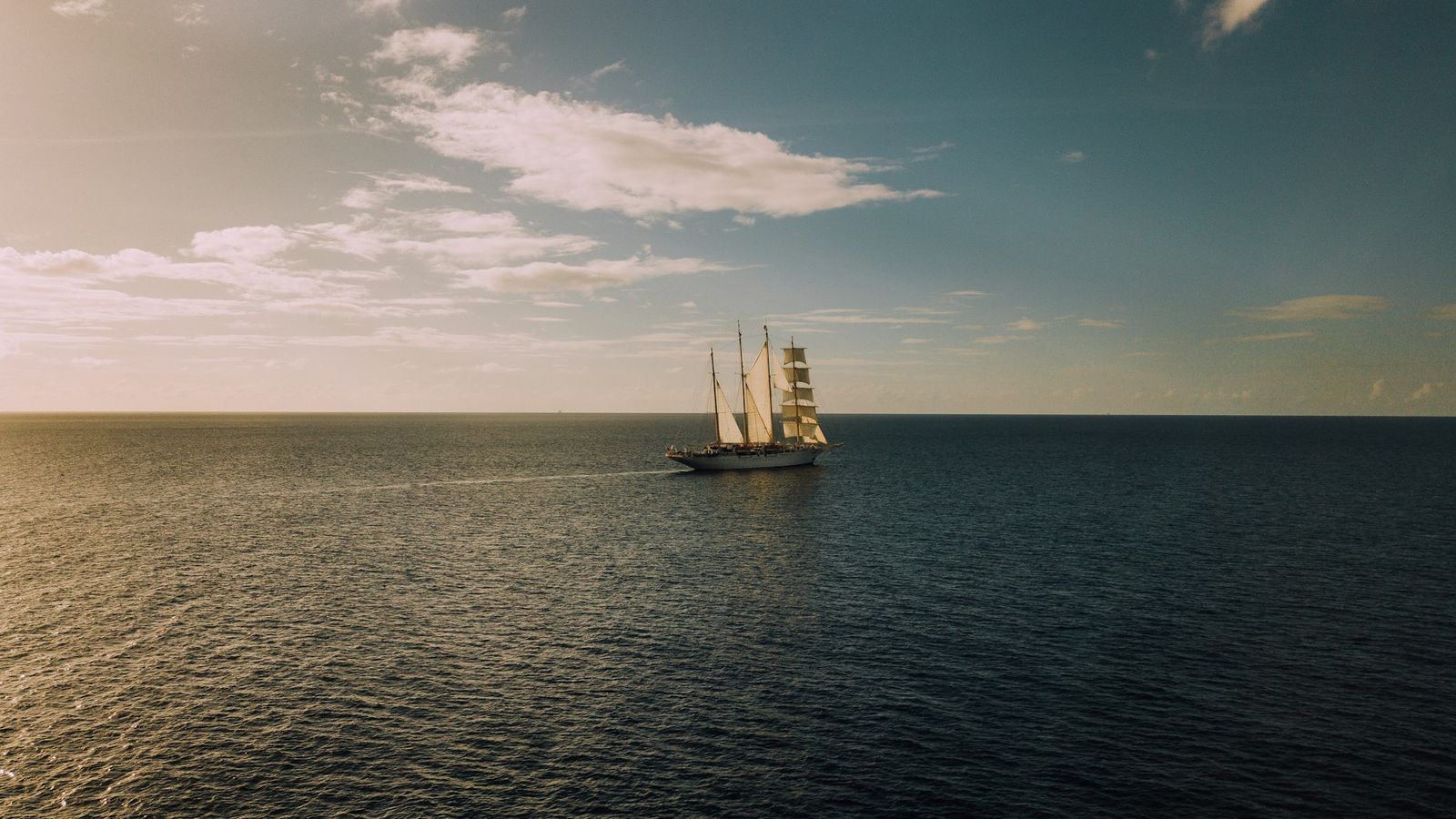
Having mentioned the crow’s nest in a previous entry, we can complete the description and this whole list with the role that is most usually connected to such a high place on the ship. The lookout is the person at the ship’s crow’s nest, or also bridge, who maintains a continuous watch of the sea to report the sighting of whales or any kind of hazard that can be an obstacle in the navigation and cause harm to the ship.


