Everybody loves a good sleep

Why do we “sleep tight”? 12 sleep-related idioms explained


Published on March 24, 2026
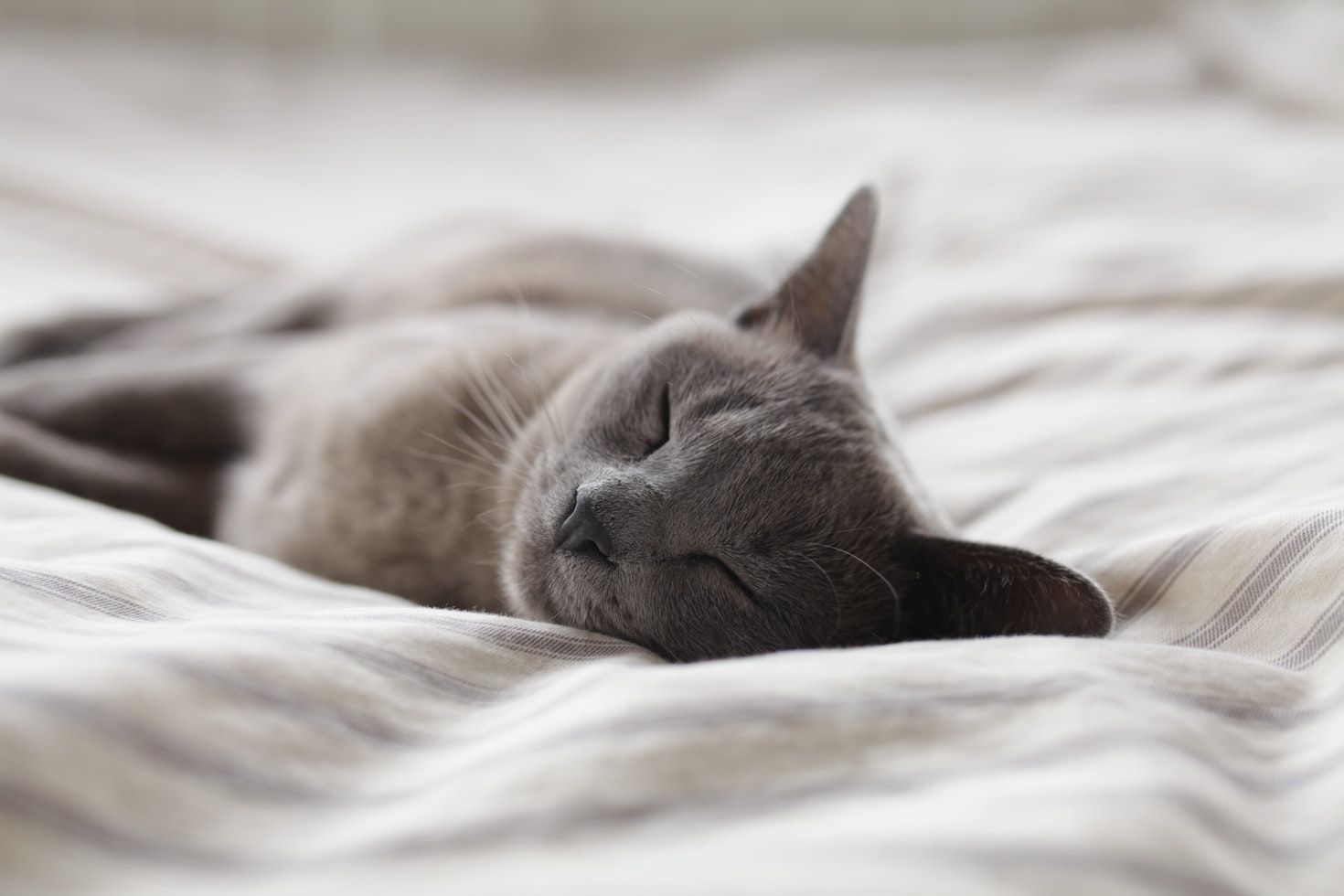

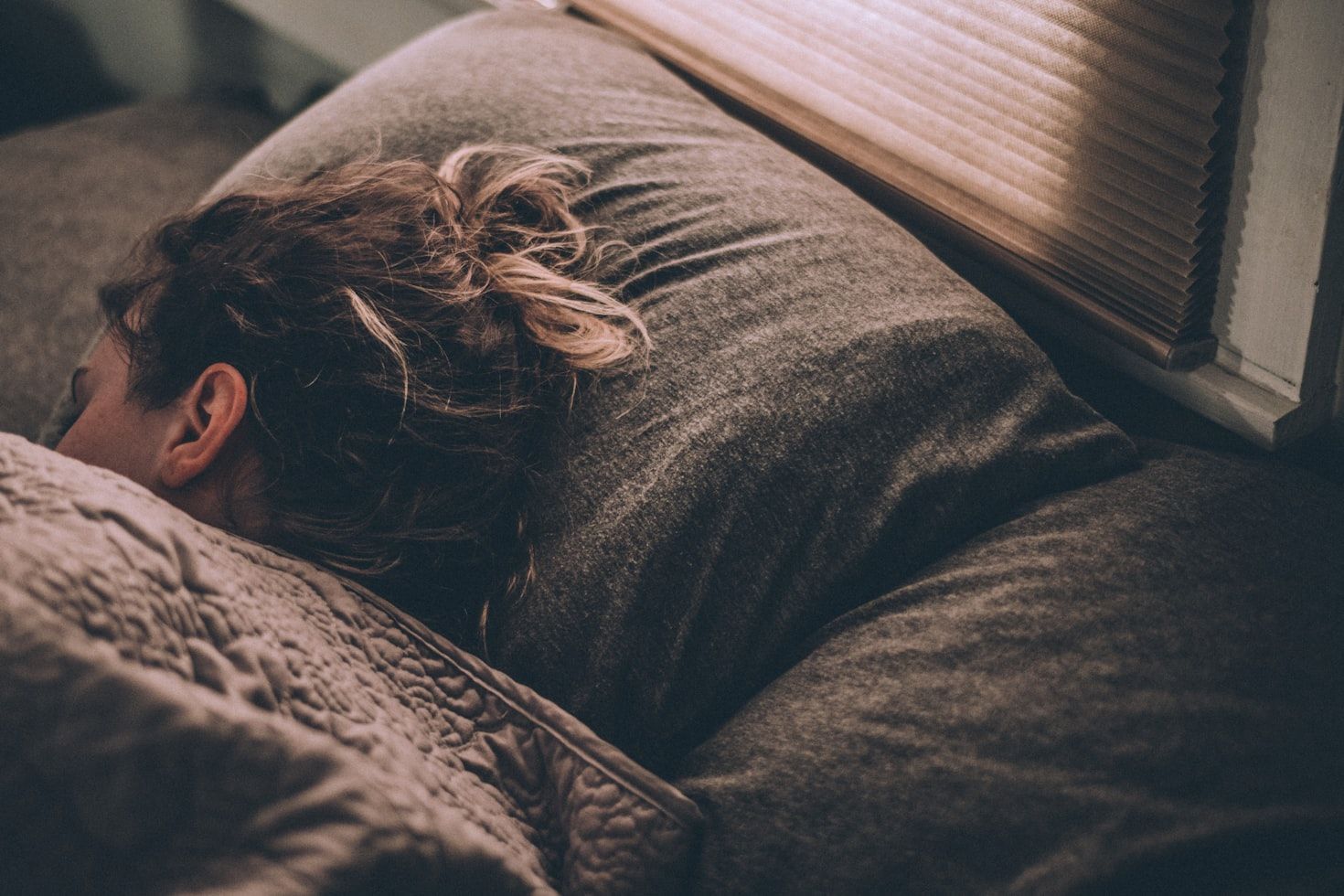
Image: Alexander Possingham

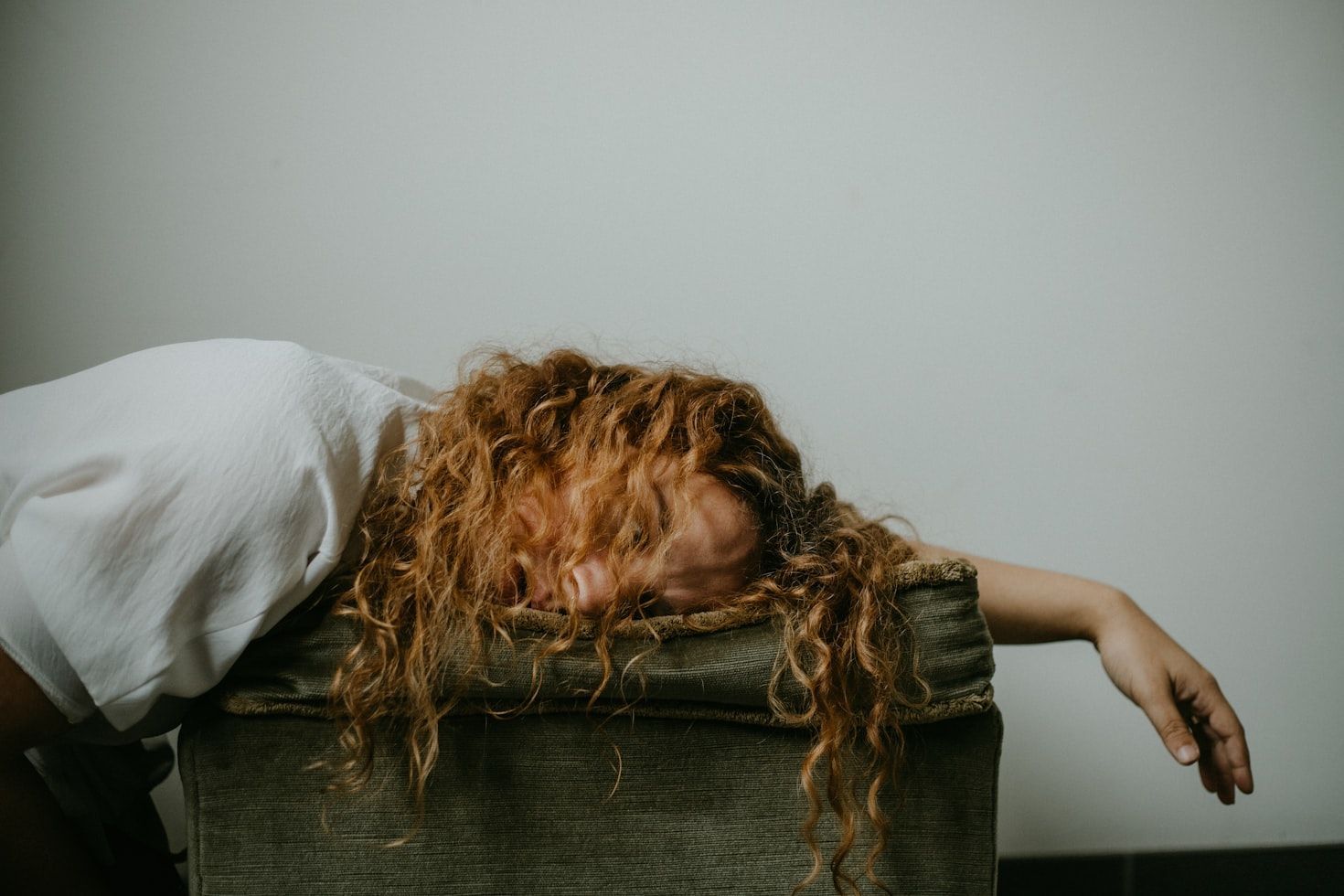
Have you ever uttered the words "sleep tight" or "hit the hay" before going to bed? These phrases have existed for ages, but their meanings and origins are not always apparent. Some are directly related to sleeping, while others are metaphors for entirely different things. Take a look at 12 of these idioms. Do you use any of them?

1

Sleep tight

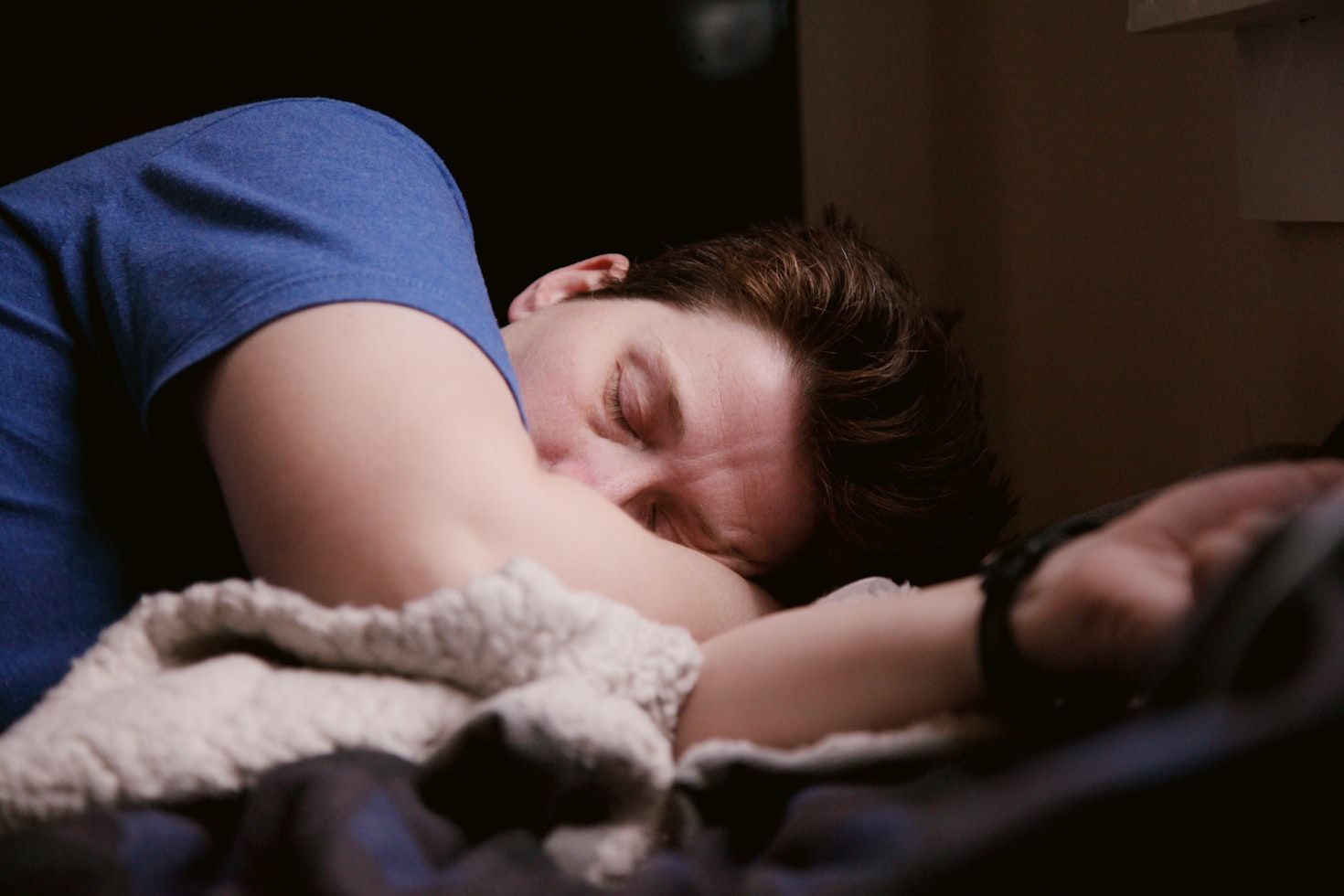
Image: Sinitta Leunen

"Sleep tight" is a phrase most people know from the bedtime verse: "Sleep tight, don’t let the bedbugs bite". It’s often claimed to come from the old practice of tightly tying ropes on bed frames to keep mattresses firm and comfortable. This helped prevent sagging and made for a better night’s sleep.

In older English, "tight" simply meant "soundly" or "well", making "sleep tight" a wish for a good night’s sleep.

2

Hit the hay

Image: Simon Infanger

"Hit the hay" dates back to the late 19th or early 20th century and is often linked to the practice of stuffing hay into sacks or mattresses for sleeping, which is also commonly cited as an explanation for the phrase "hit the sack."

Another theory suggests that farm workers sometimes slept directly in haystacks, making "hay" a stand-in for "bed." Because "hit the hay" appears in print slightly earlier than "hit the sack," some believe it may have come first.

3

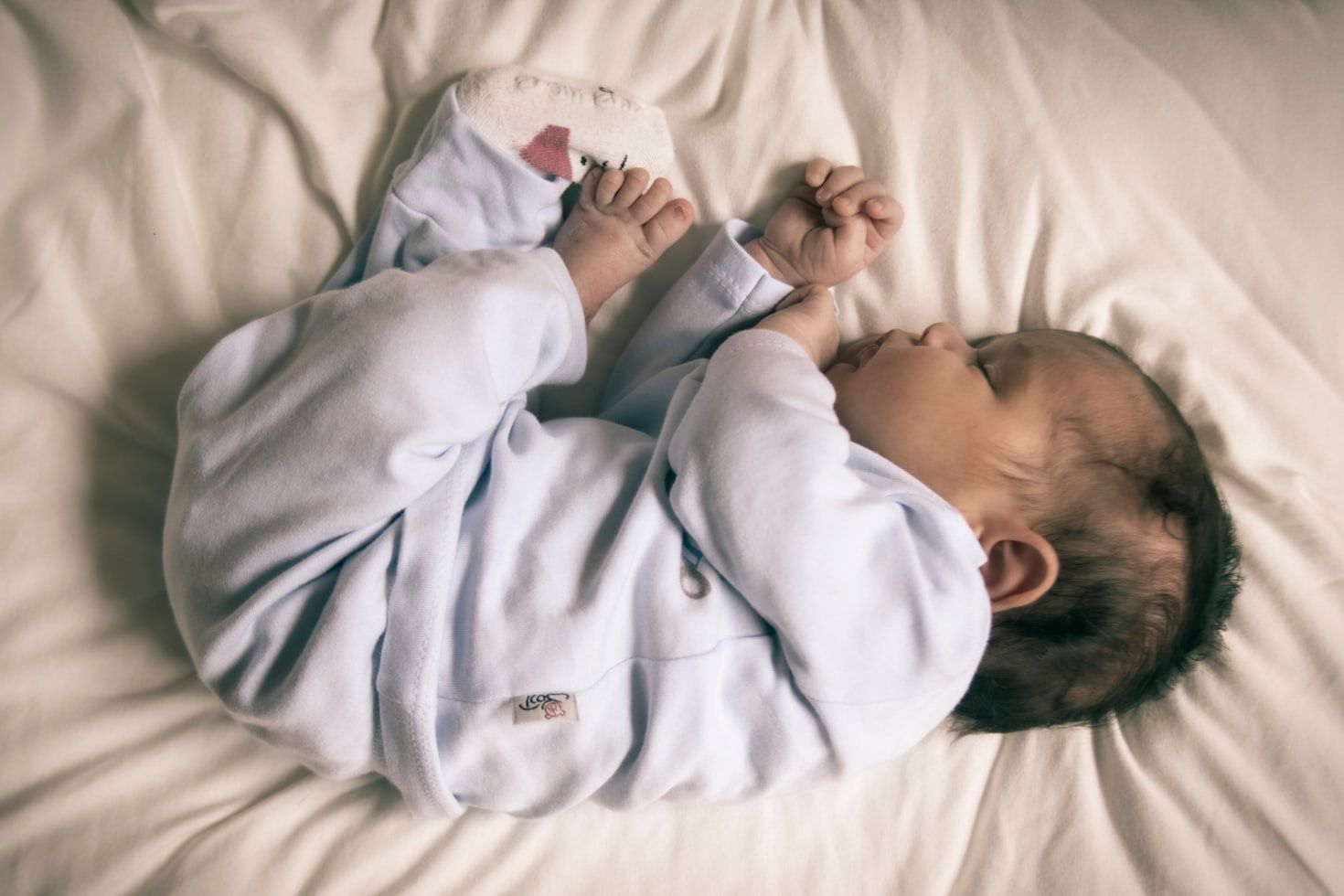
To sleep like a baby

Image: hessam nabavi

Anyone who has had a newborn knows how strange the phrase "sleep like a baby" sounds: babies wake up often and cry! Yet, the idiom means to sleep peacefully and deeply.

The idea is that when babies do sleep, they’re completely at ease, with no worries to disturb them. That peaceful, undisturbed state is what the phrase refers to, even if it doesn’t match the full reality.

4

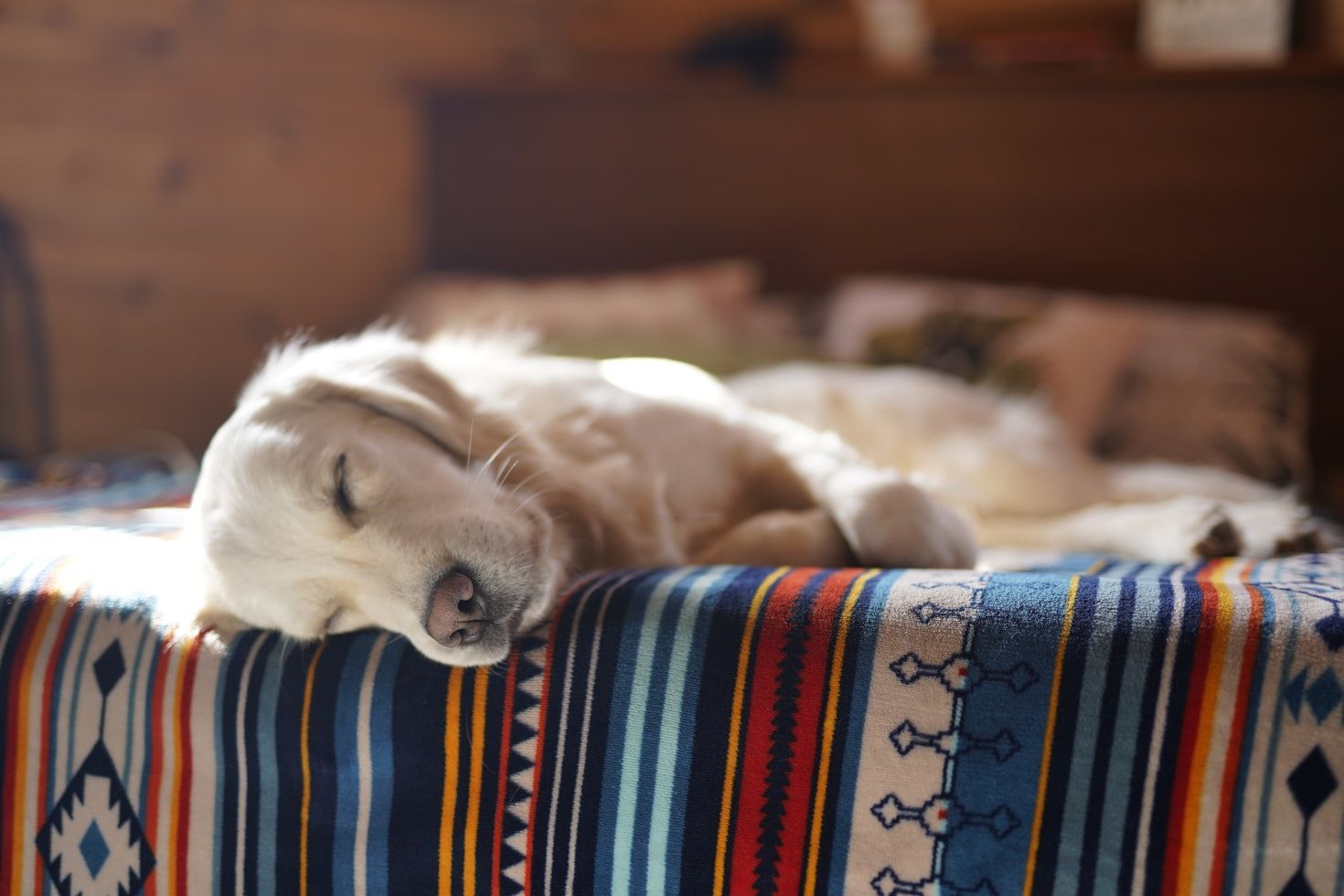
Let sleeping dogs lie

Image: Irina

"Let sleeping dogs lie" might sound odd at first, but its meaning becomes clear with a bit of explanation. It’s a warning to leave past issues alone, especially sensitive ones.

The phrase compares old disputes to sleeping dogs: if you wake them, they might react aggressively. Similarly, revisiting old problems can stir up trouble best left alone.

5

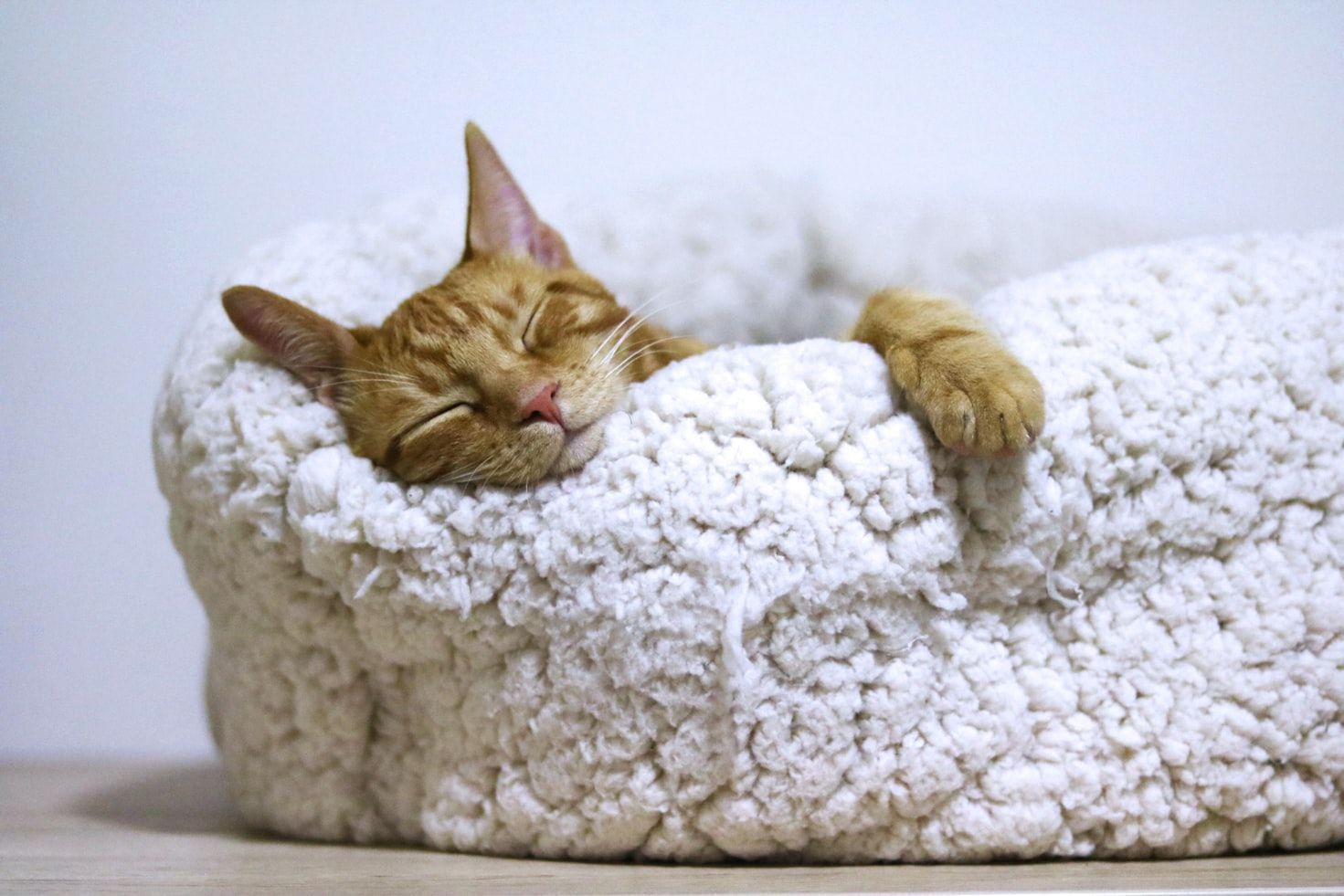
A catnap

Image: Aleksandar Cvetanovic

A "catnap" is a short, light nap, usually under 30 minutes, during which you do not enter deep sleep. Studies suggest that even a 10-minute nap can be refreshing, sometimes nearly as effective as a longer one, though the ideal length varies by person.

The term comes from cats’ daytime sleep habits. Since wild cats had to stay alert for danger, they took quick, light naps. Today’s cats do the same, snoozing lightly throughout the day, just like a good catnap.

6

Wrong side of the bed

Image: Greg Pappas

"Waking up on the wrong side of the bed" means starting the day in a bad mood. The phrase comes from an old Roman superstition.

Romans, including Augustus Caesar, believed getting up on the left, or sinister, side brought bad luck. As a result, the "wrong side" was more than just a bad mood starter; it was thought to be a bad omen.

7

Sleep like a log

Image: Shane

To "sleep like a log" means to sleep deeply and without moving, like a heavy log lying still. It’s a common way to describe a peaceful, undisturbed night.

The origin of the phrase is unclear, but some link it to lumberjacks who slept soundly after hard work. Others connect it to the similarity between snoring and the sound of sawing.

8

Counting sheep

Image: Annie Spratt

"Counting sheep" means imagining sheep jumping over a fence, one by one, to help you fall asleep. It’s a classic mental trick to quiet the mind.

The phrase likely comes from shepherds who counted their flocks at night to ensure none were missing, a repetitive and calming routine before bed.

9

Lose sleep over something or somebody

Image: Михаил Калегин

The idiom "to lose sleep over something" means to worry about something to the point that it becomes difficult to sleep, or to be so concerned that it disrupts one’s rest.

While the exact origin of the phrase is difficult to pinpoint, it likely evolved from the idea that intense worry and stress can interfere with the body's natural sleep cycle.

10

Do something in your sleep

Image: Nubelson Fernandes

To "do something in your sleep" means to do something very easily and effortlessly, usually because you have done it so many times that it's become second nature. It's a metaphorical way of saying that you are so proficient at a task that you don't even have to think about it, as if you could do it while unconscious.

11

Sleep with one eye open

Image: Jamie Street

"Sleep with one eye open" means staying alert or cautious, especially in risky situations. It suggests being ready for trouble, even while resting.

The phrase is often linked to animals such as dolphins and certain birds that can literally sleep with part of their brain awake to remain safe.

12

Sleep around the clock

Image: Vin Jack

To "sleep around the clock" means to sleep for many hours without waking. It often happens when you're exhausted or feeling unwell. It’s a way in which the body tries to recover energy.


You say these phrases all the time, but do you know their grim origins?


Published on March 24, 2026


We toss around old sayings all the time—some without thinking twice. But have you ever wondered where these phrases actually came from? You might be surprised (and a little unsettled) to find out that many of them have pretty grim backstories. Even if we’re keeping things light and curious, you’ll never look at everyday expressions the same way again!

1

Mad as a hatter

Image: Jonathan Larson

The Mad Hatter may have been lovable and quirky in Alice in Wonderland, but the origin of the phrase isn’t nearly as charming. In the 18th and 19th centuries, hat-makers, especially in England, used mercury in the felt-making process. Long-term exposure to the toxic substance led to tremors, confusion, hallucinations, and even full-blown insanity. So, when someone was "mad as a hatter," it wasn’t a joke, it was actually a tragic side effect of their trade.

2

Meet a deadline

Image: Markus Winkler

These days, "deadline" means you’re rushing to finish your taxes or meet your grandson’s birthday RSVP. But during the Civil War, it was a deadly serious term. Prison camps had an actual line drawn in the dirt—step past it, and guards had permission to shoot without warning.

3

Running amok

Image: Greg Rosenke

If your grandkids ever run through your living room like a tornado, you’ve probably said they were "running amok." Originally, this referred to sudden, violent rampages by certain warriors in Southeast Asia. European colonizers didn’t understand it and blamed the devil, but it was likely tied to deep psychological distress. Over time, the phrase softened, but its origins are quite dark, don’t you think?

4

Pulling my leg

Image: wilsan u

It might sound like gentle teasing today, but "pulling someone’s leg" used to mean something far more sinister. In the crowded, foggy streets of old London, thieves would trip unsuspecting victims by yanking their legs from behind—either to rob them or help an accomplice mug them more easily. So next time someone says they’re "just pulling your leg," be glad it’s only a joke.

5

Taken aback

Image: Alin Meceanu

You’ve probably said you were "taken aback" when someone shocked you with unexpected news, right? Did you know this phrase has nautical roots? On a sailing ship, if the wind hit the sails from the front, it could stop the boat dead in the water, or even pull it backwards. That "aback" feeling was equally surprising as it was alarming!

6

Crocodile tears

Image: Tom Pumford

We call fake emotions "crocodile tears," but the story behind it is a bit strange. People once believed crocodiles cried while eating their victims, like they were able to show some kind of twisted remorse. Of course, science has since debunked this theory, but the legend stuck around. So when someone puts on a sad face to get out of chores, just remember: even reptiles have better excuses.

7

Bite the bullet

Image: Aarón Blanco Tejedor

Before painkillers and numbing gels, wounded soldiers had one brutal option during surgery. Can you guess what it was? That’s right, bite the bullet. Literally. On the battlefield, doctors had to work fast and without anesthesia. A bullet between the teeth gave patients something to focus on while wounds were stitched (or worse!)

8

Be-all, end-all

Image: Alvaro Reyes

We know that Shakespeare loved creating new words and phrases, and "the be-all and end-all" is one of his most dramatic. It first appeared in Macbeth when the title character thinks of ending the king’s life as a final, all-important solution. These days, we use it for less murderous things—like the ultimate plane has for some things.

9

God bless you

Image: Ben White

Saying "God bless you" after a sneeze might seem polite, but it stems from a much darker place. In the time of the bubonic plague, a sneeze could be an early symptom, and people feared it meant death was close. Saying "God bless you" was like a quick prayer that you’d survive. Other theories suggest it was meant to keep your soul from escaping. Whatever the origin, it was more panic than politeness.

10

To wreak havoc

Image: Brett Jordan

We say someone’s "wreaking havoc" when they’re causing trouble. But centuries ago, it was an actual military command. Once a battle was won, officers might yell "Havoc!" and soldiers were free to do and destroy whatever they wanted. As you can imagine, the chaos was so brutal that King Richard II officially banned the cry in the 14th century.

Looking for an extra scoop of literary fun?

Learn more with our Word of the day

sentient

/ˈsɛn(t)ʃ(i)ənt/