National melodies

Why is the King of Spain mentioned in the Netherlands' national anthem?


Published on April 26, 2026

Image: Colin Lloyd

The purpose of a national anthem is to foster a sense of patriotism and unity among the citizens of a nation, but there are as many ways to achieve this as there are nations. While some anthems reflect on glorious deeds of the past, others express a shared desire for peace and prosperity, or celebrate love for their country, its lands, its leaders, and, at times, even the leaders of another nation. Let’s take a look at 10 national anthems with curious stories.

1

"The Star-Spangled Banner" (United States of America)

Image: Marcus istrfry

We all know the story of how The Star-Spangled Banner was written after a battle, but did you know it was not officially adopted as the national anthem for over a century? Composed during the War of 1812 under the title Defence of Fort M’Henry, it quickly became popular as a patriotic song and was officially adopted by the U.S. Navy in 1889. It was not declared the national anthem until 1931.

Some critics point to references in the third stanza—particularly language interpreted as relating to slavery—as well as the documented views of its author, Francis Scott Key. However, opposition to the song’s adoption at the time was more often based on its difficult vocal range and competition from other popular patriotic songs. Despite these debates, the poem—especially its first stanza—has long been regarded as a symbol of national unity.

2

"Wilhelmus" (The Netherlands)

Image: Hendrik Kuterman

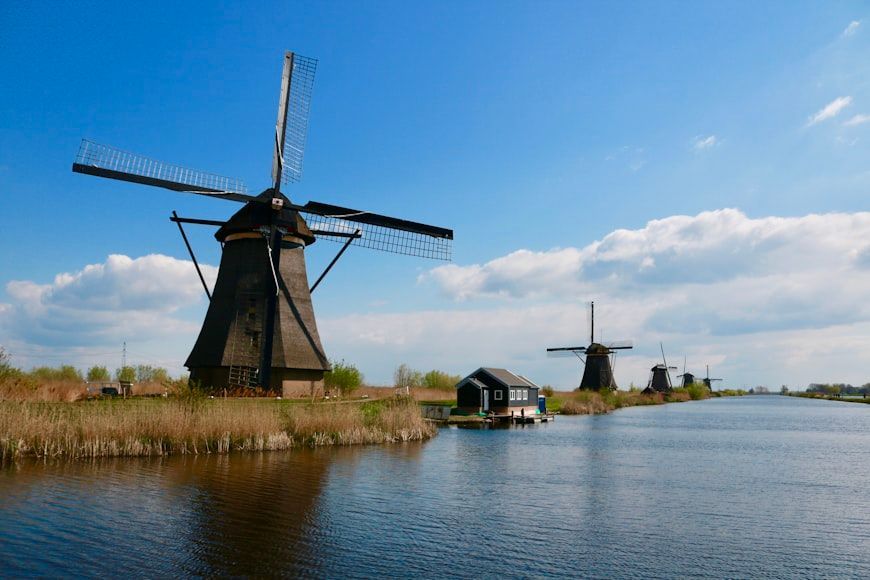
Composed in 1572, it is one of the oldest national anthems still in use. The lyrics are written from the perspective of William of Orange—the leader of the Dutch revolt against the Spanish Empire—and reflect his inner struggles between his loyalty to the Spanish King and his duty to his people.

Though the original text has at least 15 stanzas, only the first stanza and sometimes the sixth are sung today, which can be confusing for those unfamiliar with the historical context, as the first stanza ends by declaring undying loyalty to the king of Spain.

3

"State Anthem of the Russian Federation" (Russia)
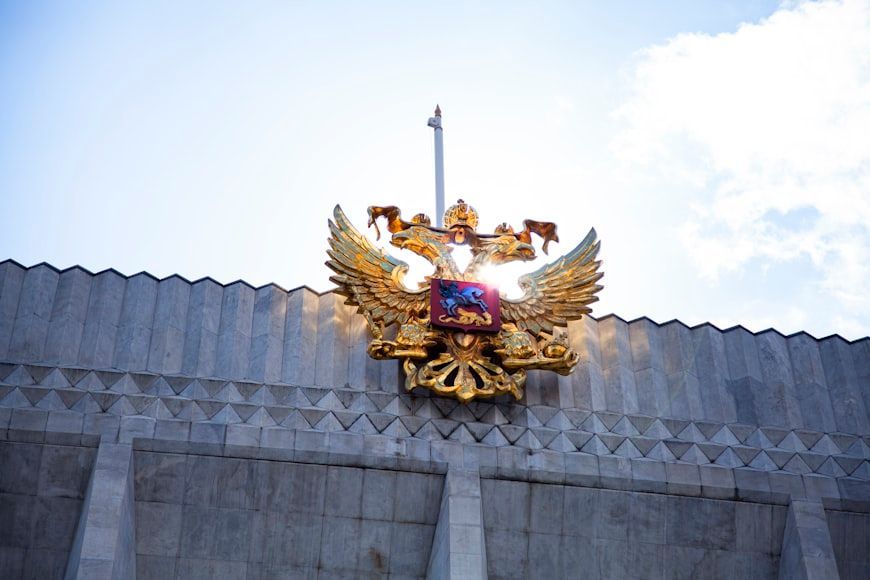
Image: Tamara Malaniy

After the 1917 Russian Revolution, the newly formed Soviet Union adopted the socialist anthem The Internationale as its national anthem. In 1944, the Soviet government replaced it with a new anthem centered on Soviet Russia, with lyrics that emphasized the Soviet fatherland and Joseph Stalin’s leadership, though it was often performed without lyrics after Stalin’s death.

Following the collapse of the Soviet Union in 1991, the Russian Federation adopted an instrumental piece known as The Patriotic Song, composed in 1833 by Mikhail Glinka. After a decade of debates, and citing the need for an anthem that people could sing, the government decided to restore the former Soviet melody, this time with newly written lyrics.

4

"My Country, Malaysia" (Malaysia)

Image: Putra Mahirudin

How many countries can say that they owe their national anthem to a moment of panic? At least one. Malaysia’s national anthem was adopted after its independence from the United Kingdom, using the melody of the anthem of the state of Perak. But where does that melody come from?

When the Sultan of Perak attended the coronation of King Edward VII in 1902, his delegation was asked to provide their state anthem. Not having one, he improvised and adapted the melody of a popular tune from the Seychelles. This melody was later adopted as the official anthem of Perak and eventually became the basis for Malaysia’s national anthem.

5

"Argentine National Anthem" (Argentina)
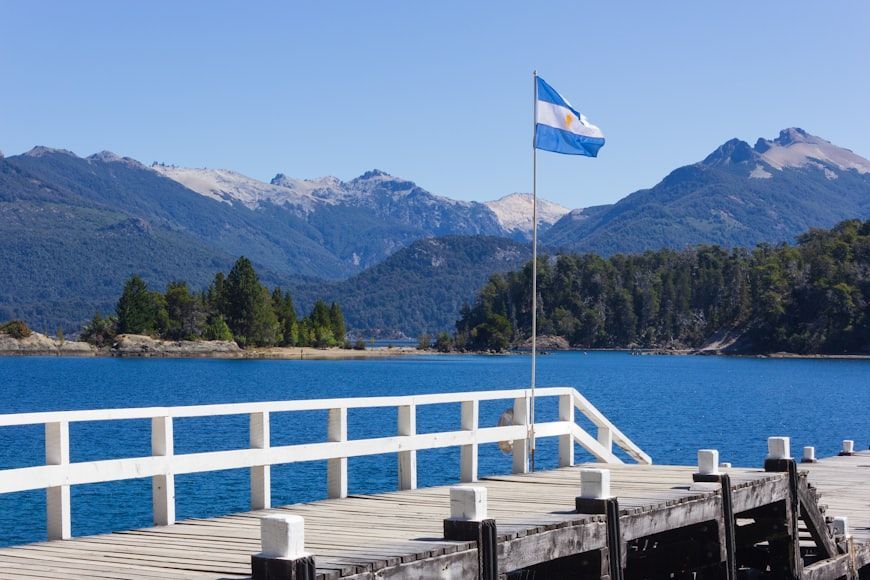
Image: Fernando Távora

Composed and adopted as the national anthem during the Argentine War of Independence, but before the formal declaration of independence from Spain, this song was initially called the Patriotic March. It was much longer than the current anthem, and its lyrics were controversial, as they portrayed Spain as a tyrannical and bloodthirsty nation.

The anthem originally contained nine stanzas—including accusations towards Spain—which were used until 1924, when improved diplomatic relations with Spain and the arrival of thousands of Spanish immigrants led the government to shorten the lyrics and omit the more controversial parts.

6

"National Anthem of South Africa" (South Africa)

Image: Lina Loos

Famed for having lyrics in five of the twelve official languages of the country —Xhosa, Zulu, Sesotho, Afrikaans, and English— this anthem was officially adopted after the end of apartheid, and reflects a broader desire for national unity.

The post-apartheid government initially retained the former Afrikaans anthem, while also adopting the Xhosa hymn Nkosi Sikelel' iAfrika (God Bless Africa), which had long been used as a song of resistance. Maintaining two anthems proved impractical, so their lyrics were combined and translated into other majority languages to create a single national anthem that could represent all South Africans.

7

"Kde domov můj" + "Nad Tatrou sa blýska" (Czechia and Slovakia)
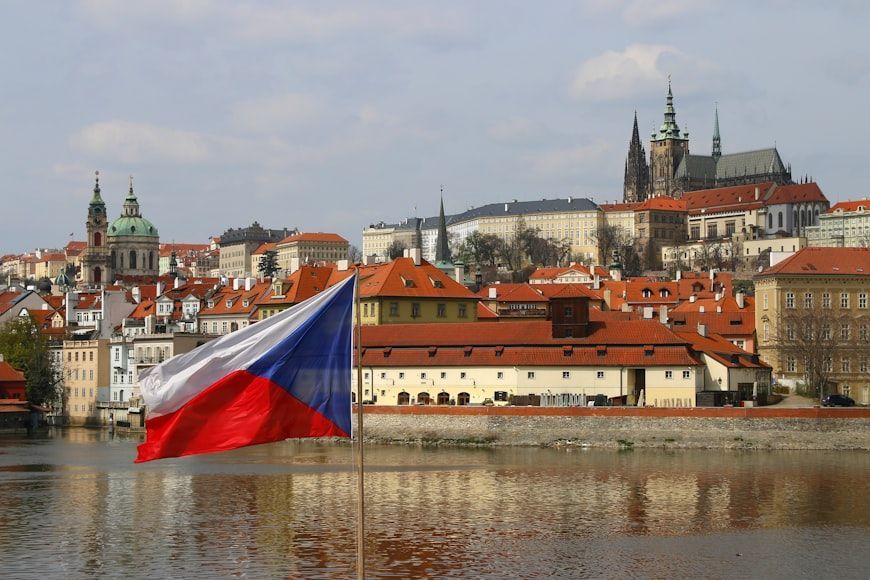
Image: Radek Kozák

When Czechoslovakia existed as a single state, it adopted a combined national anthem consisting of the first stanza of the Czech song Kde domov můj ("Where Is My Home?"), followed by the first stanza of the Slovak song Nad Tatrou sa blýska ("Lightning over the Tatras").

After the country’s peaceful dissolution in the Velvet Divorce (1992), Czechia retained Kde domov můj as its national anthem, while Slovakia retained Nad Tatrou sa blýska, which is typically performed with two stanzas and in its traditional form.

8

"Kimigayo" (Japan)

Image: Joshua Tsu

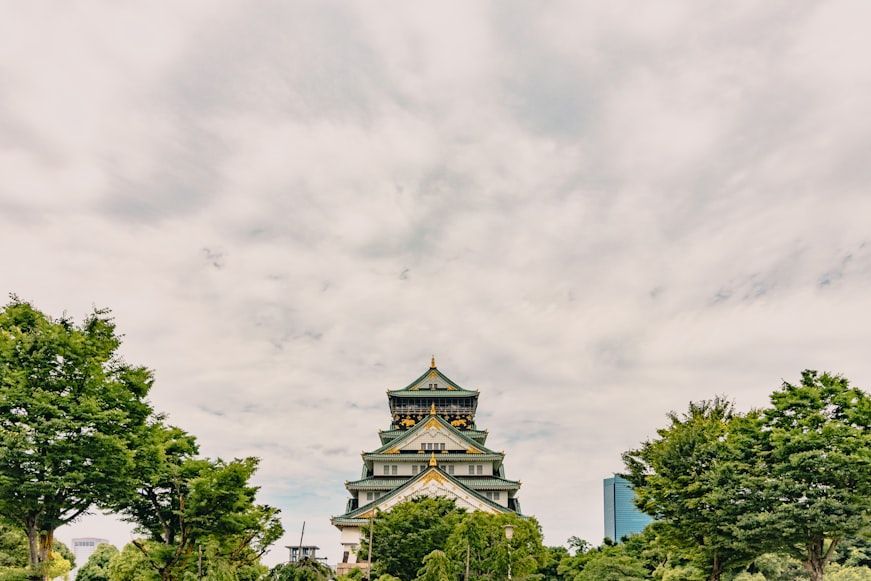
Though its lyrics come from a poem dating to the 8th-10th centuries, Kimigayo was not adopted as Japan's national anthem until 1888, and it's one of the world’s shortest anthems. After World War II, it was not officially designated as the national anthem due to its imperial associations, though it continued to be used. It regained formal legal status in 1999.

Often translated into English as His Majesty's Reign, its initial verse is commonly rendered as "may your reign [continue]." The word kimi has historically been used for the emperor, and the song's brief lyrics express a desire for the Imperial reign to endure for thousands of years, "until the tiny pebbles grow into massive boulders."

9

"El Gran Carlemany" (Andorra)

Image: Jossuha Théophile

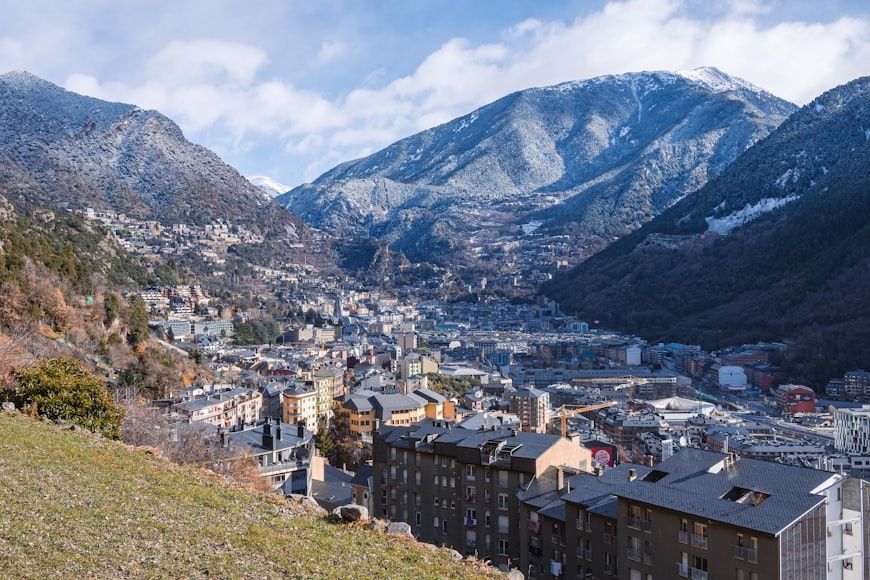
In a similar fashion to the Wilhelmus, the Netherlands anthem, Andorra’s anthem is also written from a first-person perspective, this time not from an individual but the country itself, remembering its glorious past.

Composed in the early 20th century, it was adopted as the national anthem in 1921. In the lyrics, Andorra presents itself as a princess, daughter of Charlemagne, and describes itself as the "only remaining daughter of the Carolingian Empire."

10

"Woven from Hundreds of Flowers" (Nepal)
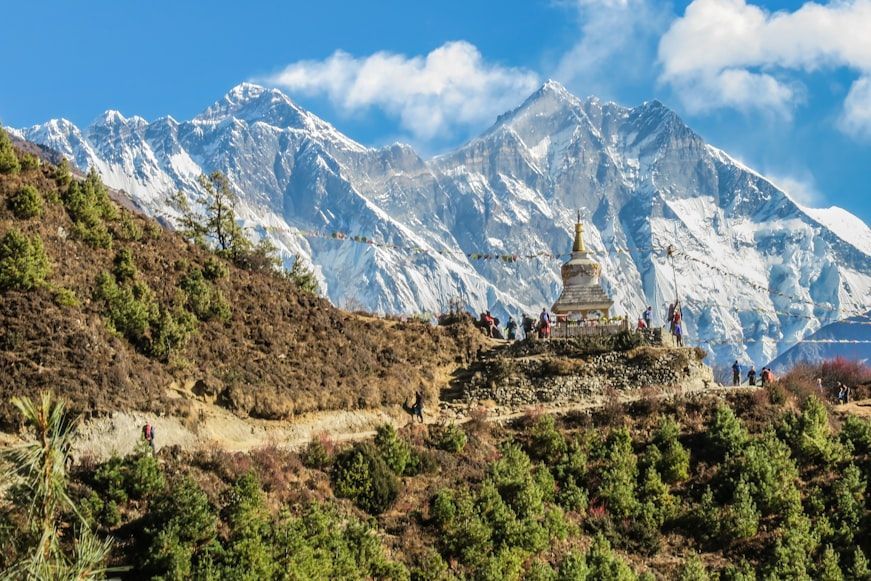
Image: Sebastian Pena Lambarri

A relatively new anthem, _Sayaun Thunga Phool Ka_—adopted in 2007—replaced the Shriman Gambhir following the abolition of the monarchy in Nepal. It’s notable for its distinctive melody, upbeat and joyful, quite different from other solemn or martial tone anthems.

The lyrics describe Nepal as a garland woven from hundreds of flowers, stretching from one corner of the country to the other, and emphasize the diversity of its people and landscapes.

The truth about your brain

You won’t believe what happens in your brain while you sleep


Published on April 26, 2026


Image: Milad Fakurian

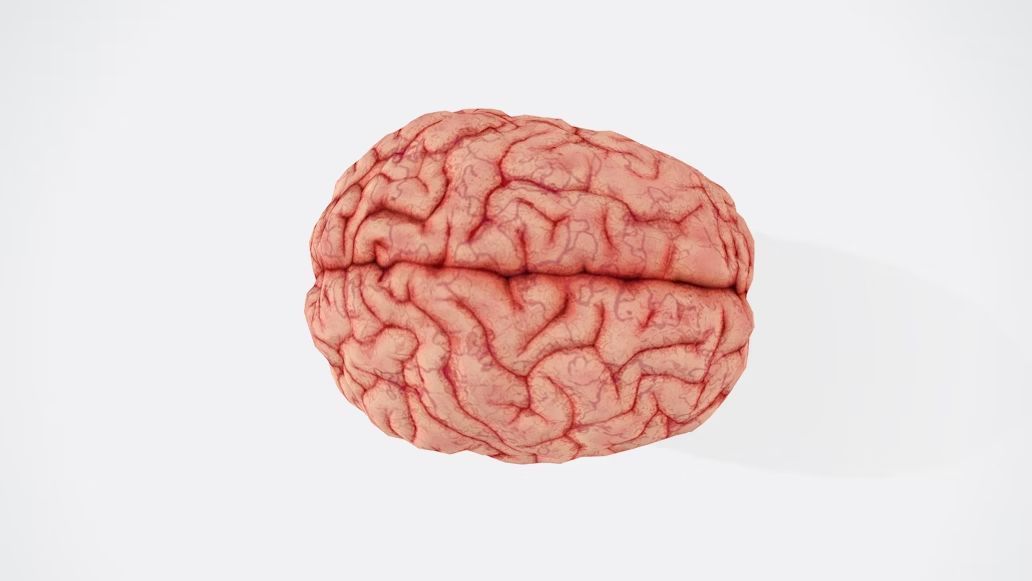
Your brain is one of the most powerful and mysterious organs in your body. It controls everything from your thoughts to your emotions and even processes information at lightning speed. But how much do you really know about it? Some long-believed myths about the brain have been debunked, while other surprising facts reveal just how incredible this organ truly is. Get ready to be amazed by these fascinating brain facts!

1

Myth: We only use 10% of our brain

Image: Natasha Connell

You’ve probably heard this one before, but it’s completely false! While it’s true that not all parts of the brain fire at the same time, imaging studies show that most regions are active throughout the day, even when we sleep.

Your brain is constantly working, controlling bodily functions and emotions, and processing information. So next time someone says you’re only using 10% of your brain, you can confidently tell them that’s just a myth!

2

The brain itself can’t feel pain

Image: Aarón Blanco Tejedor

Here’s a weird fact: While your brain processes pain signals from the rest of your body, it has no pain receptors of its own. This is why surgeons can perform brain surgery on conscious patients without causing them pain.

However, the membranes and tissues surrounding the brain do have pain receptors, which is why headaches and brain injuries can be so excruciating.

3

Headaches are actually chemical reactions

Image: Usman Yousaf

How come we have headaches if the brain has no pain receptors? Well, that’s because headaches are triggered by chemical activity in the brain, changes in nerves and blood vessels, and even fluctuating serotonin levels.

In some cases, hormones like estrogen can also play a role, which explains why migraines are more common in women.

4

Dreams: Your brain’s midnight movie theater

Image: Go to Johannes Plenio's profile Johannes Plenio

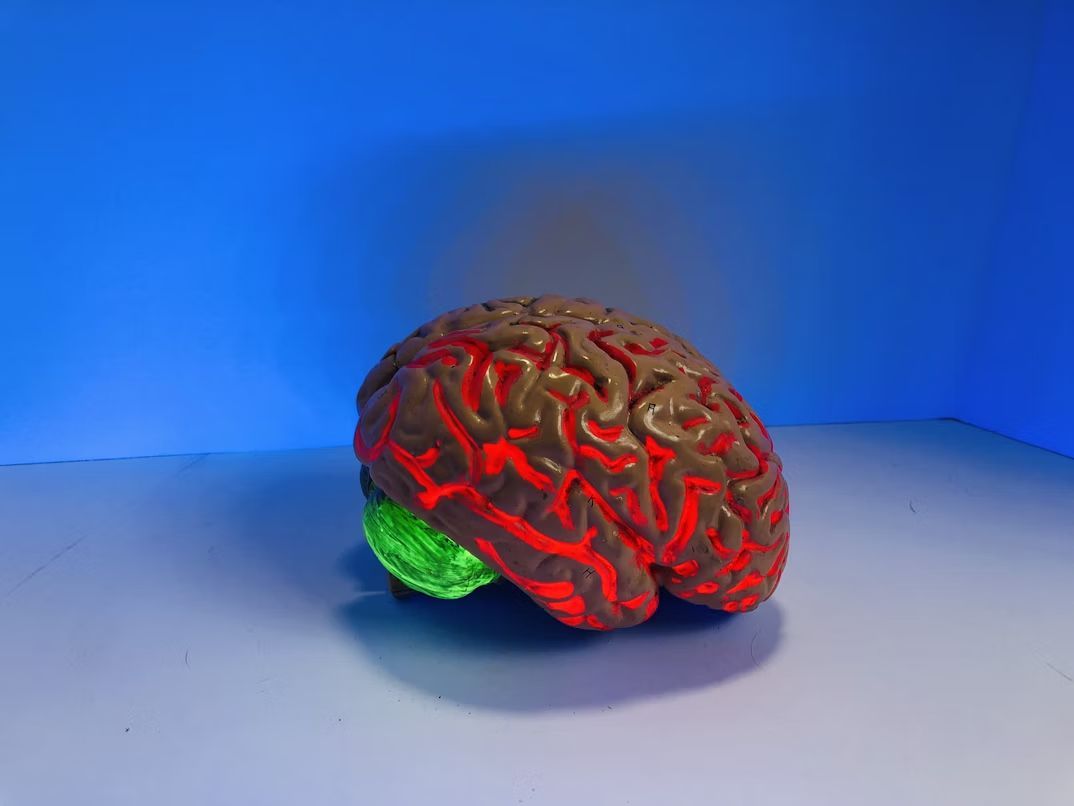
Dreams are proof that your brain never rests! (Warning: this fact can make you feel exhausted.) While you sleep, your limbic system, that is, the part of the brain that deals with emotions, becomes especially active, which is why dreams often feel so intense.

On average, humans experience four to seven dreams per night, even if we don’t always remember them. And what about that scary nightmare about falling? Well, you can thank your amygdala, the brain’s fear center, for that one.

5

Your short-term memory lasts less than 30 seconds

Image: Brett Jordan

Have you ever walked into a room and instantly forgotten what you were after? That’s because short-term memory only lasts about 20-30 seconds! That’s not enough!

Your brain holds a limited amount of information in its active state before deciding whether to store it or discard it. Ironically, we can’t really choose what makes the cut, but we do hope these facts stay with you!

6

Brain freeze is your body’s warning signal

Image: BUDDHI Kumar SHRESTHA

That sharp, icy pain when you eat something too cold? It’s your brain’s way of telling you to slow down! Officially called sphenopalatine ganglioneuralgia, a brain freeze happens when cold food or drinks rapidly chill the blood vessels in your throat, causing them to constrict and then rapidly expand. This sends pain signals to your brain, warning you of the sudden temperature shift. It’s annoying, but it’s actually your body trying to protect itself!

7

Your brain thinks a lot!

Image: Josh Riemer

You didn’t need us to tell you, but let’s look at the details: The average person has between 12,000 and 60,000 thoughts per day. What’s even more interesting? 95% of those thoughts are the same ones you had yesterday. Is that not surprising enough? Hear this out: 80% of them tend to be negative. That’s because our brains are wired for survival, constantly analyzing risks and potential dangers.

8

Your brain uses 20% of your body’s oxygen and blood

Image: Terry Vlisidis

Even though it only makes up about 2% of your body weight, your brain employs a major quantity of energy! It consumes 20% of your oxygen and blood supply, making it one of the most demanding organs in your body.

If your brain goes without oxygen for just five minutes, brain cells start dying, leading to irreversible damage. This is why deep breathing and cardiovascular exercise are great for brain health!

9

Seeing stars? That’s your brain processing vision!

Image: Alexander Andrews

Do you know that feeling when you hit the back of your head and see stars? That’s because your occipital lobe, which controls vision, is located at the back of your brain. If you get hit there, your brain momentarily misfires, causing flashes of light.

Interestingly, your brain processes vision on the opposite side; while your right brain controls your left eye, your left brain controls your right eye. It’s one of the many ways the brain operates in a complex way.

10

Your brain can power a light bulb!

Image: Rodion Kutsaiev

Believe it or not, your brain generates between 12 and 25 watts of electricity when you’re awake. If you can’t really grasp how powerful that is, check this out: It’s enough to power a small light bulb! Your brain’s electrical activity is what allows neurons to send signals at speeds of up to 260 miles per hour.

11

Your brain is mostly fat

Image: Robina Weermeijer

Your brain may be the fattiest organ in your body, consisting of at least 60% fat! This is why consuming healthy fats, like omega-3s and omega-6s present in fish, for example, is essential for brain health.

Healthy fats stabilize brain cell walls, reduce inflammation, and support cognitive function. So go ahead and enjoy that avocado toast, it’s food for your brain!

12

Your brain shrinks as you age

Image: Robina Weermeijer

It’s not just your memory that fades over time; the brain itself physically shrinks as one gets older. It continues developing until your late 40s, but after that, it slowly decreases in size.

Now, size doesn’t equal intelligence, so a smaller brain doesn’t necessarily mean a less capable one. Staying mentally active, exercising, and eating brain-boosting foods can help keep it in top shape!

13

Cholesterol plays a big role in memory

Image: Lisa Yount

We often think of cholesterol as bad, but your brain actually depends on it! In fact, 25% of your body’s cholesterol is stored in your brain, where it helps with learning and memory. However, unlike other organs, the brain can’t absorb cholesterol from the blood, it has to produce its own. So, while too much cholesterol in the body can be harmful, the right amount is vital for brain function. At least you can use that as an excuse to get that burger!

Looking for an extra scoop of literary fun?

Learn more with our Word of the day

reciprocate

/rəˈsɪprəˌkeɪt/