Born on the battlefield
From foxholes to fashion: 10 wartime innovations you can’t live without
Published on March 17, 2026
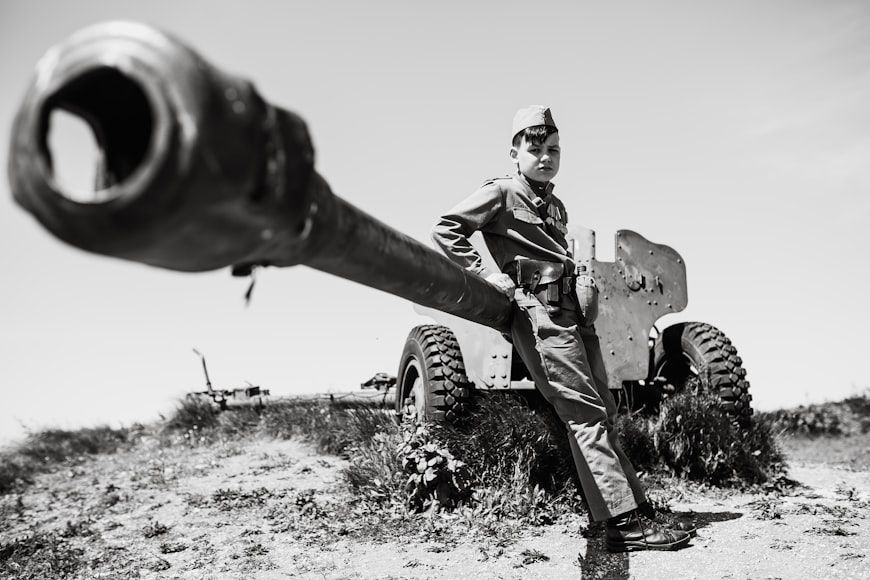 Image: Евгений Новиков
Since time immemorial, conflict and the urgent necessities of war have driven rapid innovation. Many everyday products trace their origins back to military needs. From wristwatches to instant coffee, items that once kept soldiers alive, efficient, or comfortable now fill our kitchens, closets, and offices. Here are 10 objects with surprisingly martial origins.
Nylon
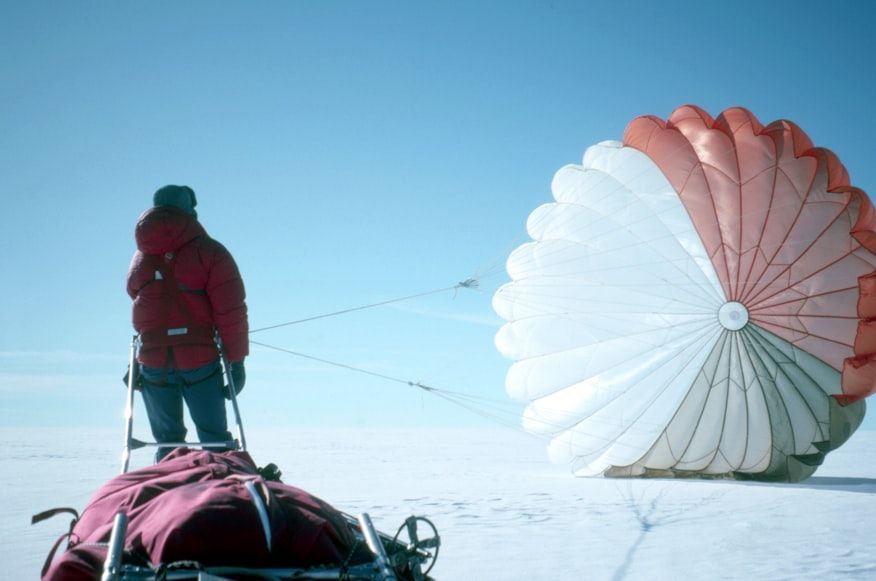 Image: Paul Bright
Now a ubiquitous fabric present in everything from clothes to carpets, nylon debuted in WWII as a replacement for scarce silk in parachutes, ropes, and tire cords.
Its lightweight durability made it indispensable for military supplies. After the war, nylon quickly transitioned into civilian life, with stockings becoming its first big hit.
Zippers
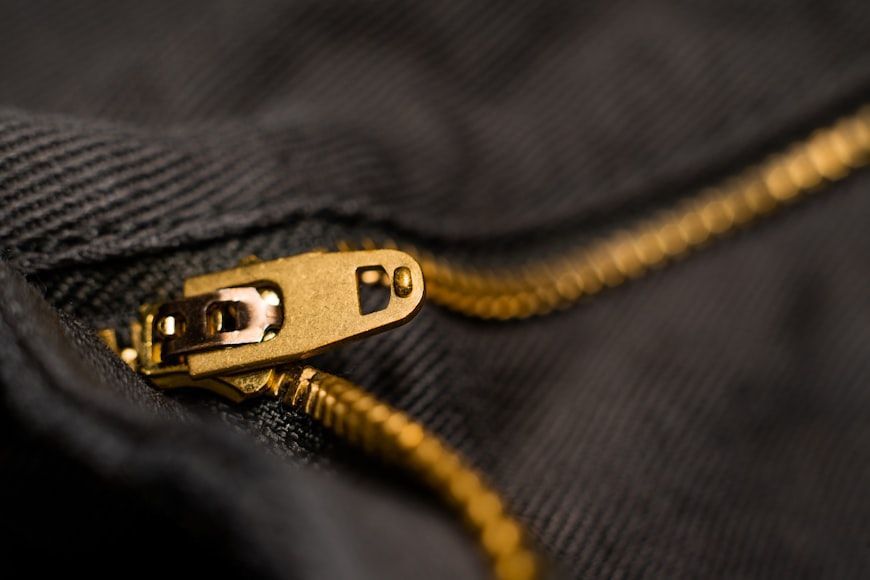 Image: Marcus Urbenz
First patented in the late 19th century, zippers gained traction during WWI as fasteners for military uniforms and gear. Buttons proved slower and less reliable under battlefield conditions, making zippers a more efficient choice.
The military’s adoption helped standardize their use, and after the war, zippers spread rapidly into civilian clothing, luggage, and countless household items.
Canned Food
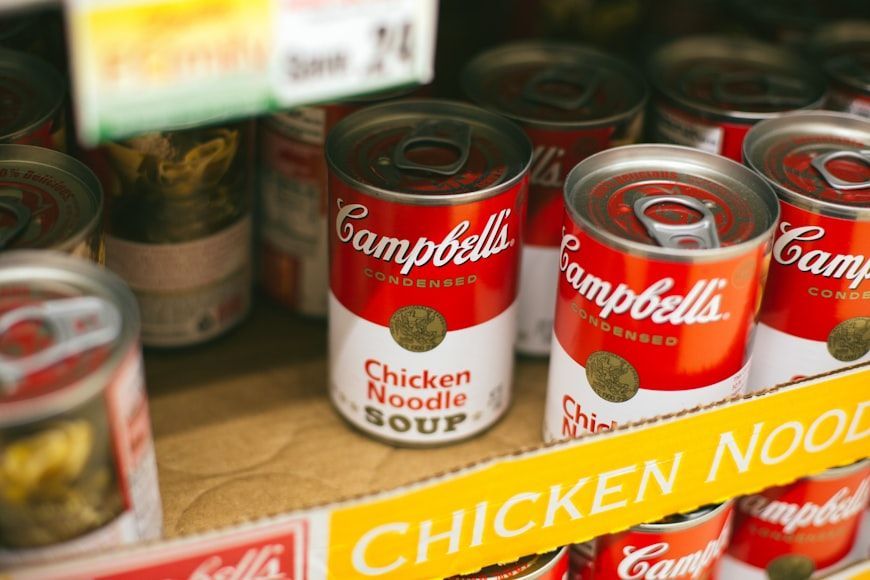 Image: Calle Macarone
In 1795, Napoleon offered a prize for a food preservation method that could feed his armies on long marches without risk of spoilage.
Nicolas Appert, a French confectioner, spent 15 years experimenting before developing a process of sealing food in glass jars and heating them to sterilize the contents. Appert received the prize in 1810, and before long, the technique was adapted to tin cans, which soon found their way into military rations.
Instant Coffee
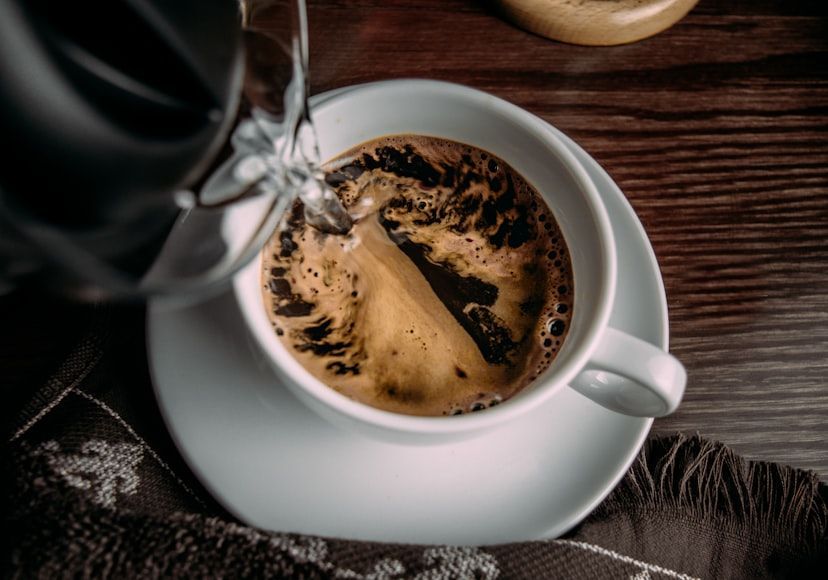 Image: Amr Taha™
A precursor to modern instant coffee appeared during the American Civil War as a concentrated coffee, milk, and sugar mixture called Essence of Coffee. Soldiers mixed a teaspoon with hot water, but many complained it had the consistency of axle grease (yikes!).
In the decades that followed, the concept was refined, and by WWI and WWII, the U.S. military was mass-issuing instant coffee to troops for convenience and morale. Civilian popularity grew alongside military adoption.
Wristwatches
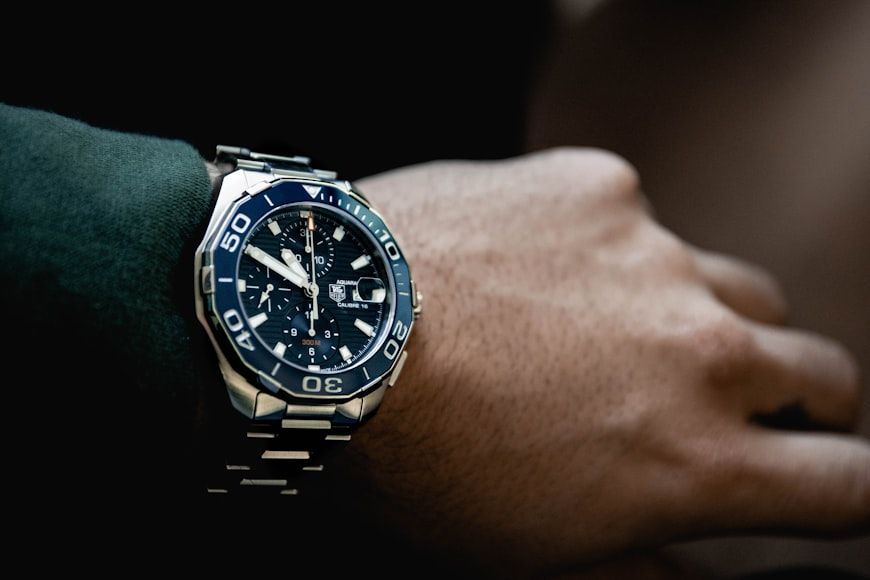 Image: Bryan Angelo
During WWI, officers found pocket watches impractical during fast-paced and unpredictable combat conditions. Many soldiers began strapping them to their wrists for quick time checks, turning a personal improvisation into a battlefield necessity.
The first true wristwatches were designed specifically for this purpose, and the term "trench watch" soon became common. Surprisingly, these early designs already featured enduring innovations, such as luminous dials for nighttime visibility.
Jeeps
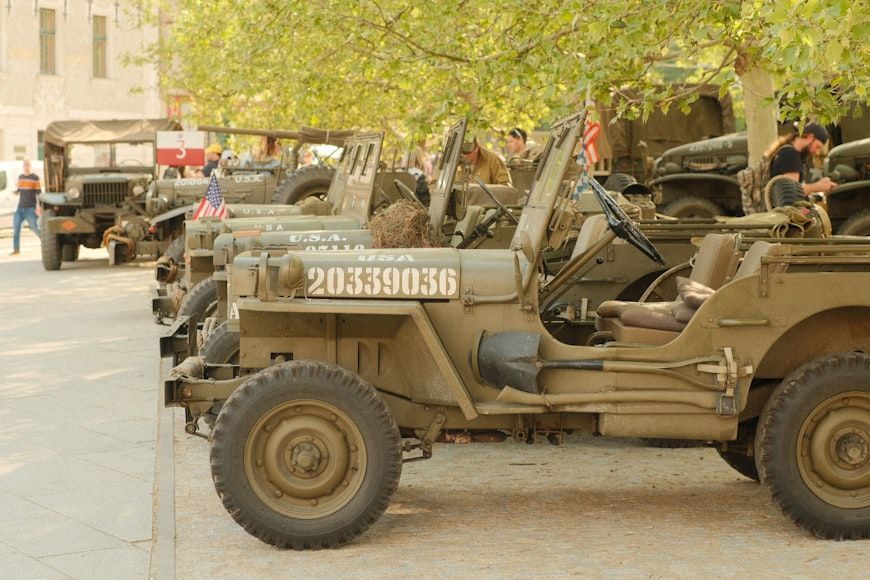 Image: Roman
When the U.S. entered WWII, the Army invited more than 130 companies to develop prototypes for a lightweight, four-wheel-drive reconnaissance vehicle; only Bantam and Willys-Overland responded. The resulting Willys MB "Jeep" proved rugged, versatile, and indispensable to soldiers.
After the war, surplus Jeeps hit civilian markets, sparking the off-road craze and laying the groundwork for modern SUVs.
Instant Noodles
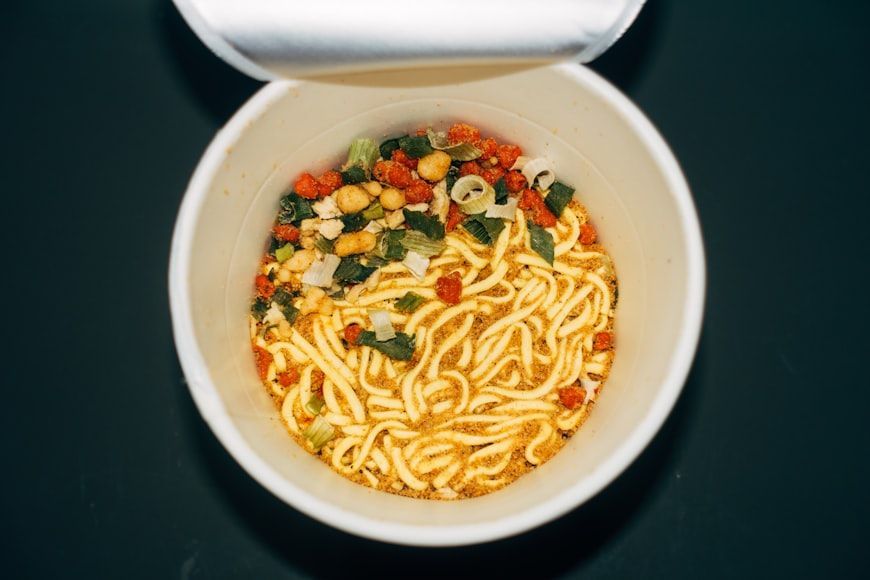 Image: Markus Winkler
Instant noodles were inspired by post-WWII food shortages in Japan. Momofuku Ando, founder of Nissin Foods, invented them in 1958 as a quick, affordable, and portable meal, ideal for a country struggling with limited food supplies.
The noodles were flash-fried to remove moisture, making them lightweight and long-lasting. The concept was influenced by military-style rations, designed for easy storage and preparation.
Zippo Lighters
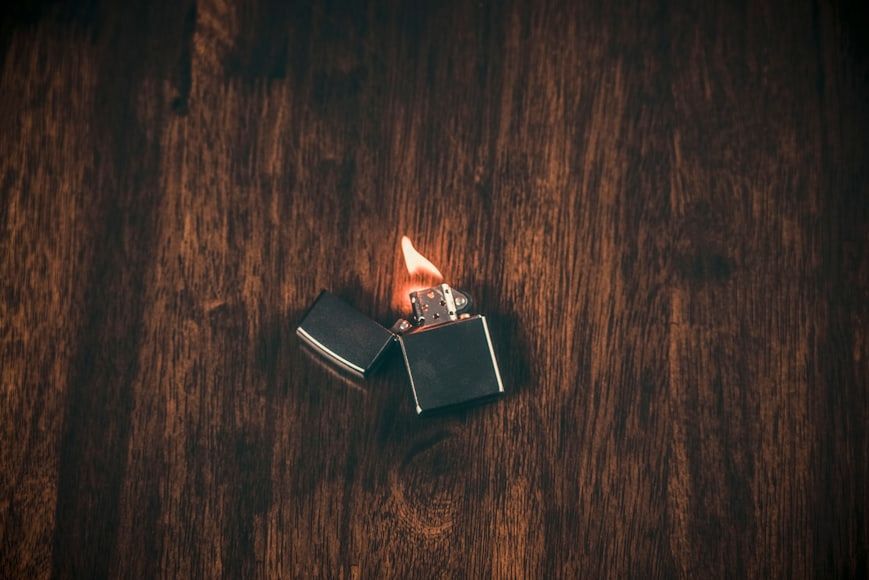 Image: aaron boris
Zippo lighters were standard issue for U.S. troops in WWII and Vietnam, valued for their windproof flame and reliability in harsh conditions. Throughout the conflicts, the company devoted its full production capacity to meeting military demand.
Afterward, the iconic design and dependability spoke for themselves, turning Zippos into a pop culture symbol of ruggedness among civilians.
Cargo Pants
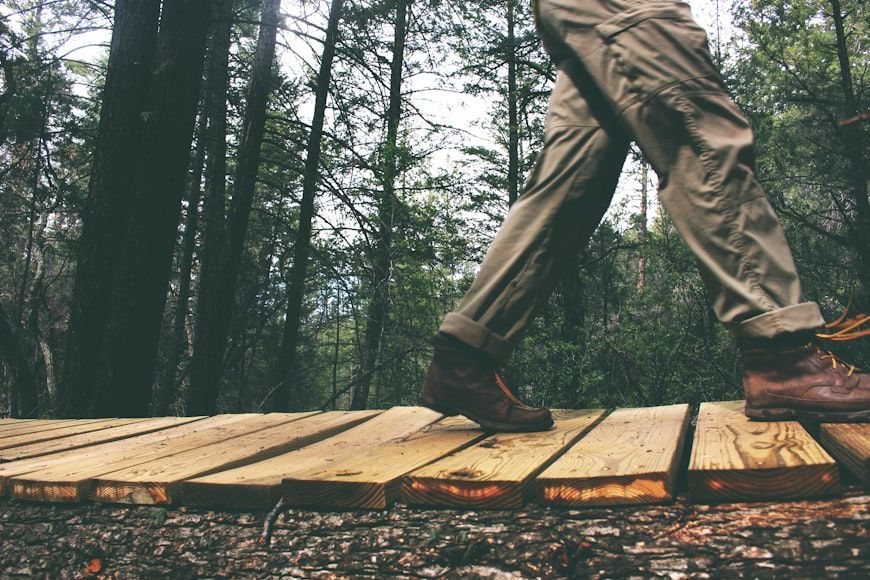 Image: Lacey Raper
Specially designed in the 1930s for British paratroopers, cargo pants featured extra pockets for maps, ammunition, and essential supplies, allowing soldiers to carry gear hands-free during airborne operations.
The practical design proved so effective that it was widely adopted by other Allied forces throughout WWII. After the war, the durable pants transitioned into civilian life as reliable workwear for laborers, hikers, and adventurers.
Freeze-Dried Food
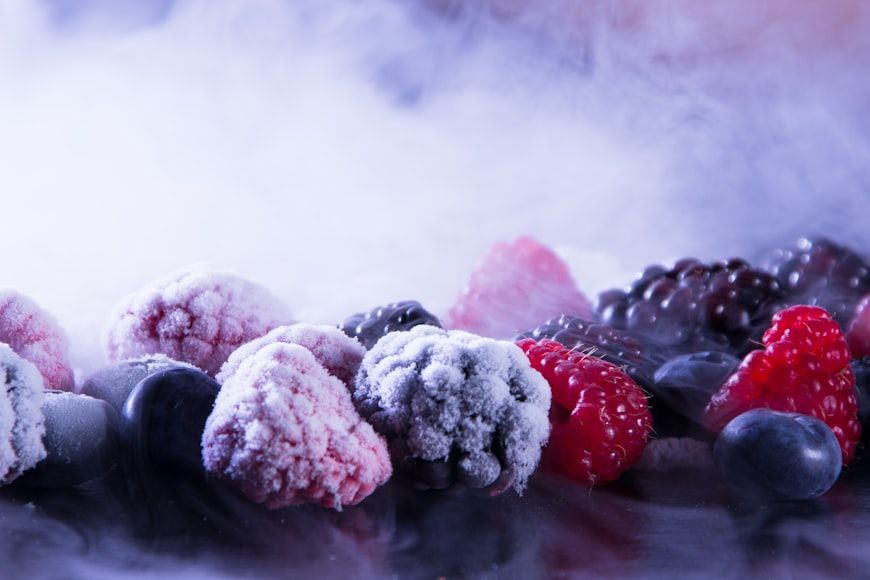 Image: Devin Rajaram
While freeze-drying, or lyophilization, has been known for centuries—the Inca were freeze-drying potatoes as early as the 13th century—it wasn’t until WWII that a commercially viable process was developed.
The military needed a way to preserve blood plasma and penicillin for soldiers in harsh battlefield conditions, where refrigeration was a rare luxury. This demand drove the development of modern freeze-drying techniques, which are still used today for food, medicine, and scientific materials.