Linguistic comeback

These 10 outdated words are too good to stay buried!


Published on December 15, 2025


Over time, language evolves, and with it, certain words fade into the background, replaced by new phrases and expressions. But some of these forgotten words have fascinating histories and meanings that will make you smile—or scratch your head. So, let’s take a stroll down memory lane and rediscover some outdated words that deserve a comeback. You’ll be surprised how much fun they are!

1

Curmuring

Image: Jornada Produtora

Remember that time you rushed out the door without breakfast and sat down in an important meeting? Just as the director began speaking, your stomach grumbled so loudly that everyone could hear it. That’s curmuring, the noise your stomach makes when it’s protesting from hunger.

2

Curglaff

Image: David Boca

Imagine jumping into the ocean on a hot summer day, and the cold water hits you like a shock to the system. You want to scream and gasp for air, and that’s called a curglaff.

It’s a Scottish term from the 1800s, and it perfectly captures that initial chill when you dive into icy waters. Who knew that there was a word for that heart-stopping moment?

3

Elflock

Image: engin akyurt

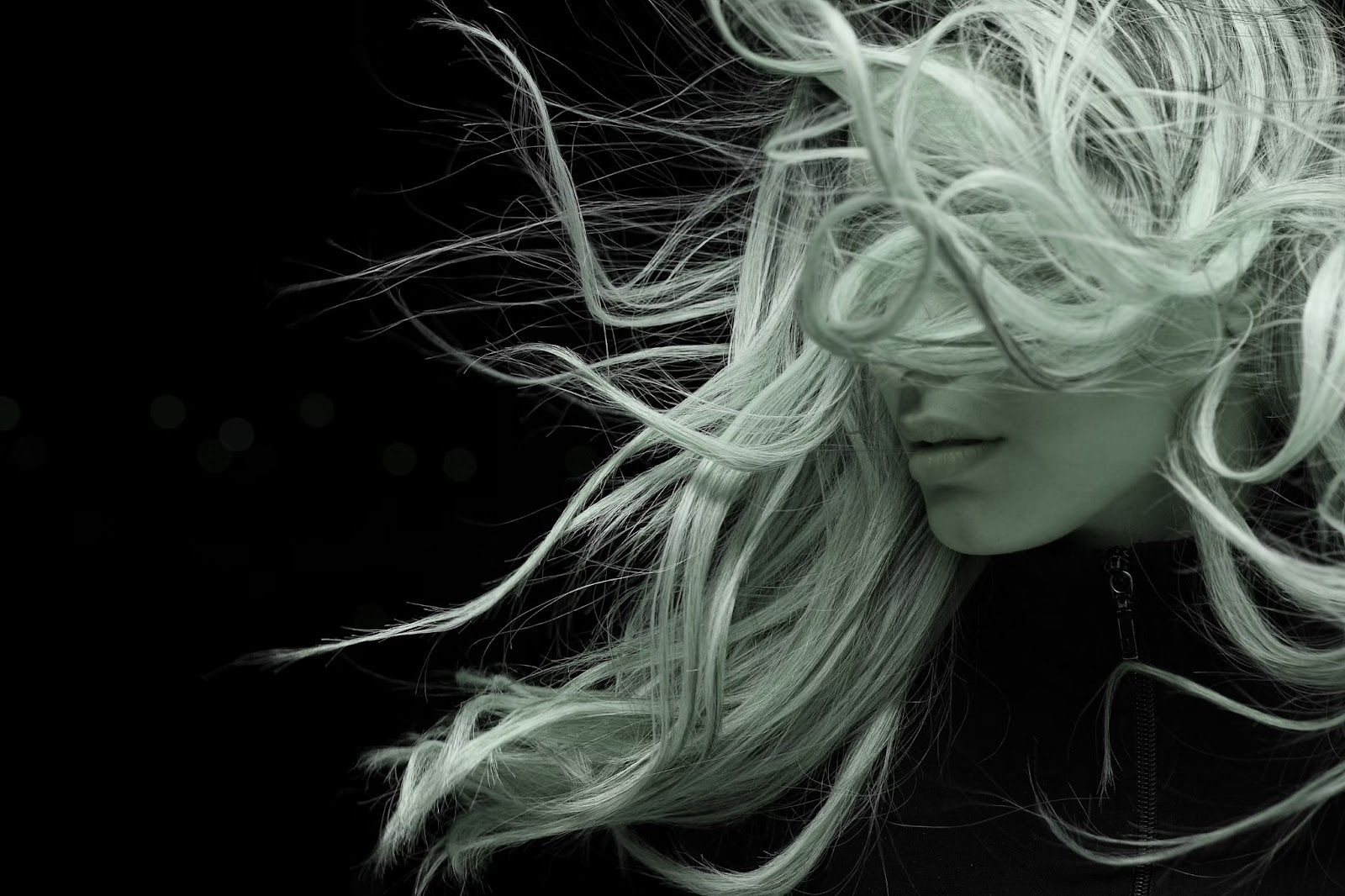
Have you ever woken up with your hair in complete disarray, as if it had a wild night? That’s elflock, a term for messy hair that looks like it was tangled by mischievous elves while you slept. It’s fun as it is specific, don’t you think?

4

Twattle

Image: Priscilla Du Preez 🇨🇦

If you’ve ever overheard a conversation where someone was gossiping about trivial matters, you might have caught them twattling. It’s an old-fashioned way to say that someone is talking nonsense or spreading rumors. Language evolves and changes, just like gossip and the many ways we find to name it!

5

Excogitate

Image: Kenny Eliason

This one might sound a bit fancy, but excogitate means to plan or devise something thoughtfully. It comes from Latin roots and refers to bringing something to life by thinking it through carefully. It’s a plan, but in the scheming way, not the to-do list way, you know? This is a word worth keeping; we could all do with a little more of it!

6

Cockalorum

Image: Angelina

Have you ever met someone who thinks way too highly of themselves? That’s a cockalorum: A person who’s full of themselves despite not having much to show for it. The word has been around since the early 1700s and is the perfect way to describe someone with a high opinion of themselves, especially if they’re not actually as impressive as they think they are!

7

Brabble

Image: Vitaly Gariev

You may not know the word, but you’ve surely witnessed a brabble. When two people argue over something so small and insignificant that you can’t help but shake your head, that’s a brabble. Whether it’s a petty disagreement over the last slice of pizza or a heated debate about the TV remote, you can bet it is one of these.

8

Lunting

Image: Val Tievsky

Back in the 1800s, gentlemen enjoyed a leisurely activity called lunting, which was simply walking while smoking a pipe. It’s a charming image, don’t you think? Picture strolling along with your favorite pipe in hand, taking in the fresh air and enjoying a quiet moment. Next time you go for a walk, why not try a modern version of lunting? Just once in a while can do no harm!

9

Snoutfair

Image: Jon Tyson

Imagine meeting someone and immediately thinking they’re good-looking. That’s when you can call them a snoutfair. This word, dating back to the 1500s, refers to someone with an objectively attractive face. So, if you’re ever complimenting someone’s appearance, try telling them they’re a snoutfair, it’ll certainly catch their attention!

10

Gorgonize

Image: K

Have you ever met someone who could just captivate you with their charm? That’s the effect of being gorgonized. This word comes from the mythological Gorgon, Medusa, whose gaze could turn people to stone. While you won’t actually be turned into a statue, you might find yourself completely mesmerized by their presence!

What science says

It was false after all: 10 health myths that sound true—but aren't


Published on December 15, 2025


Image: Alicja Gancarz

Health myths are everywhere! These ideas were simply passed down for so long that they became part of what we believed. But now science has stepped in to clear things up. Does cold weather make you sick? Can lemon detox your body? Is reading in low light really harmful? Let's uncover the truth behind 10 common health myths!

1

Cutting your hair makes it grow faster

Image: Element5 Digital

Have you ever been told that cutting your hair will make it grow faster? We're sorry to say that's just a myth. Hair grows from the root, not the ends. So, trimming it won't boost growth, though it does help remove split ends that can make your hair look dry or unhealthy.

2

Cold weather causes colds

Image: Thom Holmes

This is one of the most common health myths. Cold weather often gets blamed, but it's not the temperature that makes you catch a cold. During winter, we tend to stay indoors with others and keep the windows closed, an environment that makes it easier for viruses to spread. That's why colds tend to be more common in winter!

3

Eating before bed makes you gain weight

Image: Michelen Studios

The idea that eating before bed automatically leads to weight gain is a myth. In reality, it has more to do with what you eat and how much, rather than the time of day. Often, when we eat very late at night, we're tired and more likely to reach for quick, high-calorie, heavy foods. This can disrupt sleep and lead to consuming more calories than we burn, both of which may affect weight. If it's close to bedtime, it's better to have something light and healthy in a moderate portion than to skip a meal altogether.

4

Wearing glasses weakens your vision

Image: Bud Helisson

Does wearing glasses weaken your vision? Myth! If an eye doctor prescribes glasses, wearing them as directed helps correct your vision; it won't make it worse. Additionally, the right glasses can help prevent or reduce headaches caused by reading or spending long hours in front of a screen.

5

Reading in low light causes permanent eye damage

Image: Amir Balam

This myth is closely related to the previous one. If you love reading and sometimes have to do it in low light because of the situation, don't worry. According to experts, reading in low light doesn't cause permanent or irreversible eye damage. However, it's not recommended because it can make your eyes feel tired or strained, leading to discomfort or headaches.

6

You need to drink 8 glasses of water a day

Image: engin akyurt

We're all different, and so are our bodies. The idea that everyone should drink exactly eight glasses of water a day is more of a general guideline than a rule. Staying well hydrated throughout the day is extremely important, but how much water you need depends on factors like your weight, age, climate, and overall health. We should prioritize staying consistently hydrated instead of obsessing over the number of glasses we drink.

7

Lemon water detox and cleanse your body

Image: Tirza van Dijk

Some people say drinking lemon water helps eliminate toxins and cleanse the body. While adding a slice of lemon to your water is a refreshing way to stay hydrated, it doesn't have any special "detoxifying" powers. The vitamin C in citrus fruits is beneficial, but the body has its own natural detox system. The liver and kidneys are the main organs that filter waste and eliminate toxins.

8

All fat is bad

Image: Aneta Voborilova

Not all fats are bad! Just like other food groups, your body needs fats to function properly. The important thing is knowing the difference between healthy fats and those that can be harmful. Foods like avocados, seeds, olive oil, fish, and nuts are rich in healthy fats. On the other hand, the fats found in processed or fried foods are the ones that can have a negative impact on your body.

9

Liver disease is always caused by alcohol or fats

Image: Elevate

Liver diseases can be serious. While heavy and frequent consumption of alcohol and fats is a major contributor, it's not the only cause. Liver problems can also result from many other factors. These include viral infections, autoimmune diseases, genetic disorders, high blood pressure, and exposure to certain chemicals.

10

Breakfast is the most important meal

Image: Brooke Lark

There's some truth to it: breakfast is important because it replenishes our glucose and energy levels and supports proper metabolism. However, the idea that it's the most important meal of the day might be an exaggeration. Everyone's body has different needs, and all meals are important, so we shouldn't skip any of them!

Looking for an extra scoop of literary fun?

Learn more with our Word of the day

decorous

/ˈdɛk(ə)rəs/