Are these in your diet?

Could doctors prescribe popcorn? These foods are healthier than expected


Published on January 23, 2026
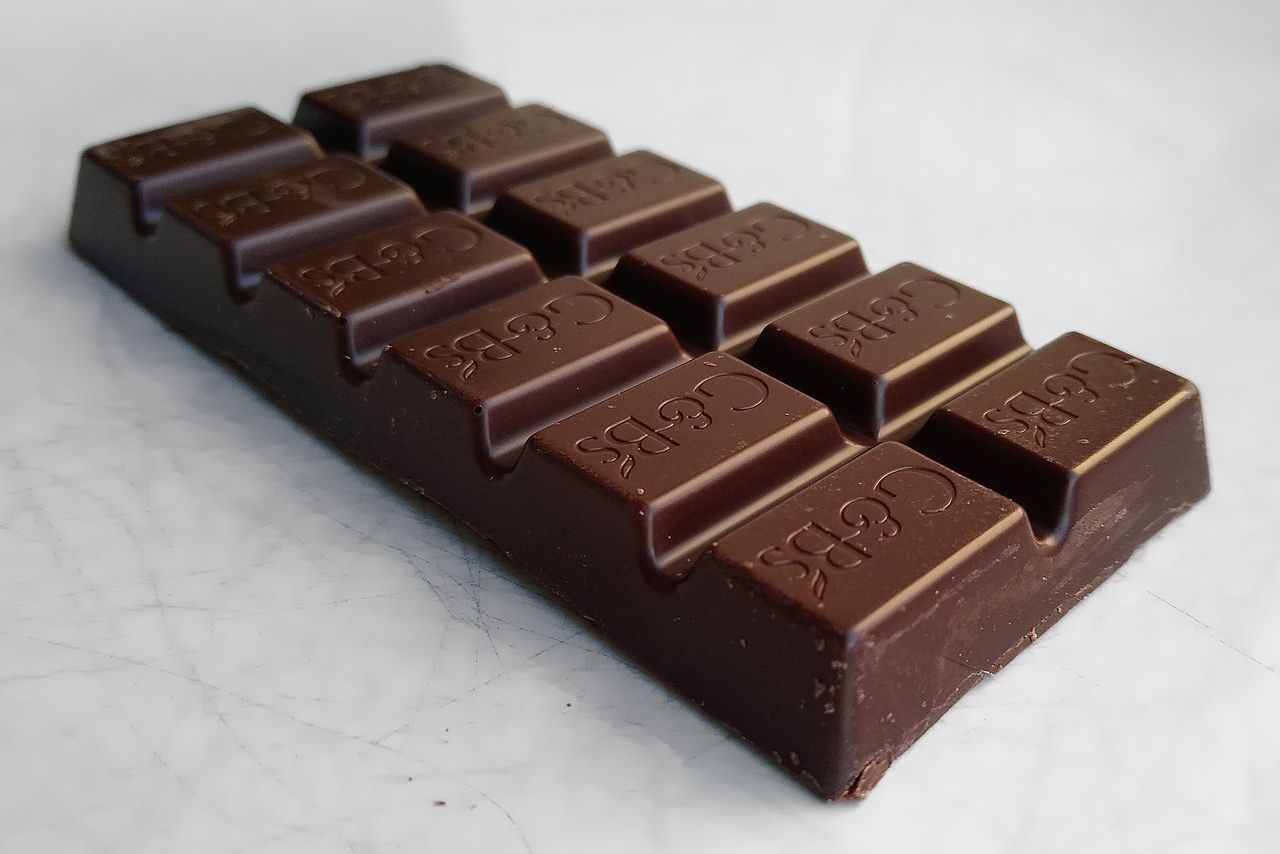

Image: Mx. Granger, CC0, via Wikimedia Commons

No doubt, most of us have the food pyramid etched in our minds. For a long time, we have accepted the fact that tempting treats (like chocolate, pizza, or beer) must be mostly or entirely avoided. But… is that entirely true? As it turns out, there are caveats about some of these so-called guilty pleasures. Wouldn’t you like to learn which snacks are actually pretty healthy for you? Read on!

1

Popcorn

Image: Dejan Krsmanovic, CC BY 2.0, via Wikimedia Commons

Popcorn is a whole grain, high in fiber, and packed with polyphenols (antioxidants). Air-popped popcorn with minimal salt or oil is healthier than many so-called "diet" snacks.

2

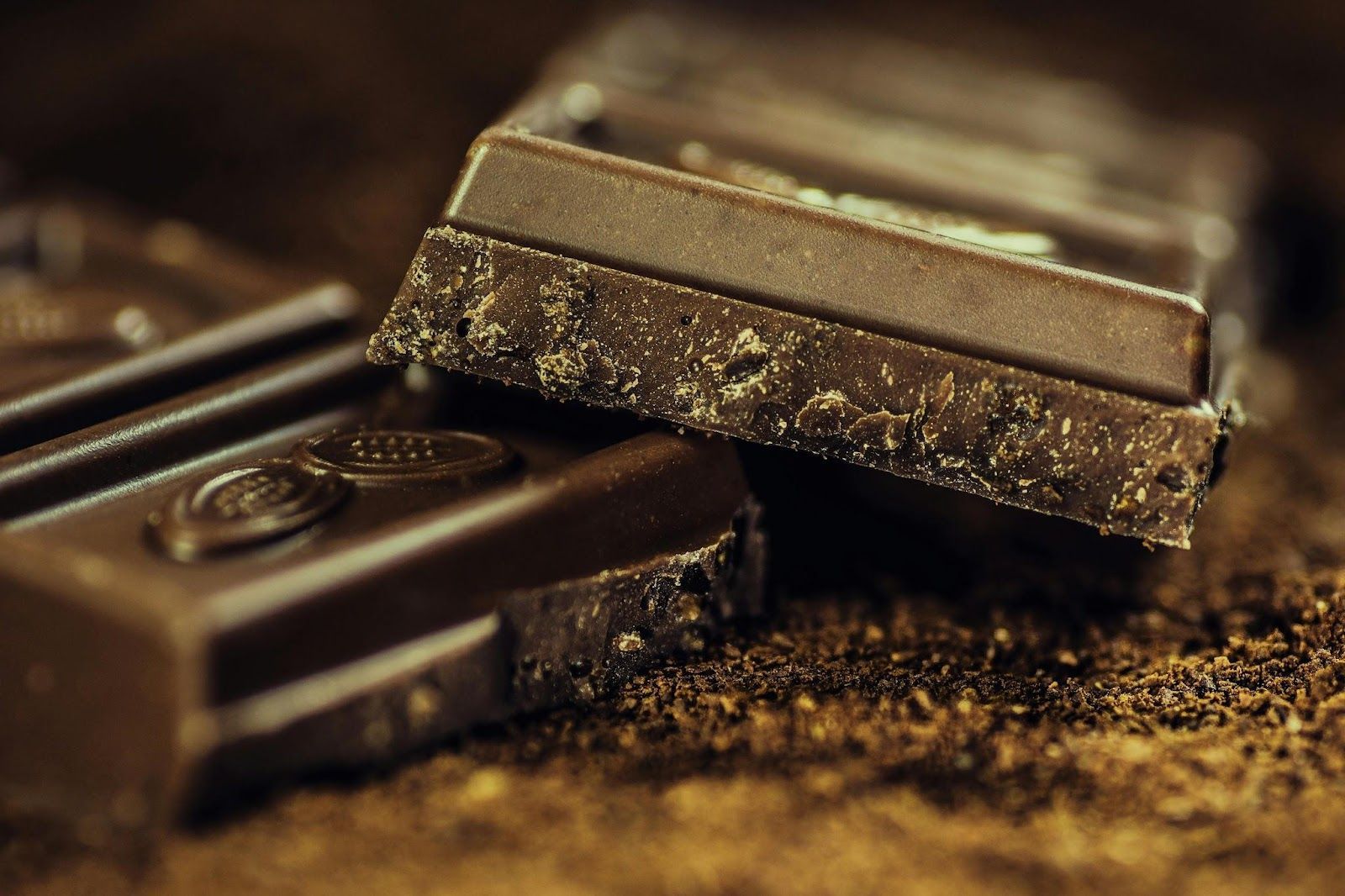
Dark Chocolate

Image: Pixabay

This is very good news for those with a sweet tooth! Dark chocolate (that means, products that have more than 70% cocoa) contains flavonoids that may improve blood flow and help reduce blood pressure. No need to cut it out entirely!

3

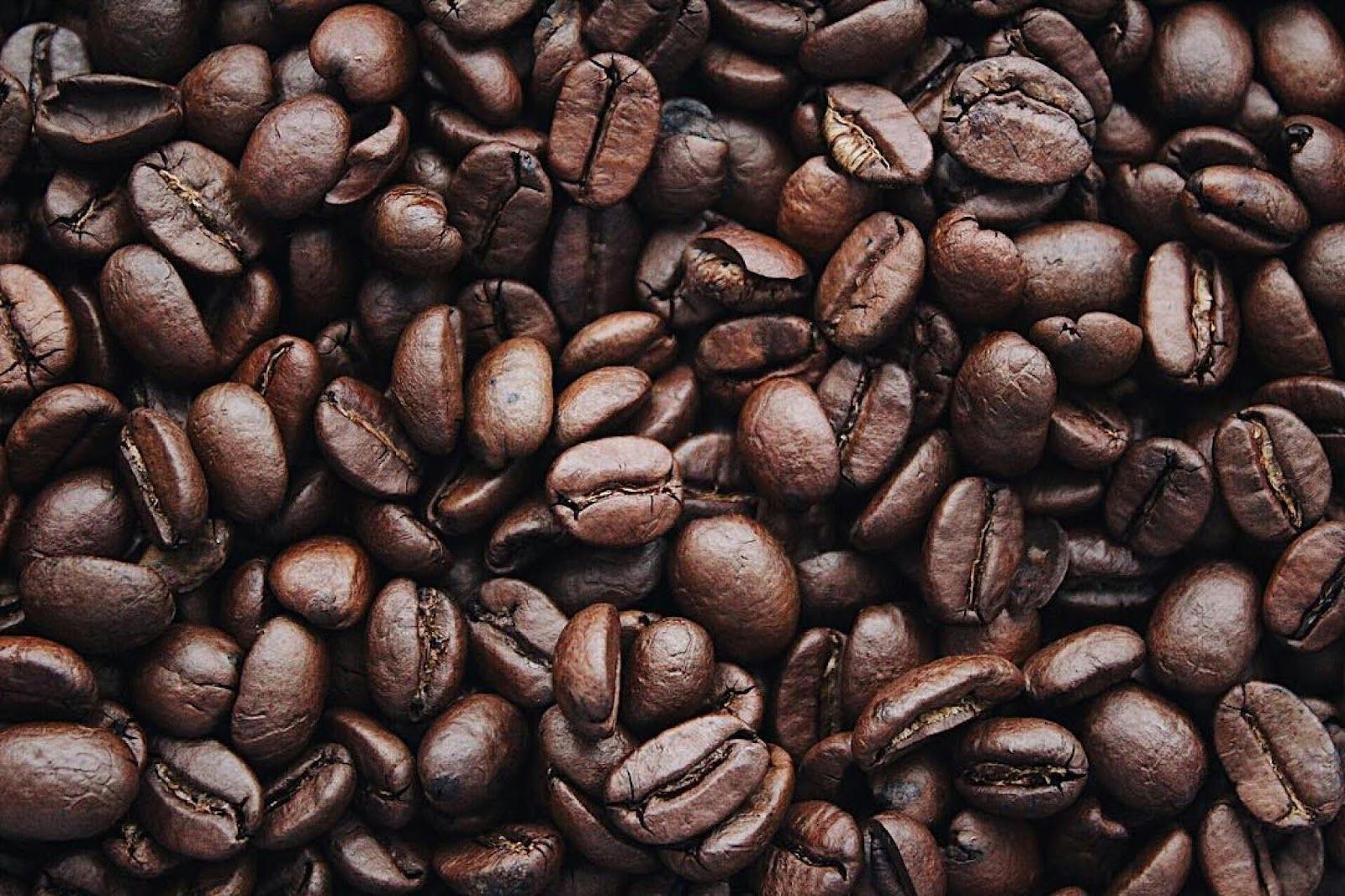
Coffee

Image: Igor Haritanovich

Coffee has long been maligned for "raising blood pressure," but it is now linked to lower risks of heart disease, Parkinson’s disease, and type 2 diabetes, again, thanks largely to its antioxidants. The danger, of course, lies in adding sugar, cream, syrups, and whatnot. Stick to a healthy brew!

4

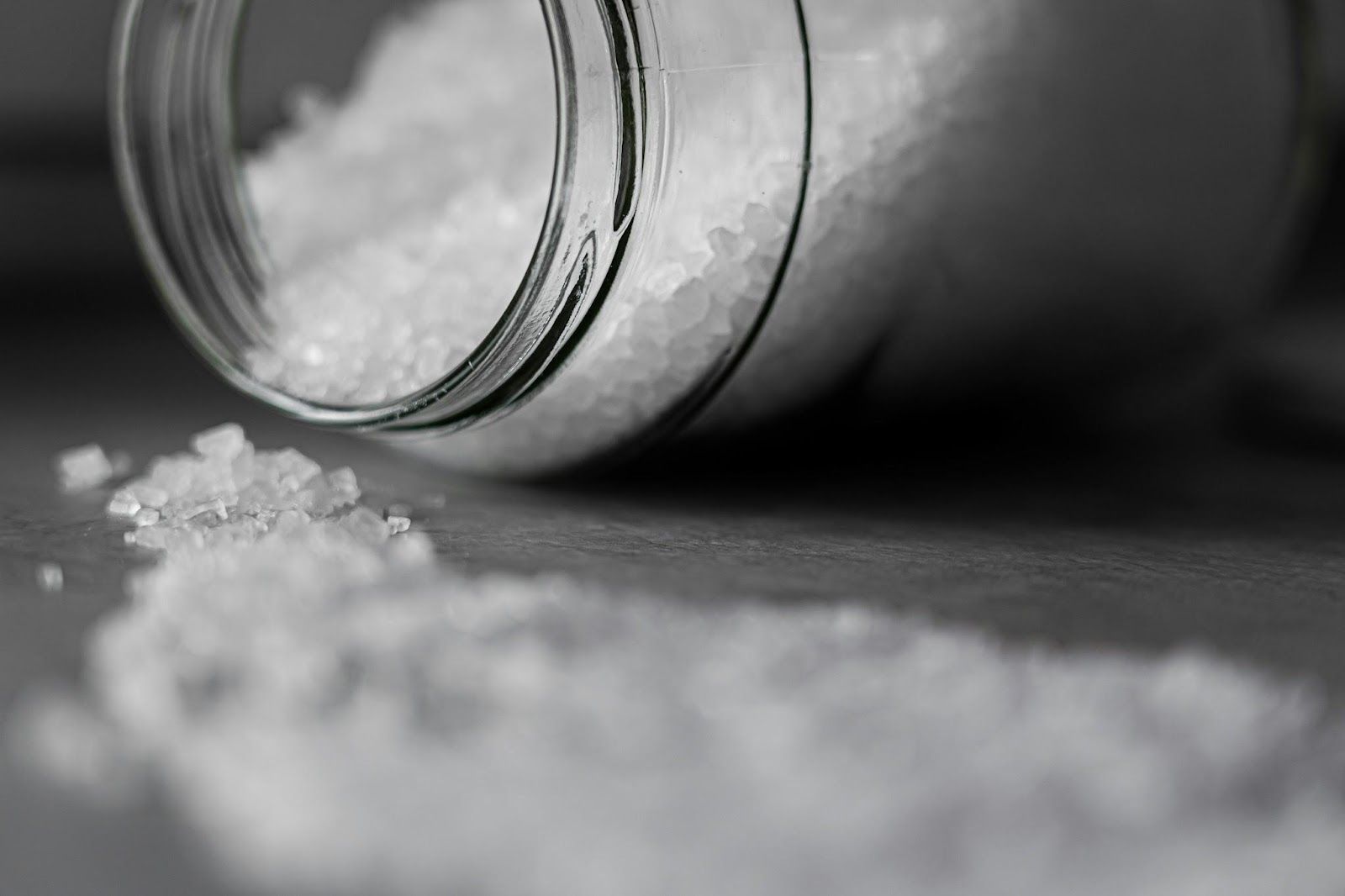
Salt

Image: Castorly Stock

Yes, excess sodium is harmful, but cutting it out completely can also be risky. Sodium helps maintain fluid balance and supports proper nerve and muscle function. Make sure you don’t entirely skip it!

5

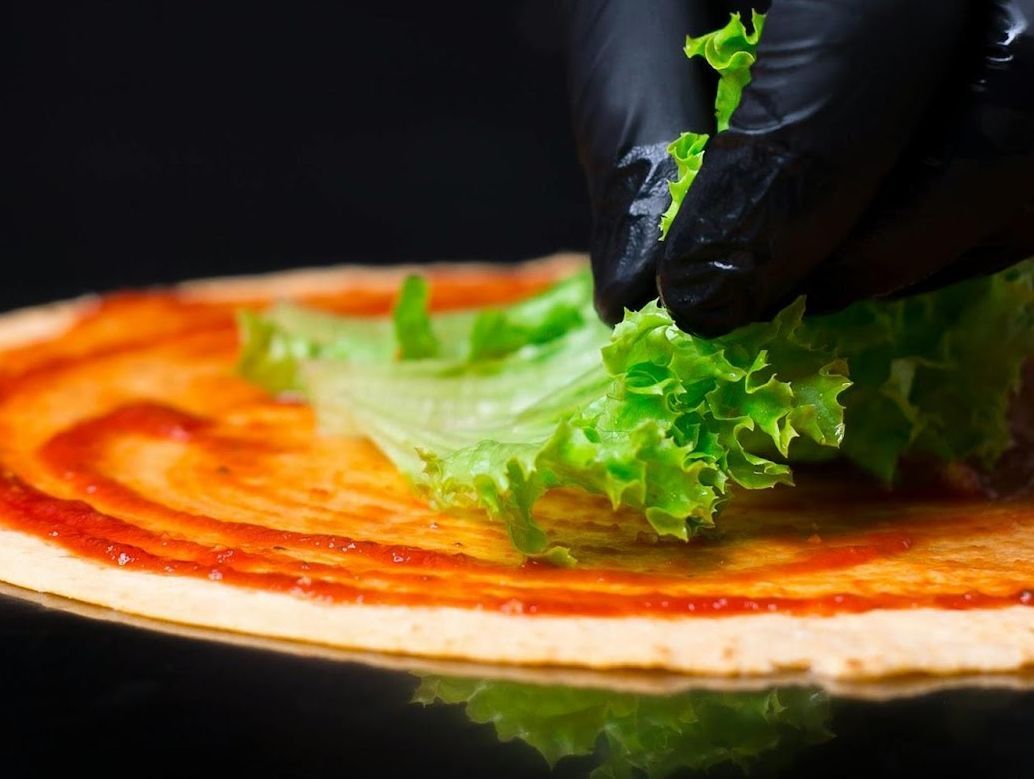
Pizza

Image: Andy Kuzma

Pizza with a caveat, that is. The healthiest pizza you can eat is homemade or thin-crust.

When made with whole-grain dough, real cheese, and veggie toppings, pizza can be a balanced meal, combining carbs, protein, and calcium. It’s the fast-food, oil-dripping, heavily-topped version that’s the real culprit.

6

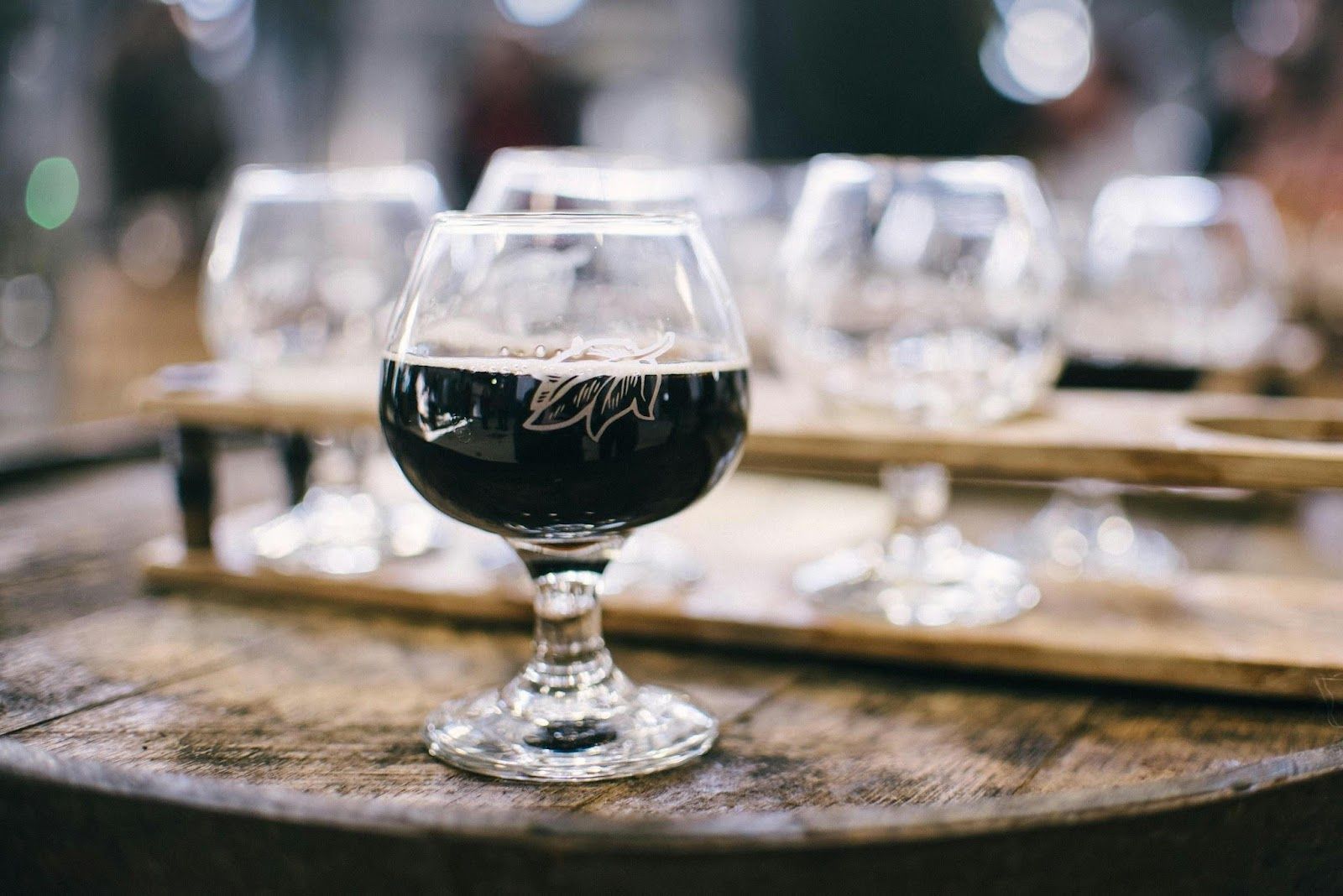
Beer

Image: Alice Donovan Rouse

"What’s beer doing on this list?" you might wonder. Surprise! Moderate beer consumption (especially darker varieties) can provide antioxidant benefits and contribute B vitamins. Again, moderate is the magic word, not "happy hour every day."

7

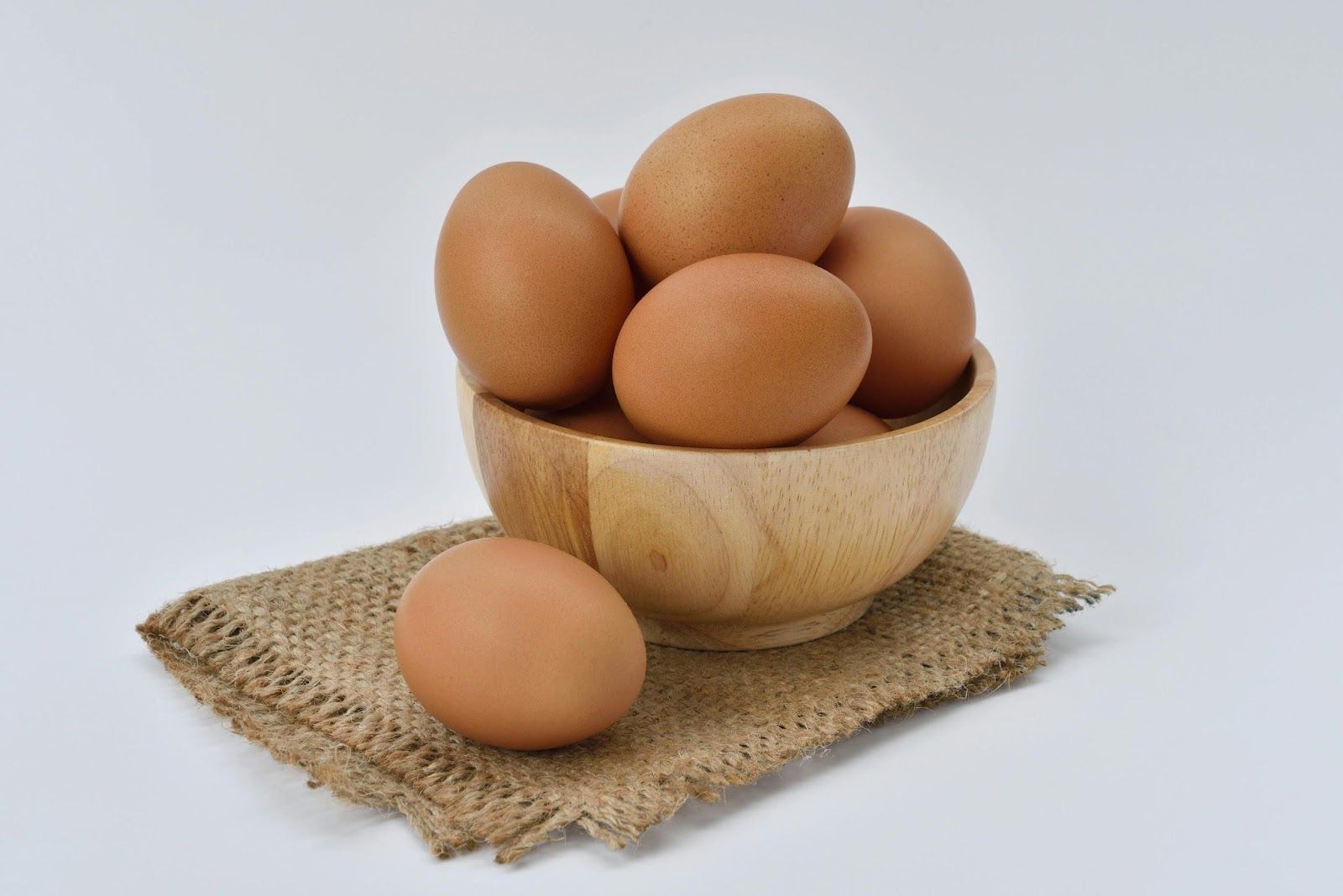
Eggs

Image: Pixabay

Remember when eggs were demonized for cholesterol? Modern studies show dietary cholesterol doesn’t raise blood cholesterol as much as once believed. Eggs are nutrient-dense, packed with choline and protein.

8

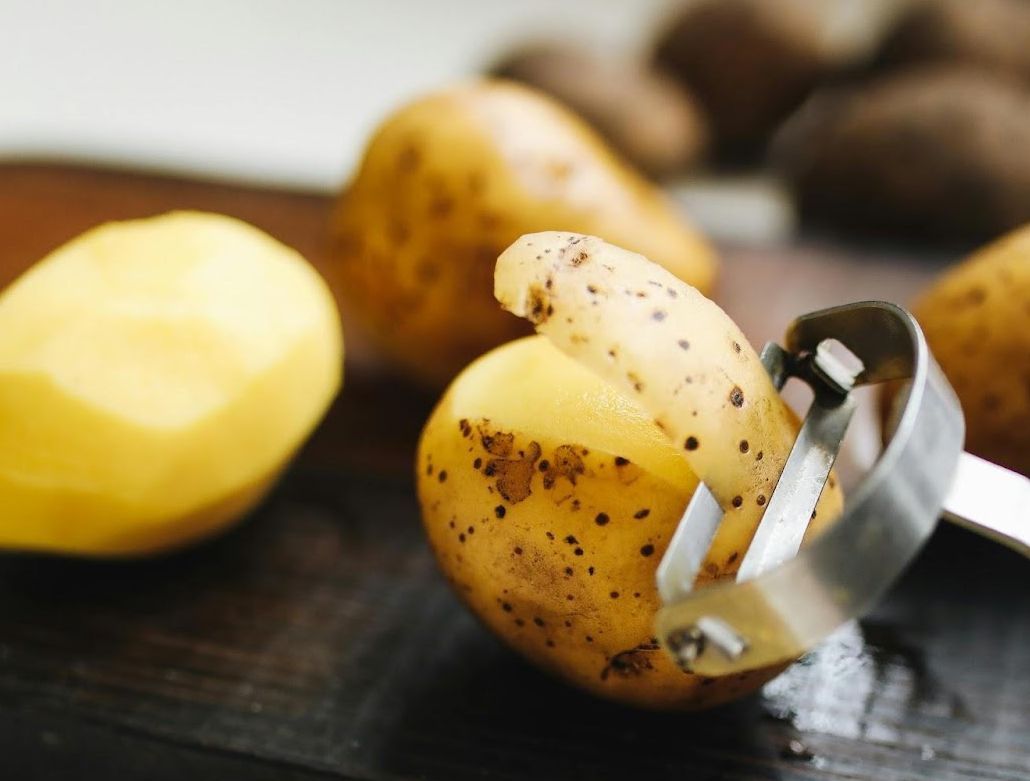
Potatoes

Image: Polina Tankilevitch

Sure, potatoes often rank low on lists of healthy foods when we’re thinking of chips or French fries.

But the tubers themselves are rich in potassium, vitamin C, and resistant starch, which support gut health. When prepared simply, such as by boiling, they can be a nutritious addition to a balanced diet.

9

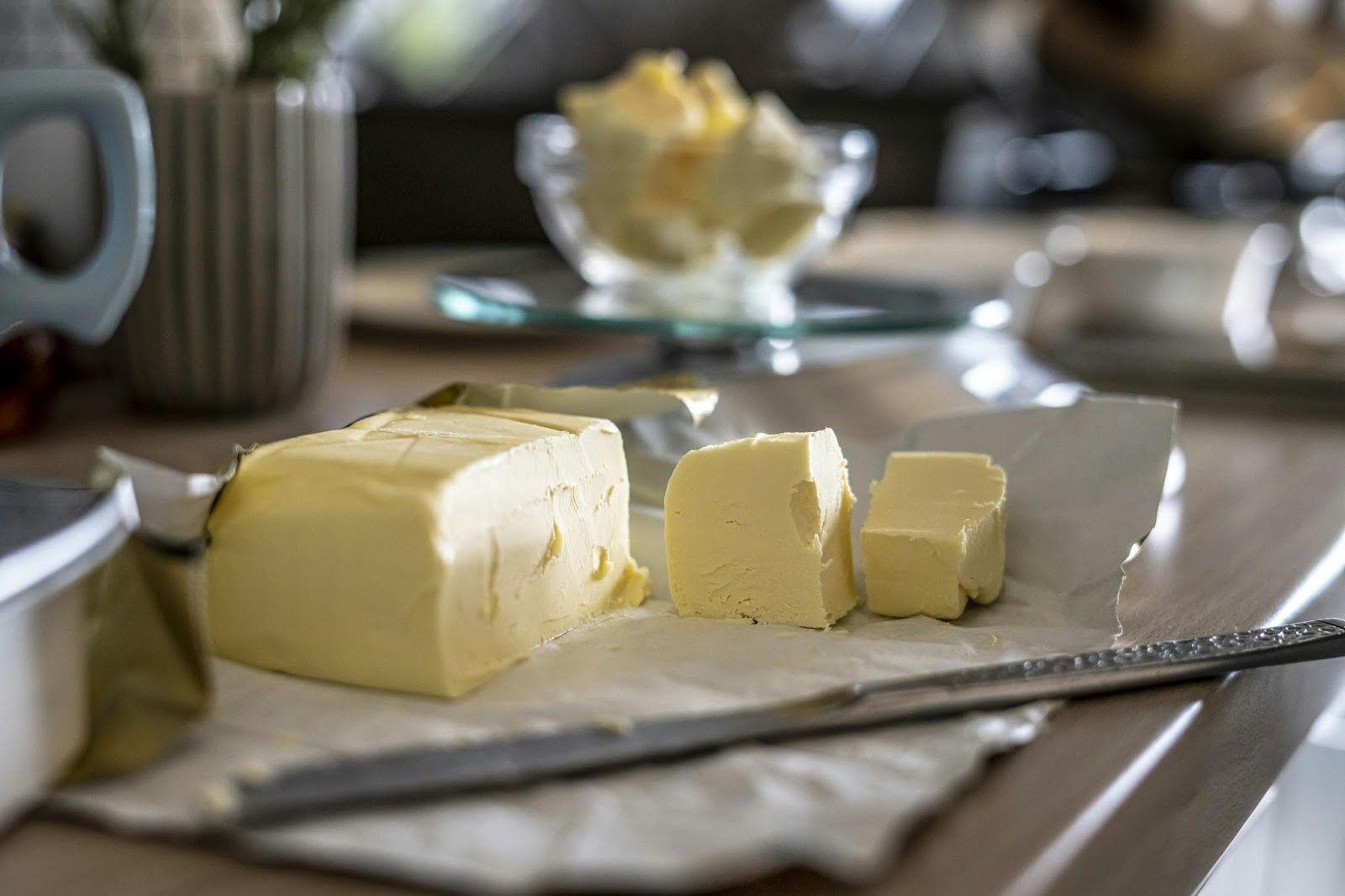
Butter

Image: Sorin Gheorghita

Demonized during the low-fat craze, natural butter, when consumed in small amounts, is often considered less harmful than margarine once was, particularly when margarines were filled with trans fats. Butter contains fat-soluble vitamins and conjugated linoleic acid (CLA), which may have anti-inflammatory effects.

10

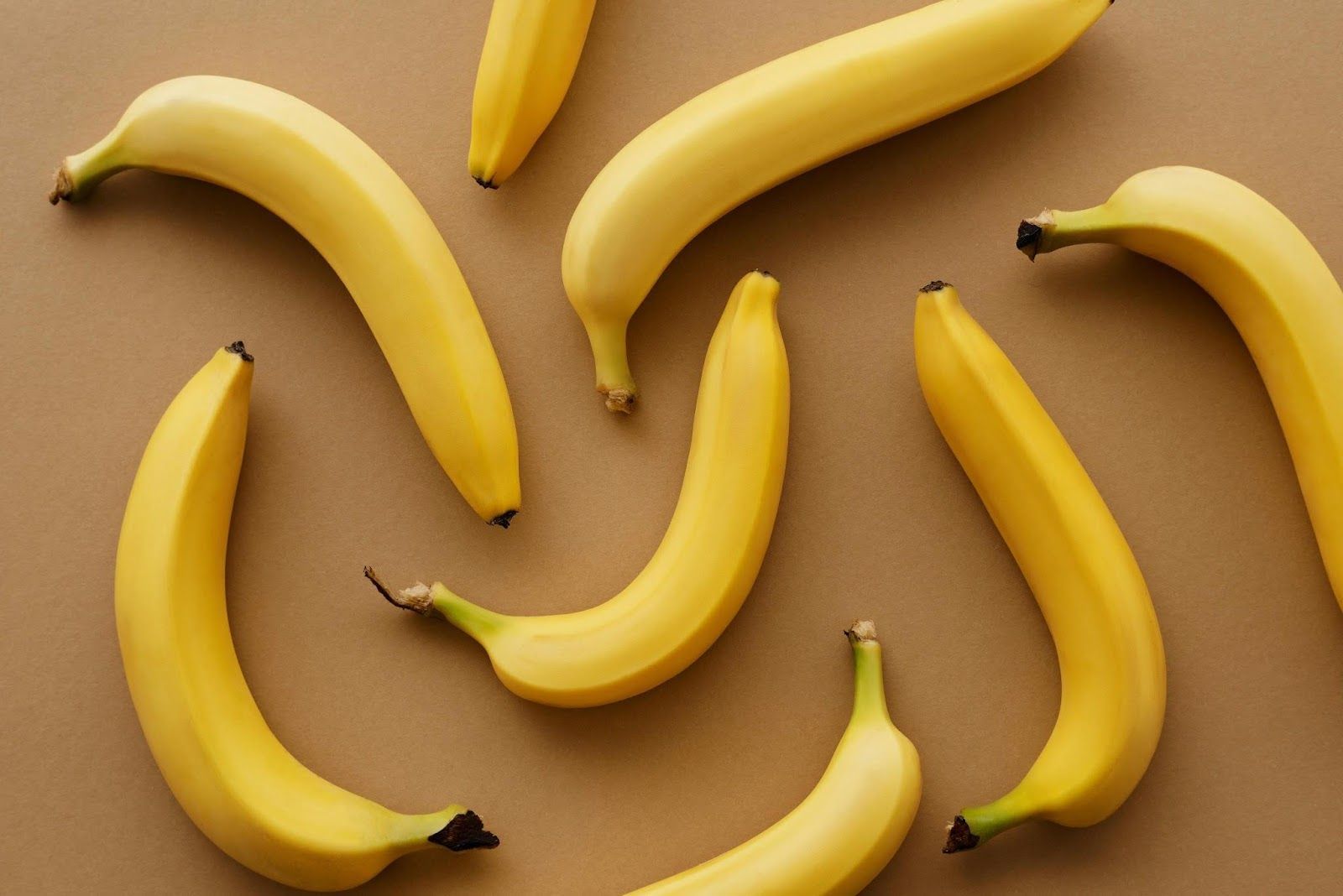
Bananas

Image: Vanessa Loring

They’re often accused of being "too sugary." They might be, compared to other fruits, but they are also loaded with potassium, fiber, and tryptophan. This last one supports serotonin production and plays a role in mood balance.

11

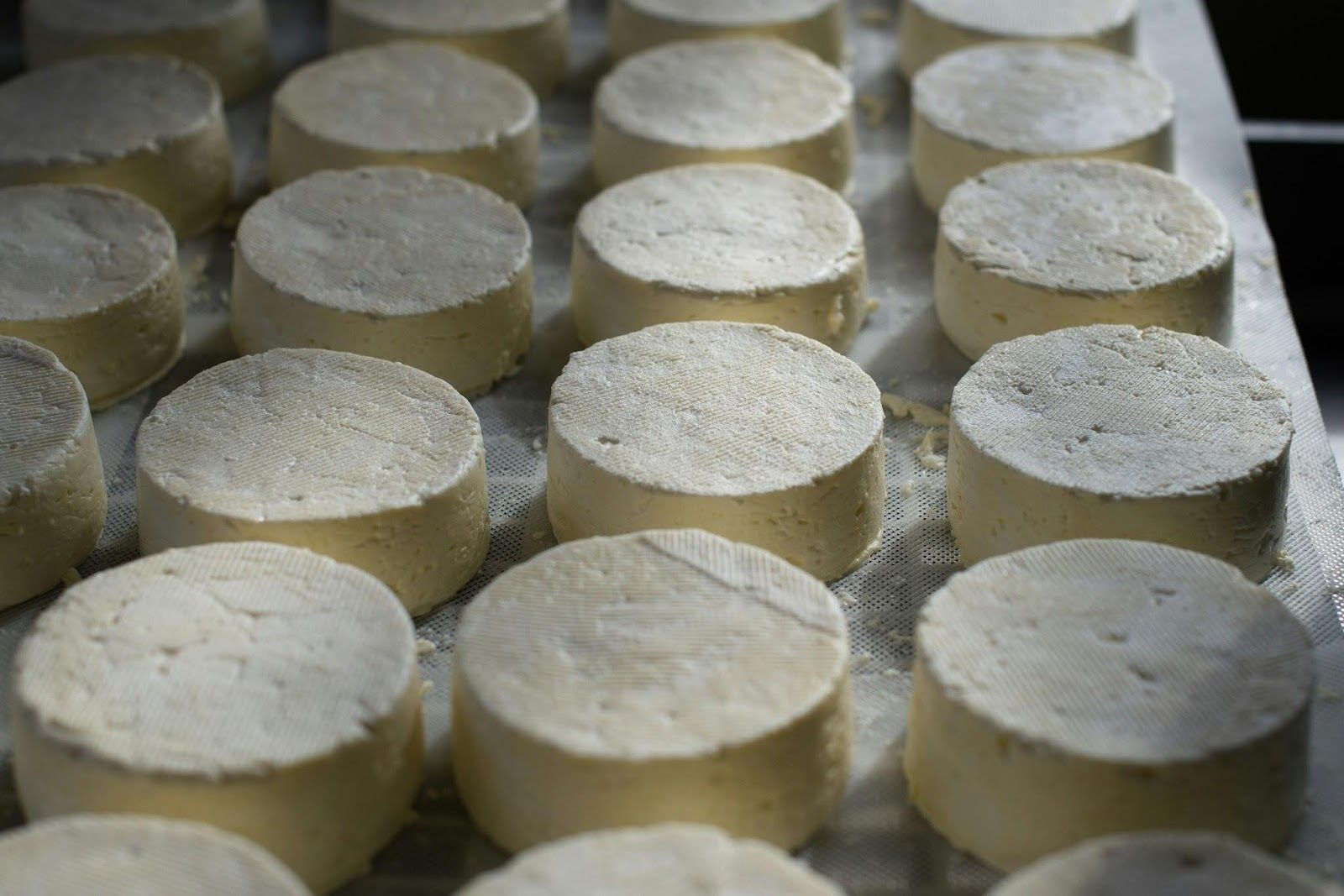
Cheese

Image: Zoe Richardson

It’s calorie-dense, but also rich in calcium, along with beneficial fats and protein. Some fermented varieties (like aged cheddar or gouda) even contain probiotics that may support gut health.

What’s the healthiest type of cheese? Well, cottage cheese is often cited in that role, thanks to its high protein content and relatively low calorie count.

12

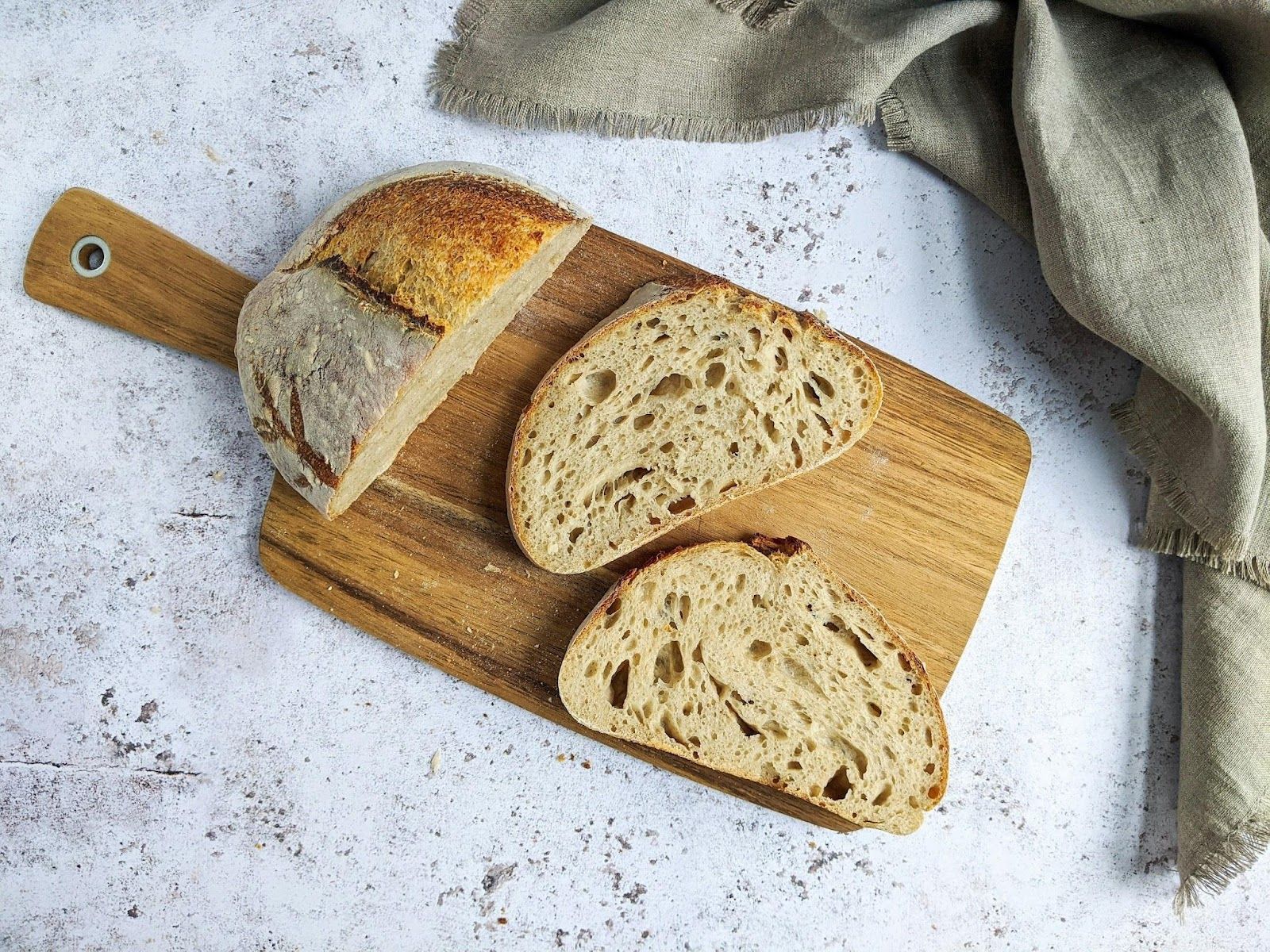
Sourdough Bread

Image: Debbie Widjaja

Not all bread is created equal; sourdough’s fermentation process can lower its glycemic index and make some nutrients more bioavailable. Plus, it’s often easier to digest than regular white bread.

13

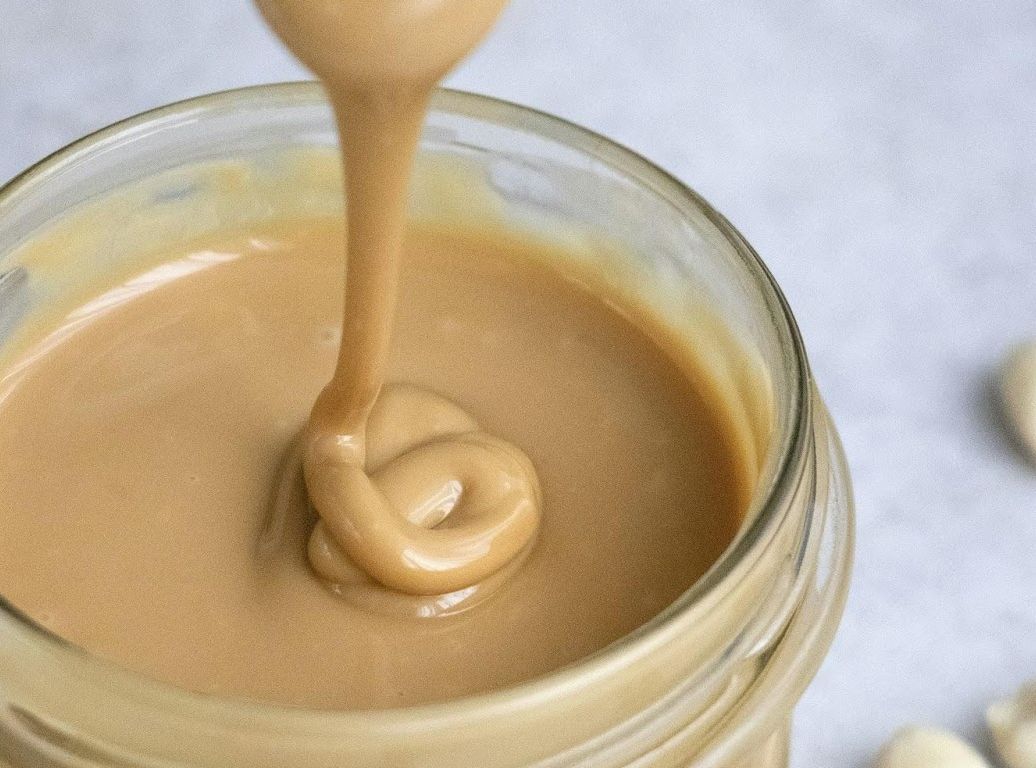
Peanut Butter

Image: Tetiana Bykovets

Often considered a "diet killer," but pure peanut butter (just peanuts and salt) is full of protein, healthy fats, and vitamin E. Its bad rap comes from sugary, hydrogenated versions. Avoid those, and you are good to go!

What science says

It was false after all: 10 health myths that sound true—but aren't


Published on January 23, 2026


Image: Alicja Gancarz

Health myths are everywhere! These ideas were simply passed down for so long that they became part of what we believed. But now science has stepped in to clear things up. Does cold weather make you sick? Can lemon detox your body? Is reading in low light really harmful? Let's uncover the truth behind 10 common health myths!

1

Cutting your hair makes it grow faster

Image: Element5 Digital

Have you ever been told that cutting your hair will make it grow faster? We're sorry to say that's just a myth. Hair grows from the root, not the ends. So, trimming it won't boost growth, though it does help remove split ends that can make your hair look dry or unhealthy.

2

Cold weather causes colds

Image: Thom Holmes

This is one of the most common health myths. Cold weather often gets blamed, but it's not the temperature that makes you catch a cold. During winter, we tend to stay indoors with others and keep the windows closed, an environment that makes it easier for viruses to spread. That's why colds tend to be more common in winter!

3

Eating before bed makes you gain weight

Image: Michelen Studios

The idea that eating before bed automatically leads to weight gain is a myth. In reality, it has more to do with what you eat and how much, rather than the time of day. Often, when we eat very late at night, we're tired and more likely to reach for quick, high-calorie, heavy foods. This can disrupt sleep and lead to consuming more calories than we burn, both of which may affect weight. If it's close to bedtime, it's better to have something light and healthy in a moderate portion than to skip a meal altogether.

4

Wearing glasses weakens your vision

Image: Bud Helisson

Does wearing glasses weaken your vision? Myth! If an eye doctor prescribes glasses, wearing them as directed helps correct your vision; it won't make it worse. Additionally, the right glasses can help prevent or reduce headaches caused by reading or spending long hours in front of a screen.

5

Reading in low light causes permanent eye damage

Image: Amir Balam

This myth is closely related to the previous one. If you love reading and sometimes have to do it in low light because of the situation, don't worry. According to experts, reading in low light doesn't cause permanent or irreversible eye damage. However, it's not recommended because it can make your eyes feel tired or strained, leading to discomfort or headaches.

6

You need to drink 8 glasses of water a day

Image: engin akyurt

We're all different, and so are our bodies. The idea that everyone should drink exactly eight glasses of water a day is more of a general guideline than a rule. Staying well hydrated throughout the day is extremely important, but how much water you need depends on factors like your weight, age, climate, and overall health. We should prioritize staying consistently hydrated instead of obsessing over the number of glasses we drink.

7

Lemon water detox and cleanse your body

Image: Tirza van Dijk

Some people say drinking lemon water helps eliminate toxins and cleanse the body. While adding a slice of lemon to your water is a refreshing way to stay hydrated, it doesn't have any special "detoxifying" powers. The vitamin C in citrus fruits is beneficial, but the body has its own natural detox system. The liver and kidneys are the main organs that filter waste and eliminate toxins.

8

All fat is bad

Image: Aneta Voborilova

Not all fats are bad! Just like other food groups, your body needs fats to function properly. The important thing is knowing the difference between healthy fats and those that can be harmful. Foods like avocados, seeds, olive oil, fish, and nuts are rich in healthy fats. On the other hand, the fats found in processed or fried foods are the ones that can have a negative impact on your body.

9

Liver disease is always caused by alcohol or fats

Image: Elevate

Liver diseases can be serious. While heavy and frequent consumption of alcohol and fats is a major contributor, it's not the only cause. Liver problems can also result from many other factors. These include viral infections, autoimmune diseases, genetic disorders, high blood pressure, and exposure to certain chemicals.

10

Breakfast is the most important meal

Image: Brooke Lark

There's some truth to it: breakfast is important because it replenishes our glucose and energy levels and supports proper metabolism. However, the idea that it's the most important meal of the day might be an exaggeration. Everyone's body has different needs, and all meals are important, so we shouldn't skip any of them!

Looking for an extra scoop of literary fun?

Learn more with our Word of the day

sturdy

/ˈstərdi/