Cop slang

What is a “10-50”? Learn to identify the most common police codes


Published on February 9, 2026
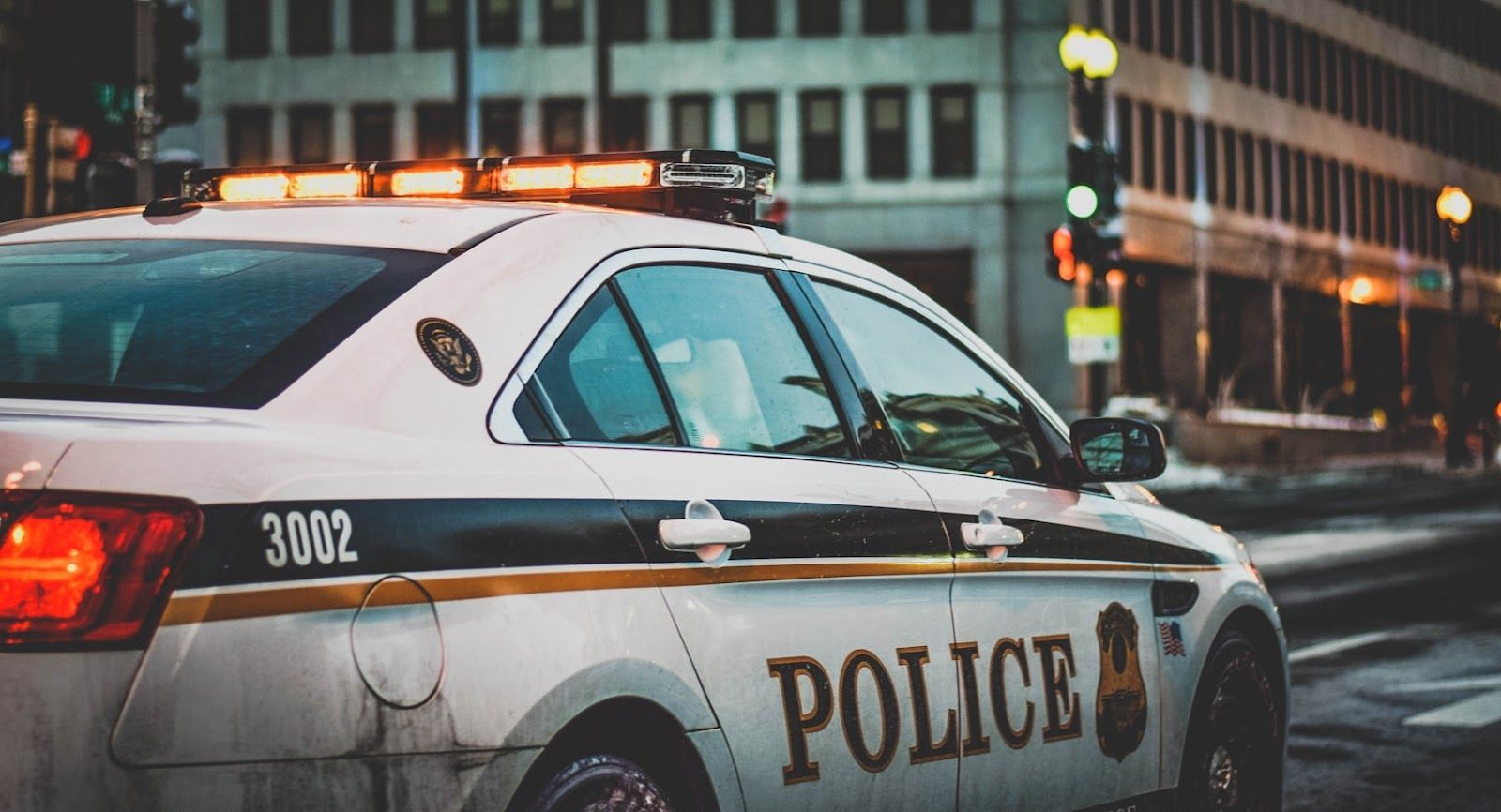

Image: Matt Popovich

Police codes might sound like a secret language, but many are surprisingly straightforward once you know what they mean. From the famous "10-4" to numbers you’ve probably heard in TV dramas, these codes help officers communicate quickly and clearly over the radio. Take a look at 12 common U.S. police codes and their real meanings.

1

10-8 – In service

Image: Jametlene Reskp

2

When an officer calls in "10-8," it means they’re back on duty and ready for assignments. Dispatchers know they can now be sent to handle calls.

This code is often used after completing a task, returning from a break, or becoming available again. It helps keep communication clear and efficient.

3

10-9 – Repeat last transmission

Image: Michael Förtsch

If a message is unclear or missed, the code "10-9" is used to request that it be repeated. It’s a quick way to prevent misunderstandings over the radio.

Whether the issue is static, overlapping chatter, or noise in the field, this code helps ensure that important details aren’t lost.

4

10-20 – Location

Image: Fred Moon

The phrase "What’s your 20?" comes straight from this code, meaning "What’s your location?" It’s one of the most recognizable phrases in police radio.

It’s used for officer check-ins, coordinating units, or simply finding out where someone is at any given moment.

5

10-33 – Emergency, all units stand by

Image: Martin Podsiad

6

When a "10-33" is issued, it signals an urgent situation that requires all radio traffic to stop except for emergency updates.

This clears the airwaves so vital information can get through without delay, often during critical incidents.

7

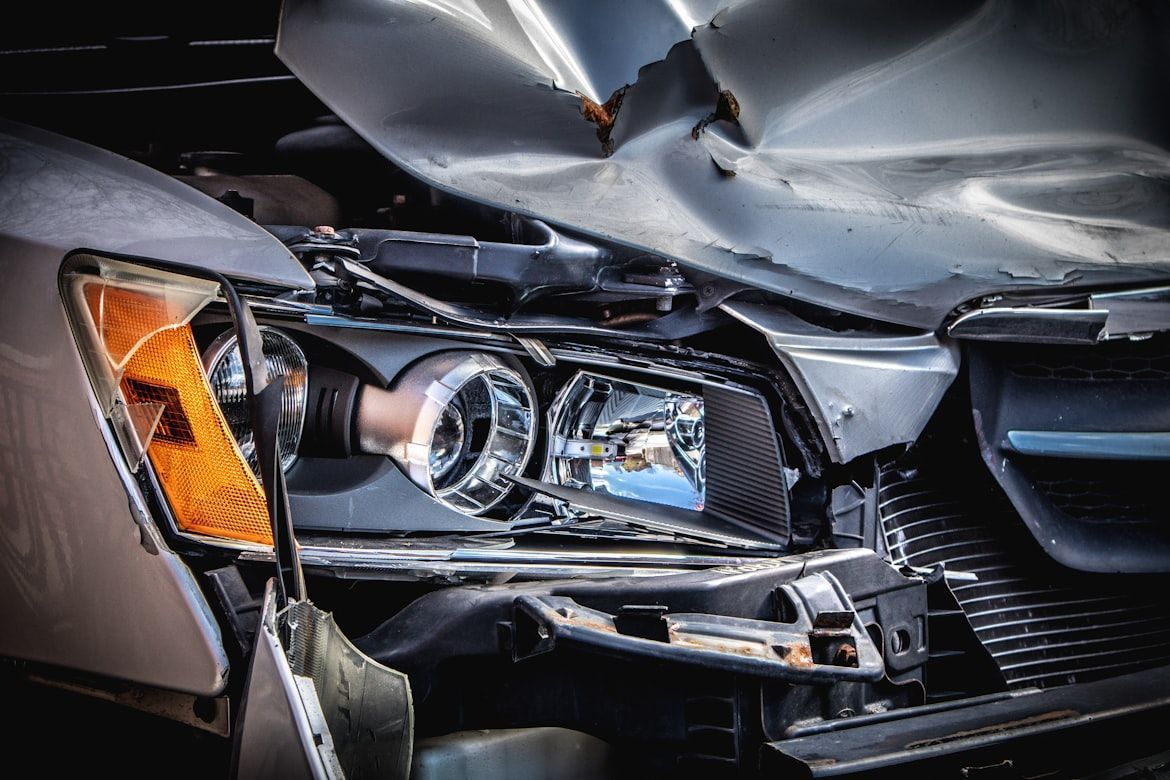
10-50 – Vehicle accident

Image: Clark Van Der Beken

8

A "10-50" reports a motor vehicle accident, from minor fender benders to serious collisions. Officers use it to request backup or other resources.

Variants of the code may specify whether injuries are involved, helping dispatchers send the right assistance quickly.

9

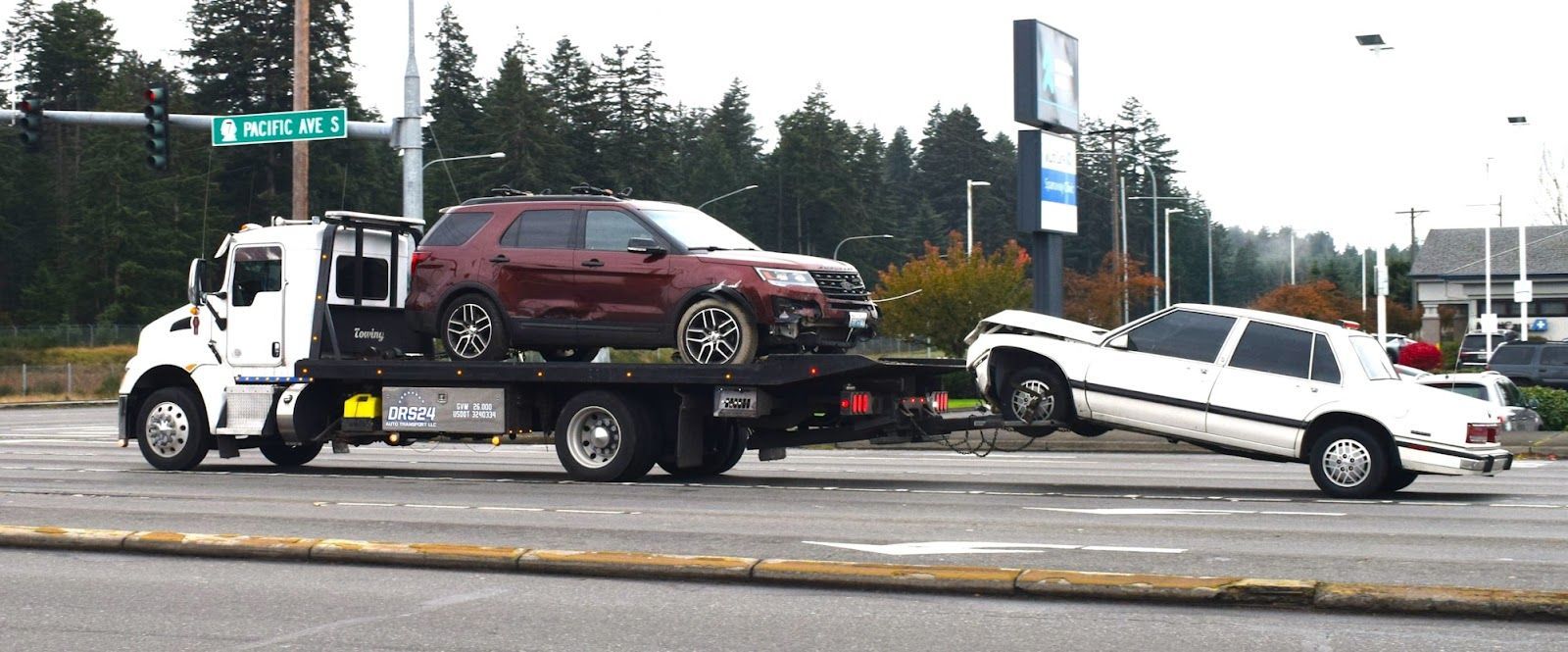
10-51 – Wrecker needed

Image: fr0ggy5

10

When a disabled or wrecked vehicle needs towing, officers call in a "10-51." It’s a request for a wrecker or tow truck.

This code helps keep traffic flowing safely and clears hazards from roadways after accidents or breakdowns.

11

10-76 – En route

Image: Kenny Eliason

12

"10-76" tells dispatch and other units that an officer is on the way to a location or call.

This lets everyone know that help is on the way and gives an idea of how soon assistance will arrive.

13

10-97 – Arrived at the scene

Image: Martin Podsiad

14

After an officer arrives at a location, "10-97" is called in to confirm they are on the scene.

This code is useful for keeping track of personnel and ensuring that backup knows exactly who is present.

15

187 – Homicide

Image: Jenn

16

In California’s Penal Code, "187" refers to the section defining homicide. The term has become widely known through movies, TV, and music.

Even outside California, "187" is often recognized as shorthand for murder in law enforcement slang.

17

211 – Robbery

Image: Brian Lundquist

18

"211" is another California Penal Code section, this one referring to robbery. Like "187," it has become widely recognized in popular culture.

It signals a theft involving force or fear, often triggering an urgent police response.

19

415 – Disturbing the peace

Image: Look Again Digital

20

The "415" code covers various public disturbances, such as fights, loud music, and unruly gatherings.

It’s a flexible code that can apply to anything disrupting public order, big or small.

21

502 – Driving under the influence (DUI)

Image: Erik Mclean

22

We close our list with one of the most "popular" codes. In some states, "502" is used as shorthand for a DUI offense, meaning operating a vehicle while impaired by alcohol or drugs.

It’s a serious charge that can result in arrest, fines, and license suspension.

Stop! You’ve been using these 11 objects the wrong way


Published on February 9, 2026


Image: Diana Polekhina

We use countless objects daily without questioning their design, yet many have hidden features or were meant for entirely different purposes. From kitchen tools to bananas, here are 11 everyday items you might be using all wrong—or that at least have surprising secrets built in.

1

Toothpaste

Image: Anastasia Nikitina

Yes, toothpaste was always intended to clean and polish teeth, but its mild abrasives make it effective for cleaning jewelry, removing stains from clothing, and even defogging mirrors.

Interestingly, the first toothpaste-like substance dates back to ancient Egypt, where a blend of pumice and vinegar was used for oral care. Modern toothpaste, which includes ingredients like baking soda—another household staple—explains why it’s so effective on surfaces beyond just teeth.

2

Pasta spoons

Image: Markus Winkler

That hole in your pasta spoon isn’t just for draining water; it can also help measure a perfect portion of dry spaghetti!

A single serving of spaghetti is about the amount that fits through the hole. This design prevents cooking too much or too little, though not all pasta spoons have holes large enough for accurate measuring.

3

Gas pumps

Image: engin akyurt

The latch inside gas pump nozzles was originally designed to shut off fuel flow automatically when the tank is full, not to hold the pump open.

Modern pumps use this mechanism as a safety feature, preventing spills and overflows. In some places, using the latch to hold the nozzle open is even illegal due to fire risks.

4

Grocery carts

Image: Karsten Winegeart

Those metal loops on the back of grocery cart seats aren’t just for show—they’re designed to hold plastic bags with fragile items.

Hanging lighter bags here prevents them from being crushed by heavier groceries in the cart, yet few shoppers take advantage of this simple design. So, next time you go shopping, give it a try—it could be a real lifesaver.

5

Soda can tabs

Image: Bam Mccarthy

The hole in a soda can tab isn’t just part of the opening mechanism—it can double as a straw holder. Once you pop the can open, turning the tab around aligns the hole perfectly for a straw. This prevents the straw from floating or shifting while drinking.

While this wasn’t the original intent behind the design, it’s a clever and surprisingly convenient way to make use of an otherwise inconsequential design quirk.

6

Two-tone erasers

Image: Annie Spratt

If you're like me, this has likely been a brain teaser since childhood: What is the blue side of a two-tone eraser for? Popular wisdom says it's for ink removal, but have you ever tried erasing ink with that side? It just completely obliterates the paper.

Well, it turns out the blue side of a two-tone eraser was actually designed for use on heavier paper, not for removing ink.

7

Keyboard bumps

Image: Matúš Kameniar

The small bumps on the ‘F’ and ‘J’ keys exist to help typists find their hand placement without looking.

These tactile guides help your fingers find their way back to the home row, enabling faster and more efficient typing. Even if you're not a professional typist, you can rely on this feature to improve both speed and accuracy while writing.

8

Peeling bananas

Image: Monika Guzikowska

Ever watched a monkey peel a banana? You might be in for a surprise, because it turns out the easiest way to peel a banana is from the bottom, not the stem.

Monkeys naturally pinch the bottom of the banana and pull, avoiding the struggle of breaking the tough stem. This method also reduces the risk of squishing the fruit inside.

9

Measuring tape

Image: Brett Jordan

The small hole at the end of a measuring tape is designed to hook onto nails or screws for one-person measurements. This feature provides a more stable grip when measuring long distances without needing an extra set of hands.

Also, the serrated edge on some tapes doubles as a tool for marking surfaces. So, next time you don't have a buddy around to help, don’t worry—your measuring tape has you covered!

10

Oven drawer

Image: Andrea Davis

Many people use the drawer under their oven for storage, but it was originally designed as a warming drawer.

This compartment keeps cooked food warm while the rest of the meal finishes, though in some modern models, it may simply be intended for extra storage. Checking your oven’s manual might reveal its true purpose.

11

Wine bottle indent

Image: Mockup Free

Ever heard someone say you can judge a good wine by the depth of the indentation at the bottom of the bottle? Well, that’s a myth, though it may suggest a better-designed bottle.

The indent at the bottom of a wine bottle, called a punt, helps distribute pressure and maintain structural integrity. Originally designed to support the bottle against carbonation in sparkling wines, it’s now mostly tradition but still improves durability.

Looking for an extra scoop of literary fun?

Learn more with our Word of the day

noisome

/ˈnɔɪs(ə)m/