Furry facts
10 amazing facts you probably didn’t know about dogs
Published on November 12, 2025
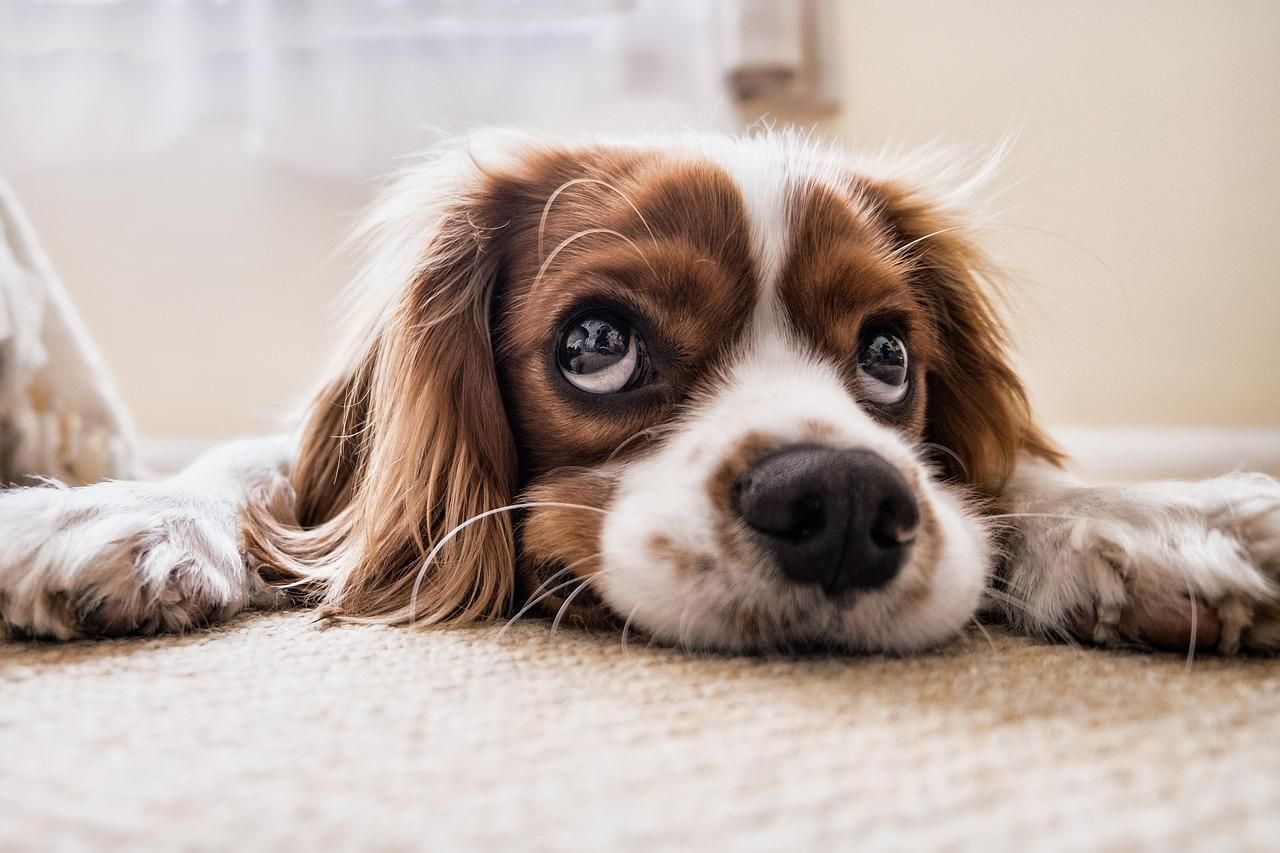 Image: PicsbyFran
Dogs have walked alongside humans for thousands of years, earning them the title of "man’s best friend." But loyalty and love aren’t the whole story. Behind every wagging tail lies a bundle of quirks and special skills that most people never notice. Some of these traits are downright funny, others almost unbelievable, and a few might even make you see your own pup in a brand-new light. From secret talents to curious habits, here are 10 surprising facts about dogs that prove they’re far more than just companions.
Dogs can be left or right-pawed
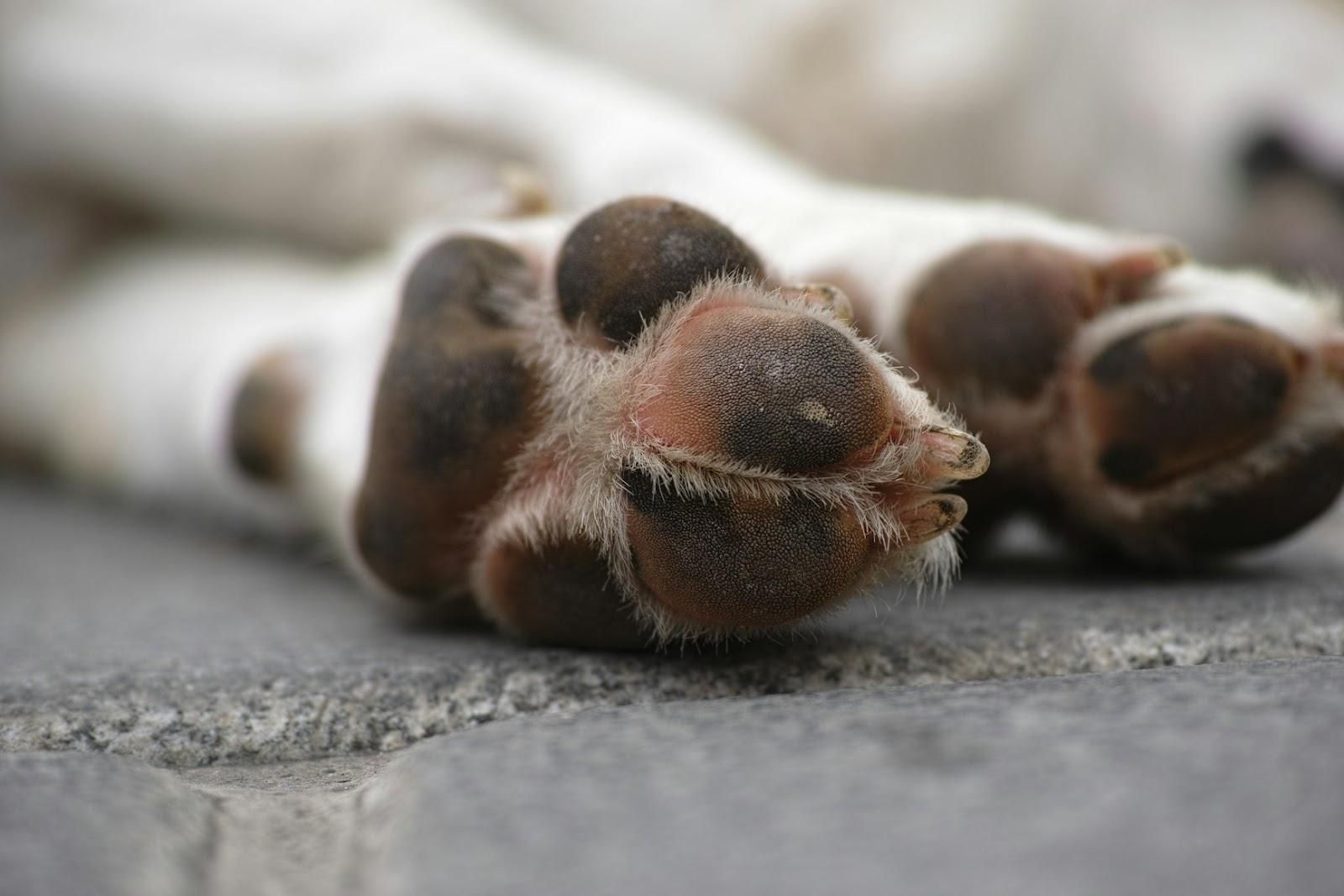 Image: engin akyurt
Believe it or not, dogs can favor one side of the body over the other. Very much like humans, pups often show a clear preference when it comes to their paws. This phenomenon is called "lateralization," meaning individuals stick to their "dominant" paw for most activities. Whether they’re batting at a ball, stepping off the couch, or greeting you with a shake, dogs consistently go left or right. In other words, they can be natural "lefties" or "righties," just like us.
A unique nose for everyone
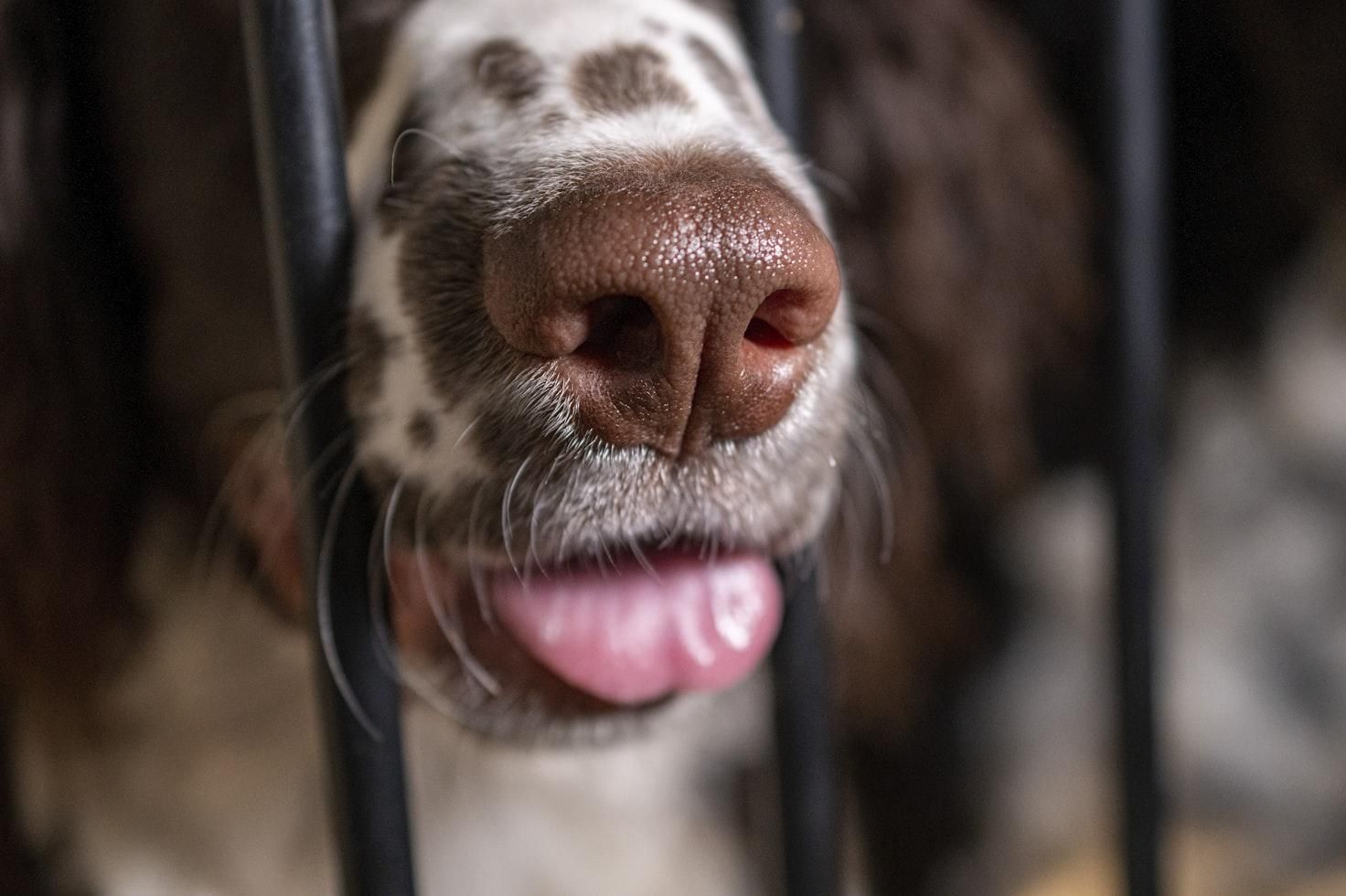 Image: Jon Sailer
What may look like nothing more than a damp snout is actually a built-in ID card. If you take a closer look, every dog’s nose is etched with a maze of ridges, swirls, and tiny bumps, all arranged in a completely unique pattern. Much like snowflakes, no two are ever alike. In fact, a dog’s nose is as distinctive as a human fingerprint. Some researchers suggest that one day, nose prints could become as reliable as scanning a thumb, offering a surprisingly scientific way to tell every pup apart.
Mood wizards
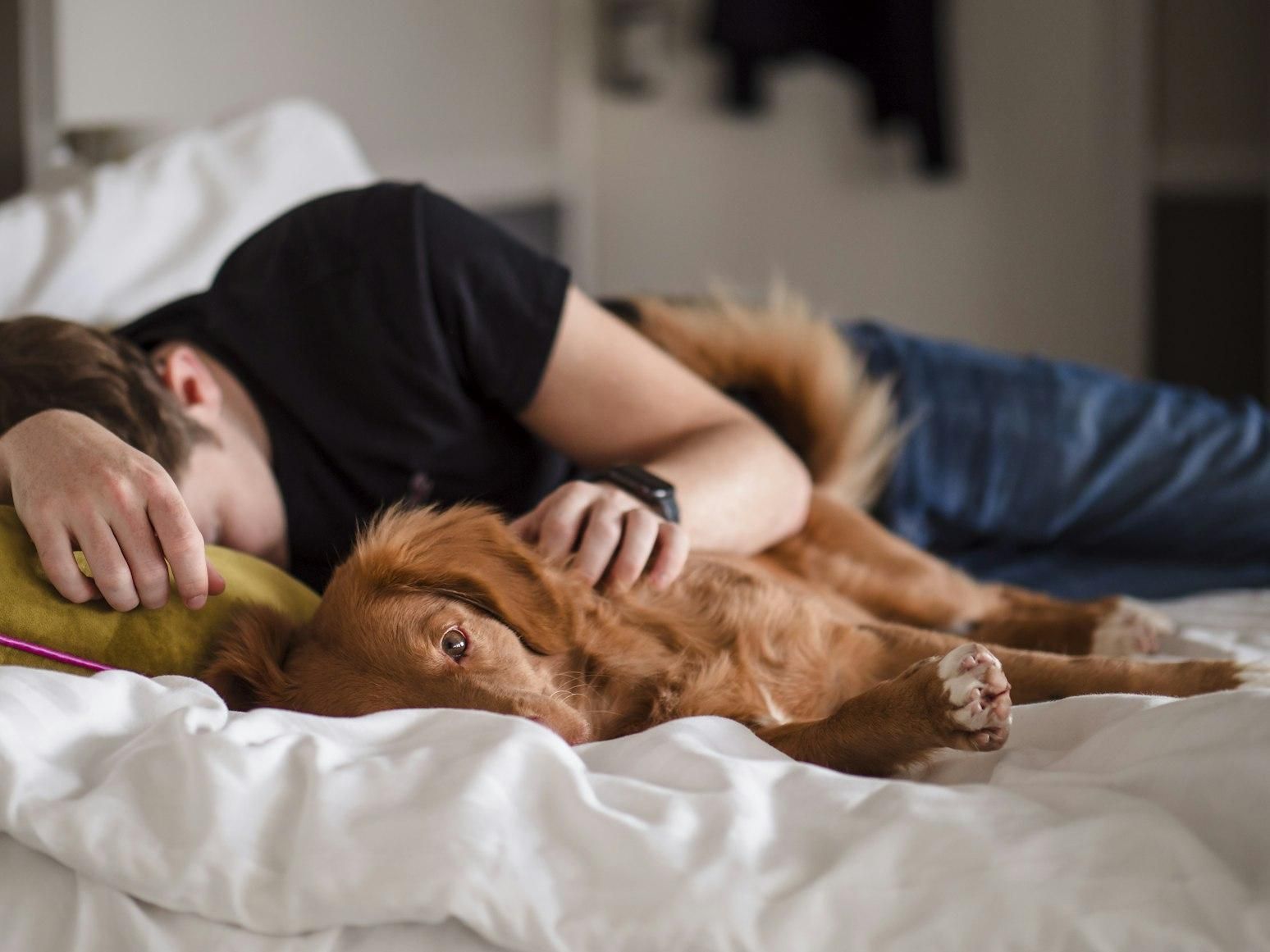 Image: Jamie Street
Emotions may be invisible to us, but to a dog, they practically float like a scent trail in the air. When your heart races with nerves or your mood lifts with joy, your body releases chemical signals. Thanks to their supercharged noses—armed with more than 220 million scent receptors—dogs pick up on those shifts instantly, often before you’ve even noticed them yourself. To your pup, stress has a specific smell, happiness another one, and so does calm. It’s almost like they’re emotional mind-readers, guided not by divination, but by an extraordinary sense of smell.
Paw prints made of sweat
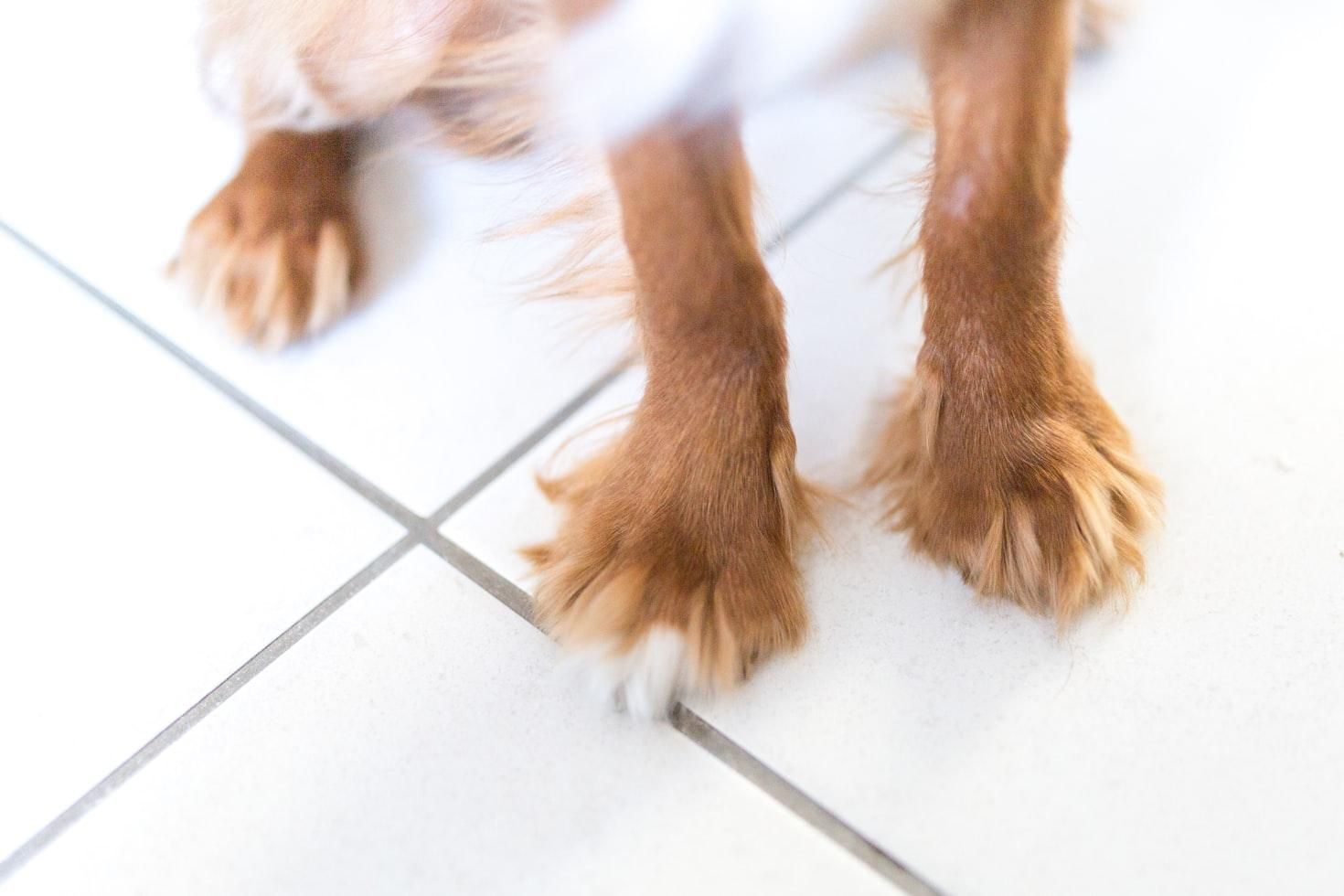 Image: Izabelly Marques
Picture this: a blazing summer afternoon, the kind where the air feels heavy and the shade doesn’t give much relief. Your dog trots across the kitchen tiles, leaving a trail of little damp spots behind. At first glance, you might think you’ve spilled water somewhere. But if you look closer, you’ll discover tiny sweat prints, released straight from the pads of your dog’s paws, one of the few places where canines actually perspire. It’s their built-in way of cooling down, imprinted right onto your floor.
The Methuselah of dogs
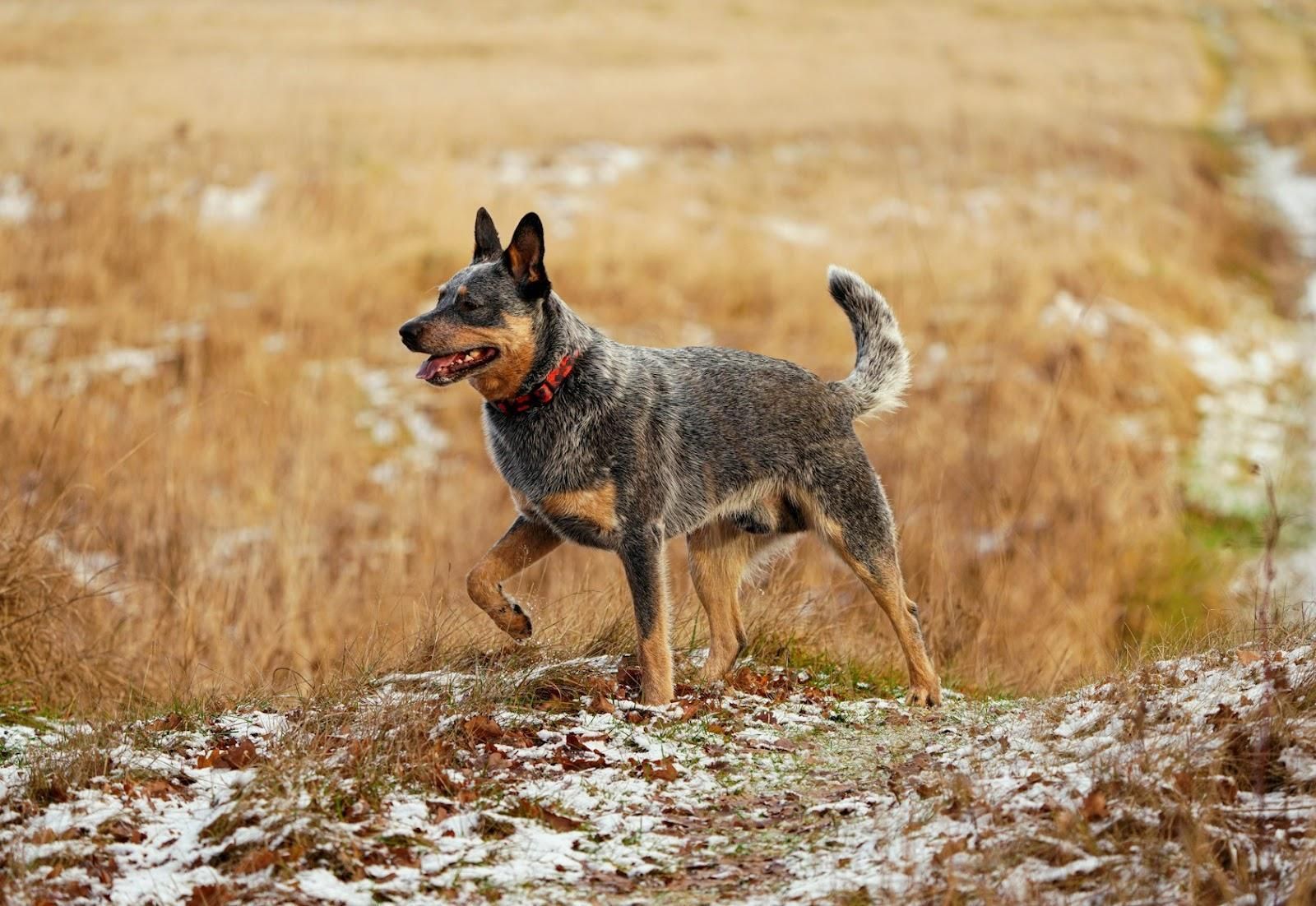 Image: Marcin Wojna
Back in the 1930s, tales spread far and wide about a remarkable Australian cattle dog named "Bluey." Season after season, he rounded up livestock, worked alongside ranchers, and showed the stamina of an animal half his age. His energy seemed endless, and his loyalty never wavered. By the time he finally slowed down, Bluey had reached the astounding age of 29. That’s more than double the typical dog’s lifespan, and even today, his record still stands as the gold standard for canine longevity.
The truth about Dalmatian coats
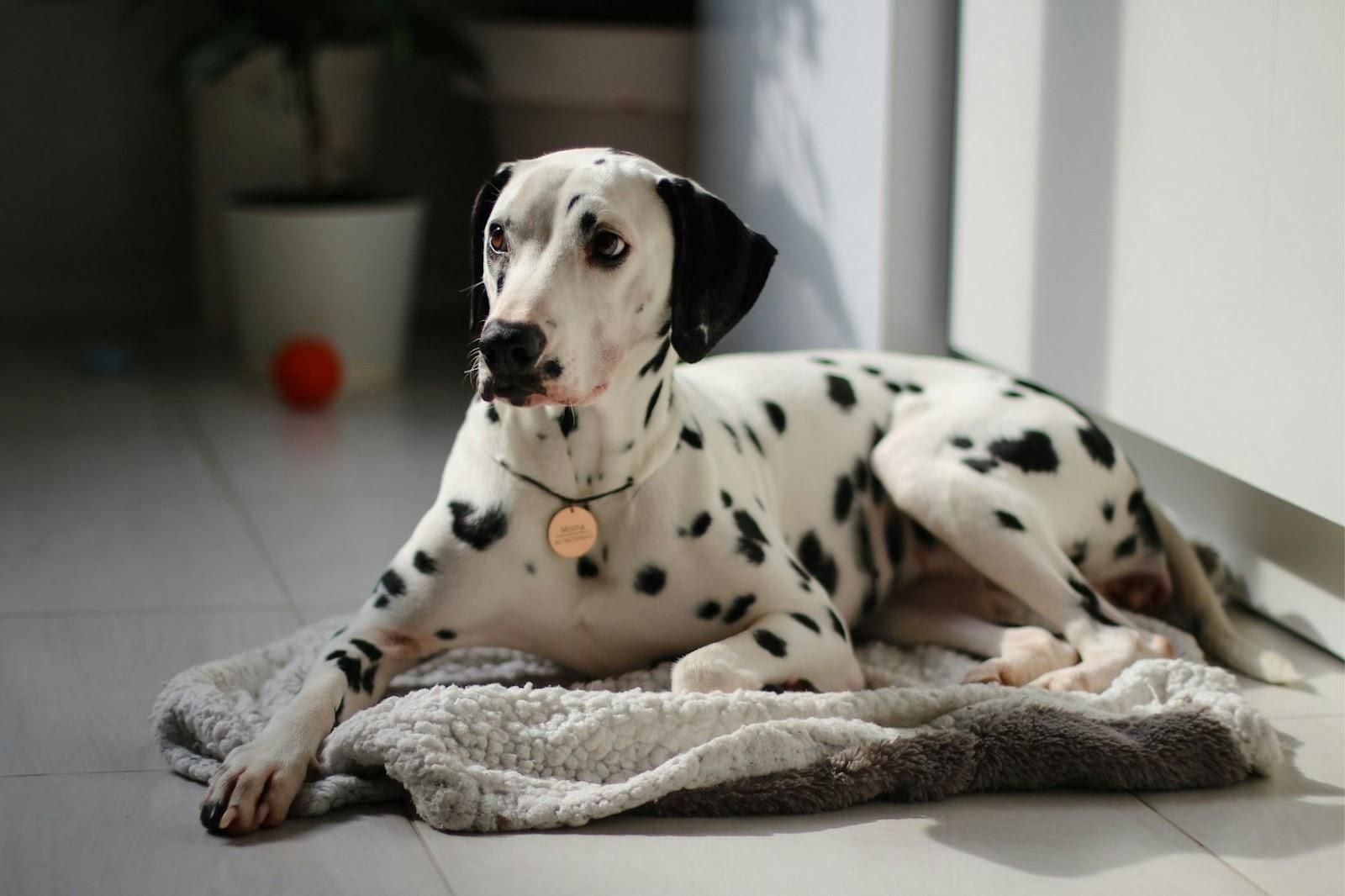 Image: Anna Kumpan
Did you know a newborn Dalmatian doesn’t look like the spotted star of storybooks? In fact, every puppy arrives in the world completely white, its coat as blank as a brand new canvas. As the weeks go by, something magical happens and dark spots begin to appear, one by one, across their fur. Some cluster close, others scatter wide, giving each pup a unique pattern, almost like fingerprints. By the time they’re old enough to tumble around the yard, their trademark black or brown polka dots are in full bloom, as if nature itself had been painting in slow motion.
Greyhounds, the marathon sprinters
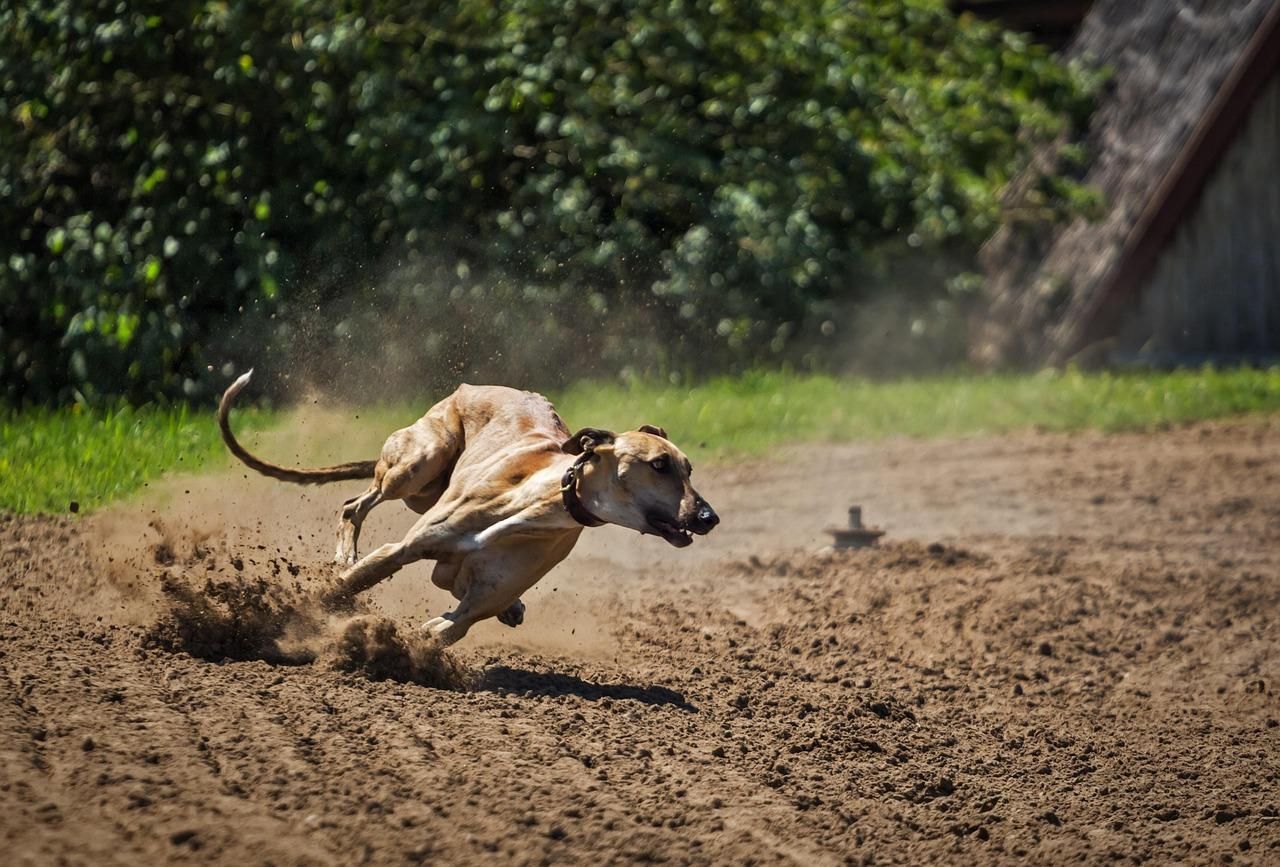 Image: Bergadder
Cheetahs may be the kings of speed, galloping across the savanna at nearly 70 miles per hour; yet, that lightning burst burns out fast. In less than 30 seconds, their muscles overheat and they have to stop, leaving them panting in the shade. Greyhounds, on the other hand, are built for the long run. With their lean bodies and powerful lungs, they can race at 45 miles per hour, keeping the pace far longer than their feline counterparts. Put the two in a sprint and the cheetah wins every time; switch to an endurance race, and the graceful greyhound takes the crown.
Nature’s secret compass
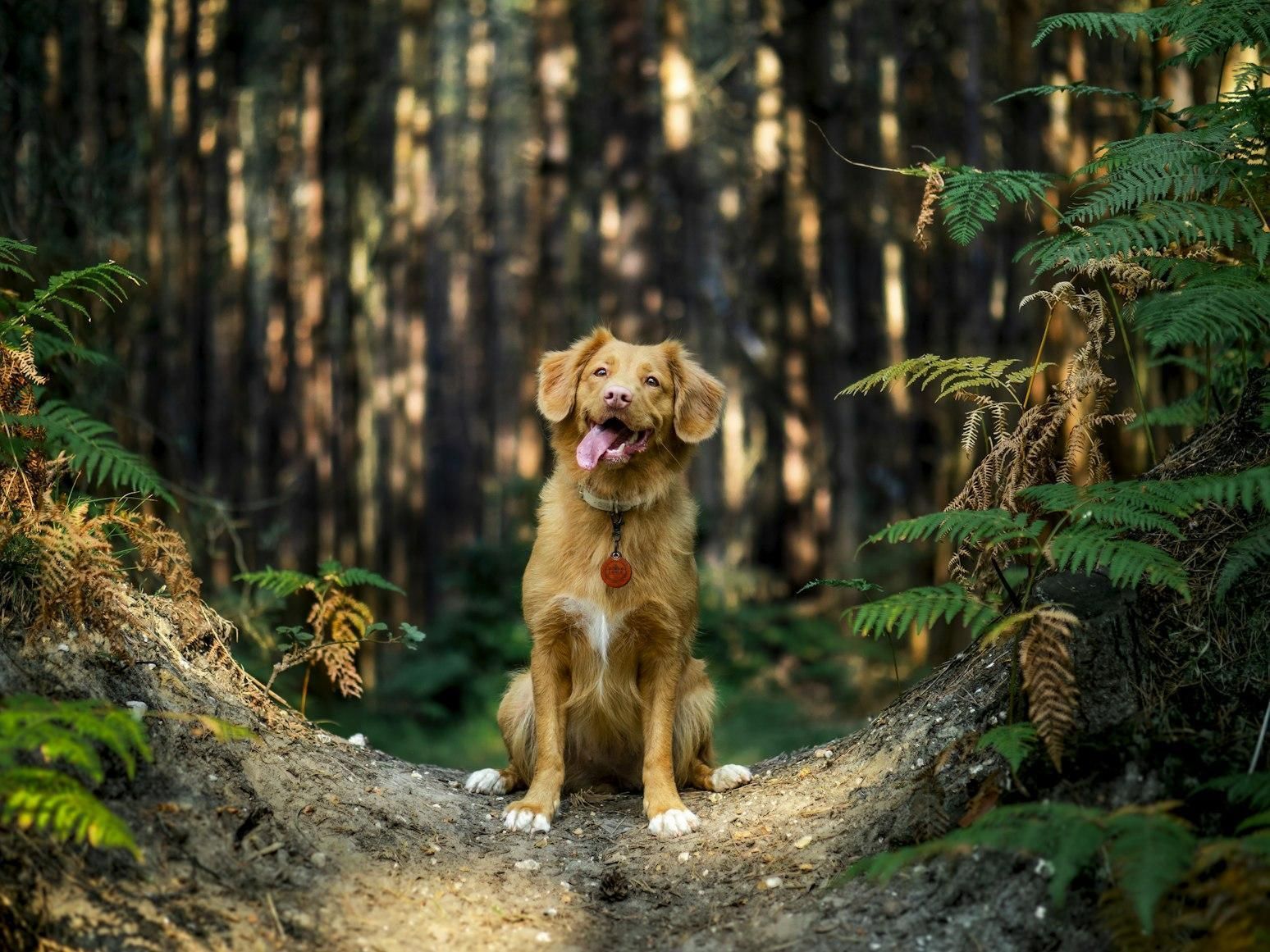 Image: Jamie Street
Here’s a mystery that still leaves scientists scratching their heads: when dogs pause to relieve themselves, many instinctively line up north to south. There’s no command from their owners, no obvious reason, it’s just a quiet ritual repeated across countless backyards and parks. Researchers suspect it’s connected to Earth’s magnetic field, suggesting that every pup carries a tiny compass tucked inside its body. If only ancient explorers had known about this! The exact reason remains unsolved, but it’s a reminder that our four-legged companions harbor instincts as enigmatic as the planet itself.
Ears tuned to a secret world
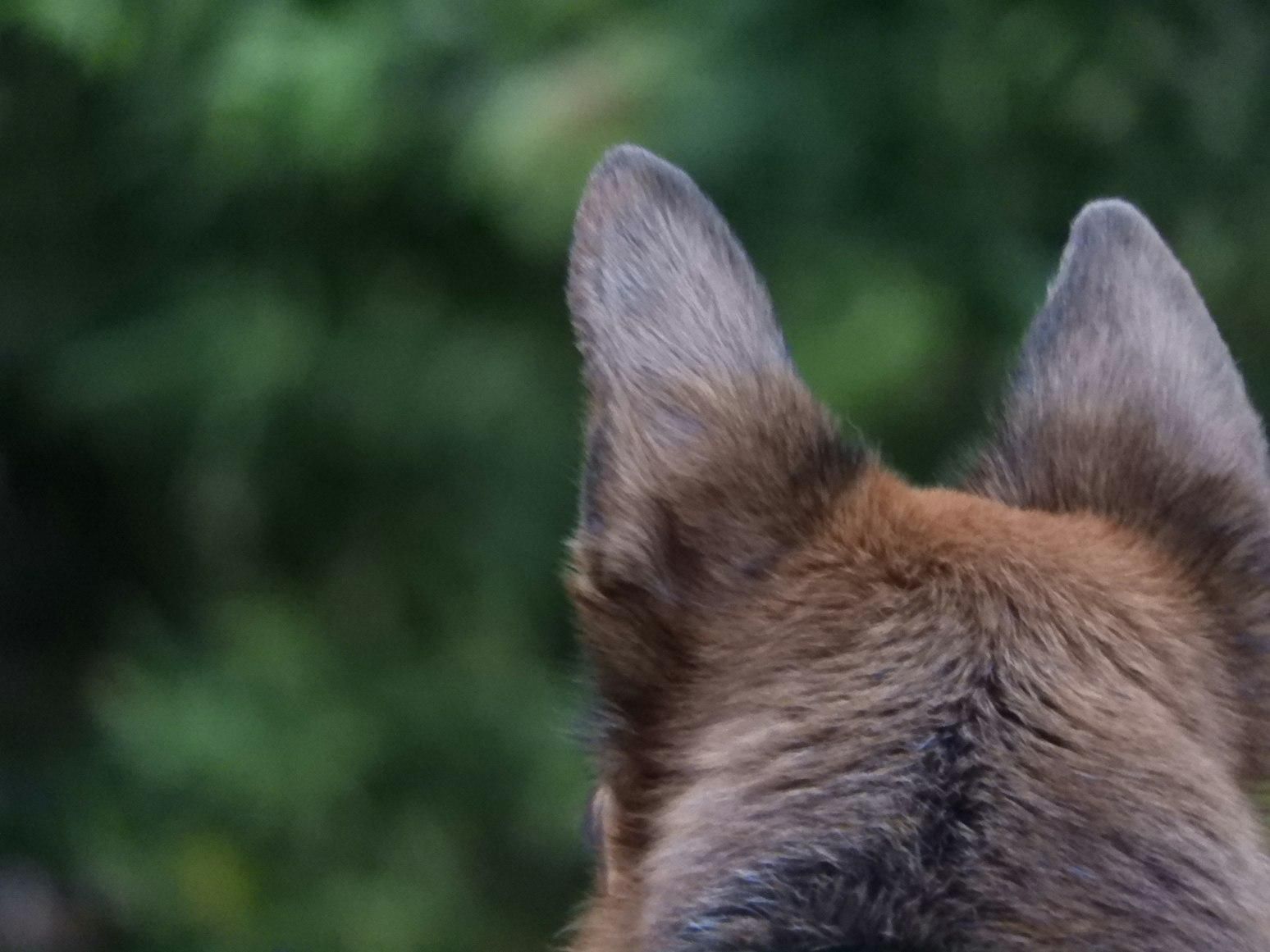 Image: Alyssa Elliott
It may sound like something from a sci-fi tale, but a dog’s ears are truly tuned for super-hearing. While human ears pick up around 20,000 hertz, a dog can catch pitches soaring to nearly 65,000. That incredible range means the faint squeak of a toy, the groan of a floorboard, or even the high whistle of a kettle miles away might reach them as sharply as if it were right next to them. For us, silence is easy, but for your pup, the air hums with hidden notes, an invisible orchestra of sounds we’ll never get to hear.
Dream a little dream
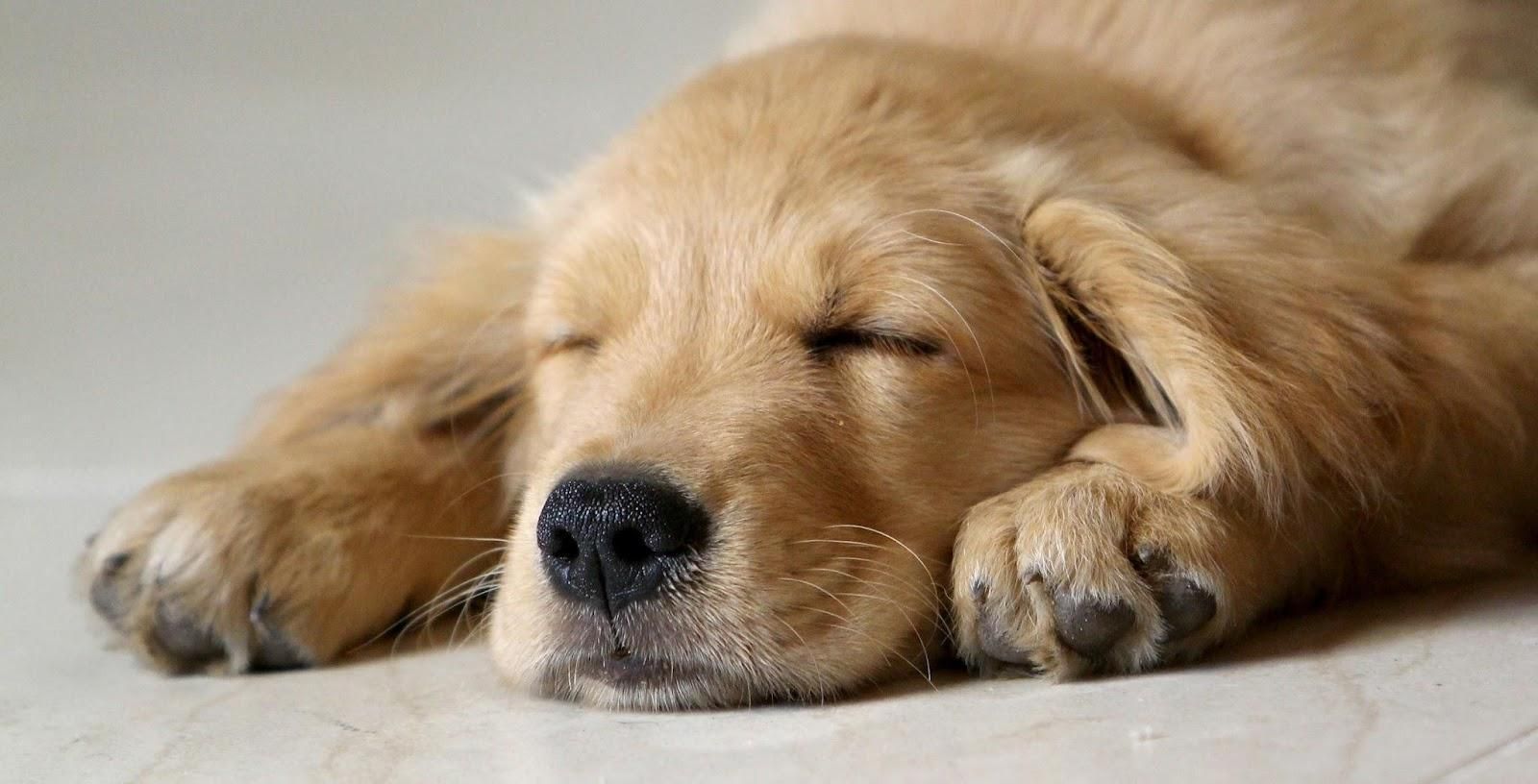 Image: sErgio mOreira
Ever seen your pup snooze and suddenly start twitching, whimpering, or kicking its paws? That’s a dream unfolding. Just like us, dogs also slip into REM sleep, the stage where minds fire up and replay the day’s adventures. A quiet nap on the couch might transform into a romp through the park, a splash in a puddle, or a tug-of-war with their favorite toy. Sometimes you can even notice their ears flicking or their tail giving a sleepy wag. In dreamland, there are no leashes, no fences, no bedtime, but endless freedom to chase, play, and explore the world.


