Looking for inspiration?

Very few people know that these 11 phrases came from famous speeches


Published on May 15, 2026


Image: Miguel Henriques

Speeches are a great occasion to include a powerful quote that might resonate with someone in the audience and be passed down through the ages. These 12 notable quotes by politicians, activists, businessmen, and other notable individuals are still referenced today because they remain highly relevant and true. Which one is your favorite?

1

"Ask not what your country can do for you; ask what you can do for your country."
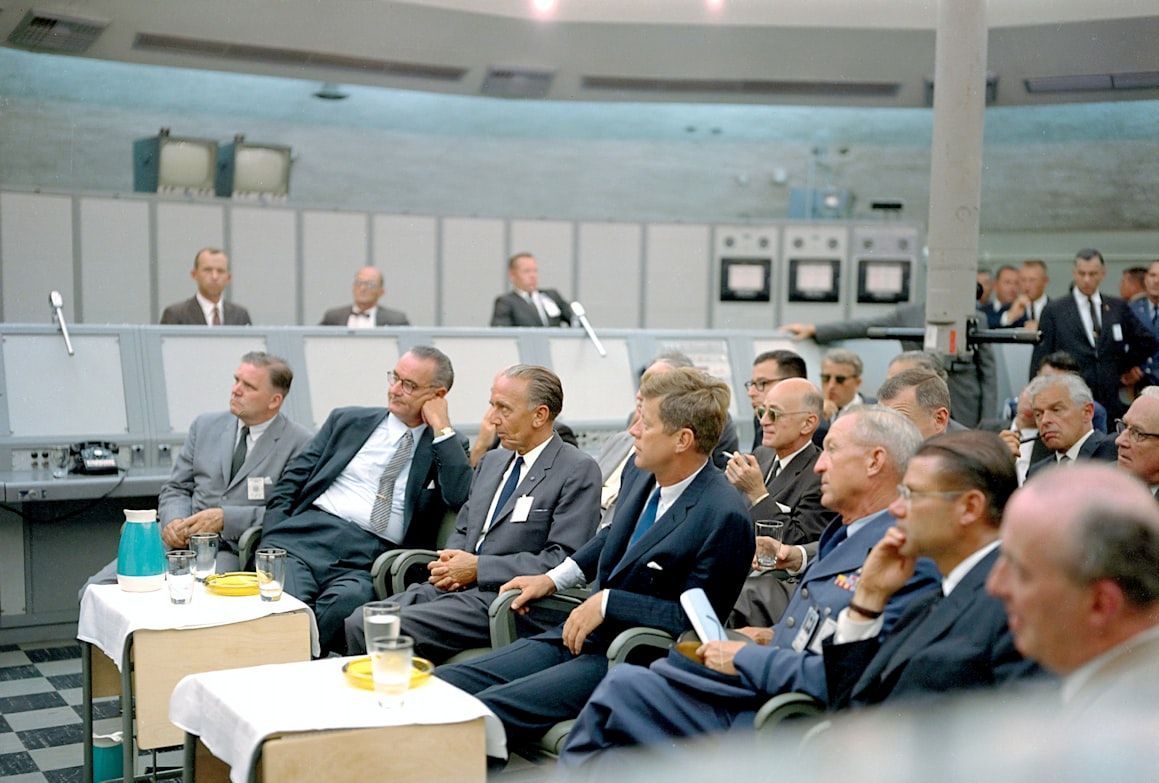
Image: History in HD

President John F. Kennedy’s 1961 inaugural address is remembered for its call to public service. Using vivid imagery, he delivered a powerful message.

Its most iconic line, "Ask not what your country can do for you; ask what you can do for your country," remains one of the most quoted phrases in American history.

2

"I have a dream."

Image: Jerónimo Bernot

The famous and ubiquitous line "I have a dream" comes from Martin Luther King Jr.’s iconic 1963 speech during the March on Washington. Though partly improvised, it became the heart of his vision for racial equality and justice.

Inspired by past speeches and by gospel singer Mahalia Jackson’s encouragement, King’s words instilled hope for a future free from discrimination.

3

"The only thing we have to fear is fear itself."
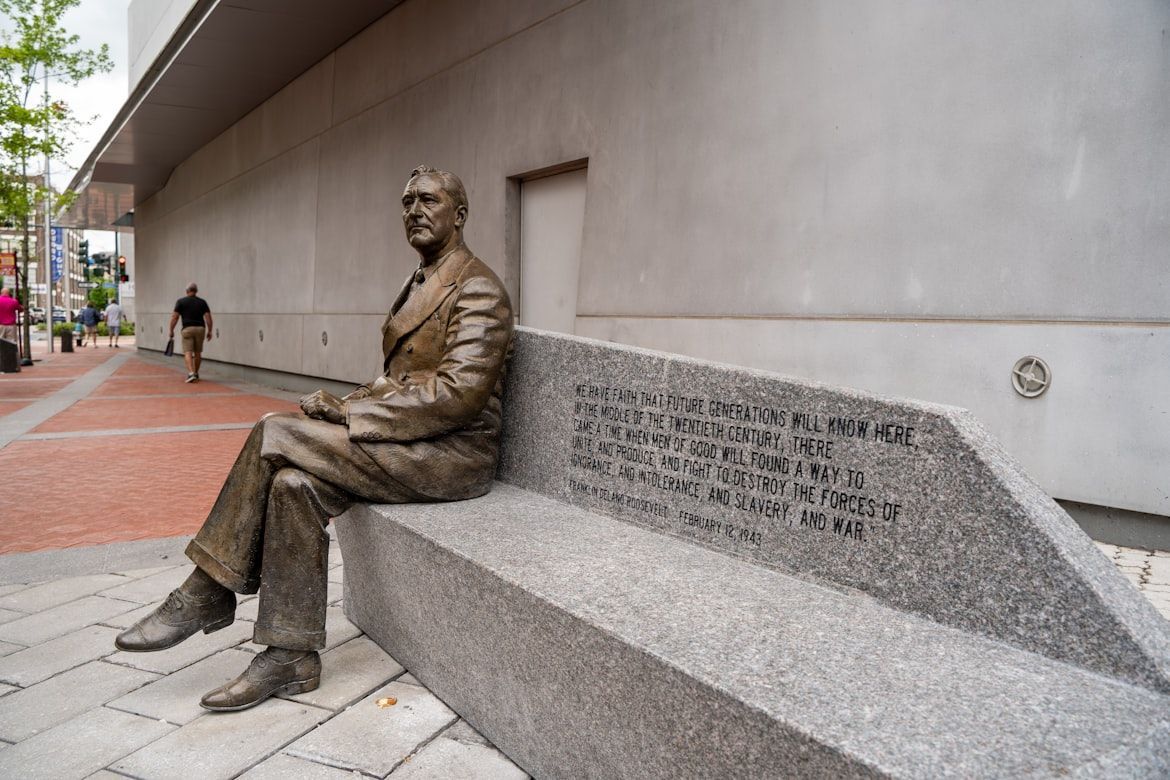
Image: Jessica Tan

The phrase "The only thing we have to fear is fear itself" comes from Franklin D. Roosevelt’s 1933 inaugural address. He spoke these words to calm a nation gripped by fear during the Great Depression.

Roosevelt’s message was clear: fear can be more damaging than the crisis itself. By facing challenges with courage, people could begin to rebuild and move forward.

4

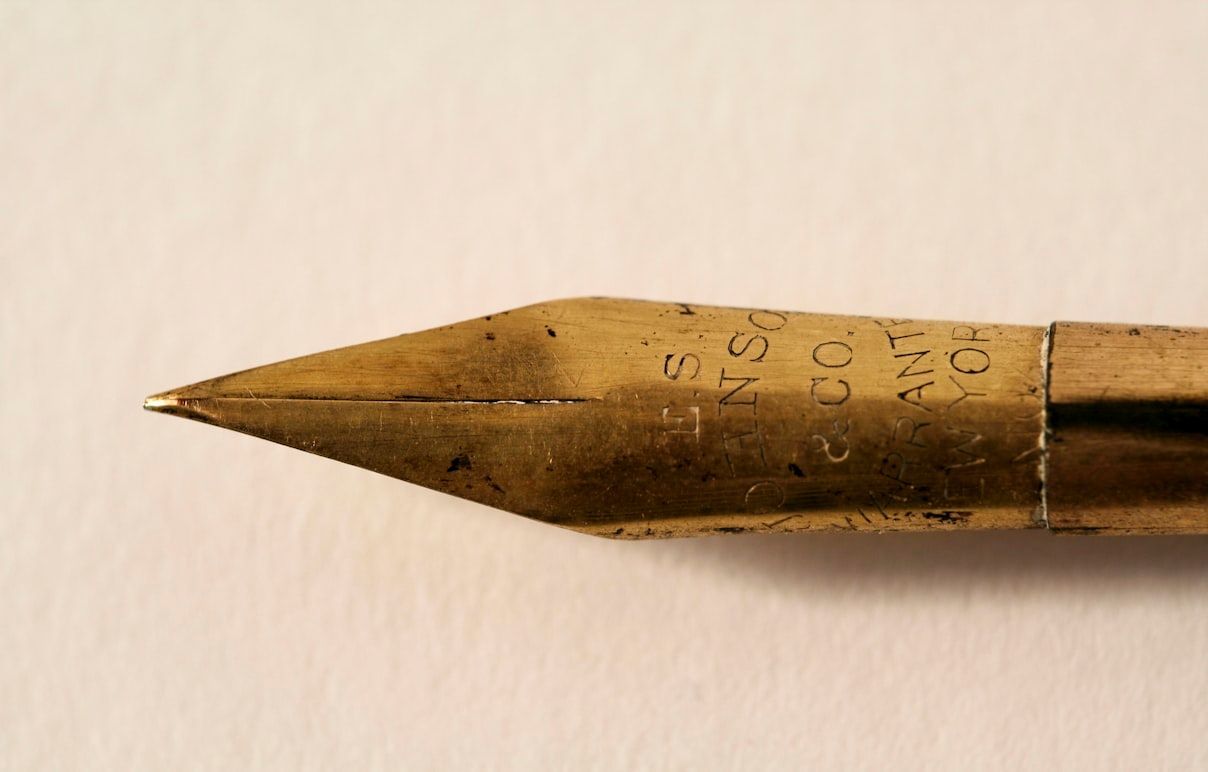
"The pen is mightier than the sword."

Image: MJ S

"The pen is mightier than the sword" expresses the idea that words can have a greater impact than violence. It highlights the power of writing and communication to inspire change and influence people.

Popularized by Edward Bulwer-Lytton in 1839, the idea had been expressed before, but not in the same words.

5

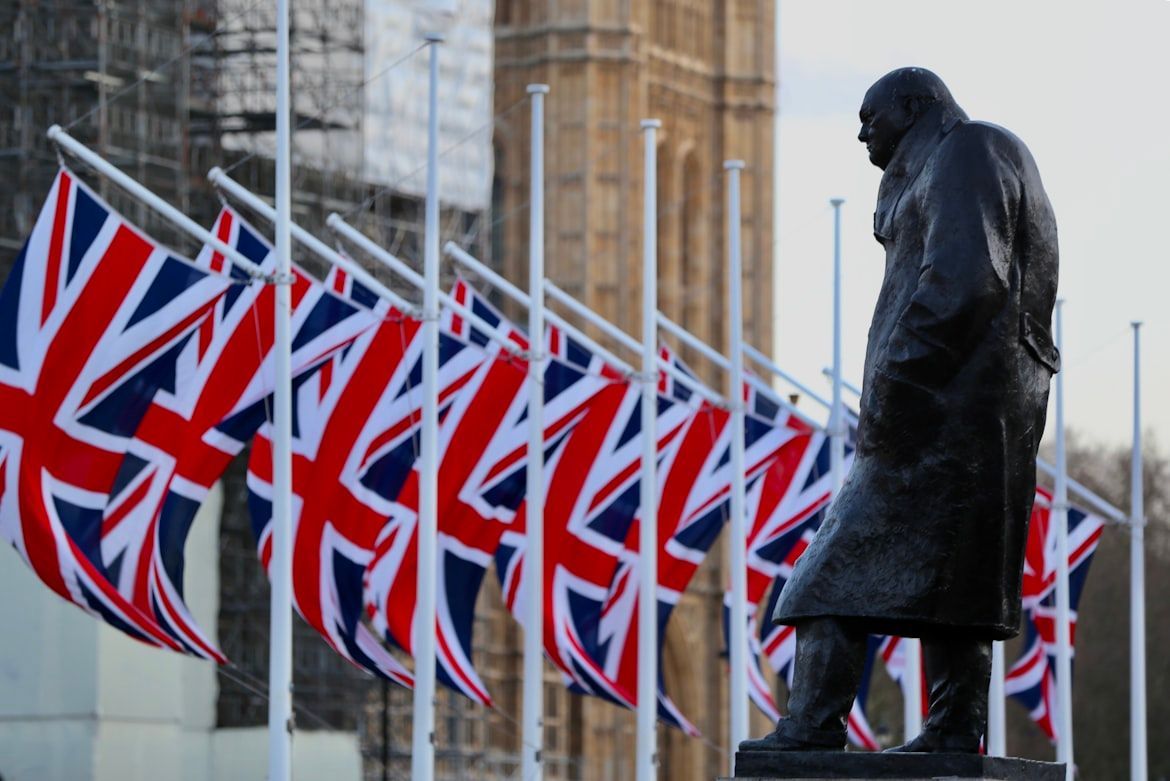
"Blood, toil, tears, and sweat"

Image: Kristina Gadeikyte

"Blood, toil, tears, and sweat" comes from Winston Churchill’s first speech as Prime Minister in 1940. He used it to prepare the British people for the hard sacrifices ahead in World War II.

Though similar phrases had existed before, Churchill’s words became iconic. They captured the grit and determination needed to face a long and brutal conflict.

6

"We are the change we seek."

Image: Ross Findon

"We are the change we seek," a phrase popularized by Barack Obama, highlights the idea that real change starts with individual action. It encourages people to take responsibility rather than wait for others to lead.

The saying became a central theme of Obama’s 2008 campaign and remains closely associated with him, even though similar iterations of it can be found elsewhere.

7

"Speak softly and carry a big stick."

Image: Janne Simoes

While it can sound like a joke, the phrase "speak softly and carry a big stick" was really used in a speech. It refers to using calm diplomacy backed by the ability to act forcefully if necessary.

Theodore Roosevelt popularized the saying as part of his foreign policy. The "big stick" symbolizes power used only when required, while "speaking softly" reflects the value of measured, non-aggressive communication.

8

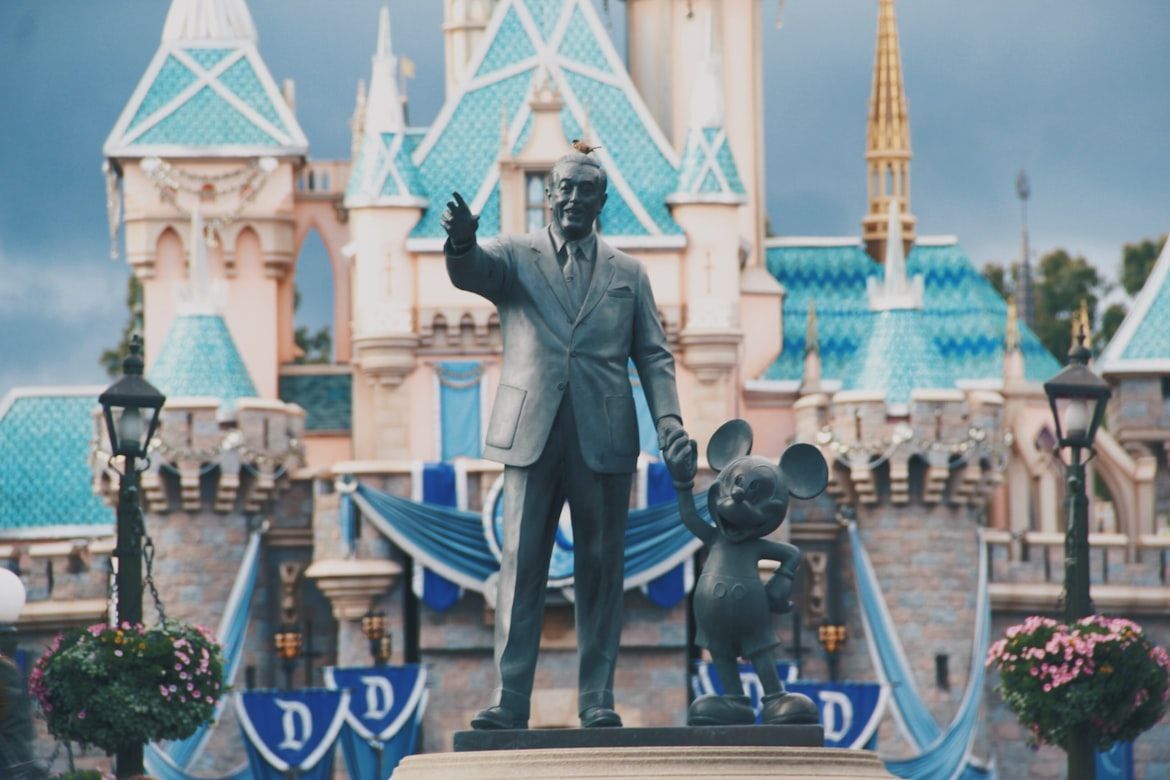
"If you can dream it, you can do it."

Image: Travis Gergen

"If you can dream it, you can do it" is often linked to Walt Disney, but it was actually written by Disney Imagineer Tom Fitzgerald for the Horizons ride at Epcot.

It encourages people to believe in their dreams and work hard to achieve them. The message is that imagination, paired with determination, can turn vision into reality.

9

"Your time is limited, so don’t waste it living someone else’s life."
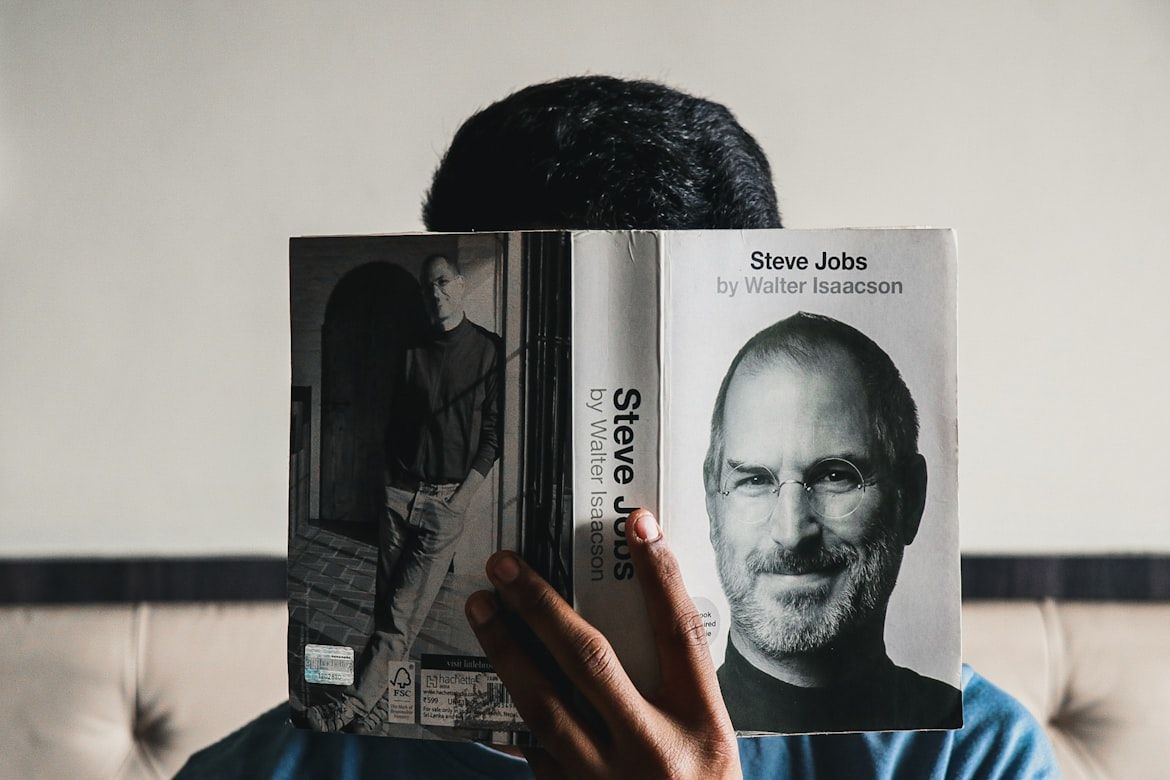
Image: Md Mahdi

During his famous 2005 Stanford commencement speech, Steve Jobs delivered the phrase "Your time is limited, so don’t waste it living someone else’s life." It is a reminder that life is short and should be lived on your own terms.

Jobs urged people to follow their passions and avoid being trapped by others’ expectations. The message is about staying true to yourself and making the most of the time you have.

10

"I find that the harder I work, the more luck I seem to have"
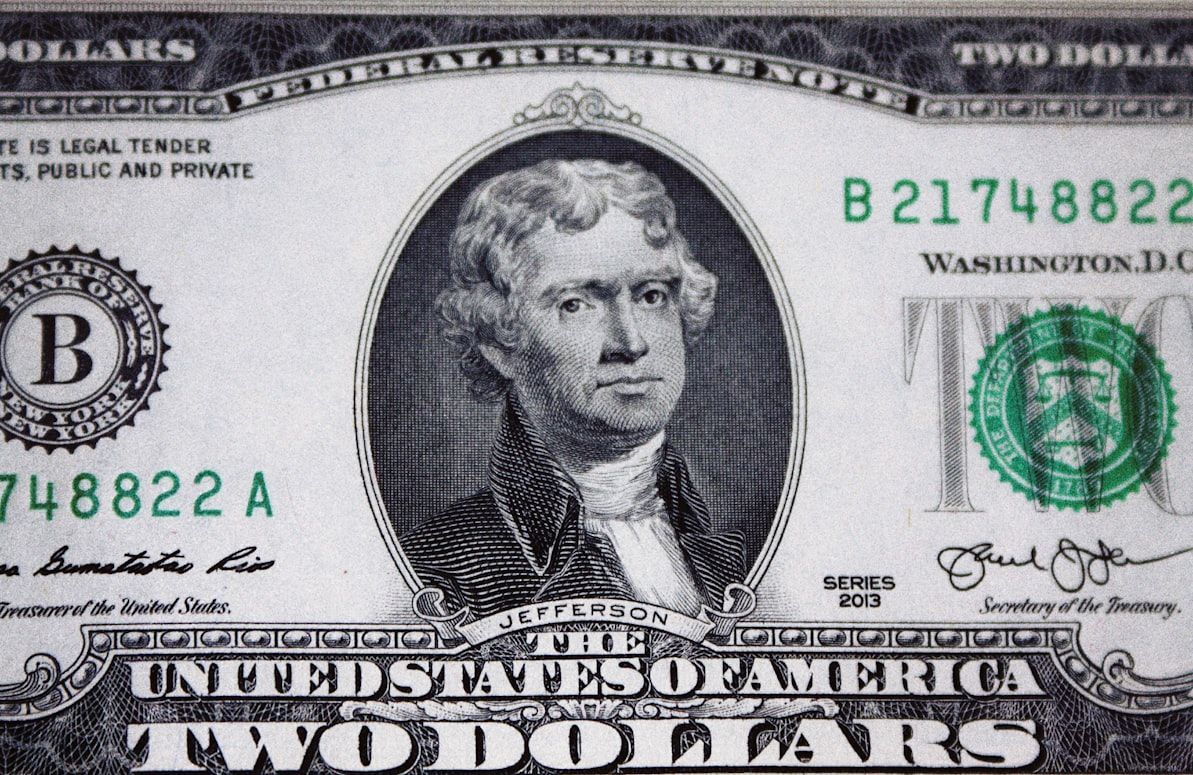
Image: Alicia Razuri

An inspiring phrase, "The harder I work, the more luck I seem to have," highlights how effort often leads to success. It suggests that luck favors those who are prepared and persistent.

Though commonly attributed to Thomas Jefferson, its true origin is debated. Regardless of who said it, the message remains clear: hard work increases your chances of good fortune.

11

"Whether you think you can or you think you can’t, you’re right."
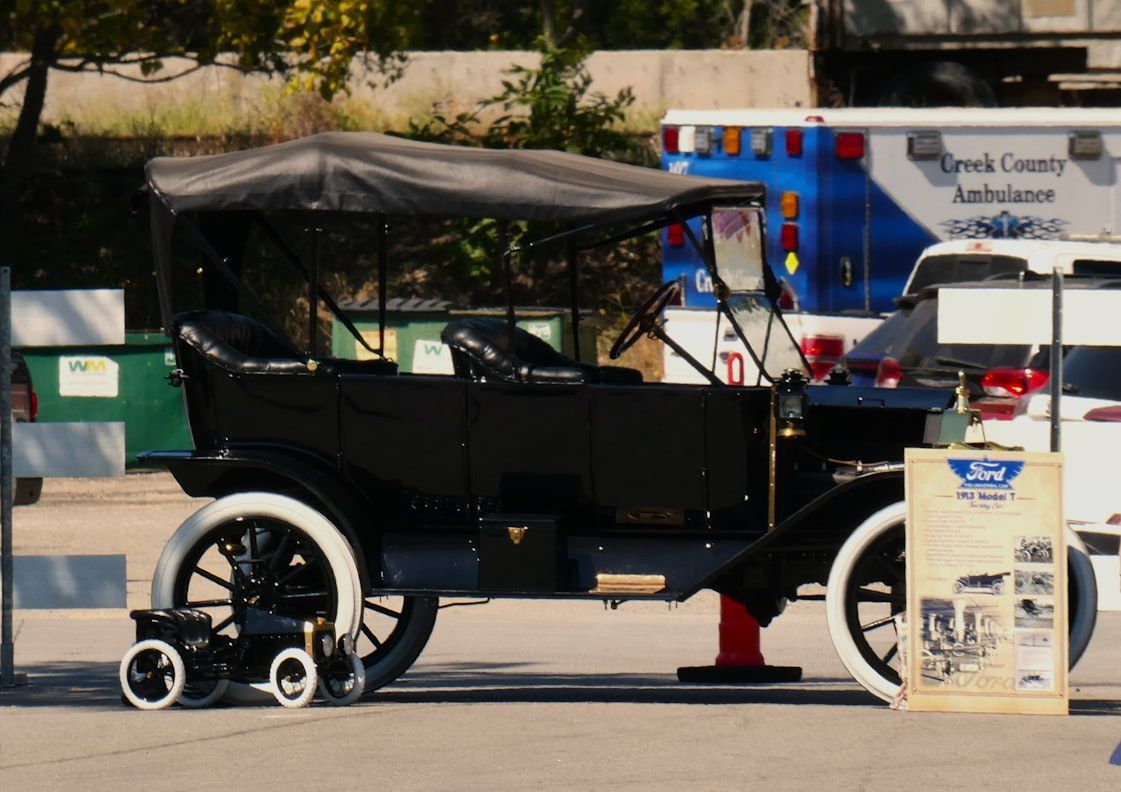
Image: Thomas M

This highly inspirational quote closes our list and is attributed to Henry Ford. It reflects his belief in the power of mindset and confidence.

Ford’s message is that your attitude shapes your success. Believing in yourself increases the chances of achieving your goals, while doubt can lead to failure.


Deep roots

11 everyday words with indigenous roots


Published on May 15, 2026


Image: Zoshua Colah

English is a very welcoming language in the sense that it incorporates terms from many other languages from all over the world. And, as it couldn’t be otherwise, Native American languages have lent many of their words and terms to English speakers. Some traveled through Spanish or French before settling into English, and others arrived directly through early contact and trade, helping shape the way we speak today. Did you know about these 11 terms?

1

Canoe

Image: Michael Niessl

The word "canoe" comes from the Taino term canoa, which was first used by Caribbean islanders long before Europeans arrived. Early explorers adopted it to describe the slim, sturdy boats they saw.

Over time, "canoe" became the standard English word for a small paddled craft. Today it still carries that sense of simplicity and closeness to nature.

2

Barbecue

Image: Philipp Kämmerer

The word "barbecue" comes from barbacoa, another Taino term for a wooden frame used for cooking meat over fire. Europeans adopted it and applied it to both the method and the gathering itself.

Today, "barbecue" means everything from a backyard cookout to a regional cooking style. Its origins highlight the deep culinary influence of Native Americans in the nation's current culture.

3

Skunk

Image: Elisa Stone

"Skunk" comes from the Algonquian word squnk, which means "urinating fox" (quite a fitting term, indeed). This was an obvious reference to the animal’s strong defensive spray. Early settlers adopted the term directly.

Since English had no better name for the creature, the Native word stuck. Today, the word skunks is also used as playful slang.

4

Moose

Image: Shivam Kumar

The word "moose" originates from Eastern Abenaki, a part of the Algonquian family, where it meant "he strips off bark." Yes, it described the animal’s habit of tearing bark from trees.

The name entered English quickly because settlers relied on Native knowledge of local fauna. The word remains unchanged because of its accuracy and usefulness.

5

Raccoon

Image: Gary Bendig

"Raccoon" comes from the Powhatan word arakun, meaning "he scratches with his hands." It described the animal’s clever, humanlike front paws.

Settlers adopted the term because it captured the creature’s behavior beautifully. Today, the raccoon is used as a household symbol of curiosity, not unlike the animal itself.

6

Chipmunk

Image: Annegret Kammer

The term "chipmunk" most probably comes from the Ojibwe word ajidamoo, which means "one who descends trees headfirst." Early English settlers adapted the sound into today’s form.

Though the spelling changed over time, the lively image of a chipmunk racing down a tree face-first stayed.

7

Caribou

Image: JD-Photos

The word "caribou" comes from the Mi’kmaq term qalipu, which means "snow shoveler," referring to the animal’s habit of digging through snow for food.

French settlers brought the word into English, keeping its descriptive nature. The name still connects the modern animal to the winter landscapes it belongs to.

8

Totem

Image: Stéfano Girardelli

"Totem" comes from the Ojibwe word ototeman, which means "kinship group." It described symbols representing clans and shared roots.

English adopted it to describe carved poles and symbolic elements. Though broader in modern usage, it still hints at the original sense of community, identity, and heritage.

9

Coyote

Image: Dylan Ferreira

"Coyote" comes from the Nahuatl word coyōtl, which was used by Indigenous tribes of central Mexico. Spanish speakers adopted it, and English borrowed later.

The word kept its meaning, and it remains one of the most direct links between the English language and Nahuatl.

10

Avocado

Image: Gil Ndjouwou

The tasty avocado’s name traces to the Nahuatl word ahacatl, which refers to the fruit and to a body part as well. Spanish speakers transformed it into aguacate.

Later on, English speakers adapted it to avocado. While the name sounds contemporary and culinary, it has ancient Native roots.

11

Chocolate

Image: amirali mirhashemian

The last Nahuatl word and also the last word on the list comes from the term xocolātl, which describes a bitter cacao drink that was consumed long before Europeans arrived in America. The name traveled from Spanish to English.

Though the product changed dramatically, the word survived. Today, chocolate is a universal symbol of sweetness, with rich and deeply indigenous roots.

Looking for an extra scoop of literary fun?

Learn more with our Word of the day

perfervid

/ˌpərˈfərvɪd/