Context matters

10 dangerous words that can make you say the opposite of what you mean


Published on August 24, 2026


Image: Pla2na

Imagine telling someone you were carefully supervising a project, only for them to think you completely forgot about it. Or saying you dusted the furniture, and someone isn't sure whether you cleaned it or covered it with powder. It sounds weird, but in English, it happens more often than you might think. Most of us know that many words have more than one meaning, but some English words do something even stranger: they can mean the exact opposite of themselves. These linguistic oddities are called contronyms, and once you know them, you'll start noticing them everywhere. Here are 10 surprising examples that can completely change the meaning of what you're trying to say.

1

Dust

Image: Herbert Goetsch

Sometimes the context makes the meaning obvious, but not always. Imagine a baker telling an assistant to "dust the counter." Does that mean wipe the flour off or sprinkle more flour on it? Surprisingly, it could mean either one.

The verb "dust" comes from the Old English noun dūst, meaning fine powder, and it's one of English's best-known contronyms, words with two opposite meanings. Depending on the situation, "dust" can mean to remove fine particles from a surface or to cover something with fine particles, such as flour, powdered sugar, or even fingerprints for forensic analysis. The word doesn’t change; only the context can tell you which meaning is intended.

2

Fast

Image: Take Time

We all know "fast" as the word for something that moves quickly. But hidden inside this everyday word is a surprising twist: it's also a true contronym.

Today, "fast" can describe something moving at high speed, or something that can't move at all. But how? It makes a lot more sense once you know where the word comes from. This adjective traces back to the Old English fæst, meaning "firm," "fixed," or "secure." A sprinter can be "a fast runner," while a sailor might say, "Make the rope fast to the dock," meaning to secure it firmly in place.

3

Sanction

Image: Tingey Injury Law Firm

If you read the headline: "The board voted to sanction the company’s project," did they punish it or approve the idea? It turns out, either interpretation could be correct.

That's because "sanction" is one of English's most confusing contronyms. It can mean "to impose a penalty," but it can also mean "to officially approve or authorize something." The clue lies in the word's history: it comes from the Latin sanctio, meaning a decree or law, which could either establish a rule or prescribe a penalty for breaking one. So if you hear that "The city council sanctioned the new downtown street market," you'll have to rely on the context to know whether the market just got the green light or landed in trouble.

4

Oversight

Image: Nathy dog

At first glance, "oversight" sounds like an ordinary noun, but don't let it fool you; it has two opposite meanings. It can mean careful supervision, as in "The project was completed under the oversight of senior engineers." Or it can indicate an accidental mistake or omission, as in "Leaving your name off the application was an oversight." But how did that happen?

The answer lies in two closely related verbs. The first meaning is related to the verb "oversee," which means to supervise or watch over. The second is often linked to "overlook," meaning to fail to notice something. That's why a sentence like "The directors are responsible for the oversight of the company's financial operations" could refer to both.

5

Seed

Image: CHUTTERSNAP

If you read "The chef seeded the peppers for the recipe," you might wonder: what did the chef actually do? This everyday verb can mean two opposite actions.

The word "seed" comes from the Old English sǣd, which ultimately traces back to the ancient Proto-Indo-European root seh- meaning "to sow." Over time, English developed two opposite uses for the verb: to plant or add seeds and, on the contrary, to remove seeds. So, depending on the context, our sentence could mean the chef was planting pepper seeds for future recipes, or preparing peppers by taking their seeds out before cooking.

6

Screen

Image: Jake Hills

Have you ever noticed that "to screen" can mean two completely different things? It can suggest to display or project, as in "to screen a movie," but it can also mean to hide or protect, as in "to screen the porch to keep insects out." How is this possible?

"Screen" comes from Old French escren, which came from Germanic roots meaning a cover or shelter. Originally, a screen was something that blocked, protected, or concealed, but with the rise of cinema in the early 20th century, the word took on a surprising new meaning: the screen that once blocked light became the surface that received light and displayed images.

7

Trim

Image: Margarita Shtyfura

What would you think if a friend told you they had been "trimming the tree for the holidays"? Did they decorate it with ornaments, or were they cutting some of the branches?

That’s the unexpected thing about the verb "trim": it can mean both to remove something extra, as in "He trimmed the fat from the steak," and to add decorative details, as in "They trimmed the Christmas tree with lights." Once again, the reason goes back to the word’s origins. "Trim" comes from the Old English verb trymman, meaning to make firm, strengthen, or prepare. Over time, the idea of "preparing" something developed in two directions: making it neat by cutting away what was unnecessary and making it complete by adding finishing touches.

8

Rent

Image: Tierra Mallorca

We use the word "rent" all the time, but without context, it can leave us wondering who is paying whom?

That’s because the verb "rent" can mean to pay to use something temporarily or, conversely, to allow someone else to use something in exchange for payment. The word comes from Old French rente ("income" or "revenue"), connected to the idea of payment. Over time, English simply expanded the verb in both directions, creating a word whose meaning depends entirely on who is taking the action. For example, if someone says, "I need to rent a tuxedo for the wedding," it’s pretty clear they want one temporarily. But if someone says, "The company rents office space," things become less obvious: are they paying to use the space, or are they making money by leasing it to others?

9

Cleave

Image: Christian Agbede

Although the verb "cleave" is not very common in everyday conversation, it is one of English’s best examples of contronyms. It can mean to split apart, as in "The axe cleaved the log in half," or to cling tightly, as in "She cleaved to her family during difficult times."

What makes this word even more unusual is that these opposite meanings did not evolve from a shared origin. Instead, they came from two completely different Old English words that eventually merged into one spelling. The first meaning comes from clēofan, meaning to split, separate, or divide. The second comes from clifian and clīfan, meaning "to stick, cling, or remain attached." Over centuries, these unrelated words ended up as the same modern English word, while keeping their opposite meanings.

10

Ravel

Image: Dan Dennis

The word "ravel" is another fascinating contronym that can mean to tangle or become knotted, as in "The fishing line became raveled around the hook," and to untangle or solve, as in "To ravel a mystery."

What makes "ravel" especially interesting is that it was already carrying both meanings before it entered English. The word comes from the 1580s Dutch ravelen or rafelen, which meant "to fray," "to unravel," and "to tangle." When English borrowed the word, it inherited both ideas at the same time. The reason for this double meaning comes from the world of textiles. When fabric begins to unravel, loose threads don’t simply separate; they often twist, knot, and become tangled. In a way, the same process can create both disorder and the path toward undoing it.

Translation and interpretation

Was the forbidden fruit really an apple? 10 Bible surprises


Published on August 24, 2026


Image: Mariordo, CC BY-SA 4.0, via Wikimedia Commons

What if some of the Bible stories you grew up with aren't exactly what the Bible says? Was the forbidden fruit really an apple? Were there actually three Wise Men? Did "God helps those who help themselves" really come from the Bible? Over centuries, translations, traditions, and famous works of art have added details that became so familiar, we stopped questioning them. But go back to the texts, and some of these stories look surprisingly different. From Eve's "apple" to the date of Jesus' birth, here are 10 familiar parts of the Bible that may not be quite what we remember.

1

The forbidden fruit was an apple

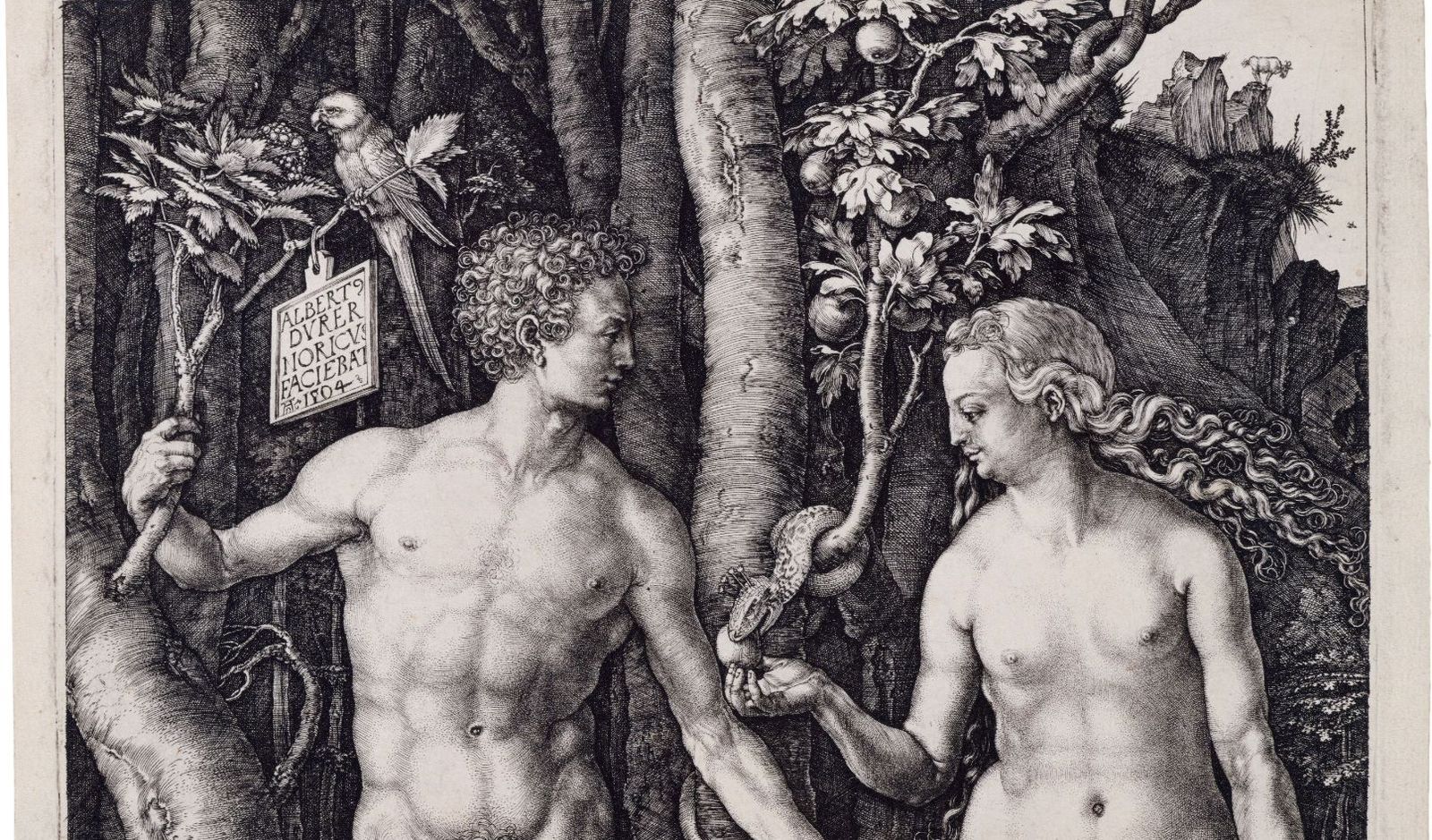
Image: Albrecht Dürer, Public domain, via Wikimedia Commons

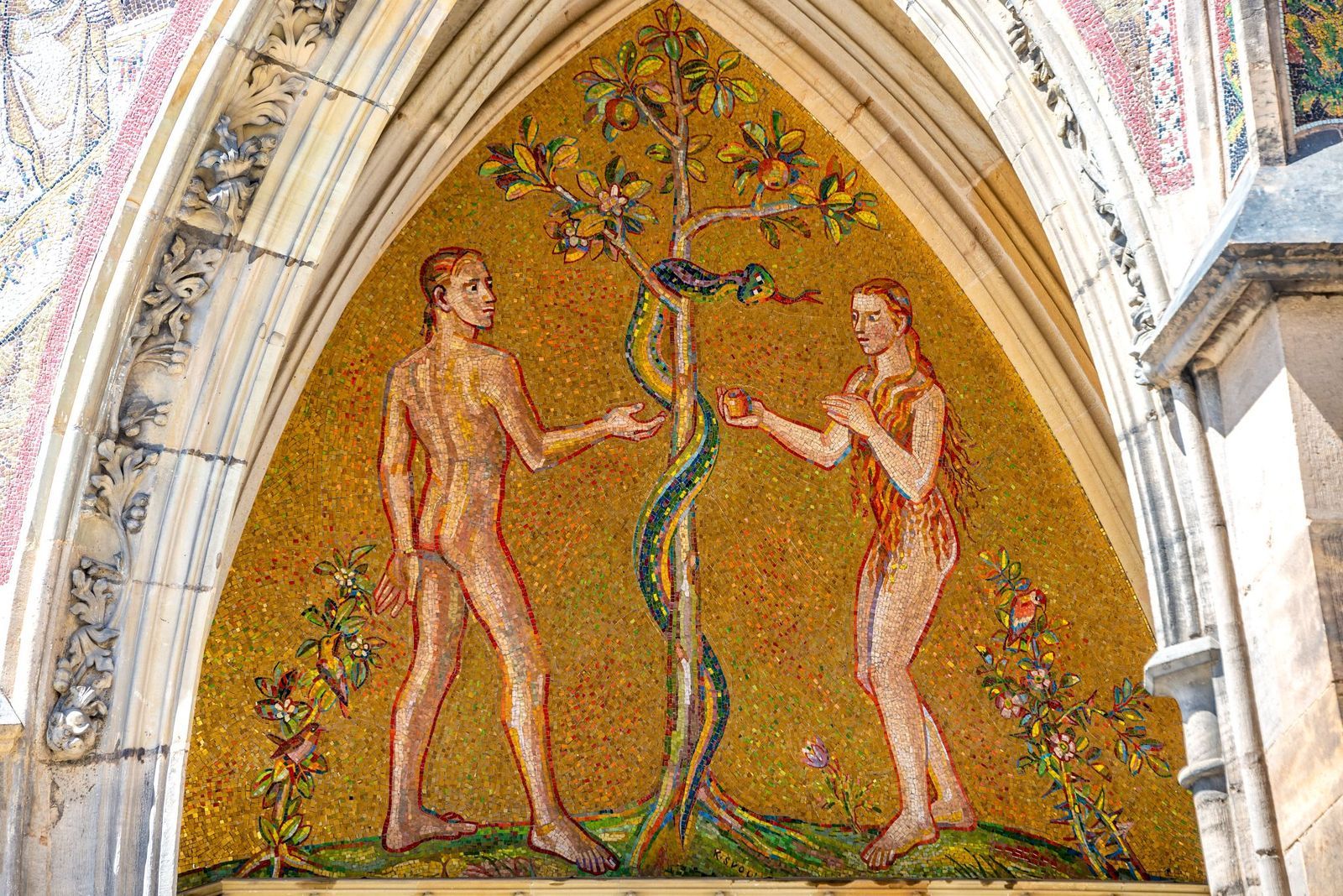
When you picture the Garden of Eden, what fruit comes to mind? Most people imagine an apple, but there's just one problem: the Bible never says it was an apple.

In the Book of Genesis, the fruit is simply called "the fruit of the tree of the knowledge of good and evil." The original Hebrew text uses the word peri, which simply means "fruit." The apple connection came centuries later, largely through the Latin translation. The Latin word malum can mean both "apple" and "evil," making it an especially fitting symbol for the story. Over time, that association spread through Christian art and literature. Famous works such as Albrecht Dürer’s 1504 engraving Adam and Eve (also known as The Fall of Man) helped cement the image of Eve holding an apple. Today, it's one of the most famous scenes in history, even though the original biblical text doesn’t identify the fruit as an apple at all.

2

There were three wise men/kings

Image: Rawpixel.com

The story of Jesus' birth is so famous that most of us picture the Three Wise Men, sometimes called the Three Kings, standing beside the manger. But the thing is, over the centuries, the story picked up a few details that aren't actually in the Bible.

In the Gospel of Matthew, the only Gospel that mentions these visitors, they are described simply as Magi from the East. The original Greek word, magoi, referred to learned scholars, astrologers, or priests from Persia or Babylon, not kings. But where did the number three come from? Matthew lists three gifts: gold, frankincense, and myrrh, but never says how many visitors brought them. Over the centuries, people naturally assumed there must have been three Magi, one for each gift. Even their familiar names, Melchior, Caspar, and Balthasar, were added later by Christian tradition. So, neither the number of visitors nor their names appears anywhere in the biblical text.

3

"God helps those who help themselves"

Image: Adam Nir

Whether it's used to motivate a friend, encourage a family member, or push yourself to finally make a difficult decision, "God helps those who help themselves" is one of the most familiar religious sayings in America. But here's the surprise: those words never appear in the Bible.

The idea can be traced to ancient Greek sources, including Aesop’s Fables, where the saying appears in an earlier form: "The gods help them that help themselves." The exact modern wording was written by English politician Algernon Sidney in 1698, but it was Benjamin Franklin who helped make it part of American culture when he included it in his 1736 edition of Poor Richard’s Almanack.

4

"Cleanliness is next to godliness"

Image: John Jackson, CC BY 4.0, via Wikimedia Commons

Many teenagers have heard "Cleanliness is next to godliness" when it was time to clean their rooms. But despite sounding like a Bible verse, the phrase never appears in Scripture.

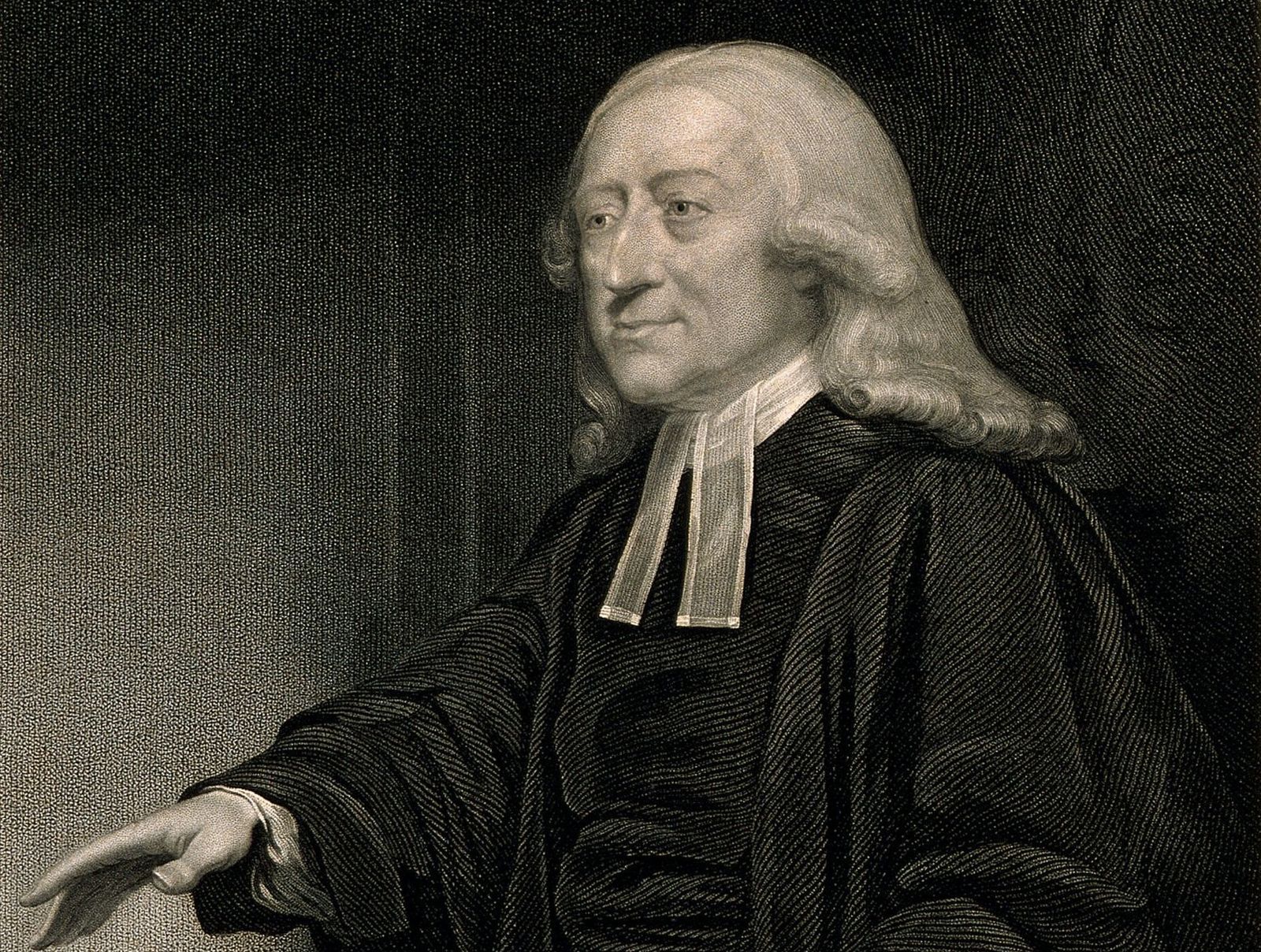
The Bible, particularly Leviticus, does contain extensive laws requiring people to wash their bodies and clothes in certain circumstances, especially before religious rituals. But the famous saying itself came much later. In 1605, Francis Bacon wrote in The Advancement of Learning that "cleanness of body" was connected to reverence for God. Then, in 1786, it was Methodist leader John Wesley who used the wording we recognize today in a sermon: "Cleanliness is indeed next to Godliness." Over time, the phrase became a familiar saying that many people simply assumed came from the Bible.

5

The date of Jesus' birth

Image: http://www.parrocchiasantagata.org, CC0, via Wikimedia Commons

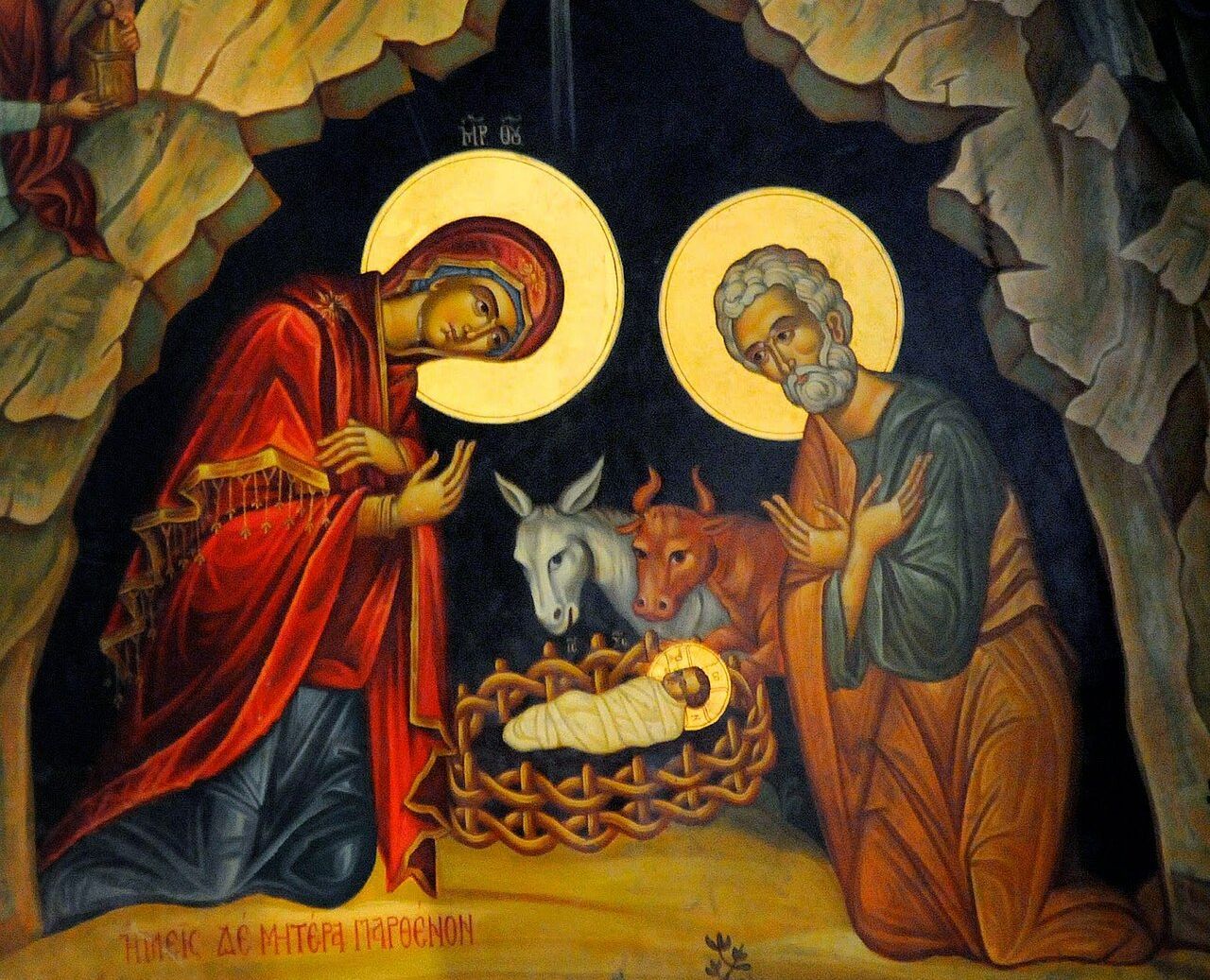
When it comes to famous dates, December 25 may be the most recognizable of all, universally associated with Christmas. But here's the surprising part: the Bible never gives any specific date for Jesus' birth.

The Gospels of Matthew and Luke describe the Nativity but never provide a calendar date, so how did December 25 become Christmas? There are two leading theories. The first is that the Roman Church was celebrating Christmas on December 25 by 336 AD, during Constantine's reign, possibly choosing the date to coincide with existing Roman winter festivals and make it easier to convert the empire to Christianity. The second points to an early Christian tradition that calculated Jesus' birth date from the supposed date of his crucifixion, eventually arriving at December 25.

6

Jonah and the Whale

Image: Pieter Lastman, Public domain, via Wikimedia Commons

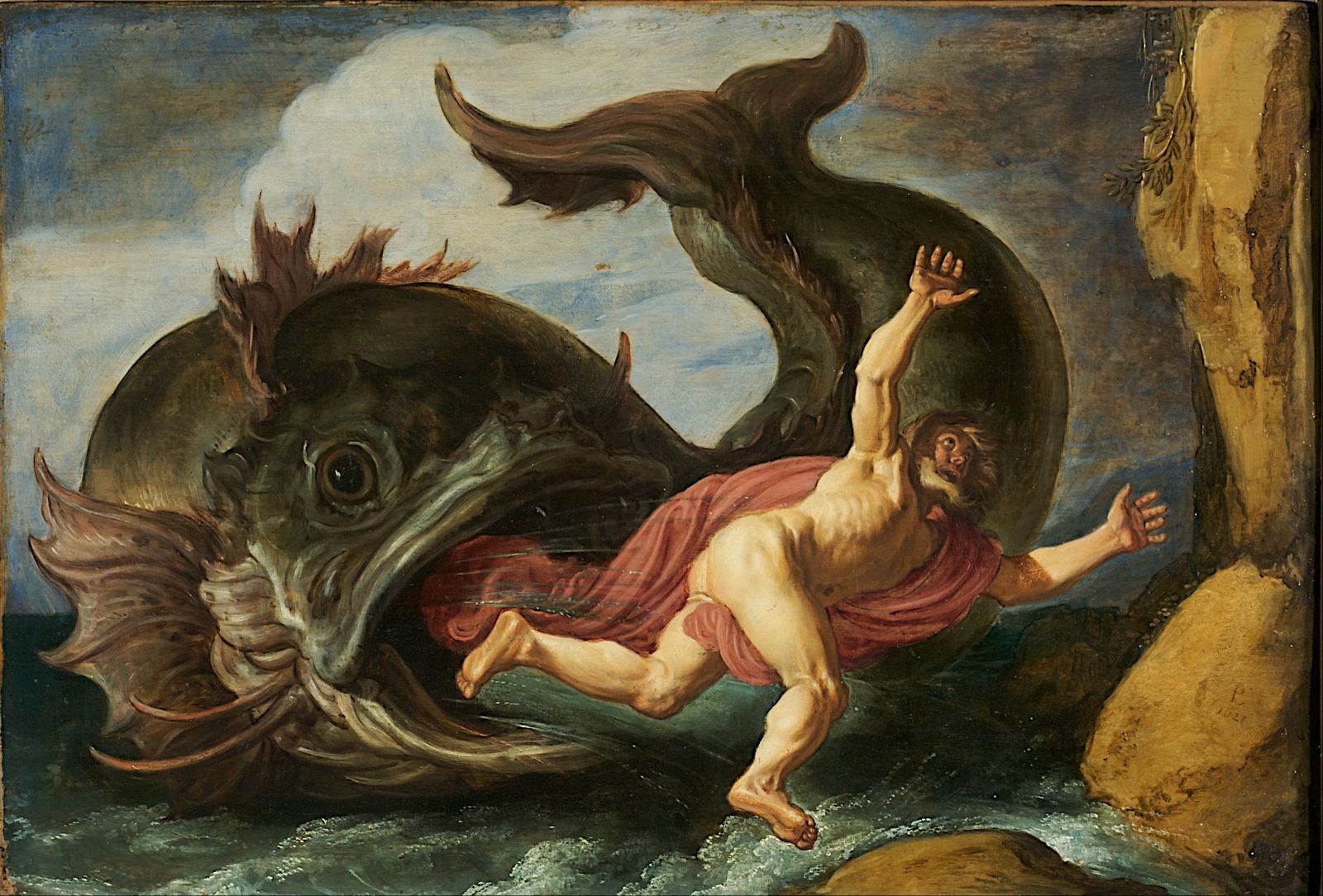
The story of Jonah and the Whale is so famous that it has appeared literally or symbolically in innumerable works of art and literature, from Michelangelo's Sistine Chapel ceiling (1508-1512) to Herman Melville's 1851 novel Moby-Dick. But there's a small problem with the title we've given it: the Bible doesn’t actually say it was a whale.

In the Old Testament, the original Hebrew text of Jonah 1:17 uses the words dag gadol, meaning "great fish" or "large fish"; it doesn't identify the creature as a whale, or even specify what kind of fish it was. Most modern English translations therefore stick with "great fish," but the familiar "whale" interpretation developed through older translations and later European tradition, eventually becoming so widespread that "Jonah and the Whale" became the name almost everyone recognizes.

7

The serpent in Eden was Satan

Image: neurobit

Just as we've always pictured the forbidden fruit as an apple, many of us also assume the serpent in the Garden of Eden is the devil himself. But the original story is a little more complicated.

A plain reading of Genesis depicts the creature simply as a serpent or snake, using the Hebrew word nachash. It describes the serpent as clever and crafty, but it never calls it Satan or explicitly identifies it as the devil. So where did the connection come from? The answer comes from later parts of the Bible, particularly the New Testament. In Revelation 12:9 and 20:2, Satan is called "the ancient serpent" (ho ophis ho archaios in Greek), connecting him to the snake of Eden. Over time, Christian tradition applied that later connection back to Genesis, leading to the familiar belief that the serpent was Satan himself.

8

Delilah Cut Samson’s Hair

Image: Georg Pencz, CC0, via Wikimedia Commons

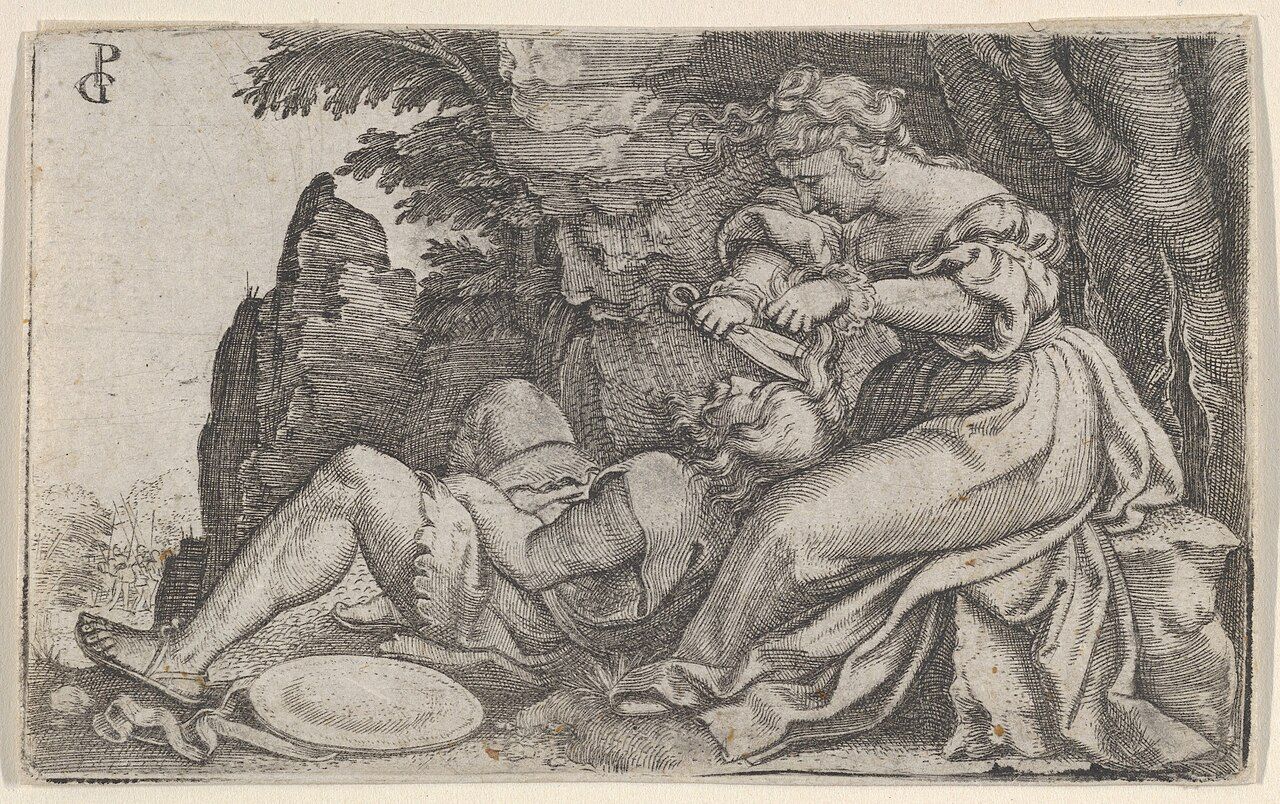
Many of us remember Samson for his legendary strength and the long hair that was said to be the source of his power. His story with Delilah is one of the Bible's most famous tales of betrayal, but there's one detail some people may have gotten wrong: Delilah didn't actually cut his long hair.

In Judges 16:19, Delilah has Samson's hair shaved while he sleeps on her lap. The text says she called for a man to do the shaving; it never says she did it herself. Yet paintings, films, and other retellings have often shown Delilah wielding the scissors herself, cementing that image in popular culture. It can be considered a small detail, but it’s a great example of how easily familiar Bible stories can pick up elements that aren't actually in the original text.

9

The Bible is a single-voice book

Image: Pixel-Shot

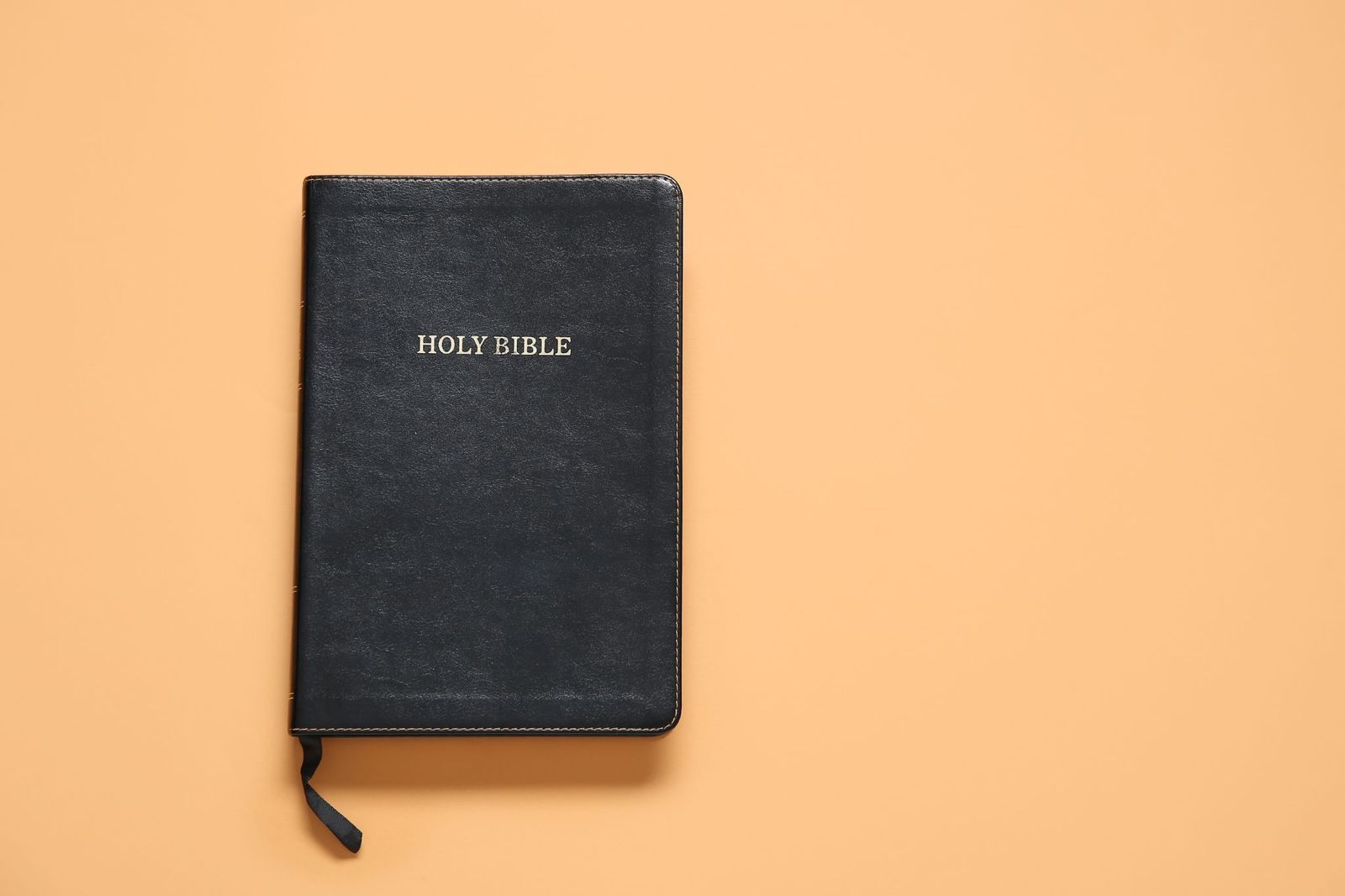
Many of us think of the Bible as a single book, written at one particular time by one author, or perhaps a handful of them. After all, that's how it looks when you pick one up in a hotel room, but its history is far more complicated.

The Bible is actually a collection of books written by over 40 authors over roughly 1,500 years, from about 1400 BC to AD 100. The exact number of books varies by religious tradition: Protestant Bibles contain 66 books, while Catholic and Orthodox traditions include additional books. Across these different traditions, the writings were produced by kings, prophets, fishermen, and scholars in Hebrew, Aramaic, and Greek. They also span a tremendous range of literary styles, including history, poetry, songs, laws, letters, and prophecy. So while we hold it as one book today, the Bible is actually a collection of many different writings produced across centuries.

10

Original manuscripts still exist

Image: https://www.themorgan.org/manuscript/350198, Public domain, via Wikimedia Commons

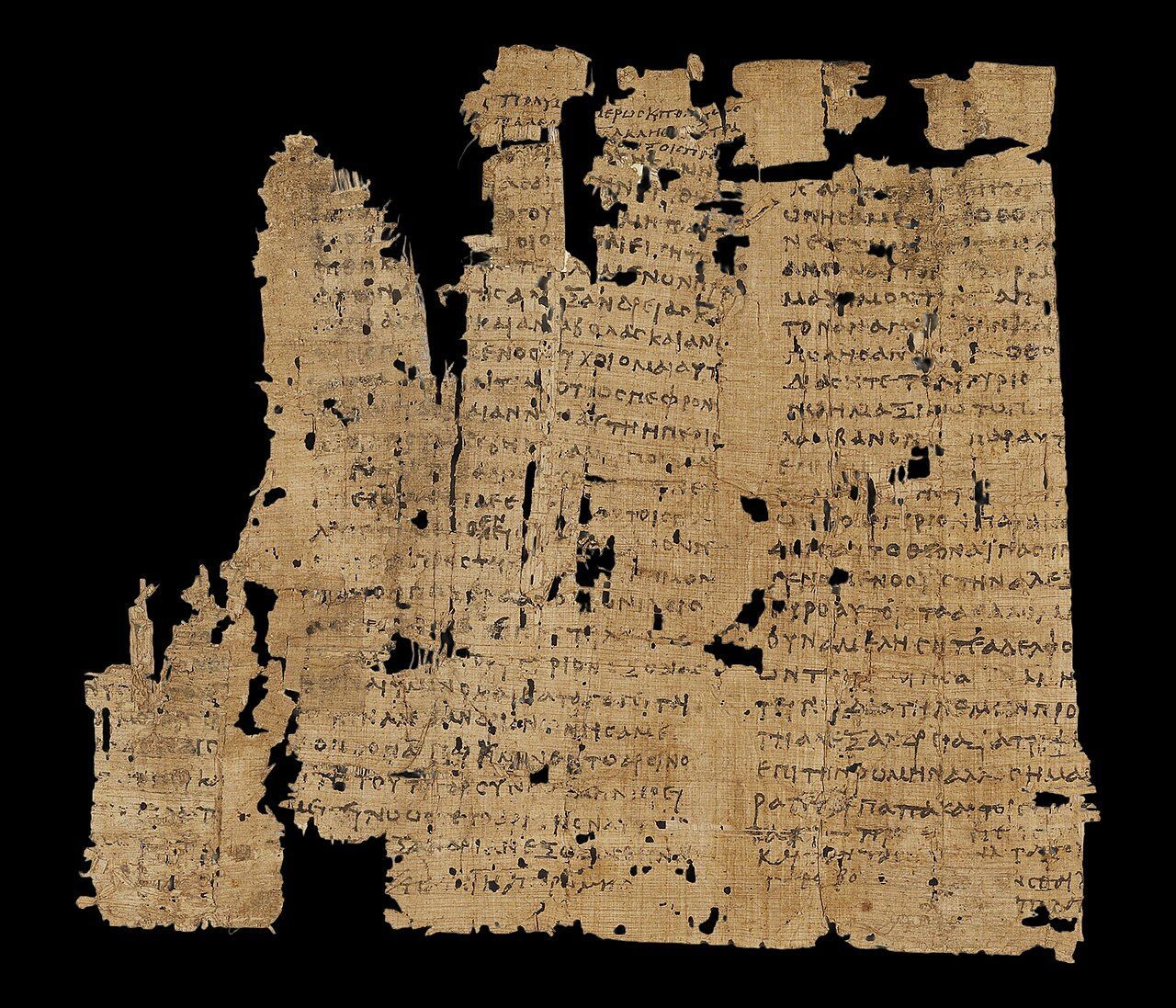
Many people assume that at least a few original fragments of the Bible must still exist somewhere. It would be incredible if they did, but none of the original manuscripts, known as autographs, have survived.

The earliest biblical texts were written on fragile materials such as papyrus and animal skins, which could deteriorate through humidity, heat, handling, and simple age. Wars, fires, and other destruction also contributed to their disappearance. So how do we know what the originals said? Through a technique called textual criticism: expert scholars compare thousands of handwritten copies, ancient translations, and quotations from early Christian writers. When they find passages that match across different sources, or differences that reveal how a text changed over time, they can work backward to determine what the original most likely said, even though the original manuscripts themselves are gone.

Looking for an extra scoop of literary fun?

Learn more with our Word of the day

entropy

/ˈɛntrəpi/