You’ve binge-watched the shows… but do you know the stories behind them?


Published on July 15, 2026


Image: Dragon Images

Millions of us have watched these shows, but few know the powerful books behind them. Not only that, but many of the original stories actually differ from what we’ve watched on screen. Discover what you didn’t know about your favorite shows and what they’re really all about.

1

Game of Thrones

Image: Kathy Hutchins

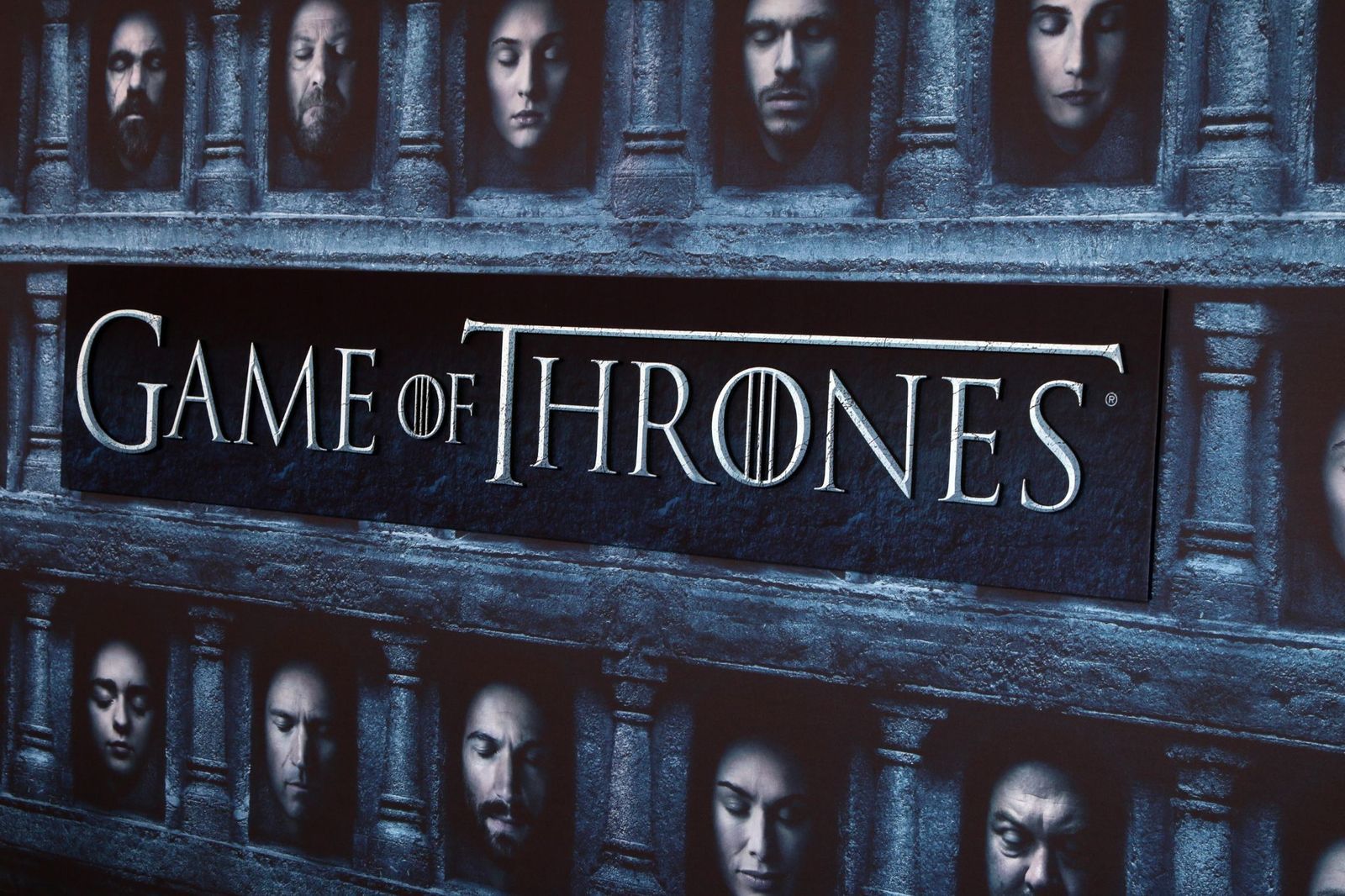
Do you enjoy escaping from your everyday life through epic adventures with mythical creatures? Then you might’ve watched the extremely successful epic fantasy drama, "Game of Thrones", which aired on HBO and is currently available on streaming.

It’s a visual masterpiece based on George R.R. Martin’s novels titled "A Song of Ice and Fire." These books feature complex political maneuvering among families fighting for the Iron Throne, endless supernatural elements such as the mysterious threat from the frozen North, and morally gray characters who are endearing yet disappointing. Some differences from the original story include new characters and, sometimes, entire plotlines being cut out.

2

The Handmaid’s Tale

Image: Woodan

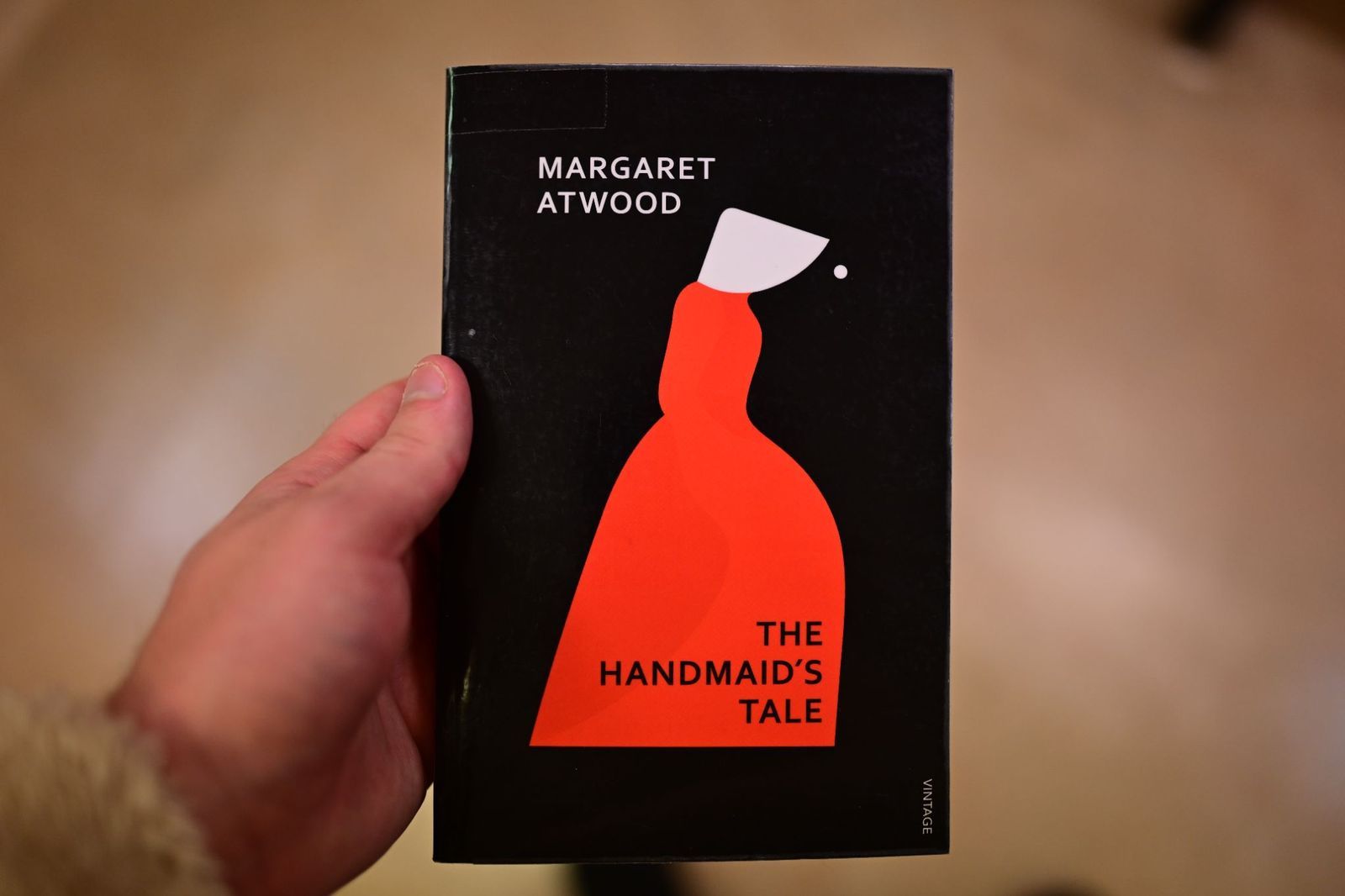
Are you one of those people who likes to reflect on how far human cruelty can go? Then maybe you know about "The Handmaid’s Tale", which aired on Hulu. It's an expanded version of the novel of the same name, written by the well-known Canadian author Margaret Atwood.

The original text was published in 1985 and is considered a groundbreaking speculative and dystopian drama. Hulu’s production then became an award-winning adaptation that builds heavily on the book's initial foundation of terror, subjugation, and resilience experienced by the main character, June (Offred), in the theocratic Republic of Gilead, although less centered on June’s famous internal monologues and more on other aspects like the "Colonies" and the Commanders' secret lives.

3

Little House on the Prairie

Image: melissamn

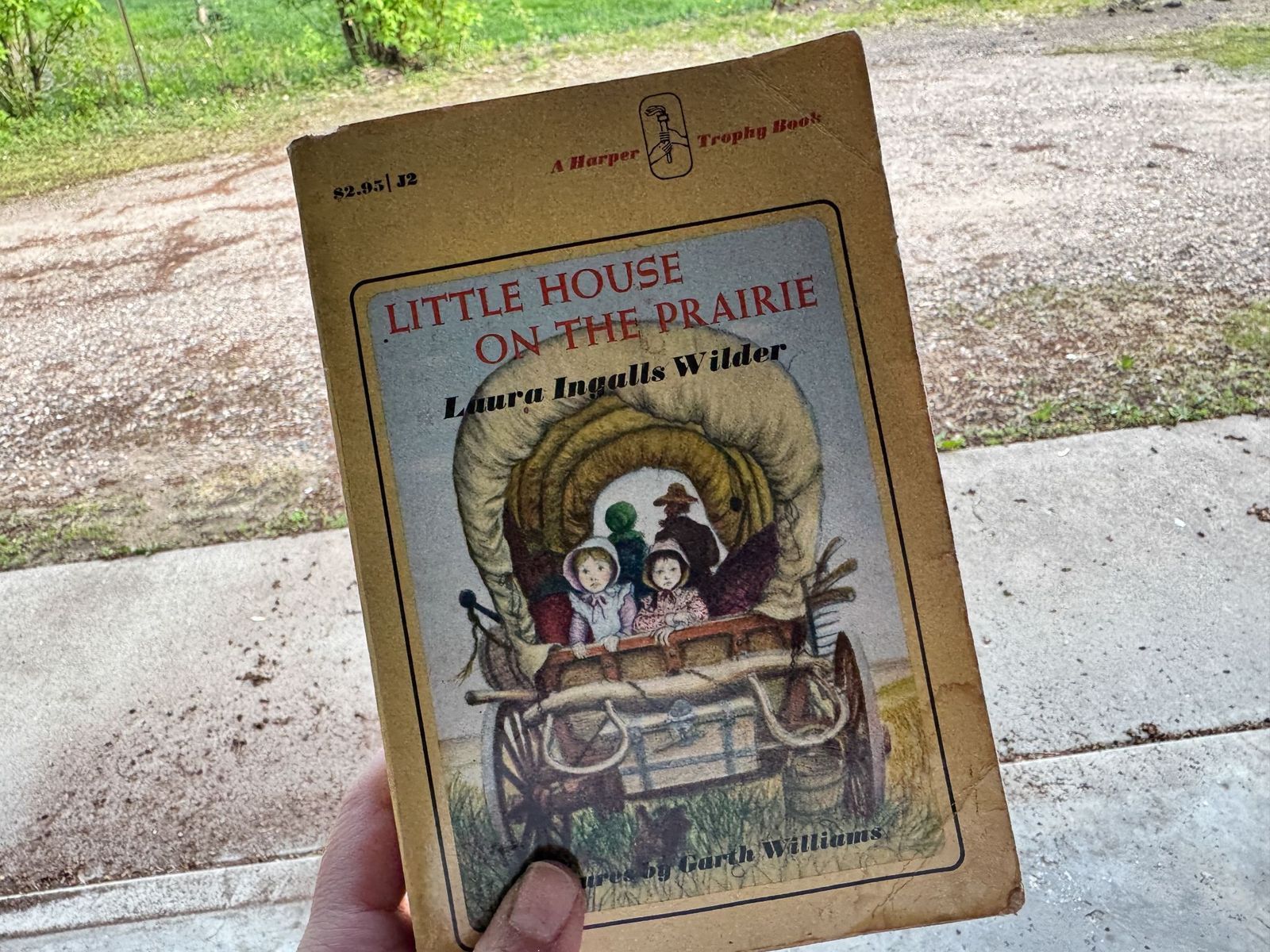
For those who love spending time with family and friends, this is an all-time favorite. The NBC series "Little House on the Prairie", developed by Michael Landon, is a legendary adaptation of Laura Ingalls Wilder’s semi-autobiographical novels (the first of the same name and the follow-up book titled "On the Banks of Plum Creek").

It’s important to note that the original books presented an authentic, grounded look at 19th-century pioneer survival, including more grueling realities and extreme danger, and the TV show leans into a broader family drama, balancing day-to-day country hardship with deeply emotional and heartwarming storytelling focused on romance and community.

4

Outlander

Image: DFree

Romantic stories tend to be a big favorite. For all those who love love and are open to a bit of fantasy too, "Outlander", which aired on the Starz network, is a fantastic choice. The show is a condensed adaptation of the best-selling novels by author Diana Gabaldon.

These books are an epic romantic fantasy about time-travel, romance, and war. They center around a nurse named Claire in 1945 who visits Scotland. She then touches a magical stone, and suddenly finds herself in the 18th century. As the story develops, referencing real historical events, she shares a deep love with a Scottish warrior named Jamie, and they fight to stay together across time and space.

5

Sherlock

Image: pedro emanuel pereira

Have you ever longed to follow clues and solve mysteries? Then you probably love all things Sherlock. The BBC show adaptation of the same name has been a brilliant reimagining of Sir Arthur Conan Doyle’s classic 19th-century books for modern times, swapping notepads for cell phones.

Sir Arthur Conan Doyle’s original texts include four novels and 56 short stories written between 1887 and 1922, creating the modern mystery genre and establishing the famous Mr. Holmes as the ultimate master of deduction; that is, the art of reaching big conclusions from small clues. The stories are famous for the detailed clues that invite the reader to play the detective game alongside Holmes and his close friend, Dr. John Watson.

6

Pride and Prejudice (miniseries)

Image: Akhmad Dody Firmansyah

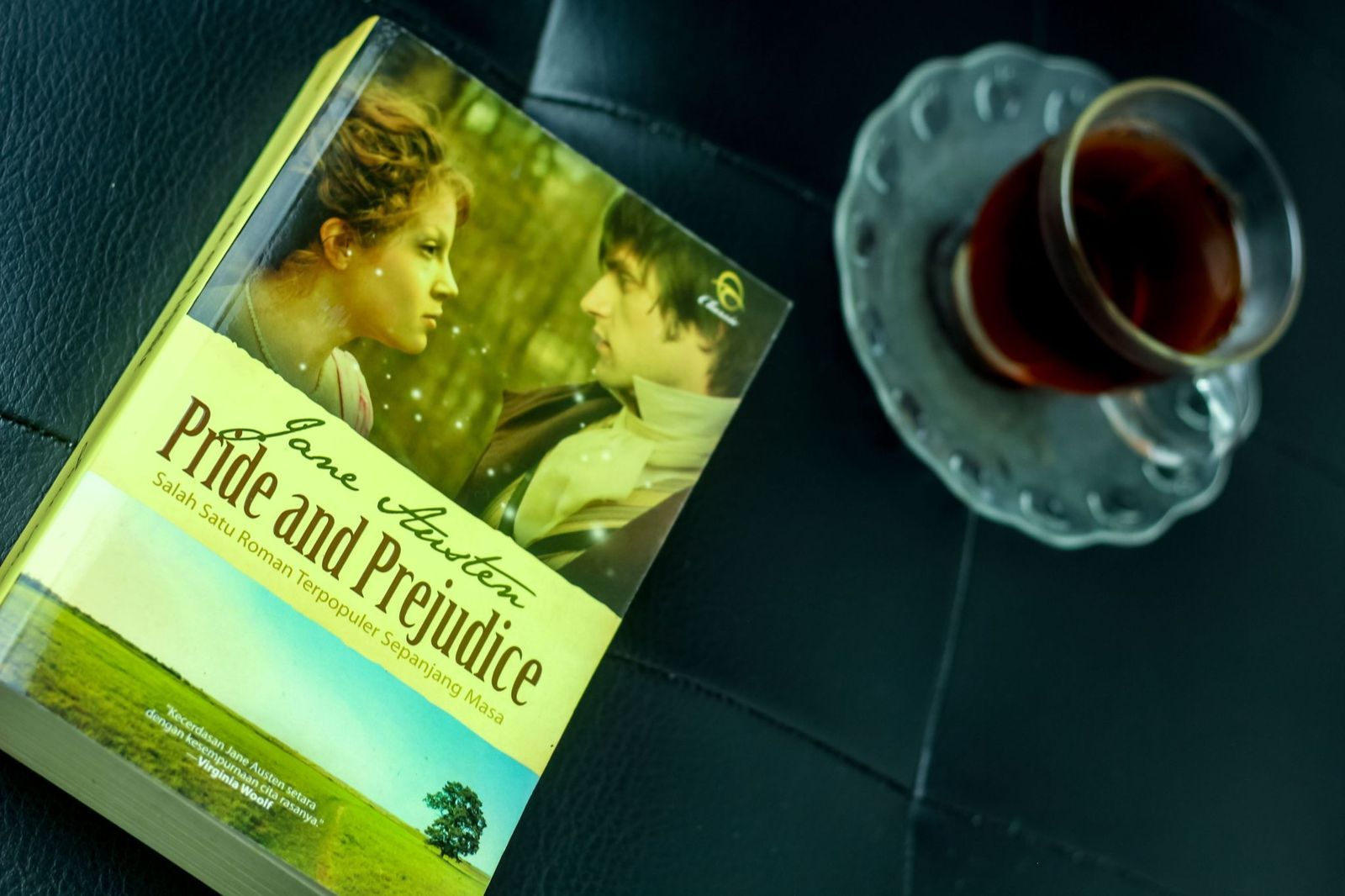
Money troubles and social class are other issues that affect all of us, and the 1995 "Pride and Prejudice" miniseries is a brilliant adaptation of the timeless novel of the same name, written by Jane Austen in 1813.

The show is considered a gold standard of TV adaptations, made up of six episodes that perfectly capture the romance and social rules of the book, which follows the witty and intelligent Elizabeth Bennet as she falls in love with the wealthy and proud Mr. Darcy. The novel is especially famous for showing why people often let their egos get in the way (pride) and judge others too quickly (prejudice).

7

Bridgerton

Image: lev radin

And for the endless romantics, here we have another option: the Netflix adaptation of "Bridgerton", based on a collection of eight novels written by Julia Quinn, each story focusing on a Bridgerton sibling's search for true love.

While the books are considered entertaining, many fans argue that the TV show offers a richer version of the original stories, maintaining their essence while expanding the narrative into a more exciting on-screen experience, including deeper characters, heightened drama, visual magic, and powerful soundtracks.

8

Dexter

Image: Rokas Tenys

Beyond usual crowd favorites, viewers often want to watch something a bit more twisted and are intrigued by exploring what’s behind a murderous mind. For those situations, Showtime’s "Dexter" is perfect.

The show is based on the book "Darkly Dreaming Dexter" by Jeff Lindsay. It follows Dexter Morgan, who by day works for the police and solves murders, and by night, he is a vigilante serial killer who hunts other murderers. The first season closely follows the novel, but as the show continues, it begins to differ, presenting deeper character arcs and alternate explanations, such as Dexter’s desire to kill being the result of psychological trauma (instead of the mysterious dark ‘power’ described in the text).

9

The Queen’s Gambit

Image: hamdi bendali

To broaden the scope, let’s look at shows that also cover historical situations and, in this case, a story concerning the game of chess. We are talking about Netflix’s show "The Queen’s Gambit", which is a very faithful and stunning adaptation of Walter Tevis’s 1983 novel of the same name.

Both tell the gripping story of Beth Harmon, an orphan and chess genius who rises to become a chess master, while she battles addiction to drugs and alcohol, the pressures of fame, and sexism in the male-dominated world of chess.

10

House of Cards

Image: Featureflash Photo Agency

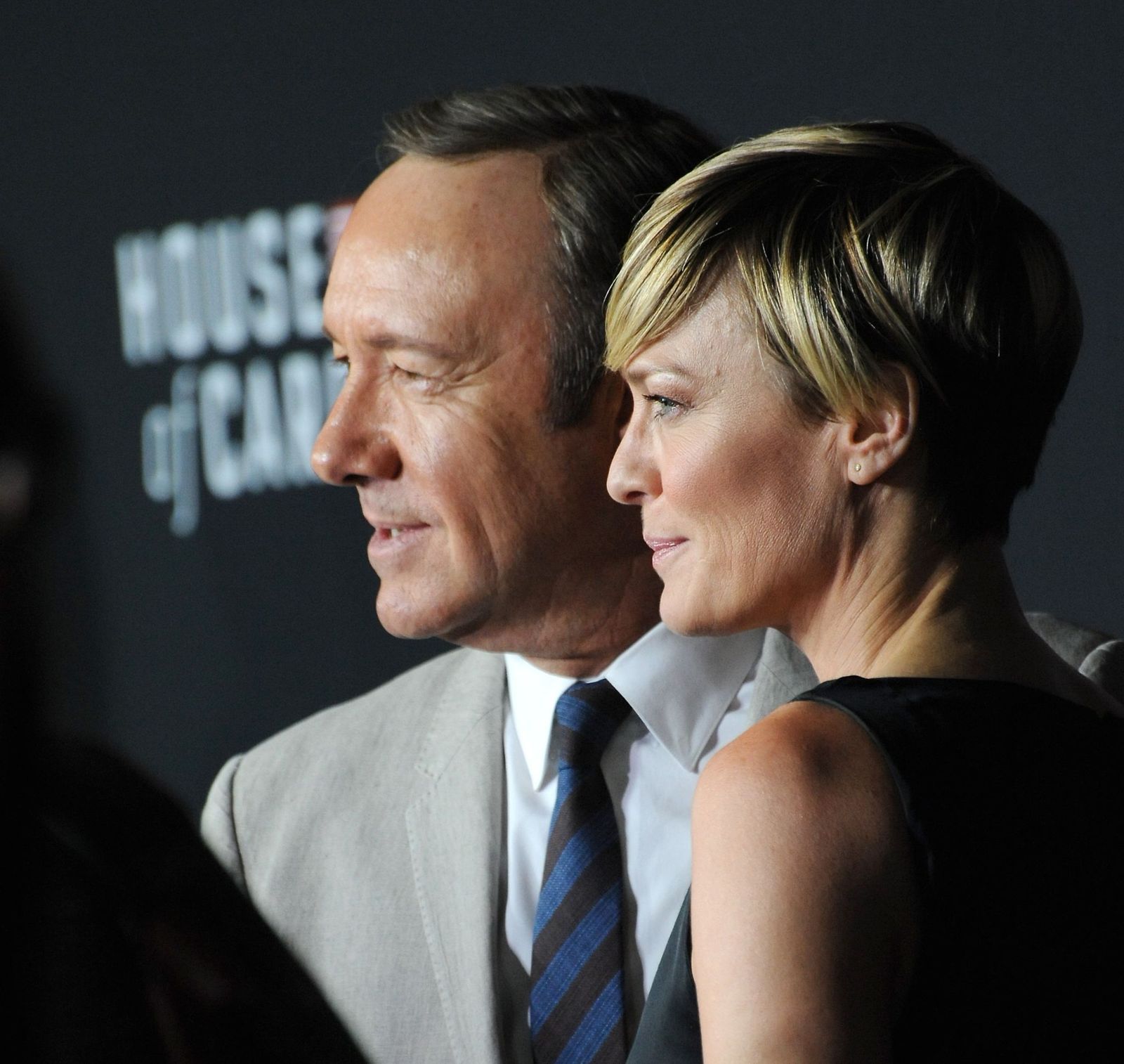
Last but not least, to round out the list with a fantastic show that centers on politics, Netflix’s 2013 "House of Cards", based on the 1989 novel by British author Michael Dobbs, starring Kevin Spacey and Robyn Wright, was extremely popular.

The original story follows a British politician named Francis Urquhart and his thirst for power. In contrast, the TV show focuses on Frank and Claire Underwood, a ruthless and power-hungry couple living in Washington, D.C. After Frank is denied a cabinet appointment, he begins a quest, at any cost, to climb the ladder to the presidency.
Translation and interpretation

Was the forbidden fruit really an apple? 10 Bible surprises


Published on July 15, 2026


Image: Mariordo, CC BY-SA 4.0, via Wikimedia Commons

What if some of the Bible stories you grew up with aren't exactly what the Bible says? Was the forbidden fruit really an apple? Were there actually three Wise Men? Did "God helps those who help themselves" really come from the Bible? Over centuries, translations, traditions, and famous works of art have added details that became so familiar, we stopped questioning them. But go back to the texts, and some of these stories look surprisingly different. From Eve's "apple" to the date of Jesus' birth, here are 10 familiar parts of the Bible that may not be quite what we remember.

1

The forbidden fruit was an apple

Image: Albrecht Dürer, Public domain, via Wikimedia Commons

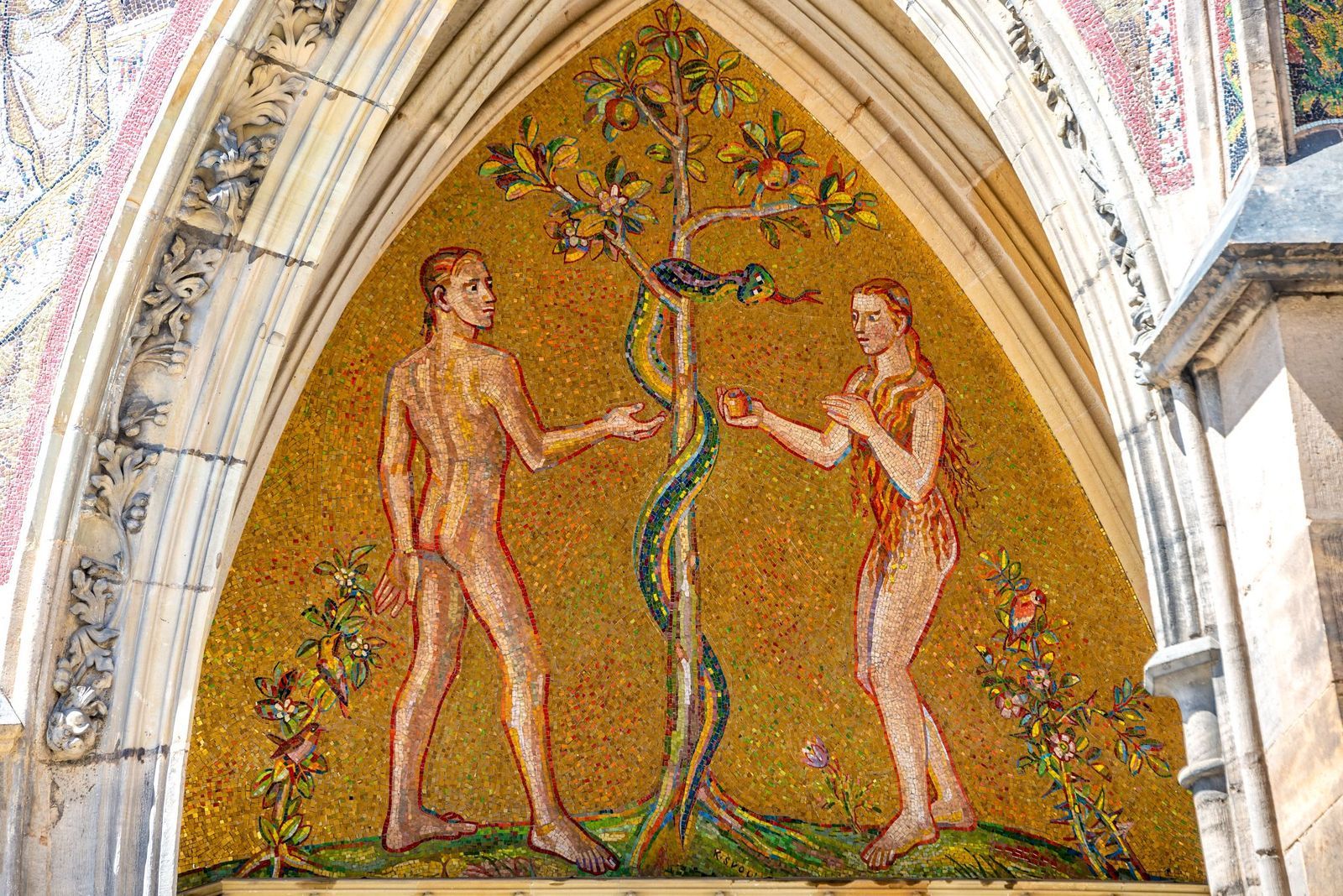
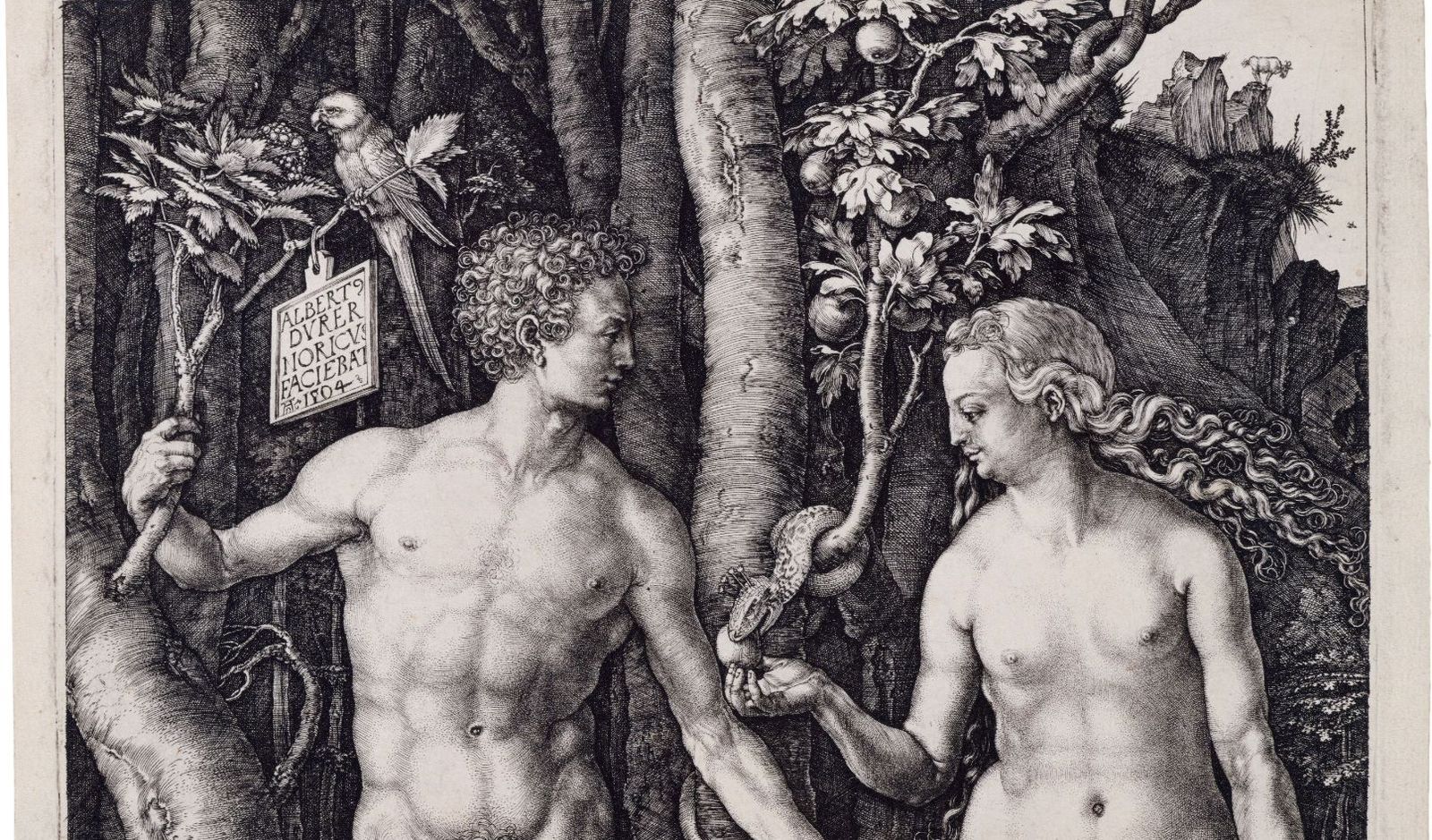
When you picture the Garden of Eden, what fruit comes to mind? Most people imagine an apple, but there's just one problem: the Bible never says it was an apple.

In the Book of Genesis, the fruit is simply called "the fruit of the tree of the knowledge of good and evil." The original Hebrew text uses the word peri, which simply means "fruit." The apple connection came centuries later, largely through the Latin translation. The Latin word malum can mean both "apple" and "evil," making it an especially fitting symbol for the story. Over time, that association spread through Christian art and literature. Famous works such as Albrecht Dürer’s 1504 engraving Adam and Eve (also known as The Fall of Man) helped cement the image of Eve holding an apple. Today, it's one of the most famous scenes in history, even though the original biblical text doesn’t identify the fruit as an apple at all.

2

There were three wise men/kings

Image: Rawpixel.com

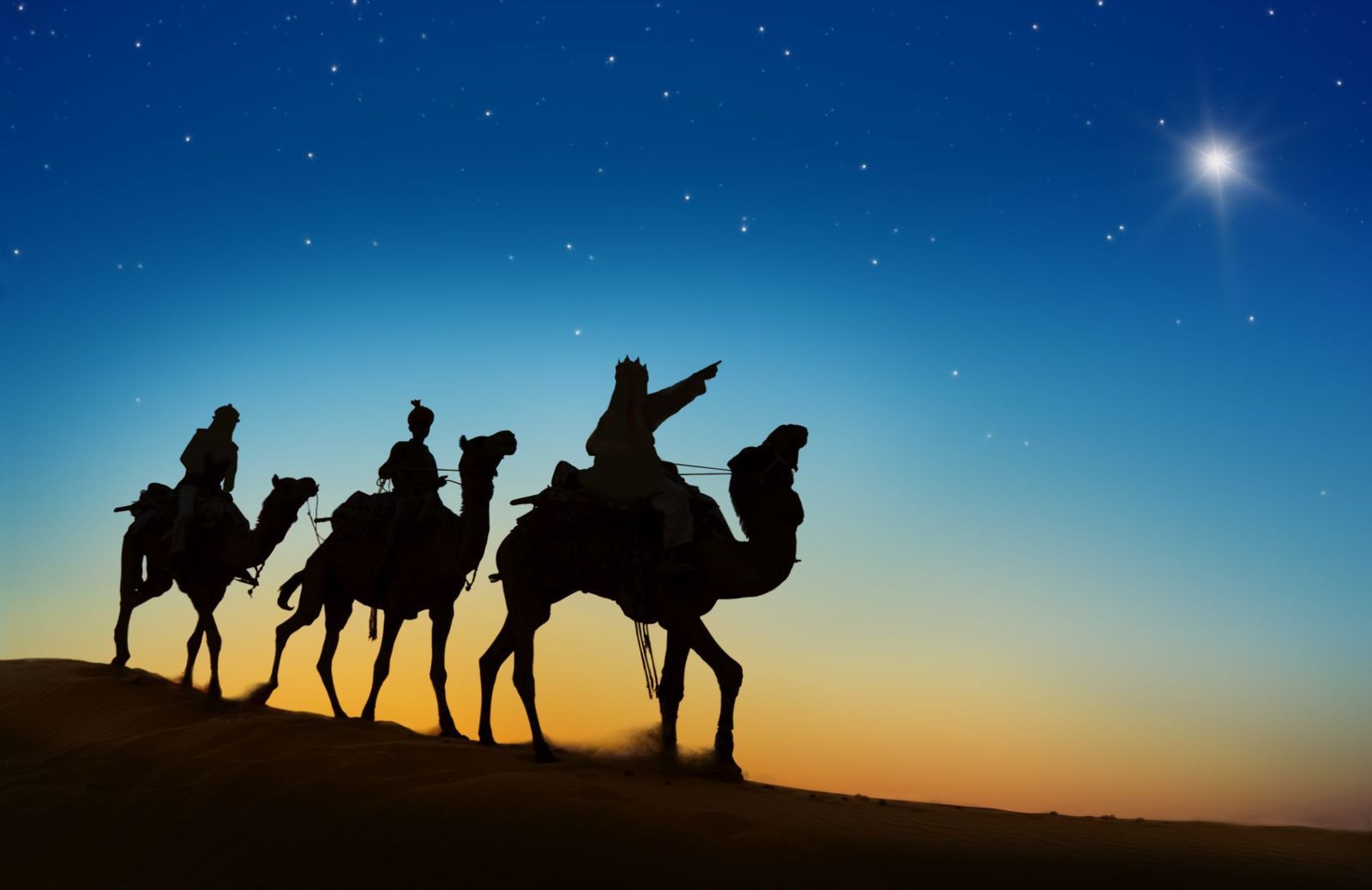
The story of Jesus' birth is so famous that most of us picture the Three Wise Men, sometimes called the Three Kings, standing beside the manger. But the thing is, over the centuries, the story picked up a few details that aren't actually in the Bible.

In the Gospel of Matthew, the only Gospel that mentions these visitors, they are described simply as Magi from the East. The original Greek word, magoi, referred to learned scholars, astrologers, or priests from Persia or Babylon, not kings. But where did the number three come from? Matthew lists three gifts: gold, frankincense, and myrrh, but never says how many visitors brought them. Over the centuries, people naturally assumed there must have been three Magi, one for each gift. Even their familiar names, Melchior, Caspar, and Balthasar, were added later by Christian tradition. So, neither the number of visitors nor their names appears anywhere in the biblical text.

3

"God helps those who help themselves"

Image: Adam Nir

Whether it's used to motivate a friend, encourage a family member, or push yourself to finally make a difficult decision, "God helps those who help themselves" is one of the most familiar religious sayings in America. But here's the surprise: those words never appear in the Bible.

The idea can be traced to ancient Greek sources, including Aesop’s Fables, where the saying appears in an earlier form: "The gods help them that help themselves." The exact modern wording was written by English politician Algernon Sidney in 1698, but it was Benjamin Franklin who helped make it part of American culture when he included it in his 1736 edition of Poor Richard’s Almanack.

4

"Cleanliness is next to godliness"

Image: John Jackson, CC BY 4.0, via Wikimedia Commons

Many teenagers have heard "Cleanliness is next to godliness" when it was time to clean their rooms. But despite sounding like a Bible verse, the phrase never appears in Scripture.

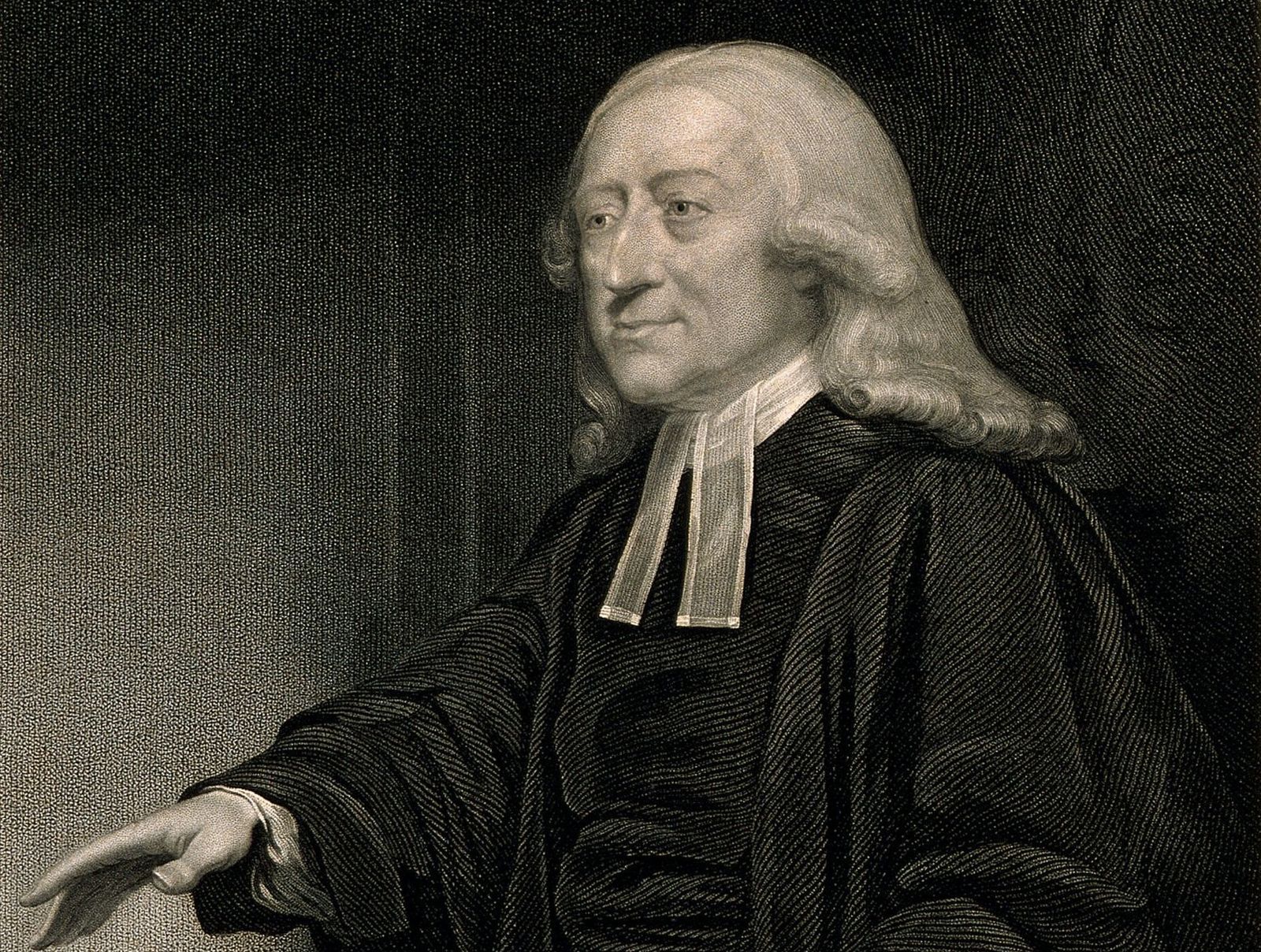
The Bible, particularly Leviticus, does contain extensive laws requiring people to wash their bodies and clothes in certain circumstances, especially before religious rituals. But the famous saying itself came much later. In 1605, Francis Bacon wrote in The Advancement of Learning that "cleanness of body" was connected to reverence for God. Then, in 1786, it was Methodist leader John Wesley who used the wording we recognize today in a sermon: "Cleanliness is indeed next to Godliness." Over time, the phrase became a familiar saying that many people simply assumed came from the Bible.

5

The date of Jesus' birth

Image: http://www.parrocchiasantagata.org, CC0, via Wikimedia Commons

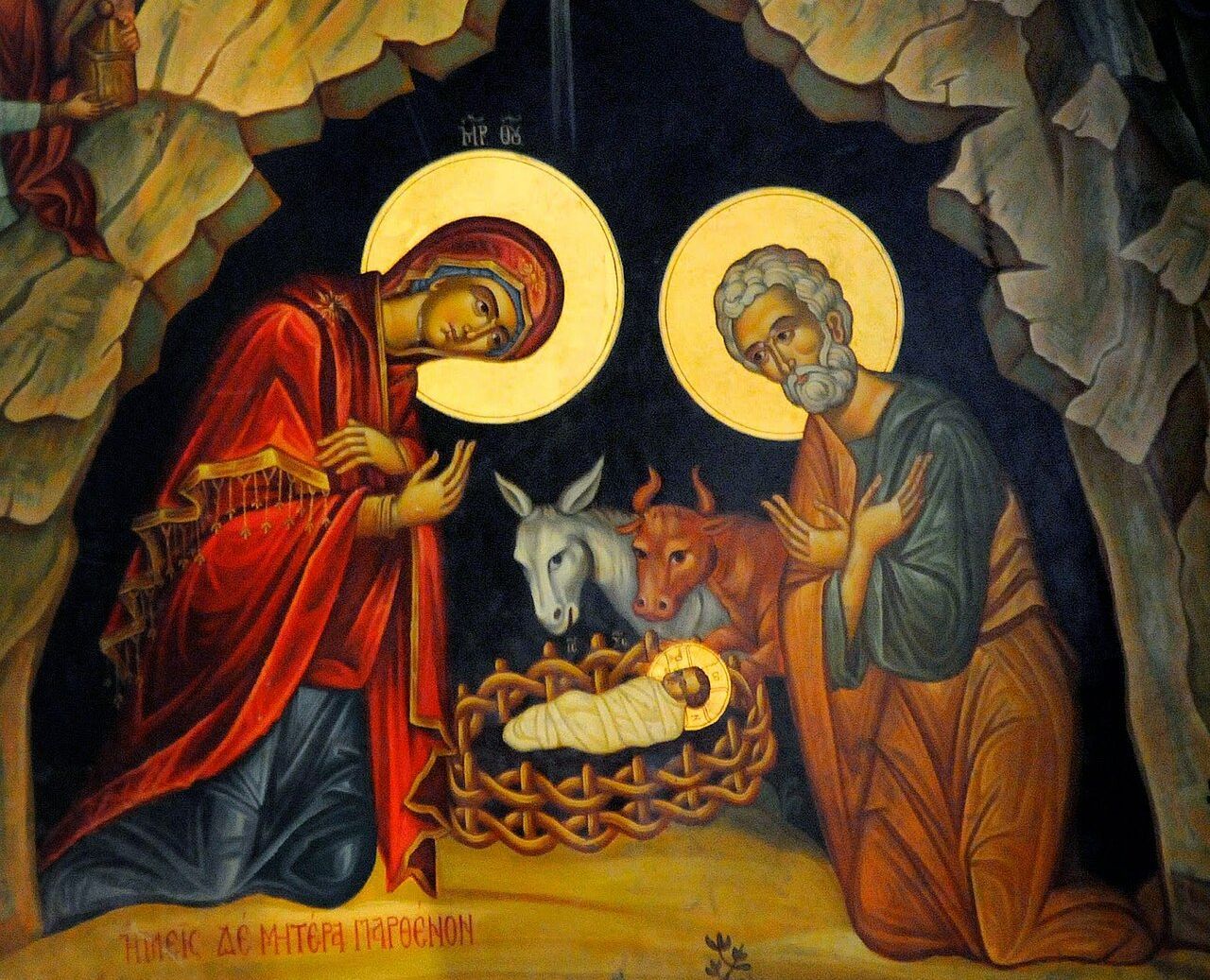
When it comes to famous dates, December 25 may be the most recognizable of all, universally associated with Christmas. But here's the surprising part: the Bible never gives any specific date for Jesus' birth.

The Gospels of Matthew and Luke describe the Nativity but never provide a calendar date, so how did December 25 become Christmas? There are two leading theories. The first is that the Roman Church was celebrating Christmas on December 25 by 336 AD, during Constantine's reign, possibly choosing the date to coincide with existing Roman winter festivals and make it easier to convert the empire to Christianity. The second points to an early Christian tradition that calculated Jesus' birth date from the supposed date of his crucifixion, eventually arriving at December 25.

6

Jonah and the Whale

Image: Pieter Lastman, Public domain, via Wikimedia Commons

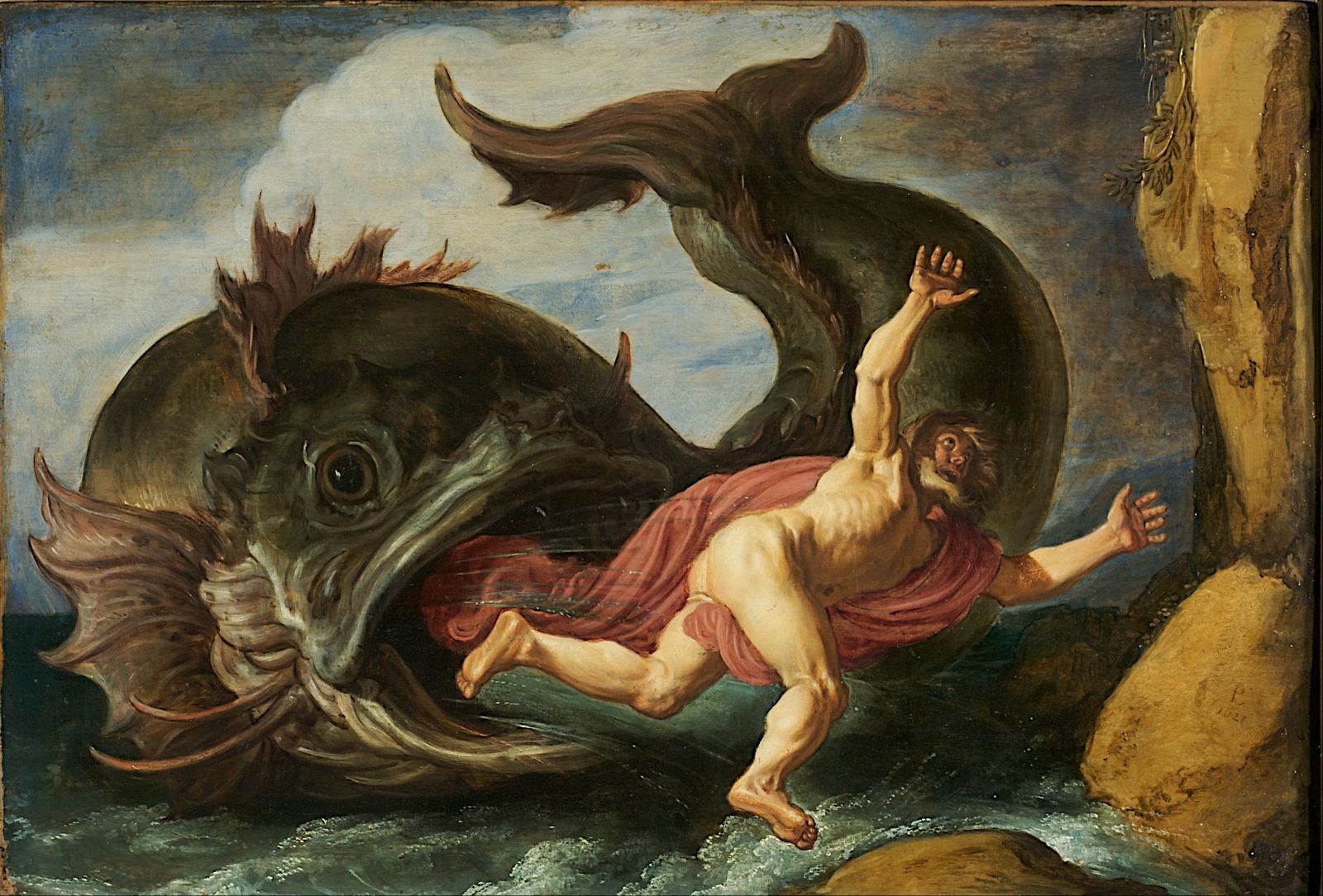
The story of Jonah and the Whale is so famous that it has appeared literally or symbolically in innumerable works of art and literature, from Michelangelo's Sistine Chapel ceiling (1508-1512) to Herman Melville's 1851 novel Moby-Dick. But there's a small problem with the title we've given it: the Bible doesn’t actually say it was a whale.

In the Old Testament, the original Hebrew text of Jonah 1:17 uses the words dag gadol, meaning "great fish" or "large fish"; it doesn't identify the creature as a whale, or even specify what kind of fish it was. Most modern English translations therefore stick with "great fish," but the familiar "whale" interpretation developed through older translations and later European tradition, eventually becoming so widespread that "Jonah and the Whale" became the name almost everyone recognizes.

7

The serpent in Eden was Satan

Image: neurobit

Just as we've always pictured the forbidden fruit as an apple, many of us also assume the serpent in the Garden of Eden is the devil himself. But the original story is a little more complicated.

A plain reading of Genesis depicts the creature simply as a serpent or snake, using the Hebrew word nachash. It describes the serpent as clever and crafty, but it never calls it Satan or explicitly identifies it as the devil. So where did the connection come from? The answer comes from later parts of the Bible, particularly the New Testament. In Revelation 12:9 and 20:2, Satan is called "the ancient serpent" (ho ophis ho archaios in Greek), connecting him to the snake of Eden. Over time, Christian tradition applied that later connection back to Genesis, leading to the familiar belief that the serpent was Satan himself.

8

Delilah Cut Samson’s Hair

Image: Georg Pencz, CC0, via Wikimedia Commons

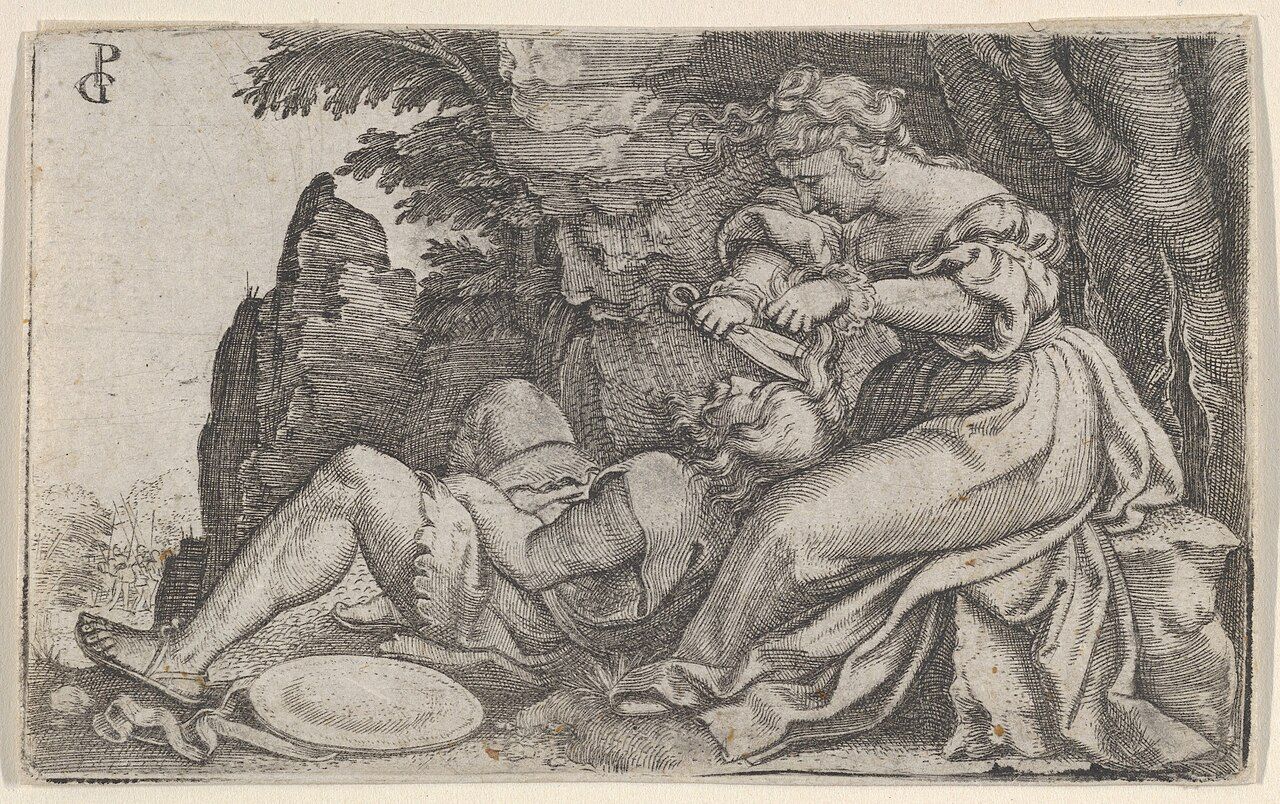
Many of us remember Samson for his legendary strength and the long hair that was said to be the source of his power. His story with Delilah is one of the Bible's most famous tales of betrayal, but there's one detail some people may have gotten wrong: Delilah didn't actually cut his long hair.

In Judges 16:19, Delilah has Samson's hair shaved while he sleeps on her lap. The text says she called for a man to do the shaving; it never says she did it herself. Yet paintings, films, and other retellings have often shown Delilah wielding the scissors herself, cementing that image in popular culture. It can be considered a small detail, but it’s a great example of how easily familiar Bible stories can pick up elements that aren't actually in the original text.

9

The Bible is a single-voice book

Image: Pixel-Shot

Many of us think of the Bible as a single book, written at one particular time by one author, or perhaps a handful of them. After all, that's how it looks when you pick one up in a hotel room, but its history is far more complicated.

The Bible is actually a collection of books written by over 40 authors over roughly 1,500 years, from about 1400 BC to AD 100. The exact number of books varies by religious tradition: Protestant Bibles contain 66 books, while Catholic and Orthodox traditions include additional books. Across these different traditions, the writings were produced by kings, prophets, fishermen, and scholars in Hebrew, Aramaic, and Greek. They also span a tremendous range of literary styles, including history, poetry, songs, laws, letters, and prophecy. So while we hold it as one book today, the Bible is actually a collection of many different writings produced across centuries.

10

Original manuscripts still exist

Image: https://www.themorgan.org/manuscript/350198, Public domain, via Wikimedia Commons

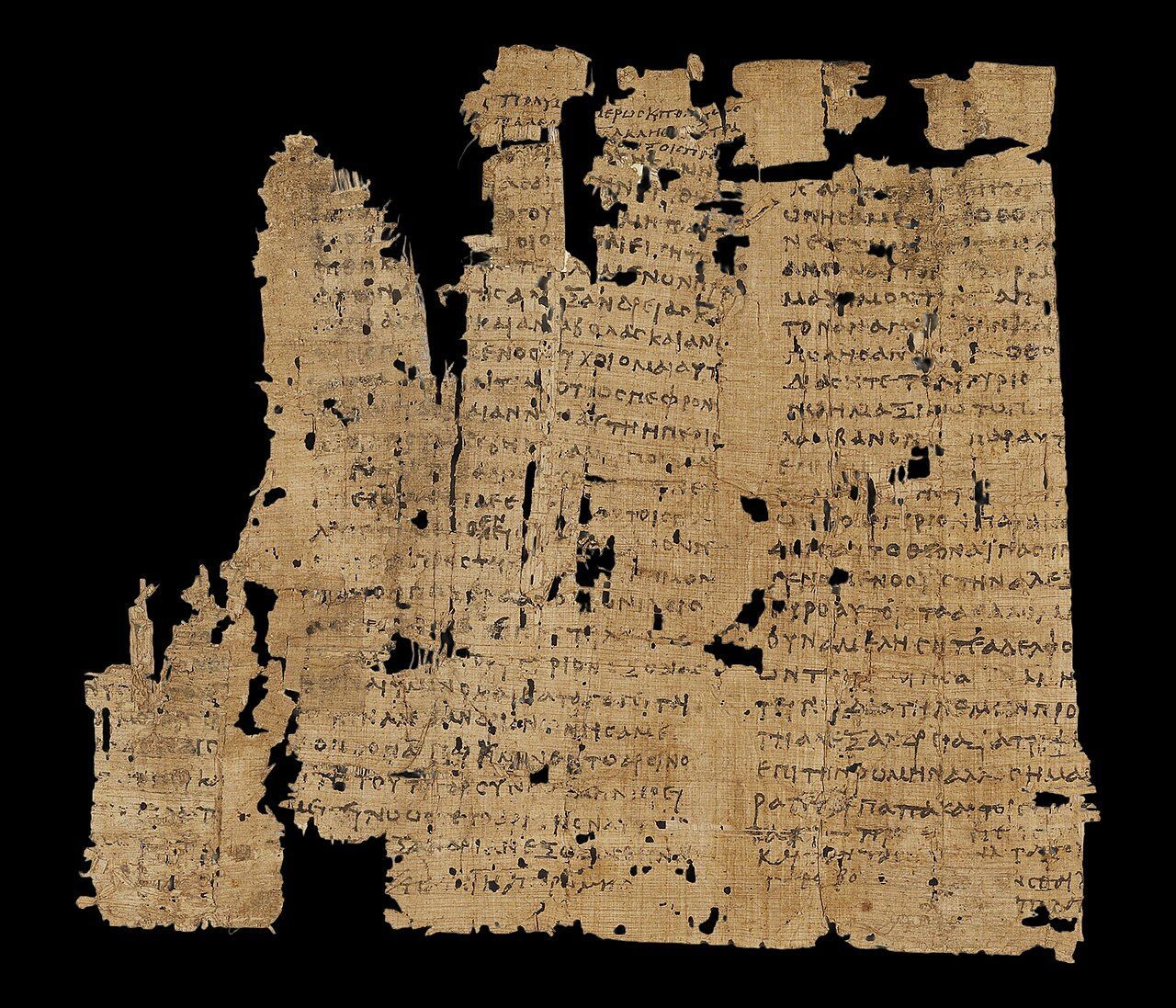
Many people assume that at least a few original fragments of the Bible must still exist somewhere. It would be incredible if they did, but none of the original manuscripts, known as autographs, have survived.

The earliest biblical texts were written on fragile materials such as papyrus and animal skins, which could deteriorate through humidity, heat, handling, and simple age. Wars, fires, and other destruction also contributed to their disappearance. So how do we know what the originals said? Through a technique called textual criticism: expert scholars compare thousands of handwritten copies, ancient translations, and quotations from early Christian writers. When they find passages that match across different sources, or differences that reveal how a text changed over time, they can work backward to determine what the original most likely said, even though the original manuscripts themselves are gone.

Looking for an extra scoop of literary fun?

Learn more with our Word of the day

envelop

/ənˈvɛləp/