Real meanings for unreal beings
Monster slang: What do the names of these 12 mythical beings really mean?
Published on September 10, 2026
Monsters, ghosts, and strange beasts have haunted stories for a very long time, but their names can be just as mysterious as the creatures themselves. Some are surprisingly literal, while others have traveled across languages, religions, and continents before reaching English. From a "knocking spirit" to a goblin hiding in the periodic table, here’s what the names of 12 famous mythical creatures really mean.
Zombie
The word zombie has traveled almost as dramatically as the creature itself. English acquired it through Caribbean forms such as Haitian Creole zonbi, with deeper roots in African languages. Merriam-Webster compares it with Kimbundu nzúmbe, meaning "ghost."
The traditional Haitian concept also differs significantly from Hollywood's hordes of contagious undead. Zombies became associated with people supernaturally deprived of autonomy and restored to a form of life. The modern flesh-eating version is largely a product of later popular culture, which transformed both the creature and the image English speakers associate with its name.
Wendigo
The word wendigo comes from a family of related Algonquian words, including Ojibwe wiindigoo and Cree wīhtikōw. The Ojibwe People’s Dictionary describes wiindigoo as a winter cannibal monster associated with terrifying, insatiable hunger.
But its literal origin is surprisingly uncertain. The mysterious-sounding word fuels the image of a night monster from past times.
Banshee

A banshee's famous cry sounds frightening enough, but her Irish name is much less sinister. Banshee comes from bean sí: bean means "woman," while sí refers to the supernatural beings traditionally associated with Ireland's ancient mounds.
That makes the name something like "woman of the fairy mound." And contrary to many movie versions, a banshee traditionally doesn't scream someone to death. Her mournful keening warns that a death is approaching, making her more of a supernatural messenger than an attacker.
Werewolf
Sometimes a monster's name tells you exactly what you're getting. Werewolf comes from Old English werwulf, combining wer, meaning "man," with wulf, meaning "wolf." In other words, the fearsome name basically means "man-wolf."
The interesting part is that wer was once an ordinary word for a male person before disappearing from everyday English. Meanwhile, the alternative lycanthrope reaches almost the same destination through Greek: lykos means "wolf," and anthrōpos means "human being."
Doppelgänger

Today, finding your doppelgänger might mean spotting somebody who looks uncannily like you. The German word is wonderfully straightforward: doppel means "double," while Gänger means "goer." English speakers began using doppelgänger during the 19th century.
Originally, however, this wasn't merely a word for two strangers who could pass for siblings. A doppelgänger could be an eerie supernatural counterpart of a living person. Over time, the ghostly implications faded, leaving us with a convenient, and much less alarming, word for a look-alike.
Poltergeist

If a ghost spends the night knocking things around, German already has the perfect name for it. Poltergeist combines a verb meaning "to knock" or "make a racket" with Geist, meaning "spirit." Literally, it's essentially a "knocking spirit."
That explains why poltergeists differ from the stereotypical silent apparition floating down a hallway. Their calling card is physical commotion: bangs, mysterious noises, and moving objects.
Golem
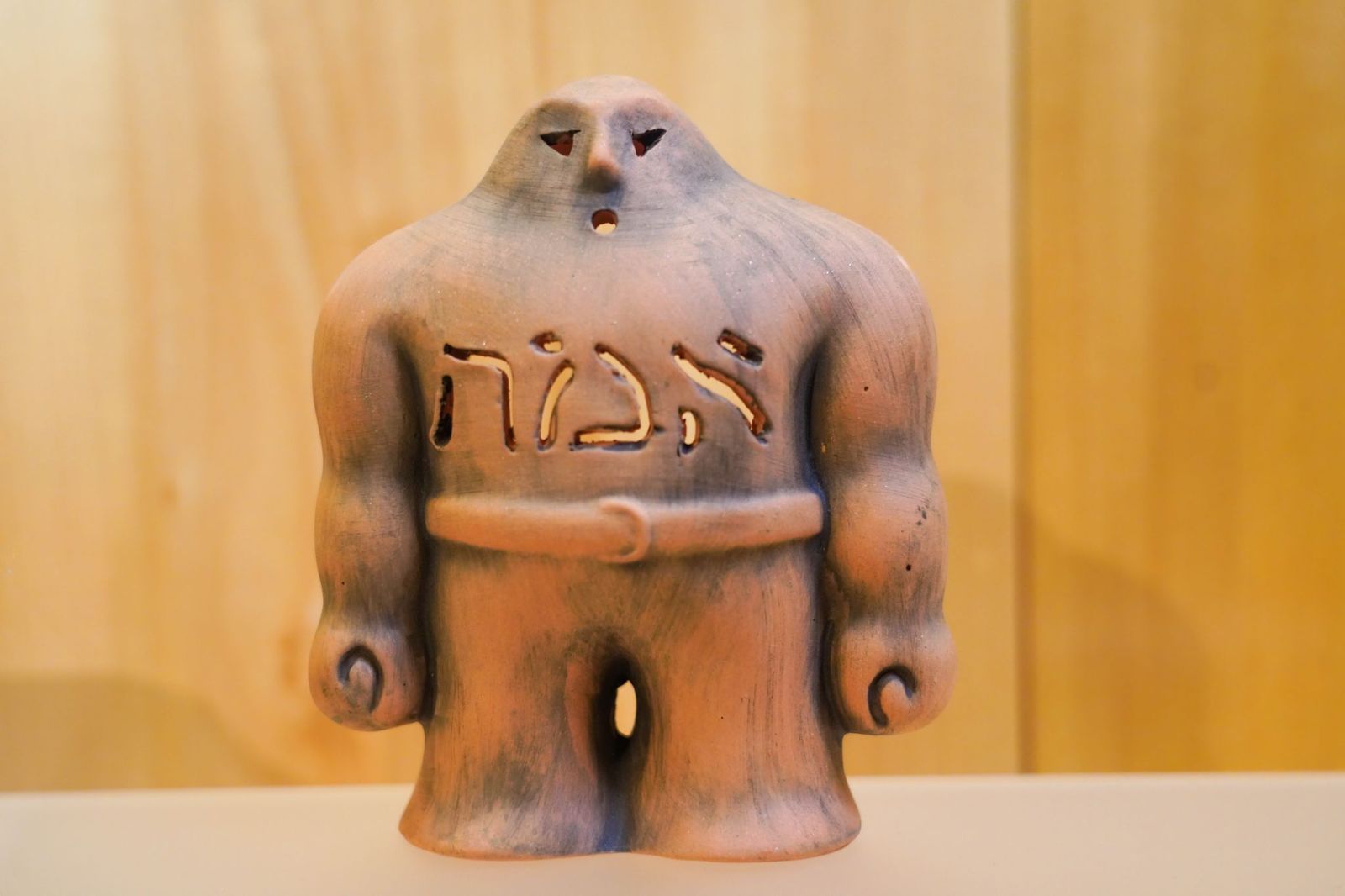
Long before the golem became a legendary creature, its name appeared in the Hebrew Bible. In Psalm 139, the Hebrew golem refers to something unformed or unfinished, an intriguing origin for a being traditionally fashioned from lifeless material.
Jewish folklore eventually transformed the idea into an artificial humanlike figure, commonly created from clay and animated through sacred knowledge.
Chimera
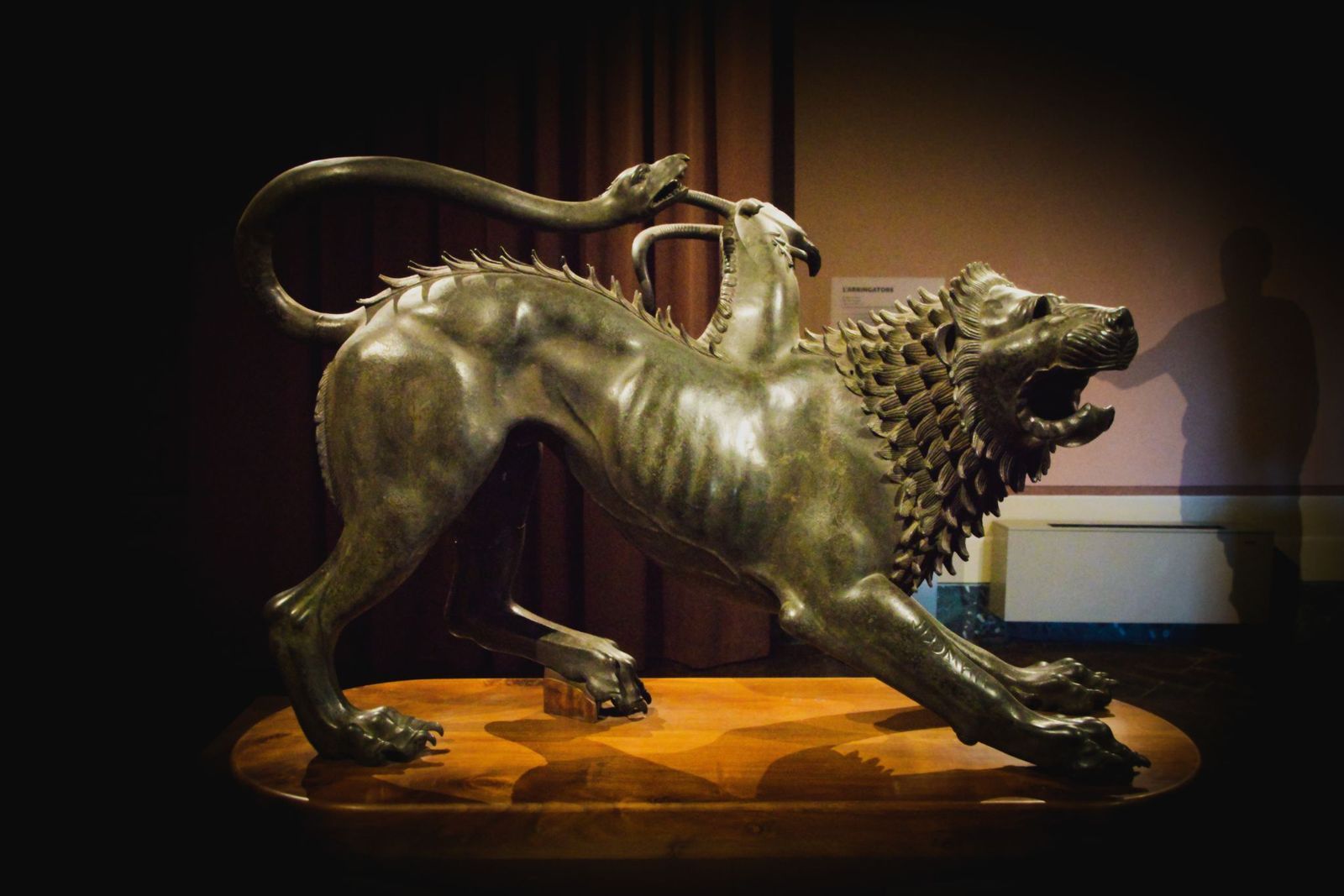
Here's a surprisingly gentle name for a decidedly ungentle monster. Chimera comes ultimately from Greek chimaira, meaning "she-goat." Yet the mythological Chimera was no ordinary farm animal: ancient accounts combined parts of a lion, goat, and serpent into one fire-breathing beast.
The hero Bellerophon eventually defeated it while riding Pegasus. Its bizarre mixture of incompatible parts proved linguistically durable. A chimera later came to mean an impossible fantasy, while modern biology uses the same word for an organism containing genetically distinct populations of cells.
Minotaur
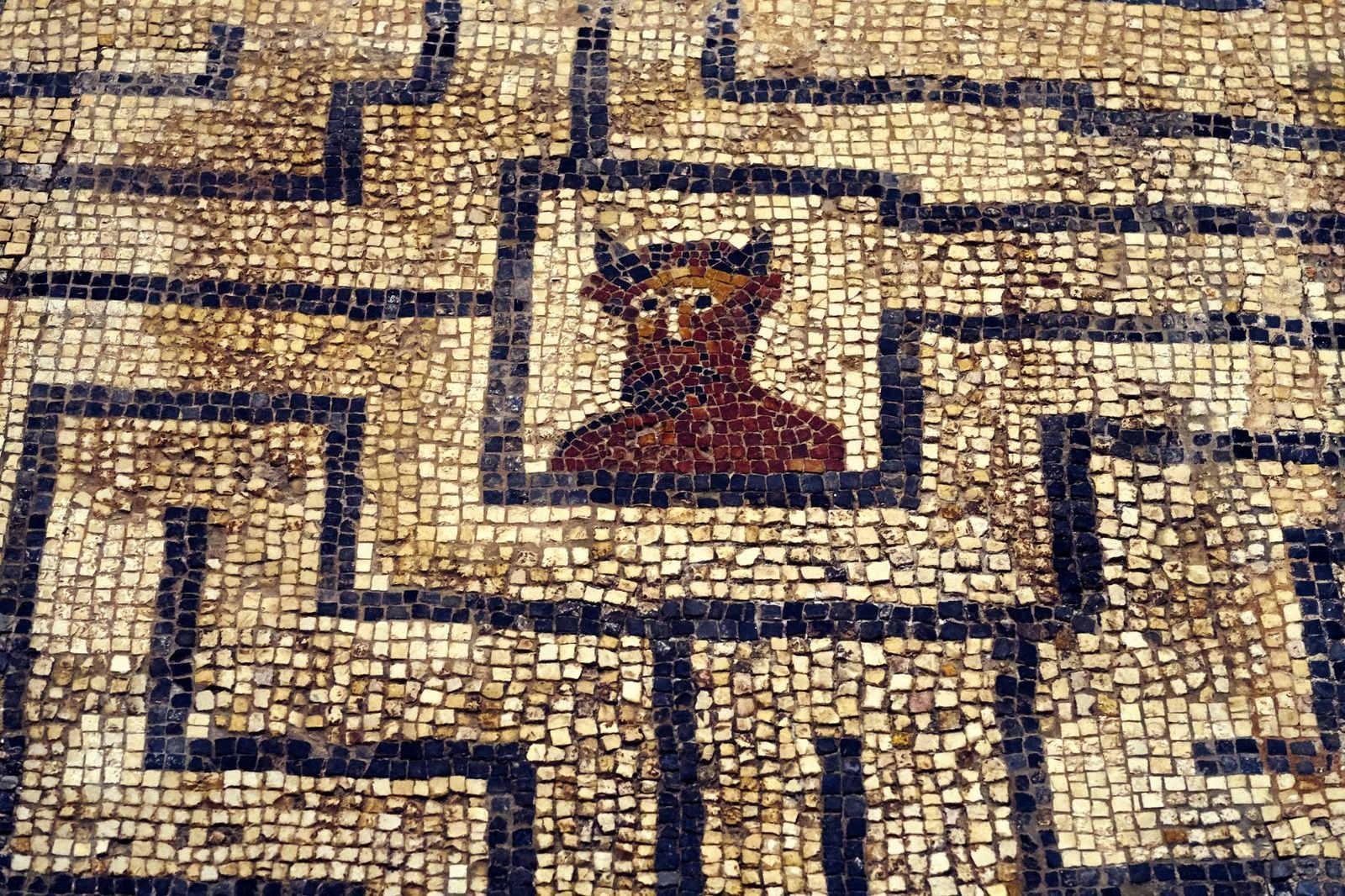
The Minotaur's name is practically a miniature plot summary. Greek Minōtauros combines the name Minos with tauros, meaning "bull." The famous monster is therefore, quite literally, the "bull of Minos."
According to Greek mythology, King Minos had the creature confined inside the Labyrinth designed by Daedalus on Crete. Theseus eventually killed the Minotaur and found his way back with Ariadne's help.
Hippogriff
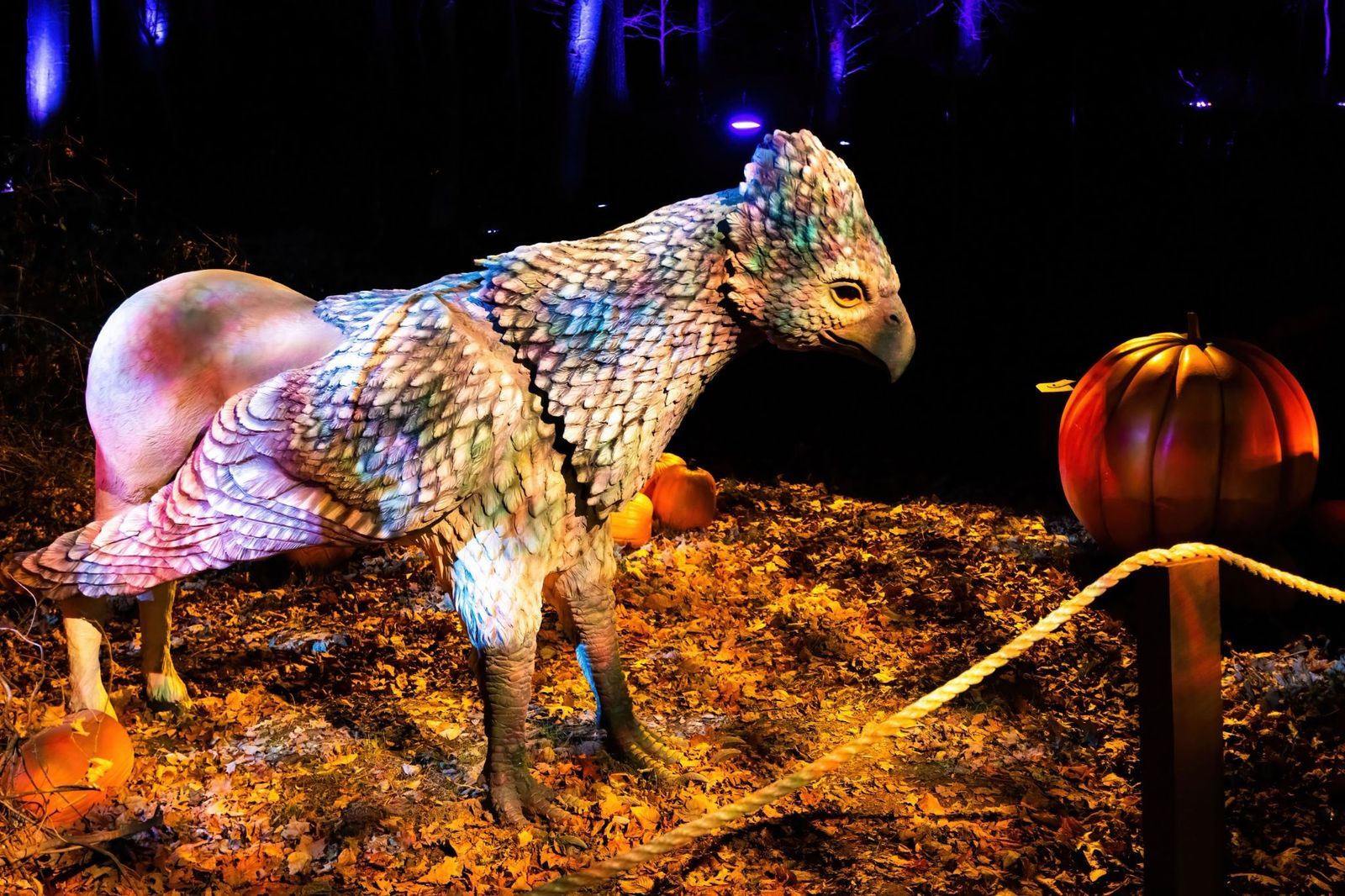
Break apart hippogriff, and half the creature immediately appears. Its first element ultimately comes from Greek hippos, meaning "horse," joined to griffin.
Italian poet Ludovico Ariosto featured the hippogriff in Orlando Furioso, first published in 1516. He imagined the flying animal as the impossible offspring of a mare and a griffin. Modern fantasy fans may know the creature from Harry Potter, but hippogriffs had already been around for roughly five centuries.
Kobold
Kobolds were mischievous spirits in German folklore, appearing around homes or underground. Another remarkable oddity is the fact that one of these creatures managed to sneak onto the periodic table.
The element cobalt takes its name from kobold. German miners used the term "supernatural" for troublesome ores that failed to produce the metals they expected and could contain dangerous arsenic compounds. In the 18th century, Swedish chemist Georg Brandt established cobalt as a distinct element.
Kraken
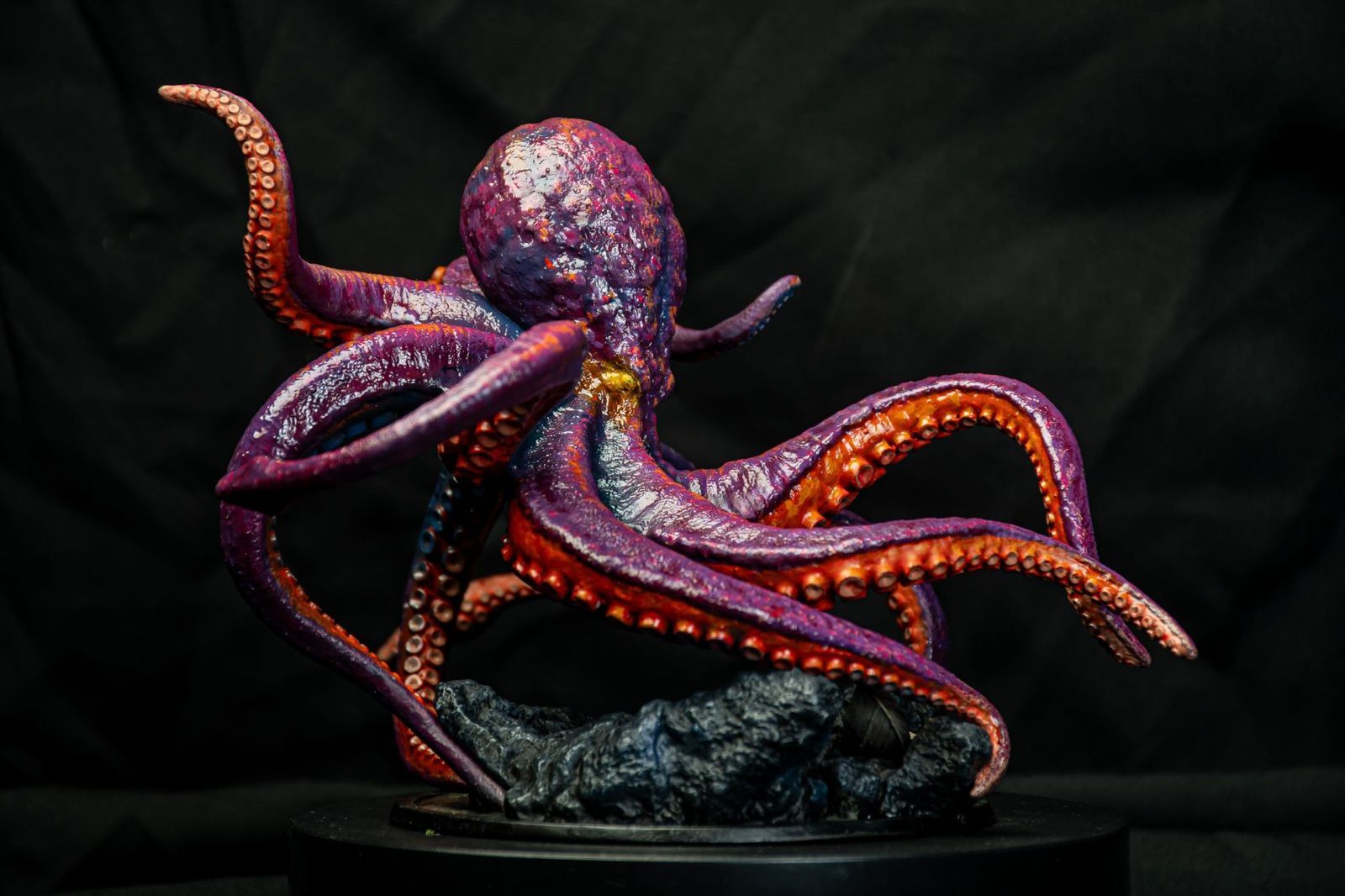
The Kraken came into English from Scandinavian tradition, where stories described an enormous sea creature lurking beneath northern waters. English records the word by the mid-18th century, when European writers were spreading accounts of the supposedly gigantic beast.
Its name contains a neat grammatical surprise. Scandinavian kraken is related to krake, with the final -n functioning as a definite article, essentially "the krake." Later encounters with real giant squid offered a tantalizing possible explanation for some old sea-monster stories.