These ones take the cookie

The cookie that started as an imitation but is now number one


Published on June 19, 2026

Image: No Revisions

Everyone loves a cookie. But which kind of cookie? The options are seemingly endless, but some are more loved than others. In some cases, it is the cookie itself that makes it a fan-favorite. In others, a particular brand recipe manages to beat the competition and secure the consumers’ loyalty. Here are some cookies that are a resounding success in America.

1

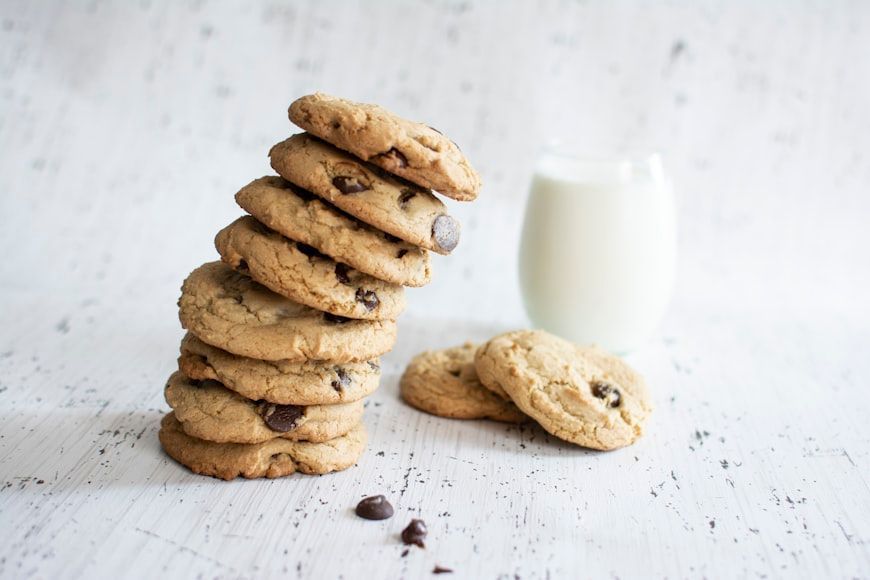
Chocolate chip

Image: Christina Branco

A staple for cookie enthusiasts, chocolate chip cookies have many versions and are distributed by many brands. A true American classic, they were invented (or at least, pioneered) in the 1930s by Ruth Graves Wakefield, who decided to add a chopped bar of Nestlé chocolate into her cookie dough. In exchange for printing the recipe in their packaging, Nestlé paid her $1 and a lifetime supply of chocolate.

2

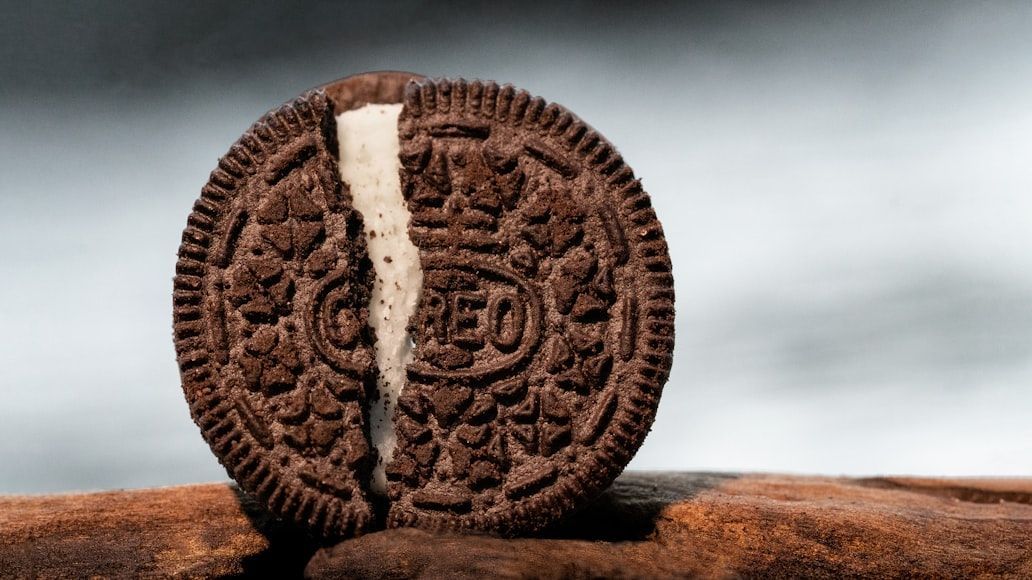
Oreo

Image: Brad Switzer

The best-selling cookie in the world, Oreo was initially developed as a copycat of the then-popular Hydrox cookie. The marketing campaign was so successful that Oreo largely surpassed Hydrox, and some people nowadays believe Hydrox to be an Oreo imitation. The origins of the Oreo name are unknown, but it is today synonymous with fondant-filled chocolate cookies.

3

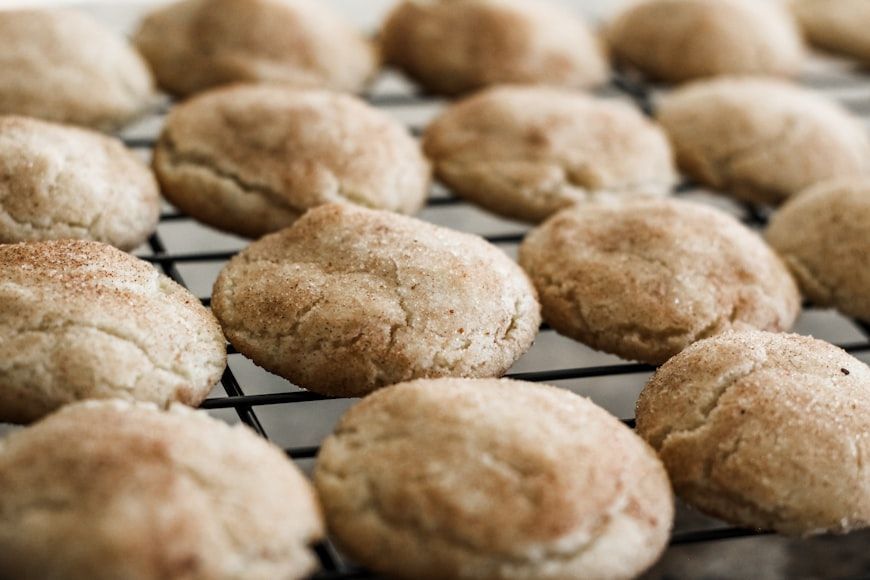
Snickerdoodle

Image: Jessica Johnston

No one is really sure where these chewy, cinnamony cookies originated, but they have earned their place in the American cookie repertoire. The use of cream of tartar as its key ingredient makes the cookie dough slightly tangy and gives it a soft interior that sets it apart from other sugar cookies. The name ‘snickerdoodle’ is attributed to German or Pennsylvania Dutch origins, but some say it is just a nonsense word.

4

Girl Scout Cookies

Image: U.S. Navy photo by Mass Communication Specialist 2nd Class Steven Khor, Public domain, via Wikimedia Commons

When a Girl Scout troop from Oklahoma decided to sell cookies as a fundraiser in 1917, they couldn't have imagined they were starting a million-dollar business. The varieties sold by the Girl Scouts have changed through the decades, but fan-favorites such as Thin Mints, Samoas, and Tagalongs have become permanent staples.

5

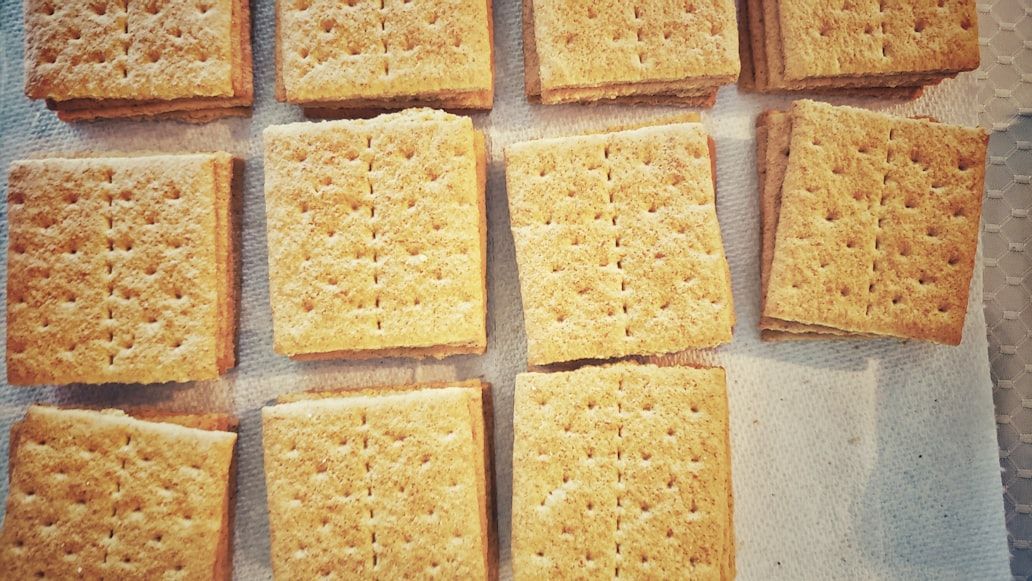
Graham Crackers

Image: Joshua Hoehne

Graham Crackers are typically associated with pie crusts and s’mores, but did you know that they were developed as part of a temperance movement? That’s right, they were invented by Presbyterian minister Sylvester Graham, who believed that a vegetarian, wheat-centered diet could help suppress devious urges. He created a plain, unsweetened, coarse cracker as a diet staple, without knowing it would become integral to many snacks and sweet treats.

6

Animal Crackers

Image: Rona Vorontsova

Originally imported from Britain, these cookies were so popular in the late 19th century that imports were unable to keep up with the demand, so bakers started producing them locally. At the turn of the 20th century, they were rebranded as Barnum’s Animals to evoke the popular circus, a name they still use today, though the circus-inspired design has changed to reflect a more ethical treatment of animals.

7

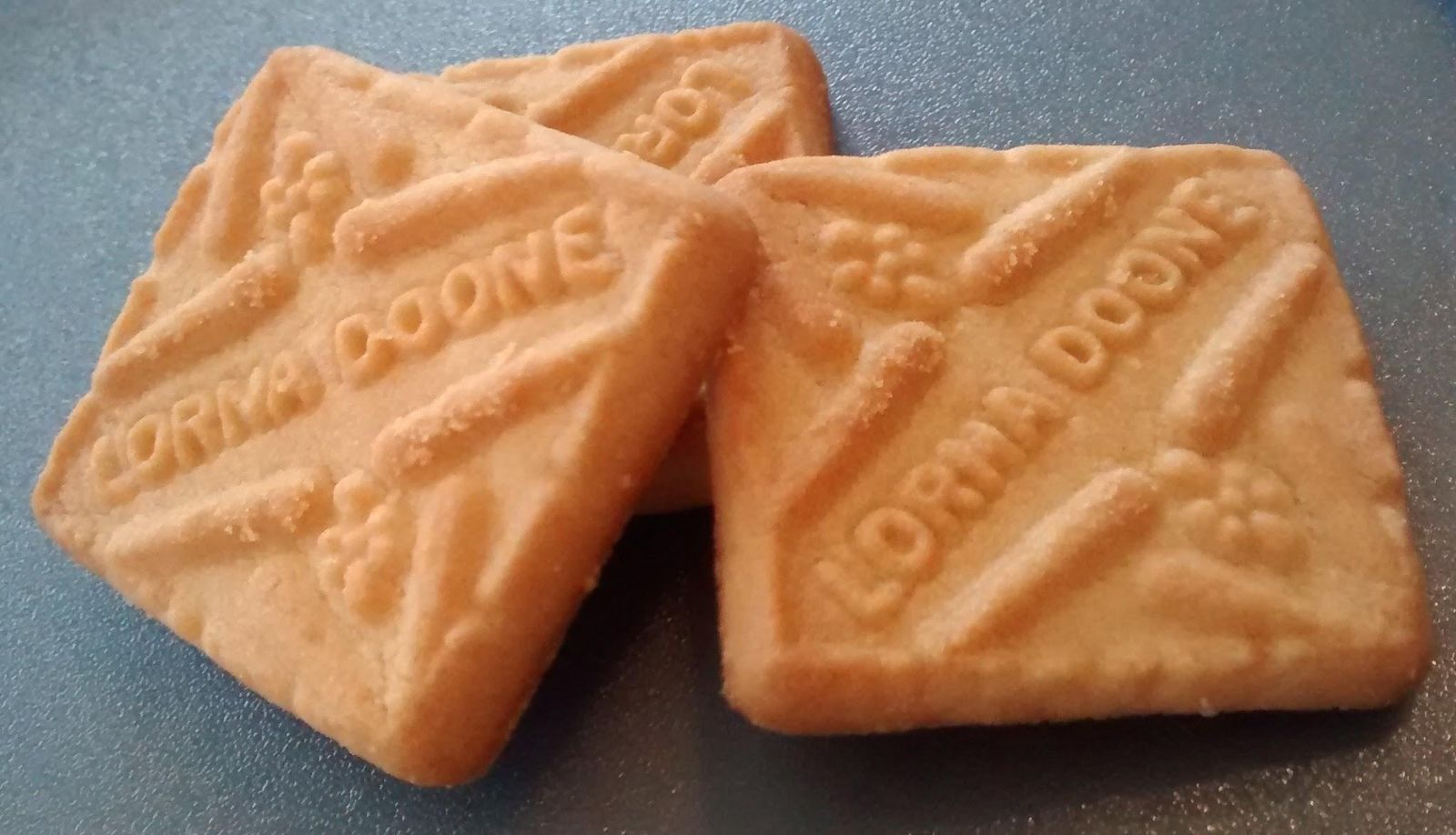
Shortbread Cookies

Image: Mx. Granger, CC0, via Wikimedia Commons

Sweet and buttery, shortbread cookies are believed to be of Scottish origin, where they are associated with Christmas and New Year celebrations. Introduced in the U.S. by Scottish immigrants, they were made popular under the brand Lorna Doone at the beginning of the 20th century.

8

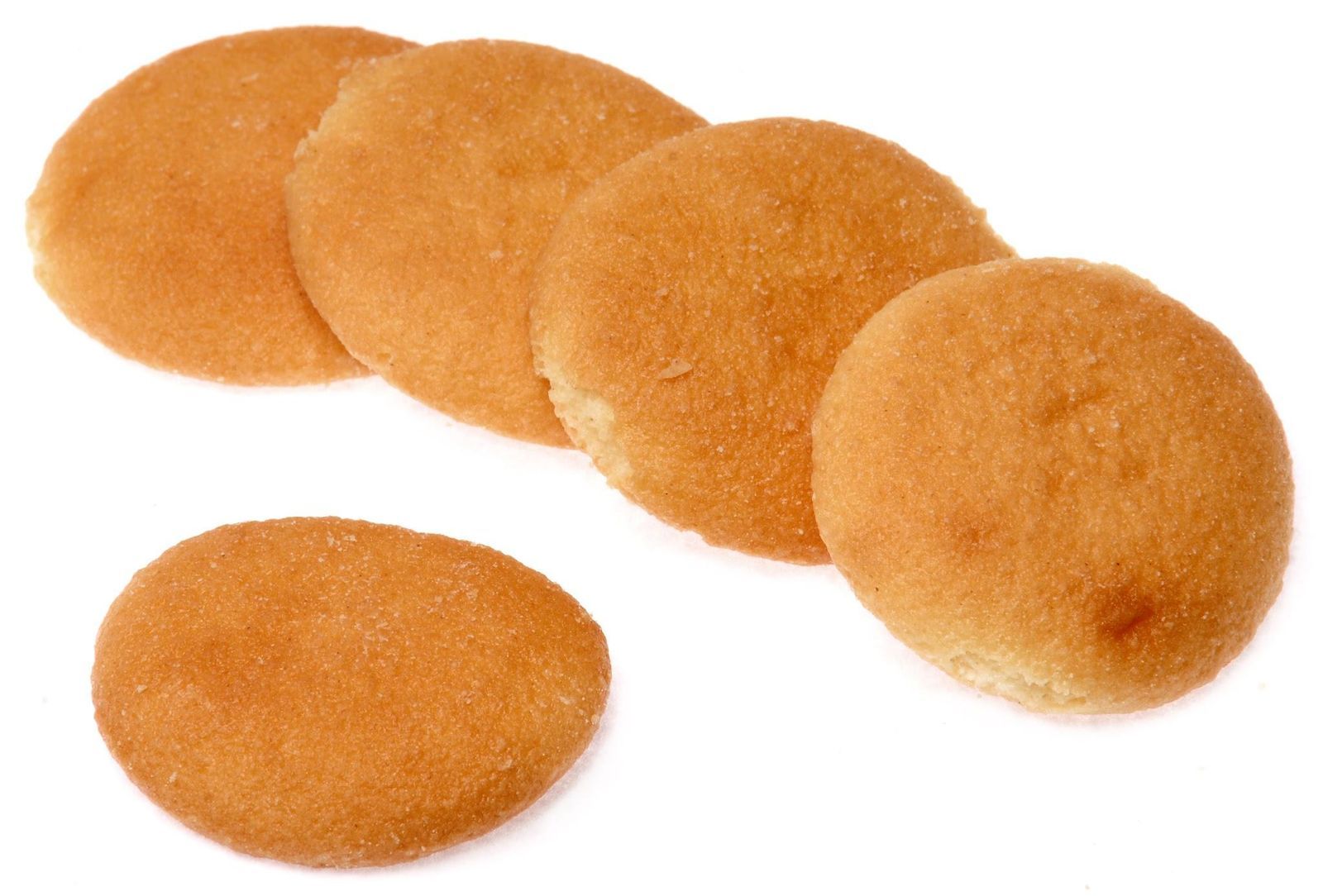
Nilla Wafers

Image: Evan-Amos, Public domain, via Wikimedia Commons

Developed in the 19th century by a German-American confectioner, these cookies might not seem much at first sight, but they have become a staple in the American cookbook. Originally sold as Vanilla Wafers, they became popular in the South as an ingredient for banana pudding, so much so that the recipe was printed on the box. In the 1960s, the name was officially changed to Nilla Wafers.

9

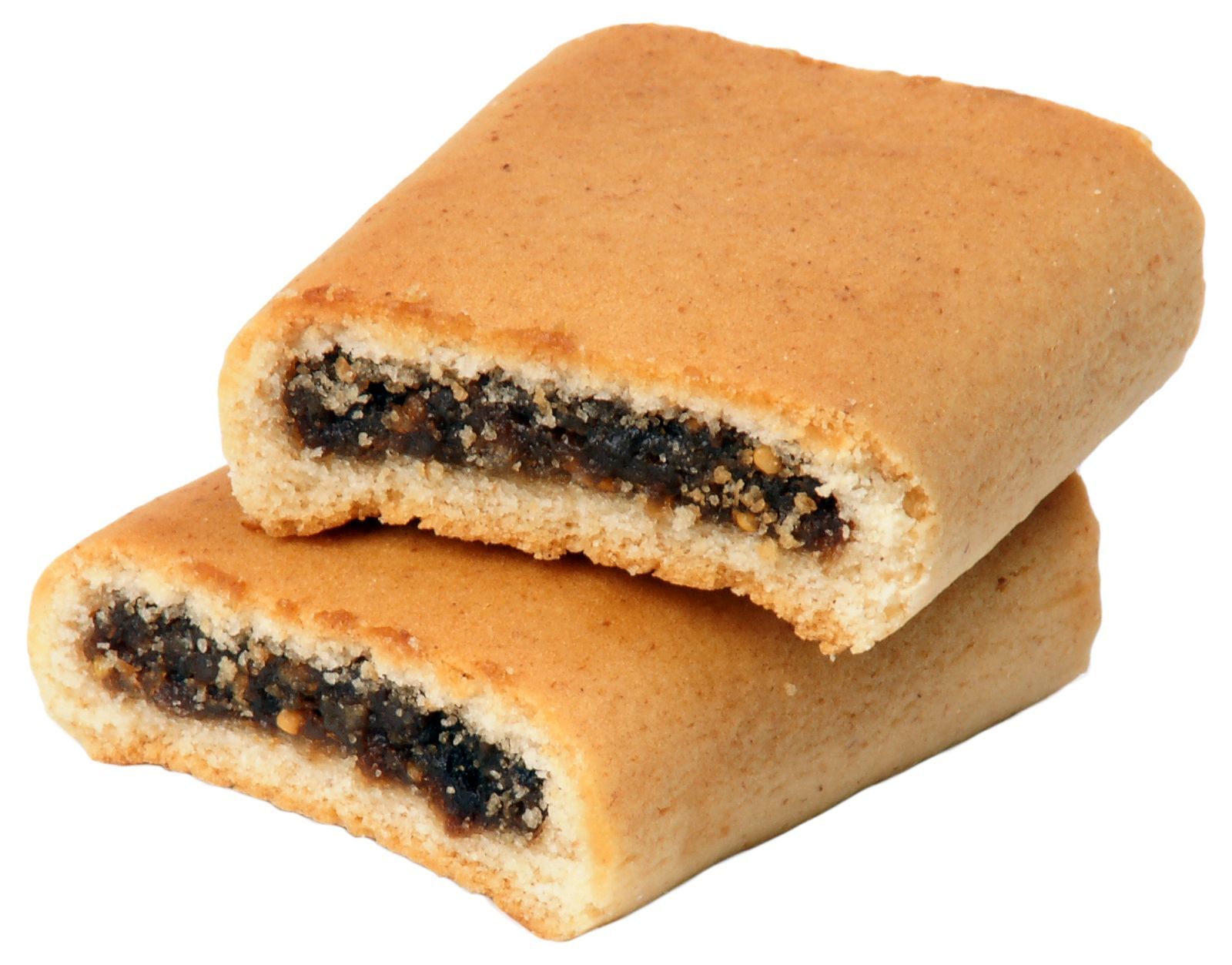
Fig Newtons

Image: Evan-Amos, Public domain, via Wikimedia Commons

Named after the town of Newton, Massachusetts, these cookies were originally developed in Philadelphia as a copy of the British fig roll. Its creator, Charles Roser, used a machine that allowed him to extrude the cookie and the filling as one, in a continuous roll. He later sold his recipe to the Kennedy Biscuit Company, who popularized it under the Fig Newton name.

10

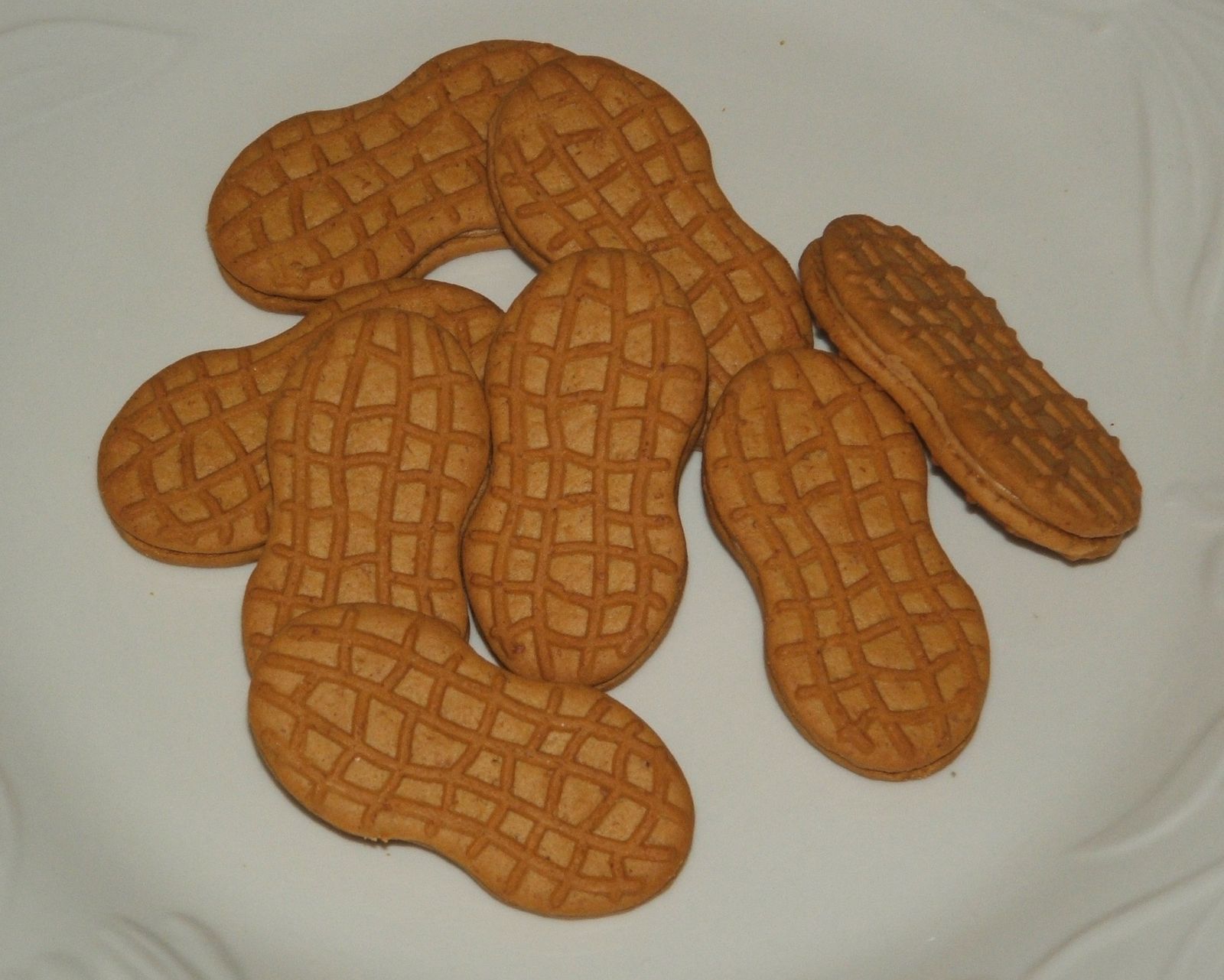
Nutter Butter

Image: Geoff, CC BY-SA 3.0 , via Wikimedia Commons

Another best-seller by Nabisco (the owner of Oreo), Nutter Butter is one of the most popular peanut butter sandwich cookies in the market. Besides being a peanut-lovers’ favorite, it has become synonymous with blood donations in the U.S, to the point that donations dropped substantially when the Red Cross stopped offering it to donors. Luckily, Nabisco committed to donating Nutter Butters for this purpose.

11

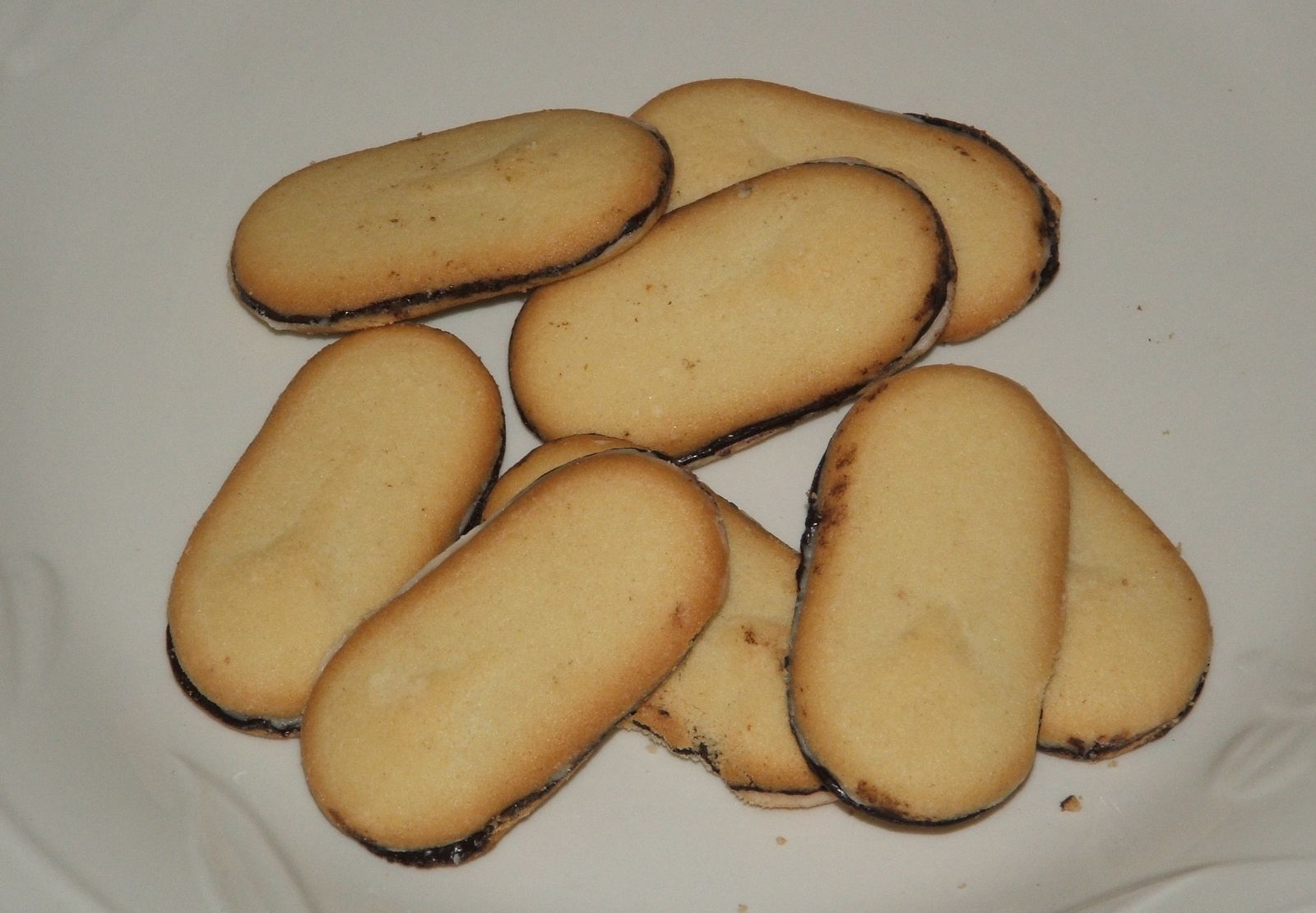
Milano cookies

Image: Geoff, CC BY-SA 3.0 , via Wikimedia Commons

An imitation of Italian-style biscuits, Milano Cookies were developed by the Pepperidge Farm company as part of a ‘European’ cookie series. They have since become extremely popular and have expanded their flavor range beyond their original milk chocolate version. Each year, Pepperidge Farm introduces seasonal and limited-edition flavors based on consumer demand, such as Chai Latte, London Fog, or Café au Lait.


NAME ANCESTRY

14 Surprising Origin Stories Behind State Names In The USA


Published on June 19, 2026


Image: Pin Adventure Map

Ever wondered where most US states’ names come from? From Native American roots to foreign or made-up words, the stories behind many of them are riddled with surprising historical references. Although the origin of some US states’ names is fairly obvious, many derive from unexpected people or places. The origin of names like Colorado, Montana, or Nevada are easy to infer —especially if you know a bit of Spanish— but many others have Native American origins with intriguing meanings. Some are even derived from fiction. If you ever wanted to know where names like Oregon, Connecticut, or Wisconsin come from, you are in the right place. Enjoy the surprising etymologies behind some of the names that make our country.

1

Alabama

Image: Joshua Woroniecki

Interestingly, for a state whose main economic activity is agriculture, the word Alabama comes from the Choctaw language and can be translated as "plant-cutters" or "vegetation pickers", recalling the farming practices of the Native Americans that lived in this area.

2

Alaska

Image: olio creative

Alaska is a corruption of an Aleut word that means "mainland", but can be translated literally as "the object towards which the action of the sea is directed". This is one of those names that manage to bring poetry into a word as simple and down-to-earth as land.

3

California

Image: Vital Sinkevich

This one comes from… a Spanish adventure novel! Bet you didn’t expect that. In Las Sergas de Esplandin by Garcia Ordez de Montalvo, a book from the 1500s, there is a fictional place called the "Island of California". Even when the modern state of California is clearly not an island, some die-hard fanatic of the novel decided to bring the name to life here in the U.S.

4

Connecticut

Image: Juliette Dickens

Derived from the Algonquian word quinnehtukqut, which can be translated as "besides the long tidal river", in reference to the river Connecticut. If you are wondering what the "tidal" part means exactly, this is because the Connecticut River's flow and level are effectively influenced by tides along much of its course. Certainly some amazing insight into the rigorous knowledge of local hydrology that Native Americans managed to accrue over the centuries.

5

Hawaii

Image: Luke McKeown

Although the origin of this name is disputed, there are two main theories. One suggests that the islands may have been named after Hawaii Loa, their traditional discoverer. However, others have speculated that it is actually derived from the ancient Polynesian word hawaiki, meaning "place of the gods".

6

Idaho

Image: NEOM

Another crazy one. Although the name was first claimed to be derived from a Shoshone word that meant "Gem of the Mountains", it is highly likely that the word was fabricated by George M. Willing, and meant as a practical joke.

7

Indiana

Image: Stéfano Girardelli

Quite literally, "land of Indians", using a Latin suffix. The word Indians originally referred to the ancient dwellers of the shores of the Indus River, in South and Central Asia.

8

Kansas

Image: NOAA

"Toto, I've a feeling we're not in Kansas anymore!" said Dorothy, from The Wizard of Oz, right after a rampant tornado literally lifted her house in the air and took it to God knows where. Well, this US state’s fame for violent winds predates even the first settlers, since Kansas is a Native American word used by the Dakota, strongly related to the idea of "wind".

9

Kentucky

Image: Drew Beamer

This state owes its name to an Iroquoian word that means "land of tomorrow". Quite a blockbuster-worthy movie title, if you ask me.

10

Maine

Image: Mercedes Mehling

The origin story behind the name of "The Pine Tree State" is still disputed. However, there are some interesting theories. One states that it derives from "mainland", as a form of distinction from the many coastal islands in the vicinity. Other theories propose that it was named in honor of Henrietta Maria, queen of England, or after the province of Mayne in France.

11

Missouri

Image: Anthony Cantin

To the Native Americans that lived in this region, Missouri meant "town of the large canoes", as the Missouri tribes were renowned for their skill in making dugout canoes.

12

Oregon

Image: Ashley Levinson

A largely disputed one. Many suggest that the name has Spanish origins, being similar to other words like orejón (meaning "big ear") or orégano, in reference to a type of plant (similar to the Mediterranean oregano) that grows in the southern part of the state.

13

Pennsylvania

Image: Donnie Rosie

This is the only state that has a part of its founder’s name in it. It is widely believed that Pennsylvania means "Penn’s Woodland", and was named as such in honor of Sir William Penn, father of its founder William Penn.

14

Wisconsin

Image: Brydon McCluskey

This is probably a French corruption of a native Miami word that meant "it lies red" or "river running through a red place", in reference to the bed of the river Wisconsin.

If our quick dive into the peculiar world of US state names wasn’t enough to quench your curiosity, stay around! We will keep uploading more content related to language and the weird stories and etymologies behind many English and foreign words.

Looking for an extra scoop of literary fun?

Learn more with our Word of the day

vexatious

/vɛkˈseɪʃəs/