Fiddlesticks!

What’s a nicer word for vomit? Discover 11 terms to soften awkward things


Published on July 25, 2026


Image: patpitchaya

We all need to say things that are not pleasant-sounding from time to time. But we can choose how we express such things. That's especially true when the topic involves bodily functions or other unpleasant realities. English is full of words that soften, sanitize, or medicalize things we'd rather not describe too vividly. Some come from Latin or Greek, others from doctors' offices, and a few were invented simply because saying the blunt version felt awkward. Here are 11 examples of "nice" words for not-so-nice things.

1

"Perspiration" sounds better than "sweat"

Image: Hans Reniers

If "sweat" sounds a bit too direct, perspiration offers a more polished alternative. The word comes from the Latin perspirare, meaning "to breathe through," and originally referred to moisture passing through the skin. By the 18th and 19th centuries, it had become the preferred choice in polite society, especially among writers and etiquette experts who considered "sweat" a little too earthy.

The distinction wasn't always scientific, but social. Victorians often treated "perspiration" as the refined term while reserving "sweat" for hard labor or athletic exertion. Today, both words describe the same natural process, but "perspiration" still carries a more formal, clinical tone in advertisements, medicine, and everyday conversation.

2

"Flatulence" is somewhat better than "passing gas"

Image: BlueRingMedia

Few topics inspire more creative wording than this one. While everyday English offers plenty of colorful expressions, the medical term for flatulence is derived from the Latin flatus, meaning "wind" or "blowing."

The funny part is that it's completely normal. Digestive specialists note that healthy adults commonly pass gas many times a day as part of ordinary digestion. Using a gentler expression doesn't change the biology; it simply makes discussing it a little less awkward.

3

"Restroom" sounds better than "toilet"

Image: Tim Mossholder

Americans rarely ask, "Where's the toilet?" Instead, they're far more likely to ask for the restroom, even though almost nobody goes there to rest. The word became popular during the early 20th century as a polite substitute that avoided mentioning the room's actual purpose.

It's one of English's classic euphemisms. Similar terms like "bathroom" and "washroom" focus on the room's features rather than the activities that take place inside.

4

"Expectoration" sounds much better than "spitting"

Image: Towfiqu barbhuiya

Doctors rarely tell patients to "spit." Instead, they'll often ask them to expectorate. The word comes from the Latin expectorare, meaning "to drive from the chest," and specifically refers to expelling mucus or phlegm rather than simply spitting.

Because it's more precise, the term remains standard in hospitals and medical textbooks. Outside healthcare, however, few people ever use it. It's a perfect example of how scientific language can make an unpleasant subject sound surprisingly dignified.

5

"Cerumen" sounds better than "earwax"

Image: Franco Antonio Giovanella

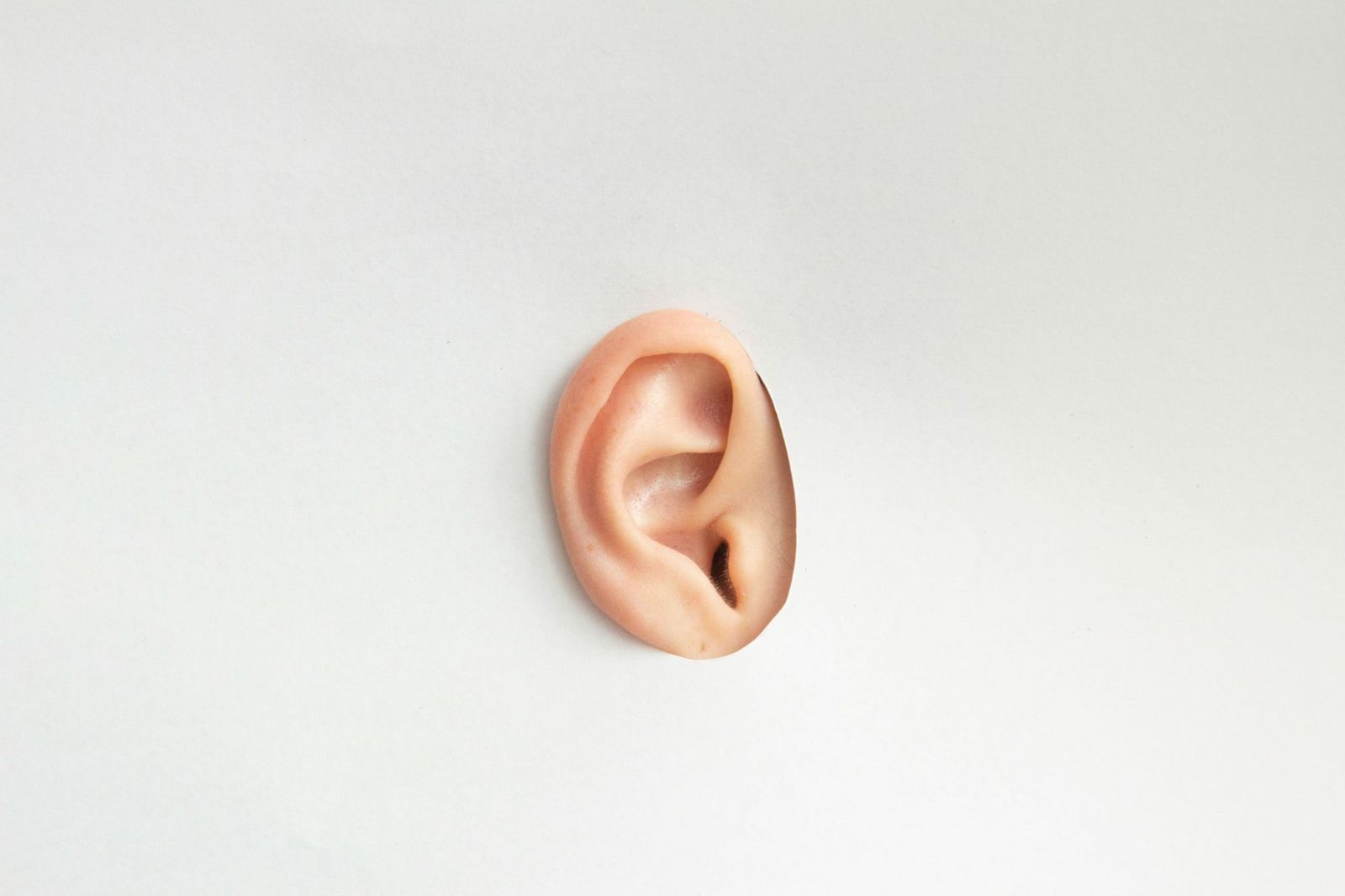
Most people know it as "earwax," but physicians and hearing specialists almost always call it "cerumen." The term comes from the Latin word cera, meaning "wax," and is the official anatomical term for the substance naturally produced in the ear canal.

Using the scientific term doesn't make it any less ordinary, but it certainly sounds more professional. That's why you'll find "cerumen" in medical charts, anatomy textbooks, and audiology clinics instead of the much more familiar everyday word.

6

"Halitosis" is better than "bad breath"

Image: Vitaly Gariev

"Halitosis" may sound like an intimidating medical condition, but it's simply the clinical term for persistent bad breath. Although doctors use the word today, it became widely known thanks to Listerine advertising campaigns during the early 1900s, which presented halitosis as a treatable problem rather than just an occasional inconvenience.

Those advertisements are still studied by marketing historians because they helped transform mouthwash into a household staple. It's a reminder that sometimes a sophisticated-sounding word can completely change how people think about an everyday issue.

7

"Emesis" sounds a lot better than "vomit"

Image: Alexey Demidov

Hospitals rarely record that a patient "vomited." Instead, medical records almost always use the term "emesis," borrowed from the Greek word emein, meaning "to vomit." The more formal language helps healthcare professionals communicate with precision while maintaining an objective tone.

The same Greek root appears in words like "antiemetic," the name for medications that prevent nausea and vomiting. Outside medical settings, though, most people stick with simpler vocabulary, even if it's a bit less elegant.

8

"Stool" is significantly better than "poop"

Image: fr0ggy5

When doctors, laboratories, or researchers discuss bodily waste, they almost always use the word "stool" in direct reference to the bathroom.

The term removes much of the emotional reaction that everyday words can provoke. That's one reason formal writing almost always favors "stool" over the more casual vocabulary heard in ordinary conversation.

9

"Urinate" is marginally better than "pee"

Image: jacopo marello

Children usually learn the word "pee" long before they ever hear the word "urinate," but the latter is the preferred term in medicine. It comes from the Latin urina, which also gave English words like "urinary," "urinalysis," and "urology."

Using "urinate" creates a neutral, professional tone that's especially helpful in healthcare. It allows doctors and patients to discuss sensitive topics comfortably without resorting to slang or overly childish language.

10

"Menstruation" is somewhat better than "period"
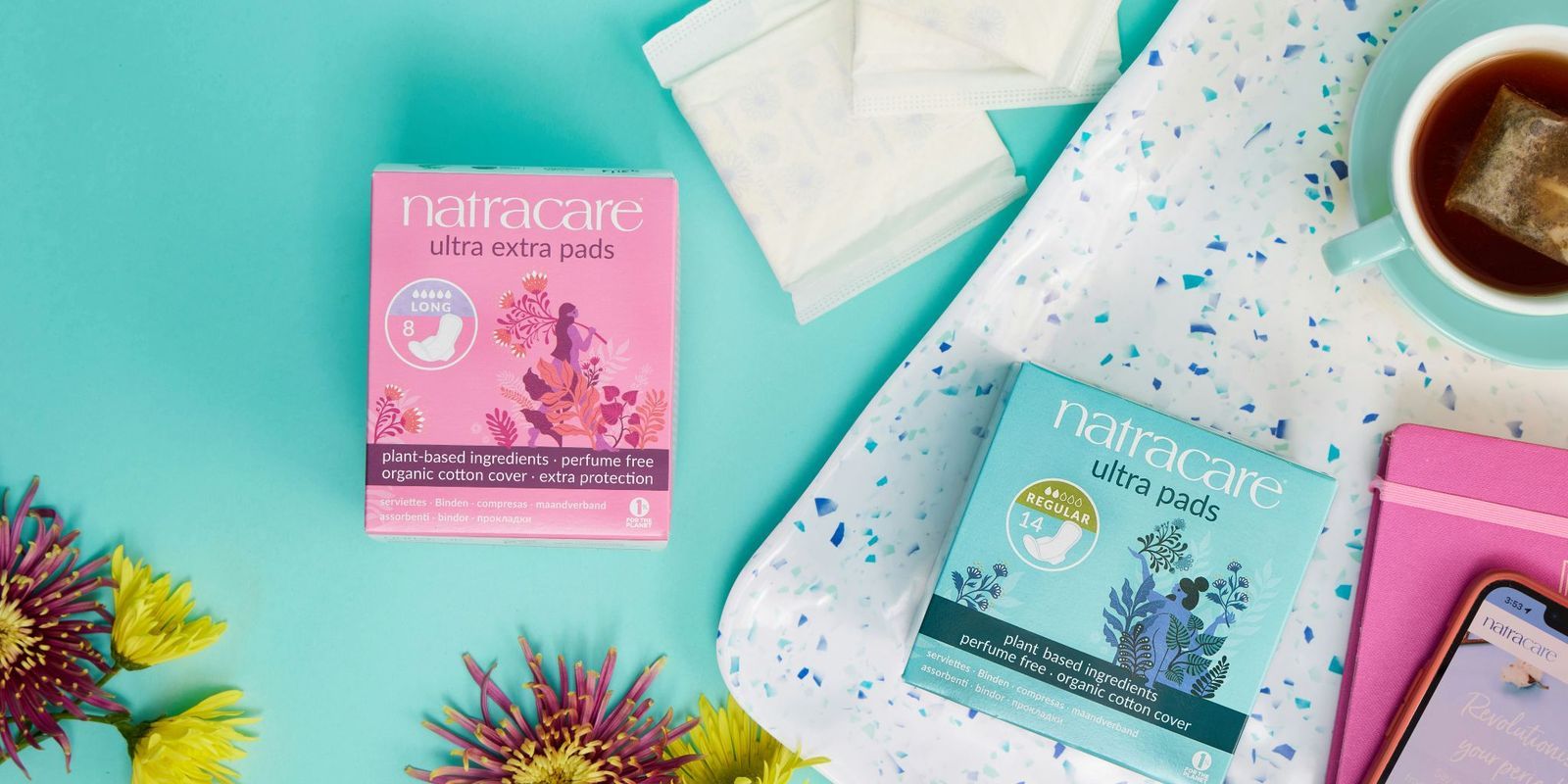
Image: Natracare

Many cultures have developed indirect ways of referring to a period, but medicine generally uses the more formal term "menstruation." It comes from the Latin mensis, meaning "month," reflecting the cycle's roughly monthly pattern.

English has accumulated dozens of euphemisms over the centuries, from "that time of the month" to more playful nicknames, revealing how reluctant many societies have been to discuss the subject openly. Today, "menstruation" is widely preferred in education and healthcare because it's both accurate and neutral.

11

"Decompose" sounds better than "rot"

Image: Nancy Hughes

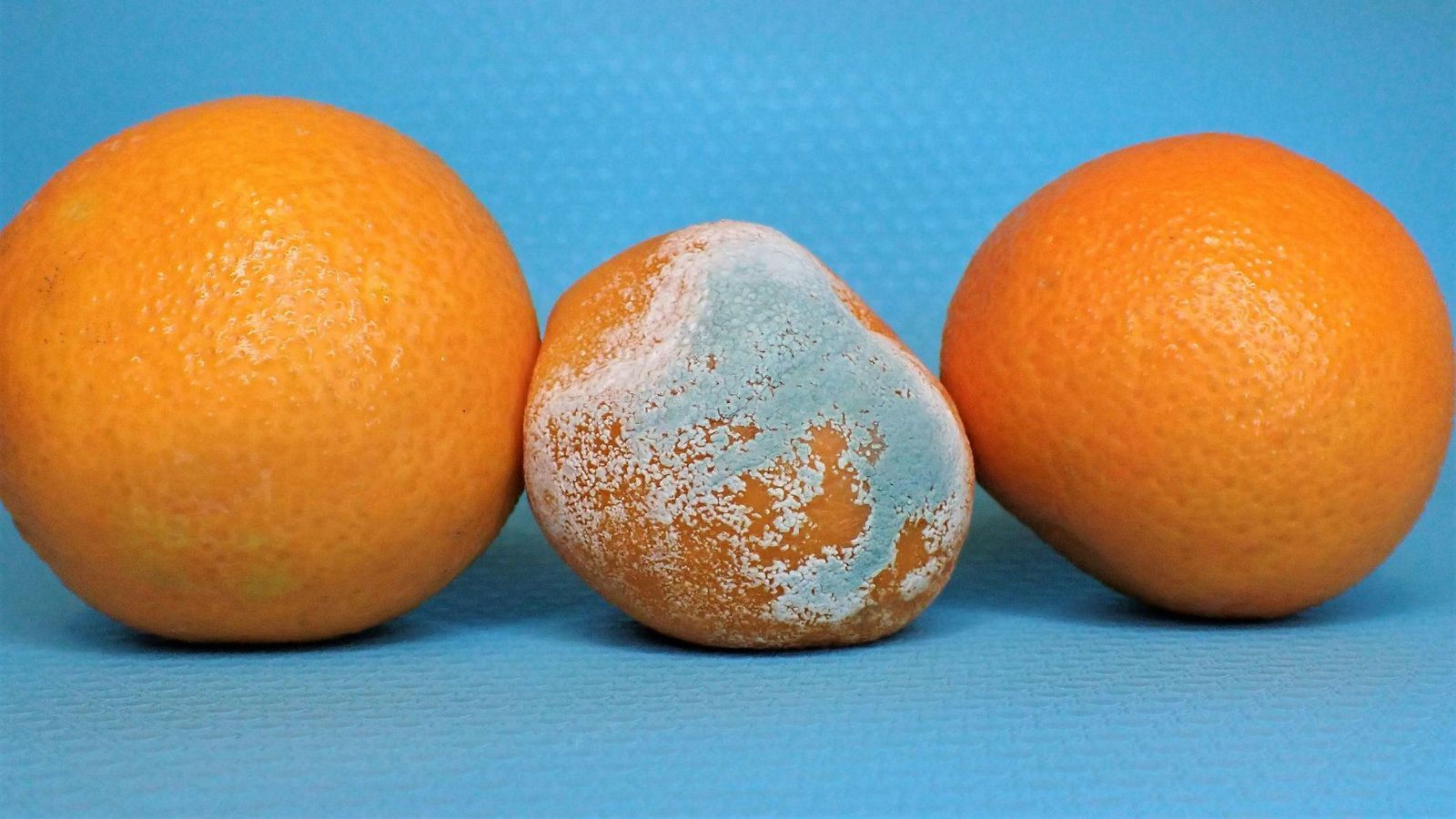
Most people would say something rotted, but scientists usually say it decomposed. The two words describe essentially the same process, yet "decompose" emphasizes the natural biological breakdown of organic material by bacteria, fungi, and other microorganisms.

Because it's more precise and emotionally neutral, the word appears regularly in biology, ecology, archaeology, and forensic science. Sometimes the nicest-sounding word also happens to be the most scientifically accurate, proving that language can soften reality without sacrificing the truth.

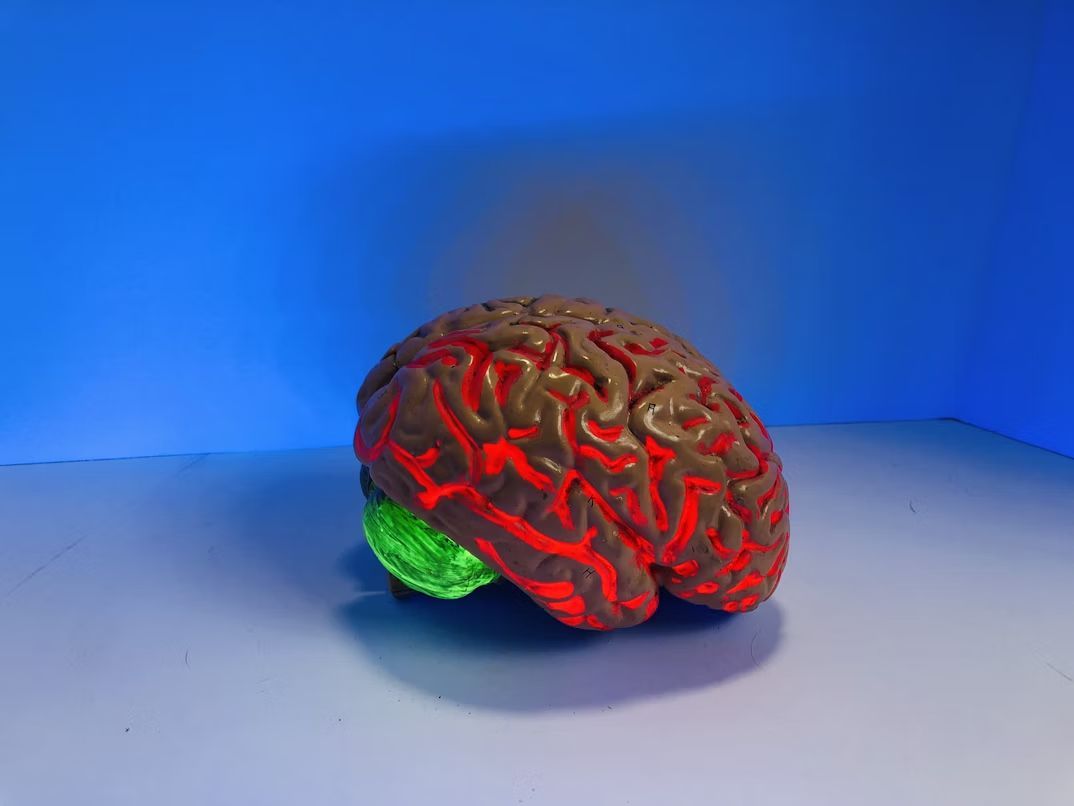

The truth about your brain

You won’t believe what happens in your brain while you sleep


Published on July 25, 2026


Image: Milad Fakurian

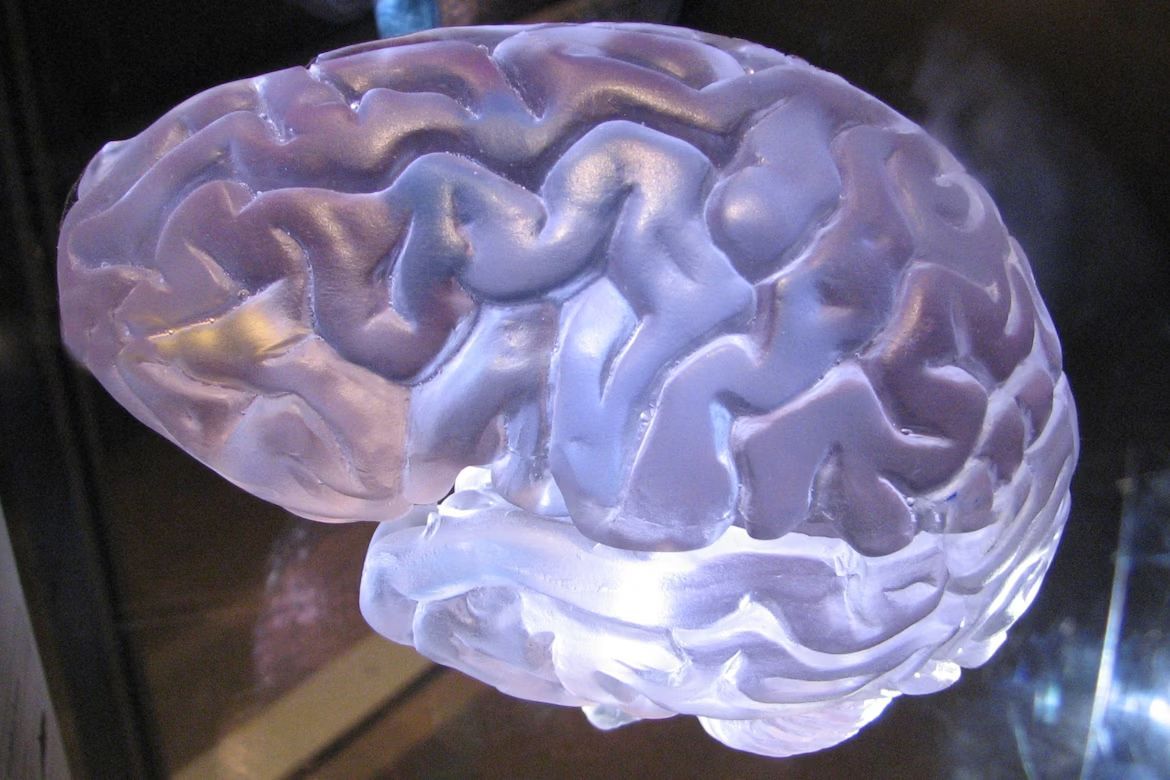
Your brain is one of the most powerful and mysterious organs in your body. It controls everything from your thoughts to your emotions and even processes information at lightning speed. But how much do you really know about it? Some long-believed myths about the brain have been debunked, while other surprising facts reveal just how incredible this organ truly is. Get ready to be amazed by these fascinating brain facts!

1

Myth: We only use 10% of our brain

Image: Natasha Connell

You’ve probably heard this one before, but it’s completely false! While it’s true that not all parts of the brain fire at the same time, imaging studies show that most regions are active throughout the day, even when we sleep.

Your brain is constantly working, controlling bodily functions and emotions, and processing information. So next time someone says you’re only using 10% of your brain, you can confidently tell them that’s just a myth!

2

The brain itself can’t feel pain

Image: Aarón Blanco Tejedor

Here’s a weird fact: While your brain processes pain signals from the rest of your body, it has no pain receptors of its own. This is why surgeons can perform brain surgery on conscious patients without causing them pain.

However, the membranes and tissues surrounding the brain do have pain receptors, which is why headaches and brain injuries can be so excruciating.

3

Headaches are actually chemical reactions

Image: Usman Yousaf

How come we have headaches if the brain has no pain receptors? Well, that’s because headaches are triggered by chemical activity in the brain, changes in nerves and blood vessels, and even fluctuating serotonin levels.

In some cases, hormones like estrogen can also play a role, which explains why migraines are more common in women.

4

Dreams: Your brain’s midnight movie theater

Image: Go to Johannes Plenio's profile Johannes Plenio

Dreams are proof that your brain never rests! (Warning: this fact can make you feel exhausted.) While you sleep, your limbic system, that is, the part of the brain that deals with emotions, becomes especially active, which is why dreams often feel so intense.

On average, humans experience four to seven dreams per night, even if we don’t always remember them. And what about that scary nightmare about falling? Well, you can thank your amygdala, the brain’s fear center, for that one.

5

Your short-term memory lasts less than 30 seconds

Image: Brett Jordan

Have you ever walked into a room and instantly forgotten what you were after? That’s because short-term memory only lasts about 20-30 seconds! That’s not enough!

Your brain holds a limited amount of information in its active state before deciding whether to store it or discard it. Ironically, we can’t really choose what makes the cut, but we do hope these facts stay with you!

6

Brain freeze is your body’s warning signal

Image: BUDDHI Kumar SHRESTHA

That sharp, icy pain when you eat something too cold? It’s your brain’s way of telling you to slow down! Officially called sphenopalatine ganglioneuralgia, a brain freeze happens when cold food or drinks rapidly chill the blood vessels in your throat, causing them to constrict and then rapidly expand. This sends pain signals to your brain, warning you of the sudden temperature shift. It’s annoying, but it’s actually your body trying to protect itself!

7

Your brain thinks a lot!

Image: Josh Riemer

You didn’t need us to tell you, but let’s look at the details: The average person has between 12,000 and 60,000 thoughts per day. What’s even more interesting? 95% of those thoughts are the same ones you had yesterday. Is that not surprising enough? Hear this out: 80% of them tend to be negative. That’s because our brains are wired for survival, constantly analyzing risks and potential dangers.

8

Your brain uses 20% of your body’s oxygen and blood

Image: Terry Vlisidis

Even though it only makes up about 2% of your body weight, your brain employs a major quantity of energy! It consumes 20% of your oxygen and blood supply, making it one of the most demanding organs in your body.

If your brain goes without oxygen for just five minutes, brain cells start dying, leading to irreversible damage. This is why deep breathing and cardiovascular exercise are great for brain health!

9

Seeing stars? That’s your brain processing vision!

Image: Alexander Andrews

Do you know that feeling when you hit the back of your head and see stars? That’s because your occipital lobe, which controls vision, is located at the back of your brain. If you get hit there, your brain momentarily misfires, causing flashes of light.

Interestingly, your brain processes vision on the opposite side; while your right brain controls your left eye, your left brain controls your right eye. It’s one of the many ways the brain operates in a complex way.

10

Your brain can power a light bulb!

Image: Rodion Kutsaiev

Believe it or not, your brain generates between 12 and 25 watts of electricity when you’re awake. If you can’t really grasp how powerful that is, check this out: It’s enough to power a small light bulb! Your brain’s electrical activity is what allows neurons to send signals at speeds of up to 260 miles per hour.

11

Your brain is mostly fat

Image: Robina Weermeijer

Your brain may be the fattiest organ in your body, consisting of at least 60% fat! This is why consuming healthy fats, like omega-3s and omega-6s present in fish, for example, is essential for brain health.

Healthy fats stabilize brain cell walls, reduce inflammation, and support cognitive function. So go ahead and enjoy that avocado toast, it’s food for your brain!

12

Your brain shrinks as you age

Image: Robina Weermeijer

It’s not just your memory that fades over time; the brain itself physically shrinks as one gets older. It continues developing until your late 40s, but after that, it slowly decreases in size.

Now, size doesn’t equal intelligence, so a smaller brain doesn’t necessarily mean a less capable one. Staying mentally active, exercising, and eating brain-boosting foods can help keep it in top shape!

13

Cholesterol plays a big role in memory

Image: Lisa Yount

We often think of cholesterol as bad, but your brain actually depends on it! In fact, 25% of your body’s cholesterol is stored in your brain, where it helps with learning and memory. However, unlike other organs, the brain can’t absorb cholesterol from the blood, it has to produce its own. So, while too much cholesterol in the body can be harmful, the right amount is vital for brain function. At least you can use that as an excuse to get that burger!

Looking for an extra scoop of literary fun?

Learn more with our Word of the day

minute

/maɪˈnut/