Fist bumps, waves, and salutes

The peace sign doesn't mean what you think! A guide to hand gestures


Published on April 2, 2025


Image: Calvin Craig

Hand gestures are everywhere—so ingrained in our daily lives that we often don’t realize how frequently we communicate through them. Whether expressing emotions, adding context to our words, or simply enhancing spoken communication, gestures are a vital part of our shared culture, passed down through generations for centuries. From ancient Rome to the modern day, here are 12 hand gestures and their fascinating origins explained.

1

Thumbs up

Image: Mark Fuller

The exact origins of the thumbs-up gesture remain uncertain, but its earliest documented use dates back to Roman gladiators, where a thumbs-up or thumbs-down was believed to signal life or death in the arena. Today, the gesture is nearly universal, thanks to its popularization through media, travel, and even emojis. However, it carries offensive meanings in certain cultures, and for divers, it signifies "ascend," rather than approval—so context matters!

2

The peace sign

Image: Nathan Fertig

Believe it or not, the V sign originally began as an insulting gesture, though with the back of the hand facing outward. A more positive meaning, however, was popularized during World War II when Winston Churchill used it as a "V for Victory" symbol. The double-entendre of the gesture likely added to its appeal—flipping the hand’s orientation easily turned it into a mocking snub toward the enemy. In the 1960s, the gesture took on new meaning during the counterculture movements, evolving into an enduring symbol of peace.

3

The wave

Image: Rainier Ridao

The wave as a friendly greeting traces back to medieval times when knights raised their visors to show they meant no harm. Its simplicity and universal appeal have made it a common gesture worldwide, transcending language barriers. However, in some countries like Nigeria and South Korea, certain types of waving can still carry offensive connotations.

4

The handshake

Image: Amina Atar

The handshake might be one of the oldest hand gestures on this list, so it’s hard to be sure of its origins. Yet, there is evidence that it was already in use 3,000 years ago, as a way to seal alliances. In ancient Greece it was called dexiosis, and was practised as early as the 5th century BC. While the gesture is found in many cultures, the specifics as to when and how it should be used vary significantly.

5

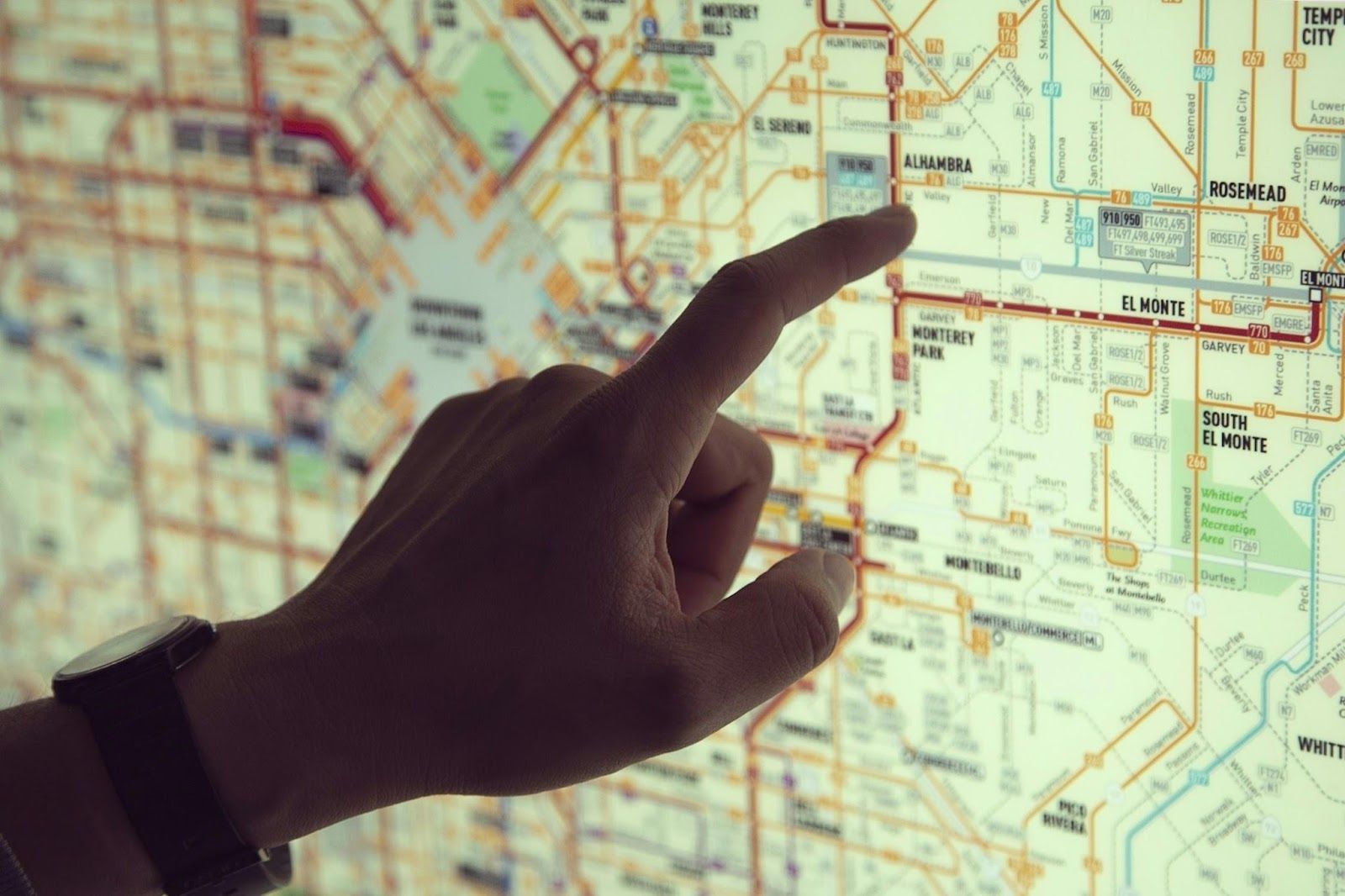
Pointing finger

Image: José Martín Ramírez Carrasco

Pointing likely originated as a practical gesture to indicate objects or directions, making it one of humanity's oldest forms of communication. Fascinatingly, it is the first communicative gesture to develop in human infants, and linguists believe it plays a crucial role in language acquisition. However, despite its universal utility, many cultures consider pointing at other people with the index finger to be rude or disrespectful.

6

The salute

Image: sydney Rae

The military salute, like the wave, originates in the medieval practice of knights raising their helmets as a gesture of recognition and peaceful intentions. By the 18th century, it had evolved into a formal military custom to signify respect and camaraderie. Today, variations of the salute can be seen across armed forces worldwide, each adapted to reflect the unique traditions and protocols of different nations.

7

The high five

Image: Vince Fleming

While the phrase "give me five" was already slang for a type of handshake, the high five most likely evolved from the "low five," a gesture rooted in African-American culture since the 1920s. The first documented use of the high five occurred in 1977, credited to Dusty Baker and Glenn Burke of the Los Angeles Dodgers. It quickly became associated with sports, symbolizing shared triumphs and camaraderie.

8

The fist bump

Image: Alexis Fauvet

The fist bump can trace its origins to boxers who were instructed to touch gloves at the start of a contest. However, its popularization is a relatively recent phenomenon, gaining traction in sports and youth culture during the 1990s as a more casual alternative to the handshake. During the COVID-19 pandemic, the fist bump became a common greeting, as shaking hands was discouraged to help slow the spread of the virus.

9

The clap

Image: Guillermo Latorre

While the origins of clapping as a form of applause are difficult to pinpoint, it is a common practice in many cultures. One of its earliest documented uses dates back to ancient Roman theater, where audiences clapped or waved pieces of cloth to express approval for performances. The percussive sound of clapping has also found its place in music, particularly in genres like funk, gospel, doo-wop, and flamenco.

10

The OK sign

Image: Igor Omilaev

The "OK" gesture, made by forming a circle with the thumb and index finger, became popular in 19th-century America as a symbol for "all correct." However, its origins trace back to classical antiquity, where a thumb and forefinger touching was thought to mimic kissing lips, often used as a romantic gesture. It wasn’t until Roman rhetoricians began using it during public speeches that the gesture gained its modern connotation of approval or assent.

11

Crossed fingers

Image: Dayne Topkin

The crossed fingers gesture, often used to wish for luck, has its origins in ancient Christianity, where it was likely adopted for its resemblance to the Cross of Christ. Over time, it also became associated with telling lies, especially among children who use it as an excuse for telling a white lie or invalidating a promise.

12

The facepalm

Image: Towfiqu barbhuiya

Though likely as old as human frustration itself, the facepalm gesture became globally famous through internet memes, becoming a shorthand for disappointment or exasperation in both real life and online. Surprisingly, it’s not exclusive to humans—primates have been observed using similar gestures to signal a desire for solitude or to avoid social interaction.
The truth about your brain

You won’t believe what happens in your brain while you sleep


Published on April 2, 2025


Image: Milad Fakurian

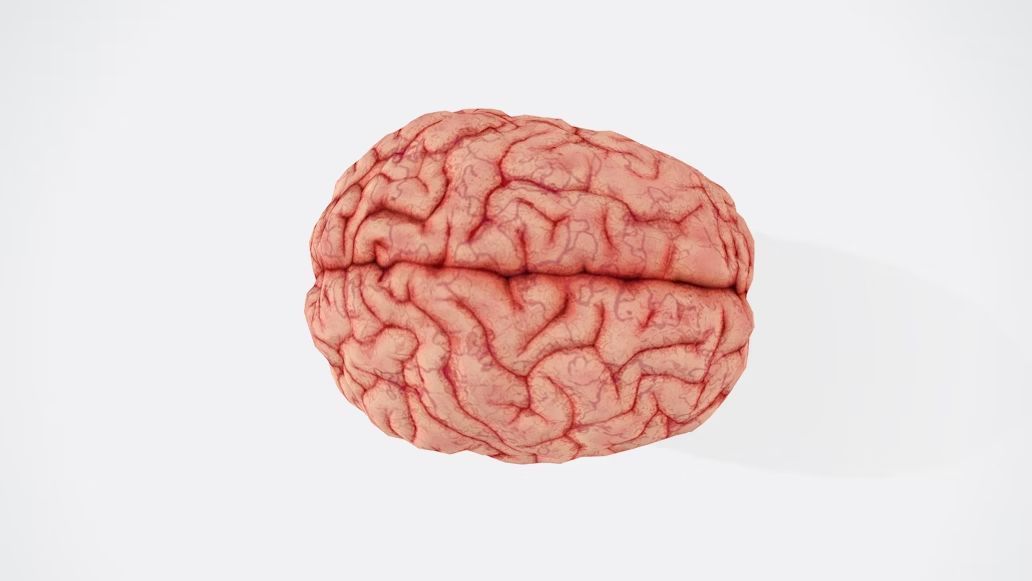
Your brain is one of the most powerful and mysterious organs in your body. It controls everything from your thoughts to your emotions and even processes information at lightning speed. But how much do you really know about it? Some long-believed myths about the brain have been debunked, while other surprising facts reveal just how incredible this organ truly is. Get ready to be amazed by these fascinating brain facts!

1

Myth: We only use 10% of our brain

Image: Natasha Connell

You’ve probably heard this one before, but it’s completely false! While it’s true that not all parts of the brain fire at the same time, imaging studies show that most regions are active throughout the day, even when we sleep.

Your brain is constantly working, controlling bodily functions and emotions, and processing information. So next time someone says you’re only using 10% of your brain, you can confidently tell them that’s just a myth!

2

The brain itself can’t feel pain

Image: Aarón Blanco Tejedor

Here’s a weird fact: While your brain processes pain signals from the rest of your body, it has no pain receptors of its own. This is why surgeons can perform brain surgery on conscious patients without causing them pain.

However, the membranes and tissues surrounding the brain do have pain receptors, which is why headaches and brain injuries can be so excruciating.

3

Headaches are actually chemical reactions

Image: Usman Yousaf

How come we have headaches if the brain has no pain receptors? Well, that’s because headaches are triggered by chemical activity in the brain, changes in nerves and blood vessels, and even fluctuating serotonin levels.

In some cases, hormones like estrogen can also play a role, which explains why migraines are more common in women.

4

Dreams: Your brain’s midnight movie theater

Image: Go to Johannes Plenio's profile Johannes Plenio

Dreams are proof that your brain never rests! (Warning: this fact can make you feel exhausted.) While you sleep, your limbic system, that is, the part of the brain that deals with emotions, becomes especially active, which is why dreams often feel so intense.

On average, humans experience four to seven dreams per night, even if we don’t always remember them. And what about that scary nightmare about falling? Well, you can thank your amygdala, the brain’s fear center, for that one.

5

Your short-term memory lasts less than 30 seconds

Image: Brett Jordan

Have you ever walked into a room and instantly forgotten what you were after? That’s because short-term memory only lasts about 20-30 seconds! That’s not enough!

Your brain holds a limited amount of information in its active state before deciding whether to store it or discard it. Ironically, we can’t really choose what makes the cut, but we do hope these facts stay with you!

6

Brain freeze is your body’s warning signal

Image: BUDDHI Kumar SHRESTHA

That sharp, icy pain when you eat something too cold? It’s your brain’s way of telling you to slow down! Officially called sphenopalatine ganglioneuralgia, a brain freeze happens when cold food or drinks rapidly chill the blood vessels in your throat, causing them to constrict and then rapidly expand. This sends pain signals to your brain, warning you of the sudden temperature shift. It’s annoying, but it’s actually your body trying to protect itself!

7

Your brain thinks a lot!

Image: Josh Riemer

You didn’t need us to tell you, but let’s look at the details: The average person has between 12,000 and 60,000 thoughts per day. What’s even more interesting? 95% of those thoughts are the same ones you had yesterday. Is that not surprising enough? Hear this out: 80% of them tend to be negative. That’s because our brains are wired for survival, constantly analyzing risks and potential dangers.

8

Your brain uses 20% of your body’s oxygen and blood

Image: Terry Vlisidis

Even though it only makes up about 2% of your body weight, your brain employs a major quantity of energy! It consumes 20% of your oxygen and blood supply, making it one of the most demanding organs in your body.

If your brain goes without oxygen for just five minutes, brain cells start dying, leading to irreversible damage. This is why deep breathing and cardiovascular exercise are great for brain health!

9

Seeing stars? That’s your brain processing vision!

Image: Alexander Andrews

Do you know that feeling when you hit the back of your head and see stars? That’s because your occipital lobe, which controls vision, is located at the back of your brain. If you get hit there, your brain momentarily misfires, causing flashes of light.

Interestingly, your brain processes vision on the opposite side; while your right brain controls your left eye, your left brain controls your right eye. It’s one of the many ways the brain operates in a complex way.

10

Your brain can power a light bulb!

Image: Rodion Kutsaiev

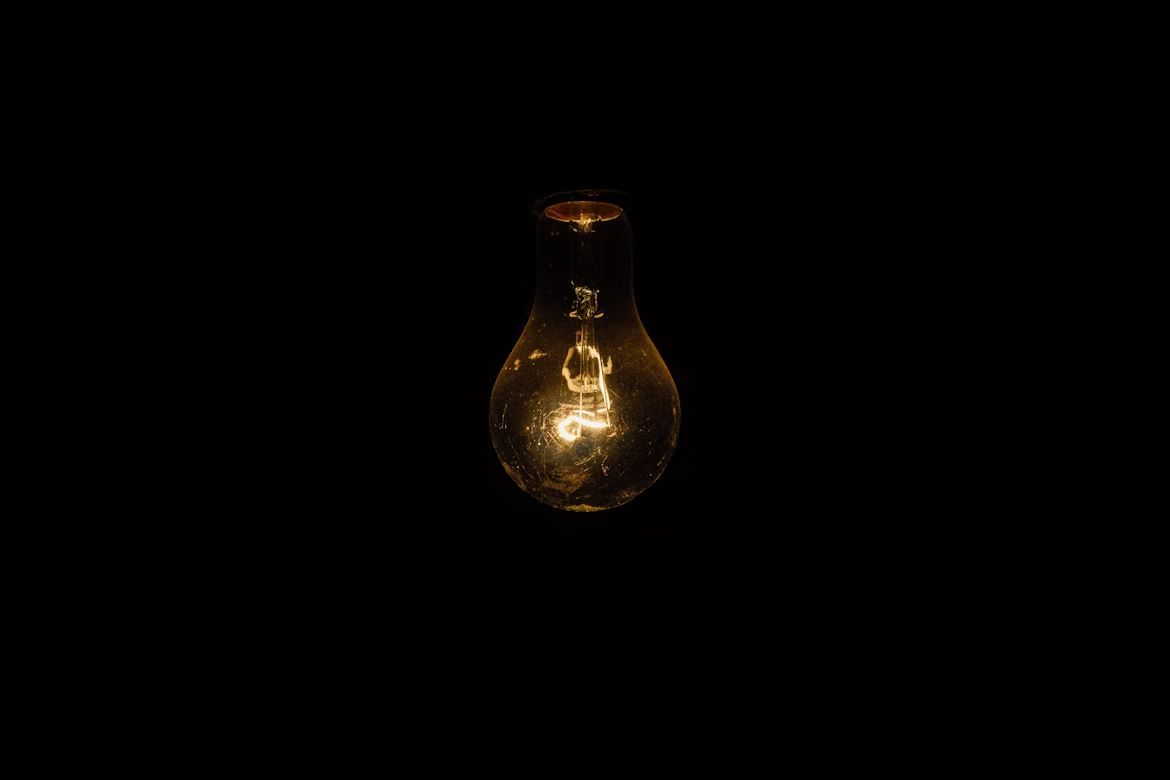
Believe it or not, your brain generates between 12 and 25 watts of electricity when you’re awake. If you can’t really grasp how powerful that is, check this out: It’s enough to power a small light bulb! Your brain’s electrical activity is what allows neurons to send signals at speeds of up to 260 miles per hour.

11

Your brain is mostly fat

Image: Robina Weermeijer

Your brain may be the fattiest organ in your body, consisting of at least 60% fat! This is why consuming healthy fats, like omega-3s and omega-6s present in fish, for example, is essential for brain health.

Healthy fats stabilize brain cell walls, reduce inflammation, and support cognitive function. So go ahead and enjoy that avocado toast, it’s food for your brain!

12

Your brain shrinks as you age

Image: Robina Weermeijer

It’s not just your memory that fades over time; the brain itself physically shrinks as one gets older. It continues developing until your late 40s, but after that, it slowly decreases in size.

Now, size doesn’t equal intelligence, so a smaller brain doesn’t necessarily mean a less capable one. Staying mentally active, exercising, and eating brain-boosting foods can help keep it in top shape!

13

Cholesterol plays a big role in memory

Image: Lisa Yount

We often think of cholesterol as bad, but your brain actually depends on it! In fact, 25% of your body’s cholesterol is stored in your brain, where it helps with learning and memory. However, unlike other organs, the brain can’t absorb cholesterol from the blood, it has to produce its own. So, while too much cholesterol in the body can be harmful, the right amount is vital for brain function. At least you can use that as an excuse to get that burger!

Looking for an extra scoop of literary fun?

Learn more with our Word of the day

persuasive

/pərˈsweɪsɪv/