Mind the fruit

Who was Granny Smith, the apple? Fruits and veggies with real names


Published on September 12, 2026

Image: alfpoint

You probably know a Granny Smith from a McIntosh, and you may have ordered Hass avocado without giving its name a second thought. But many familiar fruits and vegetables are actually carrying around the names of real people. Behind those supermarket labels are farmers, judges, missionaries, immigrants, and a few very lucky gardeners. Let’s take a look at 11 people whose names unexpectedly became part of our grocery vocabulary!

1

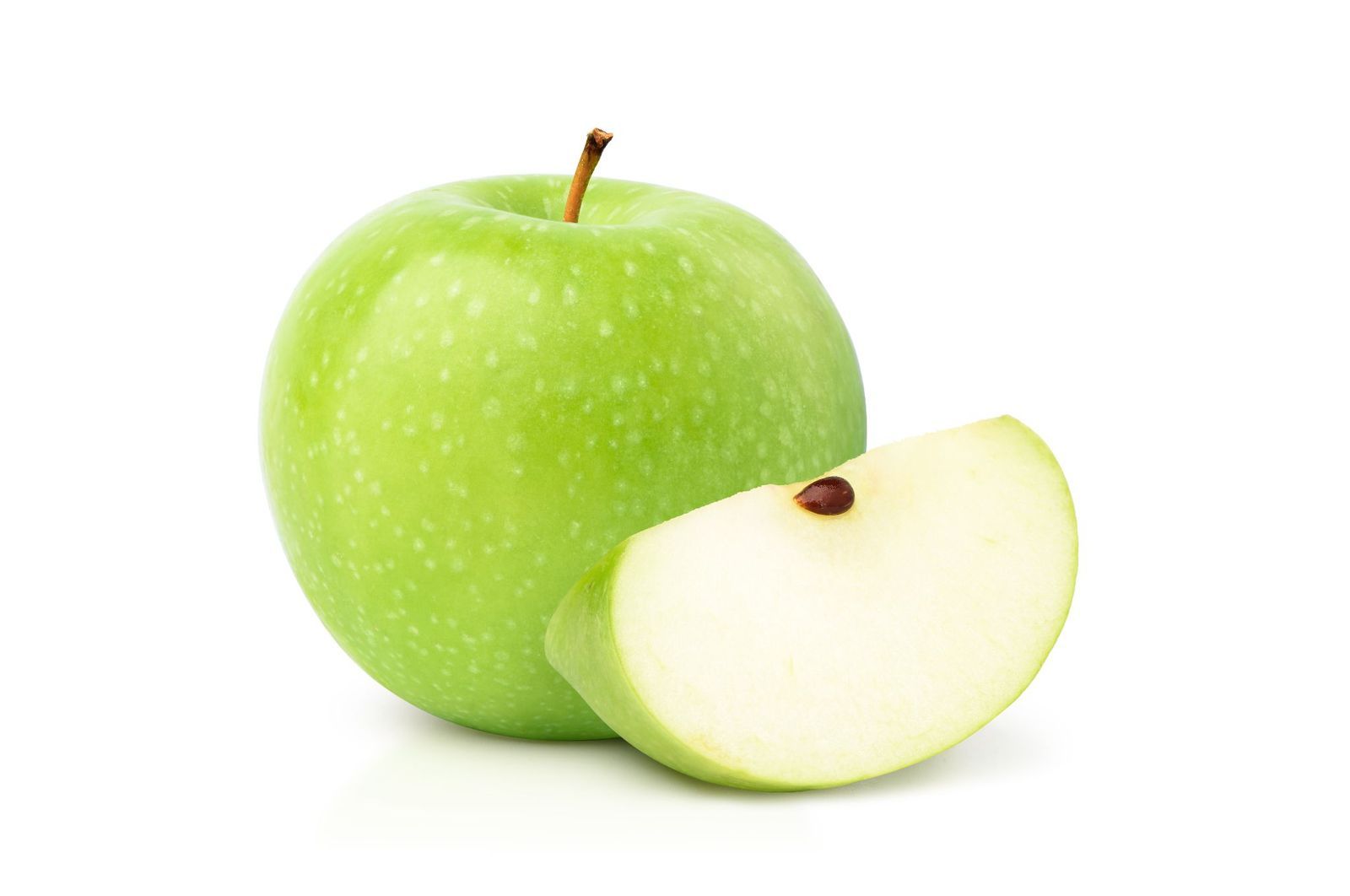
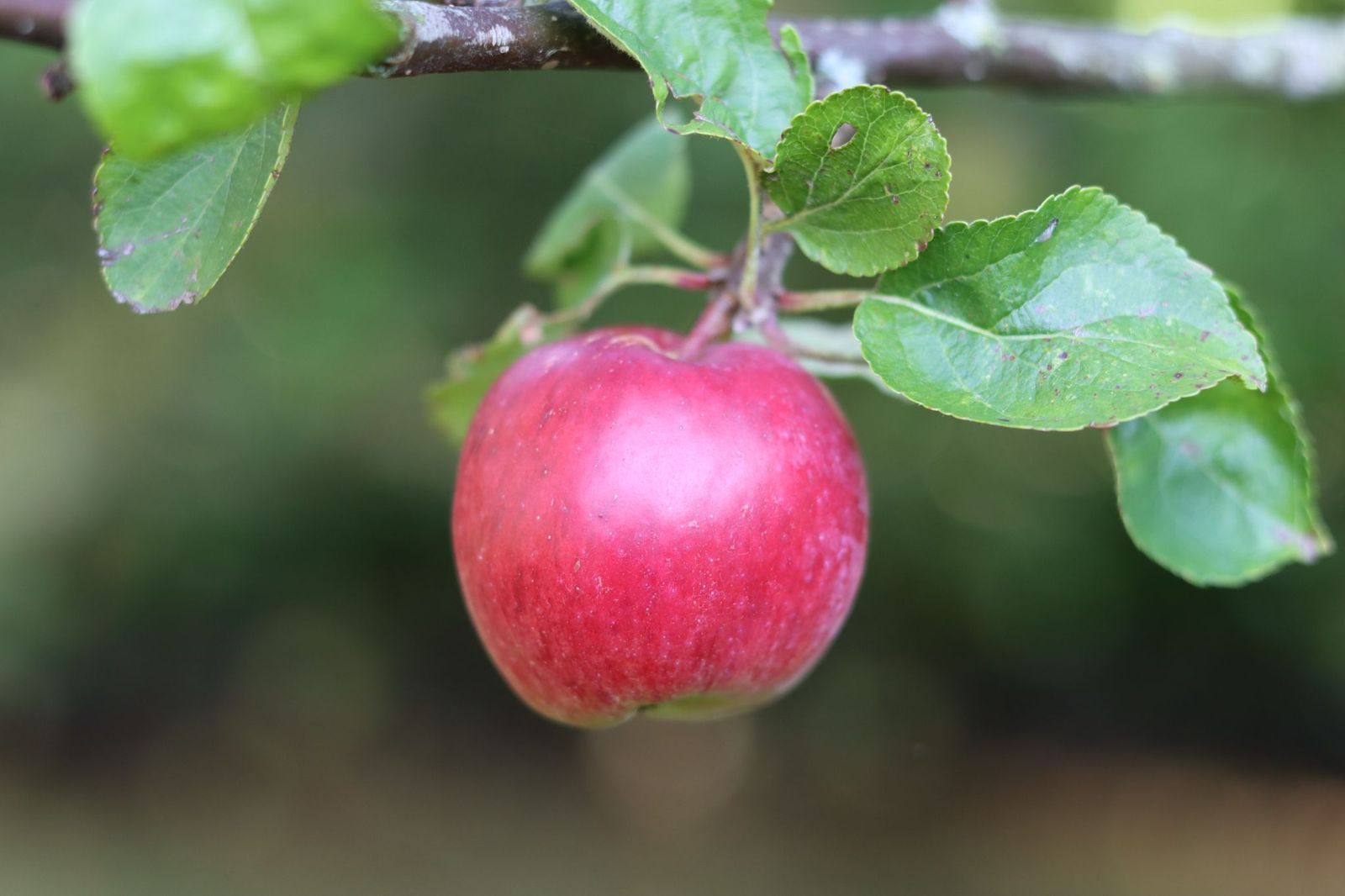
Granny Smith Apple -Maria Ann Smith

Image: Photoongraphy

Yes, Granny Smith was a real granny. Maria Ann Smith was born in England in 1799 and emigrated to Australia with her husband, Thomas, in 1838. The couple eventually established an orchard in Eastwood, near Sydney.

Around 1868, Smith showed another orchardist an unusual apple seedling growing near a creek on her property, apparently from discarded crab apples. She propagated it, but died in 1870, before seeing its success. By the 1890s, "Granny Smith's seedlings" were winning prizes, and her crisp green apple was on its way to international fame.

2

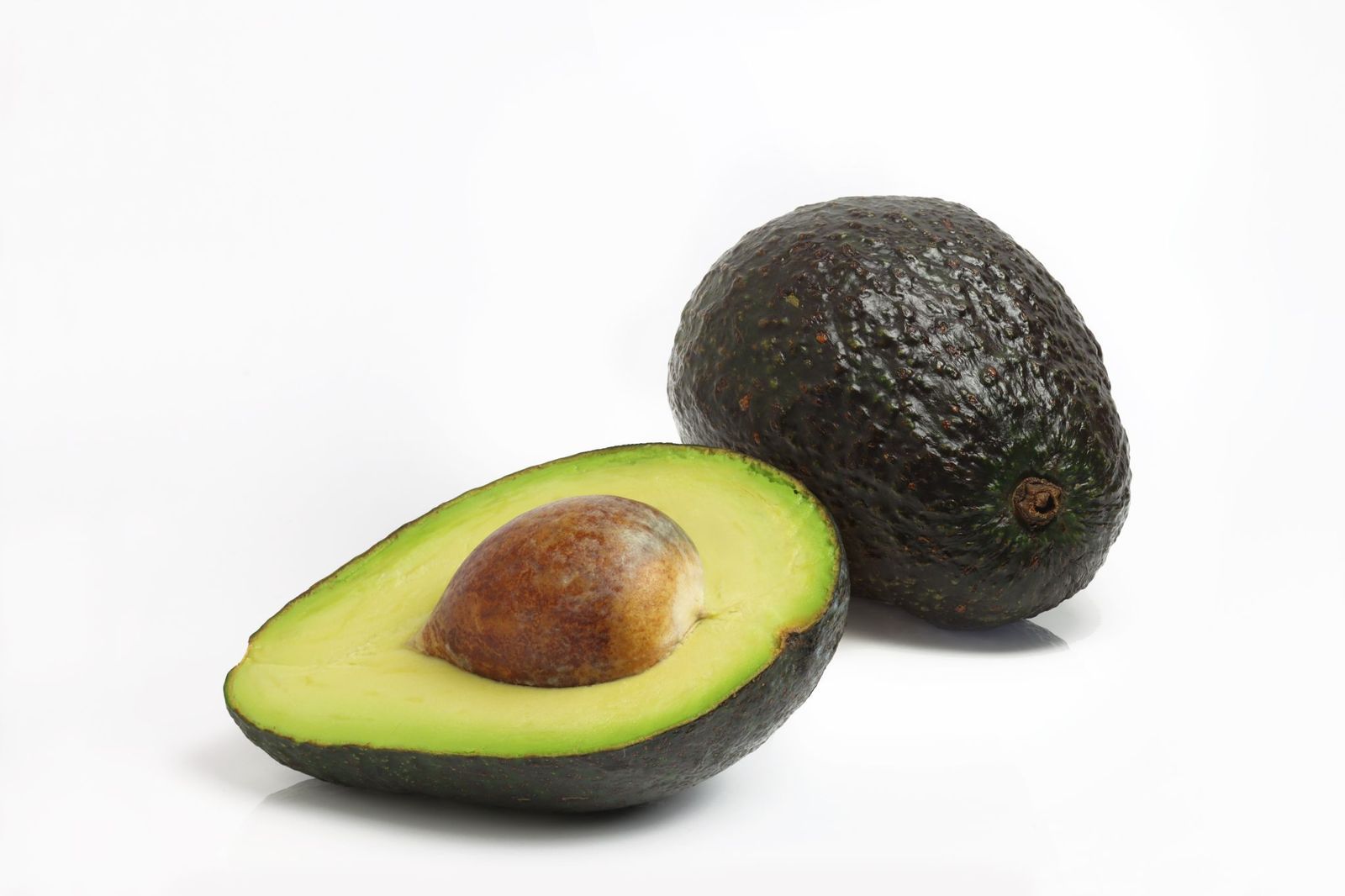
Hass avocado - Rudolph Hass

Image: Thomas Montini

Rudolph Hass wasn't a famous botanist. He was a California mail carrier who bought avocado seedlings for a small orchard in La Habra Heights in the 1920s. One stubborn little tree resisted his attempts to graft another avocado variety onto it.

Luckily, Hass didn't chop it down. The tree produced delicious fruit with an unusual rough, dark skin, and his children reportedly loved it. Hass patented the variety in 1935, giving it his surname. Today, the Hass dominates the avocado business, but its namesake made relatively little money from the tree that transformed the industry.

3

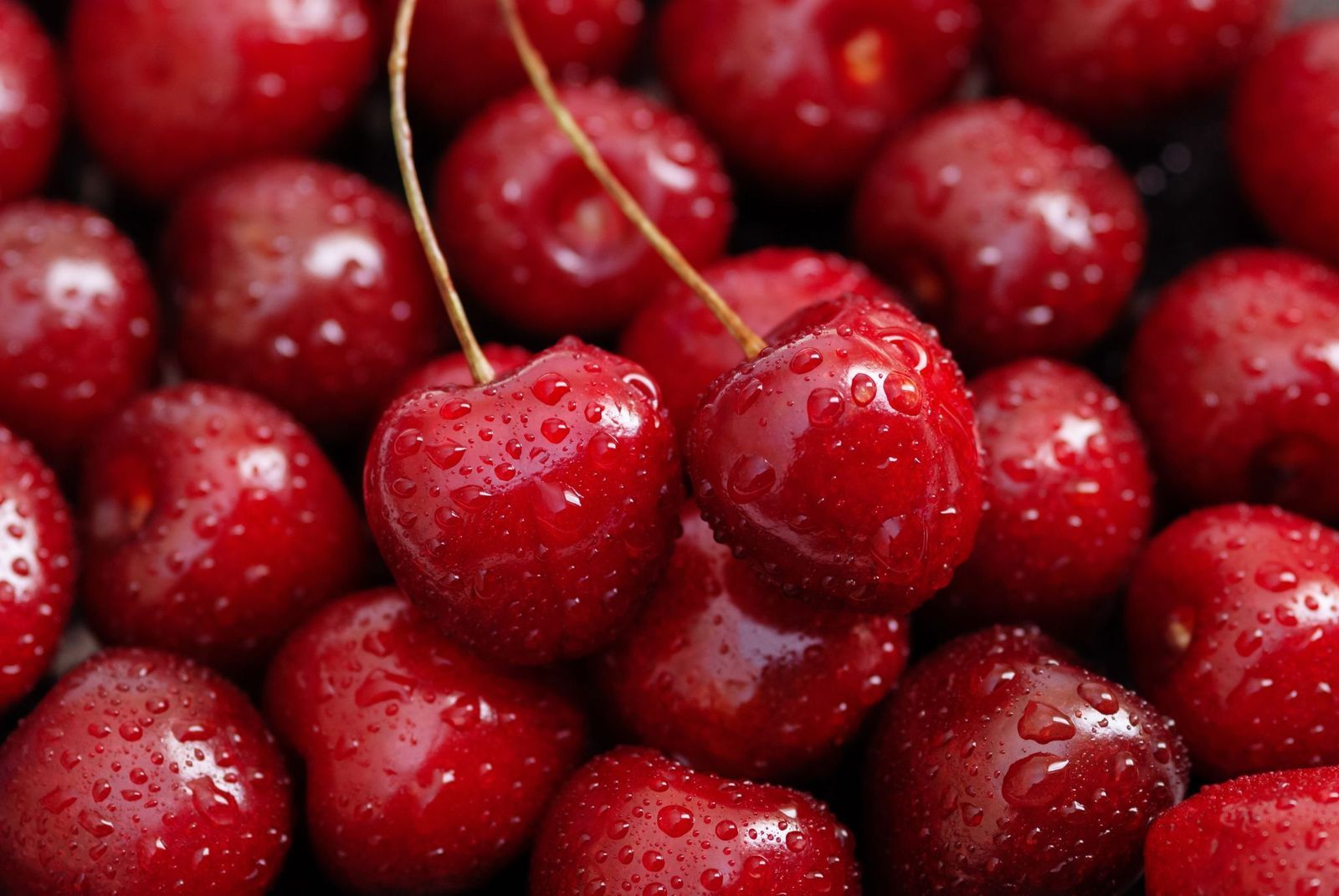
Bing cherry - Ah Bing

Image: Nadya So

The name behind America's famous dark-red cherry belonged to a 19th-century Chinese immigrant. Ah Bing worked for decades as foreman at horticulturist Seth Lewelling's nursery in Milwaukie, Oregon, where he supervised a large crew of Chinese workers.

Historical accounts differ over exactly how much credit Bing deserves for developing the variety, but they agree that Lewelling named it in his honor. Bing returned to China in 1889 and never came back to America. More than a century later, however, his name remains attached to one of the country's most important sweet cherries.

4

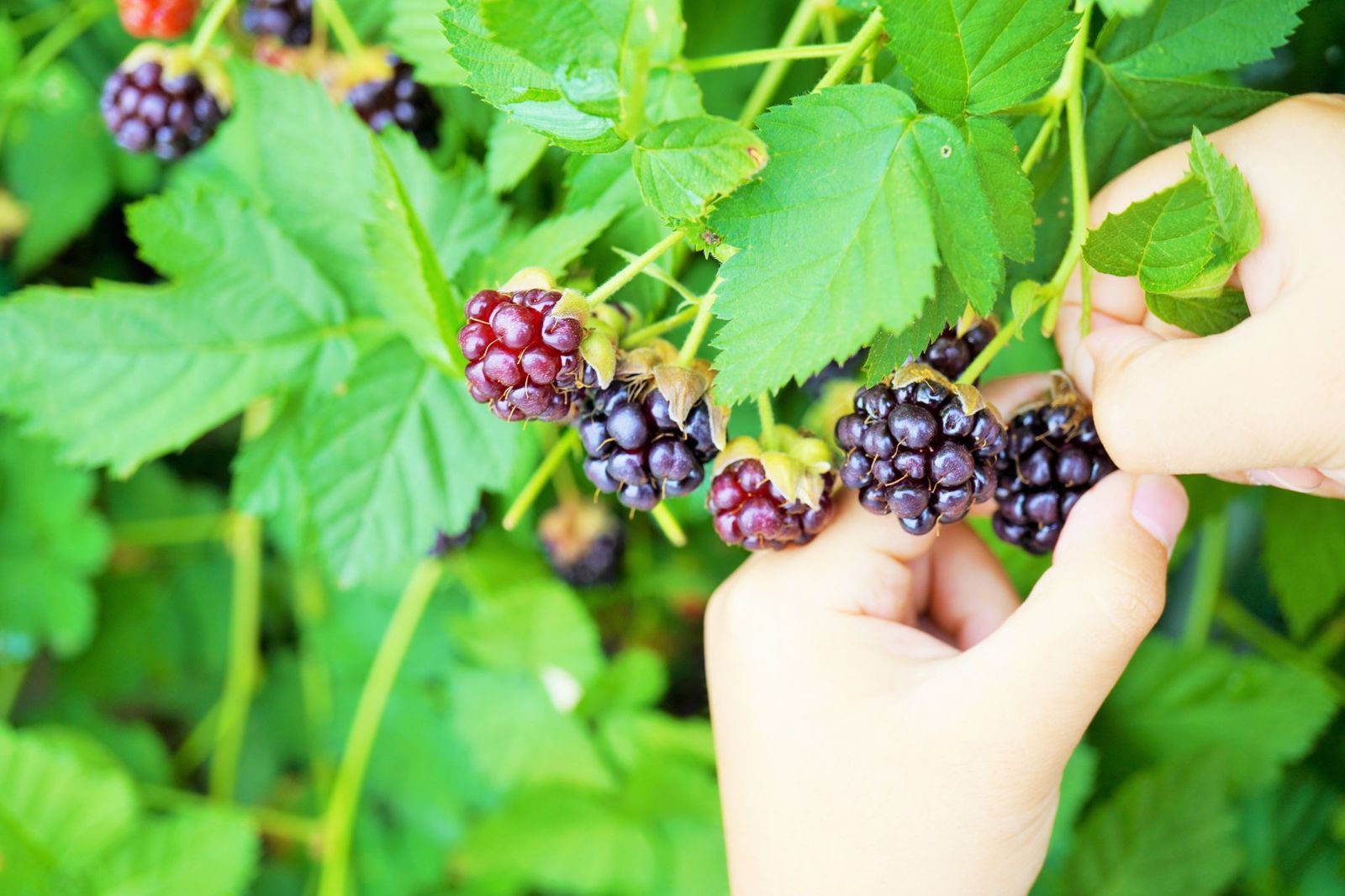
Boysenberry - Rudolph Boysen

Image: cattosus

The boysenberry almost vanished before most people ever got a chance to taste one. California horticulturist Rudolph Boysen experimented with berry hybrids during the 1920s but eventually abandoned the project and the surviving plants.

USDA horticulturist George Darrow later became intrigued by reports of Boysen's enormous berries and enlisted grower Walter Knott to help find them. They discovered neglected vines on Boysen's former property, transplanted them, and brought them back to health. Knott sold the rediscovered fruit under Boysen's name, helping launch the business that became Knott's Berry Farm.

5

Clémentine - Clément Rodier

Image: Chatham172

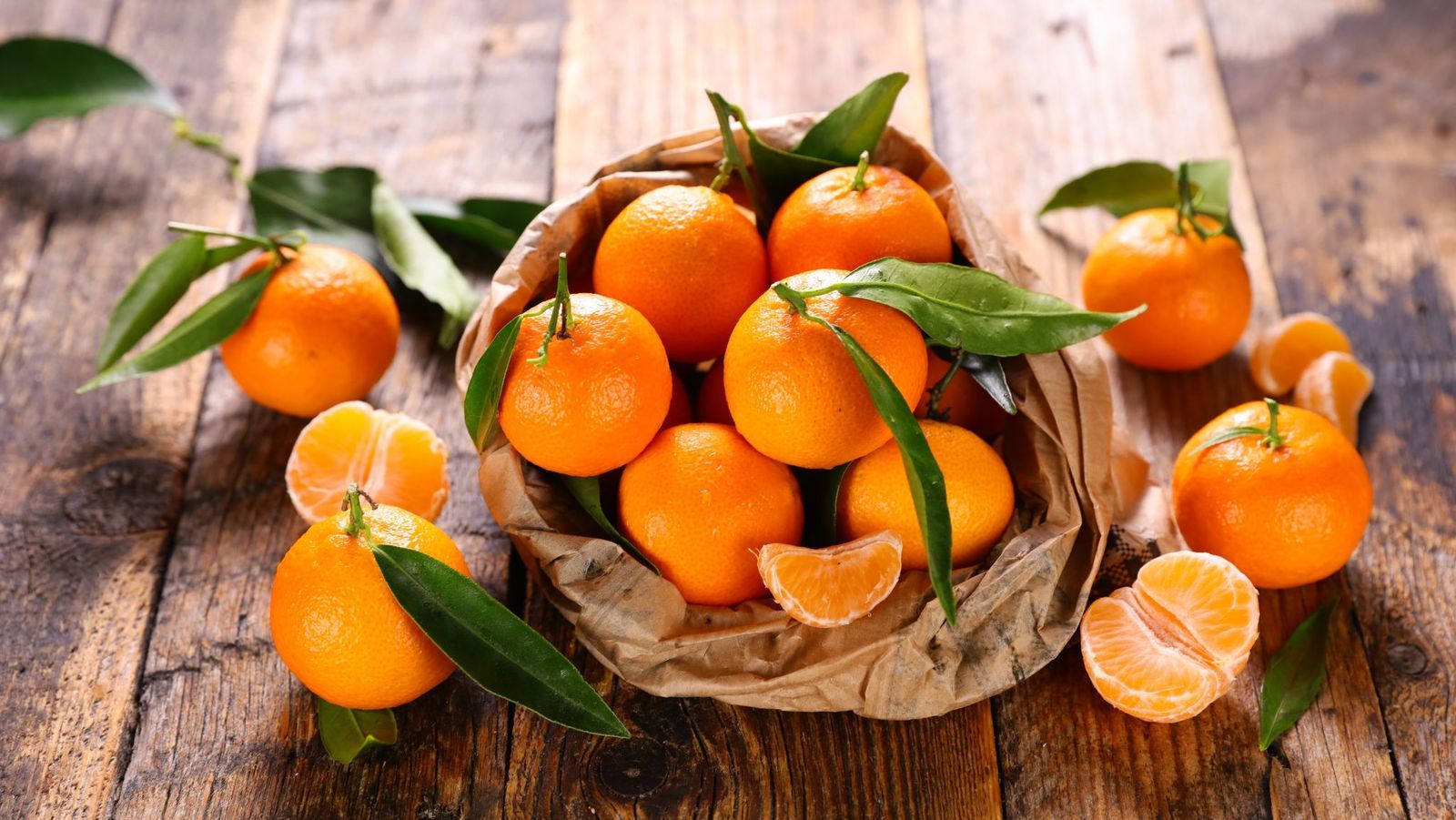
The clementine didn't take its name from a farmer named Clementine. Its namesake was Clément Rodier, a French Catholic missionary brother who worked at an orphanage in Misserghin, near Oran in what was then French Algeria.

Around the turn of the 20th century, a new type of mandarin appeared in the orphanage's citrus garden and came to be associated with Brother Clément. Its precise botanical origins have been debated, but his connection to the name is well established. The little seedless citrus traveled quickly: clementines were already being cultivated in Riverside, California, by 1909.

6

McIntosh apple - John McIntosh

Image: Dennis MacDonald

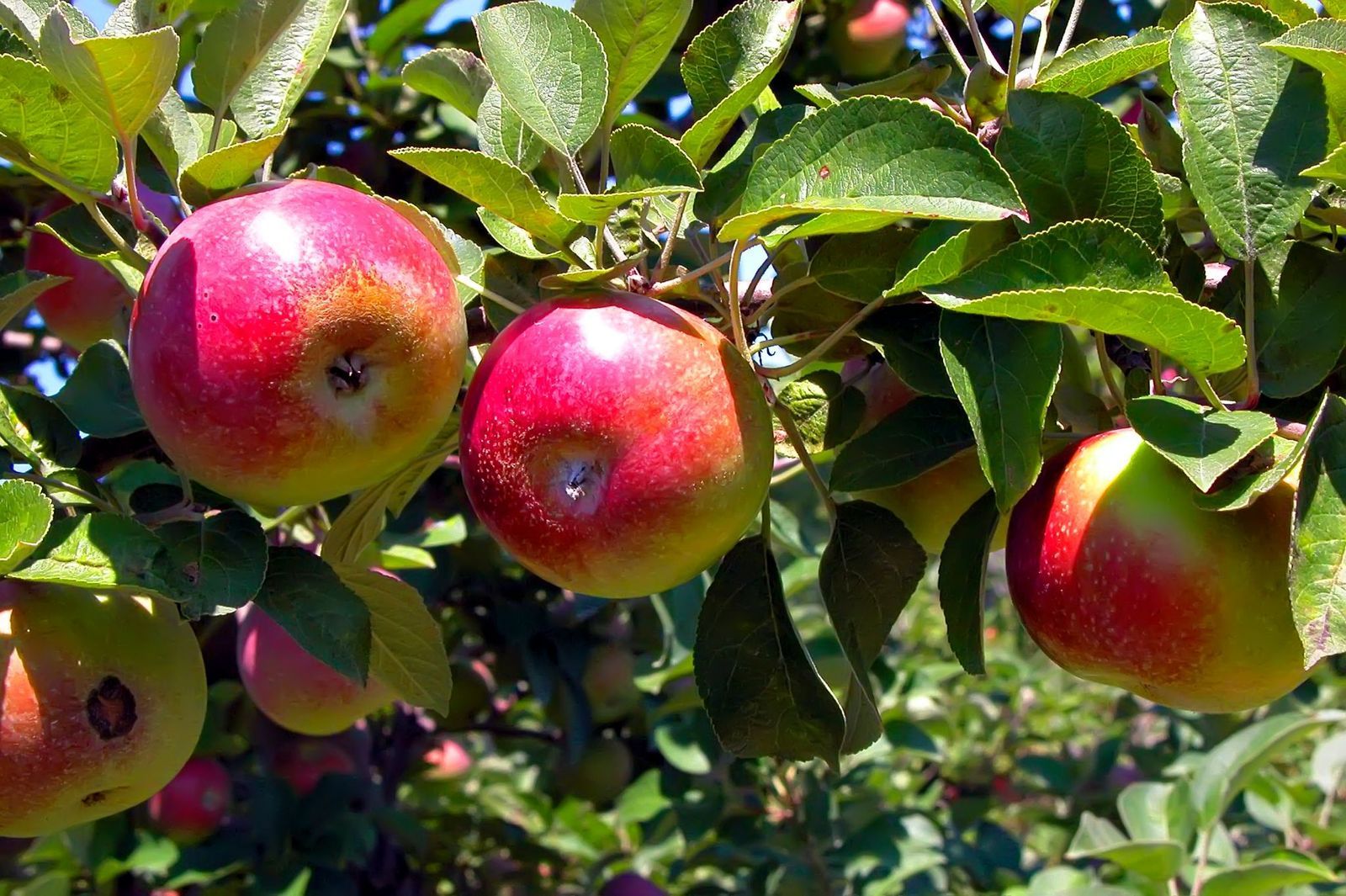
After settling in Dundela, Ontario, John McIntosh discovered wild apple seedlings growing on land he was clearing and transplanted several of them. One survived and produced particularly good fruit.

His family propagated the tree, and the McIntosh eventually became one of Canada's best-known apples. But the surname made another unexpected leap in the 20th century. Apple employee Jef Raskin named the Macintosh computer project after his favorite apple variety, changing the spelling. One chance seedling ultimately helped name a technological revolution.

7

Bartlett pear - Enoch Bartlett

Image: Brent Hofacker

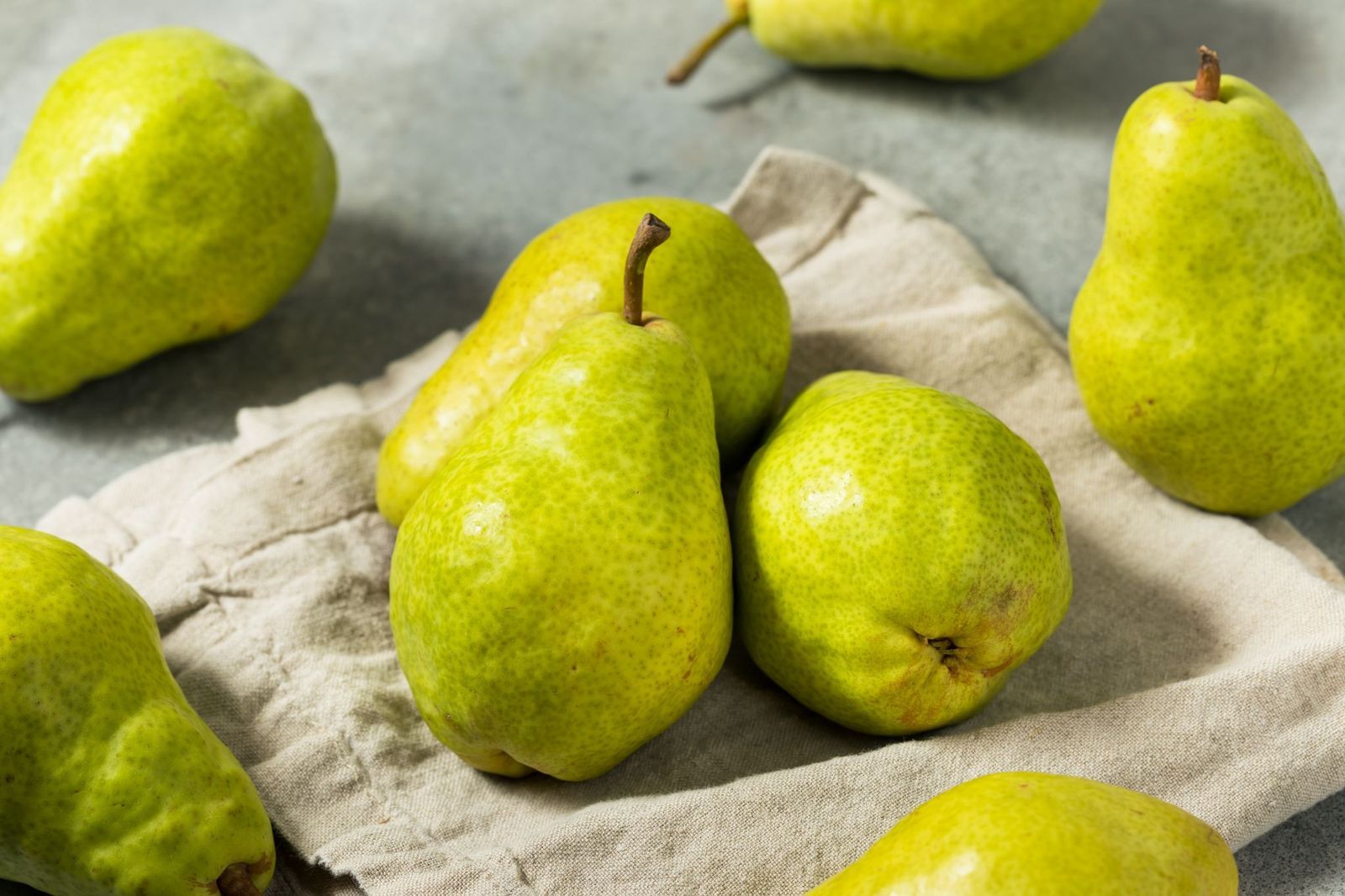
Enoch Bartlett received one of the most successful cases of mistaken credit in horticultural history. The pear Americans call Bartlett was already an English variety known as Williams' Bon Chrétien when trees were brought to Massachusetts around 1799.

Bartlett later acquired the property where they were growing and, apparently unaware of their European identity, propagated and distributed the pear under his own name. Americans eventually discovered that Bartlett and Williams were the same variety, but the new name had already stuck. That's why Americans still buy Bartlett pears while British shoppers generally know them as Williams pears.

8

Loganberry - James Harvey Logan

Image: patjo

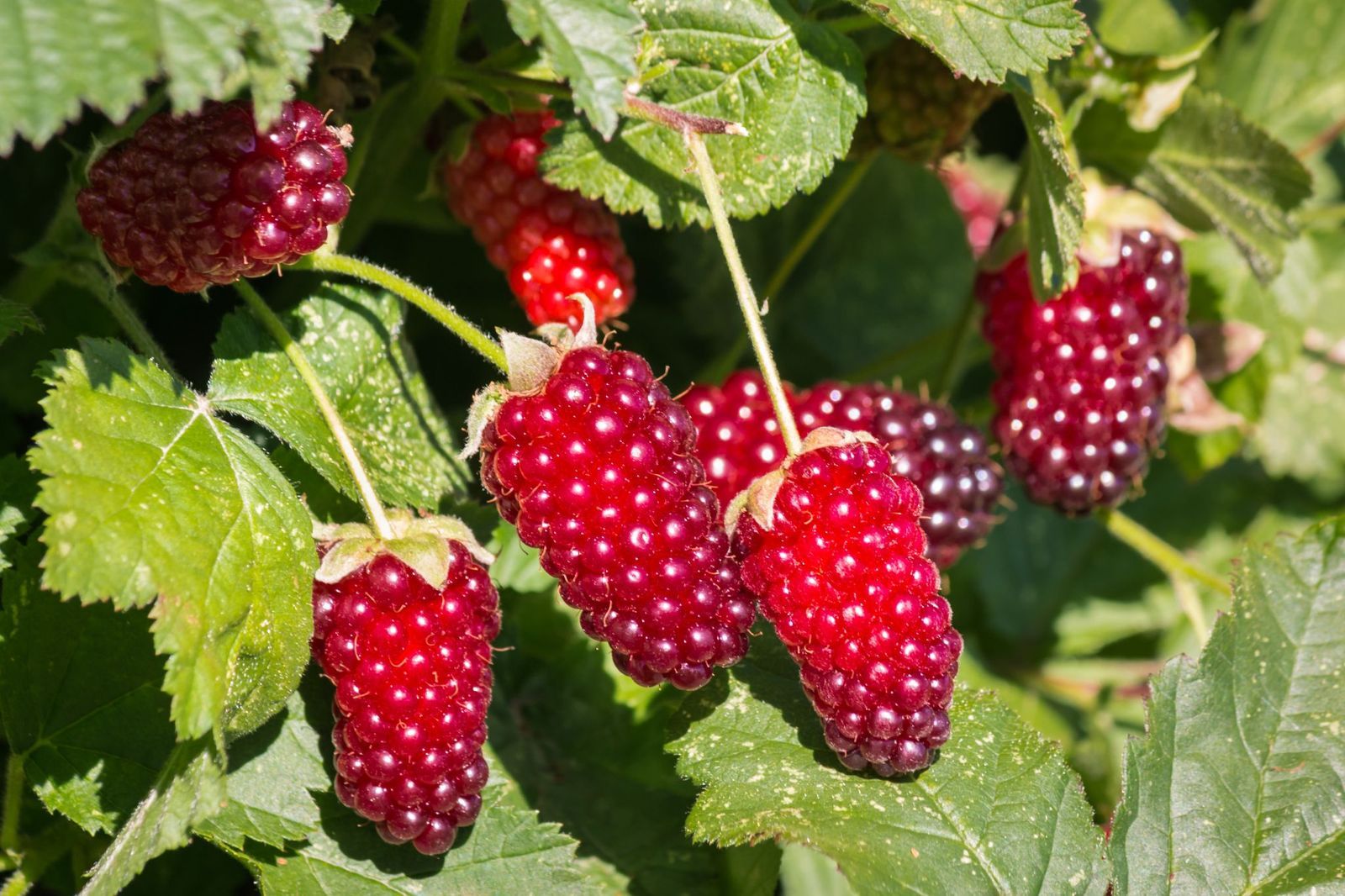
Imagine having a respectable career as a judge and being remembered mainly for a berry. That was the unusual fate of James Harvey Logan, a lawyer, judge, and enthusiastic amateur horticulturist in Santa Cruz, California.

In the 1880s, Logan experimented with berries in his garden and produced the reddish-purple fruit that became known as the loganberry. Its exact parentage has generated some historical debate, but Logan's role and the origin of its name are clear. His horticultural experiments proved remarkably durable: more than a century later, his surname still appears on jams, desserts, and berry plants.

9

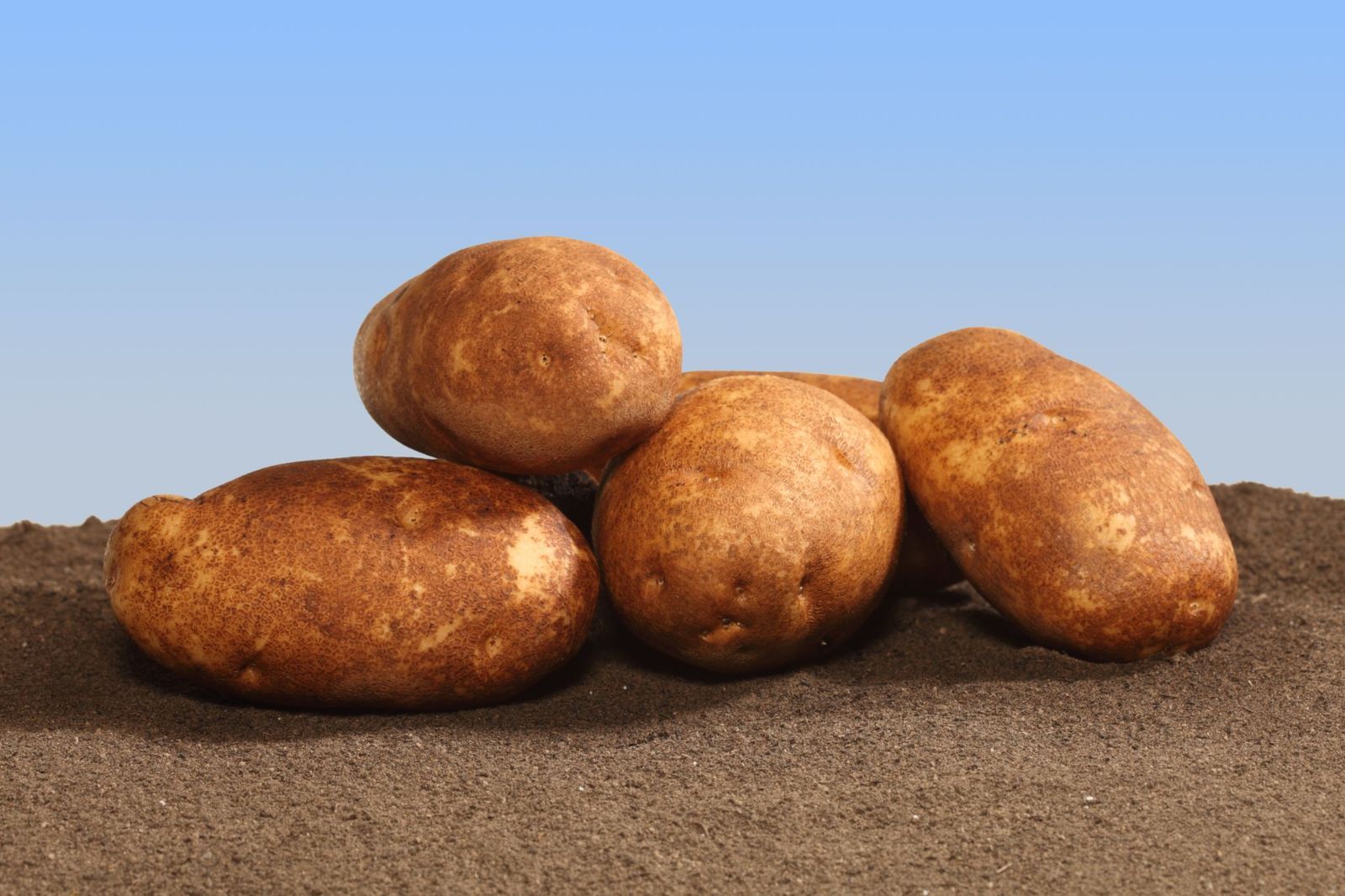
Burbank potato - Luther Burbank

Image: B Brown

Before Luther Burbank became one of America's most celebrated plant breeders, a potato helped finance his future. While farming in Lunenburg, Massachusetts, he noticed a rare seed ball growing on an Early Rose potato plant and experimented with its seeds.

One of the resulting plants produced unusually promising potatoes. Burbank sold the rights to his new variety for about $150: a modest-looking sum today, but enough to help fund his move to California in 1875. There he developed hundreds of plant varieties. The later Russet Burbank descended from his potato and became especially important in American agriculture.

10

Cox’s orange pippin - Richard Cox

Image: Francesca Leslie

Richard Cox was a retired English brewer who pursued horticulture at his property in Buckinghamshire, where he raised the apple that would eventually bear his surname around 1825.

The Cox's Orange Pippin became one of Britain's classic dessert apples, but Cox himself never witnessed the height of its fame. He died in 1845, while nurseryman Charles Turner introduced the variety commercially around 1850.


Fun festive feast

Gobble up these 10 Thanksgiving words to make the holiday extra special!


Published on September 12, 2026


Image: Priscilla Du Preez 🇨🇦

Have you ever wondered about the special language of Thanksgiving? There’s a time of year when certain words are heard more frequently—turkey, dressing, gratitude… Do they ring any bells? This holiday is more than just turkey, family gatherings, and football games; it’s a time stuffed with unique words that make perfect sense in the spirit of the season. Thanksgiving vocabulary is as rich as the meal itself. Join us as we explore 10 Thanksgiving-related words that carry meanings, histories, and fun trivia. Are you ready? Let’s go!

1

Bounty: More than just a generous helping

Image: shawnee wilborn

Bounty is one of those words that instantly brings to mind Thanksgiving’s spirit of giving. Essentially, bounty means "a generous gift" or "abundance," so there is no other word more suitable than this one for a holiday dedicated to gratitude. Thanksgiving is the ideal time to celebrate the bounty of food, family, and friendship that fills our lives.

The word bounty has been around since the 1200s and traces its roots to the Latin word bonitas, meaning "goodness." It’s not just about quantity, but also quality, and during Thanksgiving, we get both. Don’t you think?

2

Dressing or stuffing? The great debate continues

Image: Chelsea shapouri

The classic side dish that completes any Thanksgiving meal goes by two names: dressing or stuffing, and the choice of word depends largely on where you’re from.

"Dressing" originally referred to preparing a fowl for roasting—a term that gained popularity during the Victorian era, when "stuffing" was considered too informal or crude.

Nowadays, we don’t worry much about that, and the terms are almost interchangeable. Some people say stuffing if it’s cooked inside the turkey, and dressing if it’s served on the side. We don’t know about you, but we’re on that team—it just makes sense!

Either way, the debate (a tale as old as time) doesn’t really matter. It’s all about enjoying the food!

3

Cornucopia: A classic symbol of abundance

Image: Brad Switzer

When you think of Thanksgiving, certain elements just pop into your mind, right? The cornucopia—or "horn of plenty"—is one of them. It’s one of Thanksgiving’s most iconic images, typically shown overflowing with autumn fruits and vegetables.

The origins of the cornucopia trace back to classical mythology and a goat named Amalthaea, whose horn was said to produce endless food and drink. Adopted as a symbol of Thanksgiving, the cornucopia represents abundance and the generous gifts of the season.

The word itself combines the Latin terms cornu ("horn") and copia ("plenty"). First recorded in English in the late 1500s, cornucopia has come to represent overflowing harvests and hearty feasts.

4

Turkey Trot: From dance floor to the starting line

Image: Capstone Events

Before it became a popular Thanksgiving 5K race, the Turkey Trot was actually a quirky dance—and it still is! This lively jig first appeared in the early 1900s and featured a bouncy, almost prancing step, with dancers moving their shoulders up and down in sync.

Today’s Turkey Trot usually refers to a 5K race held on Thanksgiving morning, but whether it’s a race or a dance, the joyful spirit is the same. Both let your body move and feel free, right before you stuff it with a delicious meal!

5

Harvest: Gathering the goodness of fall

Image: Natasha Arefyeva

We may not do any actual harvesting on Thanksgiving today, but the holiday is still all about celebrating the harvest, even if most of us now gather goodies from the supermarket rather than the fields.

The word harvest, which dates back to before the year 950, originally referred to the season of gathering crops. It was a major event in every agricultural society, marking the time to prepare for the colder months ahead. The Old English word _hærfest_—a cousin of the German Herbst, meaning "autumn"—evolved into the word we use today.

Harvest time was once a communal event, when families and neighbors worked together to bring in crops before winter. Today, we simply prepare to enjoy a cozy evening surrounded by loved ones.

6

Gratitude: The heart of thanksgiving

Image: Megan Watson

No article about Thanksgiving would be complete without a reference to gratitude. After all, at its core, Thanksgiving is all about that, and the word has been part of the English language since the early 1400s.

Gratitude is more than just saying "thank you"; it reflects a genuine appreciation for the people, privileges, and joys in our lives. It’s also a tradition—and a cherished part of the evening—to take a moment to share the things we’re grateful for.

For example, we’re thankful for our readers. What about you?

7

Gourd: Fall’s funky, decorative delight

Image: Alfred Schrock

Nothing says autumn quite like a gourd—or should we say gourds? After all, they come in all shapes, colors, and sizes. These hard-shelled beauties are often confused with squashes, though gourds are usually reserved for decoration rather than dinner.

The word gourd dates back to the late 13th century, with roots in Middle English and Old French (gourde or coorde). Unlike pumpkins or butternut squash, gourds are typically hollow with a tough outer shell—perfect for fall displays but a bit tricky to eat. They may not end up on the Thanksgiving table, but they definitely help set the scene for the season.

8

Drumstick: The battle for the best bite

Image: Claudio Schwarz

If your family has a "who gets the drumstick" showdown every Thanksgiving, you’re not alone—we all respect our traditions. This meaty turkey leg gets its name from its resemblance to a real drumstick, the kind musicians use.

The term has been around since the late 1600s, when people began noticing that a fowl’s leg looked a lot like the stick used to beat a drum. These days, nobody really thinks about the resemblance—we all just agree that a good drumstick is a prize at the Thanksgiving table.

For many, snagging the drumstick feels like winning a little Thanksgiving victory—and maybe a sign that the odds are in your favor for the rest of the day!

9

Friendsgiving: Thanksgiving’s social spin-off

Image: Priscilla Du Preez 🇨🇦

Traditionally, Thanksgiving is a time to spend with family, but these days, it’s increasingly common to celebrate with your chosen family for special events. And by chosen family, of course, we mean friends. That’s where Friendsgiving comes in.

This gathering has grown in popularity over the past few decades, and the best part is that Friendsgiving often happens a day or two before Thanksgiving. That means people can celebrate with their close friends before heading off to family gatherings.

Thanks to this, we must admit, we get the best of both worlds. Friends are family too, don’t you think?

10

Turducken: The ultimate Thanksgiving triple-threat

Image: Ashim D’Silva

Yeah, yeah, we all know turkey and love it—it’s the main course, the number one option for any family during Thanksgiving. But hear us out: deboned turkey stuffed with a deboned duck, which is stuffed with a deboned chicken—would you be willing to try that?

That’s turducken! The word turducken is a blend (or portmanteau, to be specific) of turkey, duck, and chicken. Though turkey usually reigns supreme, turducken has gained popularity among anyone looking to impress with something bold and hearty. We’ve never tried it, but we’re definitely impressed already!

Looking for an extra scoop of literary fun?

Learn more with our Word of the day

pugnacious

/pəɡˈneɪʃəs/