Safer to check

You know it's "buck naked", right? Check how you use these expressions


Published on April 23, 2026
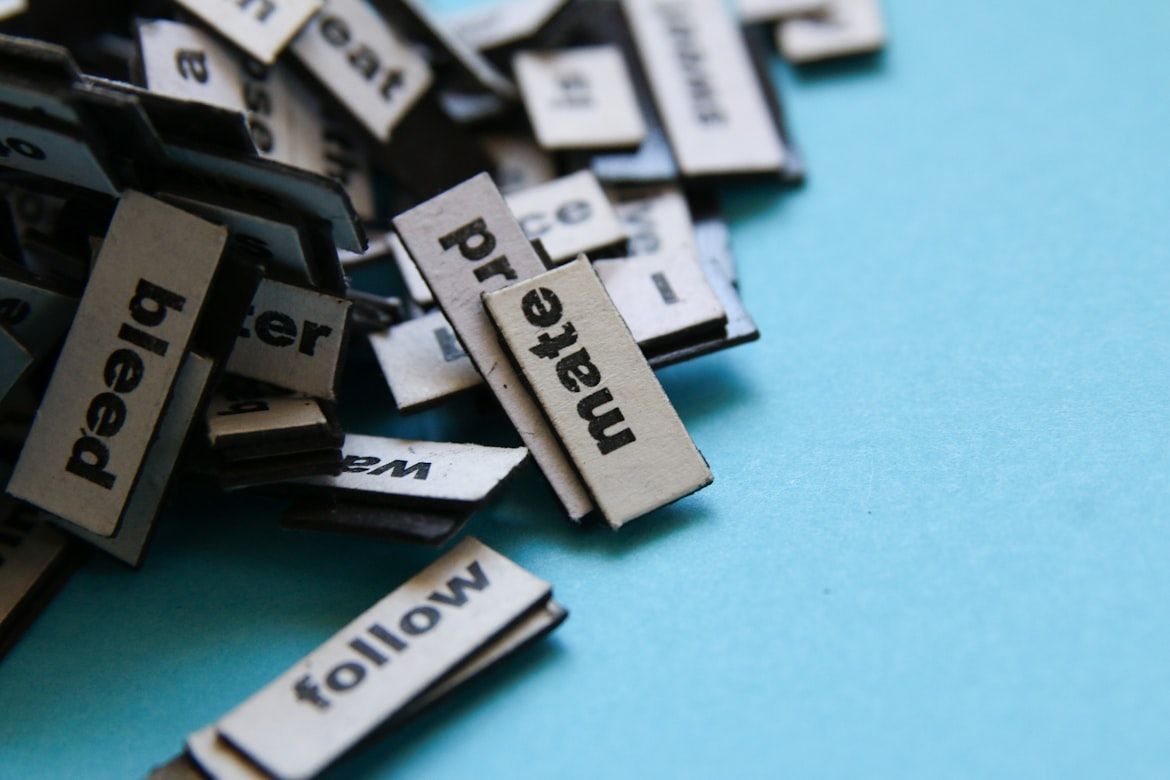

Image: Glen Carrie

Let’s see… Are you the friend who constantly corrects other people's vocabulary and grammar? Or are you the one on the receiving end of corrections? The truth is that we have probably all been both. This time, let this article be the one clarifying the correct use of each of these common expressions. And, if it turns out you’ve been using one wrong for years… we won’t tell anyone.

1

Peak my interest

Image: Eugene Ga

Correct use: Pique my interest

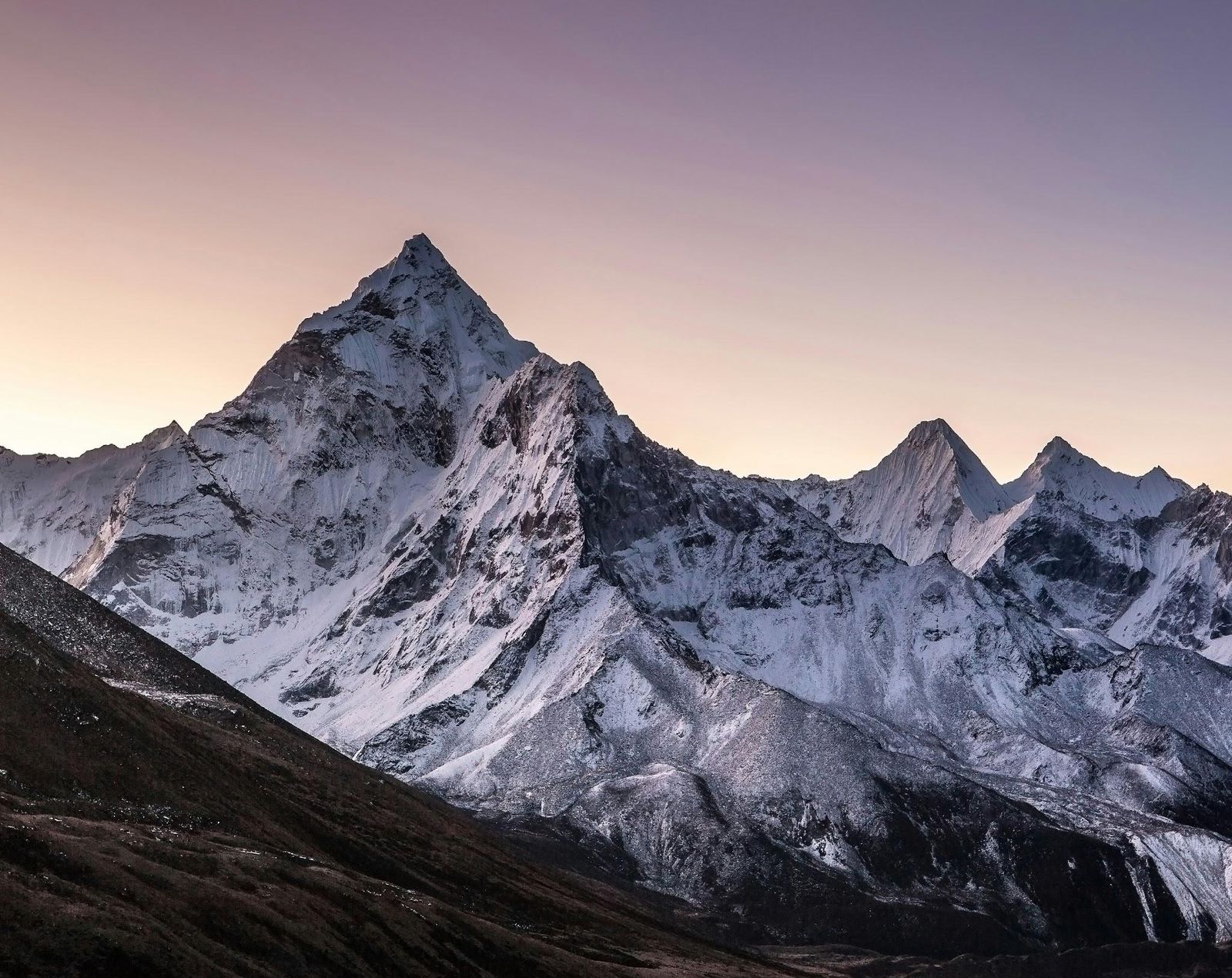
The correct verb here is pique, which comes from French and means to stimulate or arouse curiosity. When something "pique[s] your interest," it sparks it.

"Peak" refers to the top of a mountain. Unless your curiosity is climbing Everest, that spelling doesn’t belong here.

2

Giving leadway

Image: Khyta

Correct use: Giving leeway

The correct word is "leeway," meaning extra space, freedom, or margin for error. It comes from nautical language, referring to the sideways drift of a ship caused by wind.

"Leadway" does sound plausible, especially since "lead" can imply movement, but historically and etymologically, it’s leeway.

3

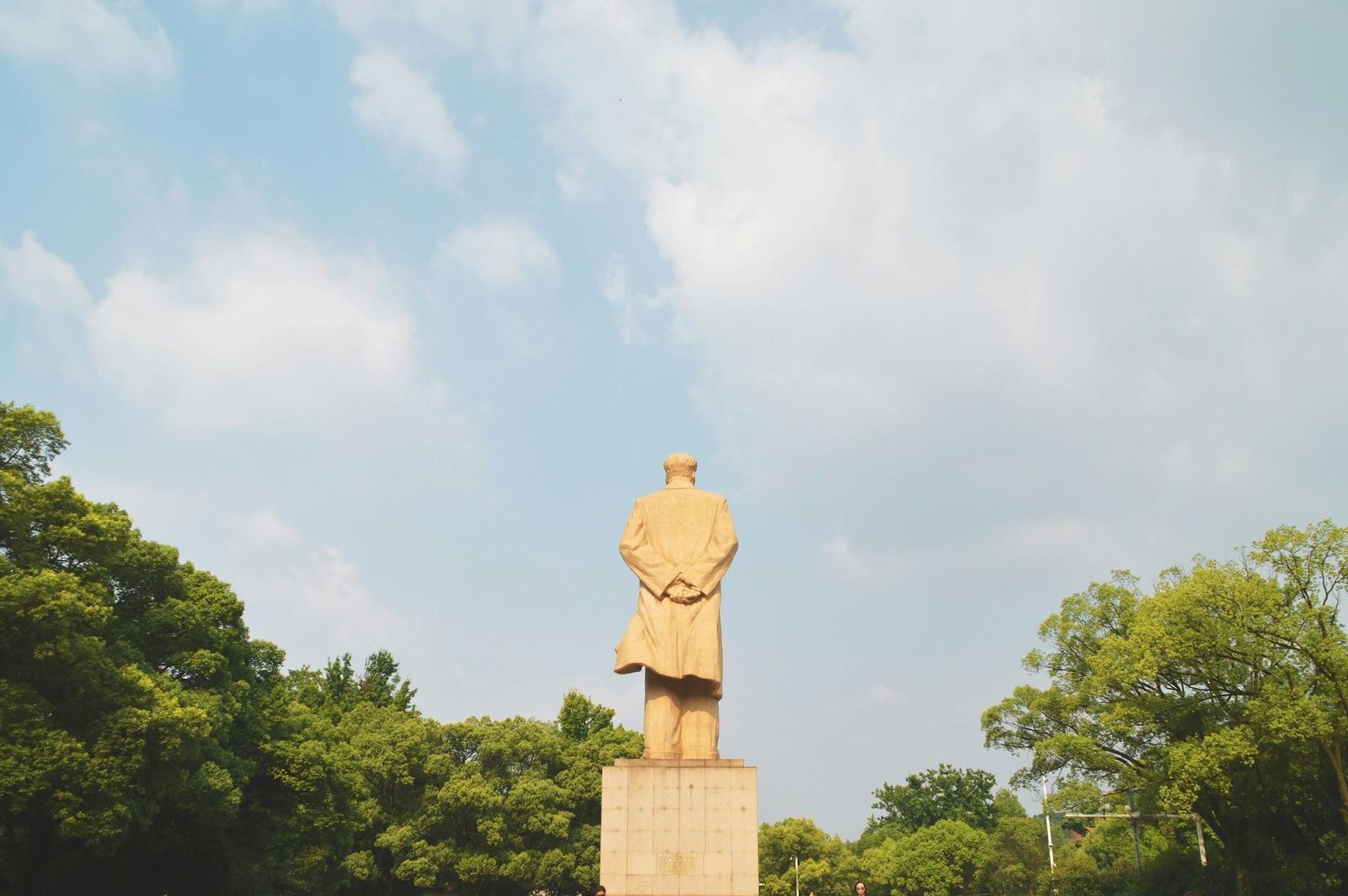
Statue of limitations

Image: Claire Satera

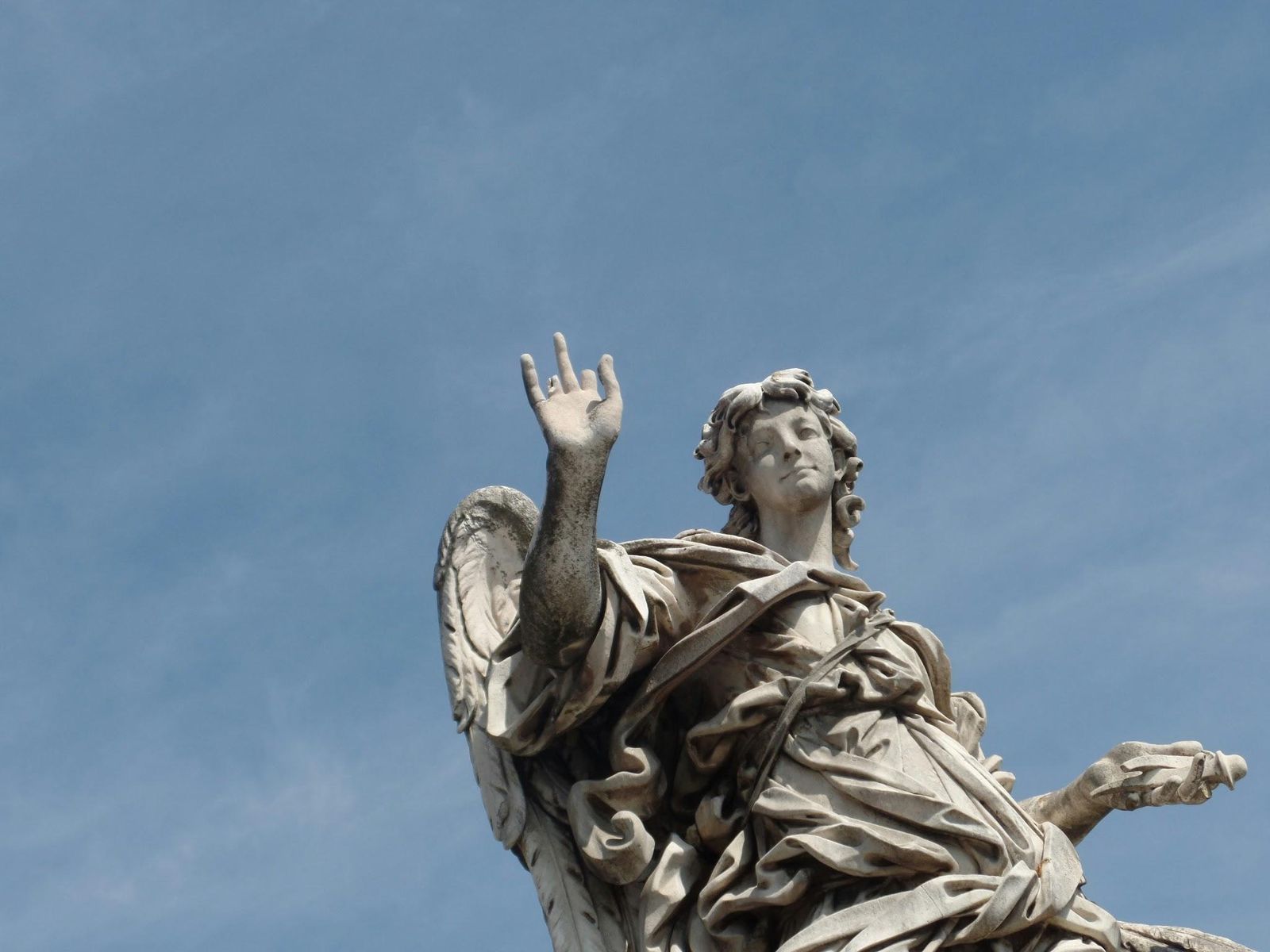
Correct use: Statute of limitations

A statute is a law. A statue is made of marble or bronze. It does make you wonder what people who use the incorrect version believe they are saying.

4

Buck naked

Image: Kenny Eliason

Correct use: Buck naked

While "butt naked" is very common in American speech, the earlier and historically supported form is buck naked, meaning completely unclothed.

Its use dates back to at least the early 1900s, some four decades before "butt naked" appeared in the late 1960s. One theory links a person’s smooth, naked skin to that of a buck, meaning a male deer.

5

Nerve-wracking

Image: Federico Lancellotti

Correct use: Nerve-racking

The original form is nerve-racking, from the verb "to rack," meaning to strain or torture, like on a medieval rack.

"Wreck" slipped in later because it sounds similar, but historically, the expression refers to nerves being strained, not destroyed.

6

Old wise tale

Image: Danika Perkinson

Correct use: Old wives’ tale

The correct phrase dates back centuries and refers to traditional folklore or superstition passed down informally. "Wise" makes it sound flattering, but the original expression wasn’t meant as a compliment.

7

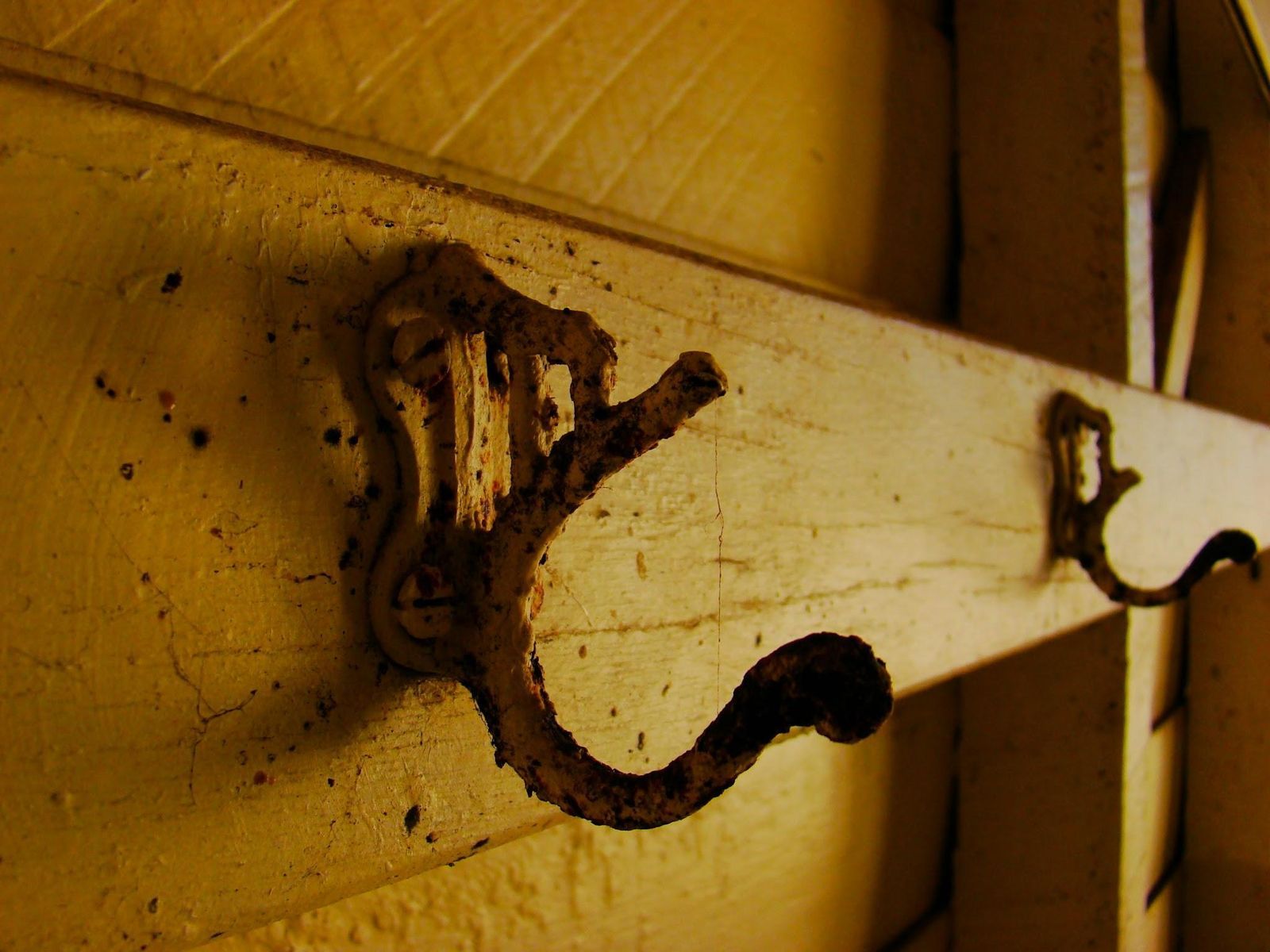
On tender hooks

Image: Ian

Correct use: On tenterhooks

A tenterhook was a hook used to stretch cloth on a frame called a tenter. Being "on tenterhooks" meant being stretched tight, which evolved into feeling anxious or in suspense. It has nothing to do with tenderness, so watch your pronunciation.

8

Off your own back

Image: Kelsey He

Correct use: Off your own bat

The phrase comes from cricket. To do something "off your own bat" means you did it on your own initiative. Over time, "bat" became "back," which sounds logical but loses the sports origin.

9

White as a sheep

Image: J. Schiemann

Correct use: White as a sheet

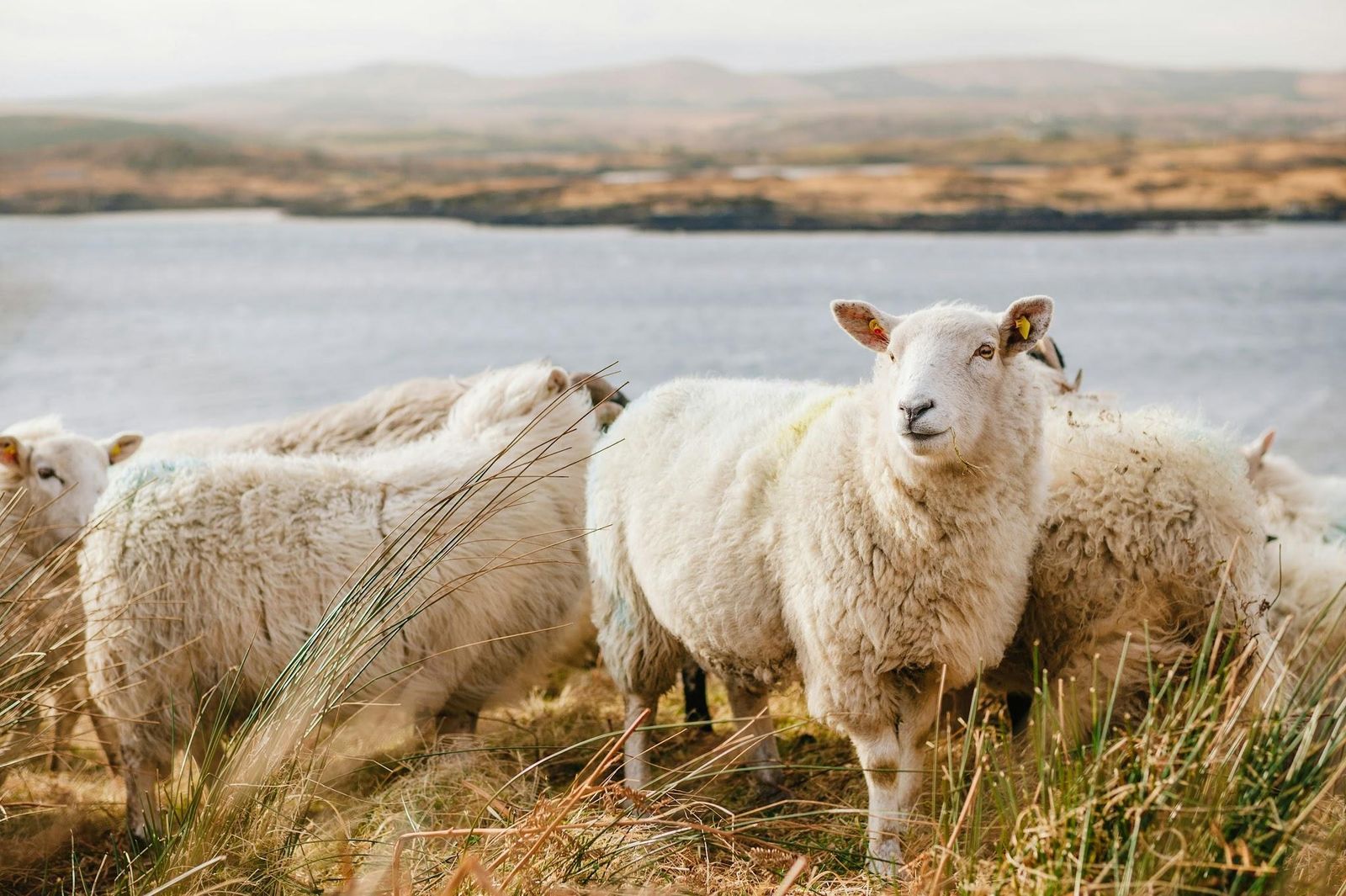
When someone looks pale, we say they’re "white as a sheet." Technically, you could still say you went white as a sheep, but you’d be referring to a darker, less uniformly white shade.

10

Tow the line

Image: Alejandro Barba

Correct use: Toe the line

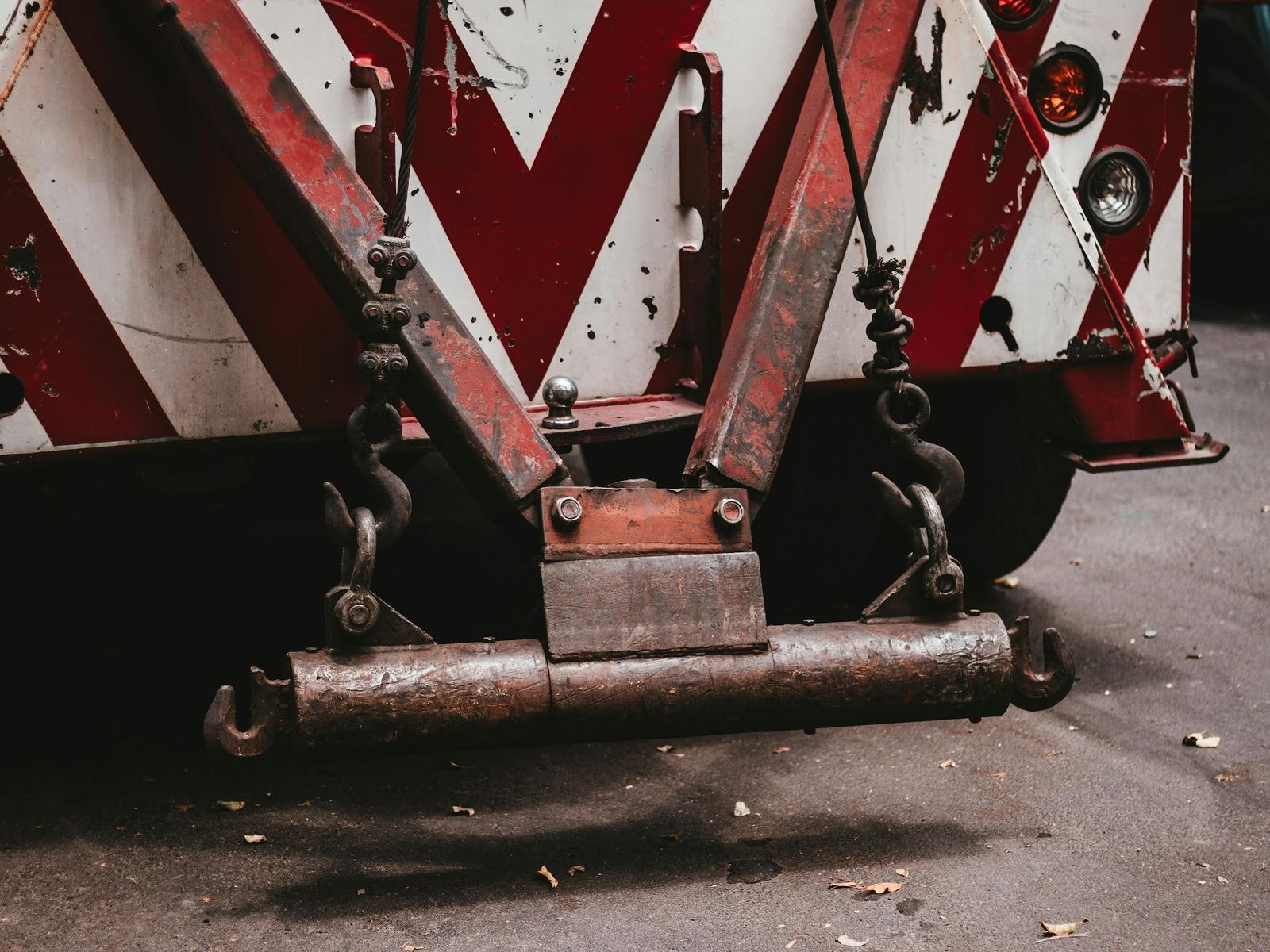
This saying came originally from athletics, where runners literally placed their toes on the starting line. It means to conform or follow rules. Nothing is being towed… And how could you tow a line, anyway?

11

Beckon call

Image: Gastro Editorial

Correct use: Beck and call

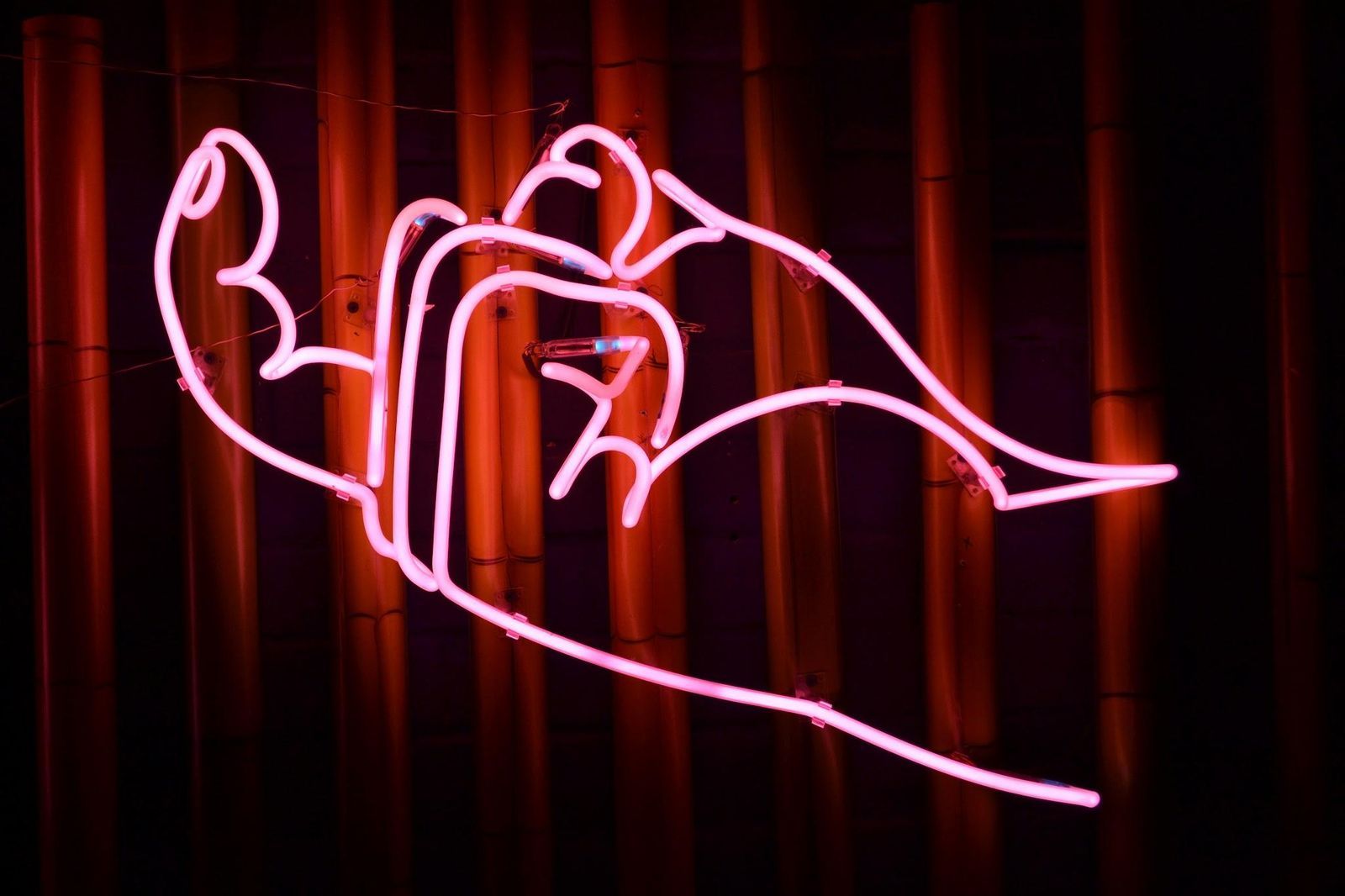
The phrase dates back to the 1800s and means being ready to respond instantly to someone’s signal or command. "Beckon" feels logical, and it’s very close, but historically it’s "beck."


NAME ANCESTRY

14 Surprising Origin Stories Behind State Names In The USA


Published on April 23, 2026


Image: Pin Adventure Map

Ever wondered where most US states’ names come from? From Native American roots to foreign or made-up words, the stories behind many of them are riddled with surprising historical references. Although the origin of some US states’ names is fairly obvious, many derive from unexpected people or places. The origin of names like Colorado, Montana, or Nevada are easy to infer —especially if you know a bit of Spanish— but many others have Native American origins with intriguing meanings. Some are even derived from fiction. If you ever wanted to know where names like Oregon, Connecticut, or Wisconsin come from, you are in the right place. Enjoy the surprising etymologies behind some of the names that make our country.

1

Alabama

Image: Joshua Woroniecki

Interestingly, for a state whose main economic activity is agriculture, the word Alabama comes from the Choctaw language and can be translated as "plant-cutters" or "vegetation pickers", recalling the farming practices of the Native Americans that lived in this area.

2

Alaska

Image: olio creative

Alaska is a corruption of an Aleut word that means "mainland", but can be translated literally as "the object towards which the action of the sea is directed". This is one of those names that manage to bring poetry into a word as simple and down-to-earth as land.

3

California

Image: Vital Sinkevich

This one comes from… a Spanish adventure novel! Bet you didn’t expect that. In Las Sergas de Esplandin by Garcia Ordez de Montalvo, a book from the 1500s, there is a fictional place called the "Island of California". Even when the modern state of California is clearly not an island, some die-hard fanatic of the novel decided to bring the name to life here in the U.S.

4

Connecticut

Image: Juliette Dickens

Derived from the Algonquian word quinnehtukqut, which can be translated as "besides the long tidal river", in reference to the river Connecticut. If you are wondering what the "tidal" part means exactly, this is because the Connecticut River's flow and level are effectively influenced by tides along much of its course. Certainly some amazing insight into the rigorous knowledge of local hydrology that Native Americans managed to accrue over the centuries.

5

Hawaii

Image: Luke McKeown

Although the origin of this name is disputed, there are two main theories. One suggests that the islands may have been named after Hawaii Loa, their traditional discoverer. However, others have speculated that it is actually derived from the ancient Polynesian word hawaiki, meaning "place of the gods".

6

Idaho

Image: NEOM

Another crazy one. Although the name was first claimed to be derived from a Shoshone word that meant "Gem of the Mountains", it is highly likely that the word was fabricated by George M. Willing, and meant as a practical joke.

7

Indiana

Image: Stéfano Girardelli

Quite literally, "land of Indians", using a Latin suffix. The word Indians originally referred to the ancient dwellers of the shores of the Indus River, in South and Central Asia.

8

Kansas

Image: NOAA

"Toto, I've a feeling we're not in Kansas anymore!" said Dorothy, from The Wizard of Oz, right after a rampant tornado literally lifted her house in the air and took it to God knows where. Well, this US state’s fame for violent winds predates even the first settlers, since Kansas is a Native American word used by the Dakota, strongly related to the idea of "wind".

9

Kentucky

Image: Drew Beamer

This state owes its name to an Iroquoian word that means "land of tomorrow". Quite a blockbuster-worthy movie title, if you ask me.

10

Maine

Image: Mercedes Mehling

The origin story behind the name of "The Pine Tree State" is still disputed. However, there are some interesting theories. One states that it derives from "mainland", as a form of distinction from the many coastal islands in the vicinity. Other theories propose that it was named in honor of Henrietta Maria, queen of England, or after the province of Mayne in France.

11

Missouri

Image: Anthony Cantin

To the Native Americans that lived in this region, Missouri meant "town of the large canoes", as the Missouri tribes were renowned for their skill in making dugout canoes.

12

Oregon

Image: Ashley Levinson

A largely disputed one. Many suggest that the name has Spanish origins, being similar to other words like orejón (meaning "big ear") or orégano, in reference to a type of plant (similar to the Mediterranean oregano) that grows in the southern part of the state.

13

Pennsylvania

Image: Donnie Rosie

This is the only state that has a part of its founder’s name in it. It is widely believed that Pennsylvania means "Penn’s Woodland", and was named as such in honor of Sir William Penn, father of its founder William Penn.

14

Wisconsin

Image: Brydon McCluskey

This is probably a French corruption of a native Miami word that meant "it lies red" or "river running through a red place", in reference to the bed of the river Wisconsin.

If our quick dive into the peculiar world of US state names wasn’t enough to quench your curiosity, stay around! We will keep uploading more content related to language and the weird stories and etymologies behind many English and foreign words.

Looking for an extra scoop of literary fun?

Learn more with our Word of the day

heave

/hiv/