Calendar mysteries

How are we closer to the Sun during winter? 10 calendar surprises


Published on August 17, 2026


Image: Towfiqu barbhuiya

Most of us think we know the calendar pretty well, and if we don’t, our phones are there to remind us of dates and events. But the way humans measure the passage of time hasn’t always been the same. From the origins of month names to the truth behind leap years, today we’re going to share 10 surprising facts you probably didn’t know about the calendar.

1

Leaplings

Image: Glen Carrie

The probability of being born on February 29 is 1 in 1,461. Although birthdays on this date are rare, people born on it even have a name: leaplings. Leaplings officially get to celebrate their birthday on February 29 only once every four years, but what happens in the other years? While some people prefer not to jump to another month, March 1st is considered more astronomically accurate, as it comes directly after February 28.

2

The Earth trip

Image: NASA

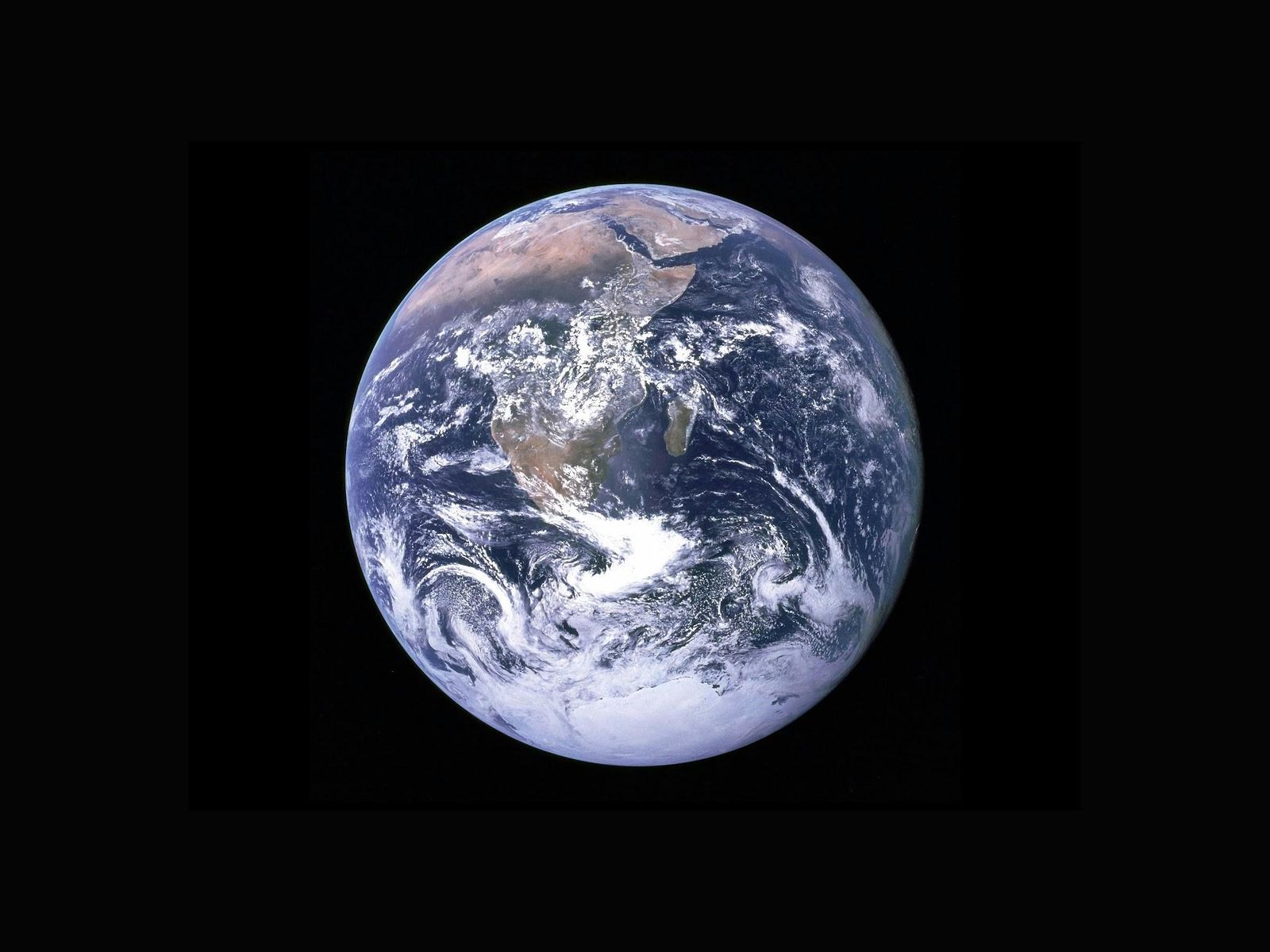
The Earth’s orbit is elliptical, which means there are times when we are closer to the Sun and other times when we are farther away. In January, Earth is at its closest point to the Sun, known as "perihelion." You might wonder how we can be closer to the Sun during winter, but the seasons are caused by Earth’s tilt, not by our distance from the Sun. On the other hand, the month when we are farthest from the Sun is July, and this point in the orbit is called "aphelion."

3

February’s exception

Image: Andrew Hughes

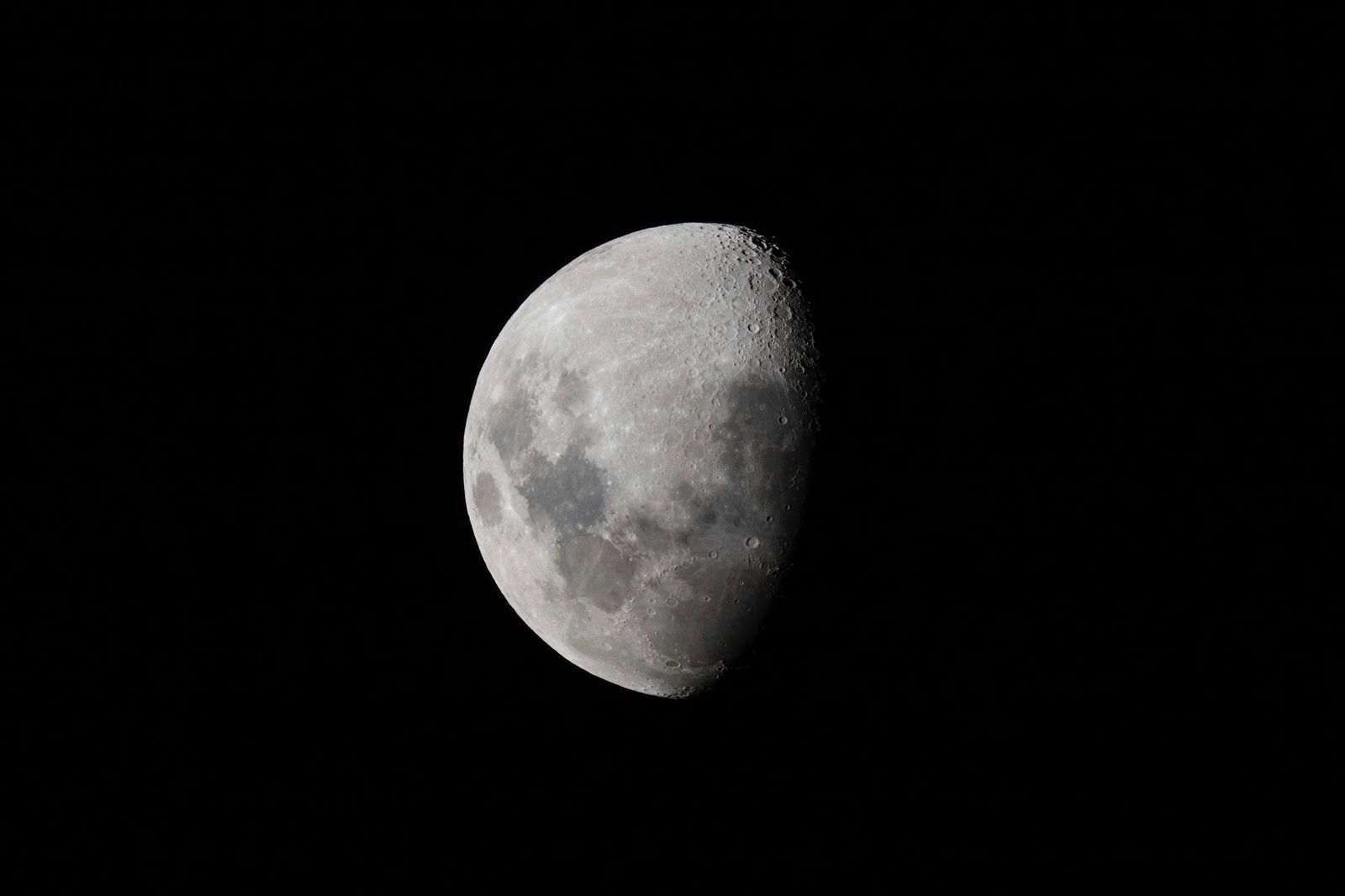
Due to its particularly short duration, February is the only month that can lack a full moon. Lunar cycles are 29.5 days long, which means that, approximately every 19 years, February has all the lunar phases except the full moon. When this happens, both January and March have two full moons, with the second one being called a "Blue Moon"; and that's why, when we say "once in a blue moon," we're talking about something that happens very rarely. The next time this will happen will be in the year 2037.

4

The Gregorian calendar

Image: Leandro Silva

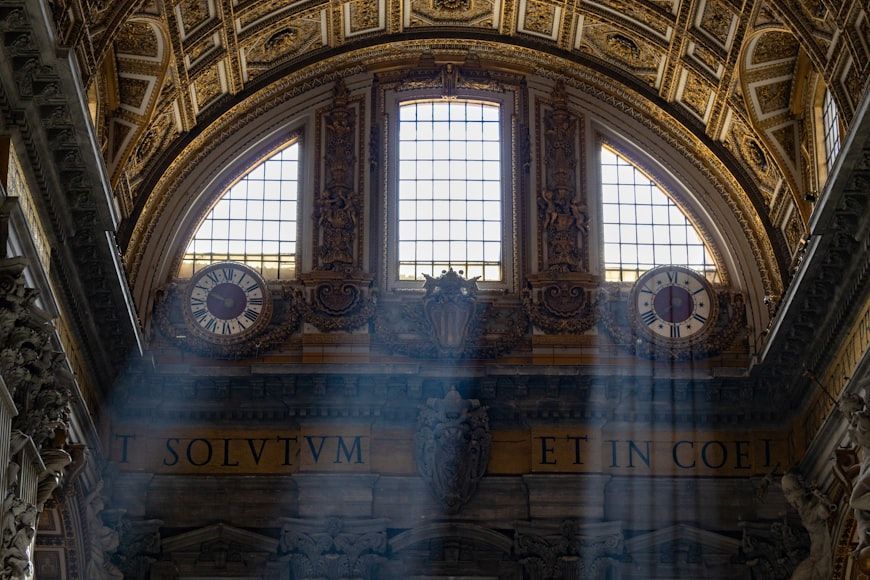
Did you know that our calendar has a name? That’s right; most of the world uses the Gregorian calendar, named after Pope Gregory XIII, who introduced it in 1582 as a reform of the older system.

The main difference lies in how leap years are handled. The previous system, known as the Julian calendar, added a leap year every four years, assuming a year lasted exactly 365.25 days. However, a real solar year is slightly shorter. To fix this, the Gregorian calendar keeps leap years every four years with one exception: century years (like 1900) are not leap years unless they are divisible by 400 (such as 2000).

5

Only 10 months

Image: Massimo Virgilio

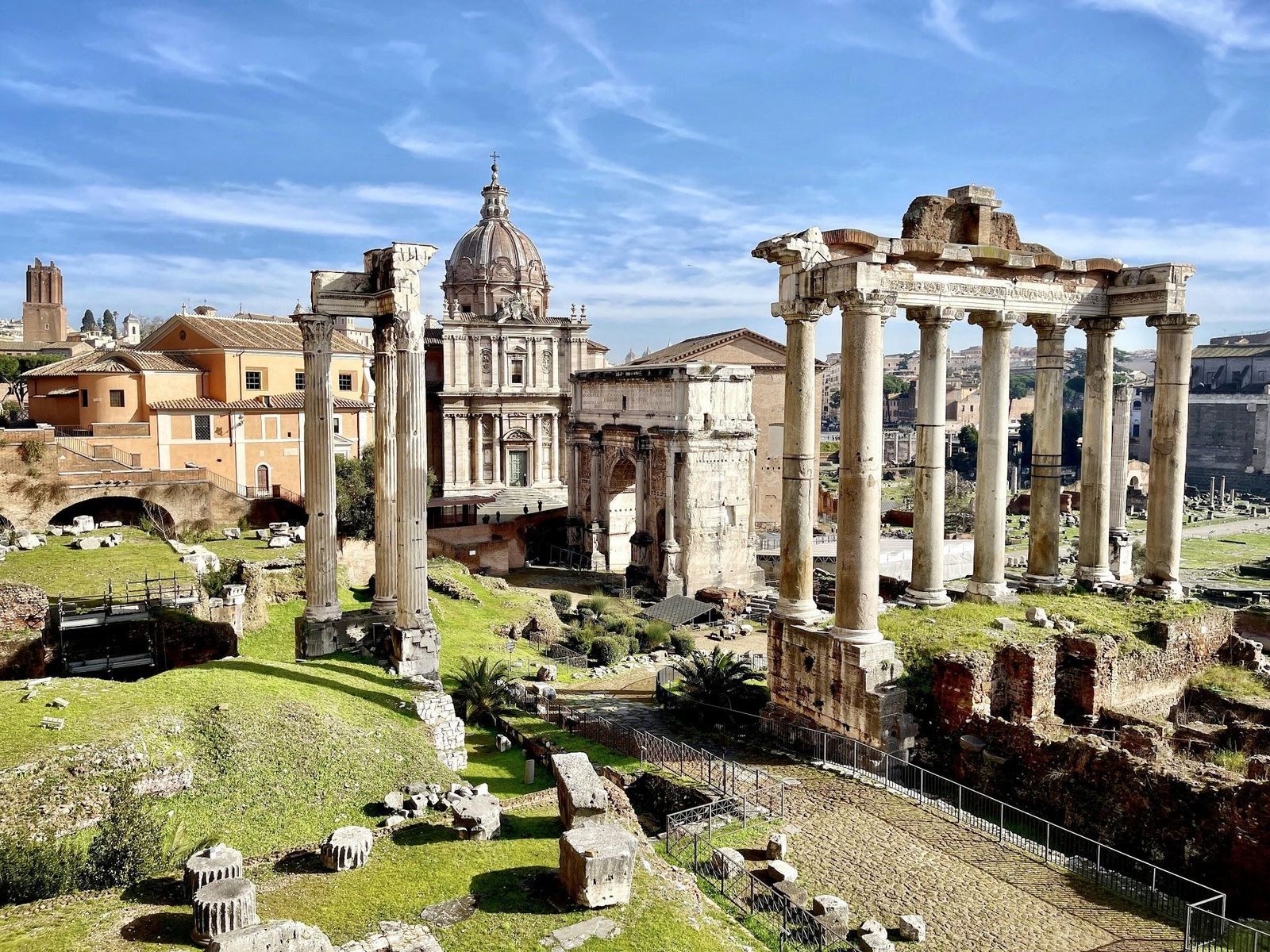
But before the Julian calendar, ancient Rome used an even older system with one key difference: it had only 10 months. This calendar began in March and ended in December, totaling just 304 days. What about the remaining days? They were considered a winter gap and simply weren’t counted. Around 700 BC, January and February were added to fill that gap, and these changes were later standardized under Julius Caesar’s reform in 45 BC, when he introduced the Julian calendar.

6

Our month names

Image: Casey Lovegrove

The names also come directly from life in ancient Rome, where months were named in honor of deities and important festivities. For example, March was named Martius after Mars, the god of war, because it marked the start of the military campaigning season. Aprilis, the Roman name for April, comes from the Latin verb aperire, meaning "to open," in reference to the arrival of spring. May was named Maius after Maia, the goddess of fertility and growth, and June was named Iunius in honor of Juno, the Roman goddess of marriage.

7

The numbered months

Image: Clemens van Lay

What about the rest of the months? From July through December, they were originally named after their position in the year. Since March was considered the first month, July was called Quintilis ("the fifth"), August was Sextilis ("the sixth"), September comes from septem, meaning "seven" in Latin, October from octo ("eight"), November from novem ("nine"), and December from decem ("ten").

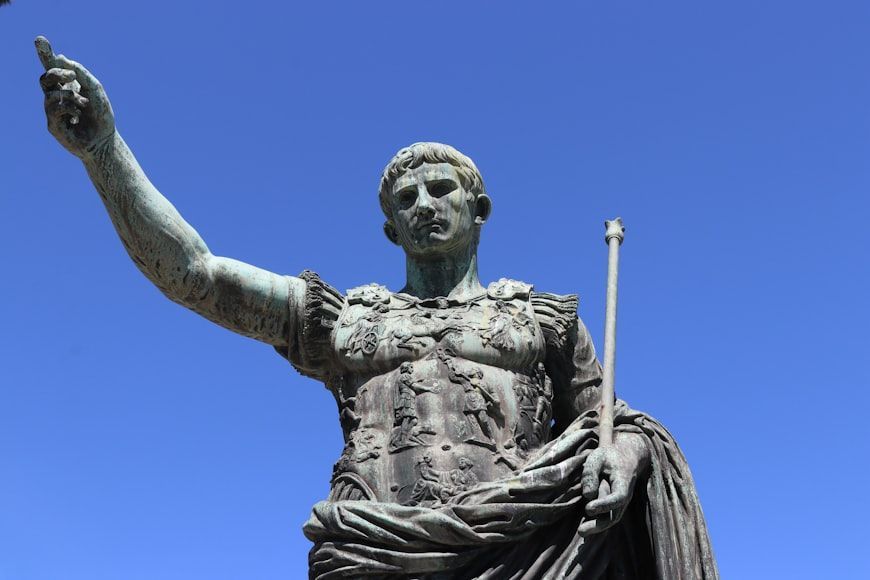
Most of these names remained similar, with two exceptions: Quintilis was renamed Iulius to honor Julius Caesar after his death, and Sextilis became Augustus, in honor of Augustus Caesar, the first Roman emperor.

8

The days of the week

Image: Jan Ledermann

The days of the week are no exception to Roman tradition. Sunday was named dies Solis ("day of the Sun"), Monday was dies Lunae ("day of the Moon"), Tuesday was called dies Martis (day of Mars), Wednesday dies Mercurii (day of Mercury), Thursday dies Iovis (day of Jupiter), Friday dies Veneris (day of Venus), and finally, Saturday was dies Saturni (day of Saturn).

9

The Nordic influence

Image: Steinar Engeland

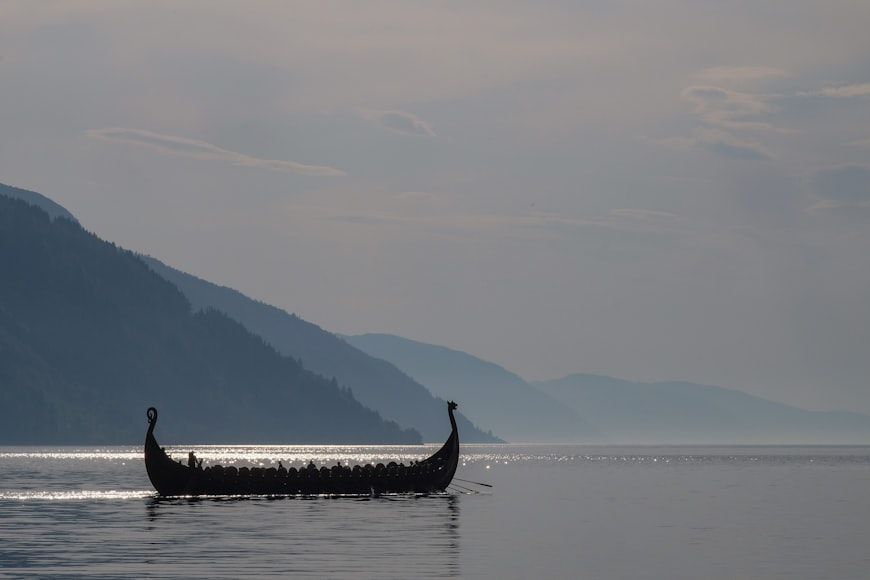
As you may have noticed, only Saturday retained its Roman root, while Sunday and Monday kept their meaning but were translated. What happened to the rest? They were influenced by Norse mythology, resulting in Tuesday being named for Tyr, a Norse god of war; Wednesday after Woden (Odin), the Norse interpretation of Mercury; Thursday from Thor, the god of thunder, replacing Jupiter; and Friday from Freya, a Norse goddess linked to the Roman Venus.

10

A global variation

Image: Kelly Sikkema

In the United States, Sunday is considered the start of the week. This tradition has religious and cultural roots, and it’s shared by many parts of the world, but not all of them. In fact, several other English-speaking countries do it differently: places like England, Australia, and parts of Canada consider Monday the first day of the week, with Sunday closing it out.


BELIEVE IT OR NOT

Stranger Than Fiction: 10 Unbelievable Events That Actually Happened


Published on August 17, 2026


Image: Diana van Ormondt

They say truth is stranger than fiction, and some of these historical events are living proof of this old adage.

Brace yourself for a rollercoaster ride through history, where the strange and unexpected take center stage in the theater of reality. From absurd battles to mysterious weather phenomena, these 10 astonishing tales will leave you thinking long and hard about the complexities of human history.

1

The Great Emu War

Image: Sharon Co Images

Wars are typically waged between nations, but in 1932, Australia faced an unusual adversary: emus. After large numbers of these flightless birds invaded crucial farmland within Western Australia’s Wheatbelt, the government decided to intervene by sending soldiers armed with machine guns to reduce the emu population in the area. However, most attempts were ineffective at most, killing very few birds and costing thousands of dollars in supplies and ammunition.

As soon as the first shot was fired, the seemingly tame emu dispersed way beyond the range of the machine guns, and apparently switched to guerrilla tactics of sorts, avoiding all further military ambushes and frontal attacks while still feasting on the farmer’s crops. The government’s futile attempts were ridiculed and physical barrier methods to manage wildlife were preferred from then on. Sadly, they give no medals for having endured the Great Emu War.

2

The Dancing Plague

Image: Hannah Skelly

In 1518, the town of Strasbourg, France, was gripped by a strange and inexplicable phenomenon - people suddenly began dancing uncontrollably in the streets. The dancing madness persisted for weeks, with some of the affected succumbing to exhaustion or even death. The authorities at the time did not know how to react, and some people even joined the dancers voluntarily, as they feared it was a punishment from Saint Vitus (and presumably wanted to stay on the safe side).

After many efforts to fight the strange epidemic, the dancing eventually subsided and people in the town could resume their normal lives. While theories range from mass hysteria to hallucinogenic substances and neurological disorders like Sydenham's chorea, the event remains a historical enigma that challenges our understanding of the human mind and collective behavior.

3

The Tunguska Explosion

Image: Nima Sarram

In 1908, a massive explosion flattened over 80 million trees in the remote Tunguska region of Siberia. The cause? A mysterious airburst, likely caused by the explosion of a meteoroid or comet in Earth's atmosphere. It is now estimated that the event had an explosive energy of 3 to 5 megatons, equivalent to over a thousand Hiroshima bombs. The resulting shockwave broke windows, and knocked people down hundreds of miles away, reaching an equivalent of an earthquake of 5.0 on the Richter scale in some areas.

A bright glow was observed in night skies in Asia and Europe for days after the event due to high-altitude ice particles that formed as a result of the explosion. For all its magnitude, the explosion left no visible crater and minimal debris beside the devastated forest. The Tunguska Event serves as a stark reminder of the potential cosmic threats that lurk in the darkness of space.

4

The Battle of Karánsebes

Image: British Library

Miscommunication can often lead to chaos, but rarely on the scale witnessed in the Battle of Karánsebes in 1788. The Austrian army, at the time facing the Ottoman Empire, descended into total anarchy when two different scouting parties mistook one another for the enemy, fired on each other, and raised the alarm.

Making matters worse, the Austrian army was made of men of different nationalities who more often than not could not understand each other. All attempts to end confusion and the ensuing friendly fire on the part of the Austrian emperor himself were in vain, and after a while - deeply demoralized - he was forced to give the order of retreat. When the Ottoman army arrived two days later, they found an empty battlefield and were able to take the city of Karánsebes without any resistance.

5

Napoleon defeated by bunnies

Image: Aswathy N

In 1807, eight years before Waterloo, Napoleon Bonaparte had a humiliating defeat at the hands of a strange opponent - a horde of rabbits. During the celebrations that followed the Treaties of Tilsit - which effectively ended the war between the French and Imperial Russia - Napoleon’s chief of staff Alexandre Berthier had the idea of organizing a rabbit hunt to entertain its guests.

So far, nothing out of the ordinary for the time, but when the rabbits were simultaneously freed along the edges of a grassy field, instead of scattering as expected, all these fluffy beasts began running toward their amused hunters. But the fits of laughter didn’t last long, as the now-hunted hunters realized that there was nothing they could do to stop the relentless animals as they swarmed their positions and had no other choice than to flee. Some accounts state that Berthier had gathered around 3000 rabbits, so not even mighty Napoleon was a match for this unexpected army.

Apparently, the chief of staff's mistake was buying tame rabbits from local farmers, accustomed to being fed by humans, instead of trapping wild hares for the hunt. If we learned anything from the Great Emu War, the lesson is clear: never underestimate animals!

6

The year without a summer

Image: Mitsuo Komoriya

In the aftermath of the eruption of Mount Tambora in Indonesia - the largest in at least 1,300 years - 1816 became known as the "Year Without a Summer." The volcanic ash floating in the atmosphere led to climate abnormalities worldwide, resulting in crop failures and widespread famine in the most affected areas.

In Europe and North America temperatures plummeted, and most crops suffered irreparable damage due to the persistent frost. In the United States, a "dry fog" was observed in the eastern regions, dimming sunlight so much that sunspots were visible to the naked eye. Also, the high level of volcanic particles present in the atmosphere caused strange optical effects in the following years, such as strong red hues during sunsets, which can be observed in many paintings produced at the time.

7

Caligula’s War on Neptune

Image: Tiana Attride

It seems that wars against unusual adversaries are a fashionable trend in human history because the Roman Emperor Caligula declared war in the year 40 AD on no one other than the god Neptune himself, king of the raging seas.

Known for his eccentricity, Caligula allegedly ordered his legionnaires to "attack" the sea with swords and spears, after which he declared victory against the powerful god and told the men to gather seashells as trophies of war. One can only imagine that the soldiers had a fun -albeit puzzling- day.

8

Pepsi’s naval power

Image: Tim Mossholder

In the late 1980s, Pepsi briefly possessed the sixth-largest navy in the world. In exchange for commercializing Pepsi products in the Soviet Union, the company received 17 submarines, a cruiser, a frigate, and a destroyer.

However, the fleet was composed of obsolete and unseaworthy vessels that were destined to be turned into scrap almost immediately. The payment was made in the only resources the USSR could gather easily at the time, and it provided a way to establish profitable international relations - and open up to the world.

9

Followed by the Civil War

Image: Garry T

The American Civil War started and concluded with a curious connection to Wilmer McLean, an American wholesale grocer from Virginia. The conflict's first major battle, the First Battle of Bull Run, took place in McLean's farm in 1861. A cannonball fell directly through the kitchen fireplace of the McLean’s house, which was being used as headquarters for the Confederate Army, destroying the dinner that was being prepared by the stationed officers - something that was noted not without humor by the Brigadier General P. G. T. Beauregard.

The McLean family moved to Appomattox, Virginia trying to escape the war, but just four years later, General Robert E. Lee surrendered to General Ulysses S. Grant in McLean's parlor, marking the conclusion of the Civil War. Unintentionally, McLean was a prime witness of one of America’s most defining conflicts. Later, he said of this: "The war began in my front yard and ended in my front parlor."

10

Genghis Khan fought against global warming

Image: Snowscat

Genghis Khan's vast empire and brutal military campaigns had an unexpected impact on the Earth's climate. A recent study suggests that the Mongol invasions in the 13th century led to a significant reduction in global carbon dioxide levels, as large areas of cultivated land returned to forests.

This had the unintentional effect of scrubbing as much as 700 million tonnes of carbon from the atmosphere, roughly equivalent to the global annual consumption of gasoline today. This drastic ecological shift highlights the effect that land use, and particularly deforestation can have on our planet at a large scale.

Looking for an extra scoop of literary fun?

Learn more with our Word of the day

acrimony

/ˈækrəˌmoʊni/