Who is the "Big Kahuna" in your life? The history of 10 iconic nicknames


Published on July 26, 2026


Image: Bored Photography

When we look at how English speakers describe the people in charge, we find a colorful catalog of metaphors. Instead of using formal titles like "master" or "director", we have spent centuries inventing funny nicknames to describe the folks at the top. Many of these terms have fascinating histories. Some started on the stage, others in bowling alleys, and some in the courts of the 18th century. Here are 10 of the most famous nicknames used to refer to important people, along with the surprising stories of how they entered our vocabulary.

1

Top banana

Image: Any Lane

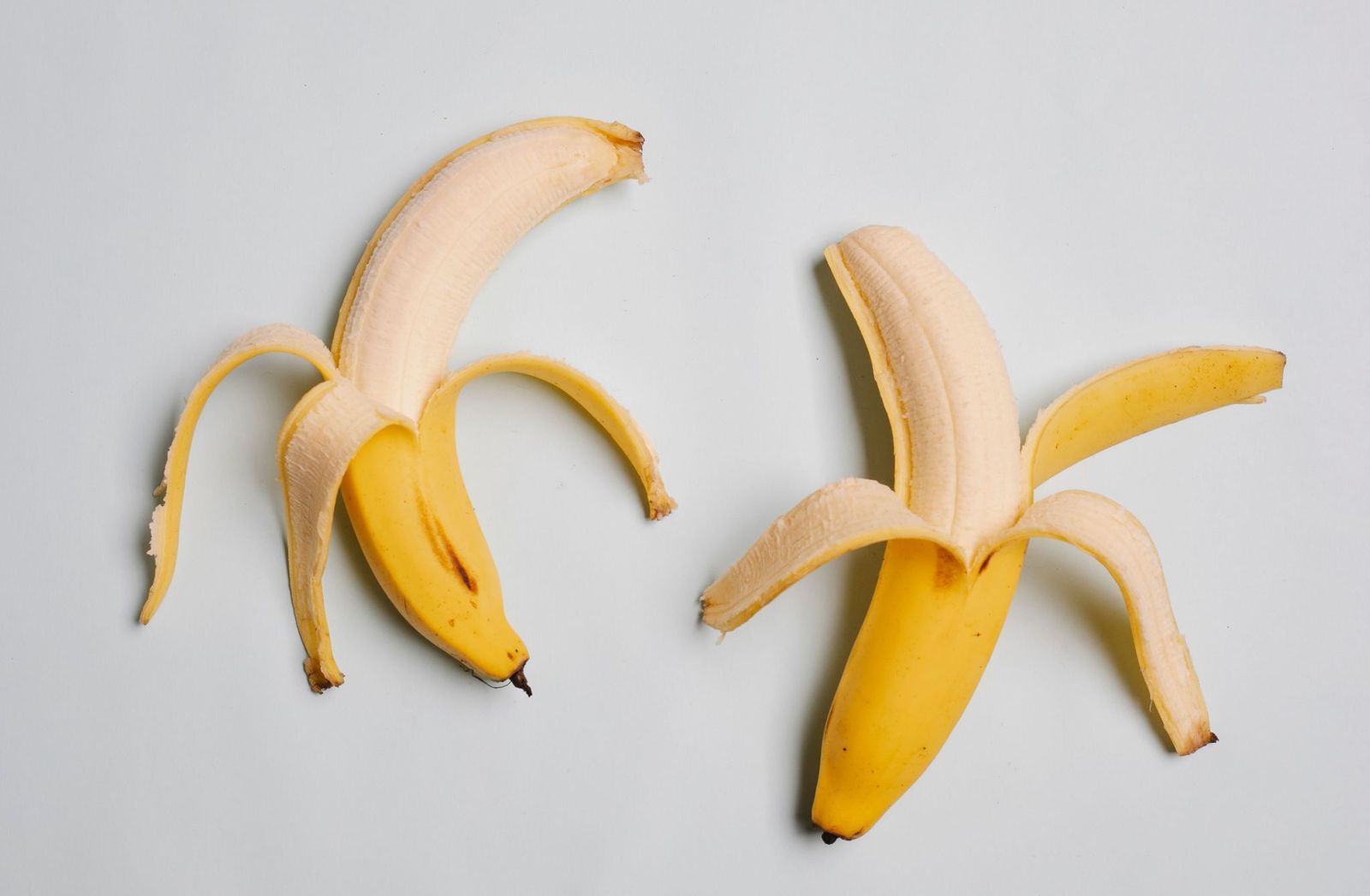
If you are the "top banana", you are the undisputed leader of an organization. The expression comes straight from the world of American burlesque and vaudeville of the early 20th century.

Comedy acts of the era often featured three performers. The lead comedian, the one who got the spotlight and the biggest laughs, was called the "top banana". The supporting comics were relegated to "second banana" and "third banana". Why a banana? The lead comic’s routine often involved a prop, and in many popular acts, a literal banana was handed over as a reward after a successful punch line.

2

Kingpin

Image: zieusin

Today, we associate "kingpin" with the leader of a cartel or a criminal enterprise. However, its origins are associated with sports. The term comes from the game of ninepins (an ancestor of modern bowling), dating back to the early 1800s.

The "kingpin" was the tallest, most central pin in the setup. If you managed to hit the kingpin right, it would knock down all the other pins, securing a perfect game. Because this single pin controlled the fate of all the others, the word naturally entered the English language to describe any highly influential person whose actions control an entire group.

3

Boss

Image: Frame Stock Footage

We use "boss" so casually today that it hardly feels like slang, but its rise in American English was actually an act of political rebellion. "Boss" comes from the Dutch word baas, meaning "master".

In the 17th and 18th centuries, Dutch colonists settled in what is now New York. English-speaking workers adopted the word baas as a deliberate alternative to the traditional "master". In a young, democratic America, "master" felt far too servile and feudal. "Boss" allowed workers to acknowledge who was in charge without compromising their personal sense of pride.

4

Big enchilada

Image: Pixel-Shot

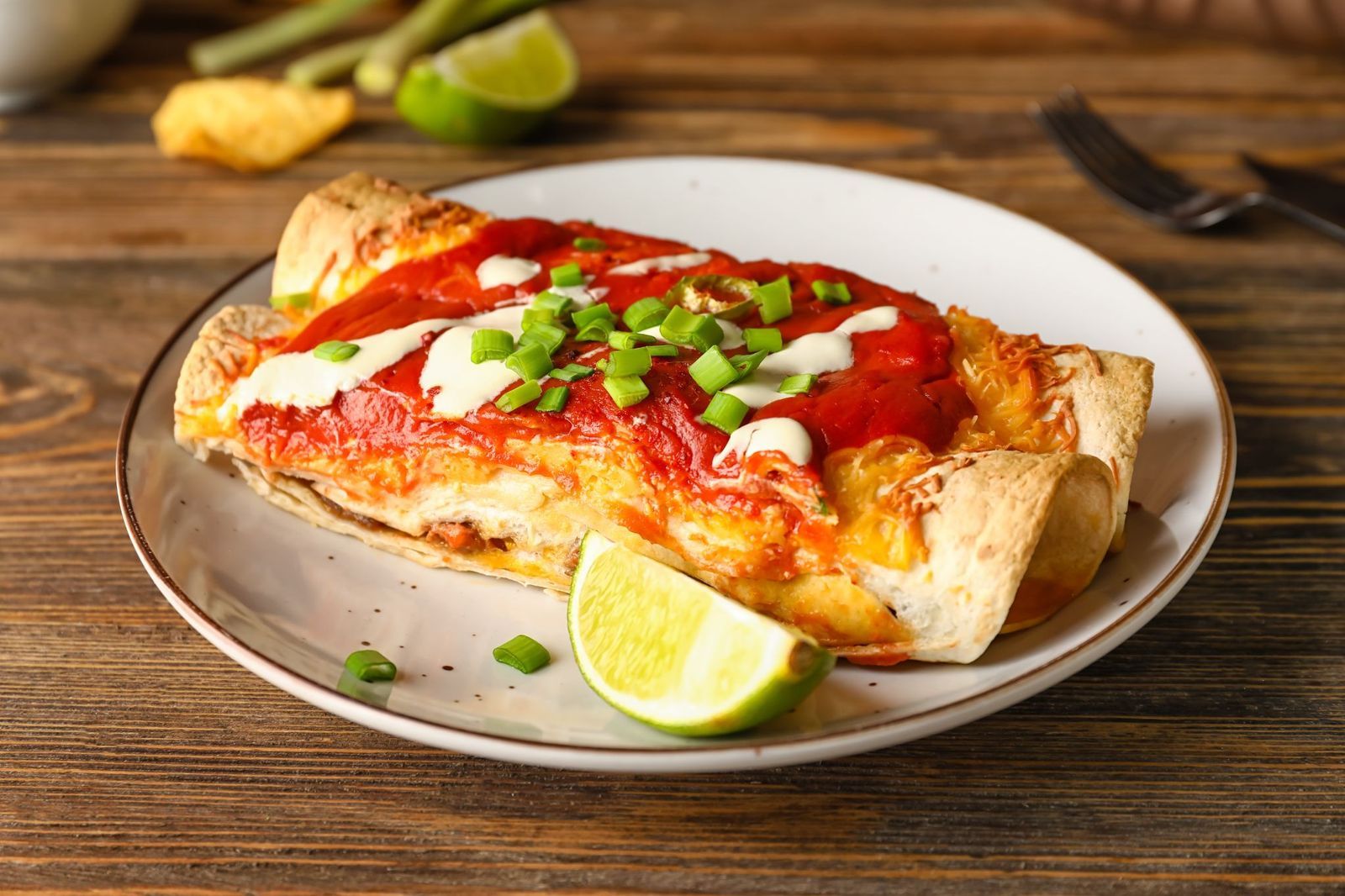
When you want to describe the absolute highest authority in a hierarchy, you might call them the "big enchilada". While the culinary term "enchilada" is centuries old, using it to describe a powerful person is a mid-20th-century American political phenomenon.

The term entered the national consciousness during the 1973 Watergate scandal. In secretly recorded White House tapes, John Ehrlichman, an advisor to President Richard Nixon, was heard referring to former Attorney General John Mitchell as "the big enchilada". He meant that Mitchell was the key player, the main target, and the man who held all the cards. The phrase caught on instantly in the media and remained a popular way to describe a dominant leader.

5

Kahuna

Image: Page Light Studios

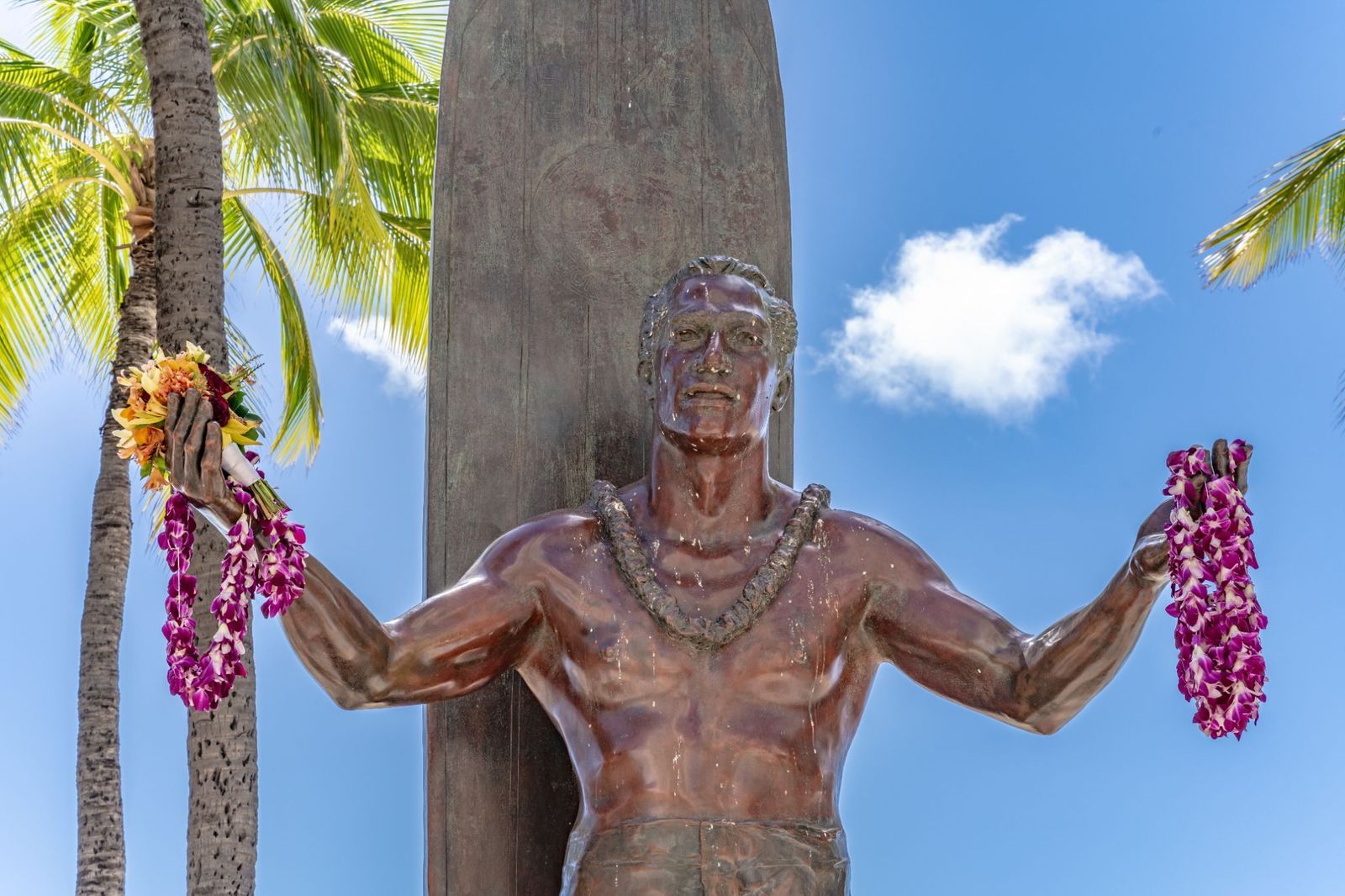
If someone is referred to as the "Big Kahuna", they are the ultimate boss or the expert whose opinion carries the most weight. This term is borrowed directly from the Hawaiian language.

In traditional Hawaiian culture, a kahuna is a respected expert, priest, healer, or master craftsman. When Hawaii became a global surfing destination in the mid-20th century, the term drifted into surf slang. Legendary surfer Duke Kahanamoku was often called the "Big Kahuna". By the late 1950s and 60s, Hollywood surf movies exported "Big Kahuna" to the mainland, where it lost its spiritual meaning and became a nickname for any big boss.

6

Bigfoot

Image: Pixel-Shot

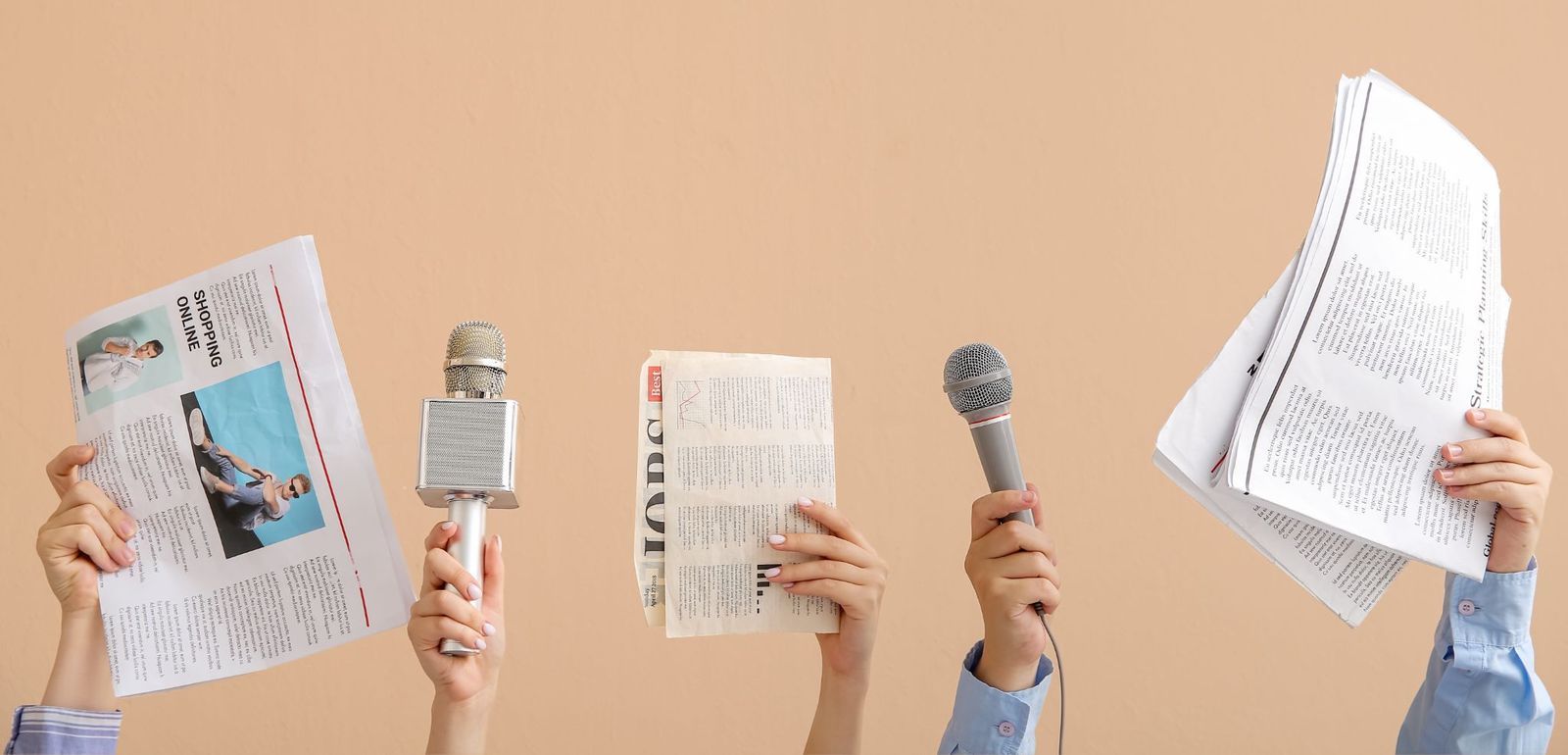
In the world of politics and media, calling someone "Bigfoot" has absolutely nothing to do with searching for a mythical creature in the Pacific Northwest. This modern slang originated in American journalism of the late 1970s.

When a high-profile news story breaks in a small town, national news networks will often fly in their most famous journalists. These prominent reporters trump over the local journalists who had been covering the story first, taking over the prime airtime and top billing. Because they leave a huge footprint wherever they go, frustrated local reporters began calling these elite correspondents "Bigfoots".

7

Bigwig

Image: Vika Glitter

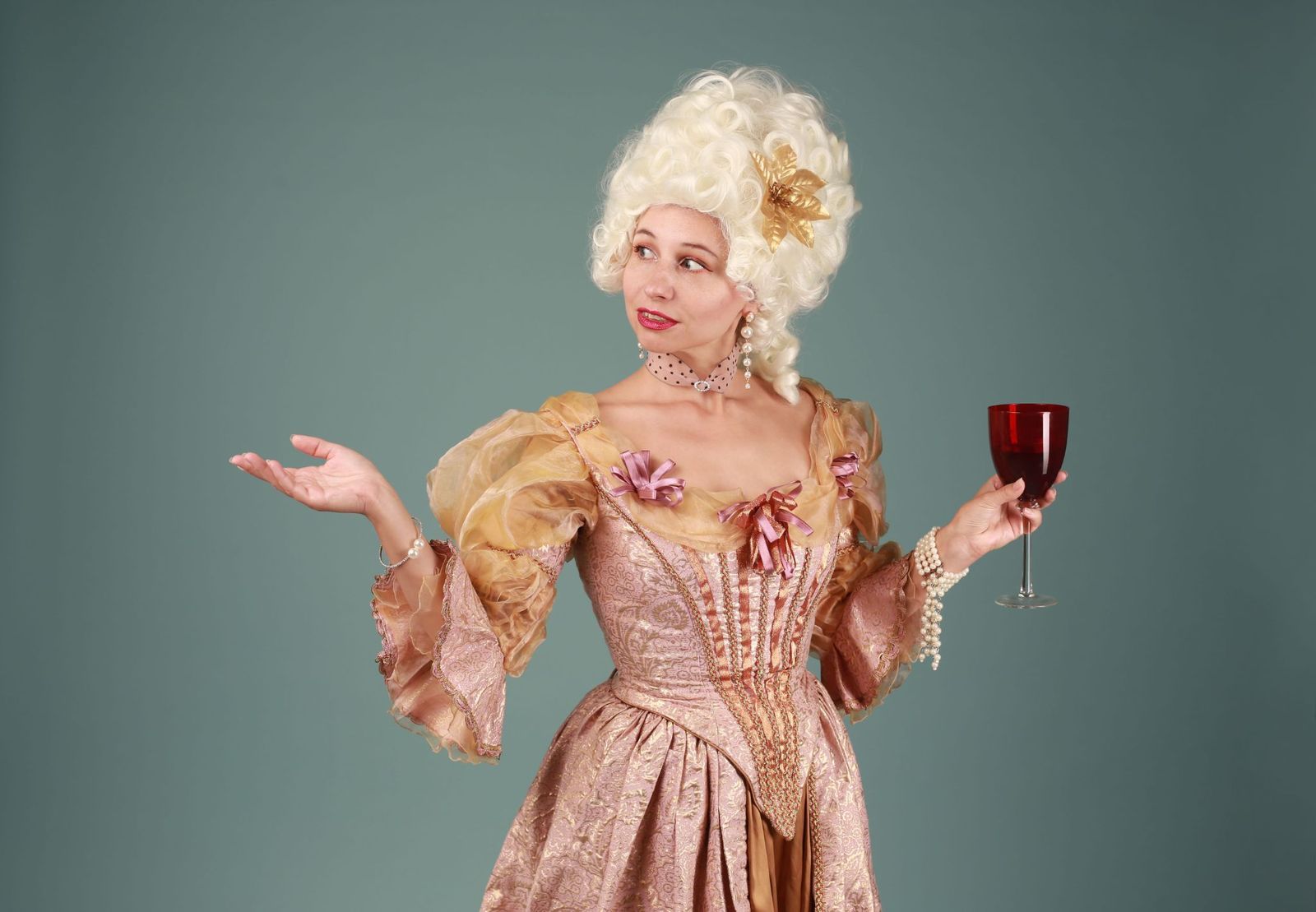
Calling someone a "bigwig" is one of our oldest insults for a person who thinks they are incredibly important, and it has roots in historical fashion. The expression dates back to the 17th and 18th centuries, when powdered wigs (periwigs) were the prime style for wealthy people.

Wigs were incredibly expensive to buy and maintain. Naturally, the wealthier and more powerful a person was, the larger and more elaborate their wig would be. Bishops, judges, and aristocrats wore towering mounds of powdered hair on their heads. So, the working-class began referring to these elites as "bigwigs". Although the fashion died out, the insult survived.

8

Kingfish

Image: reinatsu27

To be a "kingfish" is to be an influential, often charismatic leader who dominates a local area or organization. Though the name originally refers to a predatory marine fish, it became a political nickname in the 1930s.

The term is tied to Huey P. Long, the powerful and controversial Governor and Senator of Louisiana. Long adopted the nickname "The Kingfish" himself, taking it from a character on the popular radio show Amos 'n' Andy. Long used the moniker to project a heroic persona to his supporters, becoming a clever tool of political branding.

9

Big shot

Image: cottonbro studio

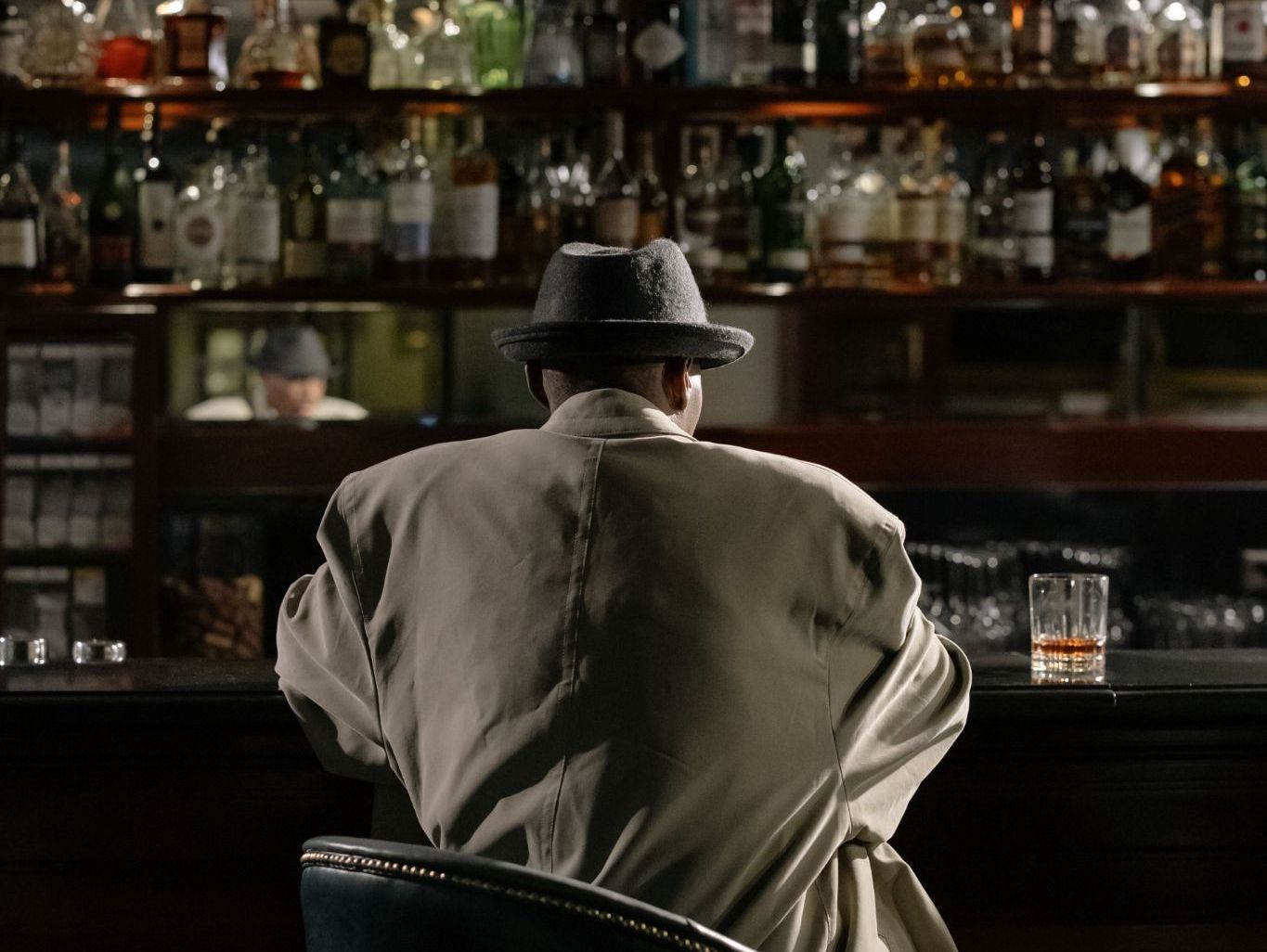
A "big shot" is someone wealthy and influential. This expression became popular in the United States during the Prohibition era of the 1920s.

The term "big shot" was associated with gang violence. Mobsters who controlled the illegal alcohol trade were the "big shots", meaning they were the ones calling the shots and firing the weapons. Over time, the violent side of the term softened, leaving us with a playful way to describe anyone who holds a ton of influence.

10

Top dog

Image: Pixel-Shot

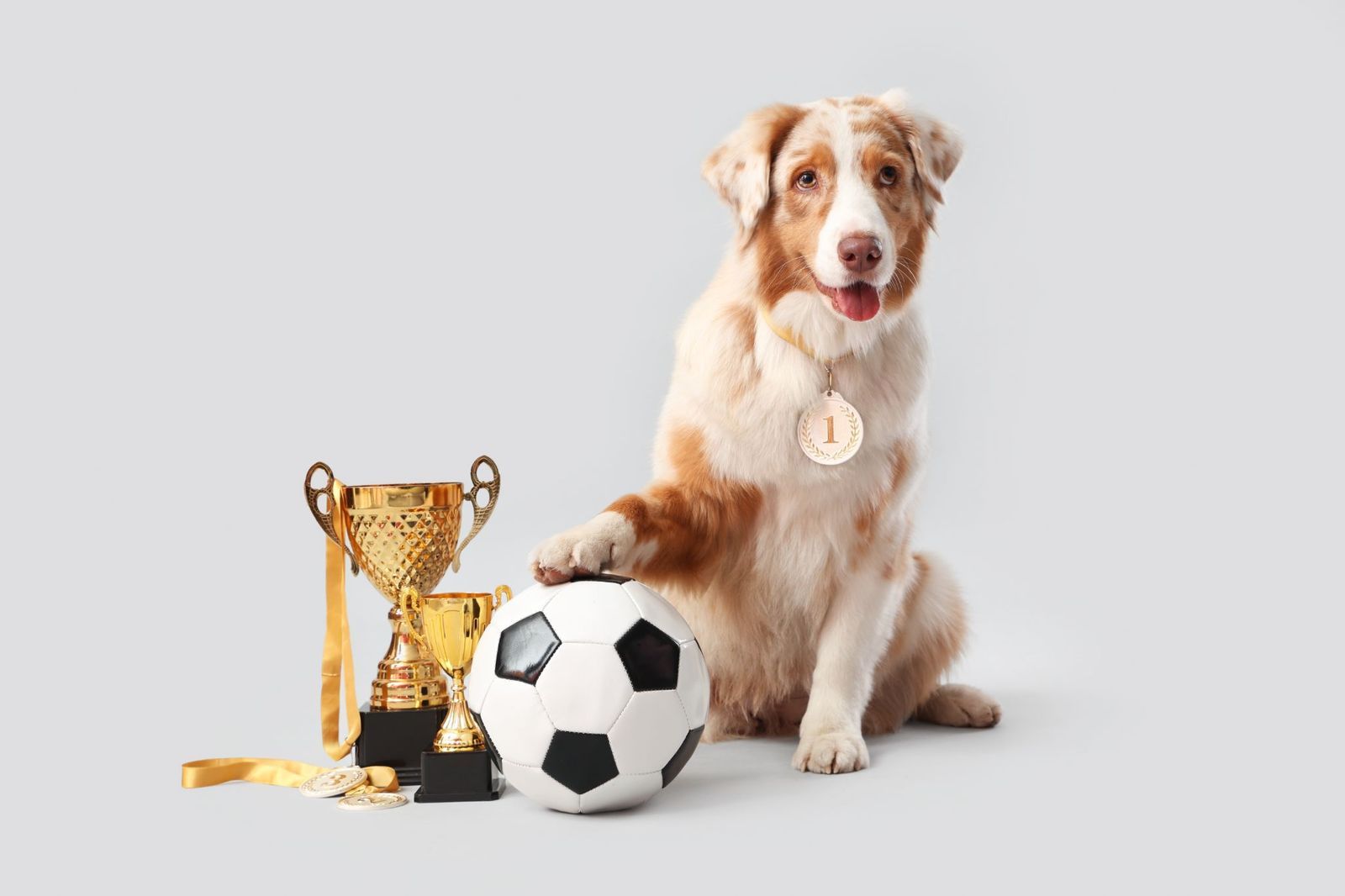
If you are the "top dog", you are the winner, the leader. This idiom can be traced back to 19th-century sports.

In competitive arenas, the competitor that ended up on top of their opponent at the end of a match was crowned the "top dog". The loser, then, was the "underdog". The contrast between these two roles resonated so deeply with the public that both terms migrated into the English language to describe the winners and losers of life, business, and politics.



Hospital secrets

What is a "Code Gray" and what you should know if you hear it at the E.R.


Published on July 26, 2026


Image: voronaman

A trip to the emergency room can be stressful enough without hearing doctors and nurses speak a language that sounds like a secret code. One minute, someone is asking for medication "STAT," the next there’s a "Code Gray," and another patient is suddenly "NPO." What do those words really mean? Some are official medical terms, others are insider slang, but they all help hospital staff communicate quickly when every second counts. Here are 10 of those codes explained.

1

Code Gray

Image: PeopleImages

The E.R. can be hectic and unpredictable. Most patients are frightened or uncomfortable, but now and then someone becomes aggressive because of pain, confusion, mental illness, or the effects of alcohol or other substances. That’s when you can hear "Code Gray" announced over the speakers.

The code is used to summon security officers to help manage a violent or combative situation. While color codes vary from one hospital to another, Code Gray commonly signals that staff needs extra assistance to protect patients, visitors, and healthcare workers. Even if you know it now, most people in the waiting room never know what happened, and that’s exactly the point.

2

NPO

Image: PeopleImages

You have a scheduled surgery, you’re in your bed waiting to be taken to the surgery room, and you ask for a cup of coffee to make the wait lighter. The nurse will probably tell you you’re an NPO. You may think it’s serious, but it’s simply a procedure.

"NPO" is an abbreviation that comes from the Latin phrase Nil Per Os, which means "nothing by mouth." It tells patients they cannot eat, drink, or sometimes even take medication until doctors say it’s safe. The rule is most common before surgery or certain medical tests, when food or liquids could increase the risk of complications or alter the results. It may be frustrating, but it’s an important part of keeping patients safe.

3

STAT!

Image: PeopleImages

You’ve probably been through the experience of visiting an emergency room, either to get checked or to visit a loved one. In that part of the hospital where everyone is rushing to save lives, you’ve probably heard a doctor asking for the R.C.P. cart or medication "STAT!" It sounds urgent, and that's because it is.

The expression comes from the Latin statim, which means "immediately" or "without delay." Hospitals have used Latin medical terms for centuries, but STAT is one of the few that remains part of everyday conversation. When a doctor says it, the request jumps to the top of the priority list. It doesn’t always refer to a life-or-death situation, but it does mean the medical team needs something done as quickly as possible.

4

Code Pink

Image: Vladimir Tretyakov

Newborns are always a reason to celebrate at the hospital. Parents usually rest happily next to their child as they receive congratulations from close relatives. However, the hospital is always prepared to handle extremely rare emergencies under "code pink."

If you hear a "Code Pink," it usually means a baby or young child is suspected of being abducted from the hospital. Within seconds, security officers respond, exits may be monitored or blocked, and staff begins following carefully rehearsed procedures. Although different hospitals sometimes use different color codes, Code Pink has become widely recognized across North America as one of the most serious alerts a hospital can issue.

5

Walkie-talkie

Image: Arunporn Thanapotivirat

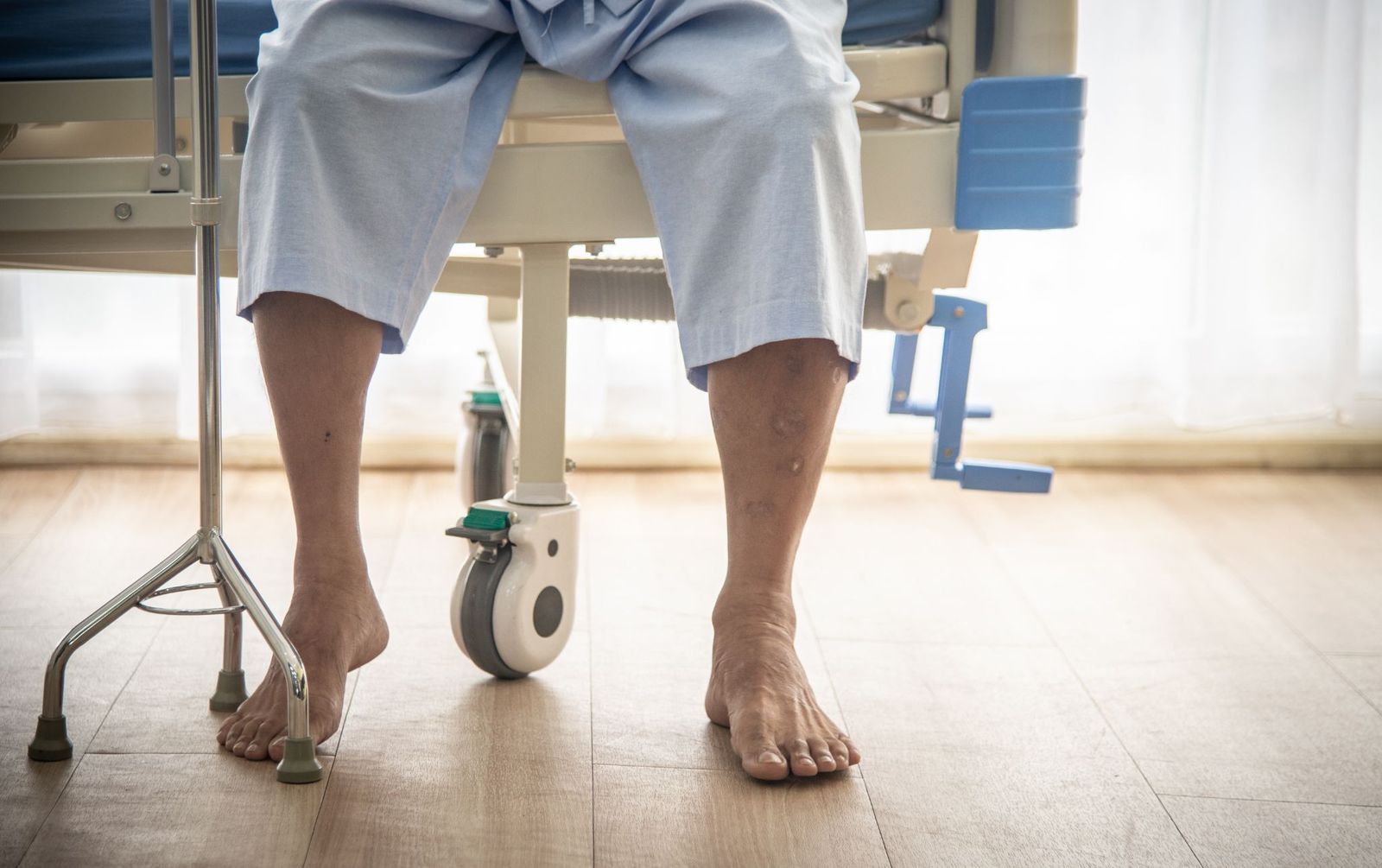
If you’ve ever spent a few days in the hospital, you’ve probably noticed that some patients are walking up and down the halls, while others need help just getting out of bed. When a nurse refers to someone as a "walkie-talkie," it’s actually good news.

This informal expression refers to patients who can walk on their own, use the bathroom without assistance, and handle most basic tasks independently. It’s not an official medical term, of course, but it’s commonly used among healthcare workers because it quickly tells the next shift that the patient requires less hands-on care than many others.

6

Total

Image: sebra

As nurses change shifts, you’ll often hear them give a quick report about each patient. One person may only need medication, while another is described as a "total."

The term is short for a patient who requires total care. They may need help eating, bathing, getting dressed, turning in bed, or moving from one place to another. Although the expression sounds impersonal, it’s simply a practical way for caregivers to communicate how much assistance someone needs.

7

Frequent flyer

Image: Studio Romantic

Most people hear "frequent flyer" and think of an airline reward program. And that’s correct, but in an emergency room, the phrase has a very different meaning.

A frequent flyer is an informal nickname for patients who repeatedly return to the hospital, often due to chronic illness, recurring medical conditions, or other ongoing health issues. Behind the light-hearted nickname is often a difficult reality. Many of these patients are simply dealing with medical problems that require regular emergency care, and the expression is just a way to make the experience a bit lighter among the familiar faces of doctors and nurses.

8

WOW

Image: Studio Romantic

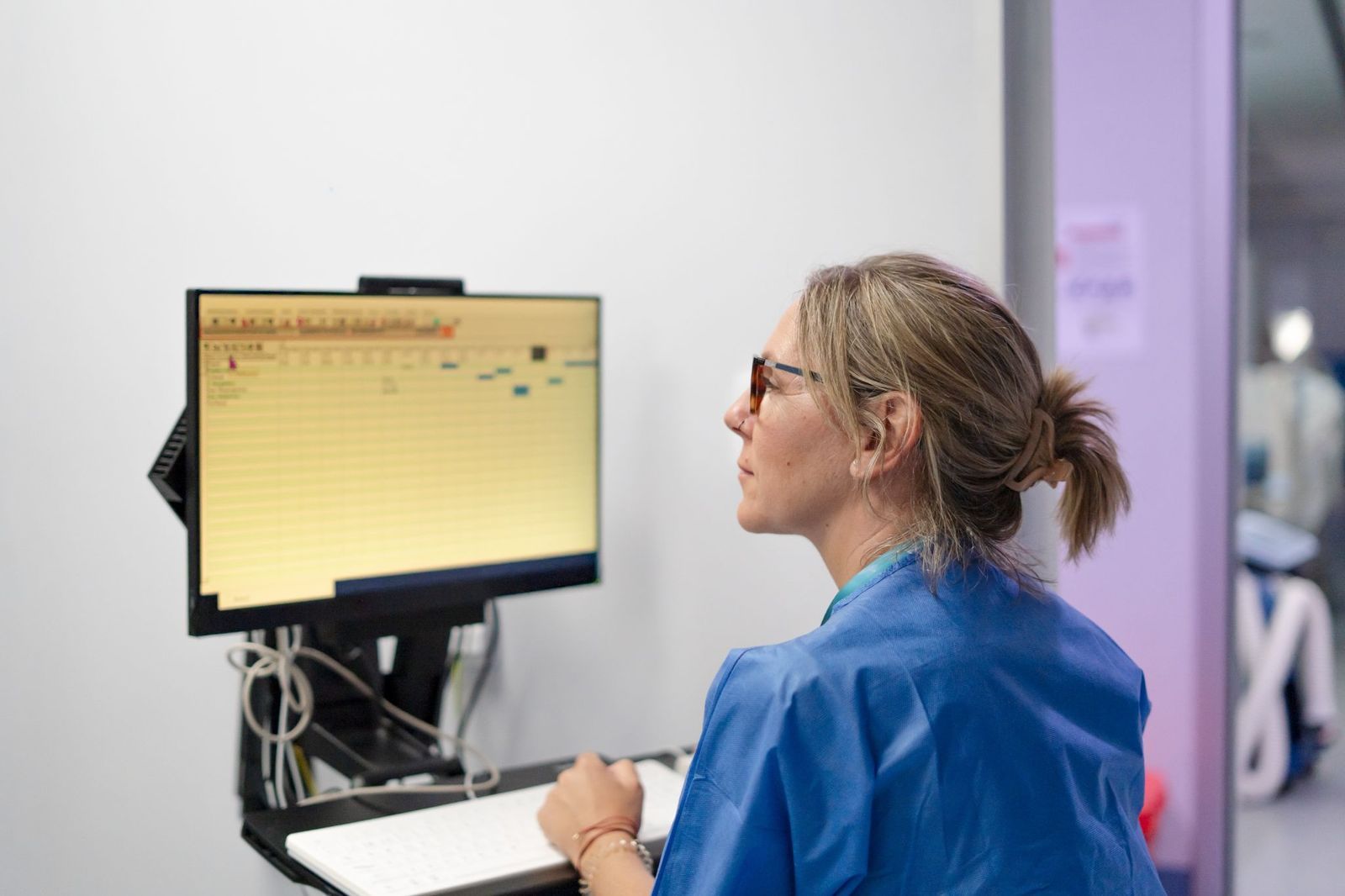
Not all codes are for patients. The next time you’re in a hospital, look closely at what the nurse is pushing from room to room. It may look like a small rolling desk with a computer on top. Staff often call it a "WOW," short for "workstation on wheels."

As hospitals switched from paper charts to electronic medical records, these mobile computers became essential. Nurses use them to review test results, scan medications, update patient charts, and check doctors’ orders without leaving the bedside. The name sounds funny, but the technology helps caregivers spend more time with patients instead of walking back and forth to a nursing station.

9

Sharp container

Image: NMK-Studio

After getting a shot or having blood drawn, most patients never think about where the used needle ends up. It certainly doesn't go into an ordinary trash can.

Hospitals place needles, scalpels, and other sharp medical instruments into special containers designed to prevent accidental injuries. These sturdy, puncture-resistant boxes are sealed when full and safely disposed of in accordance with strict health regulations. This not only protects nurses, but it also protects cleaning crews, waste handlers, and even the public from dangerous needle sticks. It’s one of the most important safety measures in every hospital, even though most patients never notice it.

10

B-52

Image: Photoroyalty

If you’ve ever watched a medical drama, you've probably seen a patient become so agitated that several staff members rush into the room. In situations like that, a doctor or nurse may ask for a "B-52." But the name has nothing to do with numbers themselves; it actually comes from a medicine.

B-52 is hospital slang for a fast-acting injection used to calm down patients who are severely combative or at risk of harming themselves or others. The nickname comes from a commonly used combination of medications that usually include diphenhydramine, haloperidol, and lorazepam. It’s strictly reserved for when other methods of calming the patient haven’t worked.

Looking for an extra scoop of literary fun?

Learn more with our Word of the day

tangential

/tænˈdʒɛn(t)ʃ(ə)l/