Stranger danger

What is the deadliest animal on the planet? The answer will shock you!


Published on May 30, 2025


Image: GEORGE DESIPRIS

When we think of the most dangerous species of the animal kingdom, the first things that come to mind are snakes, sharks, and crocodiles. While these animals are sometimes lethal to humans, others are even more so. Read on to discover 12 of the world's most terrifying animals. Some of them will probably shock you!

1

Hippos

Image: Chris Stenger

Hippos can be as adorable as they are dangerous. They love water and spend up to two-thirds of their day submerged in rivers and swamps in central and southern sub-Saharan Africa. But behind that gentle, easy-going image lies one of the most aggressive species —even more so than lions and rhinos— killing up to 500 people a year.

With long tusks, strong jaws, and a weight that can reach 5,000 lb, they do not hesitate to confront any species when it comes to guarding their territory. Although they may seem somewhat lazy, they are fast, strong, and territorial. So be respectful and do not disturb their habitat!

2

Snakes

Image: Peter Bartel

There are many dangerous snakes in the world, but the one you should be more cautious about is the Taipan. The inland Taipan, a species endemic to Australia and New Guinea, has the most lethal toxins, and its bite can kill a person in just 45 minutes. Fortunately, there is an antidote to counteract its venom!

This species and others as dangerous as the Black Mamba and the King Cobra are responsible for the death of no less than 80,000 to 130,000 people per year globally.

3

Sharks

Image: Gerald Schömbs

There are more than 350 species of sharks, but only three are responsible for the highest percentage of attacks on humans: the great white shark, the tiger shark, and the bull shark. Although sharks are dangerous, they are not the most lethal animal for humans. In the last century, there has been an average of only 6 fatal attacks per year, with Australia having the highest number of incidents.

As a matter of fact, despite their reputation as vicious predators in movies, they are often the victims. Sharks are heavily hunted for their skin, fins, meat, and even their organs.

4

Scorpions

Image: Andrey Tikhonovskiy

This predatory arachnid arthropod is another of the most dangerous animals for humans: it kills approximately 5,000 people per year worldwide. Scorpions can live in a variety of habitats, from deserts to urban areas, and it’s common to find them under rocks, in crevices, or in construction debris.

However, of the more than 1,000 venomous scorpion species, only about 25 can be deadly to humans. The most venomous scorpion is the thick-tailed scorpion, responsible for 90% of the deaths caused by scorpion attacks in Africa.

5

Bees

Image: Gary Yost

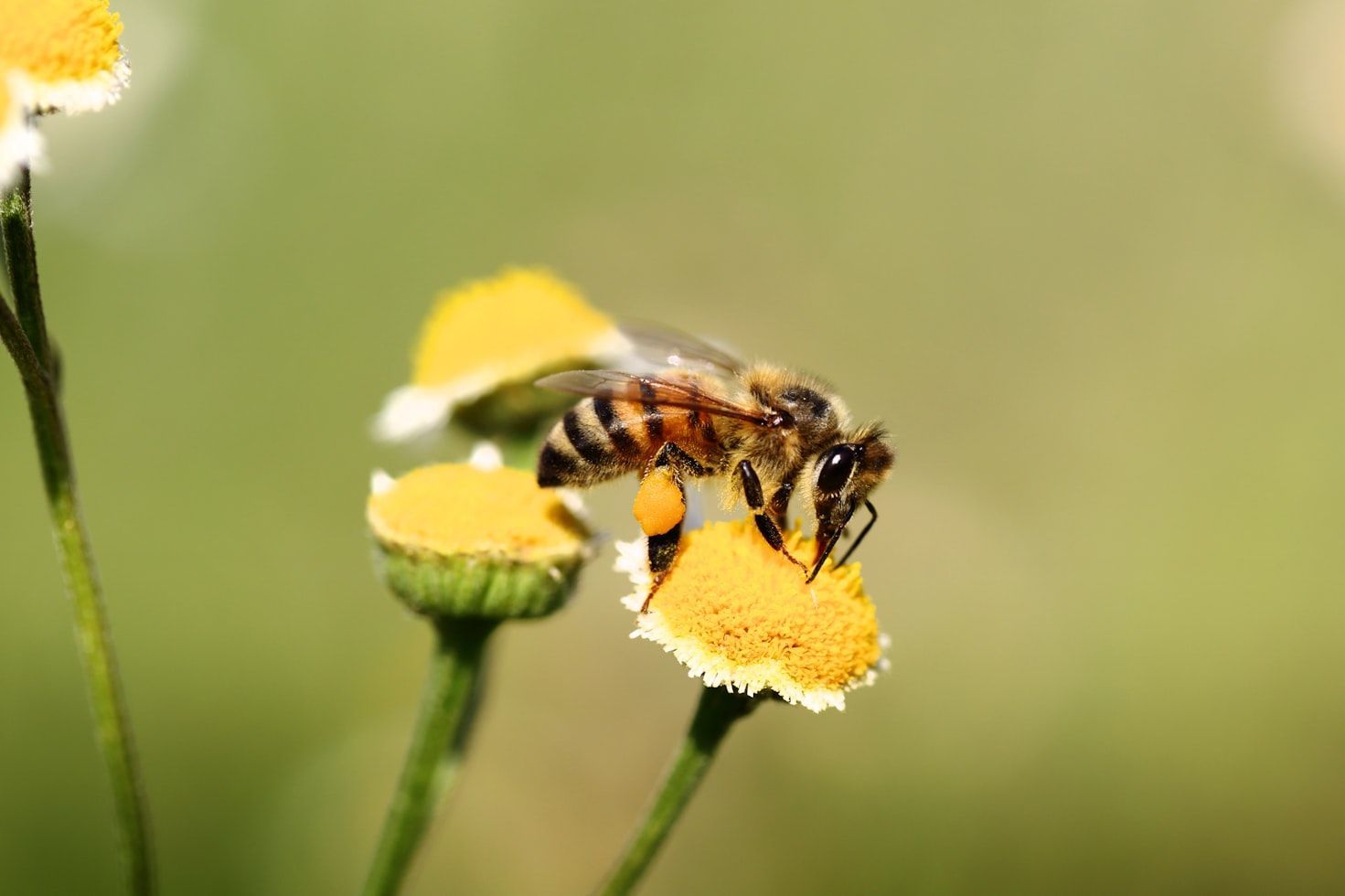
In general, bees aren’t violent, but they should be treated with the utmost respect and care since they tend to act in self-defense. When they sting, they can cause anything from a minor injury to acute poisoning if the attack occurs on a person allergic to their venom.

The Apis mellifera scutellata (Africanized honey bee) are among the most fearsome because they act in swarms: although they attack only if provoked, their defense mechanism is so aggressive that they do not stop until they catch and sometimes kill their prey. In the United States alone, between 50 and 100 people die each year as victims of bee attacks.

6

Lions

Image: Amar Yashlaha

Despite being carnivores and eating any animal they come across to satisfy their hunger, they kill far fewer people in the world than one might expect. In Tanzania, the birthplace of the African lion, about 22 humans die each year attacked by these animals and it is estimated that there are no more than 100 victims worldwide.

Not that lions are not to be feared: they attack in groups, are capable of running at a speed of 46.0 mph, and can digest 66 lb of meat in a single meal with their sharp teeth and particular claws. So, beware!

7

Jellyfish

Image: Mathieu CHIRICO

Although it’s not in their nature to attack their prey, jellyfish can be dangerous to humans. If you accidentally touch one while swimming, you will be stung and its tentacles will immediately release venom, in many cases even if the animal is dead.

Some species, such as the box jellyfish —found in Australia, the Philippines, and other tropical areas—, are the most lethal. They send out toxic stingers capable of stopping a person's heart in less than five minutes. Jellyfish stings affect hundreds of thousands of humans globally, and numbers indicate that up to 100 of those are fatal. Believe it or not, the smallest are the most poisonous!

8

Spiders

Image: Wyxina Tresse

Like most animals, spiders will attack only if they feel in danger. If they bite, many pose no threat to humans other than mild swelling or a rash. Others, however, carry deadly venom, such as the Brown Widow, the Red Widow, the Redback, and the Funnel-web spiders.

Fortunately, there are effective antidotes for almost all spider bites. Yet, at least 50 people die worldwide each year, 7 of them in the United States.

9

Crocodiles

Image: Jen Palmer

These ancient animals are the largest reptiles in the world —they can be up to 20 feet long and weigh over 2,200 lbs. Their powerful jaws and high-action speed make them terrifying to their prey, including humans.

The most dangerous are the saltwater species, abundant in swampy areas of Southeast Asia, northern Australia, and Africa. Saltwater crocodiles are responsible for at least 1,000 deaths annually, the highest number of victims for a large animal.

10

Ants

Image: Yanuka Deneth

Did you know that there is a species of ant that releases a poison even more powerful than arsenic or cyanide? The bulldog ant, considered the most dangerous ant in the world, is solitary and aggressive. It lives in parts of Australia, and if it feels threatened, it can cling to its prey with its jaws and sting simultaneously, killing an adult in just 15 minutes.

Another ant to watch out for is the Siafu ant, also known as the army ant. Known for having larger mandibles than most insects of its size, it is found in West Africa and the Congo. This species of ant attacks in groups and can devour an animal a thousand times bigger than their size.

11

Dogs

Image: Devon Janse van Rensburg

Although it may sound strange, man's best friend is the third-deadliest animal to humans. While deaths from dog attacks are uncommon, a bite from these animals can transmit a lethal disease.

According to the World Health Organization (WHO), 59,000 people die each year worldwide from rabies —95% of them in Asia and Africa— a virus transmitted by the saliva of unvaccinated dogs.

12

Mosquitoes

Image: National Institute of Allergy and Infectious Diseases

When you think of the most lethal animal to humans, what comes to mind? Perhaps a shark or any of the venomous creatures listed in this article, such as snakes and scorpions. Well, you’d be wrong. According to the U.S. Centers for Disease Control and Prevention (CDC), the animal that threatens human life the most is none other than the mosquito.

Yes, this slender, long-legged little insect, whose buzzing sound is one of the most annoying sounds in the world, is the deadliest animal on the planet. Why? Because mosquitoes are vectors of many dangerous diseases, such as malaria and dengue fever. According to the WHO, mosquito-borne diseases cause some 700,000 deaths a year.



Hospital secrets

What is a "Code Gray" and what you should know if you hear it at the E.R.


Published on May 30, 2025


Image: voronaman

A trip to the emergency room can be stressful enough without hearing doctors and nurses speak a language that sounds like a secret code. One minute, someone is asking for medication "STAT," the next there’s a "Code Gray," and another patient is suddenly "NPO." What do those words really mean? Some are official medical terms, others are insider slang, but they all help hospital staff communicate quickly when every second counts. Here are 10 of those codes explained.

1

Code Gray

Image: PeopleImages

The E.R. can be hectic and unpredictable. Most patients are frightened or uncomfortable, but now and then someone becomes aggressive because of pain, confusion, mental illness, or the effects of alcohol or other substances. That’s when you can hear "Code Gray" announced over the speakers.

The code is used to summon security officers to help manage a violent or combative situation. While color codes vary from one hospital to another, Code Gray commonly signals that staff needs extra assistance to protect patients, visitors, and healthcare workers. Even if you know it now, most people in the waiting room never know what happened, and that’s exactly the point.

2

NPO

Image: PeopleImages

You have a scheduled surgery, you’re in your bed waiting to be taken to the surgery room, and you ask for a cup of coffee to make the wait lighter. The nurse will probably tell you you’re an NPO. You may think it’s serious, but it’s simply a procedure.

"NPO" is an abbreviation that comes from the Latin phrase Nil Per Os, which means "nothing by mouth." It tells patients they cannot eat, drink, or sometimes even take medication until doctors say it’s safe. The rule is most common before surgery or certain medical tests, when food or liquids could increase the risk of complications or alter the results. It may be frustrating, but it’s an important part of keeping patients safe.

3

STAT!

Image: PeopleImages

You’ve probably been through the experience of visiting an emergency room, either to get checked or to visit a loved one. In that part of the hospital where everyone is rushing to save lives, you’ve probably heard a doctor asking for the R.C.P. cart or medication "STAT!" It sounds urgent, and that's because it is.

The expression comes from the Latin statim, which means "immediately" or "without delay." Hospitals have used Latin medical terms for centuries, but STAT is one of the few that remains part of everyday conversation. When a doctor says it, the request jumps to the top of the priority list. It doesn’t always refer to a life-or-death situation, but it does mean the medical team needs something done as quickly as possible.

4

Code Pink

Image: Vladimir Tretyakov

Newborns are always a reason to celebrate at the hospital. Parents usually rest happily next to their child as they receive congratulations from close relatives. However, the hospital is always prepared to handle extremely rare emergencies under "code pink."

If you hear a "Code Pink," it usually means a baby or young child is suspected of being abducted from the hospital. Within seconds, security officers respond, exits may be monitored or blocked, and staff begins following carefully rehearsed procedures. Although different hospitals sometimes use different color codes, Code Pink has become widely recognized across North America as one of the most serious alerts a hospital can issue.

5

Walkie-talkie

Image: Arunporn Thanapotivirat

If you’ve ever spent a few days in the hospital, you’ve probably noticed that some patients are walking up and down the halls, while others need help just getting out of bed. When a nurse refers to someone as a "walkie-talkie," it’s actually good news.

This informal expression refers to patients who can walk on their own, use the bathroom without assistance, and handle most basic tasks independently. It’s not an official medical term, of course, but it’s commonly used among healthcare workers because it quickly tells the next shift that the patient requires less hands-on care than many others.

6

Total

Image: sebra

As nurses change shifts, you’ll often hear them give a quick report about each patient. One person may only need medication, while another is described as a "total."

The term is short for a patient who requires total care. They may need help eating, bathing, getting dressed, turning in bed, or moving from one place to another. Although the expression sounds impersonal, it’s simply a practical way for caregivers to communicate how much assistance someone needs.

7

Frequent flyer

Image: Studio Romantic

Most people hear "frequent flyer" and think of an airline reward program. And that’s correct, but in an emergency room, the phrase has a very different meaning.

A frequent flyer is an informal nickname for patients who repeatedly return to the hospital, often due to chronic illness, recurring medical conditions, or other ongoing health issues. Behind the light-hearted nickname is often a difficult reality. Many of these patients are simply dealing with medical problems that require regular emergency care, and the expression is just a way to make the experience a bit lighter among the familiar faces of doctors and nurses.

8

WOW

Image: Studio Romantic

Not all codes are for patients. The next time you’re in a hospital, look closely at what the nurse is pushing from room to room. It may look like a small rolling desk with a computer on top. Staff often call it a "WOW," short for "workstation on wheels."

As hospitals switched from paper charts to electronic medical records, these mobile computers became essential. Nurses use them to review test results, scan medications, update patient charts, and check doctors’ orders without leaving the bedside. The name sounds funny, but the technology helps caregivers spend more time with patients instead of walking back and forth to a nursing station.

9

Sharp container

Image: NMK-Studio

After getting a shot or having blood drawn, most patients never think about where the used needle ends up. It certainly doesn't go into an ordinary trash can.

Hospitals place needles, scalpels, and other sharp medical instruments into special containers designed to prevent accidental injuries. These sturdy, puncture-resistant boxes are sealed when full and safely disposed of in accordance with strict health regulations. This not only protects nurses, but it also protects cleaning crews, waste handlers, and even the public from dangerous needle sticks. It’s one of the most important safety measures in every hospital, even though most patients never notice it.

10

B-52

Image: Photoroyalty

If you’ve ever watched a medical drama, you've probably seen a patient become so agitated that several staff members rush into the room. In situations like that, a doctor or nurse may ask for a "B-52." But the name has nothing to do with numbers themselves; it actually comes from a medicine.

B-52 is hospital slang for a fast-acting injection used to calm down patients who are severely combative or at risk of harming themselves or others. The nickname comes from a commonly used combination of medications that usually include diphenhydramine, haloperidol, and lorazepam. It’s strictly reserved for when other methods of calming the patient haven’t worked.

Looking for an extra scoop of literary fun?

Learn more with our Word of the day

robust

/roʊˈbəst/