"How dare you?": 10 iconic speeches that made history


Published on June 26, 2026
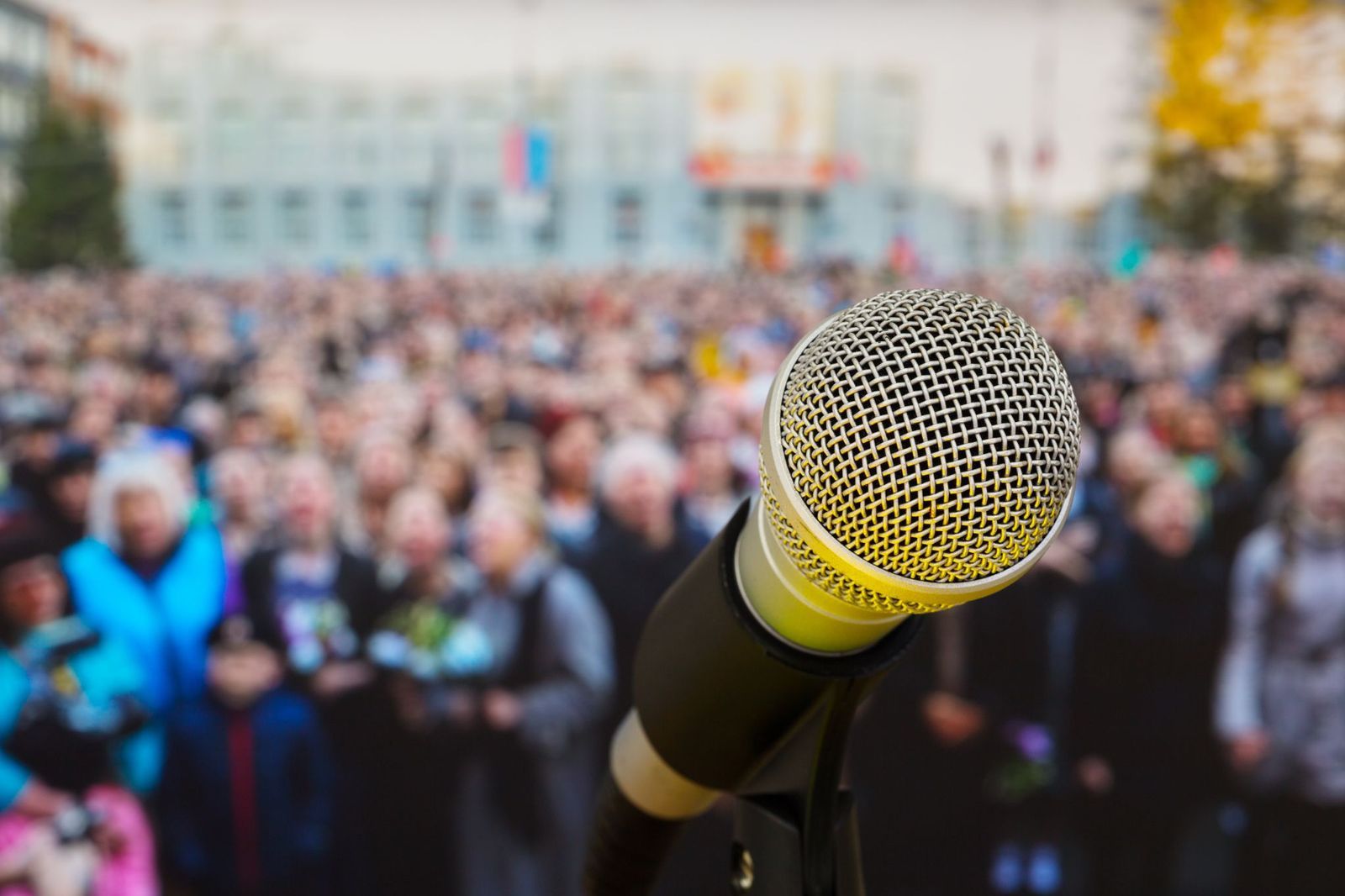

Image: Godlikeart

History has been made through iconic speeches that changed the world: From ‘I Have a Dream ’, ‘Are Women Persons?’ to ‘The Only Thing We Have to Fear Is Fear Itself ’, tectonic shifts have occurred after these words were spoken. All written and delivered by masters of ideas and expression, discover the ultimate 10 manifestos that modified how people felt, thought, and acted.

1

I Have a Dream - Dr Martin Luther King
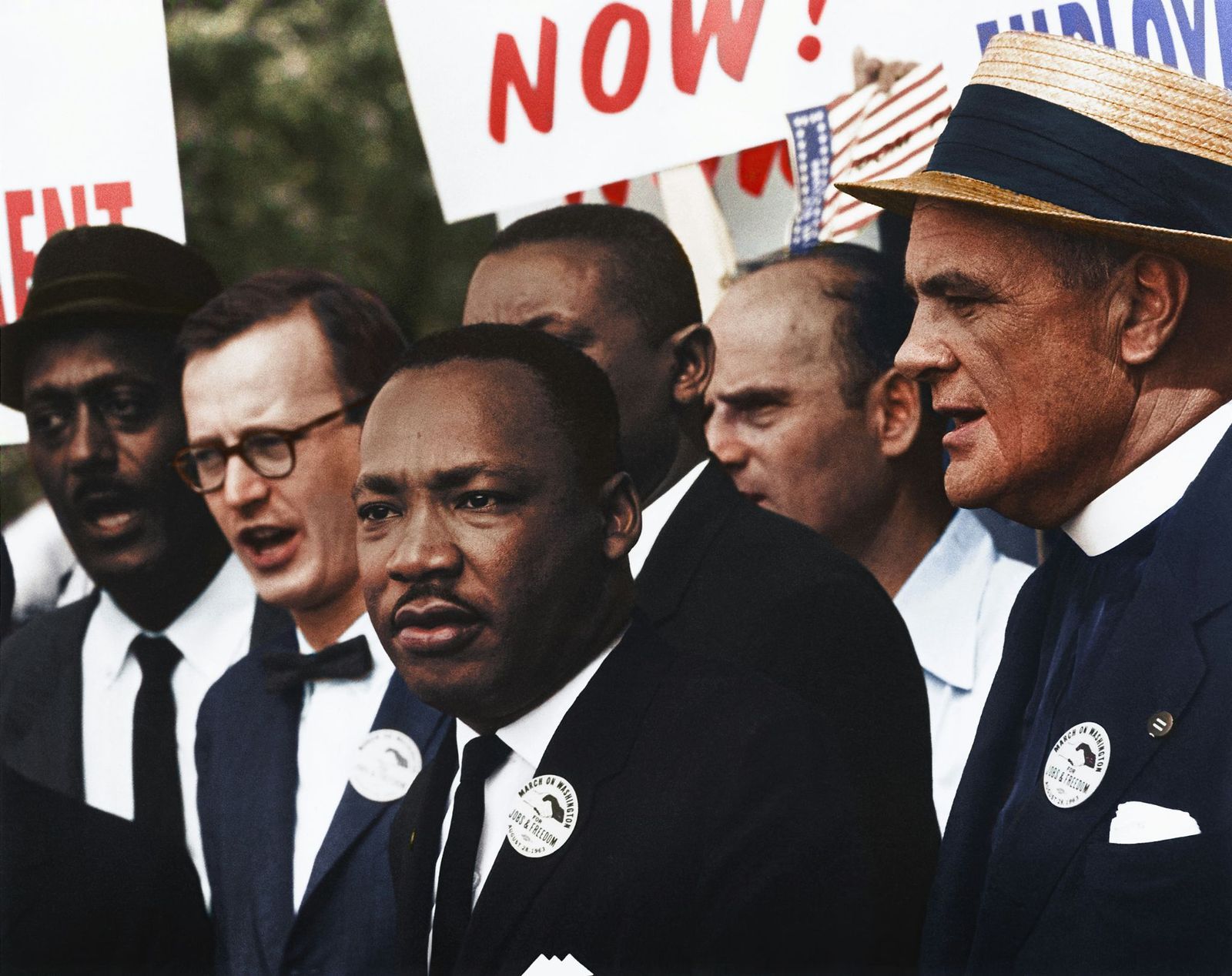
Image: Unseen Histories

On the 28th of August 1963, at the Lincoln Memorial in Washington, D.C., Dr Martin Luther King delivered his famous speech I Have a Dream, which was one of the most defining moments in history. This incredible speech was the climax of the March on Washington for Jobs and Freedom, which drew over 250,000 supporters to the city. Through his words, King galvanized the American Civil Rights movement, calling for racial equality and an end to legalized discrimination.

Through the reiteration of the title phrase, he managed to express hope powerfully, stating his wishes for the nation as a whole, in a relatable and inspiring way for all: "I have a dream that my four little children will one day live in a nation where they will not be judged by the color of their skin but by the content of their character".

2

We Shall Fight on the Beaches - Winston Churchill
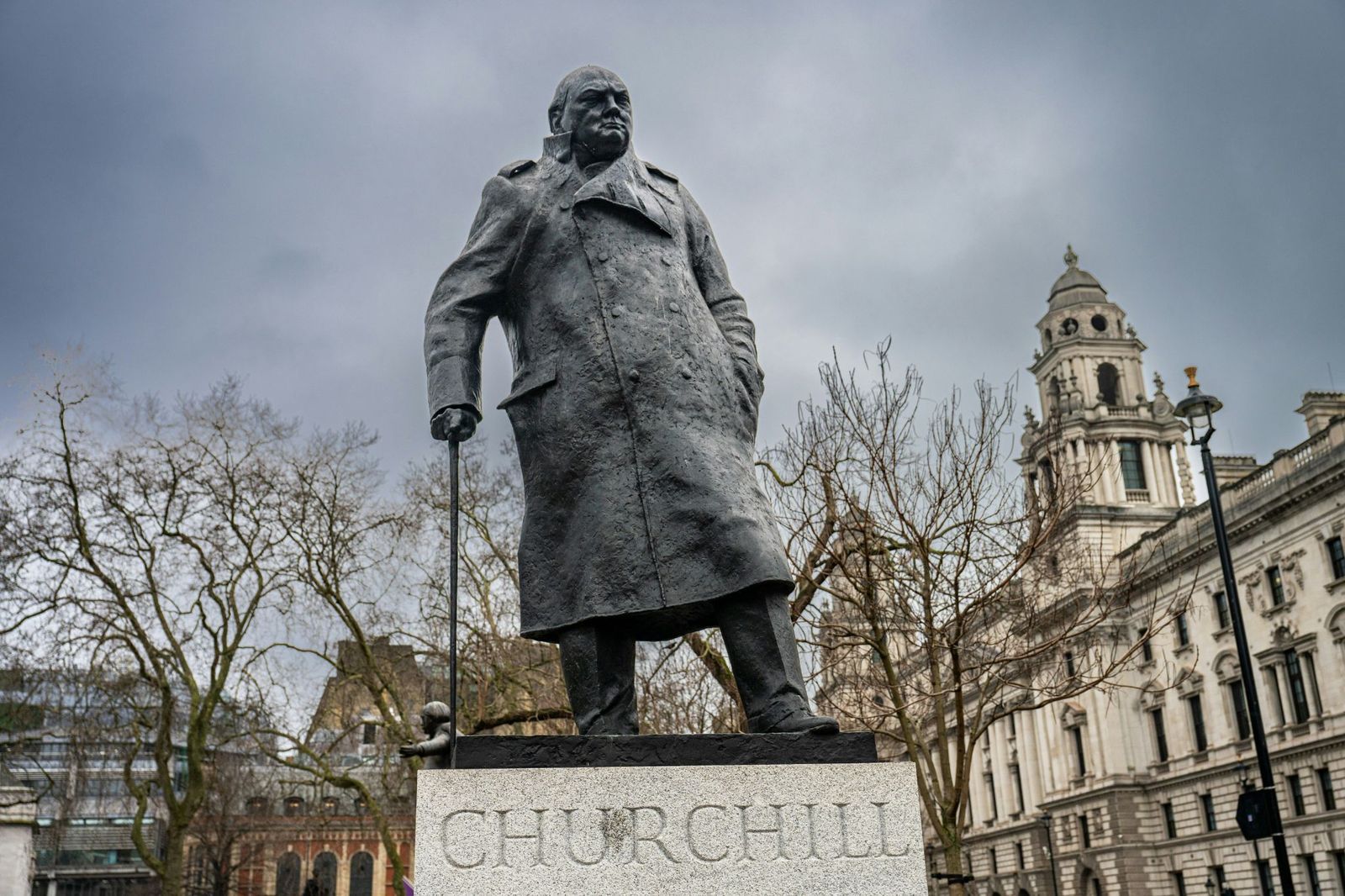
Image: Toby Dagenhart

This iconic speech was delivered by Winston Churchill on June 4th, 1940, in the House of Commons, while he was Prime Minister of the United Kingdom. It was the second of a three-speech series given by Churchill around the time of the Battle of France, where tough things had to be said, without losing all hope.

The objective of this delivery was quite complex: to warn the British public of a possible invasion attempt by the Nazi regime, without casting doubt about their eventual victory: "...we shall prove ourselves once again able to defend our island home, to ride out the storm of war, and to outlive the menace of tyranny, if necessary for years, if necessary alone".

3

Ask Not What Your Country Can Do for You - John F. Kennedy
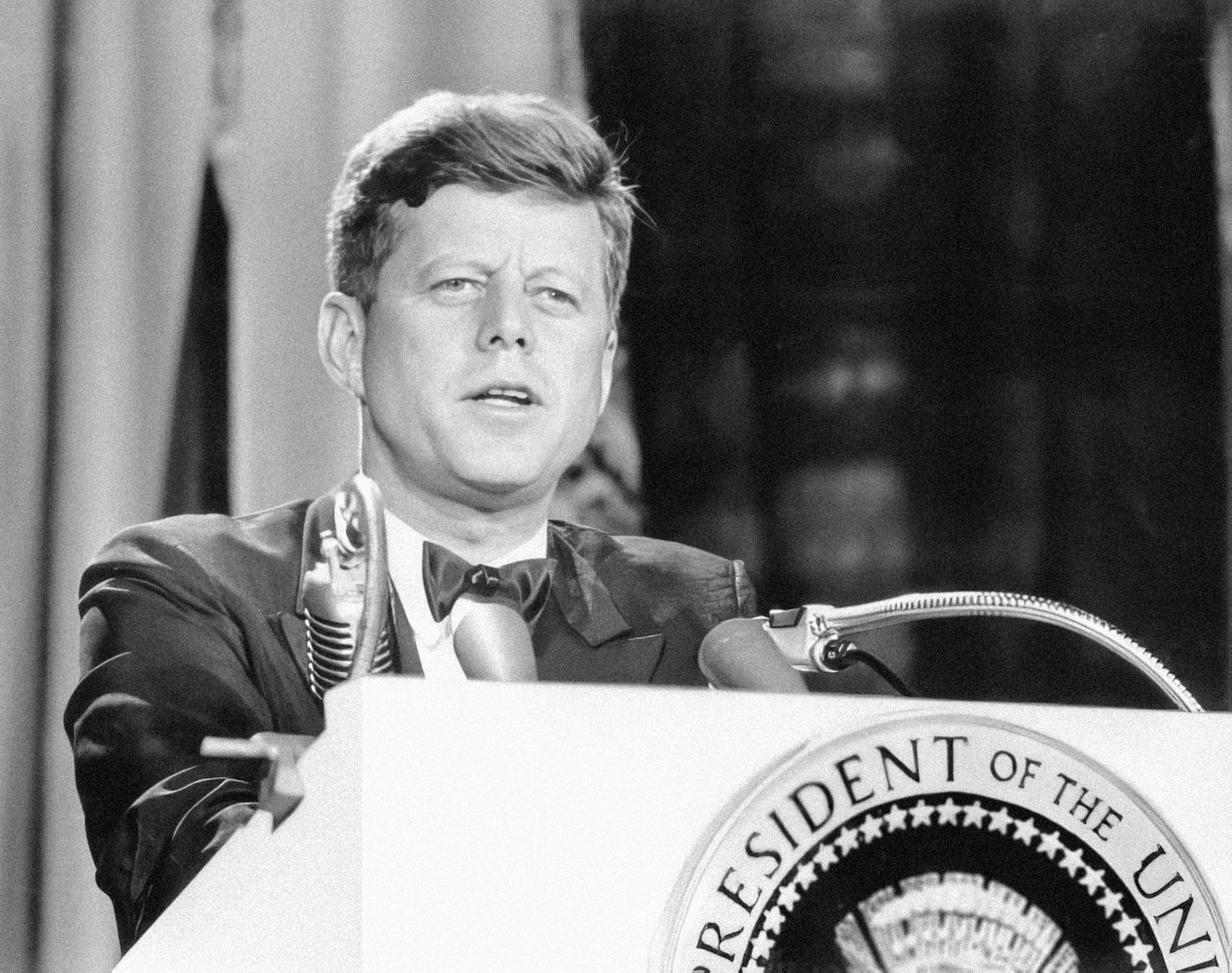
Image: Florida Memory

During John F. Kennedy's Inaugural Address on January 20th, 1961, he had a climactic moment which has been remembered throughout history: "Ask not what your country can do for you—ask what you can do for your country."

His goal was for it to be a call to civic action, urging ordinary citizens to prioritize public service, community sacrifice, and the greater good over individual self-interest.

4

An Ideal for Which I Am Prepared to Die - Nelson Mandela
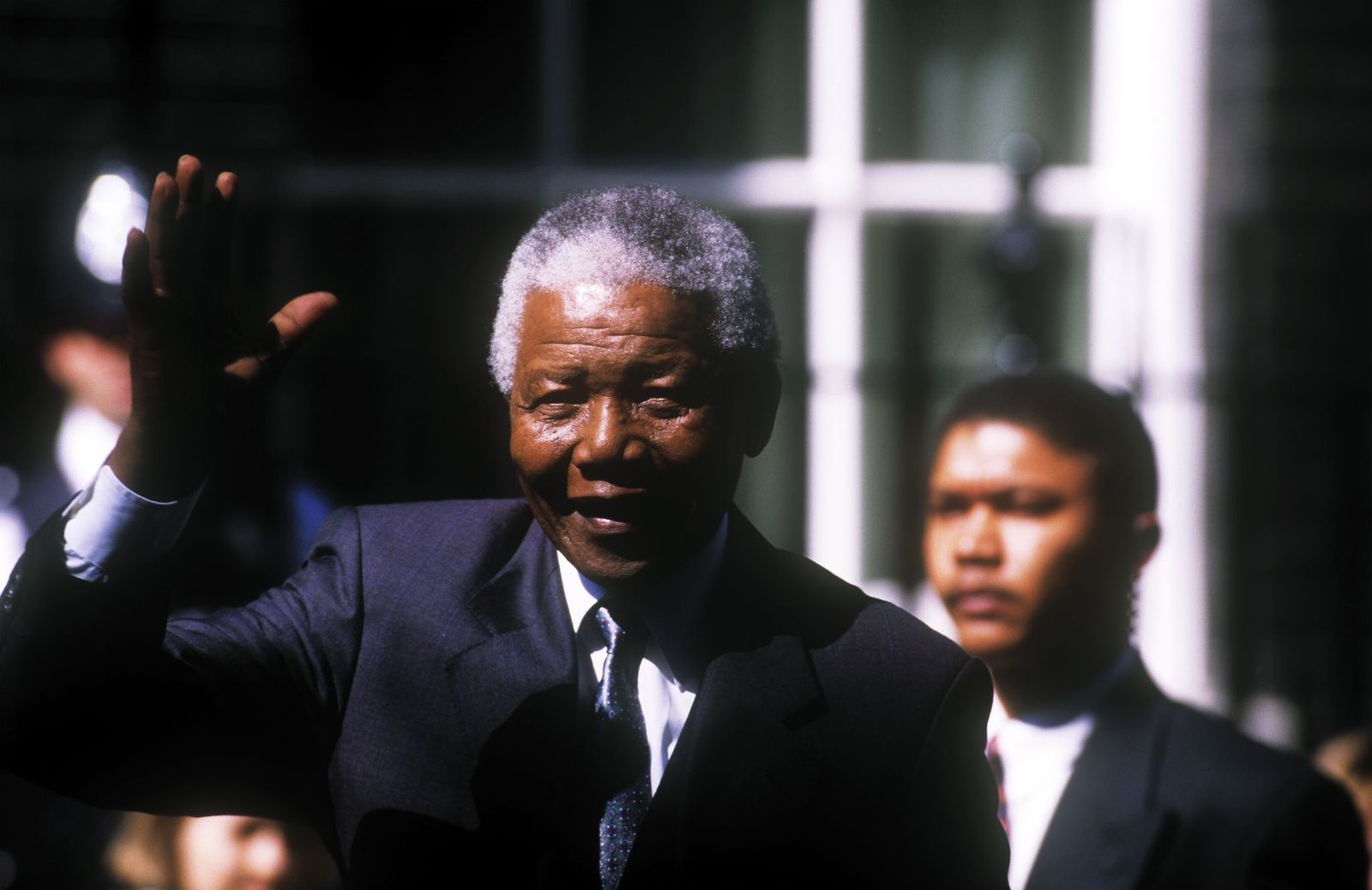
Image: Sean Aidan Calderbank

It was on April 20th, 1964, when the future leader of South Africa, Nelson Mandela, the eldest son of a Xhosa-speaking Tembu chief, had a difficult time ahead of him: He faced the death penalty for alleged sabotage and treason against the white-minority-ruled state and its segregationist policies during what was known as the Apartheid regime.

Mandela, also known as Madiba, used the trial in Pretoria to outline the ideals of the African National Congress (ANC). His closing statement, which became a defining document for the global struggle for human rights, shocked the courtroom: "I have cherished the ideal of a democratic and free society in which all persons will live together in harmony and with equal opportunities. It is an ideal for which I hope to live for and to see realised. But, my Lord, if it needs be, it is an ideal for which I am prepared to die."

5

How Dare You? - Greta Thunberg

Image: Pascal Bernardon

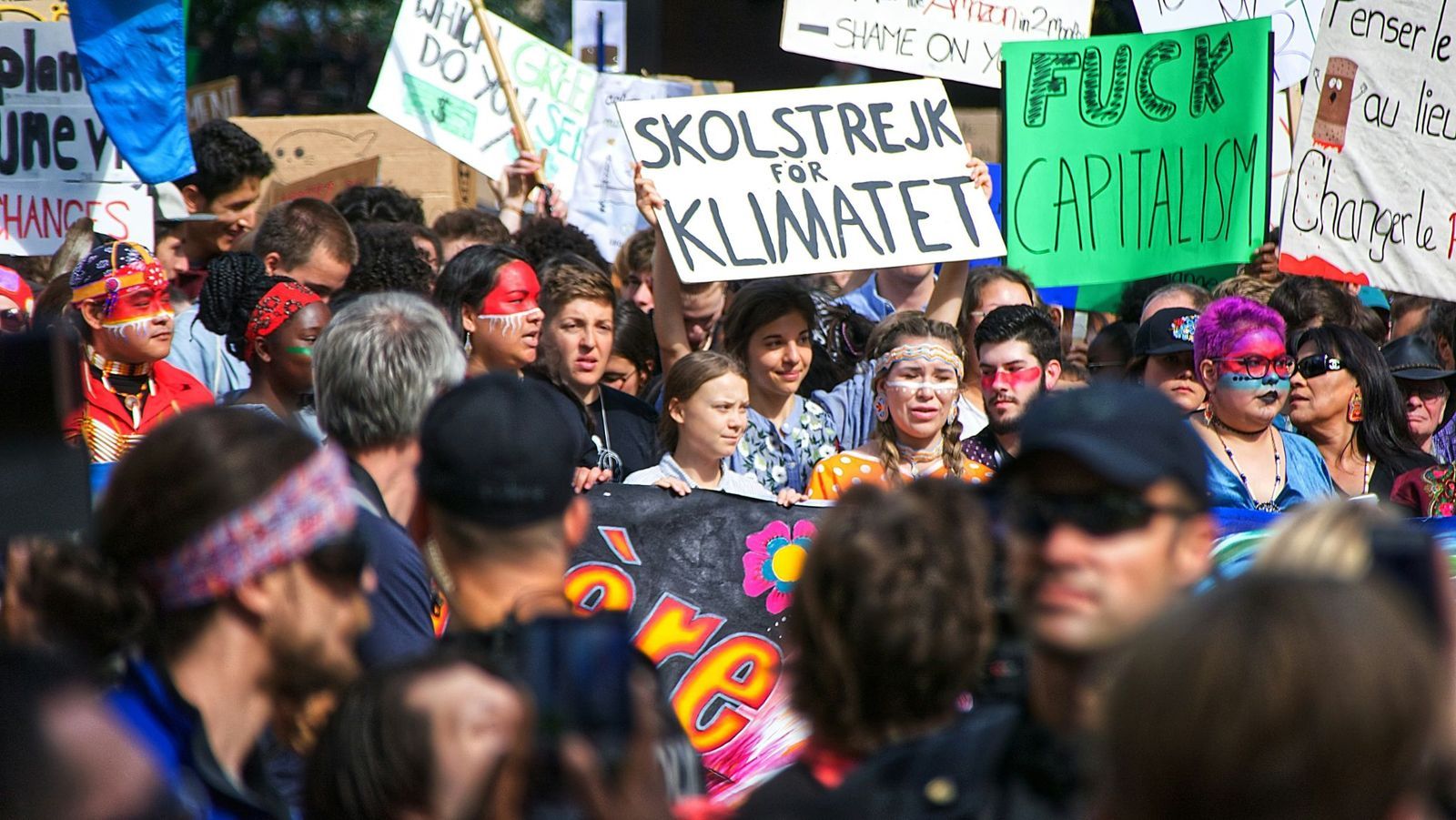
On the 23rd of September of 2019, during the United Nations Climate Action Summit in New York, Greta Thunberg delivered a speech titled: "How Dare You?" Just like Malala Yousafzai, she was 16 years old at the time, but she confronted world leaders on their inaction on climate change in a way that had rarely been seen before.

She demanded urgent measures to be taken to save the planet, urged them to stop ignoring scientific warnings, and accused those present of stealing her generation's future with empty promises: "We are at the beginning of a mass extinction, and all you can talk about is money and fairy tales of eternal economic growth. How dare you!"

6

The Only Thing We Have to Fear Is Fear Itself - Franklin D. Roosevelt
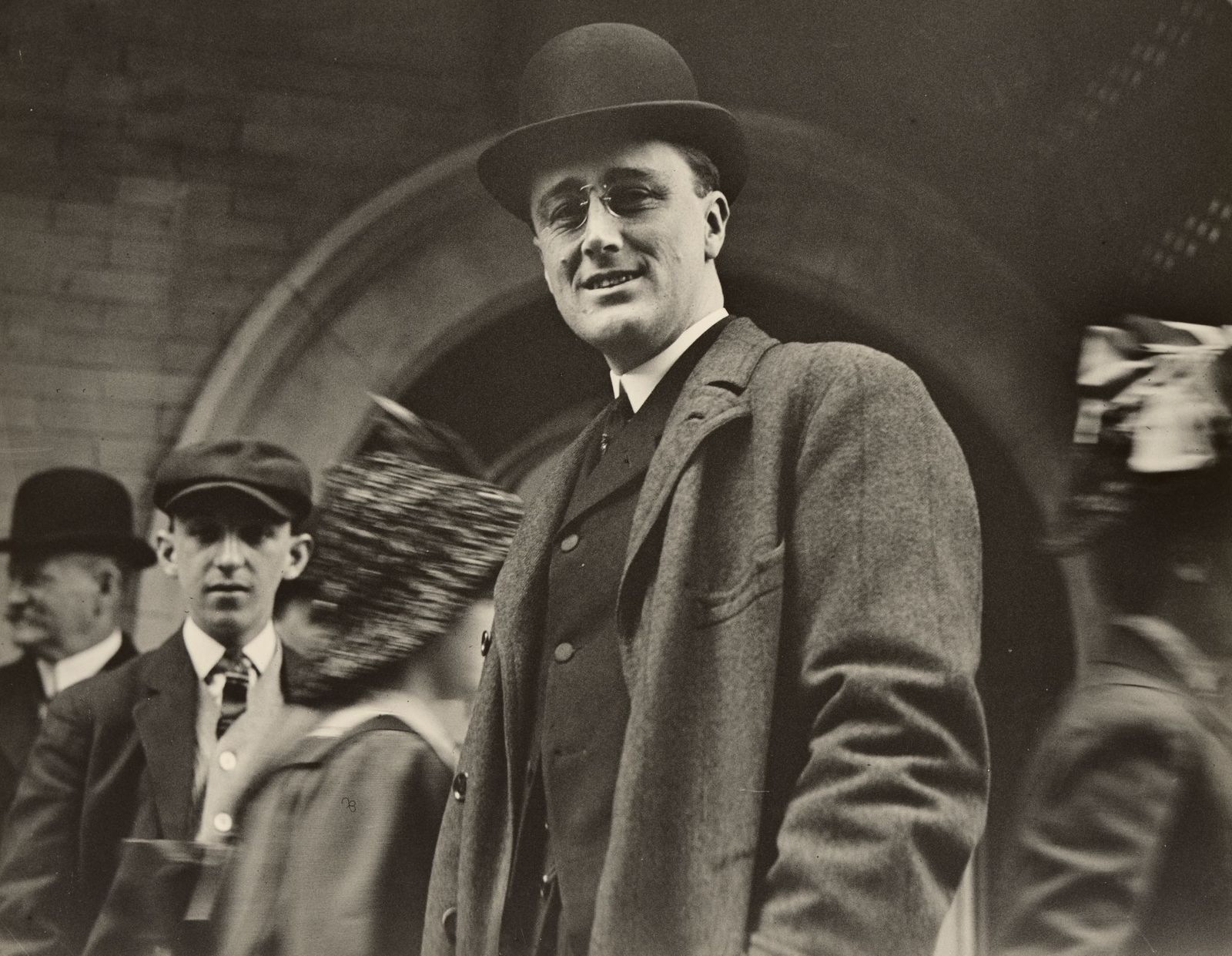
Image: Rawpixel.com

During his First Inaugural Address on March 4th, 1933, Franklin D. Roosevelt delivered this pivotal speech while facing the depths of the Great Depression. His intention was to assure the American public that, instead of the economic crisis itself, despair, inaction, and hopelessness were their biggest enemies.

The full historic passage reads: "So, first of all, let me assert my firm belief that the only thing we have to fear is fear itself—nameless, unreasoning, unjustified terror which paralyzes needed efforts to convert retreat into advance."

7

One Book and One Pen Can Change the World - Malala Yousafzai

Image: DFree

On her 16th birthday, on July 12th, 2013, Malala Yousafzai, the Nobel Peace Prize laureate, delivered her historic speech at the United Nations Assembly in New York to urge leaders around the globe to provide free and compulsory education for every child.

Incredibly, this took place just nine months after Malala survived an assassination attempt on her life by the Taliban for advocating for girls' education. In her address, she declared that the extremists were "afraid of books and pens" and that the power of education frightened them.

8

Are Women Persons?- Susan B. Anthony

Image: Tamer A Soliman

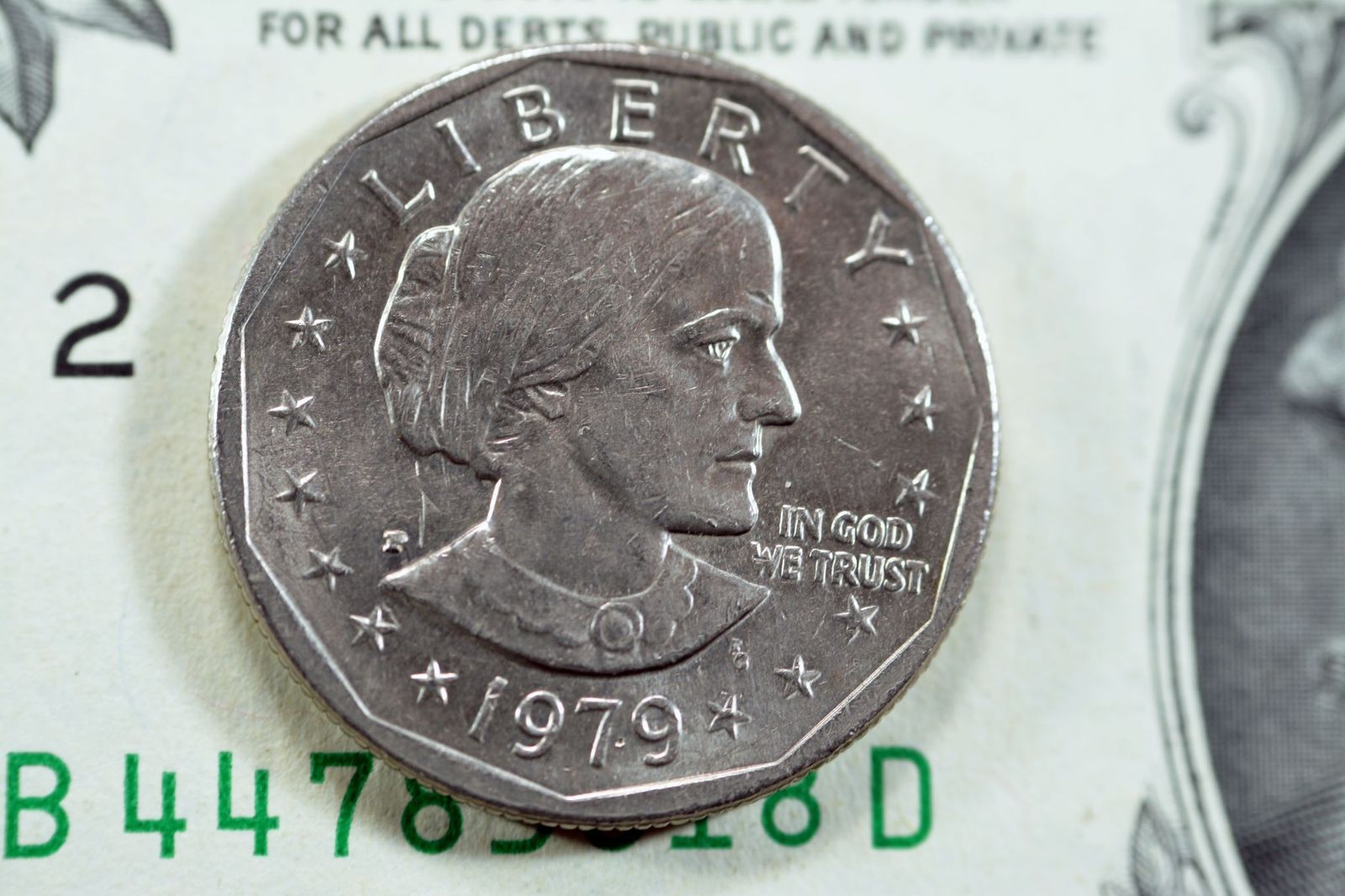
Following her arrest for illegally voting in the 1872 presidential election, Susan B. Anthony posed a powerful question in her groundbreaking speech of 1873: "Is it a crime for a United States citizen to vote?", where she passionately argued that the United States Constitution guaranteed women’s rights. Anthony famously stated, "The only question left to be settled now is: Are women persons? And I hardly believe any of our opponents will have the hardihood to say they are not."

Since women are persons, she argued they are inherently citizens, pointing out that the Preamble of the Constitution begins with "We, the people," and does not say "white male citizens," or "male citizens," concluding that any state law denying women the right to vote was unconstitutional, null, and void.

9

We Are Not Only Scientists; We Are Men Too - J. Robert Oppenheimer
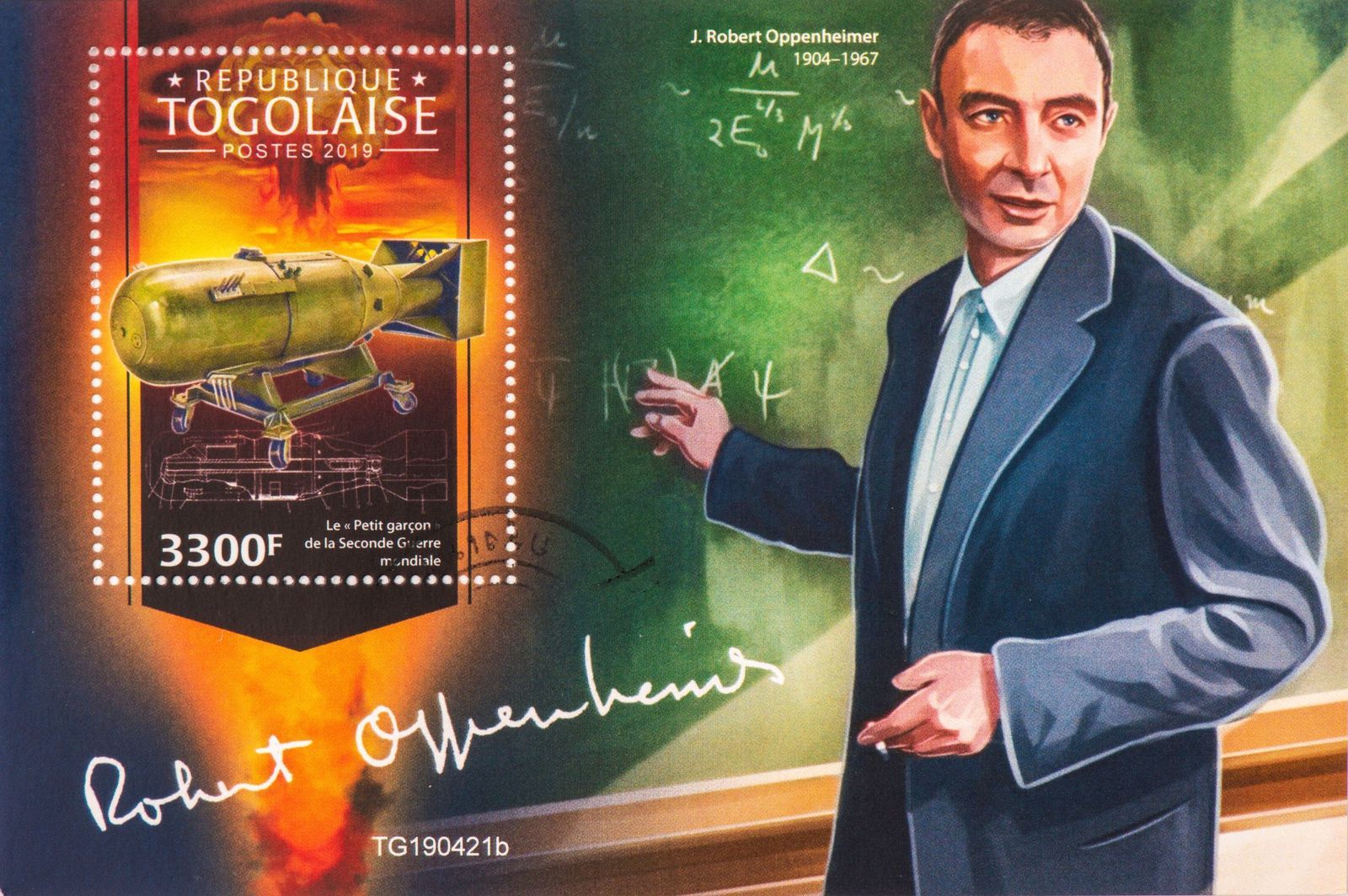
Image: Prachaya Roekdeethaweesab

In the Farewell Address given by J. Robert Oppenheimer to the Association of Los Alamos Scientists on November 2, 1945, he argued that scientific progress cannot be divorced from humanity, and that moral responsibility must guide the pursuit of knowledge.

"But there is another thing: we are not only scientists; we are men, too. We cannot forget our dependence on our fellow men. I mean not only our material dependence, without which no science would be possible, and without which we could not work; I mean also our deep moral dependence, in that the value of science must lie in the world of men, that all our roots lie there."

10

Freedom or Death - Emmeline Pankhurst

Image: Debu55y

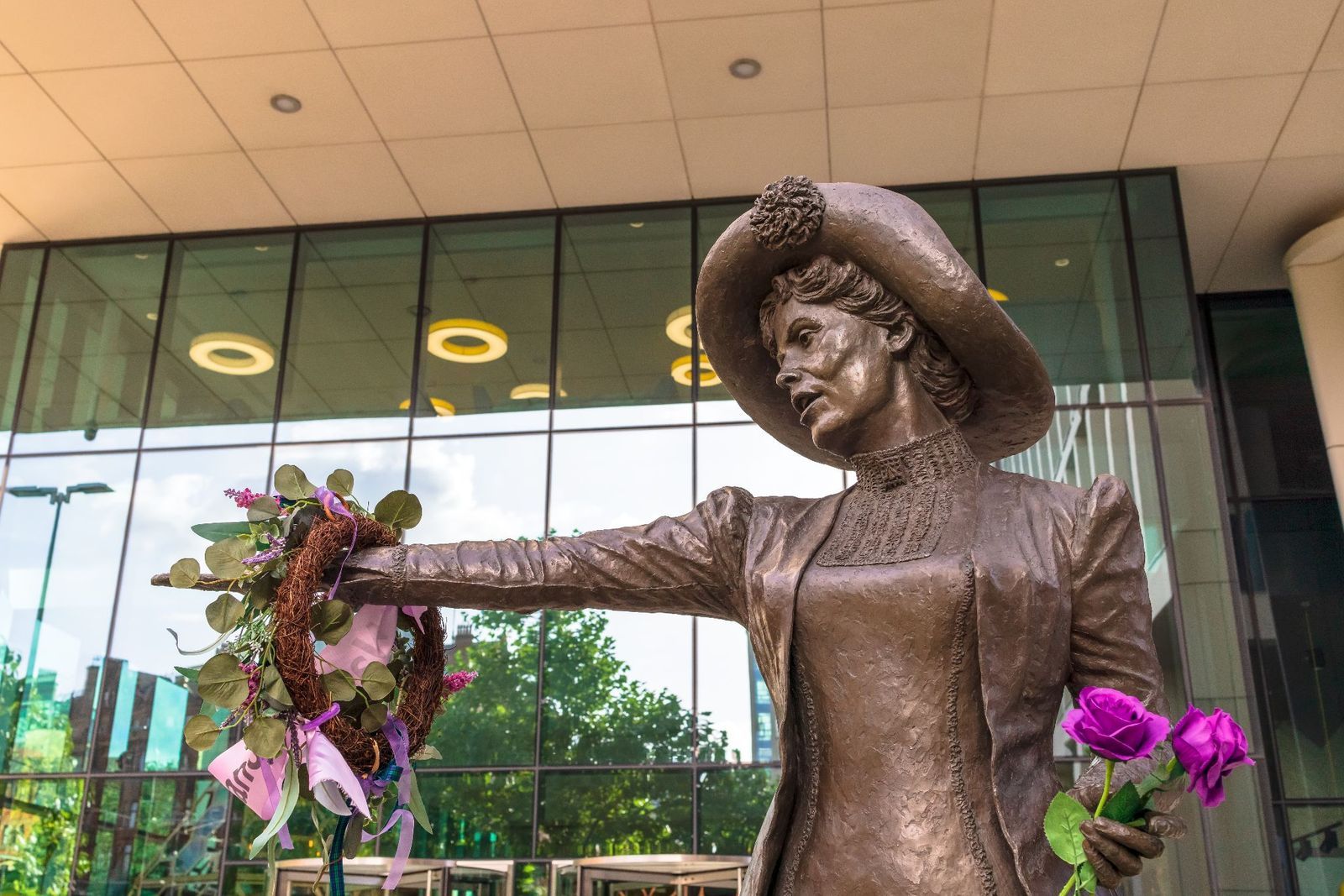
The British suffragette Emmeline Pankhurst delivered her famous speech "Freedom or Death" on November 13, 1913, in Hartford, Connecticut, a speech that was a defining moment in the women's suffrage movement.

In the opening, she famously declared: "I am here as a soldier who has temporarily left the field of battle to explain—it seems strange that I should have to explain it—what civil war is like when women wage it."
Decoding

Being a "treasured guest" is not a compliment. This is the hidden meaning


Published on June 26, 2026


Image: Hitesh Choudhary

Have you ever heard "Code Adam" while shopping for groceries at Walmart? Or maybe you’ve heard how "Dr. Firestone" was being paged during a routine hospital visit. They sound like harmless announcements. But behind these ordinary words are secret codes staff use to signal emergencies without causing panic. From hospitals and supermarkets to airports and Disney Parks, these phrases quietly warn employees that something is happening. You hope you never hear them, but if you do, it helps to know exactly what they mean.

1

Treasured guest

Image: Helena Lopes

We all love getting special attention at airports or hotel desks, but if you hear the clerk call you a "treasured guest," don’t feel so flattered. You may not be as VIP as one could think.

In the hospitality industry, "treasured guest" has become a humorous bit of industry folklore to describe someone causing trouble. Maybe a customer yelling at staff over expired coupons, demanding impossible accommodations, or throwing a full-blown tantrum at the front desk. Whatever it is, the phrase has become the staff’s secret way to warn co-workers without escalating the situation in front of the customers. Most guests don’t realize the meaning, but once you know it, you may start hearing it more often. We just hope it’s not about you.

2

Code Adam

Image: Karsten Winegeart

Imagine you’re pushing a shopping cart through Walmart when suddenly the overhead speaker announces, "Code Adam." You can easily assume it’s some kind of employee meeting or cleanup request. But when you see them start locking the exits and moving around, you know something’s wrong.

This code was created in 1994 by Walmart in collaboration with the National Center for Missing & Exploited Children (NCMEC), in memory of the tragic case of 6-year-old Adam Walsh. Adam was abducted from a Sears department store in 1981 while shopping with his mother. His father, John Walsh, later became famous for hosting the TV program America’s Most Wanted and advocating for missing children. Even if Adam’s story ended in tragedy, Walmart created the emergency system in Adam’s memory, and other retailers soon adopted it nationwide, intending to have a quick response to missing or abducted children.

3

Code Blue

Image: Günter Valda

You’re sitting in a hospital waiting room during a routine check-up when you suddenly hear "Code Blue, Room 214." Most people immediately know it sounds serious, even if they are not entirely sure why.

The phrase "Code Blue" is used at hospitals to draw the necessary staff and equipment to perform a resuscitation. It was created in the early 1960s at Beathany Medical Center by Dr. Hughes Day. Before then, hospital resuscitations were often chaotic and poorly coordinated. In 1961, Dr. Day received a grant to build one of America’s first cardiac care centers, and he developed both the Code Blue alert system and the modern crash cart to improve survival rates during cardiac emergencies. Today, the system is used in hospitals across the country, sometimes with specialized versions like "Code Blue Pediatric" or "Code Blue Neonate."

4

Dr. Firestone

Image: Cdn Pages

Imagine visiting a loved one in the hospital when the intercom calmly announces, "Paging Dr. Firectone to the third floor." Your head surely goes, "Dr. Firestone’s probably having a busy day up there." He is, but it’s not what you think.

The phrase is actually a discreet fire alert used to warn staff about smoke, flames, or overheating equipment without frightening patients and visitors. Hospitals adopted these coded announcements after realizing that openly yelling "fire" over loudspeakers could create panic, especially among patients who aren’t able to move quickly. "Code Red" is an alternative used by many health centers today, but it also hints at the situation while keeping hallways calm.

5

Code 10

Image: Blake Wisz

You’re standing at a checkout counter when the cashier picks up the phone and quietly says, "I need a Code 10 authorization." If you think that’s just another way to get a supervisor’s approval or technical issue, think again. In reality, the cashier may suspect the credit card is stolen or fraudulent.

Code 10 was developed through a cooperative effort between major credit card companies like Visa and Mastercard, along with international standard organizations. As credit cards became more common in the 1960s and 1970s, stores needed a discreet way to alert banks about suspicious activity without directly accusing customers and potentially putting employees at danger. When a cashier requests a Code 10, the bank’s operator begins asking yes-or-no questions to assess the situation and guide the employee on what to do next.

6

Code Bravo

Image: CDC

You’ve probably experienced those long airport security lines. The wait is usually uneventful. But sometimes, you can hear "Code Bravo" over the speakers. Maybe it’s a delay, or maybe it’s an issue with luggage. Within seconds, people stop moving, the security line freezes, and exits may even close. It’s something bigger.

Code Bravo is the emergency phrase used by airport security and the Transportation Security Administration to signal a serious security threat, such as an unattended bag, a breach at a checkpoint, or someone slipping into a restricted area. The term comes from the international phonetic alphabet used in aviation and military communications, where "Bravo" represents the letter B. When this is called, security staff immediately lock down affected areas, stop screening lines, and search for the source of the threat. To passengers, it’s sudden and confusing, but to security, it’s a carefully rehearsed response.

7

Code Alpha

Image: Navy Medicine

You are heading back to your cabin on a cruise ship when the speakers announce, "Code Alpha, Deck 7." You may think Alpha is related to the captain, but that’s not the case. It means someone on board is suffering a medical emergency.

The phrase comes from the NATO phonetic alphabet, where "Alpha" represents the letter A. In maritime emergency jargon, it became shorthand for a Priority A medical situation requiring immediate response. Cruise lines such as Royal Caribbean and Disney Cruise Line commonly use the term, though some ships use variations like repeating "Alpha" three times. Once the code is announced, onboard medical teams rush toward the specified deck or cabin. If necessary, stretcher crews are mobilized, and in severe cases, the ship may even divert course toward the nearest port for emergency evacuation. Passengers are enjoying the views, but the staff is running to save a life.

8

10-33

Image: chris robert

Anyone who remembers the CB radio craze of the 1970s probably smiles when they hear "10-4." Movies, truckers, and radio fans turned those number codes into a part of American culture. So if you overhear "10-33" on a police scanner, you might assume it’s just another routine message. But it’s not as simple as it sounds.

The 10-code system was first created in 1937 by Illinois State Police communications director Charles Hopper and later standardized by the Association of Public Safety Communications Officials, better known as APCO. Officers needed short phrases they could understand clearly over crackling radio signals. The 10-33 code commonly means an officer needs emergency assistance. In some departments, it also signals radio silence so dispatchers can focus on the crisis unfolding in real time.

9

Signal 70

Image: Samuel Lopez Cruz

Disney World is amazing, the parks offer something for everyone, and there are things to see wherever you look. But that’s exactly the kind of place where a child can easily disappear into a sea of strollers, balloons, characters, and crowds. For that reason, Disney has developed the "Signal 70," which alerts cast members and security that a child has become separated from their family.

The number comes from older police and emergency radio systems, where "70" was commonly associated with missing persons. Disney adopted the phrase because it allows employees to communicate discreetly without frightening or alarming nearby guests. If a member finds the child, they gently -and magically- escort them to Baby Care Center, where they coordinate the reunion.

10

Echo, Echo, Echo

Image: Alonso Reyes

Cruises are great to relax, enjoying a good book under the sun with a nice drink by the side. Until you hear "Echo, echo, echo" on the speakers. If you do, something is happening somewhere else on the ship.

The code is used among cruise employees to signal that dangerous winds or a navigational hazard are affecting the ship. It comes from the international maritime phonetic alphabet, where "Echo" stands for the letter E. In maritime signalling, the letter traditionally means "I am altering my course to starboard." And, in time, the phrase became associated with urgent ship maneuvers and weather-related warnings. However urgent, the repetition of the word by three doesn’t represent life-threatening situations. It alerts the crew of a certain hazard to prepare while avoiding panic among passengers.

Looking for an extra scoop of literary fun?

Learn more with our Word of the day

sempiternal

/ˌsɛmpəˈtərn(ə)l/