And not just ships

Naming a vehicle? Trickier than you might think!


Published on April 20, 2026
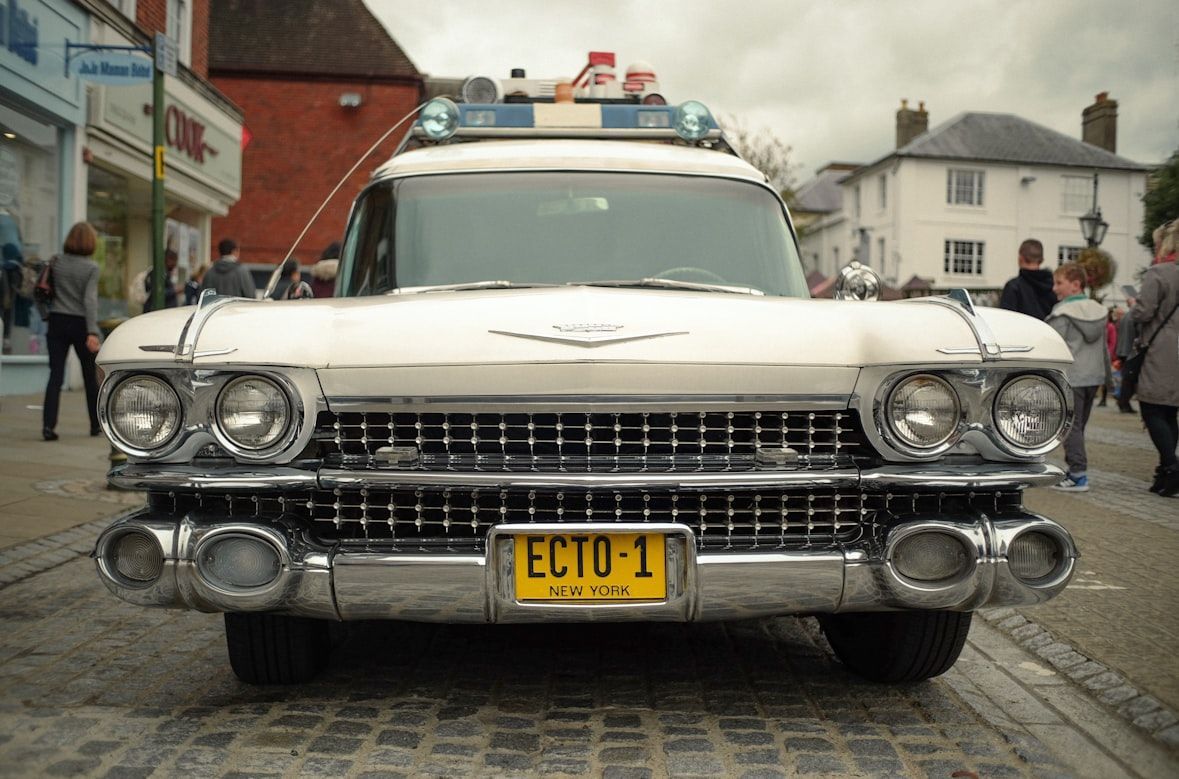

Image: Viktor Forgacs

The timeless tradition of naming vehicles is not reserved only for ships but, as it turns out, for anything else as well. Americans in particular tend to name machines as if they were people. When a car, boat, plane, or any other means of transport becomes familiar enough, through daily use or popular culture, it probably ends up earning a nickname. Which of the following 11 is your favorite?

1

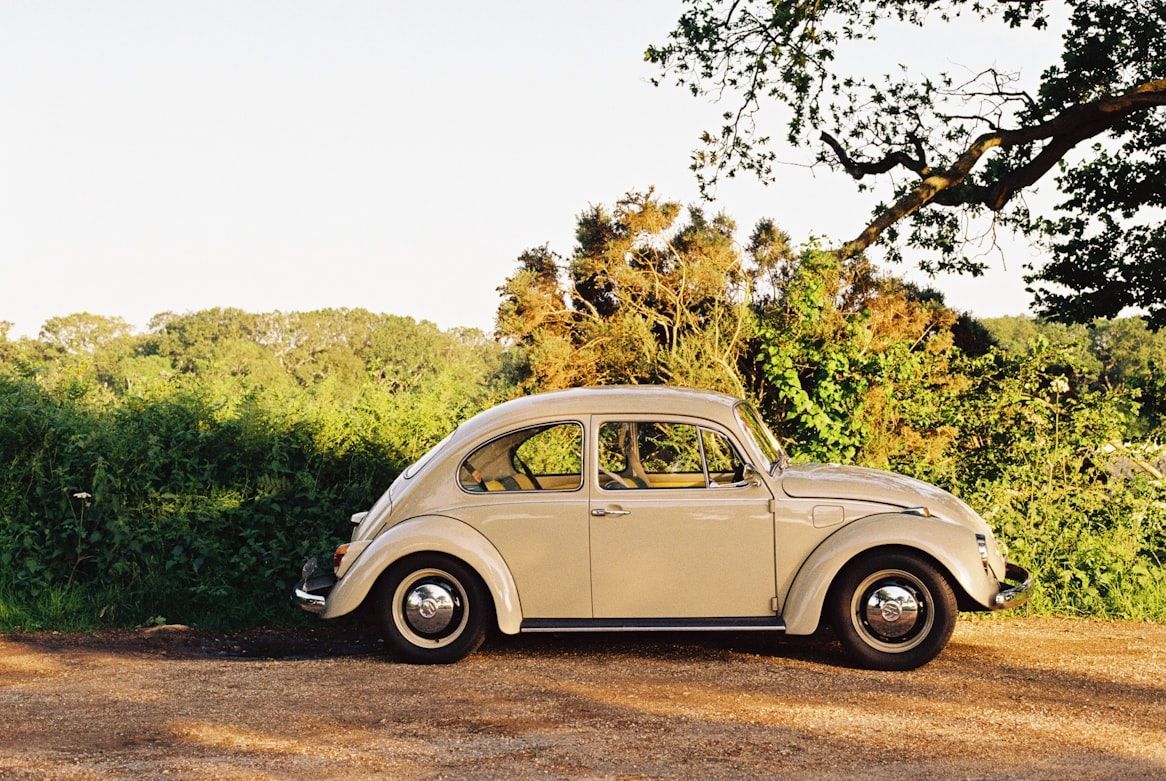
Herbie, The Love Bug

Image: Annie Spratt

This cheerful Volkswagen Beetle from a long-running Disney film series wasn’t just transportation: it had emotions, opinions, and a somewhat stubborn streak. The friendly name "Herbie" helped audiences accept the idea of a car with a personality.

By pairing a humble compact car with a human nickname, the films transformed an everyday vehicle into a charismatic character that many people embraced.

2

Ecto-1

Image: Jean-Luc Picard

The Ghostbusters’ iconic Cadillac hearse became famous under this strange, technical-sounding name. "Ecto-1" felt halfway between scientific equipment and a comic-book invention.

The nickname balanced spooky imagery with lighthearted absurdity, turning a creepy old vehicle into a lovable symbol of heroism and DIY aesthetic.

3

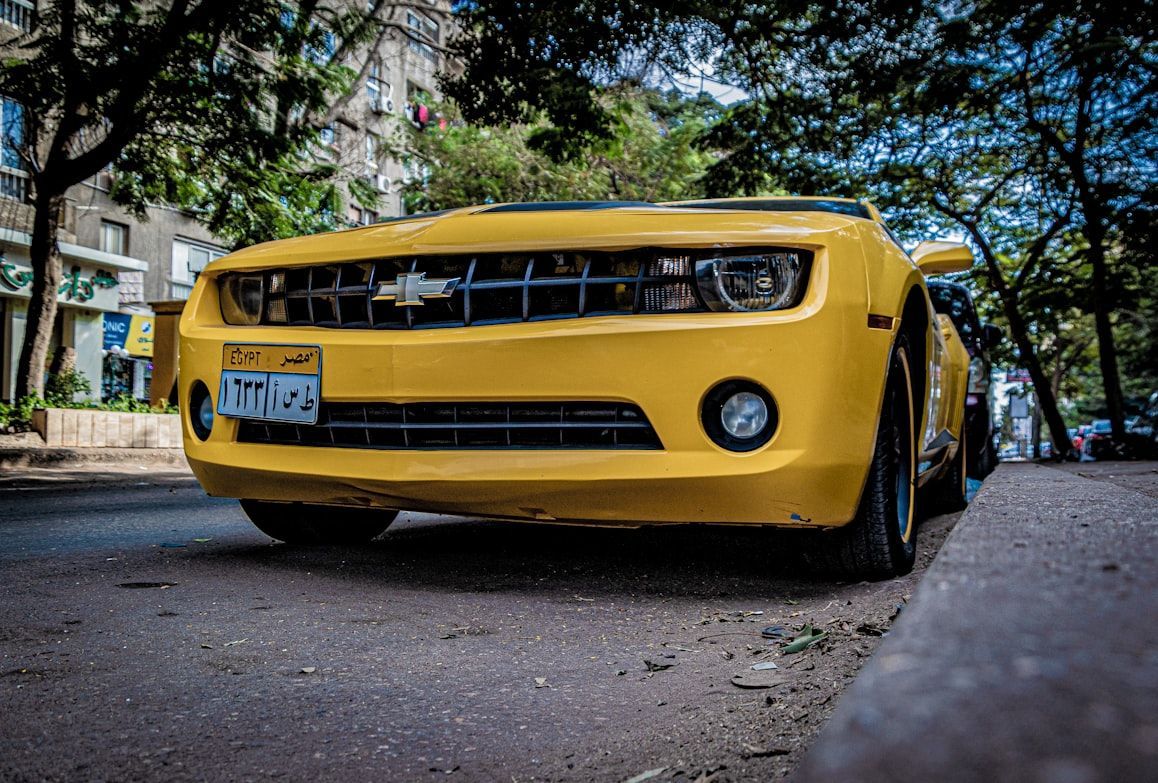
Bumblebee

Image: Michael Starkie

In the Transformers films, Bumblebee stood out for his loyalty, friendliness, and expressive nature. The nickname suggested warmth and charm rather than mechanical power.

By choosing such a gentle name, the films helped audiences emotionally connect with a robot, proving that personality can play a huge role even in a car.

4

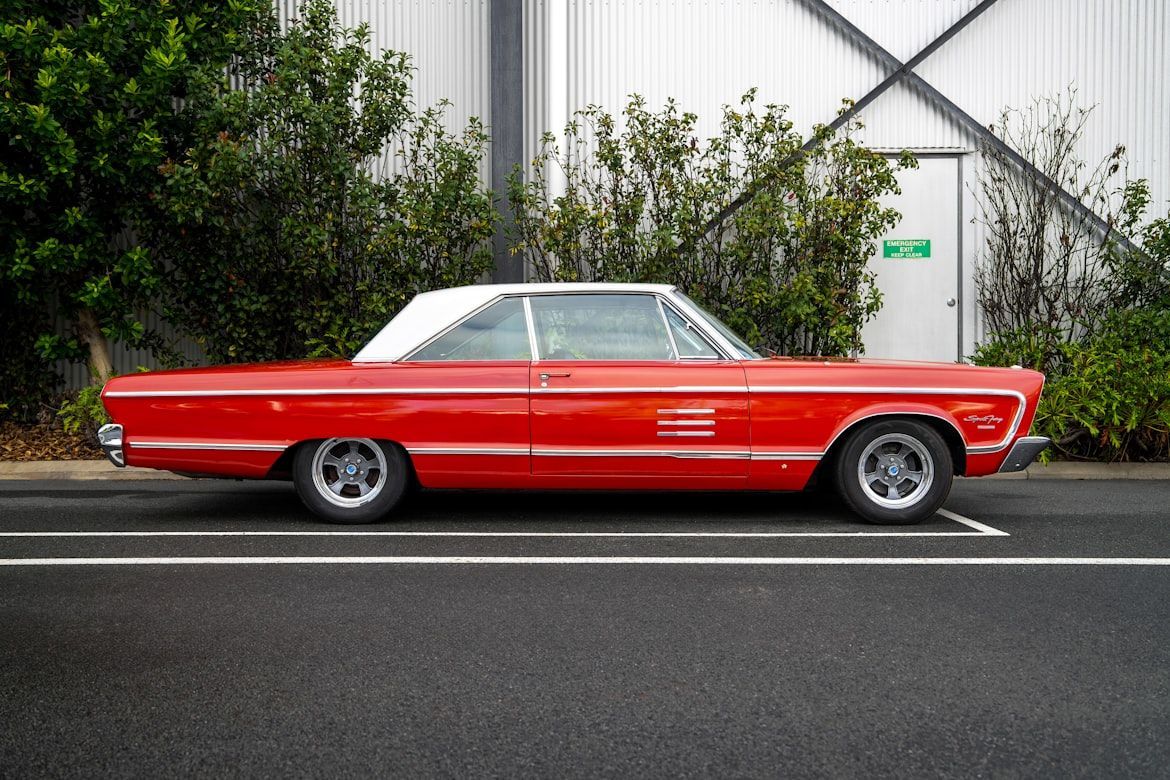
Christine

Image: Mat Kilkeary

The Plymouth Fury in the Stephen King horror story carried a sweet, ordinary human name that sharply contrasted with its violent nature.

Calling a murderous car "Christin" made it look as if it were disturbingly alive, showing how innocent-sounding names can heighten unease rather than soften it.

5

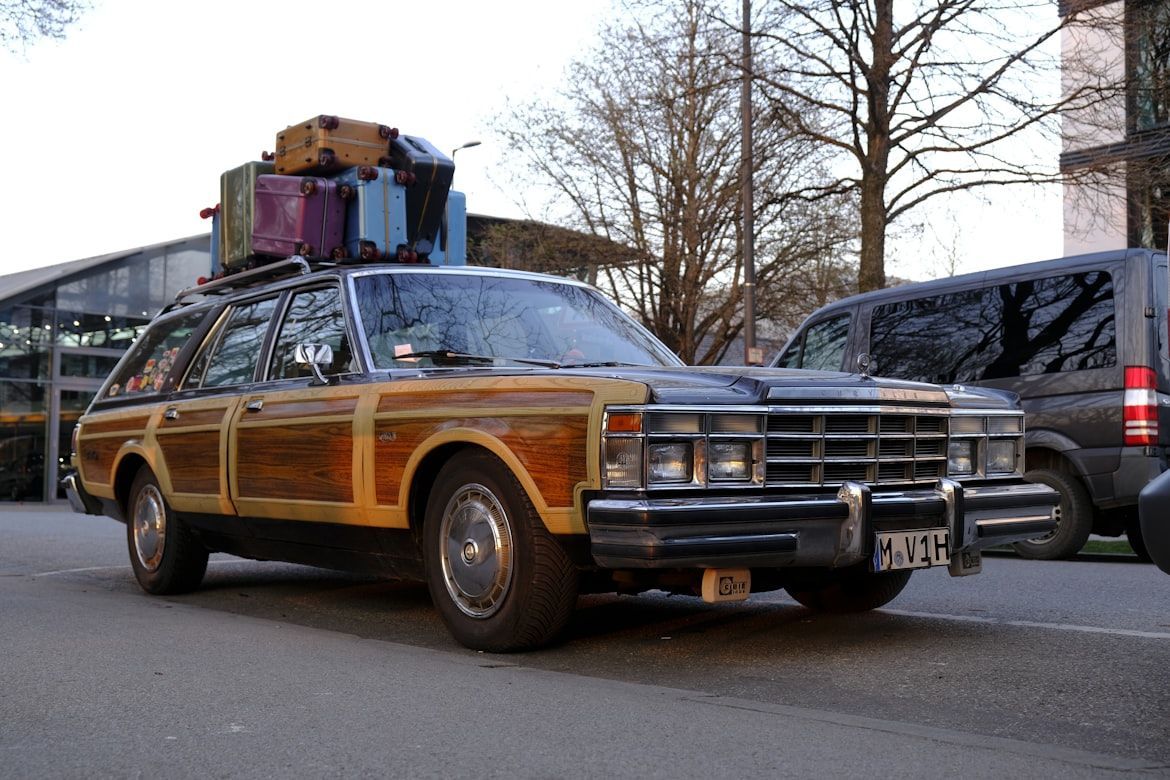
The Family Truckster

Image: Zlatko Đurić

This infamous station wagon from National Lampoon’s Vacation had a name that sounded proudly practical and painfully dull. That was entirely the joke.

The nickname perfectly captured the car’s role as a symbol of family optimism gone wrong.

6

KITT

Image: Arthur Besnard

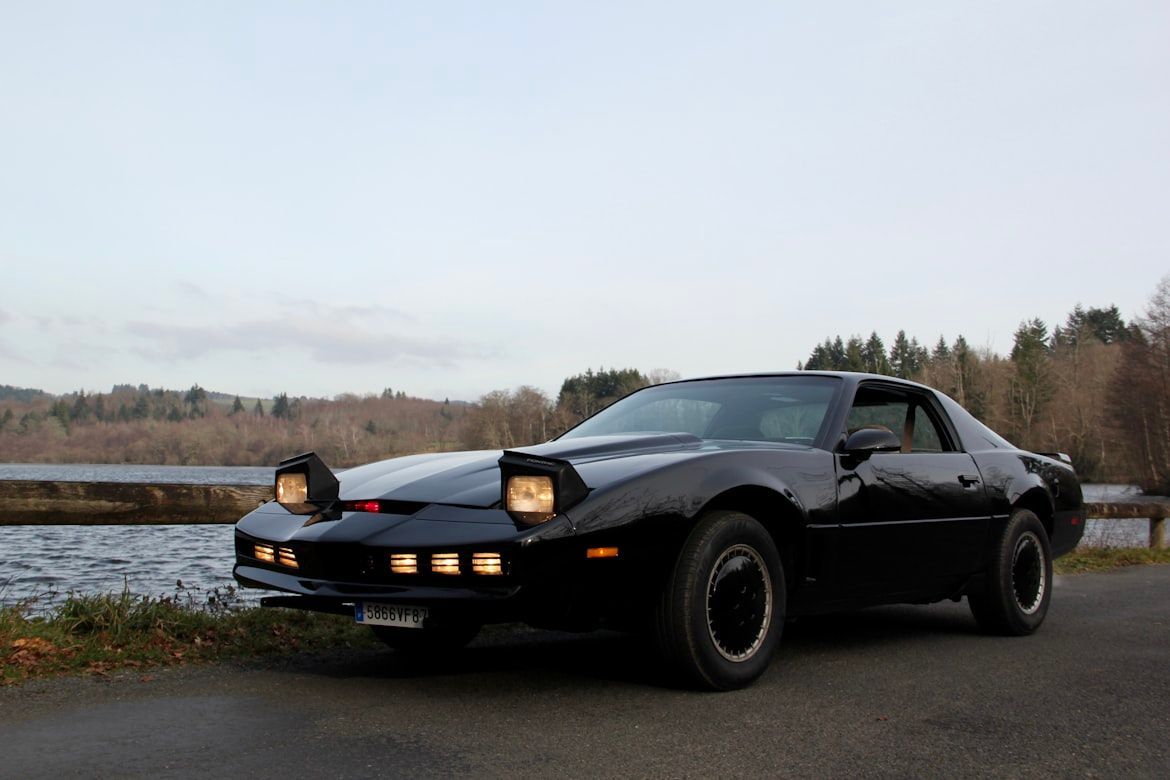
Short for "Knight Industries Two Thousand," KITT was a talking car with intelligence, sarcasm, and moral judgment. The acronym softened its advanced technology.

Rather than sounding cold or futuristic, the shortened name suggested companionship, helping viewers accept a machine as a trusted partner rather than a tool.

7

The Spruce Goose

Image: Dan Dodman

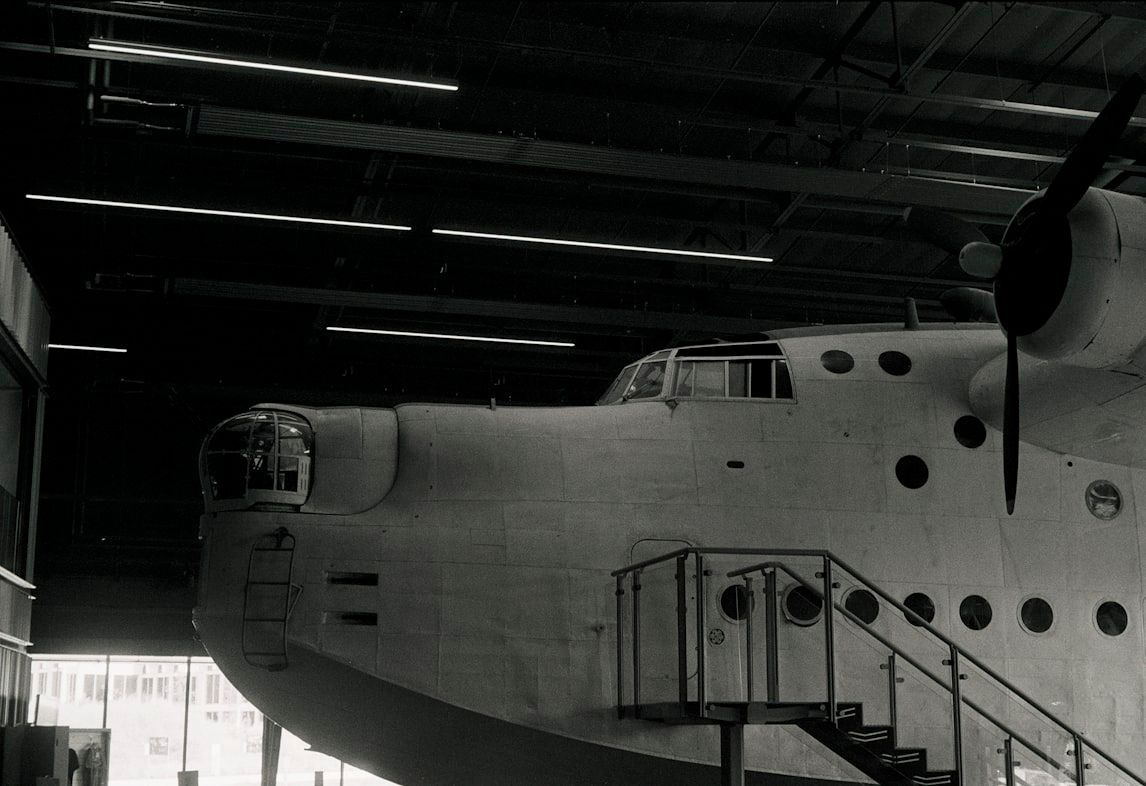
Howard Hughes’s massive experimental aircraft officially had a technical name, but the public preferred this quirky name. "Spruce Goose" stuck like glue once it was known.

The playful label softened the plane’s ambition and controversy, making an engineering oddity easier to remember and talk about.

8

The Spirit of St. Louis

Image: Matias Luge

Charles Lindbergh’s historic airplane carried a name that sounded poetic and hopeful. It emphasized civic pride rather than machinery.

That lyrical nickname helped turn a technical achievement into a national story of bravery and ambition.

9

Snoopy’s Sopwith Camel

Image: Fujiphilm

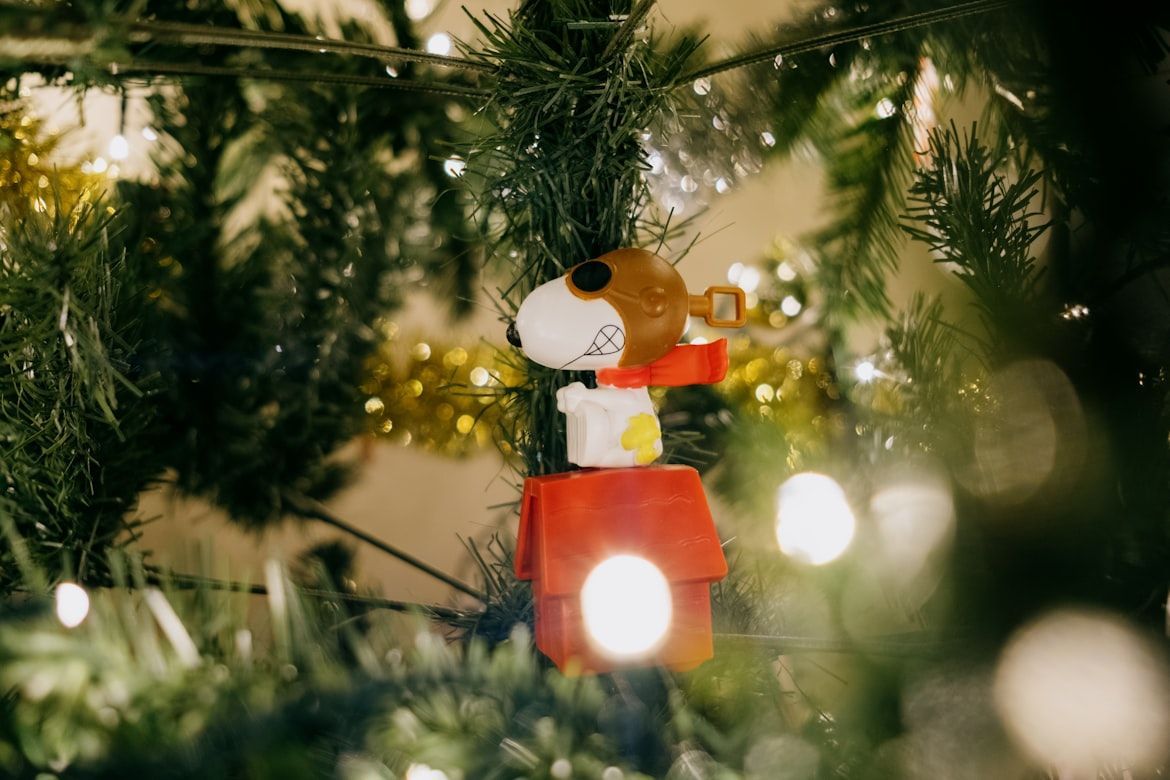
In the Peanuts comic strip, Snoopy’s doghouse doubles as this imaginary World War I fighter plane. The nickname blends history with childhood fantasy.

The vessel’s name gently parodied heroism while marking the imagination of the leading character.

10

The Minnow

Image: Alan Bowman

This tour boat from Gilligan’s Island earned a name that highlighted its size. The irony was a trademark of the comedy series.

Calling it the Minnow made its outsized impact funnier, reinforcing the show’s theme that small mistakes can have huge consequences.

11

The Millennium Falcon

Image: Josué AS

Han Solo’s famously unreliable spaceship carried a name suggesting speed and nobility. The contrast was intentional and memorable.

Calling it the Millennium Falcon elevated a beat-up vessel into legend, proving names can create mythology.



Deep roots

11 everyday words with indigenous roots


Published on April 20, 2026


Image: Zoshua Colah

English is a very welcoming language in the sense that it incorporates terms from many other languages from all over the world. And, as it couldn’t be otherwise, Native American languages have lent many of their words and terms to English speakers. Some traveled through Spanish or French before settling into English, and others arrived directly through early contact and trade, helping shape the way we speak today. Did you know about these 11 terms?

1

Canoe

Image: Michael Niessl

The word "canoe" comes from the Taino term canoa, which was first used by Caribbean islanders long before Europeans arrived. Early explorers adopted it to describe the slim, sturdy boats they saw.

Over time, "canoe" became the standard English word for a small paddled craft. Today it still carries that sense of simplicity and closeness to nature.

2

Barbecue

Image: Philipp Kämmerer

The word "barbecue" comes from barbacoa, another Taino term for a wooden frame used for cooking meat over fire. Europeans adopted it and applied it to both the method and the gathering itself.

Today, "barbecue" means everything from a backyard cookout to a regional cooking style. Its origins highlight the deep culinary influence of Native Americans in the nation's current culture.

3

Skunk

Image: Elisa Stone

"Skunk" comes from the Algonquian word squnk, which means "urinating fox" (quite a fitting term, indeed). This was an obvious reference to the animal’s strong defensive spray. Early settlers adopted the term directly.

Since English had no better name for the creature, the Native word stuck. Today, the word skunks is also used as playful slang.

4

Moose

Image: Shivam Kumar

The word "moose" originates from Eastern Abenaki, a part of the Algonquian family, where it meant "he strips off bark." Yes, it described the animal’s habit of tearing bark from trees.

The name entered English quickly because settlers relied on Native knowledge of local fauna. The word remains unchanged because of its accuracy and usefulness.

5

Raccoon

Image: Gary Bendig

"Raccoon" comes from the Powhatan word arakun, meaning "he scratches with his hands." It described the animal’s clever, humanlike front paws.

Settlers adopted the term because it captured the creature’s behavior beautifully. Today, the raccoon is used as a household symbol of curiosity, not unlike the animal itself.

6

Chipmunk

Image: Annegret Kammer

The term "chipmunk" most probably comes from the Ojibwe word ajidamoo, which means "one who descends trees headfirst." Early English settlers adapted the sound into today’s form.

Though the spelling changed over time, the lively image of a chipmunk racing down a tree face-first stayed.

7

Caribou

Image: JD-Photos

The word "caribou" comes from the Mi’kmaq term qalipu, which means "snow shoveler," referring to the animal’s habit of digging through snow for food.

French settlers brought the word into English, keeping its descriptive nature. The name still connects the modern animal to the winter landscapes it belongs to.

8

Totem

Image: Stéfano Girardelli

"Totem" comes from the Ojibwe word ototeman, which means "kinship group." It described symbols representing clans and shared roots.

English adopted it to describe carved poles and symbolic elements. Though broader in modern usage, it still hints at the original sense of community, identity, and heritage.

9

Coyote

Image: Dylan Ferreira

"Coyote" comes from the Nahuatl word coyōtl, which was used by Indigenous tribes of central Mexico. Spanish speakers adopted it, and English borrowed later.

The word kept its meaning, and it remains one of the most direct links between the English language and Nahuatl.

10

Avocado

Image: Gil Ndjouwou

The tasty avocado’s name traces to the Nahuatl word ahacatl, which refers to the fruit and to a body part as well. Spanish speakers transformed it into aguacate.

Later on, English speakers adapted it to avocado. While the name sounds contemporary and culinary, it has ancient Native roots.

11

Chocolate

Image: amirali mirhashemian

The last Nahuatl word and also the last word on the list comes from the term xocolātl, which describes a bitter cacao drink that was consumed long before Europeans arrived in America. The name traveled from Spanish to English.

Though the product changed dramatically, the word survived. Today, chocolate is a universal symbol of sweetness, with rich and deeply indigenous roots.

Looking for an extra scoop of literary fun?

Learn more with our Word of the day

supervene

/ˌsupərˈvin/