Did you know daisies mean "day's eye"? The stories behind 10 flower names
Published on August 31, 2026
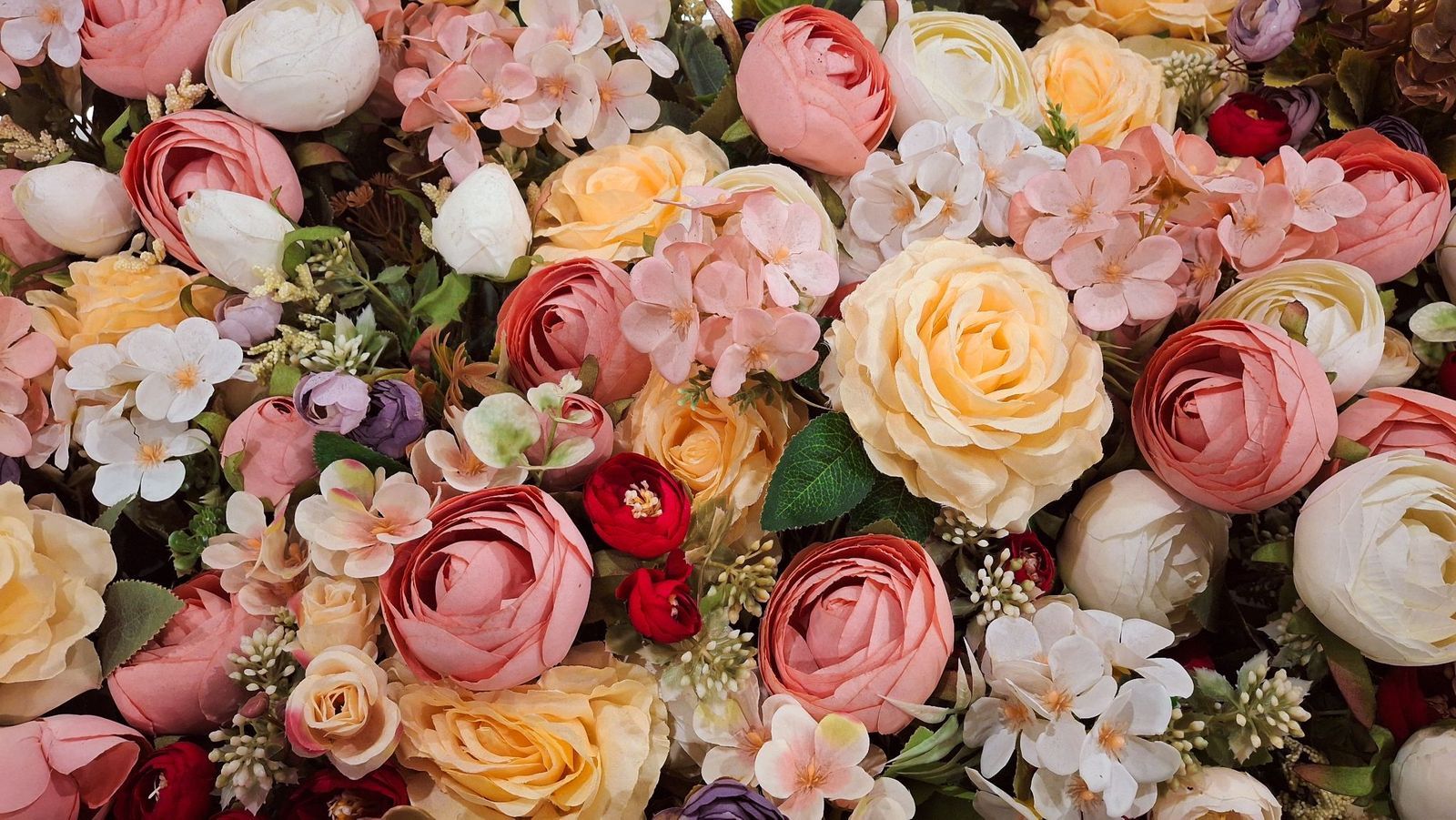
The names of the flowers blooming in gardens, parks, and shops carry centuries of linguistic history. Modern botanical taxonomies standardized plant classification, but everyday names were forged through visual observation, ancient mythology, and cultural trade. Exploring flower etymologies reveals how past generations perceived the natural world. Keep reading to discover the origin of the names of 10 common flowers.
Dandelion
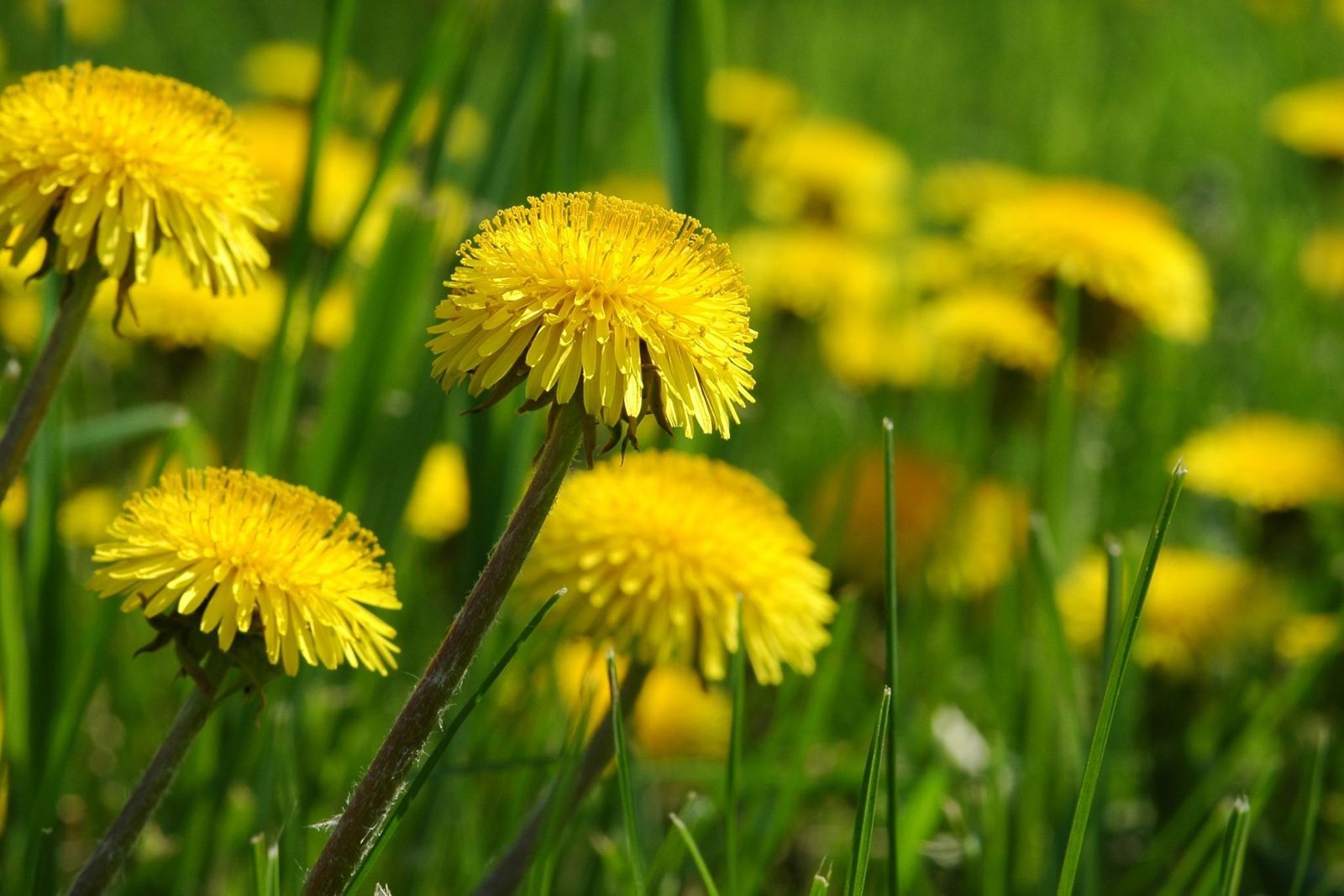
The common bright yellow flower often dismissed as a lawn weed derives its name from an anatomical comparison. "Dandelion" enters English from the Anglo-French phrase dent-de-lion, which translates literally to "lion’s tooth".
Rather than referring to the yellow blossom, the name describes the plant’s sharp green leaves. Medieval botanists noted that these jagged edges of foliage closely resembled the sharp incisors of a lion. Similar literal translations exist in other languages, including the German Löwenzahn and the Spanish diente de león.
Azalea
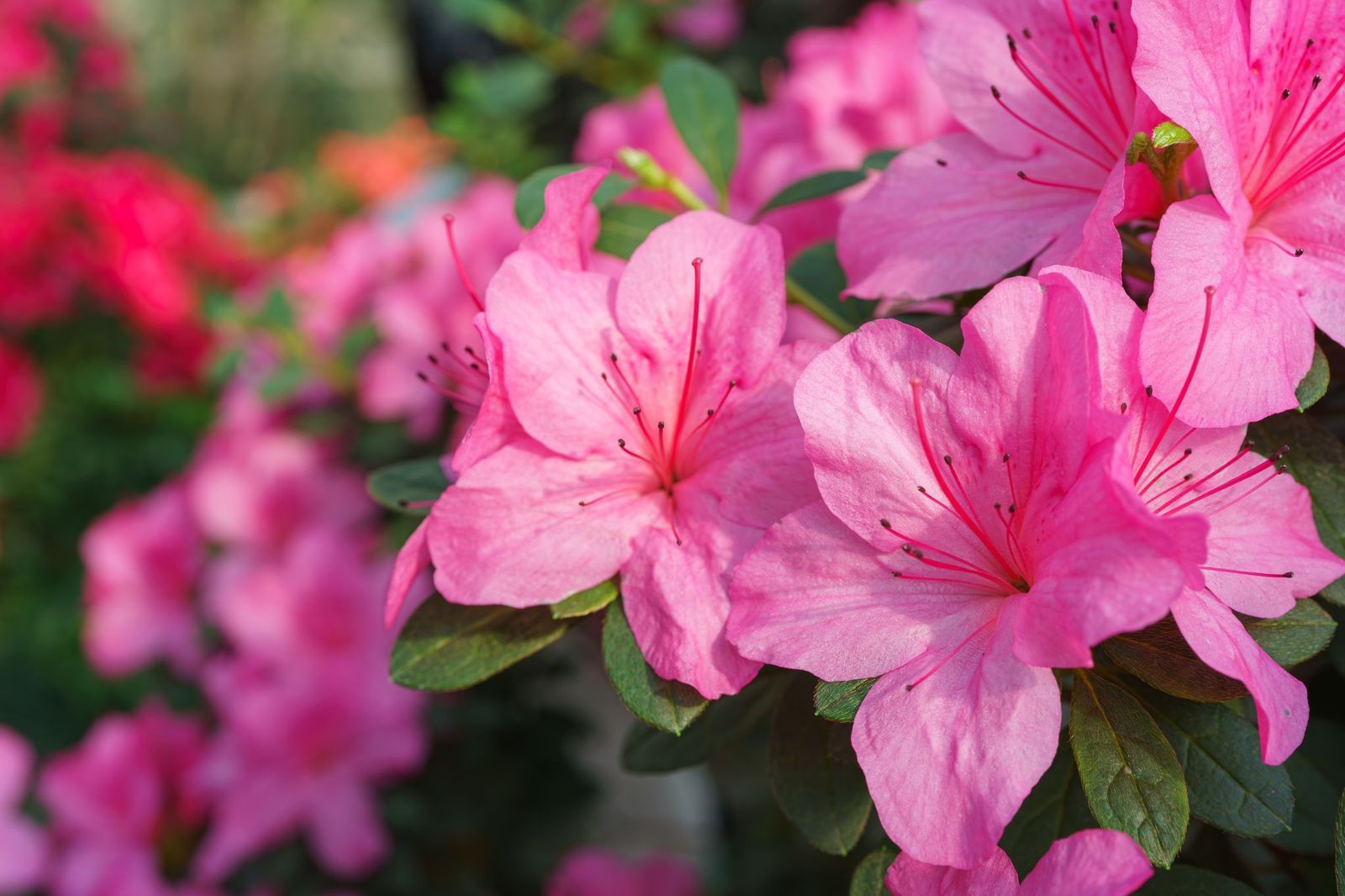
Derived from the Ancient Greek adjective azaleos, meaning "dry" or "parched", the azalea received its name from the pioneering Swedish botanist Carl Linnaeus in the 18th century.
Linnaeus picked the name because this flower typically thrives in dry sandy soils and suffers when rooted in waterlogged ground. Though modern gardeners associate azaleas with damp spring rains and temperate woodlands, the name is a tribute to the plant’s preference for dry soil conditions.
Pansy
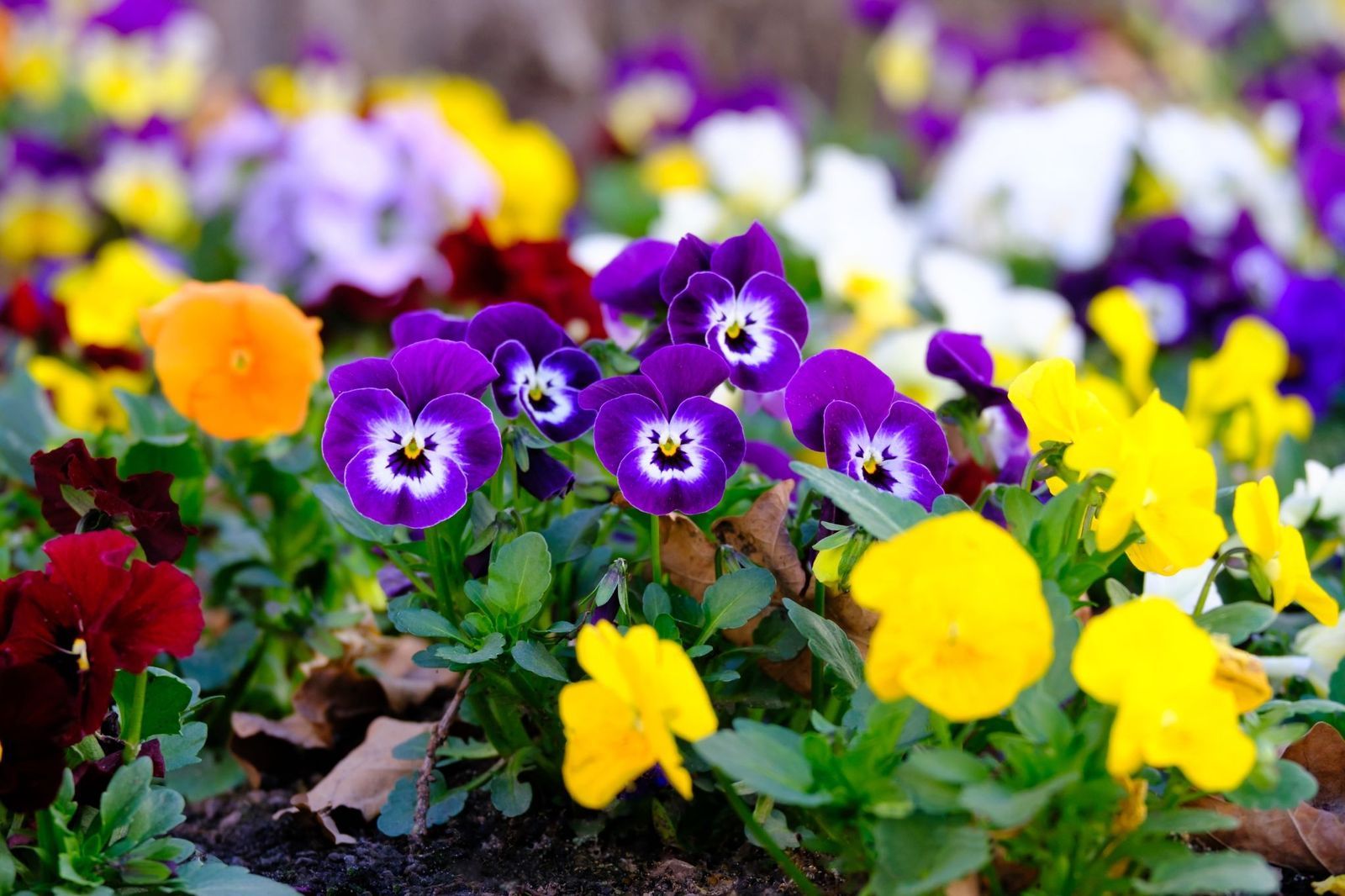
The name of the garden pansy originates from the Middle French word pensée, meaning "thought" or "remembrance" (derived from the Latin verb pensare, meaning "to consider" or "to ponder").
During the Renaissance, herbalists felt the flower’s dark center and forward-facing petals resembled a human face bowed slightly forward in deep contemplation. Because of this association, pansies became traditional gifts to signal that the giver was thinking of the recipient, a symbolism later immortalized in Shakespeare’s Hamlet when Ophelia remarks, "there is pansies, that’s for thoughts".
Carnation
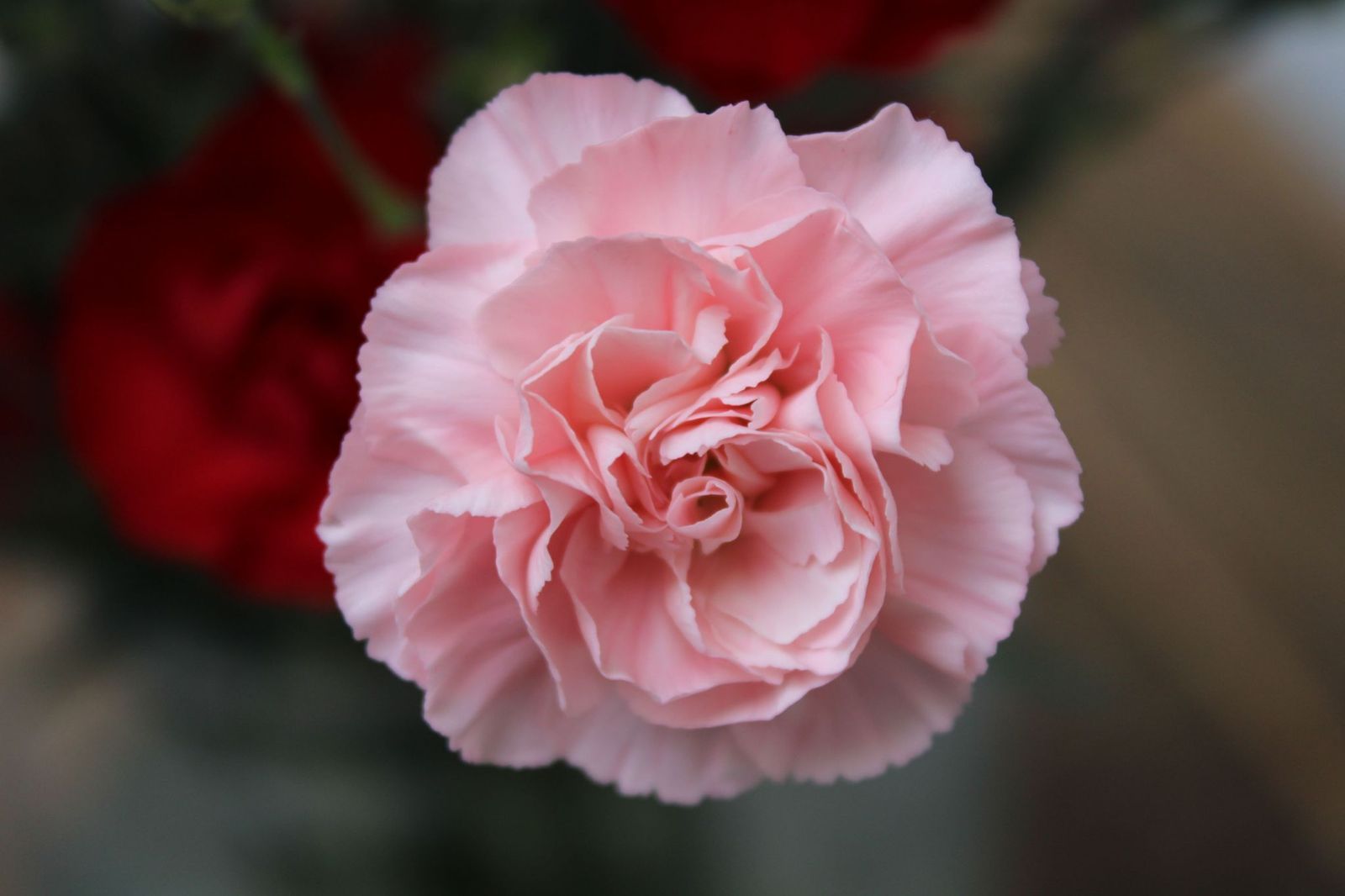
The etymology of "carnation" follows two intertwined historical paths. The most widely accepted origin traces back to the Middle French carnation and the Latin carnatio (derived from caro, meaning "flesh"), referencing the soft pinkish flesh tone characteristic of the original wild blooms.
Another linguistic influence stems from "coronation". In ancient Greece and Rome, carnation blooms were woven into floral crowns (coronae) worn during ceremonial festivities and royal coronation rites. Over centuries of English usage, the terms for flesh color and ceremonial crowns merged into the modern word.
Tulip
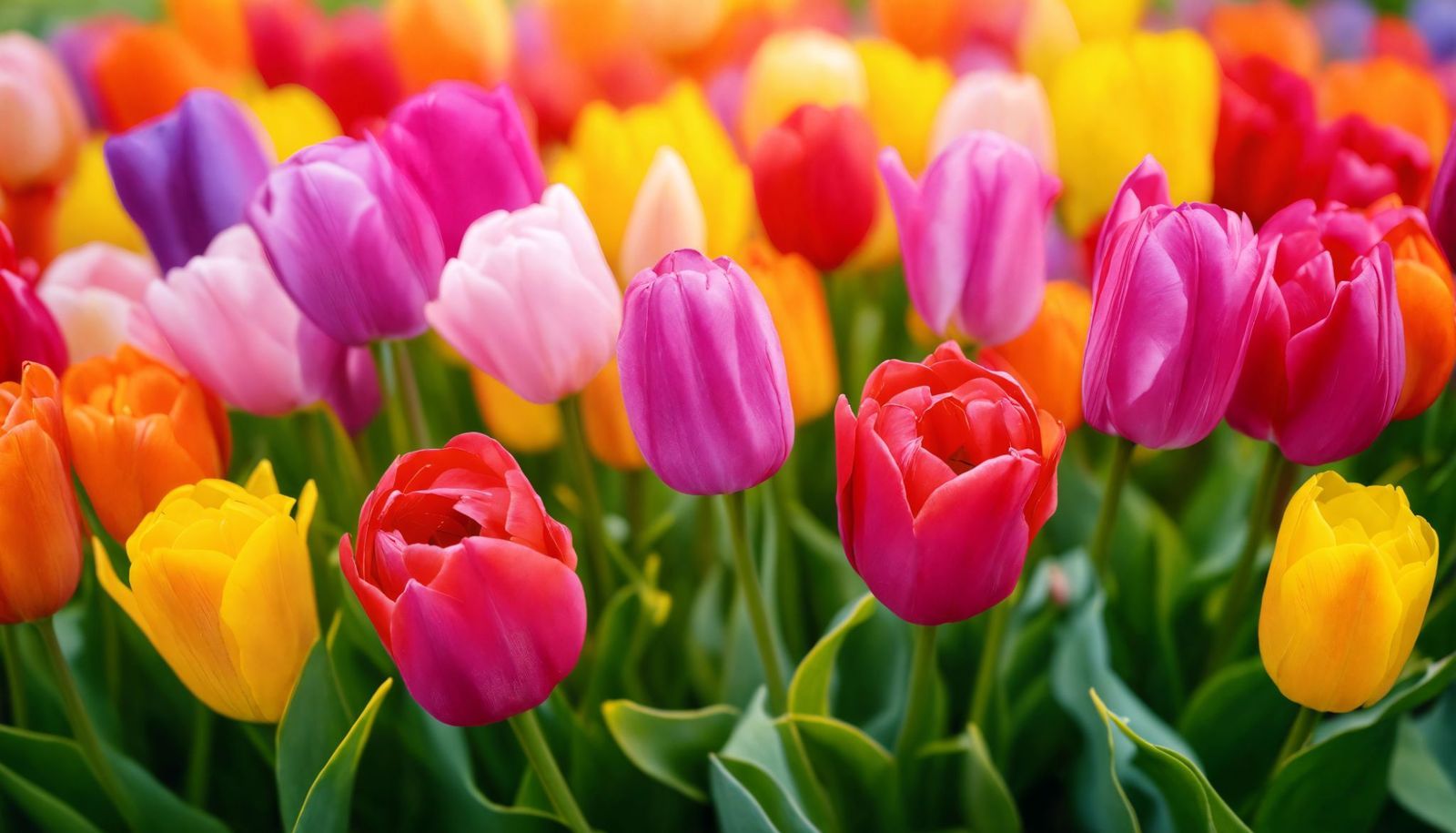
The story of the tulip’s name reflects the historical trade routes between Western Europe and the Ottoman Empire during the 16th century. The word comes into English via Middle French (tulipe) and Italian (tulipano), which adapted the Ottoman Turkish word tülbend (derived from the Persian dulband), meaning "turban".
European travelers visiting Constantinople were impressed by the resemblance between the folded layers of fabric in a traditional Ottoman turban and the cup-shaped, overlapping petals of the flower.
Daisy
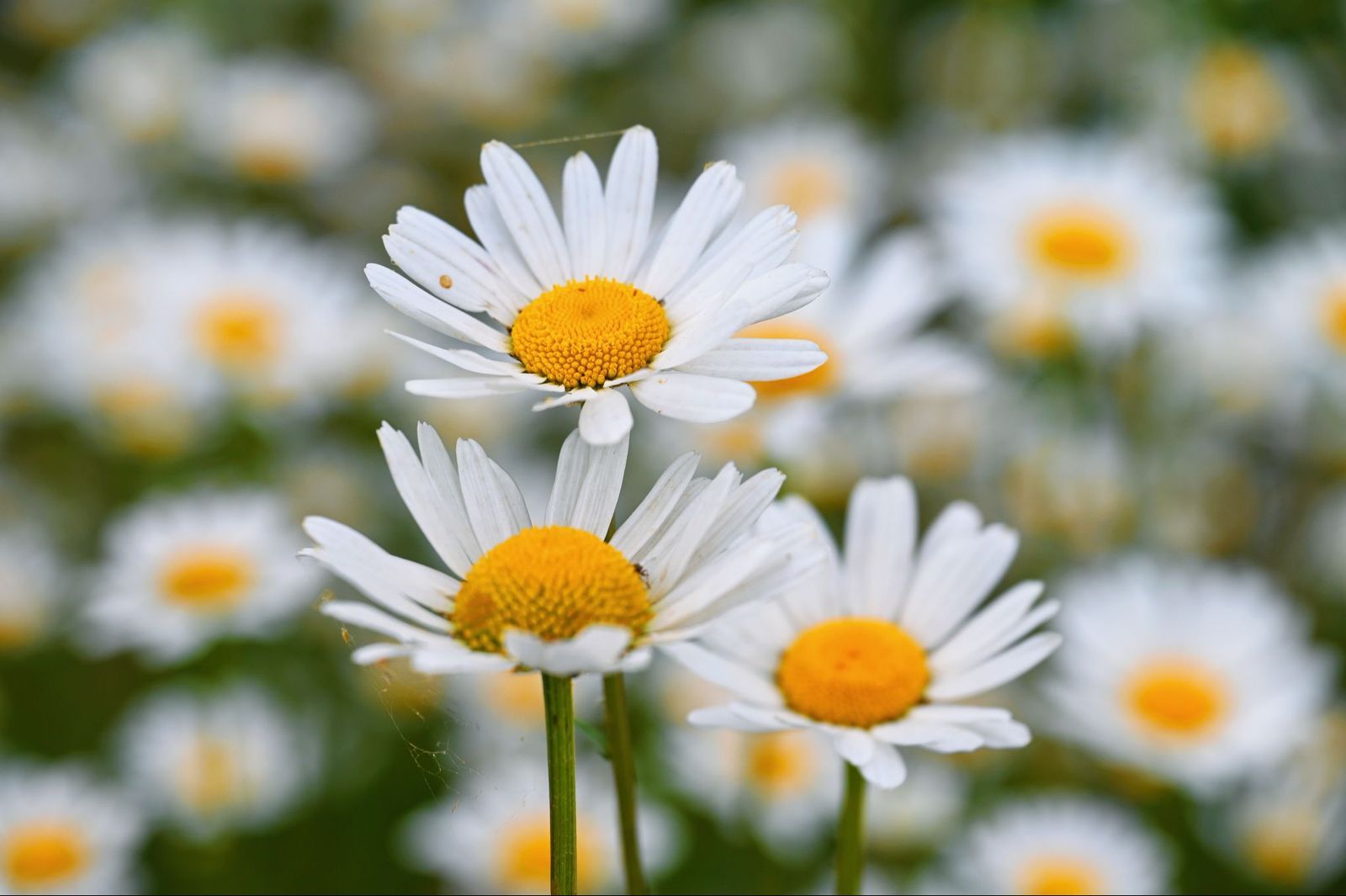
"Daisy" stands as an example of Old English botanical descriptive naming. Originating from the compound word dægesēage (literally translating to "day’s eye"), the name describes the flower’s natural sleep movement.
At nightfall, a daisy’s white outer petals fold inward over its central yellow disk. As dawn arrives, the petals unfold, exposing the golden center to the morning sun, mimicking an eye opening at the break of day.
Hydrangea
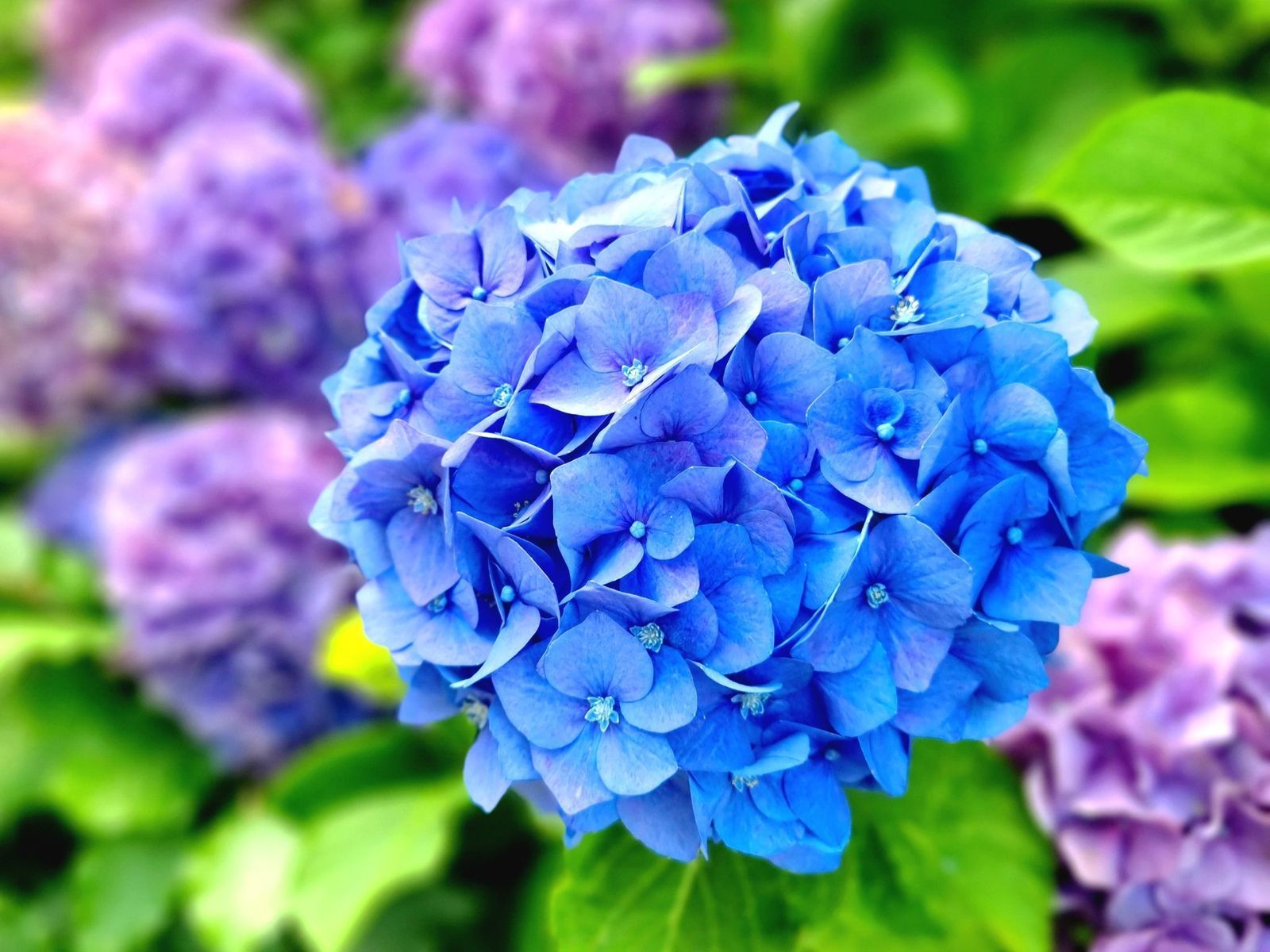
Coined by French botanist Philibert Commerson in the 18th century, "hydrangea" combines two ancient Greek roots: hydr- (meaning "water") and angeion (meaning "vessel", "picher", or "capsule").
Many gardeners assume the name refers to the plant’s high water requirements; however, it actually describes the distinct shape of the plant’s mature seed pods. Once the colorful petals drop, the small seed capsules resemble traditional Greek water jars or pitchers.
Calendula
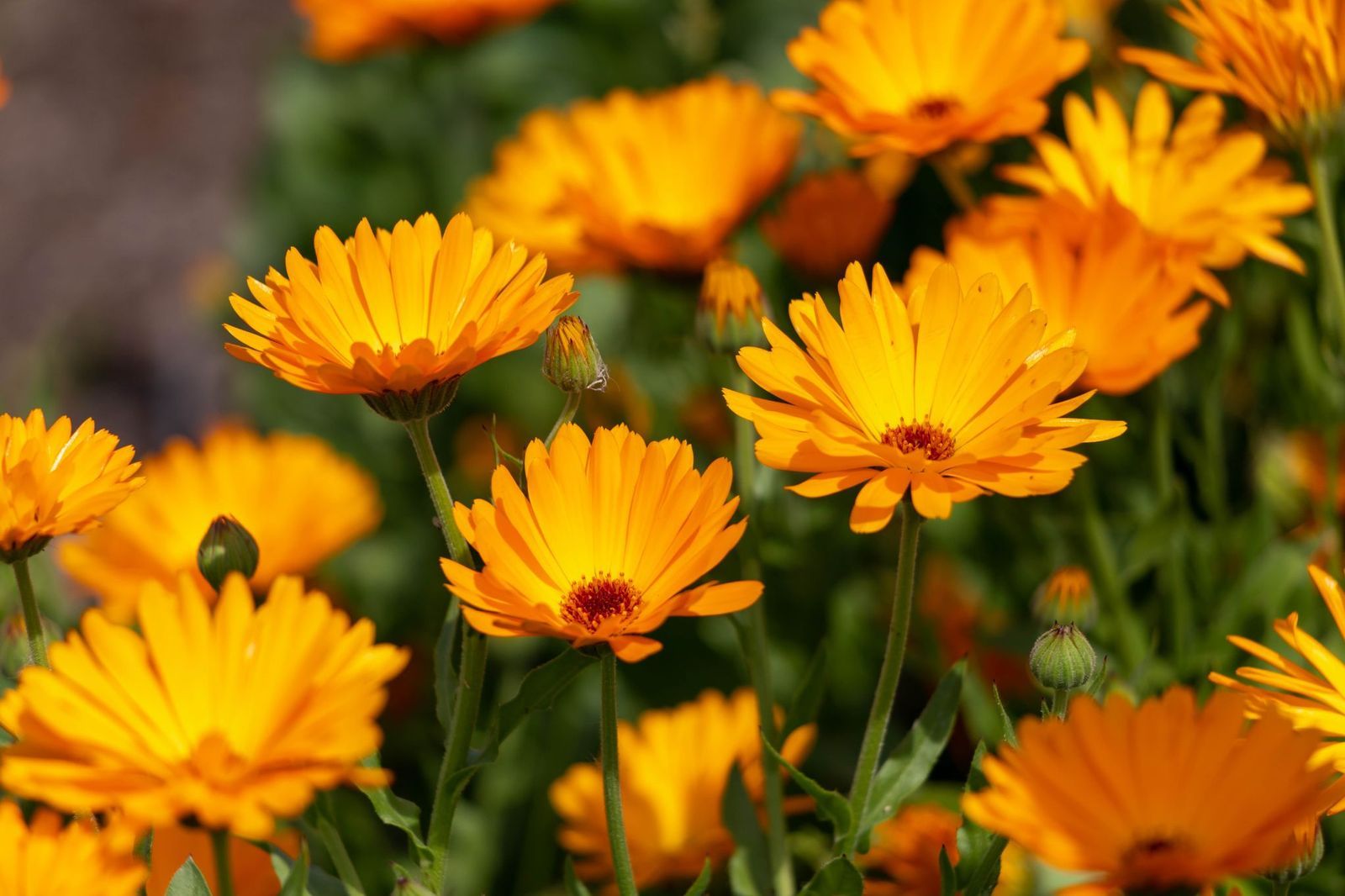
Popularly known as pot marigold, "calendula" derives its name from the Medieval Latin calendula, a diminutive form of calendar (the "calends", or the first day of each month in the Roman calendar).
The Romans observed that in mild Mediterranean climates, calendula plants bloomed on or near the first day of almost every month of the year. This way, the name acts as a botanical calendar.
Petunia
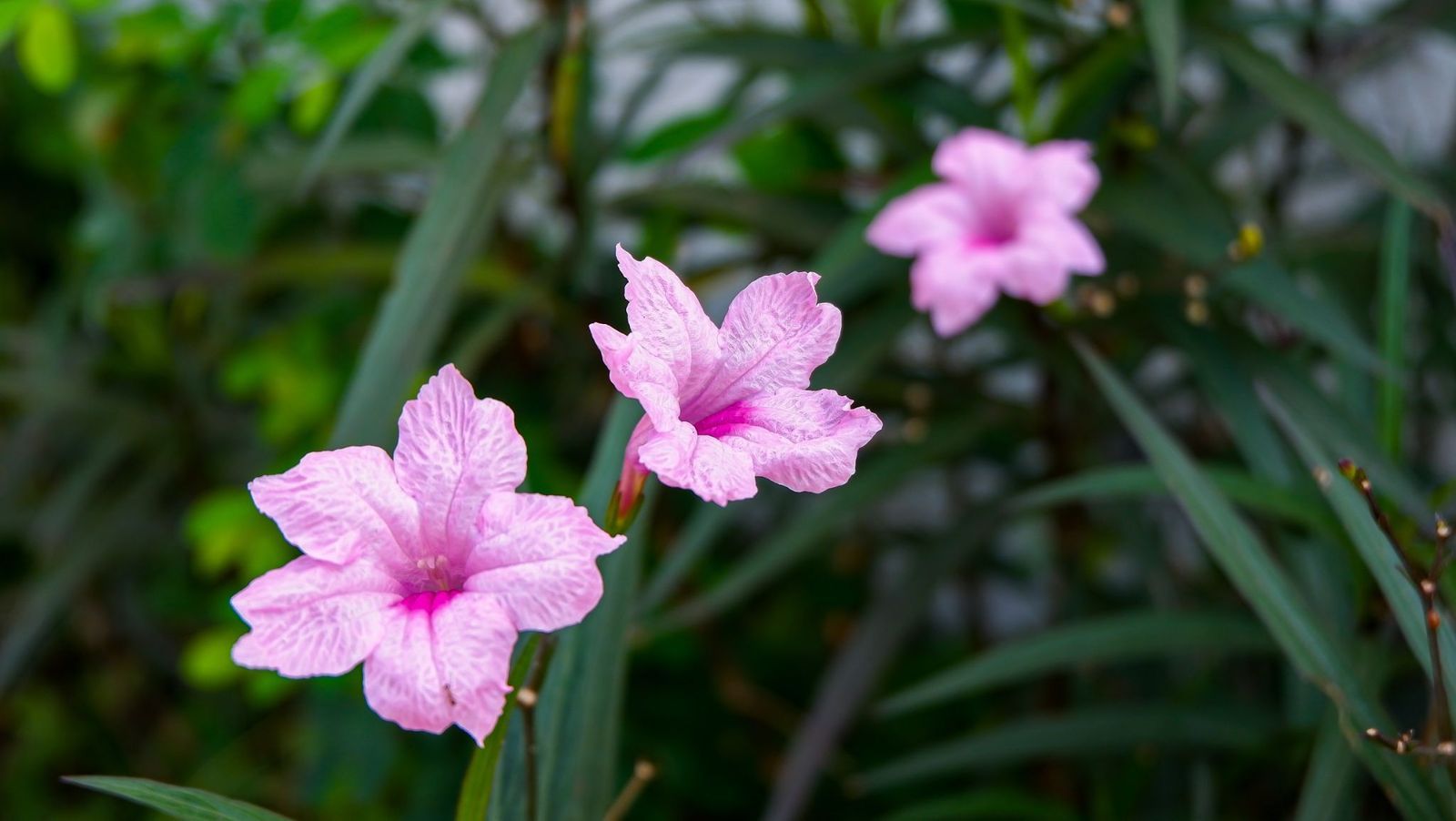
The word "petunia" arrived in European languages during the 18th century through French botanical reports from South America. French herbalists adapted the word pétun, an early French term for tobacco borrowed from petyn, a word used by the indigenous Tupi-Guarani peoples of Brazil.
When early European explorers encountered petunias growing wild in South America, they recognized their close physical resemblance to tobacco plants. Modern taxonomy confirmed this intuition: both petunias and tobacco belong to the nightshade family (Solanaceae).
Iris
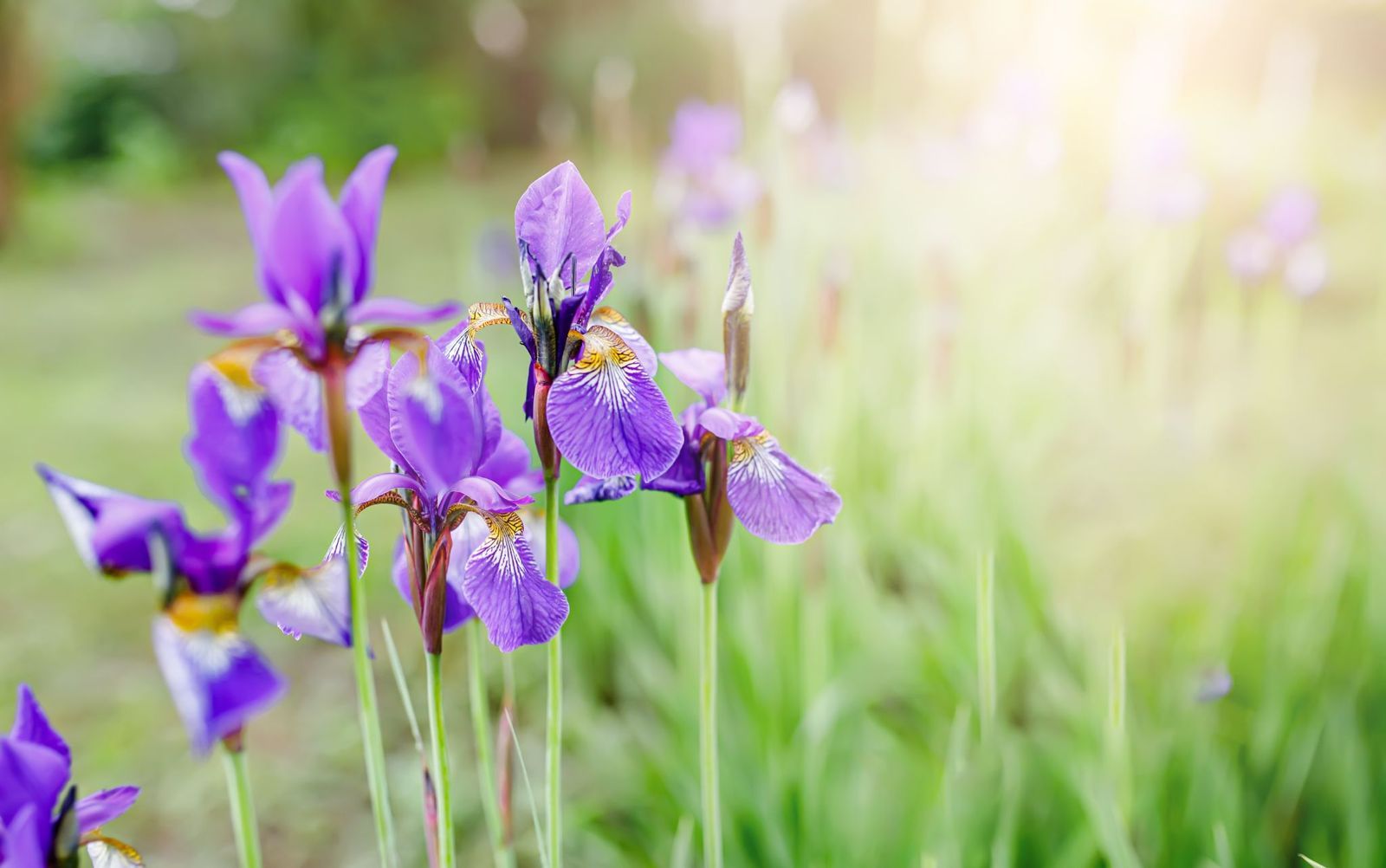
Named after Iris, the Greek goddess of the rainbow and divine messenger between heaven and earth, this classic garden perennial boasts an ancient name.
In Greek mythology, the goddess Iris traveled along rainbows, connecting the realms of gods and mortals. Ancient botanists bestowed her name upon the flower because of its remarkable spectrum of natural colors, ranging from deep purple and cobalt blue to yellow, pink, and white.