Who knew?

How did they know? 11 unbelievable cases of writers predicting the future


Published on November 16, 2025

Image: Michael Dziedzic

Do modern inventions ever remind you of things you’ve read in old books? Do you ever find yourself pointing and saying, "Just like The Jetsons!" or "The Simpsons predicted this!"? Sometimes, real life ends up imitating art, even centuries later. Let’s explore 11 cases where writers anticipated the future, ranging from logical to downright eerie.

1

The sinking of the Titanic

Image: K. Mitch Hodge

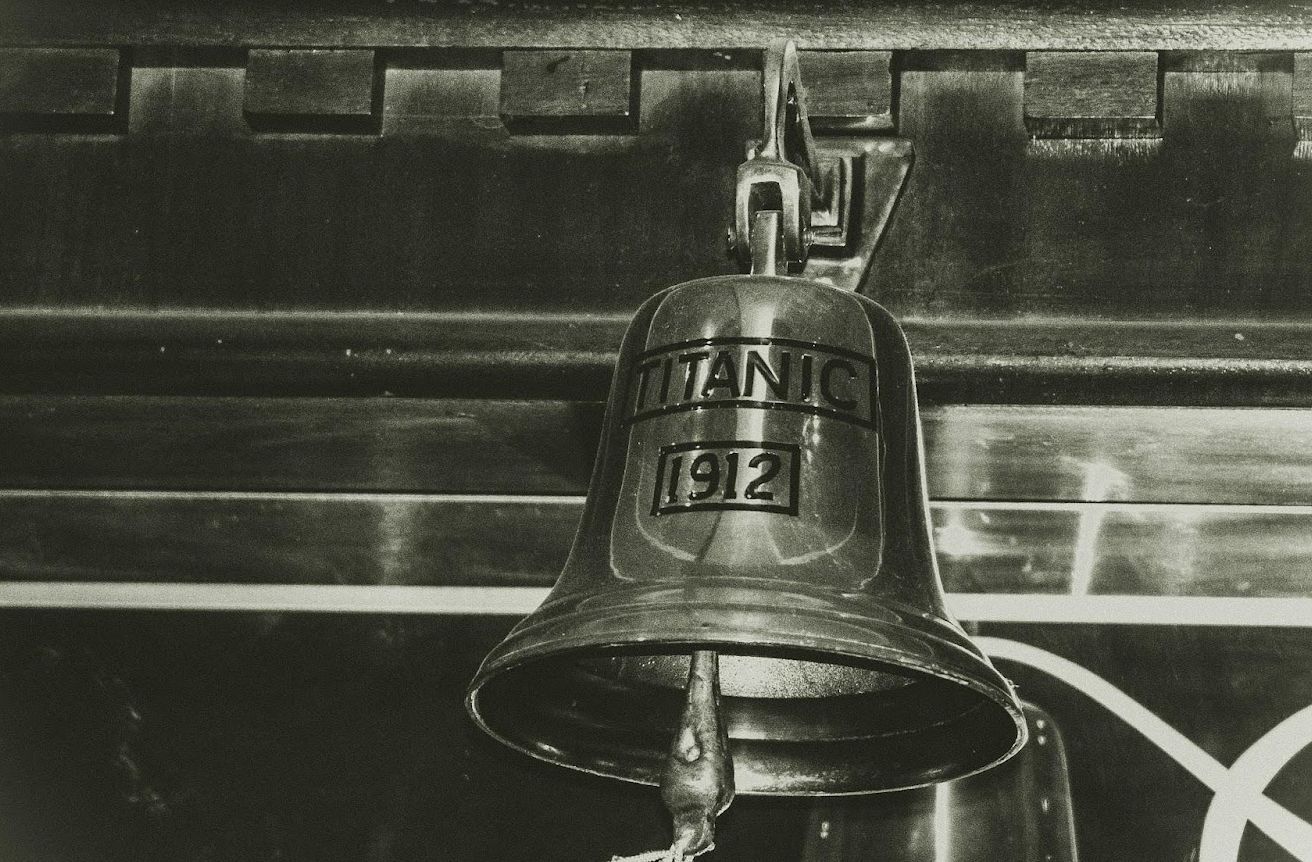
Did you know that a novel from 1898 predicted the Titanic disaster with an eerie degree of precision? Fourteen years before the real event, there was... the Titan.

Morgan Robertson published Futility, later retitled The Wreck of the Titan. It told the story of a massive British ocean liner called the Titan, described as unsinkable. The ship struck an iceberg in the North Atlantic, carried too few lifeboats, and sank in April, all details that mirror the Titanic tragedy.

2

Screens in the form of tablets

Image: Arthur Lambillotte

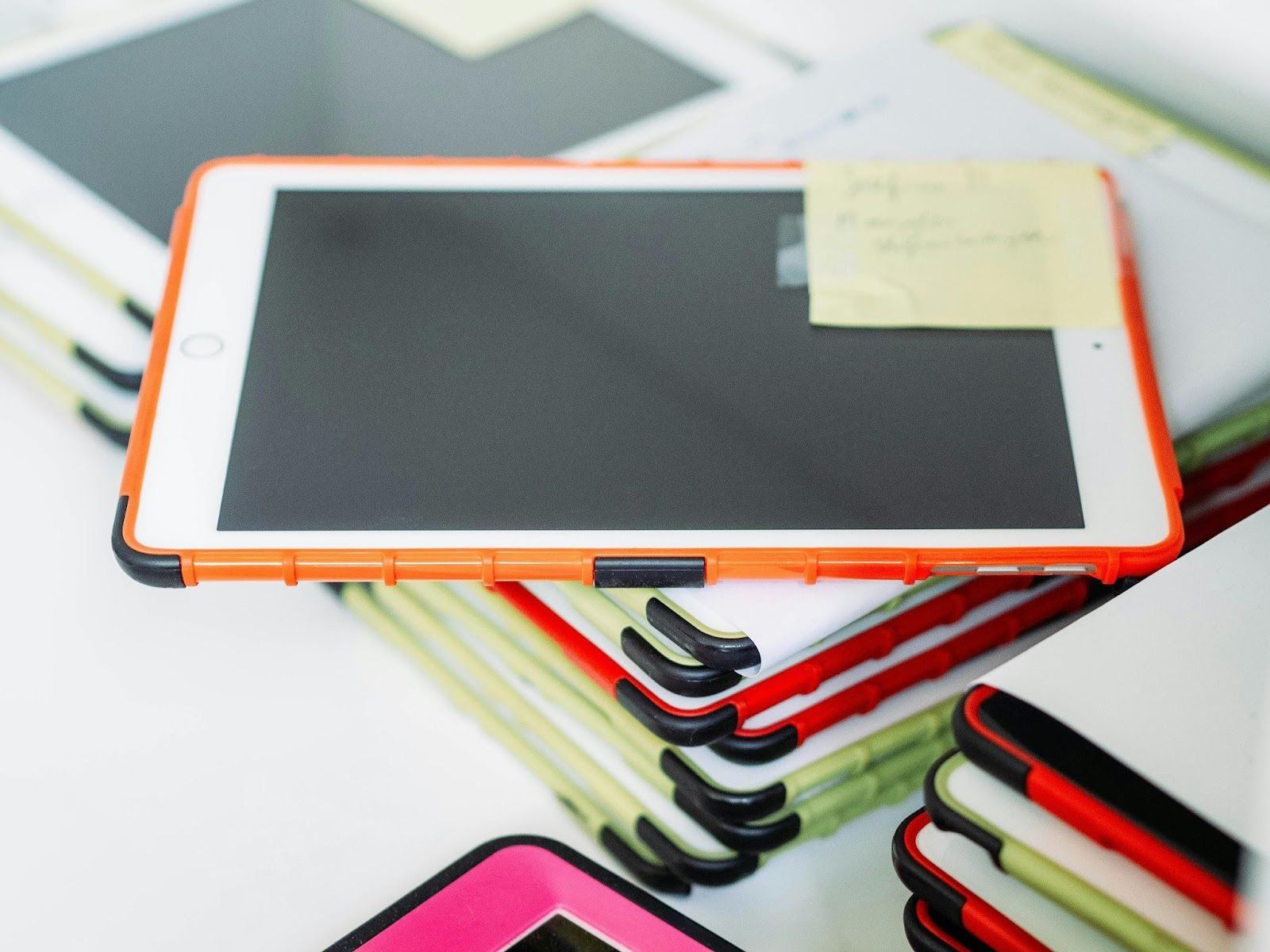
Isaac Asimov imagined the iPad, more or less, back in 1964. In an essay for The New York Times, the sci-fi legend described what life might look like in 2014. Among his predictions was that people would use a "compact screen" to read books, watch videos, and communicate with others, all without ever leaving their homes.

Asimov essentially foresaw smart electronic tablets and even hinted at remote work and distance learning decades before they became reality.

3

Walt Disney Co. purchasing Fox

Image: Steve DiMatteo

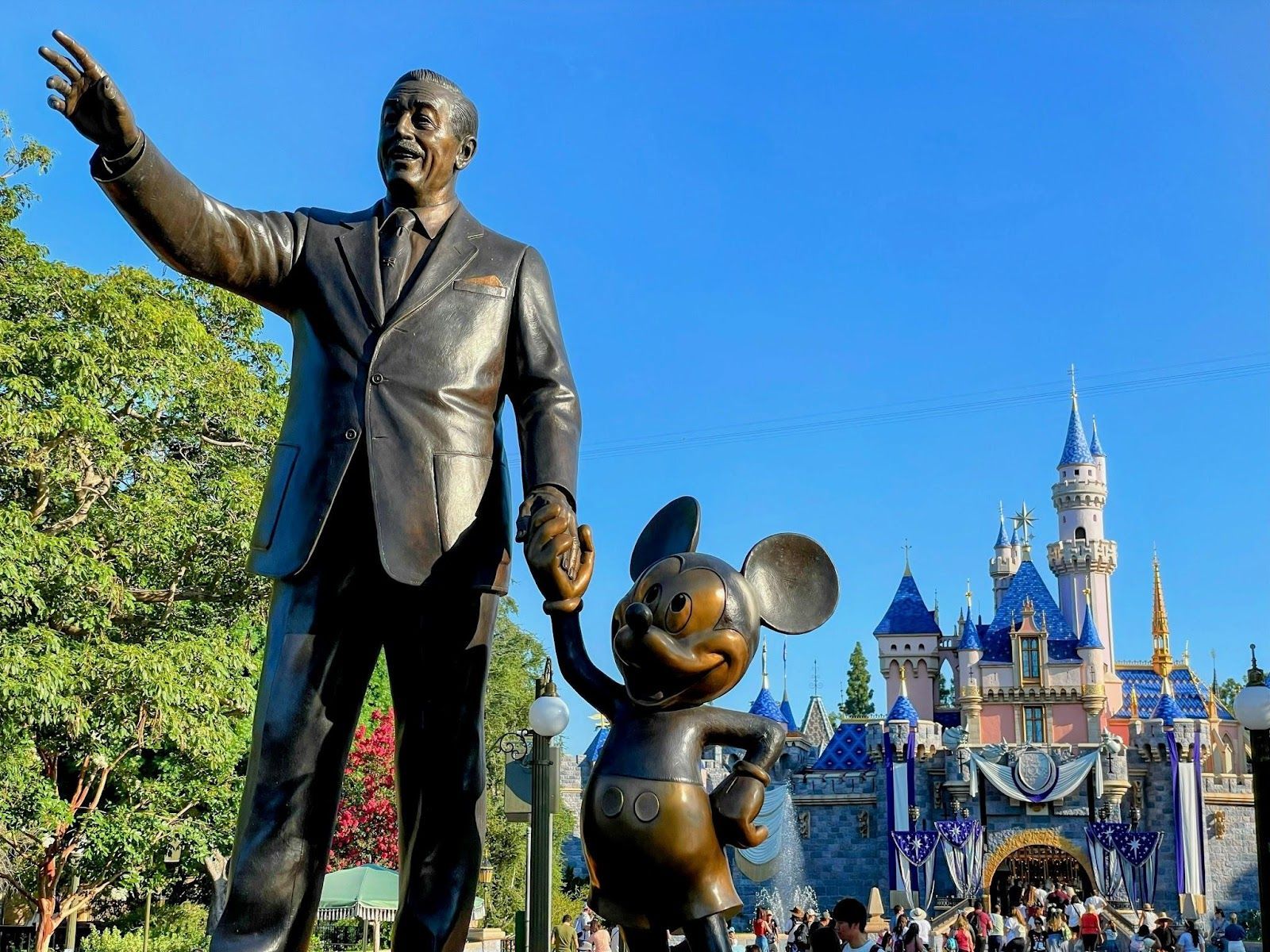
In a 1998 episode of The Simpsons ("When You Dish Upon a Star"), Homer crashes into a Hollywood meeting and we briefly see a sign that reads: "20th Century Fox — a division of Walt Disney Co."

At the time, this was a playful nod to Disney’s ever-growing empire. But in 2019, it became real: Disney acquired 21st Century Fox for $71.3 billion.

4

Spaceships launched from Florida

Image: SpaceX

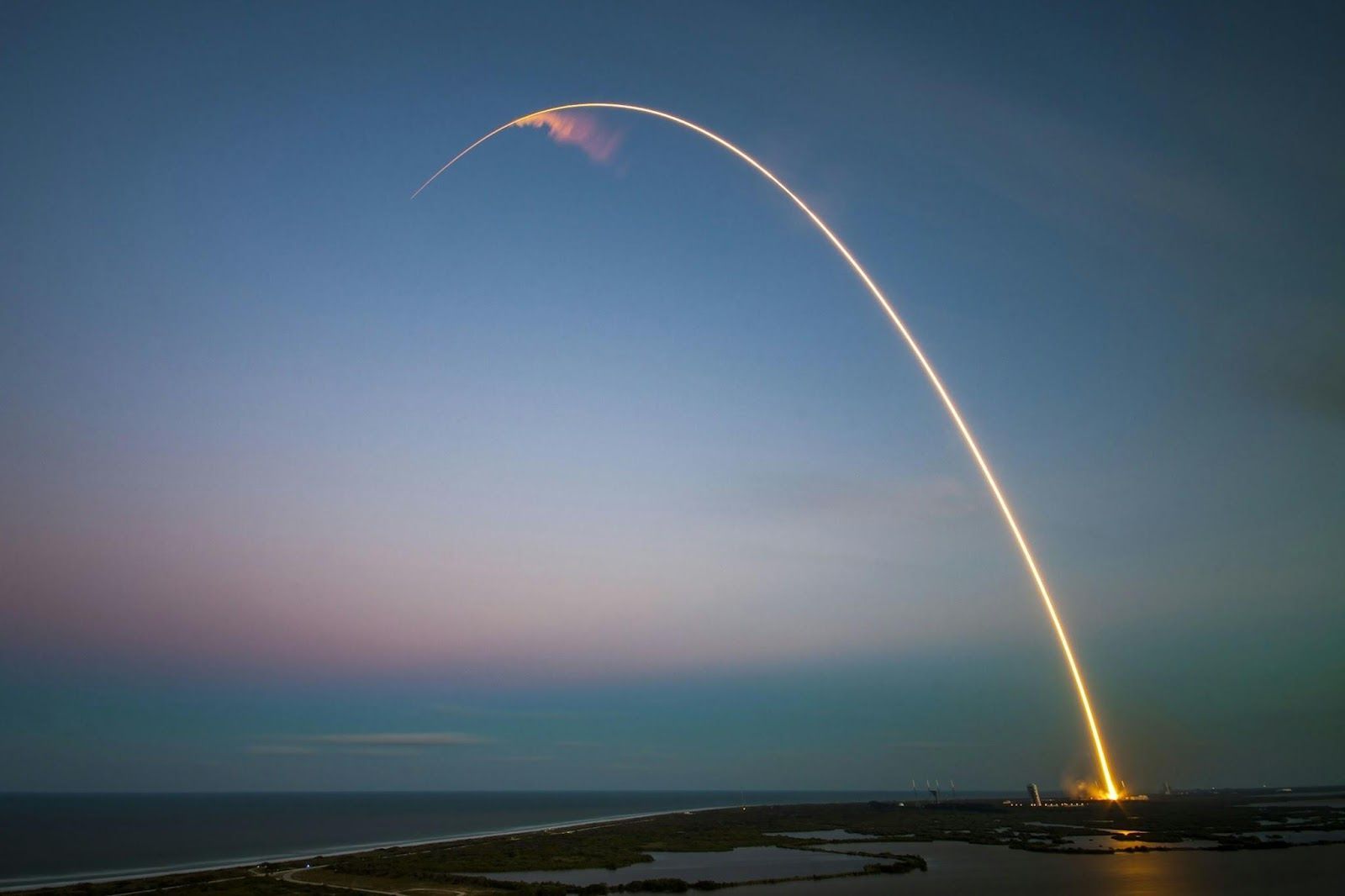
In his 1865 novel From the Earth to the Moon, Jules Verne got more than one detail right, including which U.S. state would one day launch spaceships.

Verne imagined a three-man crew in a projectile fired from Florida (near modern-day Cape Canaveral) that splashed down in the Pacific Ocean. Yes, just like Apollo 11, more than a hundred years later. That’s a remarkably accurate prediction for a piece of fiction written during the Civil War era!

5

Video calls and conferences

Image: Gabriel Benois

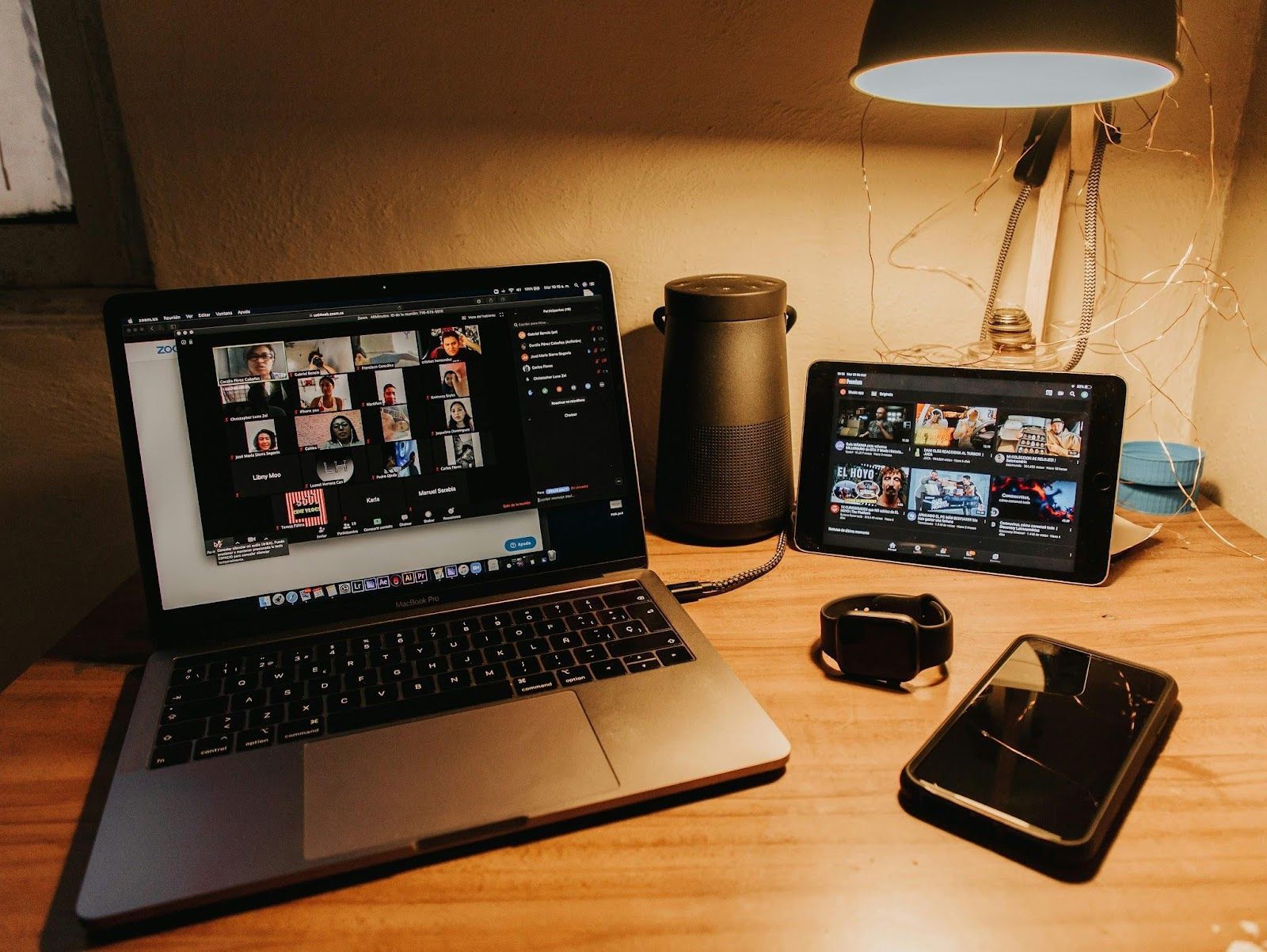
Do you remember seeing people communicate through large flat screens in The Jetsons and laughing at it as an exaggerated gag about the future? Well, who’s laughing now?

In Hanna-Barbera’s 1962 show, the characters used "televiewers" to chat across long distances, surprisingly similar to how we use Zoom or FaceTime today. Other works, like E.M. Forster’s The Machine Stops (1909), had predicted remote video communication even earlier, but The Jetsons cemented the concept visually in pop culture.

6

In vitro fertilization

Image: bady abbas

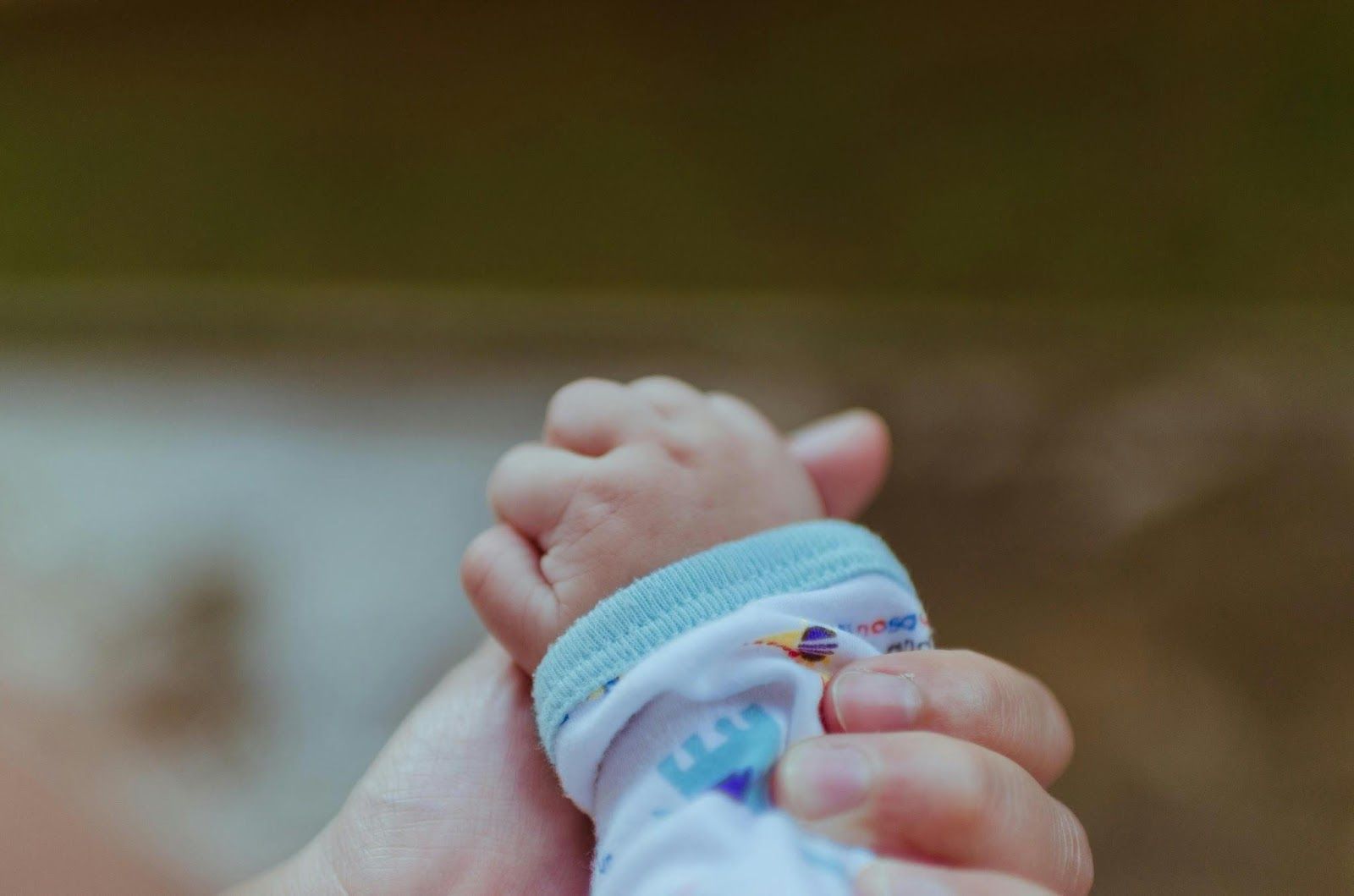
IVF was predicted as far back as 1924, 54 years before the first "test-tube baby" was born.

British biologist J.B.S. Haldane imagined a world of artificial reproduction. In his essay Daedalus; or, Science and the Future, he coined the term "ectogenesis" to describe babies being grown outside the womb.

7

AI as a widespread therapy

Image: Emiliano Vittoriosi

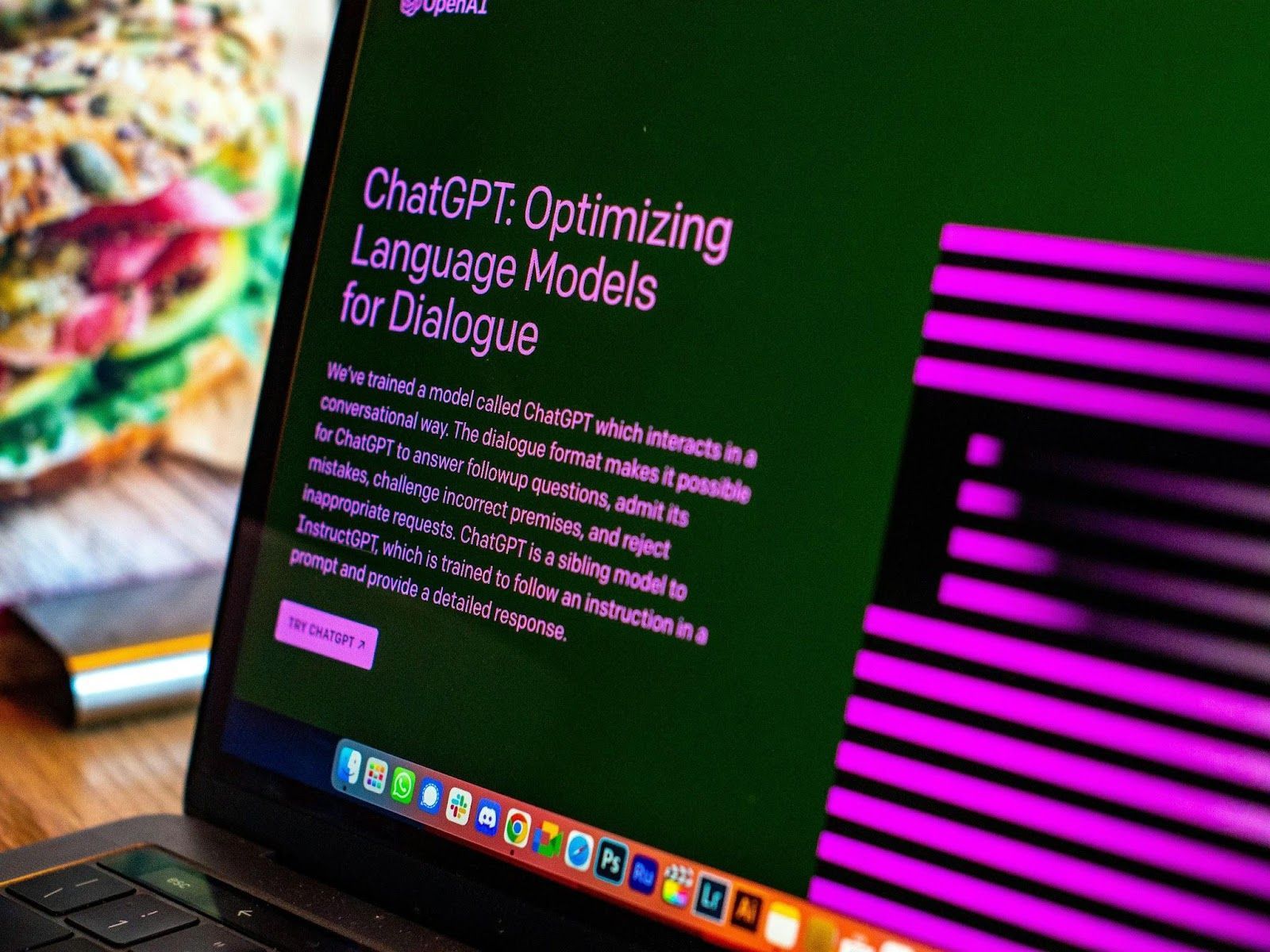
In Steel Beach (1992), sci-fi author John Varley envisioned a future where artificial intelligence provided therapy. In his story, the Central Computer actively counsels people, offers psychological evaluations, and responds to emotional needs.

At a time when AI was still seen as a cold, mechanical concept, Varley’s story offered a surprisingly human twist. Today, studies show that many people using AI chatbots turn to them for emotional support and counseling.

8

The concept of robots (while installing the name)
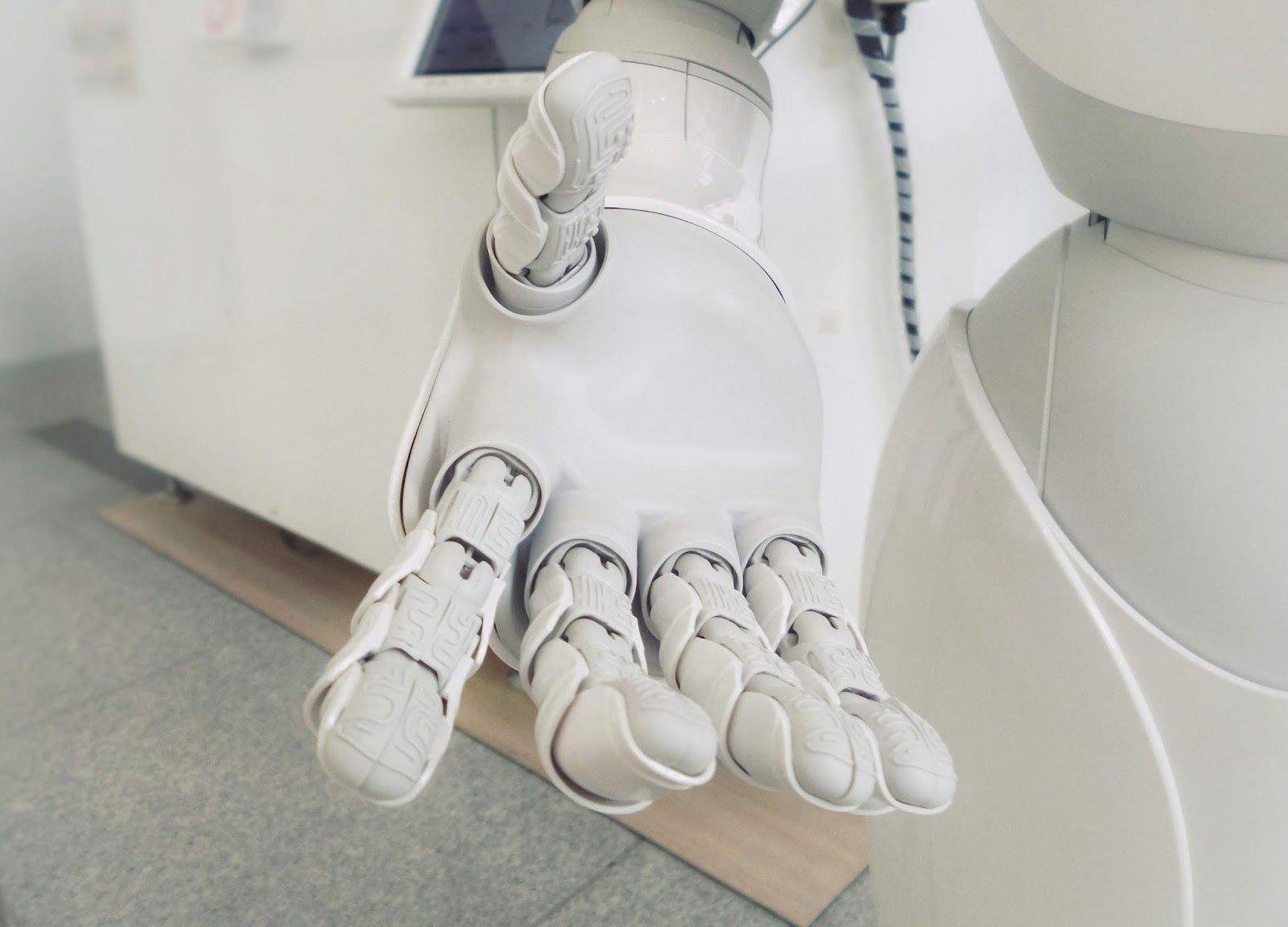
Image: Possessed Photography

The word "robot" entered the English language in 1920 through a Czech play titled R.U.R. (Rossum’s Universal Robots) by Karel Čapek. These "robots" weren’t mechanical machines but biological workers created to serve humans. The name came from the Czech word robota, meaning "forced labor." A century later, the term has clearly stuck.

9

Artificial (slightly scary) intelligence
Image: Mateo Avila Chinchilla

In 2001: A Space Odyssey (1968), Arthur C. Clarke introduced HAL 9000, an AI so advanced it could carry out conversations, read lips, and make decisions. But Clarke’s futuristic vision also included video calls, flat-screen tablets, and casual digital multitasking, all decades before such technology existed.

HAL’s breakdown was fiction, but Clarke accurately foresaw how machines would gradually take over our attention.

10

Lab-grown meat

Image: Olivier Amyot

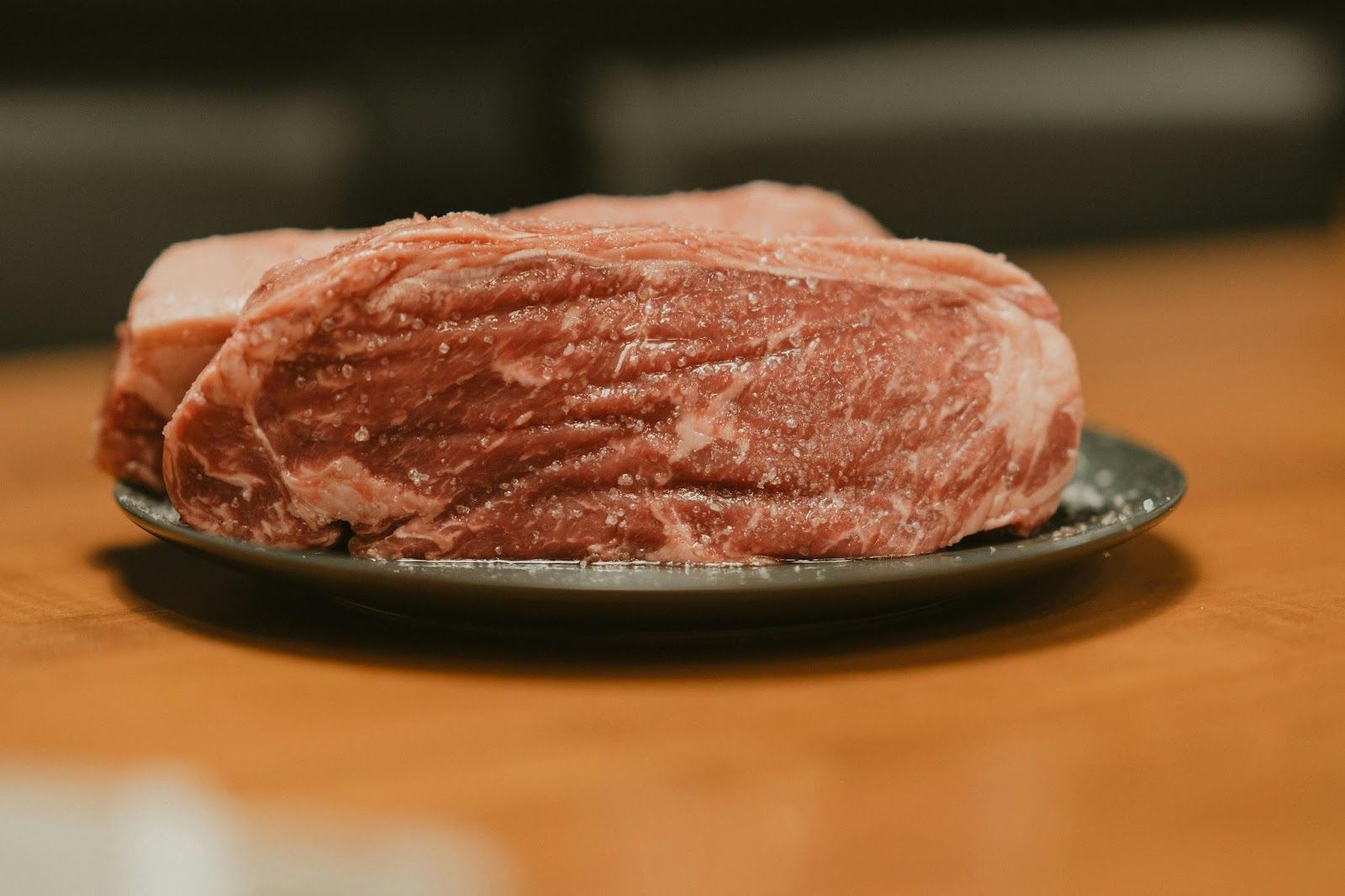
In 1880, Mary E. Bradley published her book Mizora: A Prophecy. Maybe not all of the details in her all-female utopia were prophetic, but she did get one thing right: artificially grown meat. In her world, food wasn’t farmed but created through chemical processes in laboratories.

It sounded outlandish at the time, but today some food companies are doing exactly that. Bradley’s vision came long before environmentalism or animal rights were mainstream. Somehow, in a story about feminism and science, she also imagined what we might now call the vegan burger.

11

The commercial use of credit cards

Image: Stephen Phillips - Hostreviews.co.uk

Credit cards might seem like a very modern invention, but they were anticipated in an 1888 novel. Looking Backward, by Edward Bellamy, imagined a future in the year 2000 where everyone received a card loaded with "credit" from the government. People used this card to access goods from massive communal warehouses—similar to what we today would call department stores.
The truth about your brain

You won’t believe what happens in your brain while you sleep


Published on November 16, 2025


Image: Milad Fakurian

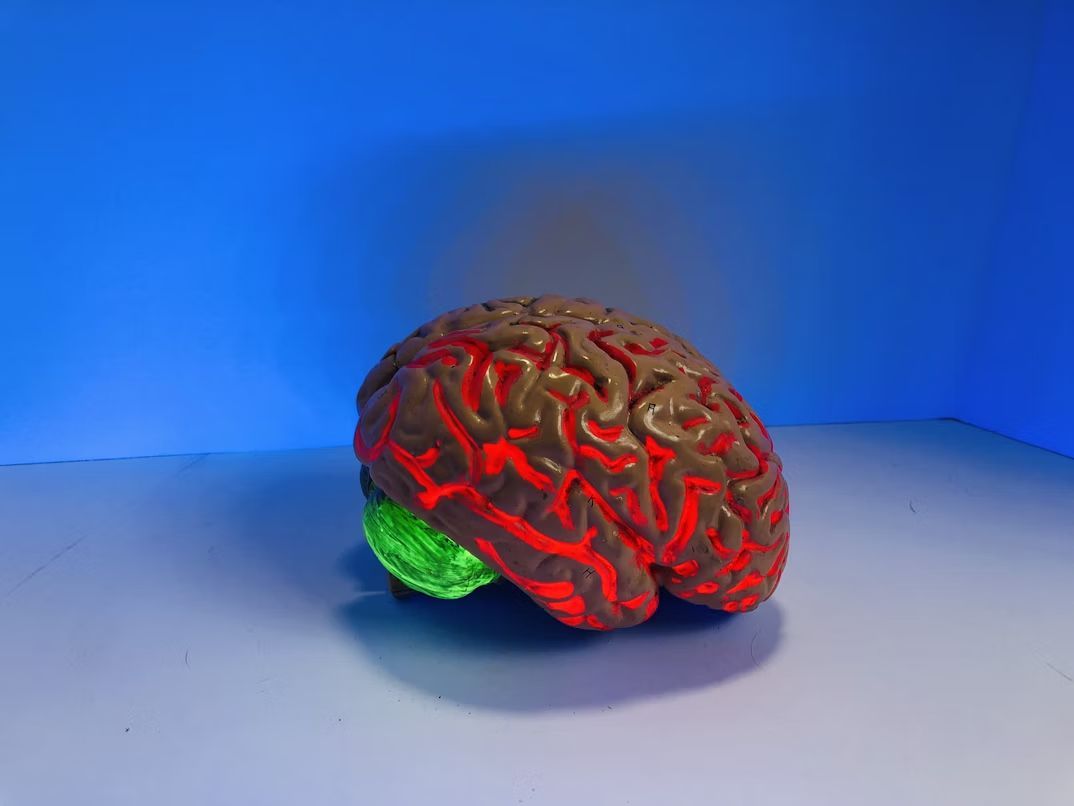
Your brain is one of the most powerful and mysterious organs in your body. It controls everything from your thoughts to your emotions and even processes information at lightning speed. But how much do you really know about it? Some long-believed myths about the brain have been debunked, while other surprising facts reveal just how incredible this organ truly is. Get ready to be amazed by these fascinating brain facts!

1

Myth: We only use 10% of our brain

Image: Natasha Connell

You’ve probably heard this one before, but it’s completely false! While it’s true that not all parts of the brain fire at the same time, imaging studies show that most regions are active throughout the day, even when we sleep.

Your brain is constantly working, controlling bodily functions and emotions, and processing information. So next time someone says you’re only using 10% of your brain, you can confidently tell them that’s just a myth!

2

The brain itself can’t feel pain

Image: Aarón Blanco Tejedor

Here’s a weird fact: While your brain processes pain signals from the rest of your body, it has no pain receptors of its own. This is why surgeons can perform brain surgery on conscious patients without causing them pain.

However, the membranes and tissues surrounding the brain do have pain receptors, which is why headaches and brain injuries can be so excruciating.

3

Headaches are actually chemical reactions

Image: Usman Yousaf

How come we have headaches if the brain has no pain receptors? Well, that’s because headaches are triggered by chemical activity in the brain, changes in nerves and blood vessels, and even fluctuating serotonin levels.

In some cases, hormones like estrogen can also play a role, which explains why migraines are more common in women.

4

Dreams: Your brain’s midnight movie theater

Image: Go to Johannes Plenio's profile Johannes Plenio

Dreams are proof that your brain never rests! (Warning: this fact can make you feel exhausted.) While you sleep, your limbic system, that is, the part of the brain that deals with emotions, becomes especially active, which is why dreams often feel so intense.

On average, humans experience four to seven dreams per night, even if we don’t always remember them. And what about that scary nightmare about falling? Well, you can thank your amygdala, the brain’s fear center, for that one.

5

Your short-term memory lasts less than 30 seconds

Image: Brett Jordan

Have you ever walked into a room and instantly forgotten what you were after? That’s because short-term memory only lasts about 20-30 seconds! That’s not enough!

Your brain holds a limited amount of information in its active state before deciding whether to store it or discard it. Ironically, we can’t really choose what makes the cut, but we do hope these facts stay with you!

6

Brain freeze is your body’s warning signal

Image: BUDDHI Kumar SHRESTHA

That sharp, icy pain when you eat something too cold? It’s your brain’s way of telling you to slow down! Officially called sphenopalatine ganglioneuralgia, a brain freeze happens when cold food or drinks rapidly chill the blood vessels in your throat, causing them to constrict and then rapidly expand. This sends pain signals to your brain, warning you of the sudden temperature shift. It’s annoying, but it’s actually your body trying to protect itself!

7

Your brain thinks a lot!

Image: Josh Riemer

You didn’t need us to tell you, but let’s look at the details: The average person has between 12,000 and 60,000 thoughts per day. What’s even more interesting? 95% of those thoughts are the same ones you had yesterday. Is that not surprising enough? Hear this out: 80% of them tend to be negative. That’s because our brains are wired for survival, constantly analyzing risks and potential dangers.

8

Your brain uses 20% of your body’s oxygen and blood

Image: Terry Vlisidis

Even though it only makes up about 2% of your body weight, your brain employs a major quantity of energy! It consumes 20% of your oxygen and blood supply, making it one of the most demanding organs in your body.

If your brain goes without oxygen for just five minutes, brain cells start dying, leading to irreversible damage. This is why deep breathing and cardiovascular exercise are great for brain health!

9

Seeing stars? That’s your brain processing vision!

Image: Alexander Andrews

Do you know that feeling when you hit the back of your head and see stars? That’s because your occipital lobe, which controls vision, is located at the back of your brain. If you get hit there, your brain momentarily misfires, causing flashes of light.

Interestingly, your brain processes vision on the opposite side; while your right brain controls your left eye, your left brain controls your right eye. It’s one of the many ways the brain operates in a complex way.

10

Your brain can power a light bulb!

Image: Rodion Kutsaiev

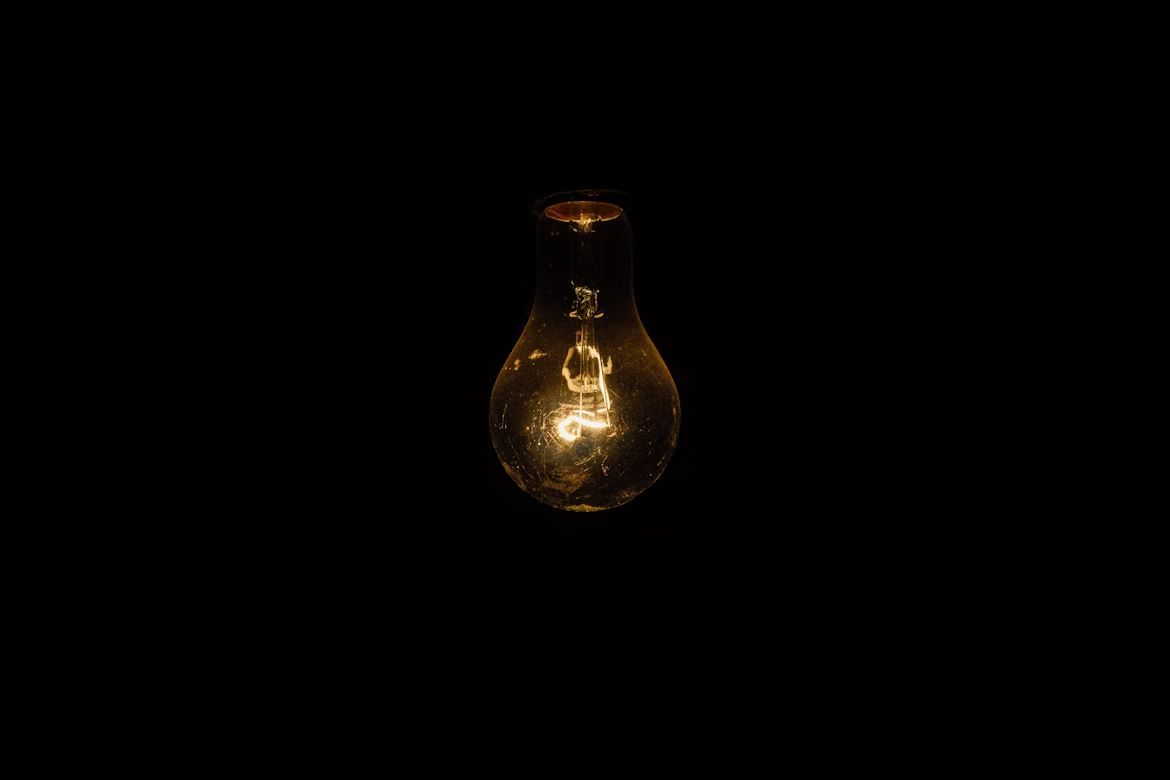
Believe it or not, your brain generates between 12 and 25 watts of electricity when you’re awake. If you can’t really grasp how powerful that is, check this out: It’s enough to power a small light bulb! Your brain’s electrical activity is what allows neurons to send signals at speeds of up to 260 miles per hour.

11

Your brain is mostly fat

Image: Robina Weermeijer

Your brain may be the fattiest organ in your body, consisting of at least 60% fat! This is why consuming healthy fats, like omega-3s and omega-6s present in fish, for example, is essential for brain health.

Healthy fats stabilize brain cell walls, reduce inflammation, and support cognitive function. So go ahead and enjoy that avocado toast, it’s food for your brain!

12

Your brain shrinks as you age

Image: Robina Weermeijer

It’s not just your memory that fades over time; the brain itself physically shrinks as one gets older. It continues developing until your late 40s, but after that, it slowly decreases in size.

Now, size doesn’t equal intelligence, so a smaller brain doesn’t necessarily mean a less capable one. Staying mentally active, exercising, and eating brain-boosting foods can help keep it in top shape!

13

Cholesterol plays a big role in memory

Image: Lisa Yount

We often think of cholesterol as bad, but your brain actually depends on it! In fact, 25% of your body’s cholesterol is stored in your brain, where it helps with learning and memory. However, unlike other organs, the brain can’t absorb cholesterol from the blood, it has to produce its own. So, while too much cholesterol in the body can be harmful, the right amount is vital for brain function. At least you can use that as an excuse to get that burger!

Looking for an extra scoop of literary fun?

Learn more with our Word of the day

elegiac

/ˌɛləˈdʒaɪək/