Quirks of English

10 words that sound the same but mean different things


Published on September 27, 2026
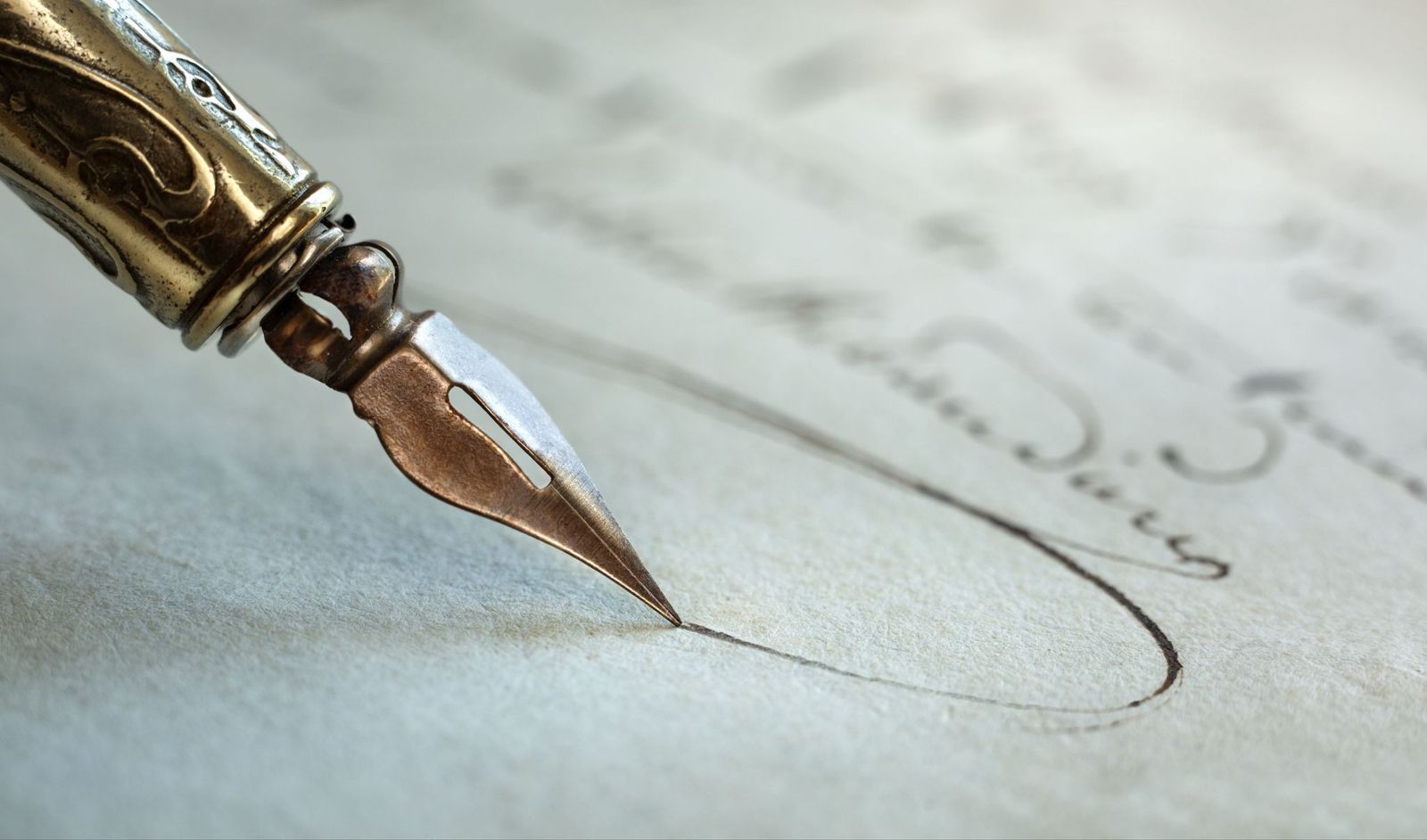

Image: Triff

English is beautiful. It has borrowed words, sounds, and grammar from more than 350 other languages, which gives us an amazingly vast vocabulary (hundreds of thousands of words, though we only use 20,000 to 35,000 in everyday life). But this rich history comes with a catch: some words sound exactly like other words even though their spellings and meanings are completely different: think of "flour" and "flower," or "right" and "write." These are called "homophones," and here are 10 of them you may or may not have noticed before.

1

Flower — flour

Image: sergey kolesnikov

One is used to cook, and the other to decorate. One grows naturally on a plant and is associated with beauty and gardens, and the other is a powder made by grinding grains and is normally used in the kitchen. In standard American English, both "flower" and "flour" are pronounced /ˈ_flaʊər_/. We have to rely on context to tell them apart: you might plant a flower and bake with flour.

2

Right — write

Image: Marina Demeshko

This could be a confusing one for someone just starting to learn English, as "right" can mean "correct," as in "you got the answer right," or refer to the direction opposite of left. But "write" specifically refers to the act of writing: forming words or symbols using a pen, keyboard, etc. But in standard American English, both are pronounced /raɪt/. This means you can "write the right answer."

3

Sea — see

Image: Altug Galip

What does a large body of salt water have in common with the act of perceiving something with your eyes? Well, nothing really, just that both are pronounced /siː/. These two don’t even belong to the same parts of speech; "sea" is a noun whereas "see" is a verb, with "saw" and "seen" as its past-tense forms. And yes, you can "see the sea."

4

Son — sun

Image: Zoteva

Both pronounced /sʌn/, "sun" and "son" are two nouns that, again, mean two different things. One is a male child in relation to his parents, a person; while the other refers to the star at the center of our solar system, responsible for providing light and heat to the Earth. You could say, metaphorically, that your "son is your sun." Or that the neighbor's "son is playing in the sun."

5

Pair — pear

Image: gelog67

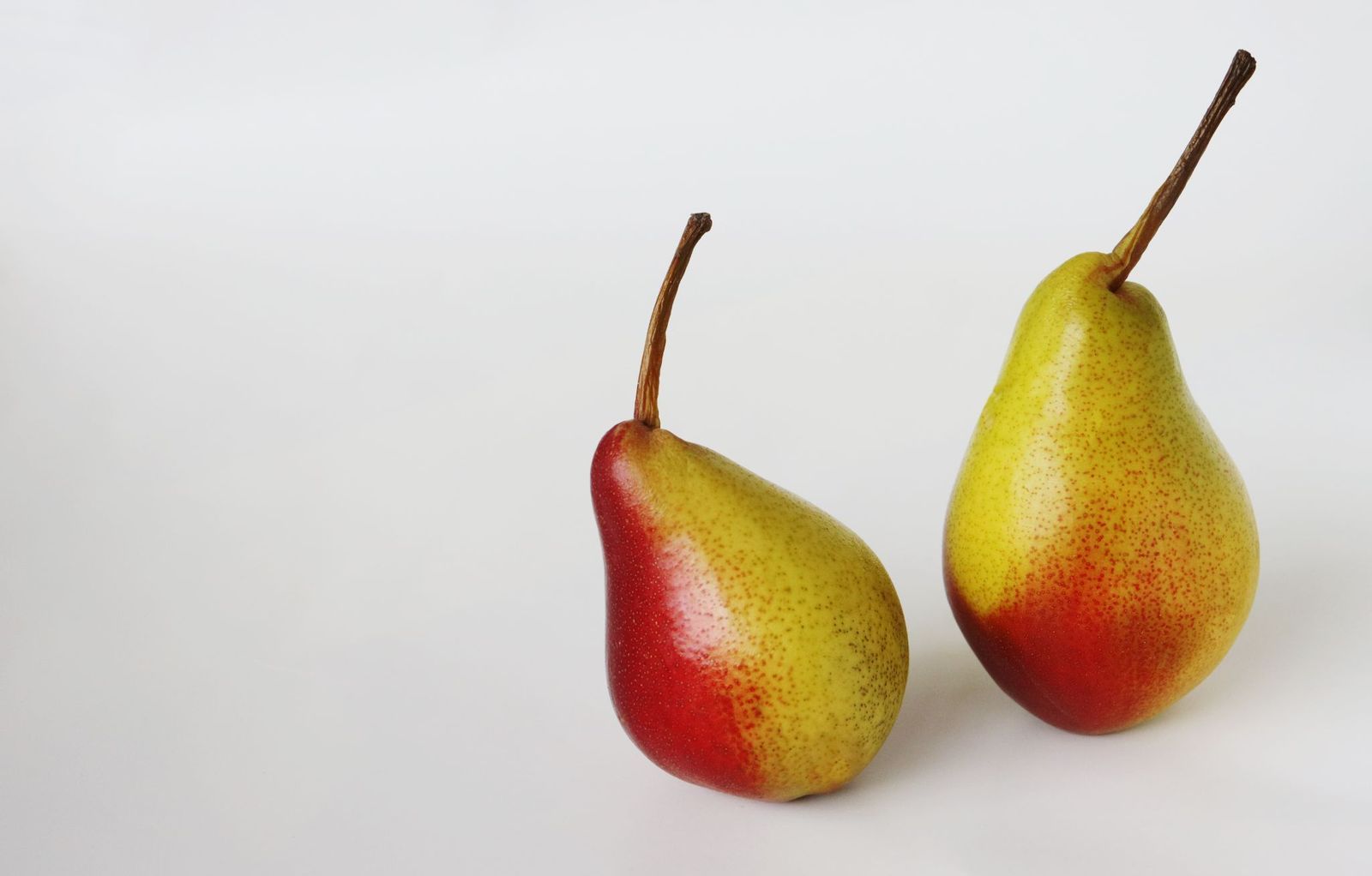
Again, we have a case of a verb and a noun with no relation to each other, and yet both are pronounced the same, /per/. "Pair" can actually be both a noun and a verb; as a noun, it refers to two things that belong together, such as a pair of shoes, and as a verb, it means to put two things or people together. A "pear" is a bell-shaped fruit that everyone knows. In this case, you could say you have a "pair of pears."

6

Knight — night

Image: Shutterstock AI

Although these two words can be associated with nighttime/fantasy imagery in old books and stories, the meanings of "knight" and "night" are completely different, even though both are pronounced /naɪt/. One refers to a king’s faithful mounted warriors wearing armour in medieval Europe, and the other simply means the period of darkness between sunset and sunrise: "The knight left the castle at night."

7

Peace — piece

Image: faithie

"Peace" is an idea or state. You can use it to mean "world peace," like an ideal state of freedom and happiness, or simply say "I need some peace" to express a need to feel calmer or more relaxed. And a piece is a part or a portion of something, like a piece of cake or a piece of paper. Both are pronounced /piːs/, and you could totally say that you "want to have a piece of cake in peace."

8

Mail — male

Image: AntonSAN

We use "mail" as a noun for items that are delivered through the postal system, but also as a verb that means "to send something through the mail." And even though the noun "male" is also pronounced /meɪl/, it refers to a man or a male animal as opposed to female; it describes sex or gender. It is perfectly valid to say "I sent mail to my male friend."

9

Buy — by — bye

Image: BongkarnGraphic

This is a funny triad. Three words, three different meanings but the same sound: /baɪ/. "To buy" is to purchase something; "bye" is a casual way to say goodbye; and "by" is quite a versatile word English speakers use to indicate everything from location and proximity to method or even the person responsible for an action: "I sat by the window" or "a book by Mark Twain."

And you can combine the three into one brief sentence and say, "Buy a book by an author, then say bye." Confusing? I don’t think so.

10

Week — weak

Image: infuture

"Week" and "weak" both sound /wiːk/. A "week" is what we call a period of seven days, usually counted from Sunday to Saturday, i.e., a period of time. And "weak" can mean a lack of strength or power, both mentally and physically: "I feel weak." Though it can also mean that something is not as effective as it should be: "That’s a weak argument". The two can coexist in the same sentence: "You can feel weak after a long week."
The 12 longest-living animals on Earth (and how they cheat time)


Published on September 27, 2026


Image: David Clode

Nature doesn’t just create beauty, it crafts survival miracles. While most animals have short lives, a rare few have mastered the art of staying alive for centuries, even millennia. These aren’t just long-lived creatures; they’re nature’s ultimate time travelers. From the frozen depths of the oceans to the darkest corners underground, they’ve developed bizarre, brilliant strategies to cheat death. Get ready to meet 12 animals whose lifespans will absolutely blow your mind.

1

Antarctic Sponge (Anoxycalyx joubini)

Image: NOAA

Record age: up to 15,000 years

This unassuming sea sponge thrives in the freezing waters of Antarctica, where temperatures hover around 28.6 °F—so cold that biological processes hit the brakes. In such icy conditions, metabolism slows to a crawl, allowing these sponges to live for thousands of years.

Some have reached impressive sizes of over 3 feet tall and have been around since mammoths were still thundering across the tundra. They don’t move, they don’t stress, and they barely change, just quietly existing while centuries pass them by. Their secret to extreme longevity? Glacial patience, deep-sea stillness, and a lifestyle that redefines "low-maintenance".

2

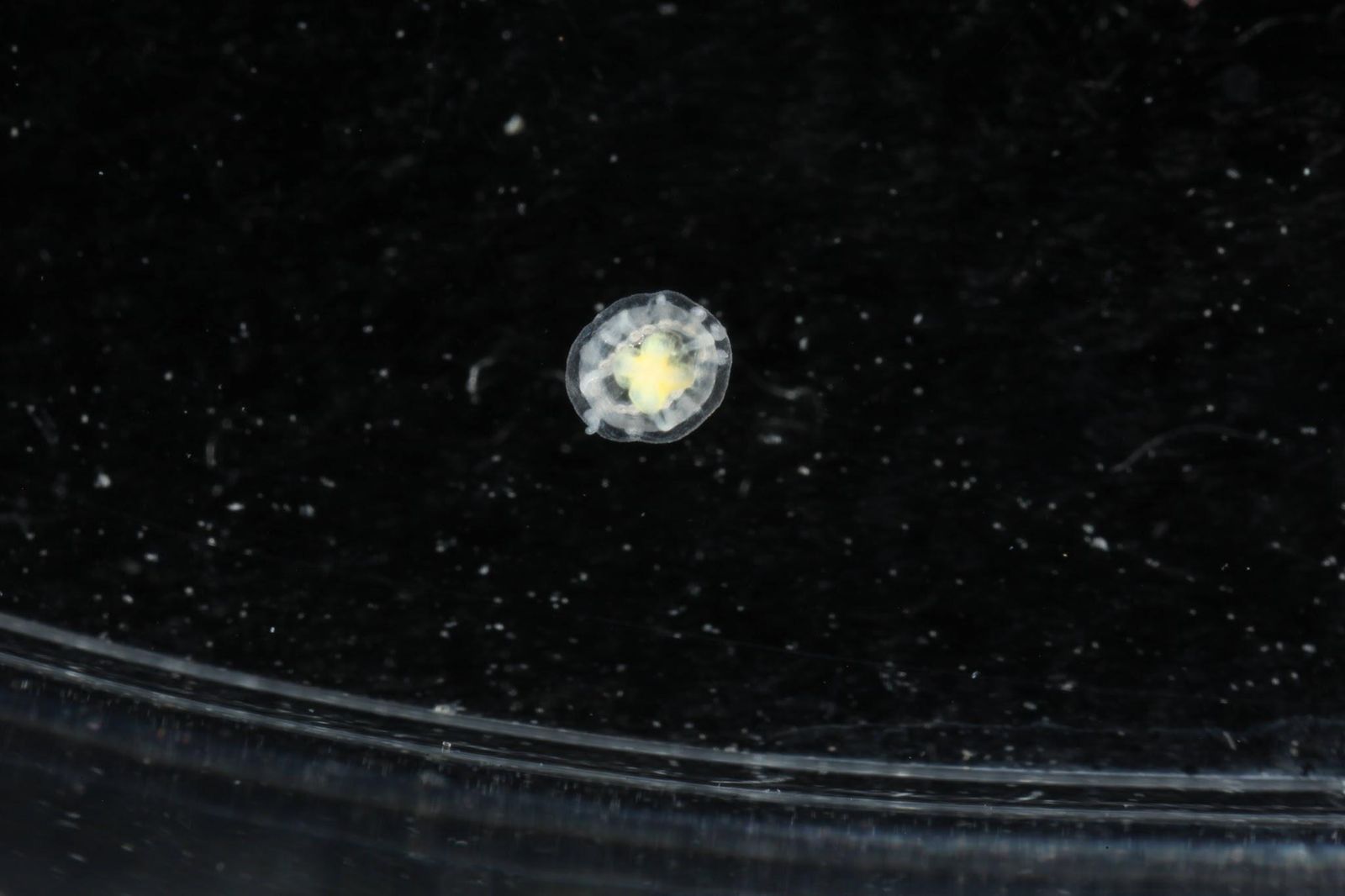
Immortal Jellyfish (Turritopsis dohrnii)

Image: Dr. Karen J. Osborn, CC0, via Wikimedia Commons

Age: technically… infinite

This tiny jellyfish, no bigger than a fingernail—less than 0.2 inches—is like the ocean’s very own Benjamin Button. What makes it truly extraordinary is its ability to rewind its life story, flipping back to a youthful, juvenile stage whenever it wants. While it’s not completely invincible (predators and other threats are still very real), if left undisturbed, it can keep hitting the reset button on aging indefinitely, making it one of the most fascinating "time-benders" in nature.

3

Ocean Quahog Clam (Arctica islandica)

Image: Norbert Braun

Record age: 507 years

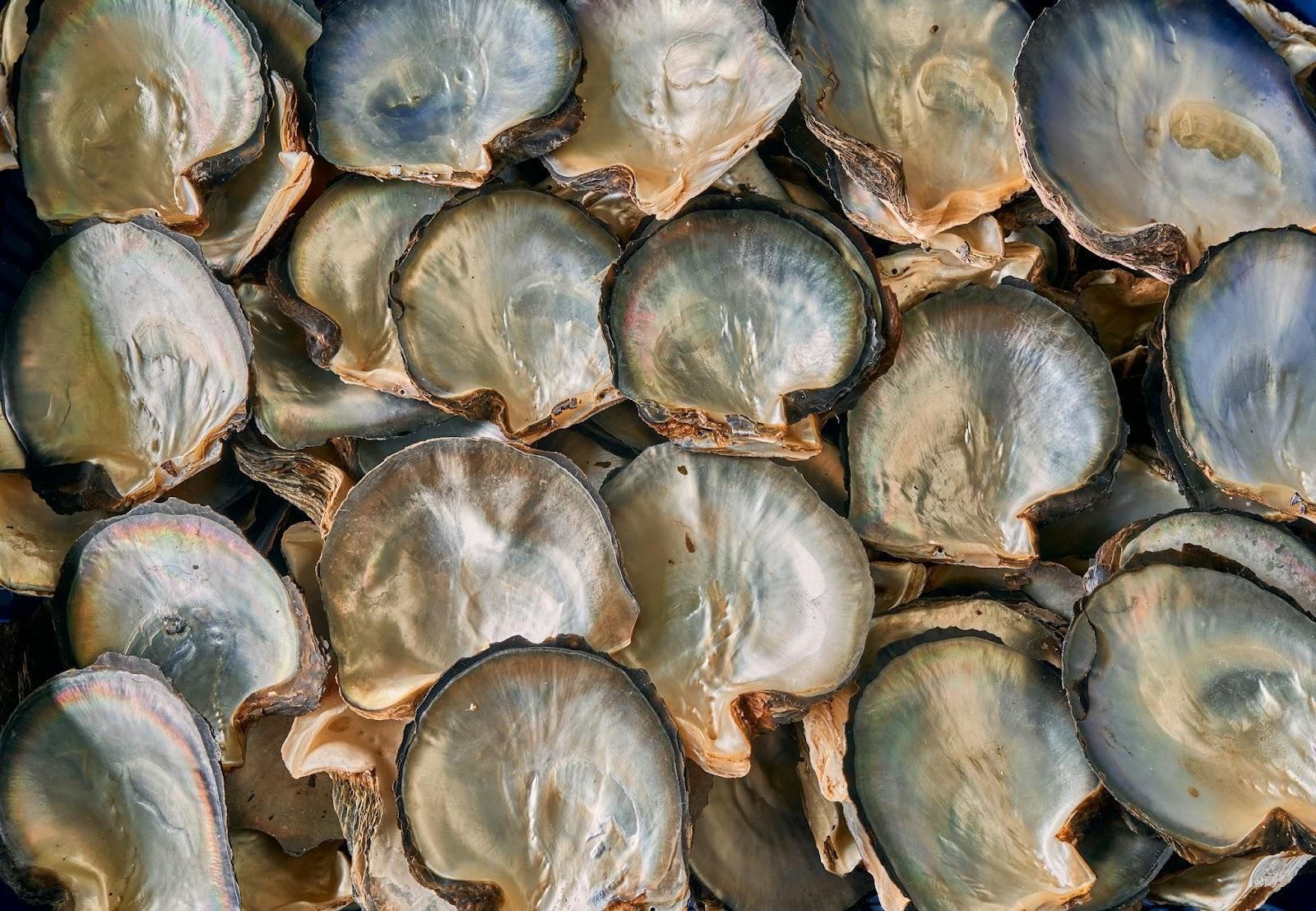
In 2006, a special clam was discovered buried deep in the seabeds of the North Atlantic. Scientists were able to determine that it had been there since at least 1499—that’s centuries before the United States was even a thought! This ancient marvel, nicknamed "Ming", was able to perfect a slow-and-steady approach to life. Growing at a snail’s pace and barely budging, Ming’s sedentary lifestyle turned out to be a brilliant strategy for beating the clock. Who knew doing almost nothing could be the ultimate secret to longevity?

4

Greenland Shark (Somniosus microcephalus)

Image: https://upload.wikimedia.org/wikipedia/commons/3/39/Greenland_shark_profile.jpg

Record age: estimated 392 years

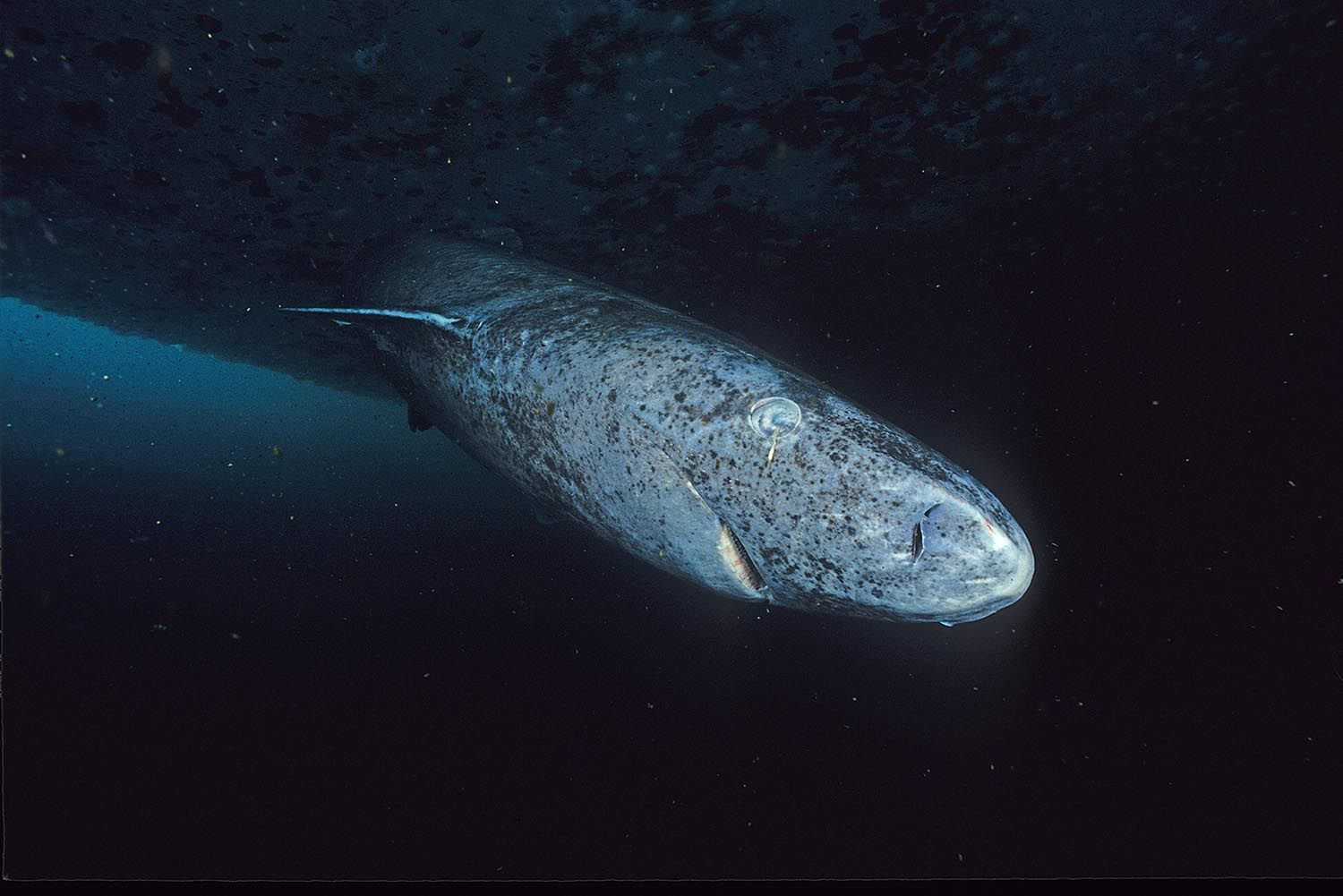
These sharks aren’t your average ocean cruisers—they can stretch over 20 feet long and weigh up to 2,200 pounds. But what’s really mindblowing is how slowly they move, like they’re in a permanent state of deep relaxation. Living in the icy Arctic waters, these giants don’t hit adulthood until they’re about 150 years old, and some can glide through the depths for nearly 400 years. Imagine that! These ancient swimmers were already around before America declared independence... and they are still out there, silently roaming the seas!

5

Bowhead Whale (Balaena mysticetus)

Image: Vicki Beaver, Alaska Fisheries Science Center, NOAA FIsheries, Marine Mammal Permit#14245, Public domain, via Wikimedia Commons

Record age: over 211 years

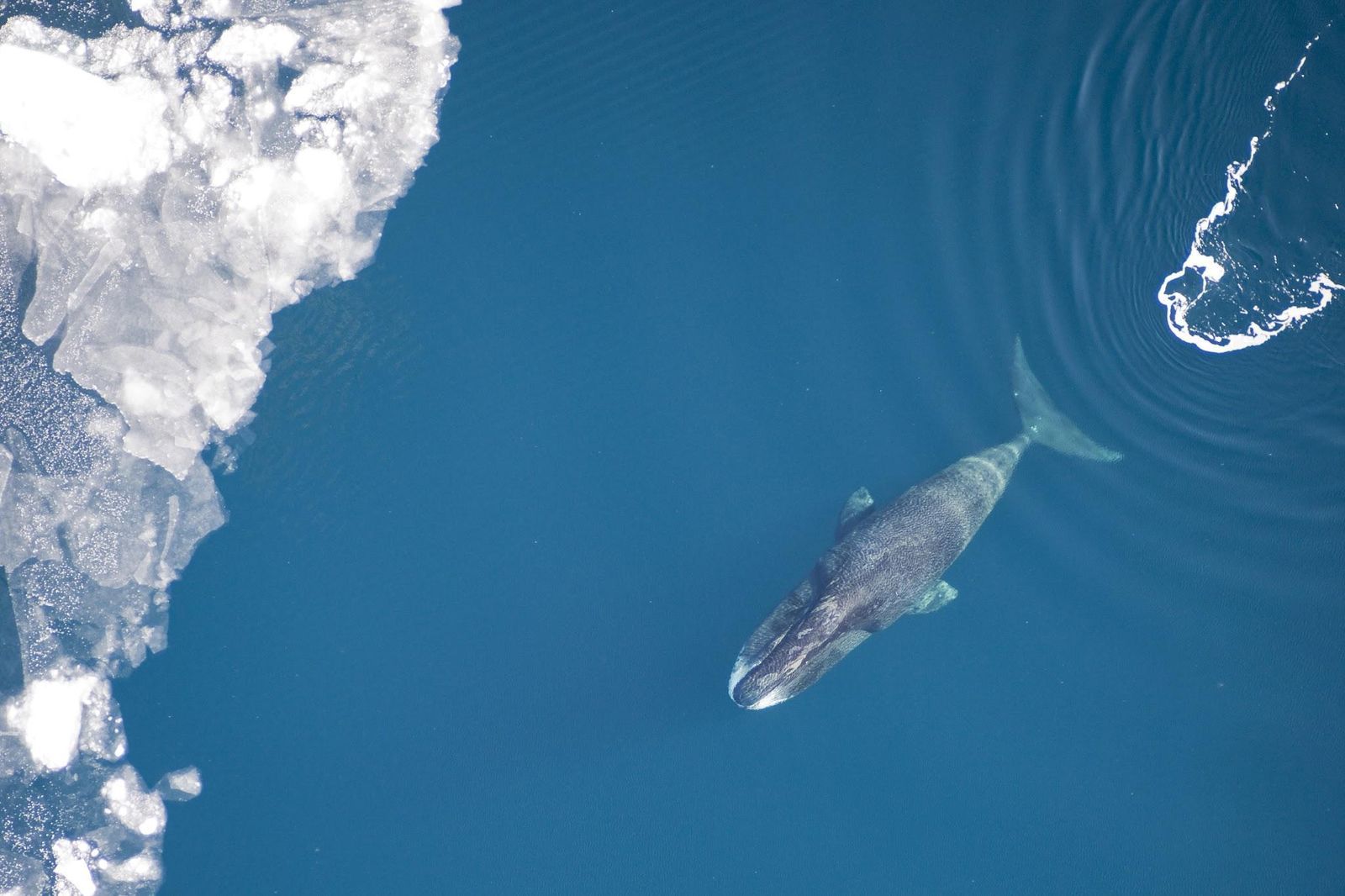
This whale is a true ocean giant, stretching up to 60 feet long and weighing a staggering 200,000 pounds. But what makes it stand out isn’t just its size but its age. Some of these majestic creatures carry harpoons from the 1800s still lodged in their skin, like walking history books. Just picture living so long that you’re literally carrying outdated technology embedded in your body—talk about being a time traveler of the seas!

6

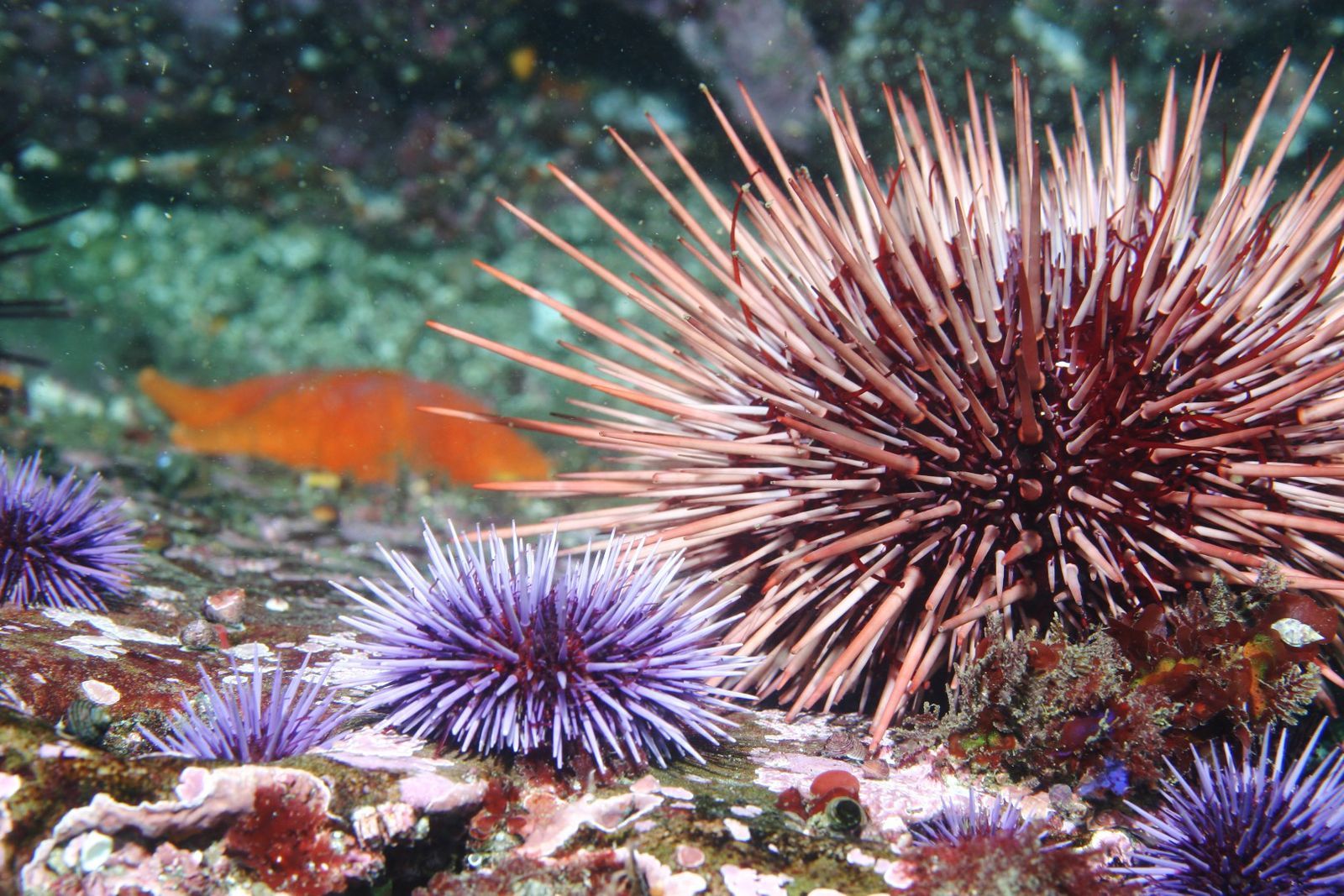
Red Sea Urchin (Mesocentrotus franciscanus)

Image: National Marine Sanctuaries, Public domain, via Wikimedia Commons

Record age: 200 years

Spanning the chilly Pacific coastline from California all the way up to Alaska, this spiky little ball—about 7 inches across—is full of surprises. It munches on algae and calls the deep, dark ocean its home, thriving at depths of up to 300 feet. Don’t let its size fool you: this prickly creature is a true elder of the cold seas, quietly outliving many ocean neighbors while keeping a low profile. A tough, slow-living veteran wrapped in spikes!

7

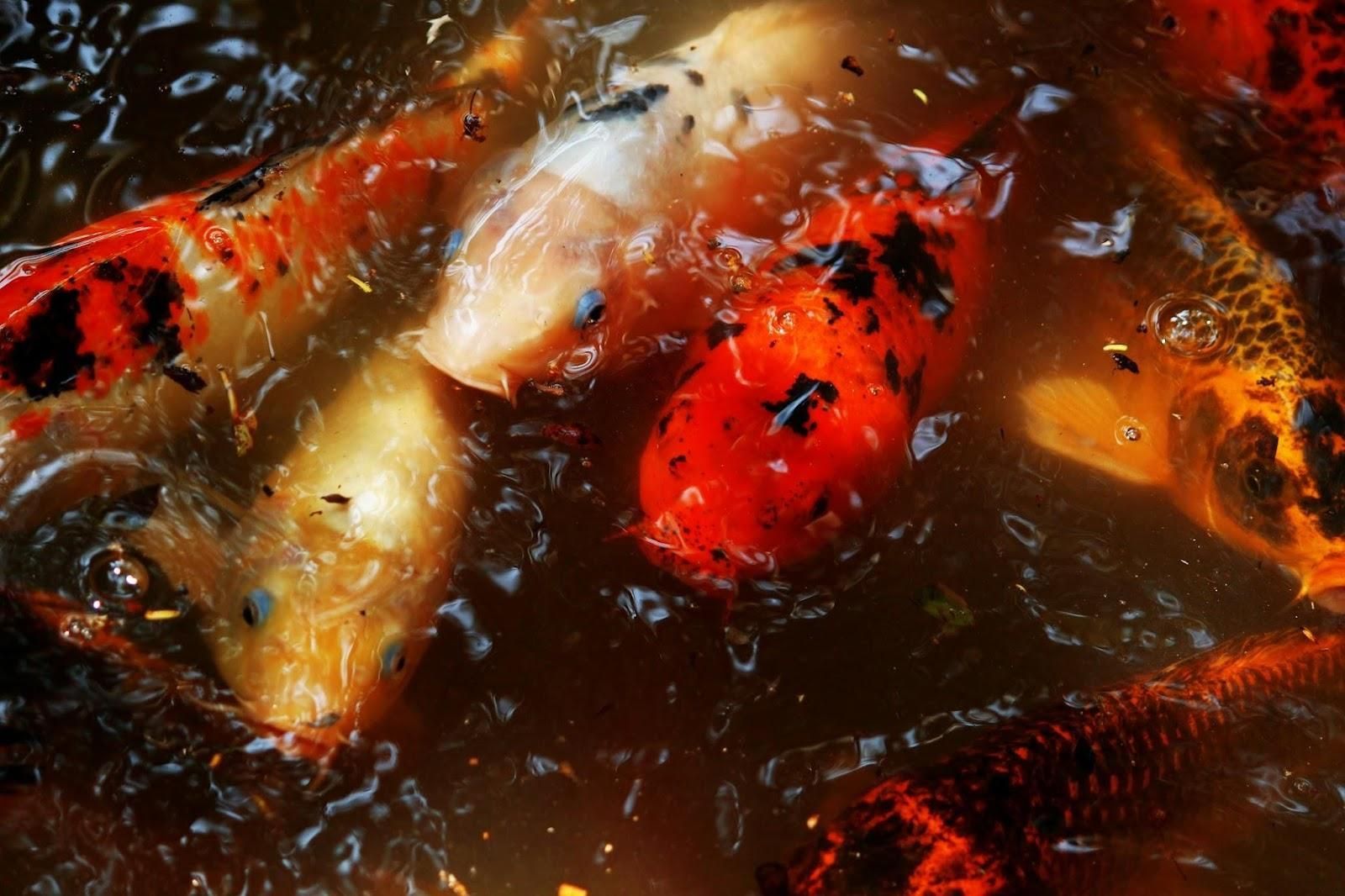
Koi Carp (Cyprinus rubrofuscus)

Image: Daniel Dan

Record age: 226 years

Meet Hanako, a legendary Japanese koi who swam through life for an astonishing 226 years. Scientists discovered how old she was by studying the rings on her scales, much like counting the growth rings of a tree. These colorful, ornamental fish aren’t just symbols of good fortune; they’re also secret long-lifers with the potential to celebrate over two centuries of birthdays, as long as they get the right care and a peaceful pond to call home.

8

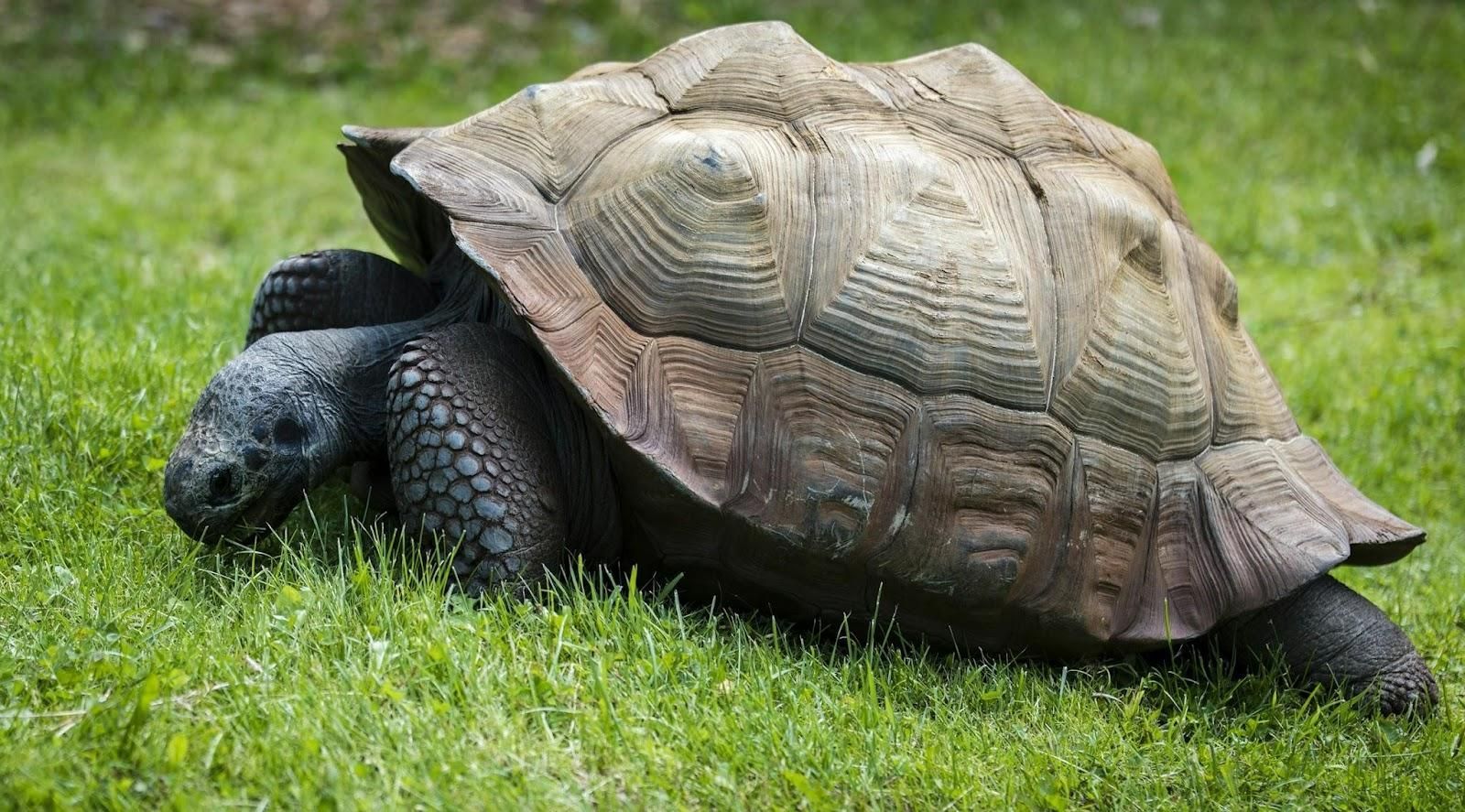
Seychelles Giant Tortoise (Aldabrachelys gigantea)

Image: Ryan Grewell

Record age: 190 years

Jonathan is a male tortoise living on the remote island of Saint Helena in the South Atlantic Ocean. He was born back in 1832, and he’s still happily chomping lettuce and soaking up the sun today. Weighing in at more than 400 pounds and measuring around 3 feet long, Jonathan holds the title of the oldest known living land animal on the planet. If he could share tales, they’d span nearly two centuries of history. Imagine that!

9

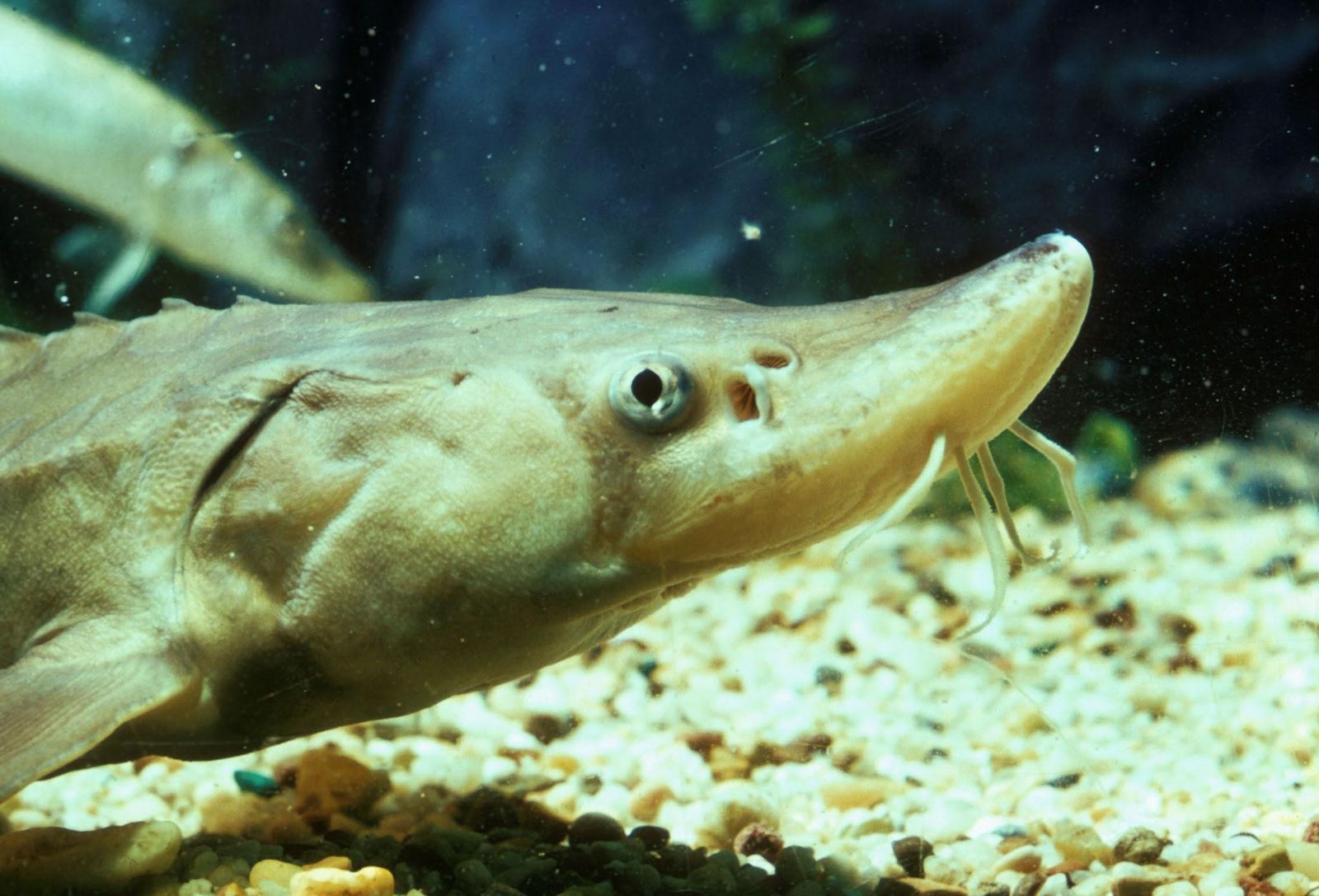
Lake Sturgeon (Acipenser fulvescens)

Image: See page for author, Public domain, via Wikimedia Commons

Record age: 152 years

This ancient-looking fish, with its whisker-like barbels, looking like a tiny underwater submarine, prowls the lakes of North America. It can reach an impressive length of up to 7 feet and weigh around 200 pounds. These slow-living creatures don’t rush into adulthood—they start breeding only around age 20—and then take their time cruising through life at a leisurely pace. Believe it or not, one legendary catch in Wisconsin was estimated to be over 150 years old!

10

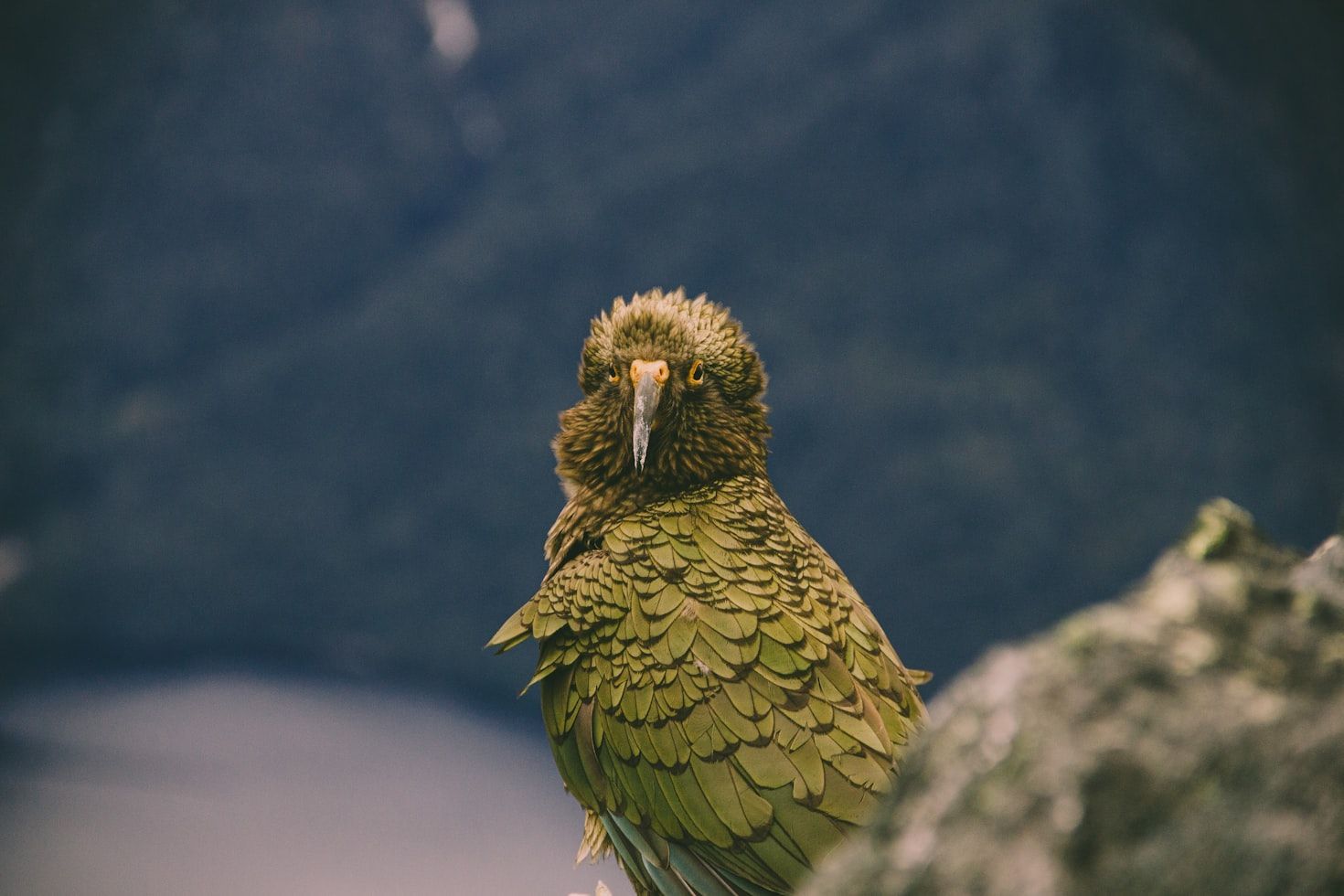
Kakapo Parrot (Strigops habroptilus)

Image: Andreas Sjövall

Record age: over 90 years

This chunky, night-loving parrot from New Zealand is a true oddball—it can’t fly, snores like a grumpy grandpa, and smells like fresh flowers. Despite its quirks, this bird boasts an impressively long lifespan. Sadly, it teeters on the edge of extinction. The oldest known kakapo, affectionately named Richard Henry, lived 90 years, earning him the title of the charmingly eccentric elder statesman of the avian world.

11

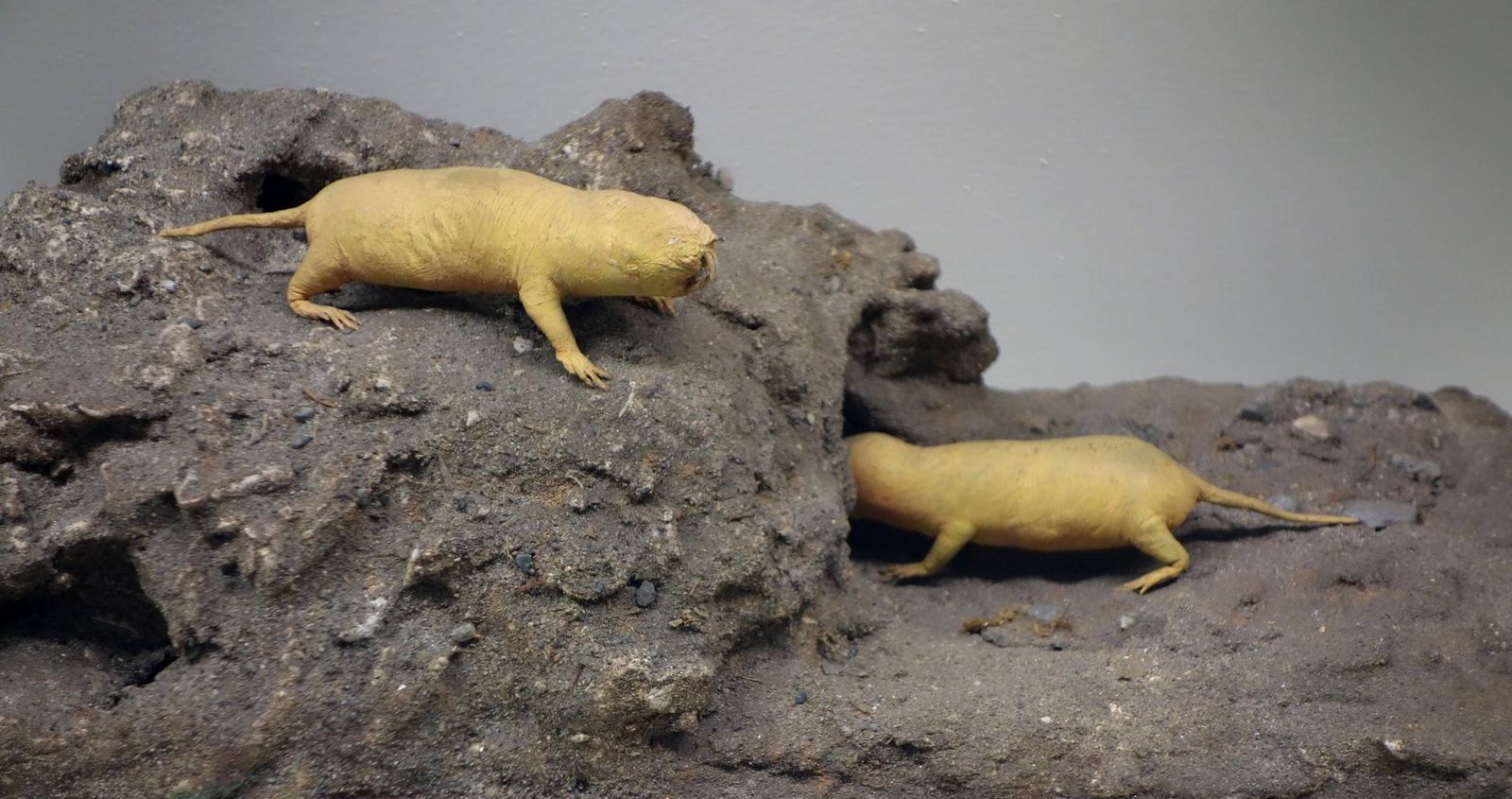
Naked Mole Rat (Heterocephalus glaber)

Image: Daderot, CC0, via Wikimedia Commons

Record age: 37 years

This tiny, kooky rodent—barely 3 inches long and just over an ounce in weight—could’ve been cast straight from a sci-fi apocalypse flick. Dwelling in vast underground colonies across Africa, it’s practically invincible to cancer, pain, and the usual effects of aging. Scientists are fascinated by this little marvel, even if it’s not winning beauty contests anytime soon. Its superpowers make it a star in longevity research!

12

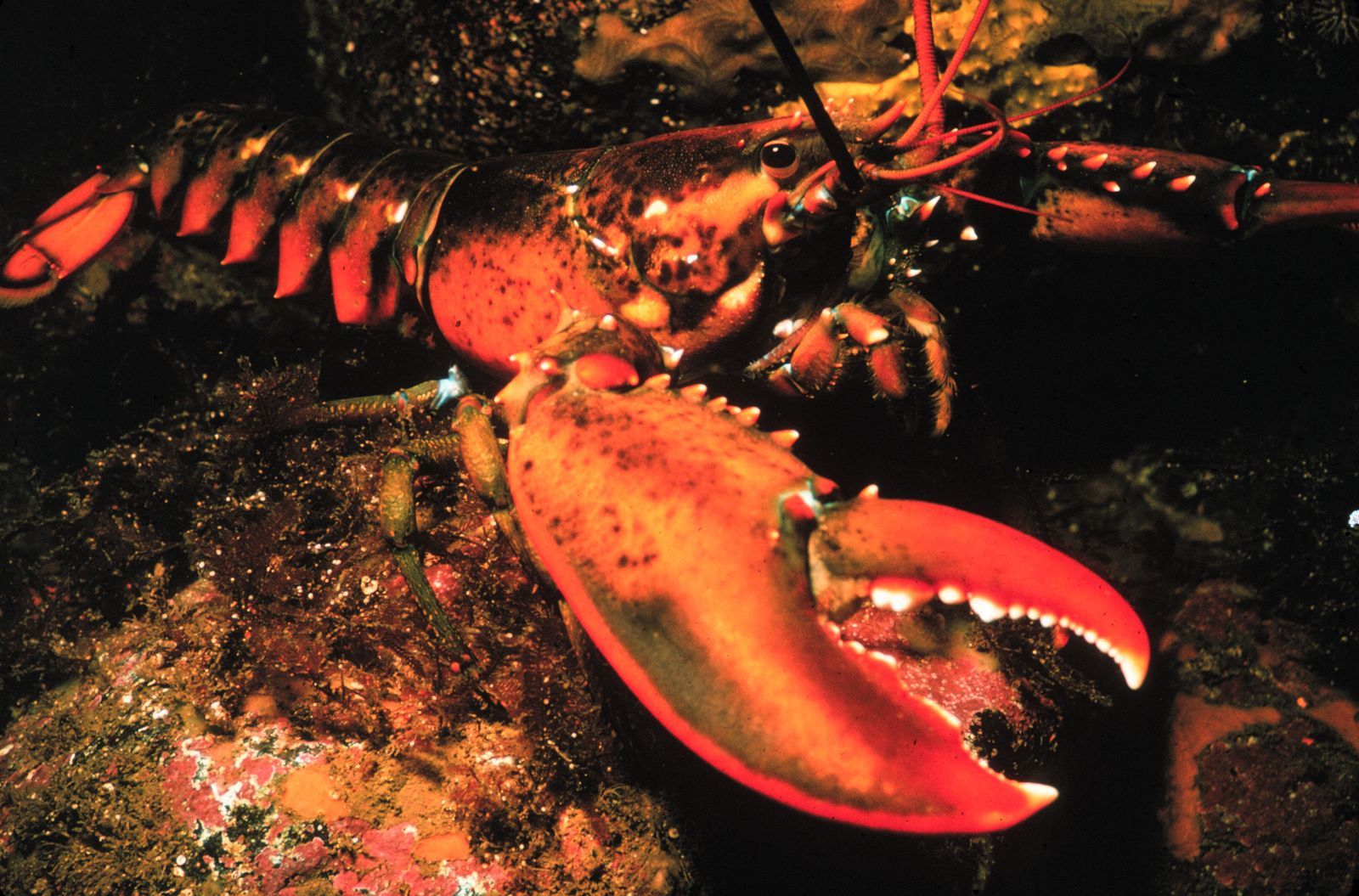
American Lobster (Homarus americanus)

Image: OAR/National Undersea Research Program (NURP)., Public domain, via Wikimedia Commons

Record age: estimated 100+ years

Lobsters have a totally different rulebook than us when it comes to aging. They don’t really grow old; they just keep getting bigger and bigger. Some giant lobsters weigh over 40 pounds and stretch beyond 3 feet long. Their biggest threats? Not old age, but predators or the risky process of shedding their shells. In theory, they could live forever if left alone—but let’s be honest, not many get to enjoy a peaceful, lobster-sized retirement!

Looking for an extra scoop of literary fun?

Learn more with our Word of the day

partisan

/ˈpɑrdəz(ə)n/