Buffaloes have no wings

There is no chicken in the sea: 12 food items with highly deceiving names


Published on December 30, 2025

Image: Kawin Harasai

Comedian Jerry Seinfeld said, in one of his standup routines, that there is no chicken in the sea—and he was right. Some foods have names that don’t quite tell the truth. They might hint at ingredients they don’t contain, places they’ve never been, or shapes they don’t actually take. Here are 12 examples where the menu description doesn’t match the bite.

1

Chicken of the sea

Image: Angela Bailey

The name might conjure an image of a seafaring hen, but this well-known brand is all about tuna. The "chicken" part simply refers to its mild flavor.

Marketed as an affordable, accessible protein, the label’s poultry-inspired twist has fooled many. In reality, it’s firmly in the fish family.

2

Sweetbreads

Image: Andrik Langfield

Sweetbreads might sound like a dessert, but they’re cuts of organ meat, usually the thymus or pancreas of calves or lambs.

Despite the misleading name, these delicacies are prized in gourmet cooking for their mild flavor and tender texture, not for any sweetness or breadiness.

3

Rocky Mountain oysters

Image: Sargent Seal

Perhaps there was a time when the Rocky Mountains were under the sea and oysters could be found there, but that is no longer the case. There is no seafood here. These so-called oysters are actually bull testicles, a specialty in certain parts of North America.

Often breaded and fried, they are served as a novelty dish at festivals and ranch gatherings, catching the unsuspecting diner off guard.

4

Buffalo wings

Image: Alexander Faé

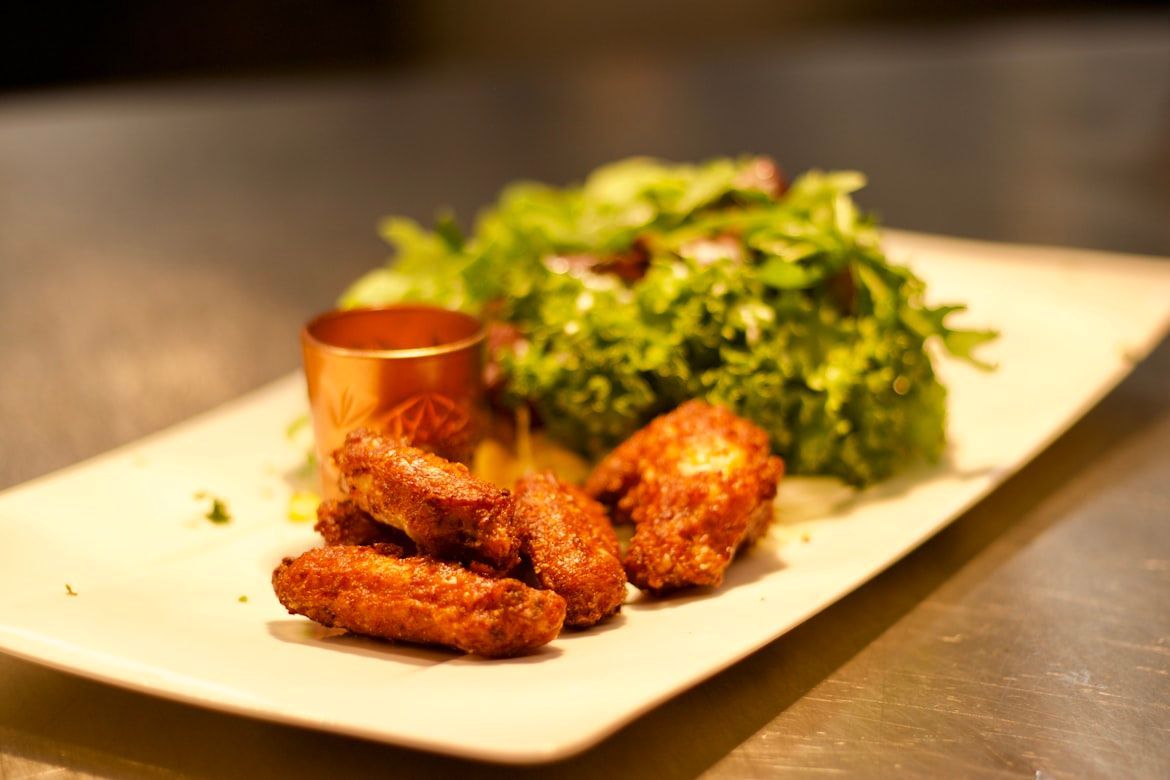
It should come as no surprise that buffalo wings have nothing to do with buffalo meat; they’re chicken wings deep-fried and coated in spicy sauce.

The name comes from Buffalo, New York, where the dish was first created in the 1960s, not from any grazing plains animal.

5

Head cheese

Image: David Trinks

Another name that makes no sense at all, head cheese contains no cheese. It’s a meat terrine made from parts of a pig’s head.

Seasoned and set in its own gelatin, it’s a traditional cold cut in many European cuisines.

6

Mock turtle soup

Image: Ella Olsson

The name of this soup gives us a hint of its deceiving nature. It was created to mimic the flavor of green turtle soup, a luxury dish of the 18th and 19th centuries.

Instead of turtle, it uses a calf’s head or other meats, producing a rich broth without requiring the real reptile.

7

Boston cream pie

Image: Dex Ezekiel

Though called a pie, this dessert is actually a cake, with layers of sponge, custard filling, and chocolate glaze.

Its "pie" title dates back to a time when pies and cakes were baked in the same types of pans and the terms were used more loosely.

8

Grape-Nuts

Image: Andrijana Bozic

Despite its name, you won’t find grapes or nuts in Grape-Nuts; the cereal is made from wheat and barley.

Its name likely refers to the naturally occurring sugars formed during baking and the nutty flavor of its crunchy nuggets.

9

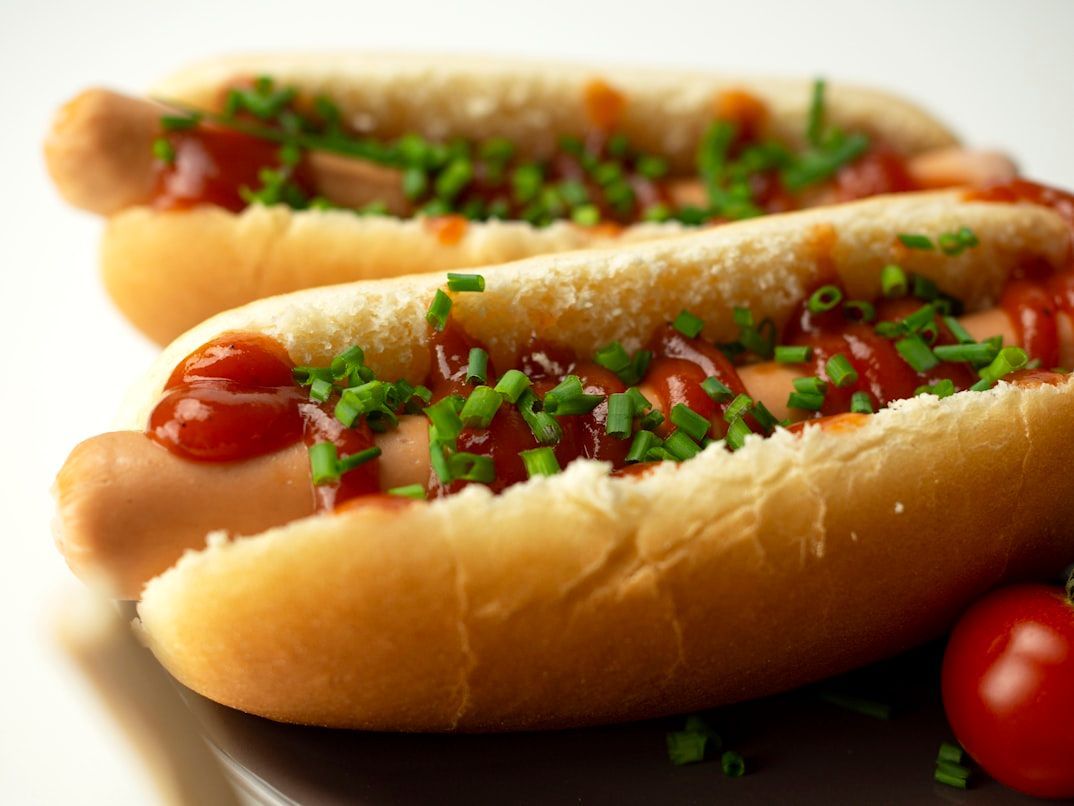
Hot dogs

Image: Mateusz Feliksik

As far as we know, hot dogs contain no canine meat, just a blend of beef, pork, or poultry in a sausage casing.

The name’s origins are debated, but the term became popular in the early 20th century through ballpark vendors and cartoons.

10

French fries

Image: Louis Hansel

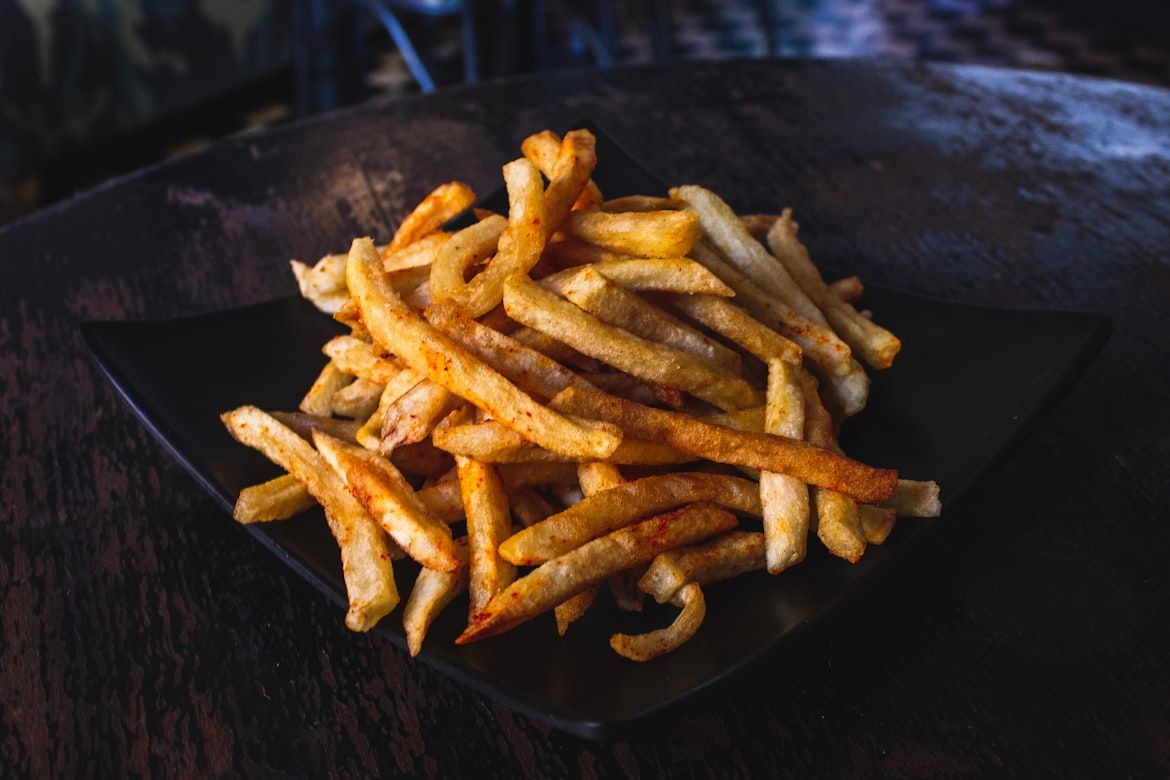
French fries may not be French at all, as many historians credit Belgium with their invention.

The "French" in the name may refer to the style of cutting the potatoes into thin strips before frying, or to the fact that Allied soldiers who first encountered these delicious treats heard the Belgians speaking French.

11

Bombay duck

Image: Matthew McBrayer

This fancifully named food isn’t duck but a type of fish found in the waters around Mumbai, India.

Dried and salted, it has a strong aroma and is considered a delicacy in certain regional cuisines.

12

Peanut butter

Image: Towfiqu barbhuiya

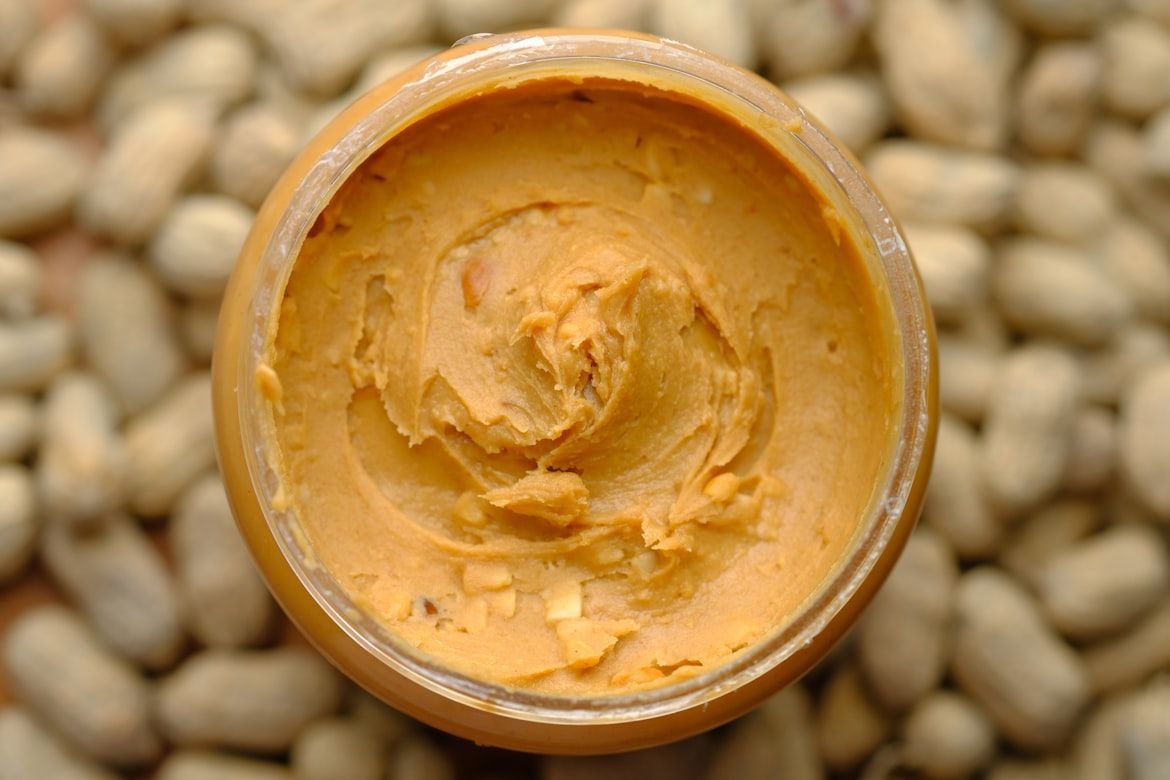
Our final entry goes to another famous food. Despite its name, peanut butter contains no dairy butter; it’s simply roasted peanuts ground into a paste.

The "butter" label refers to its smooth, spreadable consistency, not to any relation to milk or cream.

What science says

It was false after all: 10 health myths that sound true—but aren't


Published on December 30, 2025


Image: Alicja Gancarz

Health myths are everywhere! These ideas were simply passed down for so long that they became part of what we believed. But now science has stepped in to clear things up. Does cold weather make you sick? Can lemon detox your body? Is reading in low light really harmful? Let's uncover the truth behind 10 common health myths!

1

Cutting your hair makes it grow faster

Image: Element5 Digital

Have you ever been told that cutting your hair will make it grow faster? We're sorry to say that's just a myth. Hair grows from the root, not the ends. So, trimming it won't boost growth, though it does help remove split ends that can make your hair look dry or unhealthy.

2

Cold weather causes colds

Image: Thom Holmes

This is one of the most common health myths. Cold weather often gets blamed, but it's not the temperature that makes you catch a cold. During winter, we tend to stay indoors with others and keep the windows closed, an environment that makes it easier for viruses to spread. That's why colds tend to be more common in winter!

3

Eating before bed makes you gain weight

Image: Michelen Studios

The idea that eating before bed automatically leads to weight gain is a myth. In reality, it has more to do with what you eat and how much, rather than the time of day. Often, when we eat very late at night, we're tired and more likely to reach for quick, high-calorie, heavy foods. This can disrupt sleep and lead to consuming more calories than we burn, both of which may affect weight. If it's close to bedtime, it's better to have something light and healthy in a moderate portion than to skip a meal altogether.

4

Wearing glasses weakens your vision

Image: Bud Helisson

Does wearing glasses weaken your vision? Myth! If an eye doctor prescribes glasses, wearing them as directed helps correct your vision; it won't make it worse. Additionally, the right glasses can help prevent or reduce headaches caused by reading or spending long hours in front of a screen.

5

Reading in low light causes permanent eye damage

Image: Amir Balam

This myth is closely related to the previous one. If you love reading and sometimes have to do it in low light because of the situation, don't worry. According to experts, reading in low light doesn't cause permanent or irreversible eye damage. However, it's not recommended because it can make your eyes feel tired or strained, leading to discomfort or headaches.

6

You need to drink 8 glasses of water a day

Image: engin akyurt

We're all different, and so are our bodies. The idea that everyone should drink exactly eight glasses of water a day is more of a general guideline than a rule. Staying well hydrated throughout the day is extremely important, but how much water you need depends on factors like your weight, age, climate, and overall health. We should prioritize staying consistently hydrated instead of obsessing over the number of glasses we drink.

7

Lemon water detox and cleanse your body

Image: Tirza van Dijk

Some people say drinking lemon water helps eliminate toxins and cleanse the body. While adding a slice of lemon to your water is a refreshing way to stay hydrated, it doesn't have any special "detoxifying" powers. The vitamin C in citrus fruits is beneficial, but the body has its own natural detox system. The liver and kidneys are the main organs that filter waste and eliminate toxins.

8

All fat is bad

Image: Aneta Voborilova

Not all fats are bad! Just like other food groups, your body needs fats to function properly. The important thing is knowing the difference between healthy fats and those that can be harmful. Foods like avocados, seeds, olive oil, fish, and nuts are rich in healthy fats. On the other hand, the fats found in processed or fried foods are the ones that can have a negative impact on your body.

9

Liver disease is always caused by alcohol or fats

Image: Elevate

Liver diseases can be serious. While heavy and frequent consumption of alcohol and fats is a major contributor, it's not the only cause. Liver problems can also result from many other factors. These include viral infections, autoimmune diseases, genetic disorders, high blood pressure, and exposure to certain chemicals.

10

Breakfast is the most important meal

Image: Brooke Lark

There's some truth to it: breakfast is important because it replenishes our glucose and energy levels and supports proper metabolism. However, the idea that it's the most important meal of the day might be an exaggeration. Everyone's body has different needs, and all meals are important, so we shouldn't skip any of them!

Looking for an extra scoop of literary fun?

Learn more with our Word of the day

fickle

/ˈfɪk(ə)l/