Natural defenses

Why some cold symptoms are your own body acting up: Immunity 101!


Published on February 8, 2026


Image: CDC

Your immune system works behind the scenes every minute of the day, and it has quite a story to tell. Some parts are ancient history, others are cutting-edge science. You may even know a few pieces already. Today, we are walking through some eye-opening facts that show just how clever the body can be.

1

White blood cells are few but mighty

Image: Javier Miranda

It is easy to imagine your blood full of white blood cells ready for combat, but they make up only about one percent of all blood cells. Even so, you have plenty to keep you safe. A single drop of blood can carry thousands of these hardworking cells, always patrolling, always ready. Small numbers, big impact.

2

Some people have little to no immune system
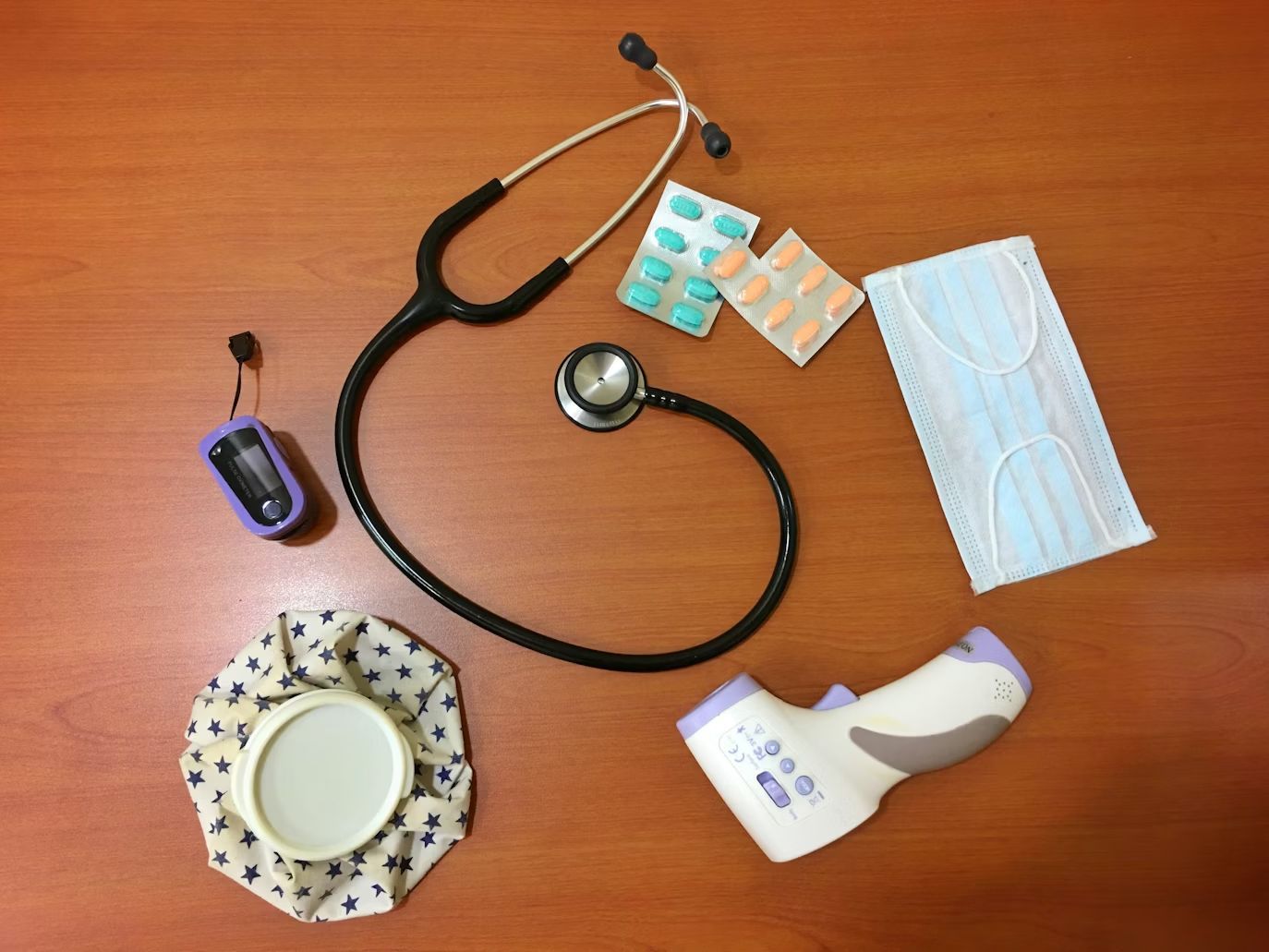
Image: Kristine Wook

A tiny portion of people are born with almost no defense against germs. Their bodies struggle to make the cells needed to fight off even mild infections. Doctors step in with treatments that can rebuild or support their immunity. These cases are rare, but they do happen, and the good thing is that medicine moves forward, providing better solutions every day!

3

Ancient doctors blamed fluid imbalances for illness
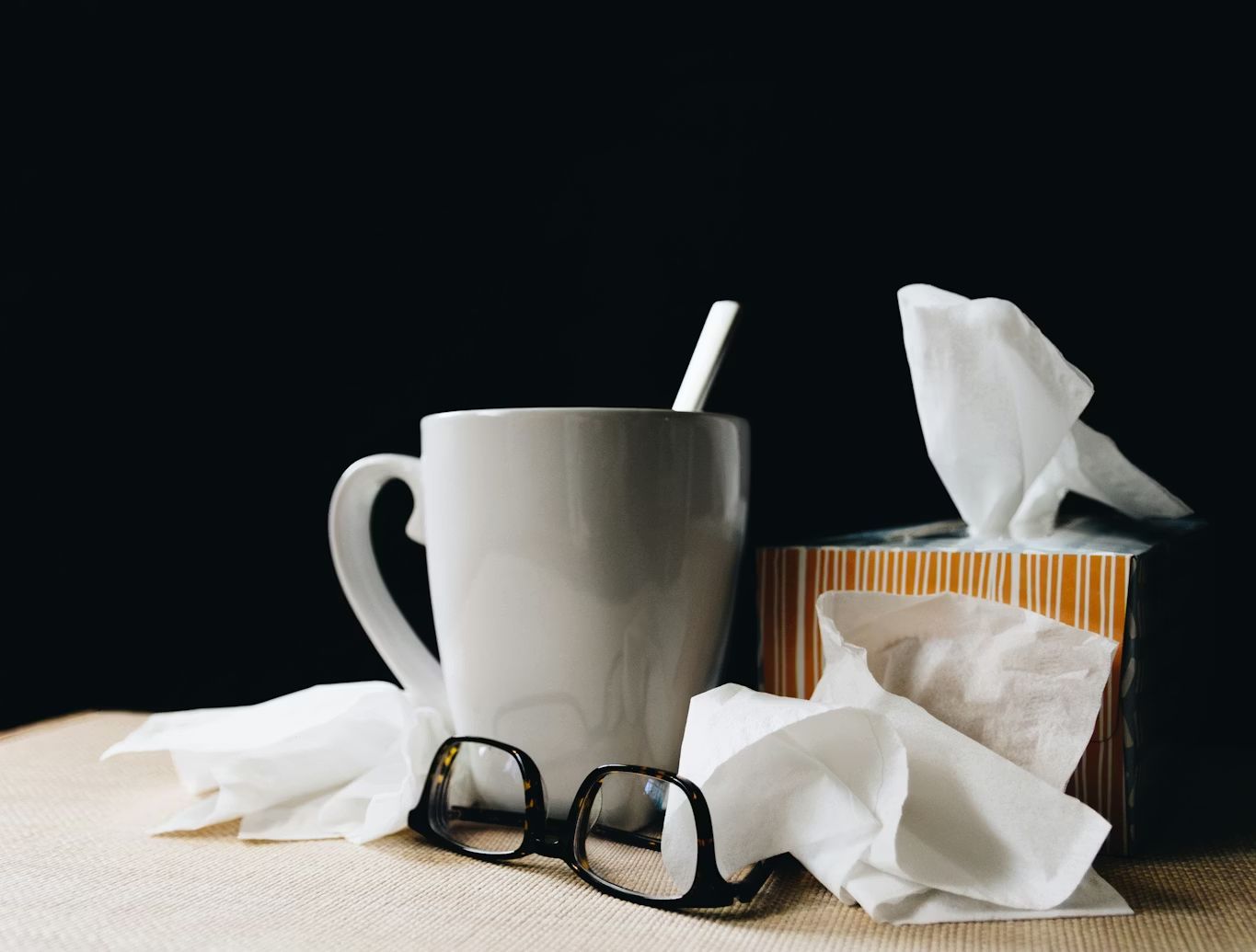
Image: Kelly Sikkema

Long before microscopes, people believed sickness came from a mix-up in four body fluids: Blood, black bile, yellow bile, and phlegm. If you felt sick, they figured one of these liquids was acting up. This idea ruled medicine for nearly two thousand years. Can you believe that? We now know germs cause many diseases, and that old habit of bloodletting was more guesswork than cure.

4

Your symptoms can be your immune system working hard
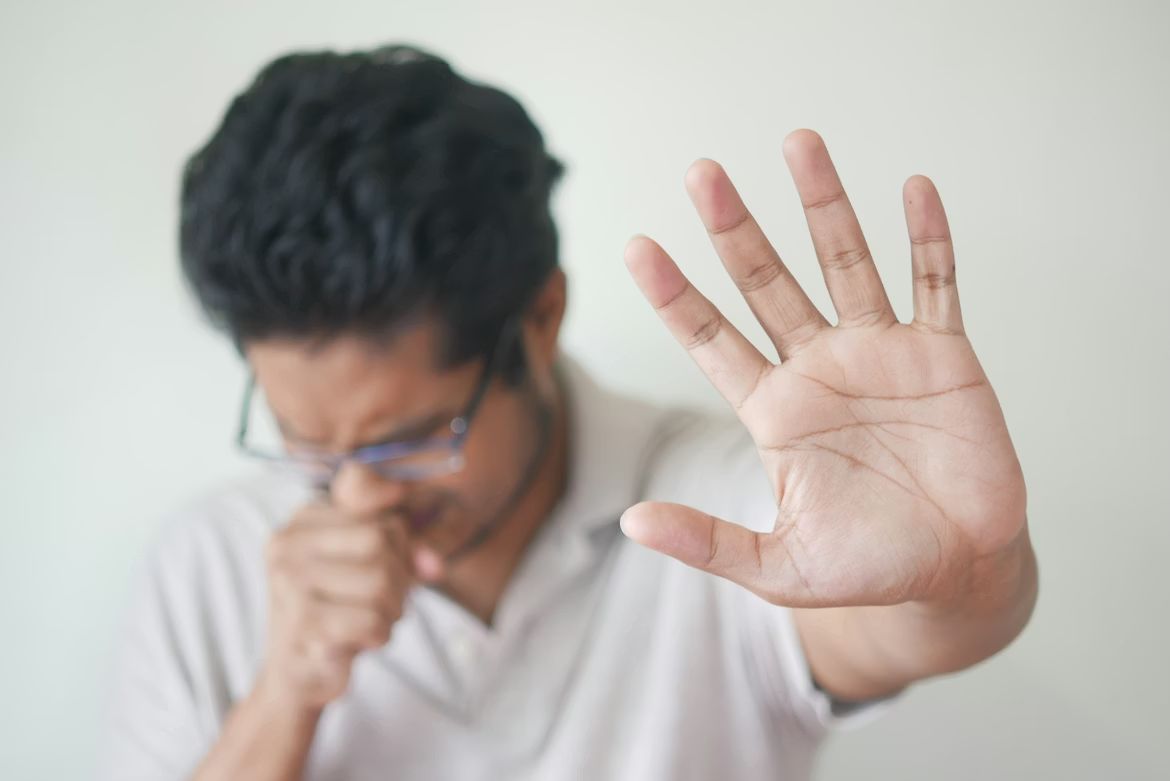
Image: owfiqu barbhuiya

Sometimes the germs are not the reason you feel bad. Your own immune system can stir up the messy part. When a cold virus hits the nose, the body sends histamines to open up blood vessels so defenders can reach the area. That swelling makes you stuffy, and the extra fluid gives you that runny nose. We know it is annoying, but it means your system is doing its job.

5

A sleepless night can slow your immune system
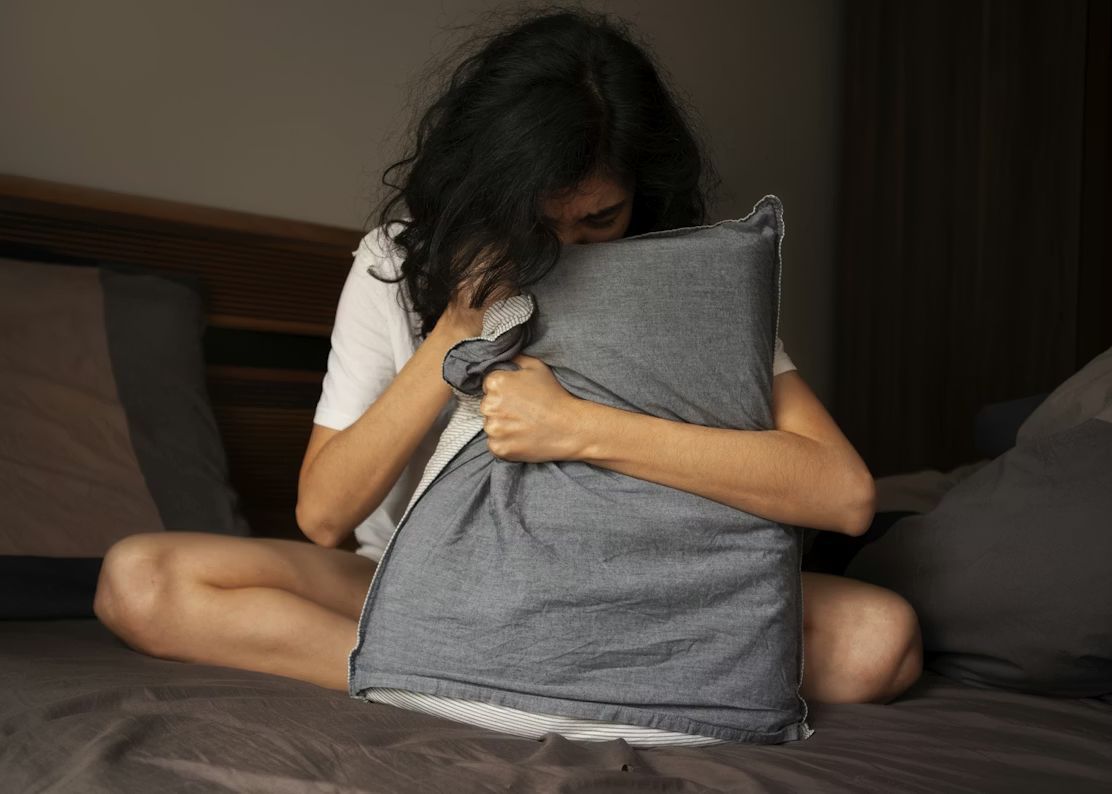
Image: Solving Healthcare

Your body likes a good night’s rest, and so does your immunity. T cells and natural killer cells do their best work after decent sleep. Even one rough night can make your defenses sluggish. Studies also hint that vaccines might not work as well in people who consistently sleep too little. So it really pays to treat bedtime as part of your wellness routine.

6

Dairymaids paved the way for the first vaccine
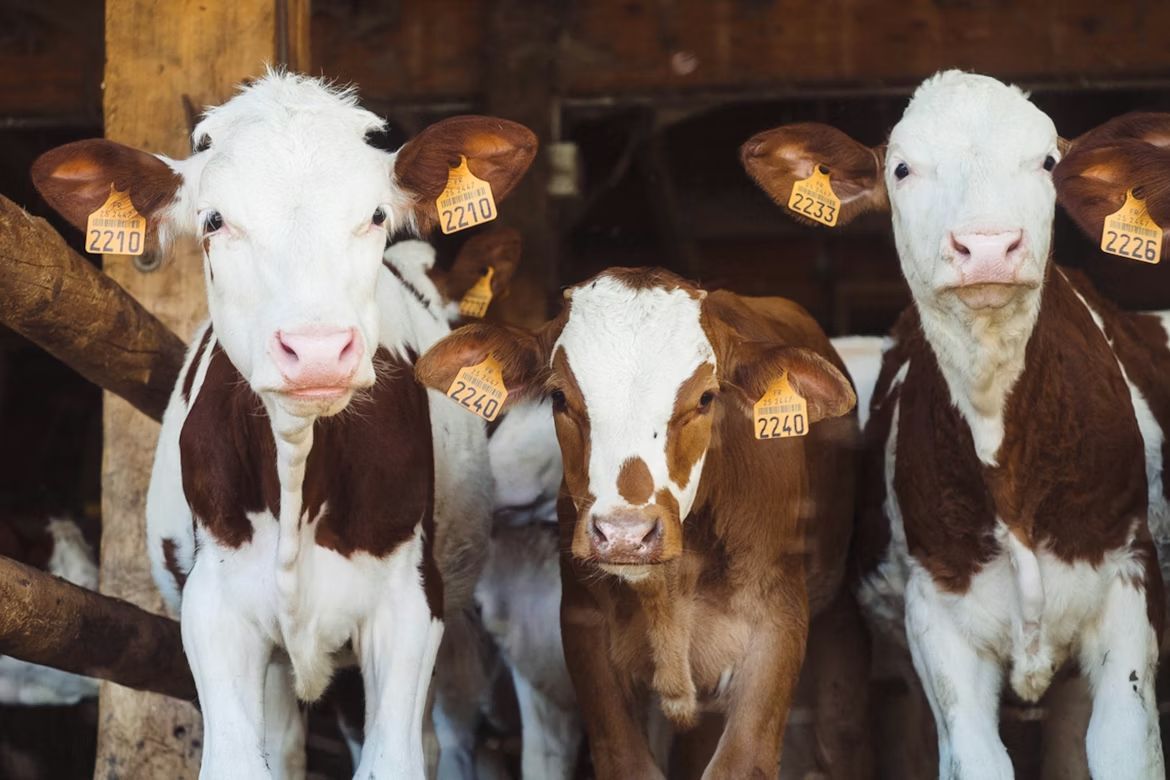
Image: Annie Spratt

In the 1700s, people noticed that women who milked cows rarely caught smallpox. Their run-ins with cowpox seemed to shield them. Edward Jenner picked up on this, tested the idea, and ended up creating the first true vaccine. His daring experiment saved countless lives and set the stage for modern immunology.

7

Autoimmune diseases hit women more often

Image: Vitolda Klein

Autoimmune diseases happen when the body gets confused and attacks its own tissues. Conditions like rheumatoid arthritis and celiac disease fall into this group. Researchers have found that women are far more likely than men to develop these issues. Doctors are still sorting out why, but hormones and genetics seem to be part of the puzzle.

8

Gut bacteria play a big part in your immunity
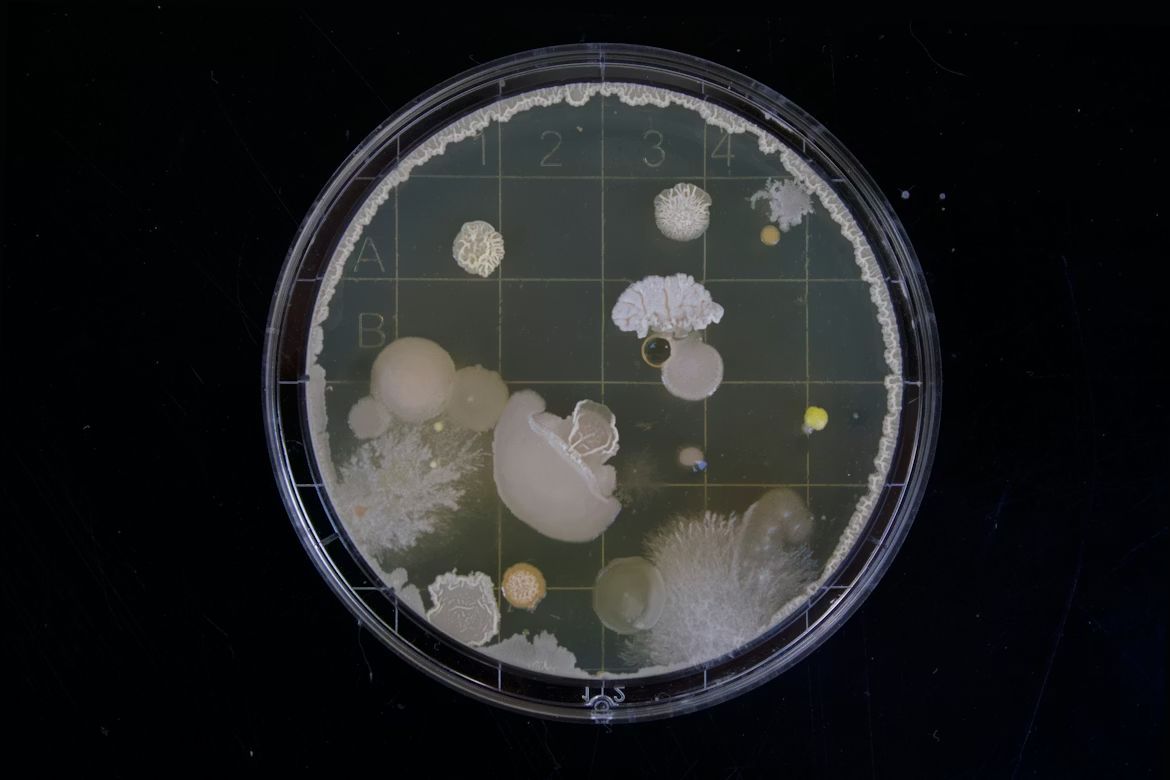
Image: Michael Schiffer

Your digestive tract is home to trillions of tiny helpers. They break down food and make vitamins, but they also keep harmful germs from settling in. These friendly bacteria train the immune system to know the difference between real threats and harmless visitors. A healthy gut can even lower the chances of certain autoimmune problems.

9

Sunlight helps and hinders the immune system

Image: Raimond Klavins

A bit of sunshine feels good, but UV light has mixed effects. Too much can weaken your defenses, even before you notice a sunburn. On the flip side, sunlight helps your body make vitamin D, which your immune cells use to get moving. So a balanced approach is best. A little sun is helpful, too much becomes a problem.

10

Immunity was noticed long before vaccines existed
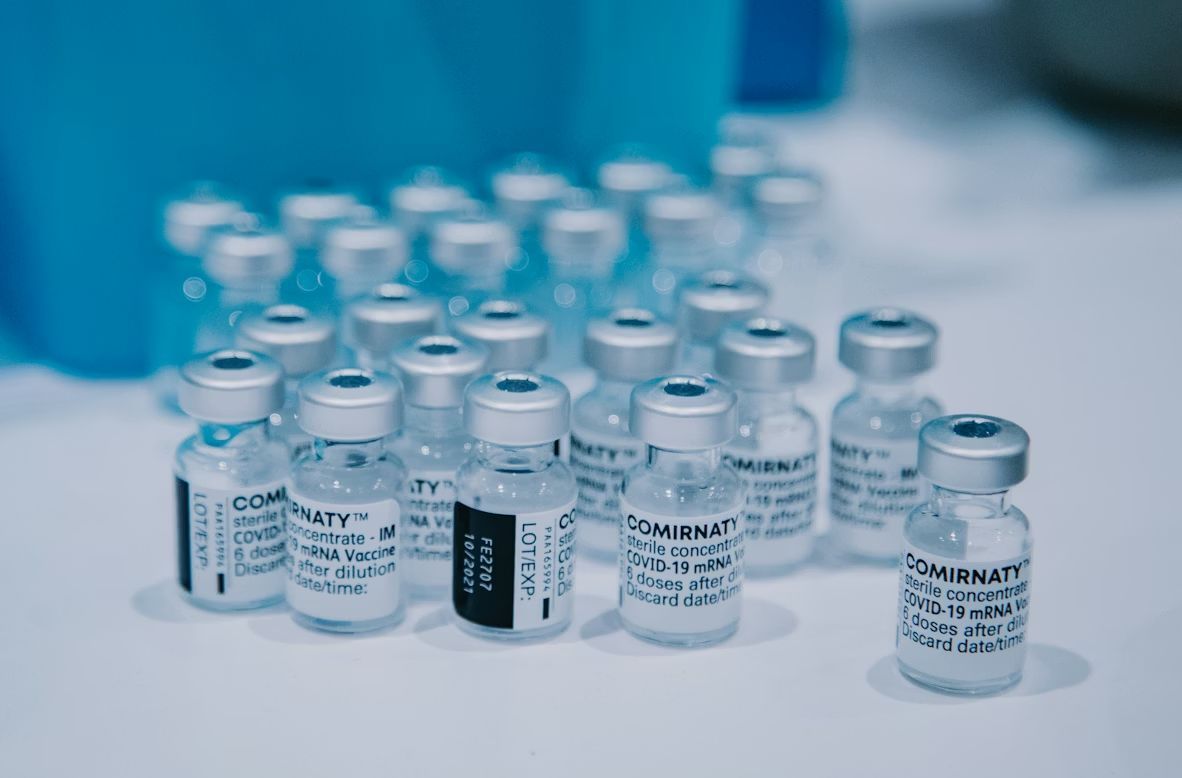
Image: Mathurin NAPOLY / matnapo

Even in ancient Athens, people spotted that survivors of certain illnesses did not get sick twice. That observation stuck. In time, Chinese healers tried a bold trick by blowing powdered smallpox scabs into healthy noses. It sounds wild today, but many who recovered became protected. Their experiment became the first step toward what we now call immunization.
Stop! You’ve been using these 11 objects the wrong way


Published on February 8, 2026


Image: Diana Polekhina

We use countless objects daily without questioning their design, yet many have hidden features or were meant for entirely different purposes. From kitchen tools to bananas, here are 11 everyday items you might be using all wrong—or that at least have surprising secrets built in.

1

Toothpaste

Image: Anastasia Nikitina

Yes, toothpaste was always intended to clean and polish teeth, but its mild abrasives make it effective for cleaning jewelry, removing stains from clothing, and even defogging mirrors.

Interestingly, the first toothpaste-like substance dates back to ancient Egypt, where a blend of pumice and vinegar was used for oral care. Modern toothpaste, which includes ingredients like baking soda—another household staple—explains why it’s so effective on surfaces beyond just teeth.

2

Pasta spoons

Image: Markus Winkler

That hole in your pasta spoon isn’t just for draining water; it can also help measure a perfect portion of dry spaghetti!

A single serving of spaghetti is about the amount that fits through the hole. This design prevents cooking too much or too little, though not all pasta spoons have holes large enough for accurate measuring.

3

Gas pumps

Image: engin akyurt

The latch inside gas pump nozzles was originally designed to shut off fuel flow automatically when the tank is full, not to hold the pump open.

Modern pumps use this mechanism as a safety feature, preventing spills and overflows. In some places, using the latch to hold the nozzle open is even illegal due to fire risks.

4

Grocery carts

Image: Karsten Winegeart

Those metal loops on the back of grocery cart seats aren’t just for show—they’re designed to hold plastic bags with fragile items.

Hanging lighter bags here prevents them from being crushed by heavier groceries in the cart, yet few shoppers take advantage of this simple design. So, next time you go shopping, give it a try—it could be a real lifesaver.

5

Soda can tabs

Image: Bam Mccarthy

The hole in a soda can tab isn’t just part of the opening mechanism—it can double as a straw holder. Once you pop the can open, turning the tab around aligns the hole perfectly for a straw. This prevents the straw from floating or shifting while drinking.

While this wasn’t the original intent behind the design, it’s a clever and surprisingly convenient way to make use of an otherwise inconsequential design quirk.

6

Two-tone erasers

Image: Annie Spratt

If you're like me, this has likely been a brain teaser since childhood: What is the blue side of a two-tone eraser for? Popular wisdom says it's for ink removal, but have you ever tried erasing ink with that side? It just completely obliterates the paper.

Well, it turns out the blue side of a two-tone eraser was actually designed for use on heavier paper, not for removing ink.

7

Keyboard bumps

Image: Matúš Kameniar

The small bumps on the ‘F’ and ‘J’ keys exist to help typists find their hand placement without looking.

These tactile guides help your fingers find their way back to the home row, enabling faster and more efficient typing. Even if you're not a professional typist, you can rely on this feature to improve both speed and accuracy while writing.

8

Peeling bananas

Image: Monika Guzikowska

Ever watched a monkey peel a banana? You might be in for a surprise, because it turns out the easiest way to peel a banana is from the bottom, not the stem.

Monkeys naturally pinch the bottom of the banana and pull, avoiding the struggle of breaking the tough stem. This method also reduces the risk of squishing the fruit inside.

9

Measuring tape

Image: Brett Jordan

The small hole at the end of a measuring tape is designed to hook onto nails or screws for one-person measurements. This feature provides a more stable grip when measuring long distances without needing an extra set of hands.

Also, the serrated edge on some tapes doubles as a tool for marking surfaces. So, next time you don't have a buddy around to help, don’t worry—your measuring tape has you covered!

10

Oven drawer

Image: Andrea Davis

Many people use the drawer under their oven for storage, but it was originally designed as a warming drawer.

This compartment keeps cooked food warm while the rest of the meal finishes, though in some modern models, it may simply be intended for extra storage. Checking your oven’s manual might reveal its true purpose.

11

Wine bottle indent

Image: Mockup Free

Ever heard someone say you can judge a good wine by the depth of the indentation at the bottom of the bottle? Well, that’s a myth, though it may suggest a better-designed bottle.

The indent at the bottom of a wine bottle, called a punt, helps distribute pressure and maintain structural integrity. Originally designed to support the bottle against carbonation in sparkling wines, it’s now mostly tradition but still improves durability.

Looking for an extra scoop of literary fun?

Learn more with our Word of the day

wry

/raɪ/