What story lies behind your favorite condiment?

Your favorite condiments have some surprisingly weird origins


Published on March 20, 2026


Image: Jonathan Borba

You've probably got ketchup, mustard, and maybe some hot sauce sitting on your kitchen table right now. Innocent enough, right? Well, not exactly. A surprising number of the condiments we slather on our food without a second thought have origins that are, let's just say, a lot stranger than you’d expect. Grab a snack, and let's dive in.

1

Ketchup

Image: Erik Mclean

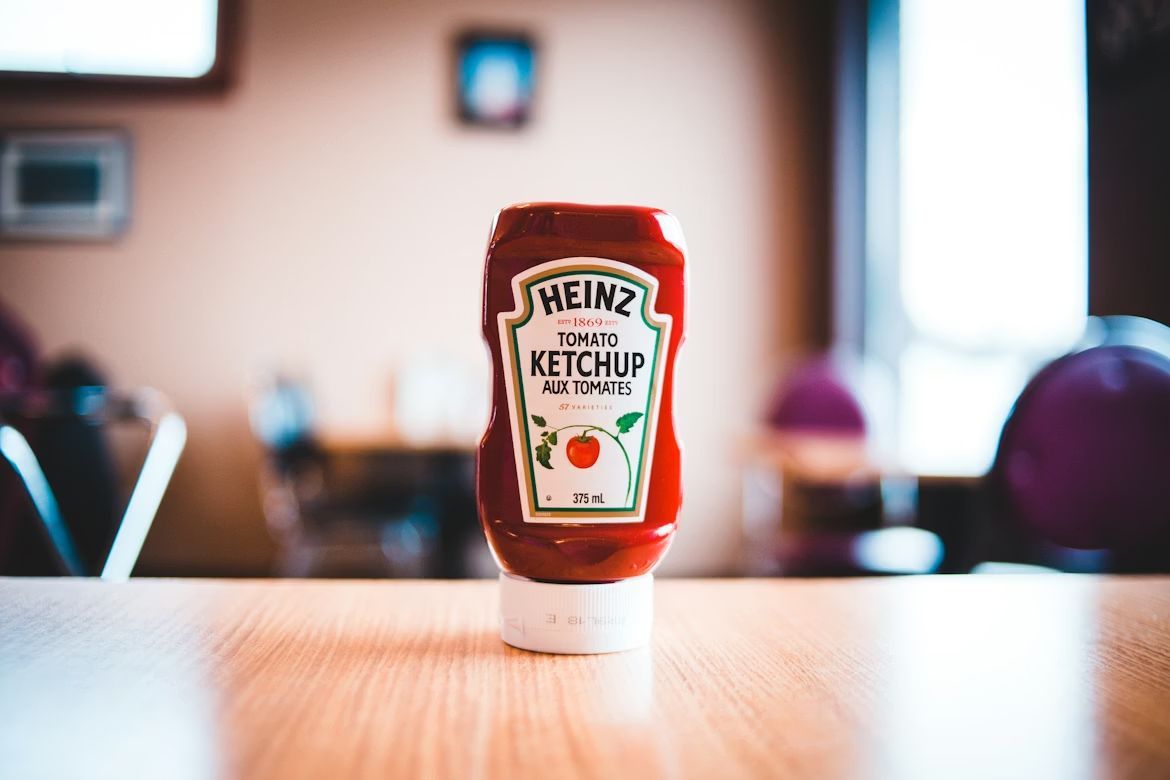
Before ketchup was the sweet, tomato-y stuff we squeeze onto fries, it was something entirely different. The word comes from a Southeast Asian fermented fish sauce called ke-chiap, made from pickled fish guts and brine. Sailors brought it back to Britain in the 1700s, and cooks started experimenting with all sorts of versions: mushroom ketchup, walnut ketchup, and oyster ketchup.

It wasn't until the 1800s that Americans started adding tomatoes to the mix, and even then, early versions were dark and runny—nothing like what Heinz eventually bottled up.

2

Mustard

Image: Pedro Durigan

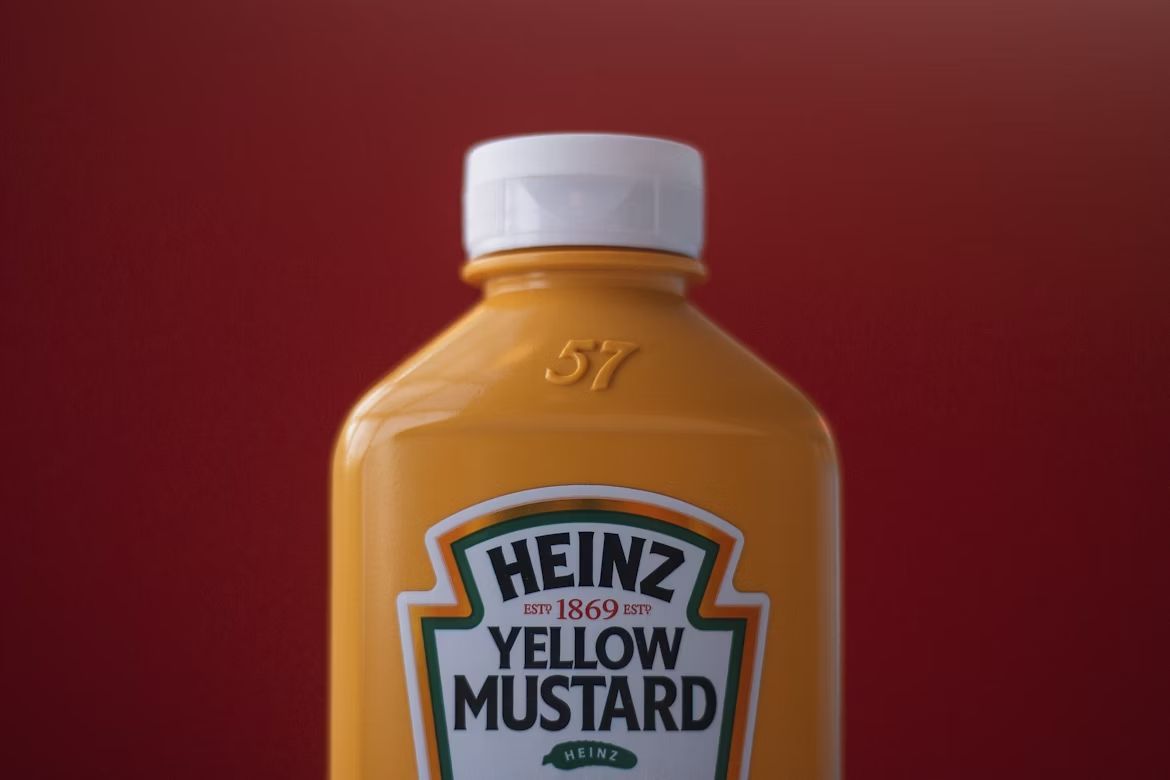
Mustard seems about as wholesome as it gets: yellow, bright, cheerful. But for centuries, it wasn't sitting next to anyone's hot dog. Medieval Europeans used it medicinally, rubbing it on the skin to treat everything from arthritis to the plague. Spoiler: it did not cure the plague.

It also became tangled up in darker history: the chemical weapon called mustard gas earned its name because soldiers said it smelled faintly like the condiment. The plant has nothing to do with the weapon chemically, but the nickname stuck.

3

Hot Sauce

Image: Deeliver

Capsaicin, the stuff that makes hot sauce burn, wasn't designed to delight your taste buds. Scientists believe peppers evolved their heat specifically as a defense mechanism to keep mammals from eating them. Birds, which spread the seeds, don't feel the burn. Humans, being humans, decided to eat them anyway and continued breeding them hotter.

Some of the earliest commercial hot sauces were actually marketed as stomach medicine in the 1800s. And if you've ever reached for antacids after a plate of Buffalo wings, you might agree that the medicine and the problem are basically the same thing.

4

Mayonnaise

Image: K8

Mayo's exact origins are disputed, but one popular story traces it back to a military victory. In 1756, after French forces captured a port on the Spanish island of Menorca, the duke's chef reportedly whipped up a sauce from eggs and oil to celebrate, naming it after the captured city of Mahón. War as a culinary muse, not exactly the cozy kitchen story you'd expect.

Others say the name comes from an old French word for egg yolk. Either way, mayo has spent centuries being fiercely loved or absolutely despised, with very little middle ground. The mayonnaise debate, it turns out, is as old as civilization itself.

5

Ranch Dressing

Image: congerdesign

Ranch feels about as all-American as apple pie—and it is, mostly. It was invented in the 1950s by a man named Steve Henson, who developed the recipe while working as a contractor in remote Alaska, then later served it at his California dude ranch. Charming enough origin, right?

Food historians argue that ranch's meteoric rise in the 1980s and ‘90s, when companies started adding it into chips, pizza, and fast food, genuinely helped rewire American eating habits toward saltier, fattier foods.

6

Worcestershire sauce

Image: Kelsey Todd

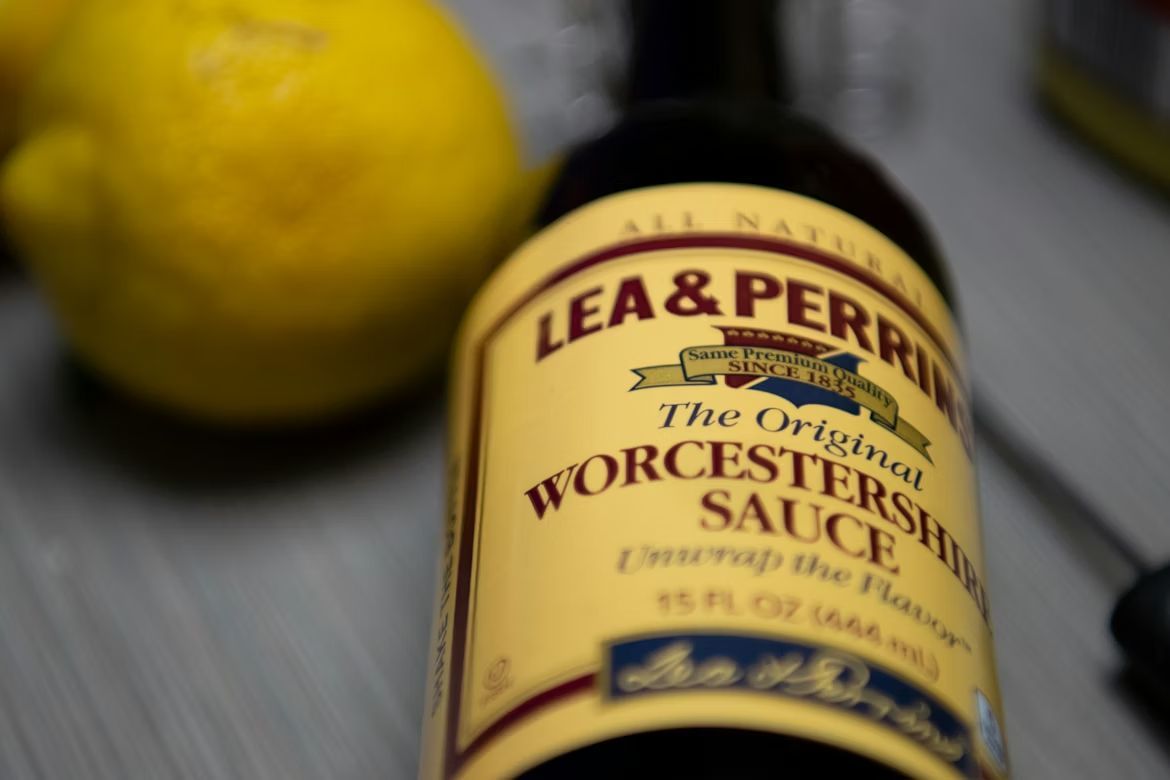
This tangy, hard-to-pronounce staple has a backstory involving a forgotten barrel and a very unpleasant smell. In the 1830s, a British nobleman asked chemists Lea and Perrins to recreate a sauce he had enjoyed abroad. They mixed up a batch, hated it, and shoved it in the cellar.

Two years later, someone found the barrel, took a taste, and—surprise—it had fermented into something amazing. The key ingredient? Anchovies, aged in vinegar.

7

Soy sauce

Image: GoodEats YQR

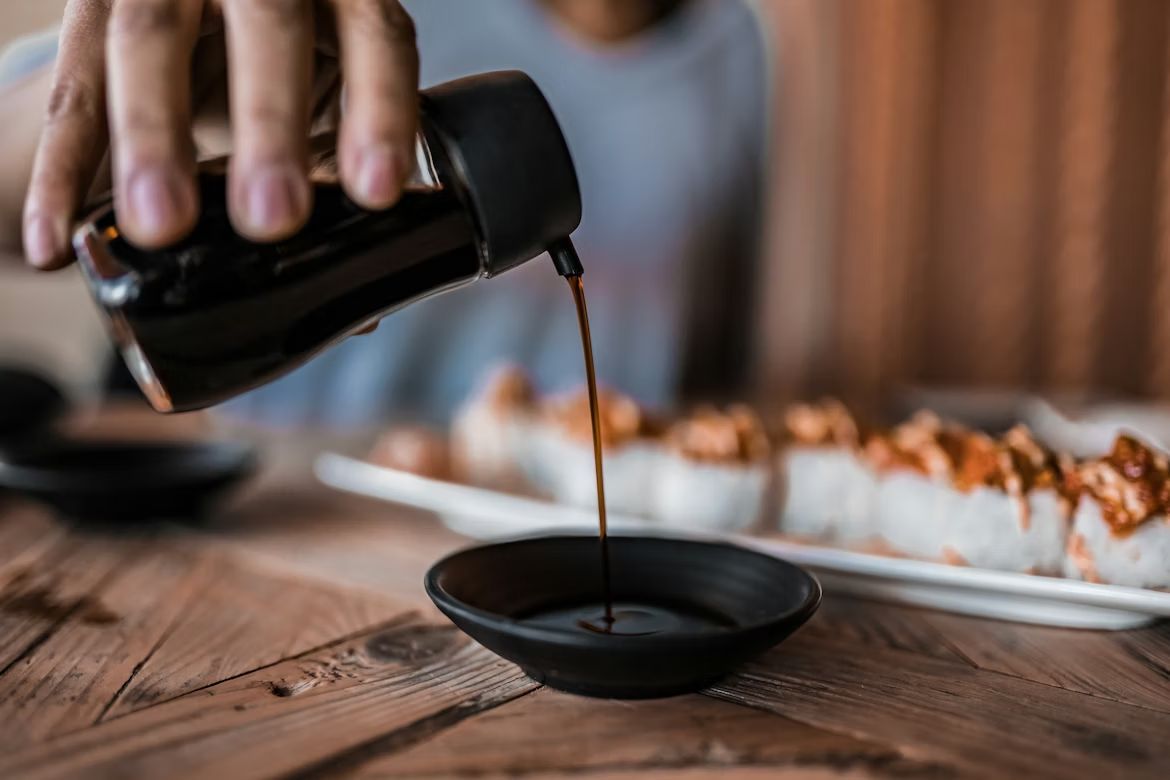
Soy sauce dates back over 2,000 years to ancient China, where it started as a way to stretch expensive salt—a commodity so valuable that governments literally went to war over it. Early versions were a fermented paste, and the liquid that separated out eventually became what we now splash on our sushi and stir-fry.

For centuries, the recipe was closely guarded. In Japan, certain brewing families held tight monopolies and built enormous fortunes from it, scheming, trading political favors, and fiercely protecting their formulas.

8

Vinegar

Image: Towfiqu barbhuiya

Vinegar's discovery was almost certainly an accident: wine that somebody forgot about and found weeks later had turned sharp and sour. Ancient Romans loved it so much that they mixed it with water as their everyday drink.

The weirder chapters? Vinegar served for centuries as a crude disinfectant, a preservative of biological material in medical contexts, and even a tool in ancient siege warfare. That humble bottle of apple cider vinegar on your counter has quietly witnessed some of human history's grimmest moments.

9

Tartar Sauce

Image: pixel1

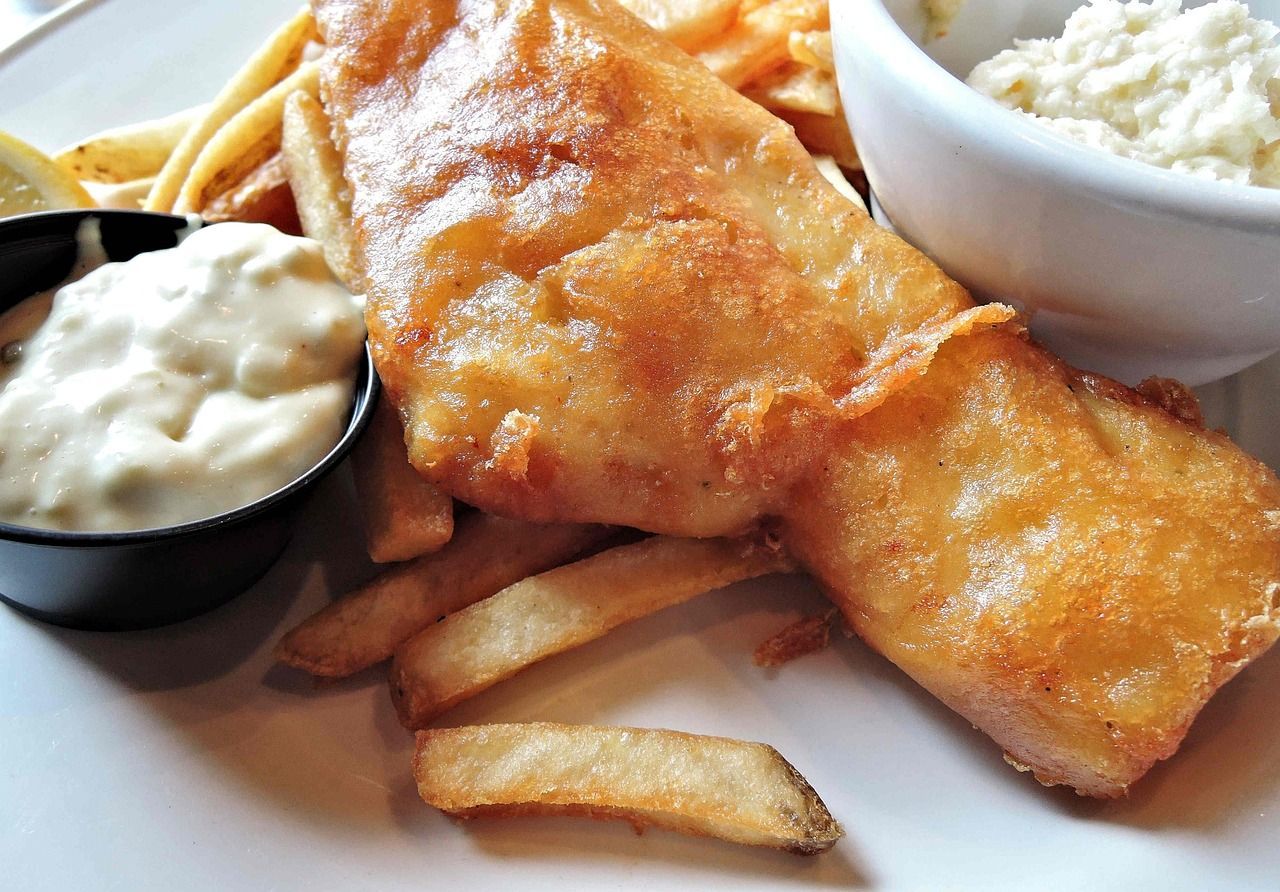
Tartar sauce gets its name from the Tartars—a broad European term for the fierce nomadic peoples of Central Asia, including the Mongols, who terrified much of the known world for centuries. The French, who developed this creamy condiment in the 19th century, connected it to steak tartare, a raw meat dish they romantically associated with these warriors.

Whether the history is accurate or not, the French were happy to borrow an air of wild, dangerous exoticism for their little sauce. Still, next time you order fish and chips, you're dipping into a tiny piece of medieval legend.

10

Pickle Brine

Image: Ignat Kushnarev

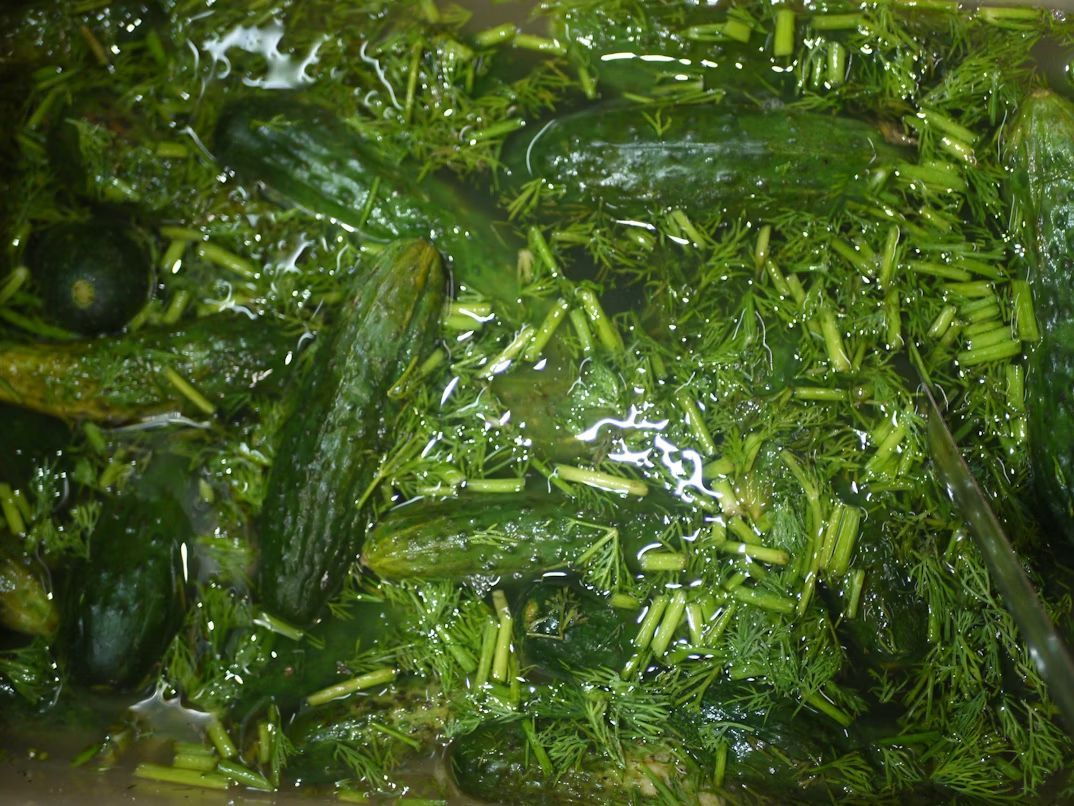
Pickle brine has become oddly trendy: people are drinking it straight, mixing it into cocktails, and even ordering it in shots at ballparks. But the practice of fermenting cucumbers in brine is ancient, going back nearly 4,000 years to Mesopotamia. Cleopatra reportedly credited pickles for her looks, and Julius Caesar fed them to his soldiers for strength.

Here's the unsettling twist: pickling was also one of the main methods used to preserve biological specimens before modern science caught up. The same basic chemistry that gives your pickle its satisfying crunch had very different applications throughout history.


10 weird historical events that no one has been able to explain (yet)


Published on March 20, 2026


Image: Walters Art Museum, Public domain, via Wikimedia Commons

Who doesn't like a good mystery? And if the mystery isn’t a work of fiction but the result of a true story, even better! The great unsolved enigmas of history are absolutely fascinating. Some have been solved over time, but there are still many old secrets for which neither scientists nor historians have found an explanation—yet. Time-travel with us as we uncover 10 of the biggest historical mysteries that will probably never be cracked!

1

A ghost island

Image: Tanner, Henry S., Public domain, via Wikimedia Commons

Bermeja Island is mentioned in navigation texts written by European travelers and appears in cartography from the 16th to 19th centuries. Old maps place it off the north coast of the Yucatán Peninsula; however, multiple searches over the years have yielded no concrete evidence of its existence.

So, what happened to Isla Bermeja? Was it a cartographic error? Did it sink due to a tidal wave? Because of its geopolitical significance, some have even suggested that it was blown up by the CIA! A 2009 study by the Autonomous University of Mexico concluded that Isla Bermeja does not exist today, nor were any traces found at its supposed coordinates. Yet, it will forever remain a mystery that will surely keep many entertained.

2

The longest alien signal ever

Image: Credit: Big Ear Radio Observatory and North American AstroPhysical Observatory (NAAPO)., Public domain, via Wikimedia Commons

In 1977, Ohio State University’s Big Ear radio telescope, used in the search for extraterrestrial intelligence, detected a signal now known as the Wow! signal. While reviewing the data, astronomer Jerry R. Ehman noticed a sequence represented as "6EQUJ5." Baffled by the anomaly, he circled it and wrote "Wow!" in the margins.

The signal lasted 72 seconds and, unfortunately, has never been repeated. To this day, no one can fully explain the phenomenon, although some suggest it may have come from a man-made source. Still, the Wow! signal remains one of the strongest candidates for potential extraterrestrial contact ever detected.

3

The disappearance of an entire Inuit village

Image: Edward S. Curtis, Public domain, via Wikimedia Commons

How is it possible for an entire village to vanish without a trace? Believe it or not, this is said to have happened nearly a century ago. According to lore, a small Inuit village in Canada was well known among fur trappers who visited regularly to trade. But in 1930, something very strange supposedly occurred.

A hunter named Joe Labelle claimed he visited the village one day and couldn’t find a single person. Reports said there were guns and food left behind, and even claims that the graves in the cemetery were empty. A thorough investigation, however, found no conclusive evidence of what happened to the villagers. Some witnesses from nearby towns even reported seeing a huge green light. Theories ranged from mass migration to extraterrestrial abductions. The Royal Canadian Mounted Police has since dismissed the case as an urban legend. Some still believe the story to be true.

4

The Joyita Mystery

Image: bbb

We know thousands of shipwreck stories, but this one is quite unique. The MV Joyita, designed to be nearly unsinkable, was found adrift in the South Pacific, practically unharmed, but the crew had disappeared completely.

In October 1955, the American merchant vessel left the port of Apia in Samoa with 16 crew members and 9 passengers bound for the Tokelau Islands. After days without news, a rescue mission was launched. Five weeks later, the Joyita was spotted more than 600 miles west of its intended route. The vessel was partially submerged, and there was no sign of the passengers or crew. Four tons of cargo and all three life rafts were missing. They were never seen again.

5

A mummy and a mysterious fluid

Image: Gary Todd from Xinzheng, China, CC0, via Wikimedia Commons

Do you know where one of the best-preserved mummies was found? Hint: not in Egypt. Xin Zhui, the Marquise of Dai during the Western Han Dynasty in China, was discovered in her tomb at Mawangdui 2,000 years after her death, along with hundreds of valuable documents and artifacts.

What makes this mummy so extraordinary is how well-preserved her body is. Her organs and veins remain intact, and she still has hair and even eyelashes. Scientists analyzed the fluid present in the coffin and discovered it was acidic and contained salt and magnesium. They believe this mysterious liquid may have been responsible for preserving Xin Zhui so well. What they don’t know is whether it was intentionally poured into the coffin or came from the body itself.

6

A missing prime minister

Image: Yoichi Okamoto, Public domain, via Wikimedia Commons

The United States has its fair share of presidents who died while in office, but none of our 45 presidents have ever disappeared without a trace. Did you know that this actually happened in The Land Down Under?

Harold Edward Holt was the Prime Minister of Australia from 1966 until his presumed death in 1967. He loved the ocean and spearfishing. During a weekend trip with friends, Holt visited the remote Cheviot Beach to take a swim. Rough sea conditions that day caused him to be swept away by the waves, and he never reappeared. Despite an intensive search, his body was never found, which has given rise to numerous conspiracy theories. Ironically, Australians built the Harold Holt Memorial Swimming Centre in Melbourne in his honor.

7

The anonymous hijacker

Image: FBI, Public domain, via Wikimedia Commons

Many famous criminals have managed to remain unidentified for decades, but the D.B. Cooper case is something else entirely. In 1971, Cooper boarded a flight from Portland to Seattle. Shortly after takeoff, he showed a flight attendant a device he claimed was a bomb and demanded four parachutes and $200,000 in cash.

The crew landed to meet Cooper’s demands in exchange for the passengers and then took off again. As the plane flew over southwestern Washington, Cooper jumped into the cold, rainy night carrying his haul. His whereabouts and true identity were never discovered, although it is likely he didn’t survive the jump. In 1980, some of the ransom money was found near the Columbia River. Although the FBI officially closed the case in 2016, amateur sleuths continue to try to crack it.

8

Dancing to death

Image: Pieter Brueghel the Elder, Public domain, via Wikimedia Commons

Can you imagine an epidemic where the main symptom is uncontrollable dancing? Sounds like science fiction, doesn’t it? Yet this really happened during the Middle Ages. In 1518, a dancing plague struck Strasbourg, Alsace, in what is now France. This strange condition affected up to 400 people, making them dance frantically for weeks. It is said that some even died of heart attacks, exhaustion, or strokes.

Doctors and authorities tried all kinds of measures to stop the spread. They even banned music for a while! To this day, scientists are not certain what caused this bizarre condition: it may have been food poisoning from toxins in the ergot fungus, or perhaps a case of stress-induced mass hysteria.

9

A manuscript no one understands

Image: Public domain, via Wikimedia Commons

The Voynich manuscript is a codex written roughly 500 years ago in an unknown language and writing system by an anonymous author. Known as Voynichese, the manuscript was named after Wilfrid Voynich, a Polish bibliophile and antiquarian who purchased it in 1912.

Radiocarbon testing has shown that it dates to the early 15th century. Many cryptographers and codebreakers have attempted to decipher its roughly 240 pages without success. The manuscript contains diagrams and illustrations of unknown plants and astrological symbols. Some believe it may be a made-up language, a secret code, a work of fiction, or even a hoax. If you think you can solve this mystery, the Voynich manuscript is available for viewing at Yale University’s Beinecke Rare Book and Manuscript Library.

10

An ancestor of movable-type printing

Image: Bernhard

Similar to the Voynich manuscript, the Phaistos Disc is a fired clay disc believed to have been created during the Bronze Age. It was discovered by an Italian archaeologist in the basement of a palace in Crete, Greece, in 1908.

What makes this disc fascinating is that it contains a mysterious message. Stamped into the clay is a set of signs, forming a text that many scientists have tried to decipher—without success. It is considered an early attempt at printing, a technological innovation that would not become widespread for several centuries. While enthusiasts still hope the enigma can be solved, this is unlikely unless other documents are discovered to provide context.

Looking for an extra scoop of literary fun?

Learn more with our Word of the day

canon

/ˈkænən/