Words of the trade

Craftsman’s slang: 12 everyday expressions with curious origins


Published on April 15, 2026
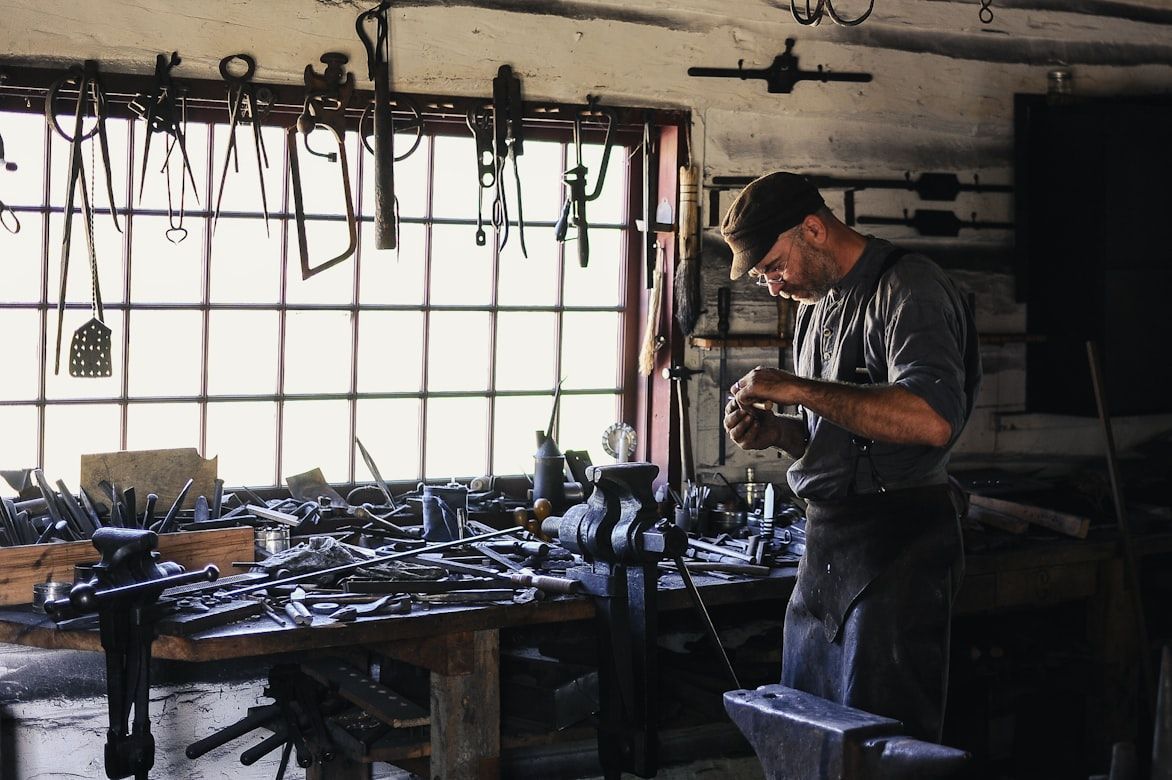

Image: Clark Young

The repetitive actions of each craft have spawned terms, idioms, and phrases that make up their particular tech lingo. Many of these expressions have transcended their natural realm to become a part of the universal language. These once-practical expressions now live on as reminders of how deeply language is tied to human work, skill, and invention. Take a look at these 12 everyday expressions and wonder at their unassuming origins.

1

Cut to the chase

Image: Jon Tyson
2

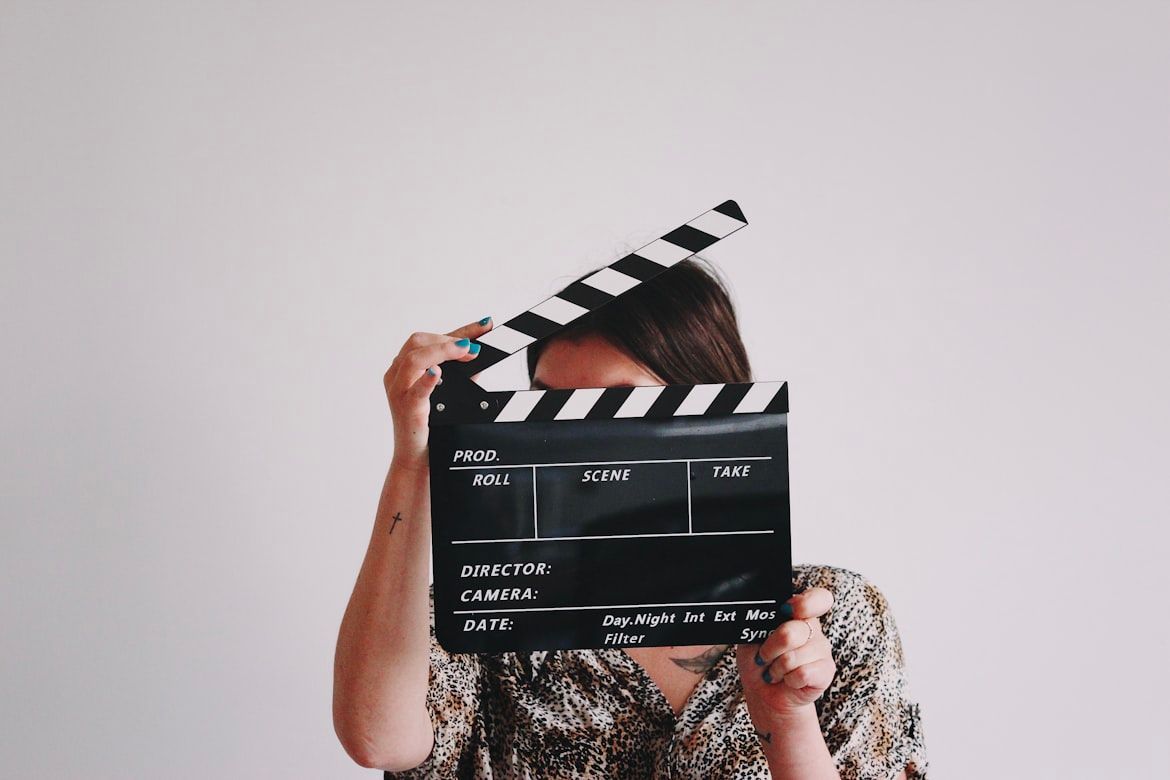
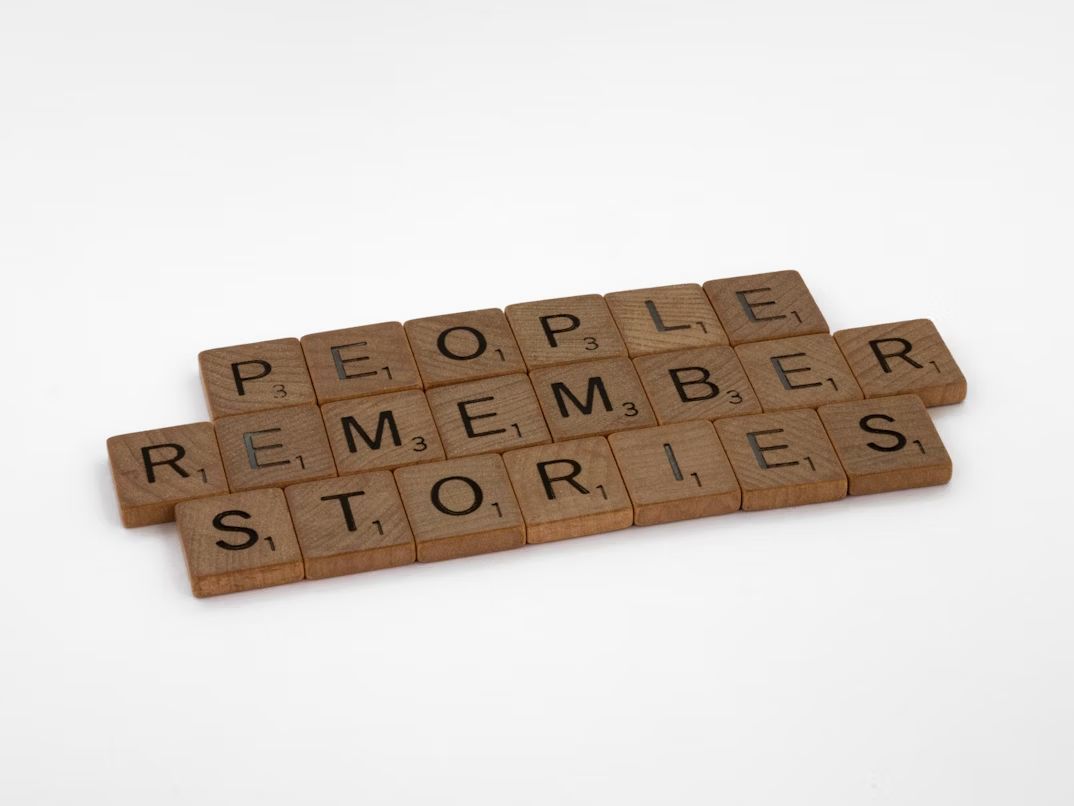
In early silent films, long, dull scenes often tested audiences’ patience. Editors and directors learned to "cut to the chase," meaning skip the filler and jump straight to the excitement, often a chase scene.

Over time, the phrase escaped the editing room. Today, when someone uses it in conversation, they’re simply asking you to get to the point and drop the buildup.

3

Rule of thumb

Image: Dominik Scythe

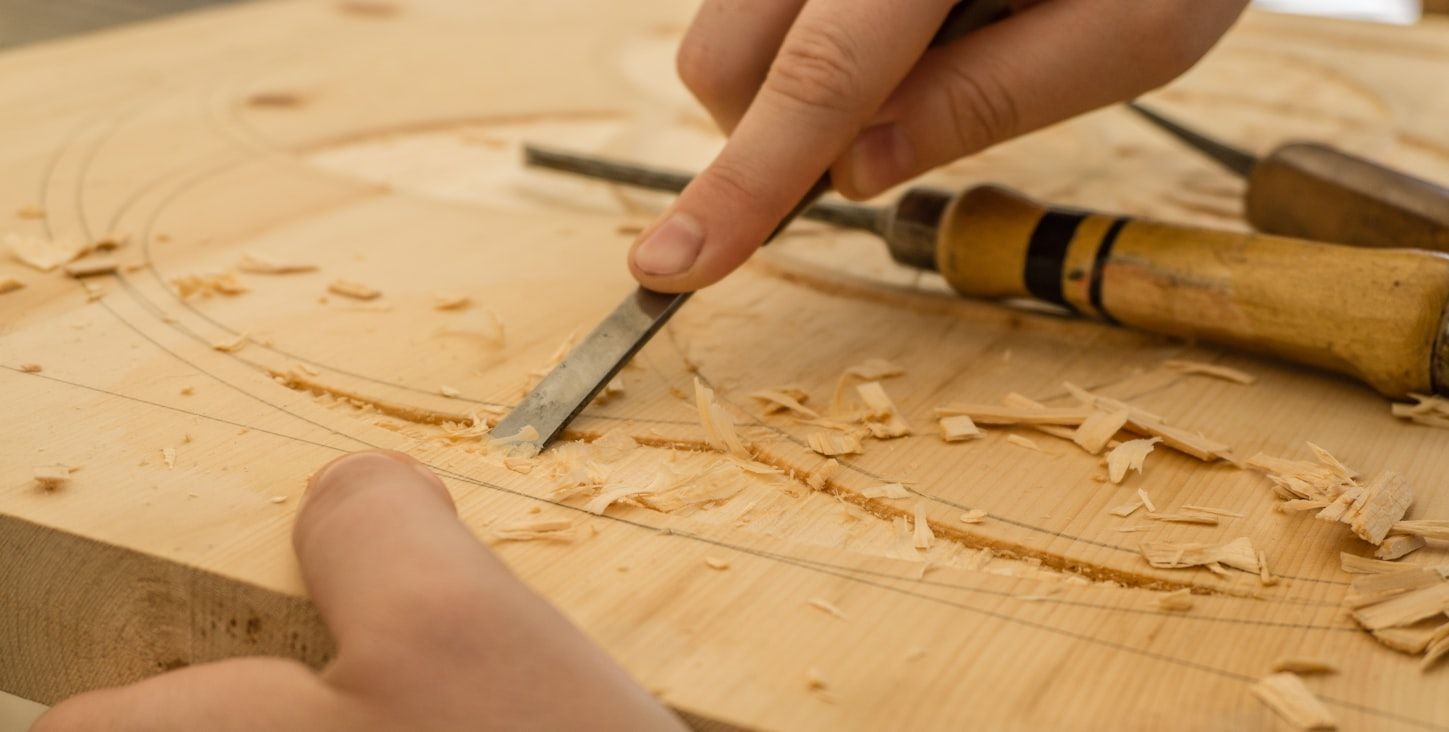
Before precise measuring tools were widespread, carpenters, brewers, and other craftspeople were often said to have used their thumbs for rough estimates. The width or length of a thumb served as an informal "rule."

Although modern workers rely on rulers and scales, the old phrase remains alive, meaning a general principle or handy guideline rather than a strict rule.

4

By the book

Image: Walls.io


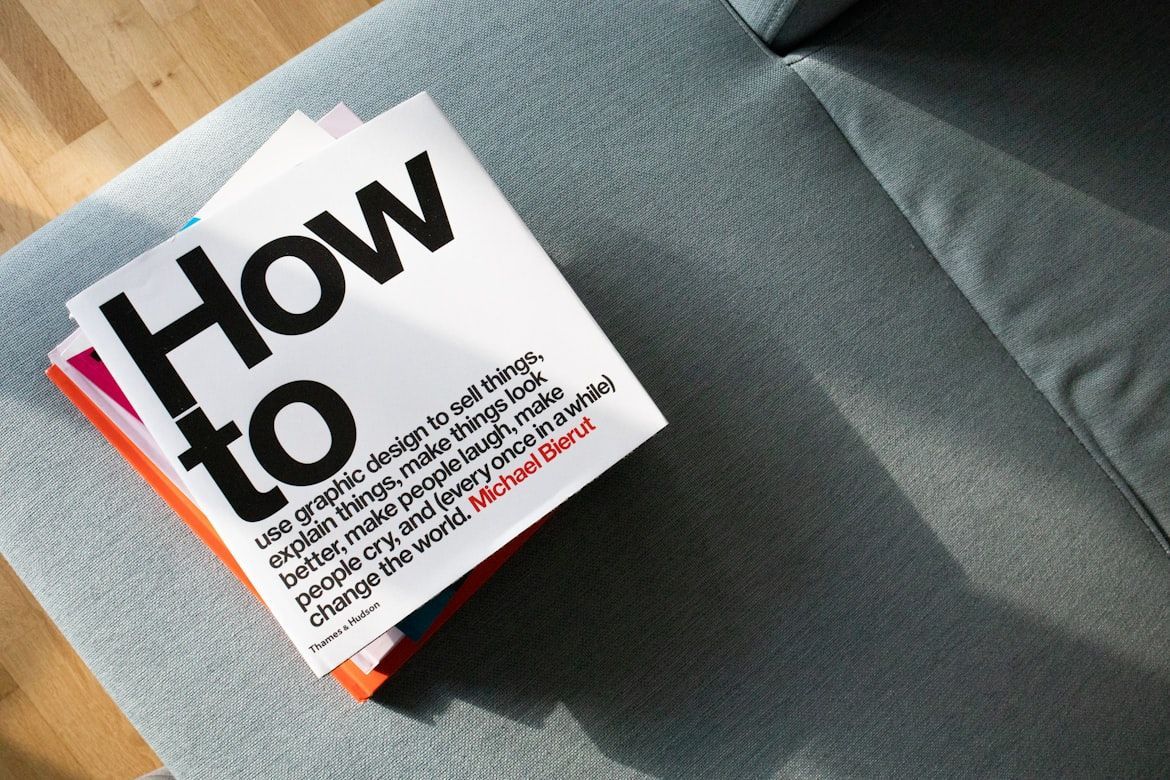
Guild members and early tradespeople often followed written manuals that dictated how to perform their craft. Working "by the book" meant adhering to these official rules exactly.

Today, the phrase describes anyone who sticks strictly to regulations, whether it’s a police officer enforcing the law or a student obeying classroom rules.

5

Loose cannon

Image: Berry Hafkin


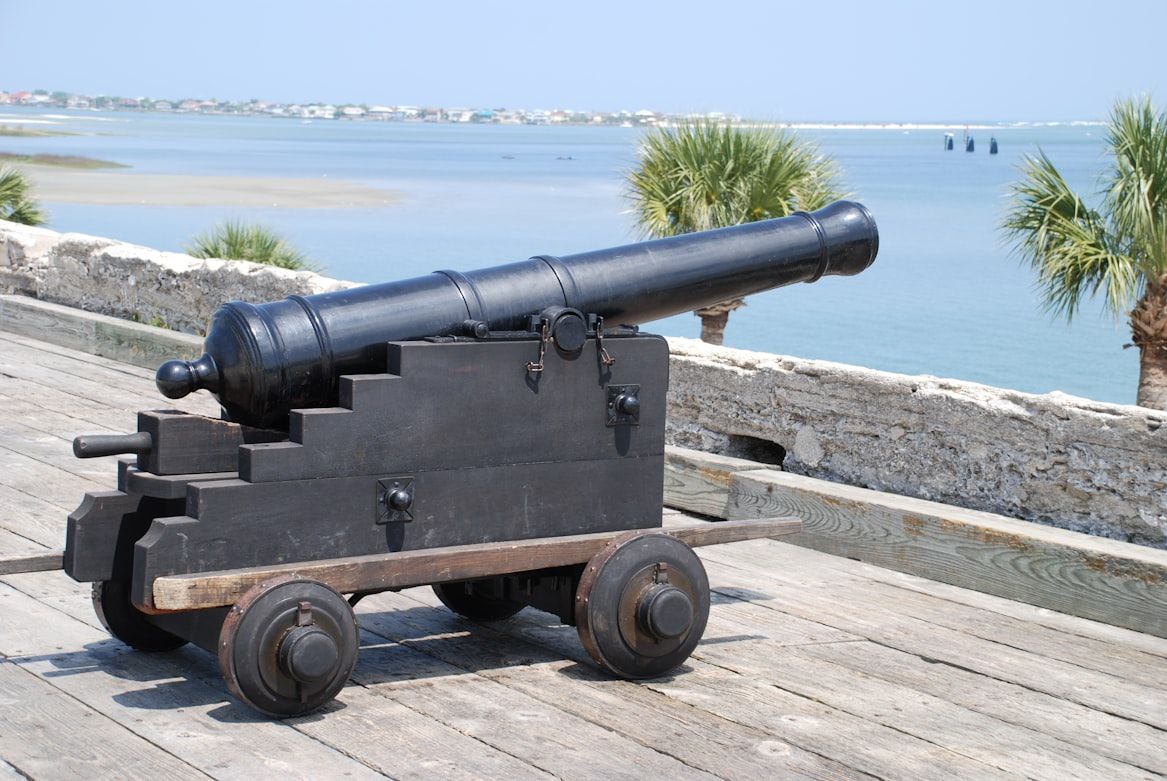
On old warships, heavy cannons were secured with chains. If a storm or battle broke those chains, a "loose cannon" could roll violently across the deck, crushing sailors and damaging the ship.

In modern speech, it labels an unpredictable person: someone whose uncontrolled actions can endanger a team, project, or reputation.

6

Cut from the same cloth

Image: SIL Group
7

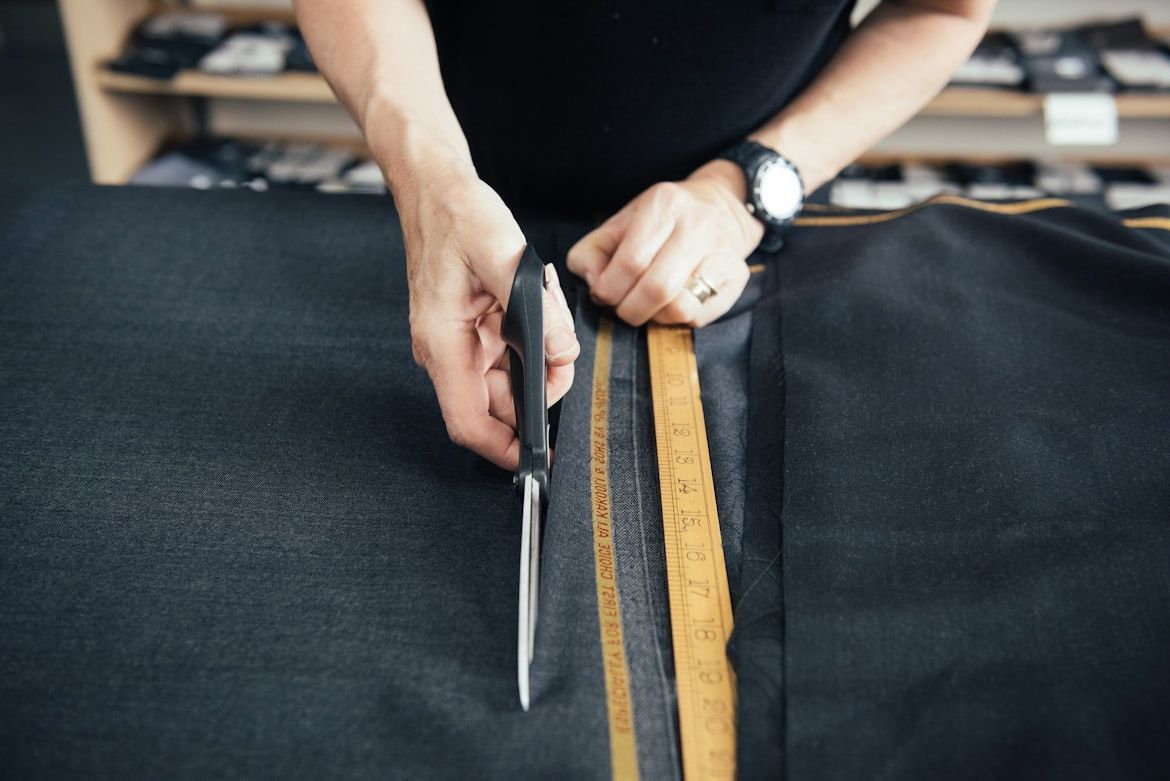
Tailors once worked from large pieces of fabric, cutting pieces for multiple garments. If two suits were cut from the same cloth, they shared identical material and quality.

Today, we use the expression to describe people with similar traits or values, like friends, relatives, or colleagues who clearly come from the same "fabric."

8

Spin a yarn

Image: Matt Benson


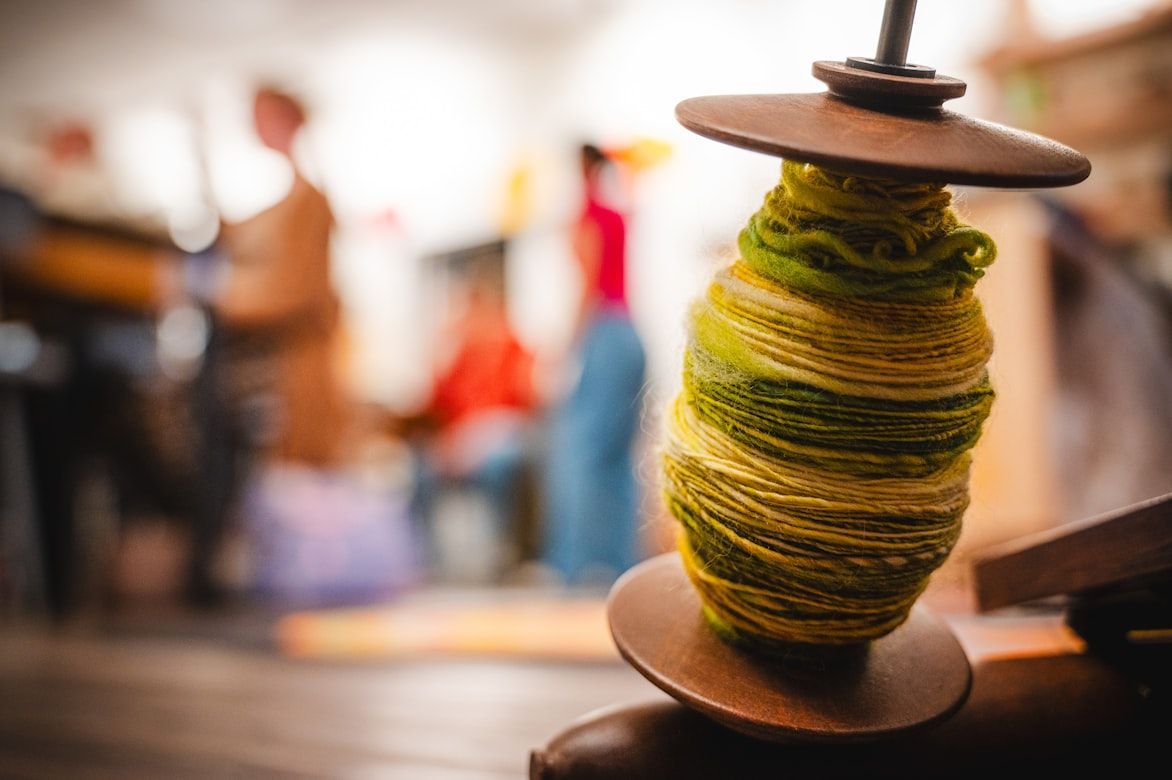
Sailors and rope-makers often spent long hours twisting fibers into rope, a process known as spinning yarn. To keep themselves entertained, they told tall stories while working.

Thus, to "spin a yarn" came to mean weaving an elaborate tale. It’s still used for anyone who tells a long, colorful story, whether it’s true or not.

9

Strike while the iron is hot

Image: Jonathan Bean


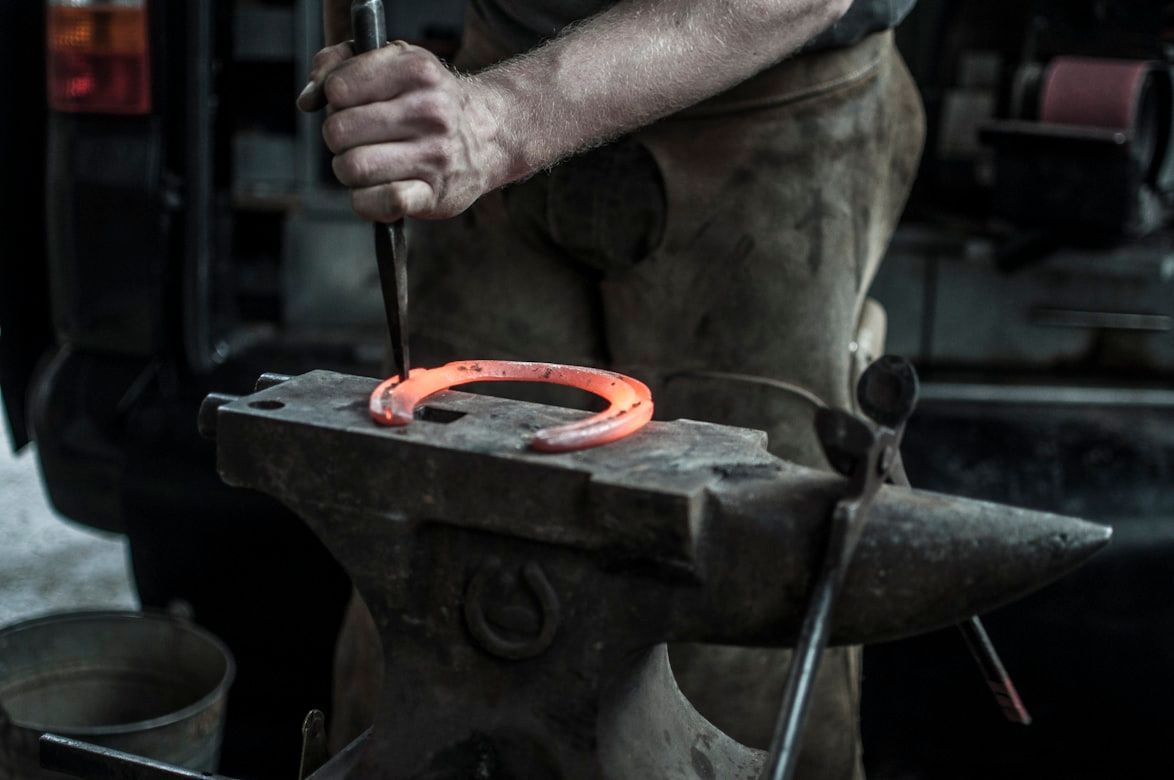
A blacksmith must hammer metal quickly once it’s heated to the right glow; wait too long, and it hardens. The saying advised workers to act fast for the best results.

It evolved into a general reminder to seize opportunities as quickly as they arise, while conditions are favorable and momentum is on your side.

10

Show your true colors

Image: David Dibert
11

Naval ships sometimes flew false flags to mislead enemies, then hoisted their actual national colors before engaging in battle. Revealing one’s "true colors" meant honesty after disguise.

Now the phrase praises sincerity or exposes deceit, depending on context. It still evokes that dramatic moment when masks fall away.

12

In the limelight

Image: Megs Harrison
13

Before electric bulbs, theaters used lime burned with gas to produce a brilliant white light that spotlighted leading actors on stage.

Those performers quite literally stood "in the limelight." Today, the phrase simply means being the center of attention, whether on stage or in everyday life.

14

Bite the bullet

Image: National Library of Medicine

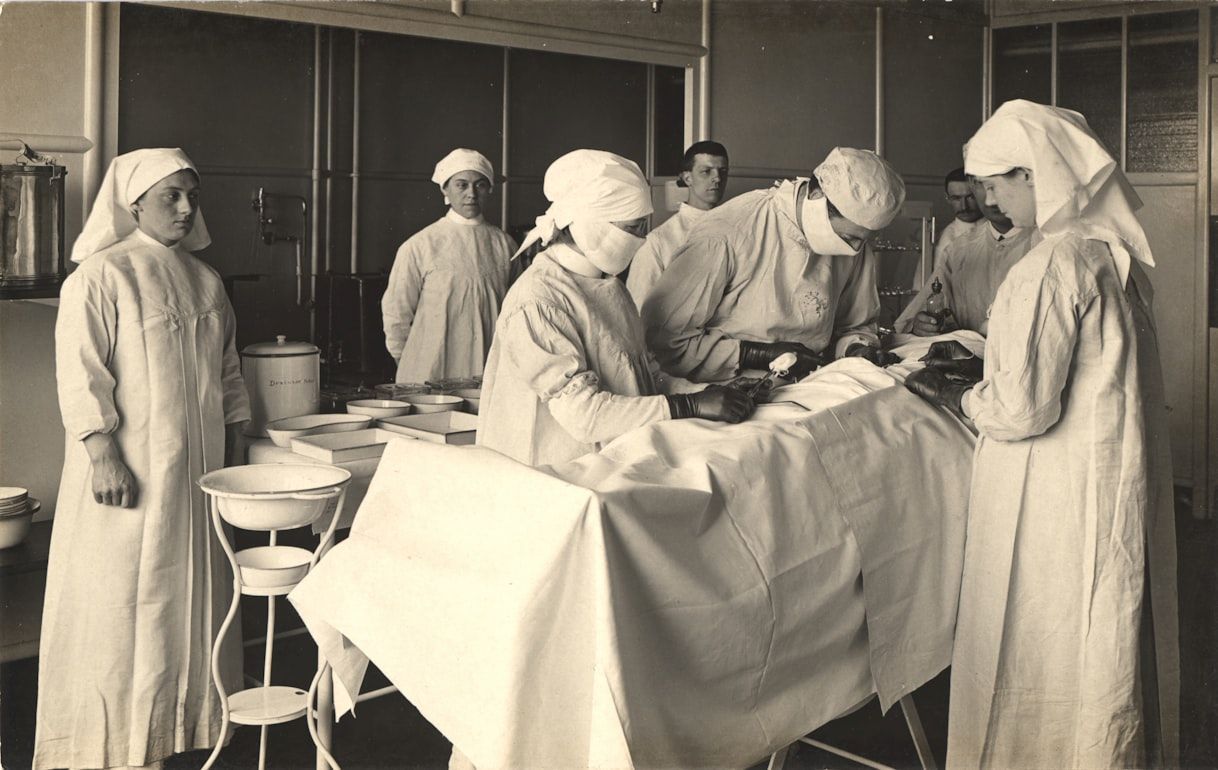
Before modern anesthesia, wartime surgeons had soldiers bite a bullet to cope with agony during operations. The metal gave them something firm to clamp down on.

Today, "bite the bullet" means facing a tough task bravely, accepting pain or difficulty with stoic resolve rather than avoiding it.

15

Toeing the line

Image: The Deseronto Archives
16

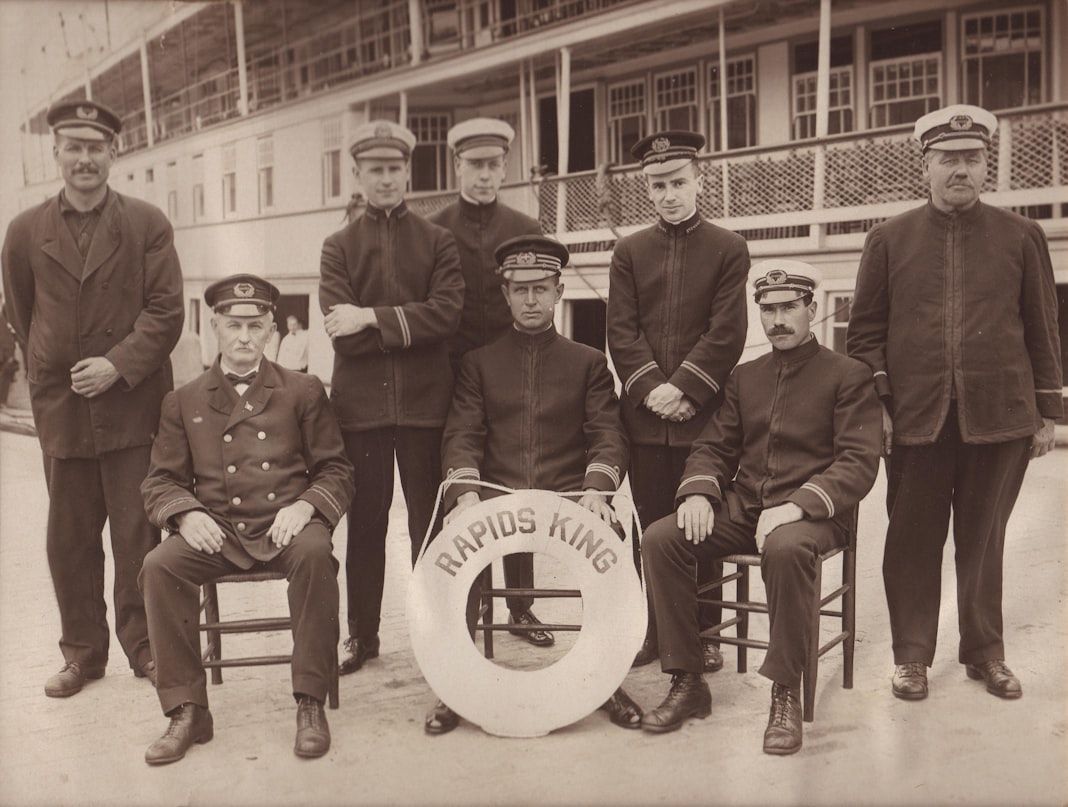
Sailors and soldiers in drills stood with their toes exactly on a marked line to show discipline and precision.

The phrase came to represent strict obedience to orders or standards. When someone "toes the line," they conform carefully to expected behavior.

17

Upper hand

Image: Chris de Lima

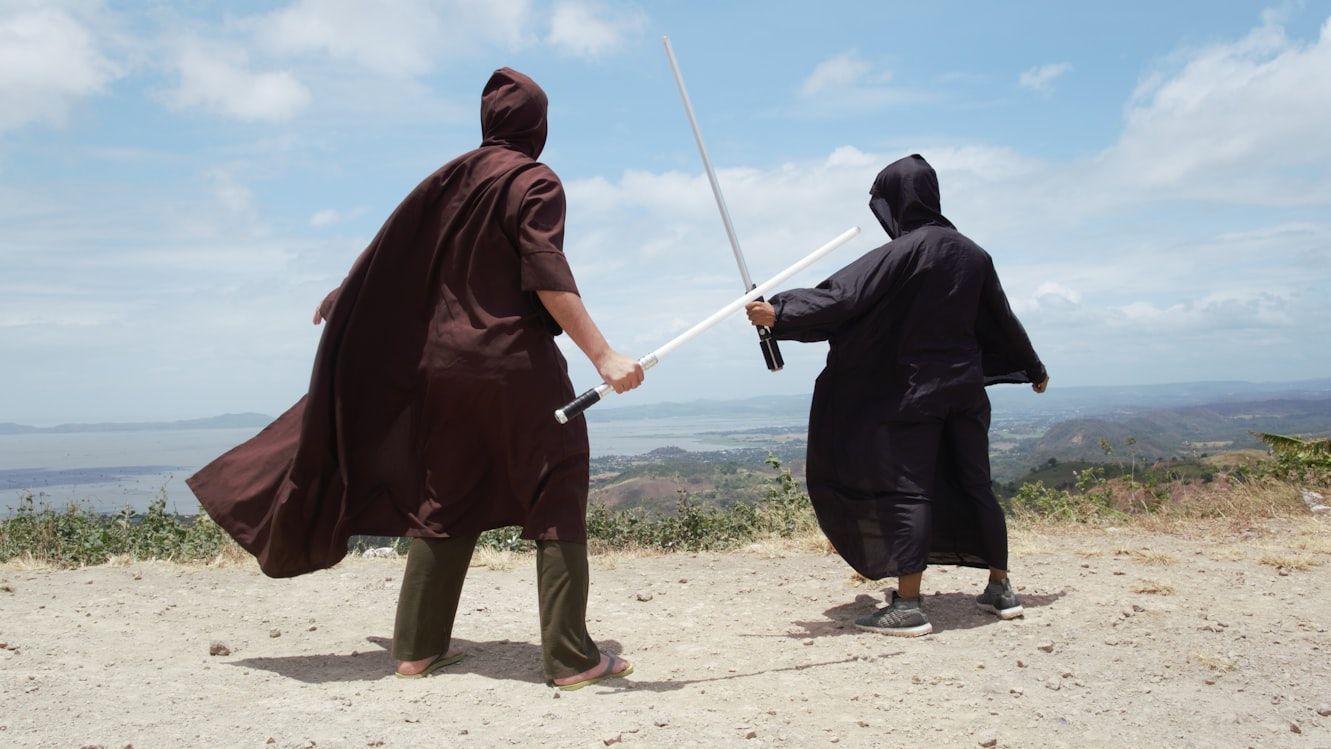
In sword fighting, the combatant whose hand was positioned higher typically had greater reach and control. Gaining "the upper hand" meant securing an advantage over an opponent.

Today, the duel may be metaphorical: winning an argument, negotiation, or competition, but the sense of dominance remains the same.


What science says

It was false after all: 10 health myths that sound true—but aren't


Published on April 15, 2026


Image: Alicja Gancarz

Health myths are everywhere! These ideas were simply passed down for so long that they became part of what we believed. But now science has stepped in to clear things up. Does cold weather make you sick? Can lemon detox your body? Is reading in low light really harmful? Let's uncover the truth behind 10 common health myths!

1

Cutting your hair makes it grow faster

Image: Element5 Digital

Have you ever been told that cutting your hair will make it grow faster? We're sorry to say that's just a myth. Hair grows from the root, not the ends. So, trimming it won't boost growth, though it does help remove split ends that can make your hair look dry or unhealthy.

2

Cold weather causes colds

Image: Thom Holmes

This is one of the most common health myths. Cold weather often gets blamed, but it's not the temperature that makes you catch a cold. During winter, we tend to stay indoors with others and keep the windows closed, an environment that makes it easier for viruses to spread. That's why colds tend to be more common in winter!

3

Eating before bed makes you gain weight

Image: Michelen Studios

The idea that eating before bed automatically leads to weight gain is a myth. In reality, it has more to do with what you eat and how much, rather than the time of day. Often, when we eat very late at night, we're tired and more likely to reach for quick, high-calorie, heavy foods. This can disrupt sleep and lead to consuming more calories than we burn, both of which may affect weight. If it's close to bedtime, it's better to have something light and healthy in a moderate portion than to skip a meal altogether.

4

Wearing glasses weakens your vision

Image: Bud Helisson

Does wearing glasses weaken your vision? Myth! If an eye doctor prescribes glasses, wearing them as directed helps correct your vision; it won't make it worse. Additionally, the right glasses can help prevent or reduce headaches caused by reading or spending long hours in front of a screen.

5

Reading in low light causes permanent eye damage

Image: Amir Balam

This myth is closely related to the previous one. If you love reading and sometimes have to do it in low light because of the situation, don't worry. According to experts, reading in low light doesn't cause permanent or irreversible eye damage. However, it's not recommended because it can make your eyes feel tired or strained, leading to discomfort or headaches.

6

You need to drink 8 glasses of water a day

Image: engin akyurt

We're all different, and so are our bodies. The idea that everyone should drink exactly eight glasses of water a day is more of a general guideline than a rule. Staying well hydrated throughout the day is extremely important, but how much water you need depends on factors like your weight, age, climate, and overall health. We should prioritize staying consistently hydrated instead of obsessing over the number of glasses we drink.

7

Lemon water detox and cleanse your body

Image: Tirza van Dijk

Some people say drinking lemon water helps eliminate toxins and cleanse the body. While adding a slice of lemon to your water is a refreshing way to stay hydrated, it doesn't have any special "detoxifying" powers. The vitamin C in citrus fruits is beneficial, but the body has its own natural detox system. The liver and kidneys are the main organs that filter waste and eliminate toxins.

8

All fat is bad

Image: Aneta Voborilova

Not all fats are bad! Just like other food groups, your body needs fats to function properly. The important thing is knowing the difference between healthy fats and those that can be harmful. Foods like avocados, seeds, olive oil, fish, and nuts are rich in healthy fats. On the other hand, the fats found in processed or fried foods are the ones that can have a negative impact on your body.

9

Liver disease is always caused by alcohol or fats

Image: Elevate

Liver diseases can be serious. While heavy and frequent consumption of alcohol and fats is a major contributor, it's not the only cause. Liver problems can also result from many other factors. These include viral infections, autoimmune diseases, genetic disorders, high blood pressure, and exposure to certain chemicals.

10

Breakfast is the most important meal

Image: Brooke Lark

There's some truth to it: breakfast is important because it replenishes our glucose and energy levels and supports proper metabolism. However, the idea that it's the most important meal of the day might be an exaggeration. Everyone's body has different needs, and all meals are important, so we shouldn't skip any of them!

Looking for an extra scoop of literary fun?

Learn more with our Word of the day

fervent

/ˈfərvənt/