Battle-born everyday words

Before Elvis wore them, sideburns marked soldiers on the battlefield


Published on September 19, 2026

Image: Rawpixel.com

Health breakthroughs (like modern trauma care) and everyday tech (like the microwave oven) came straight out of wartime research labs. But there's a quieter legacy nobody talks about: language. Military vocabulary quietly slipped into ordinary conversation. Take the trench coat, invented for officers freezing in WWI trenches, now just a stylish coat you grab on a rainy day. Or SNAFU, once army slang for total chaos, is now what you call it when your printer jams for the third time. Here are 10 examples you've probably used without realizing where they came from.

1

Trench coat

Image: Kiselev Andrey Valerevich

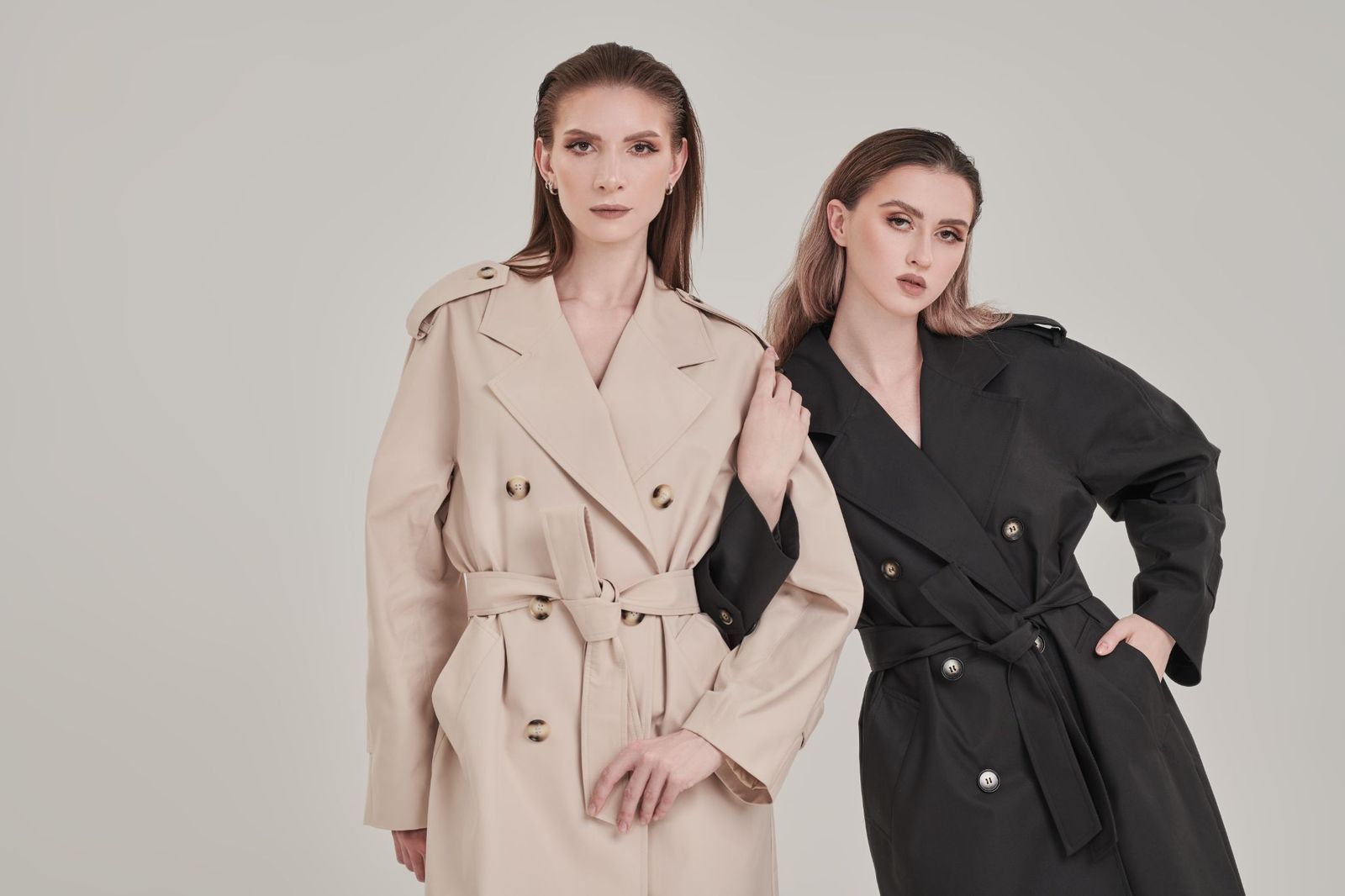
Born in WWI, the trench coat was designed for British and French officers standing in muddy, waterlogged trenches: durable, belted, and weatherproof. After the war, civilians loved the practical look and adopted it for city life.

By the mid-20th century, it became a fashion icon, thanks to detective movies and spies. Today, you probably own one just to survive rainstorms.

2

Sideburns

Image: catwalker

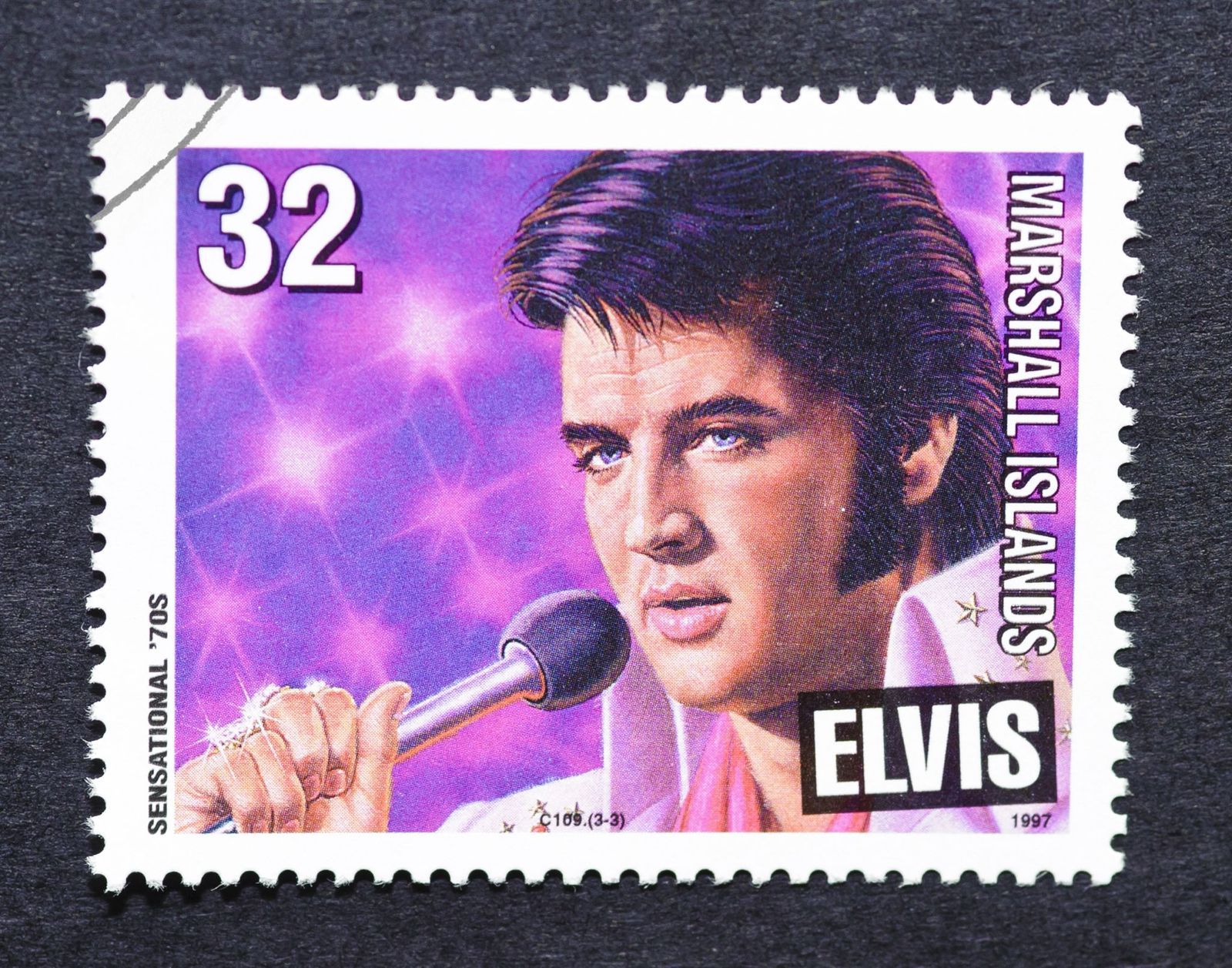
Named after Civil War general Ambrose Burnside, who sported a bold strip of facial hair connecting to his mustache, this style became famous through news coverage of the war. Civilians liked the look and kept it going long after the fighting ended.

It's now just a grooming term, no history lesson required. Elvis wore them; your barber trims them.

3

Blockbuster

Image: Barry Mountford

This one started as a literal WWII bomb, powerful enough to level an entire city block. Grim stuff. But Hollywood, always looking for a punchy word, borrowed it in the 1950s to describe a movie so big it "blew away" everything else at the box office.

Now it just means your favorite summer movie made a ton of money.

4

SNAFU

Image: Betofoto

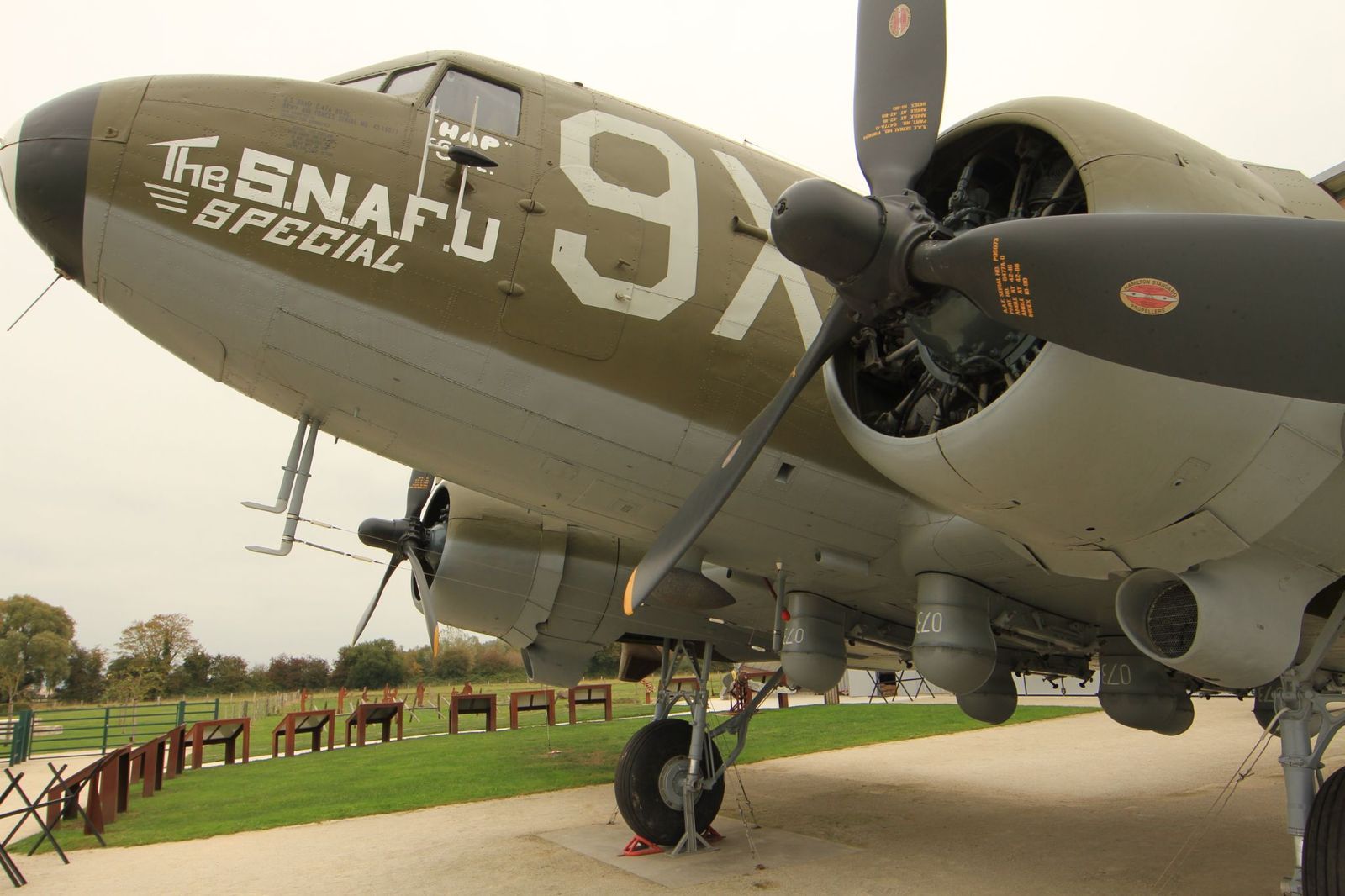
American soldiers in WWII coined this one as a sarcastic acronym meaning things were a complete, chaotic mess: SNAFU stands for "situation normal: all fed up,". Troops used it constantly to laugh off disasters. Civilians picked it up after the war, and now it just means any everyday screw-up.

Your flight got cancelled, and your luggage vanished? That's a classic SNAFU; no soldiers required.

5

Flak

Image: Karolis Kavolelis

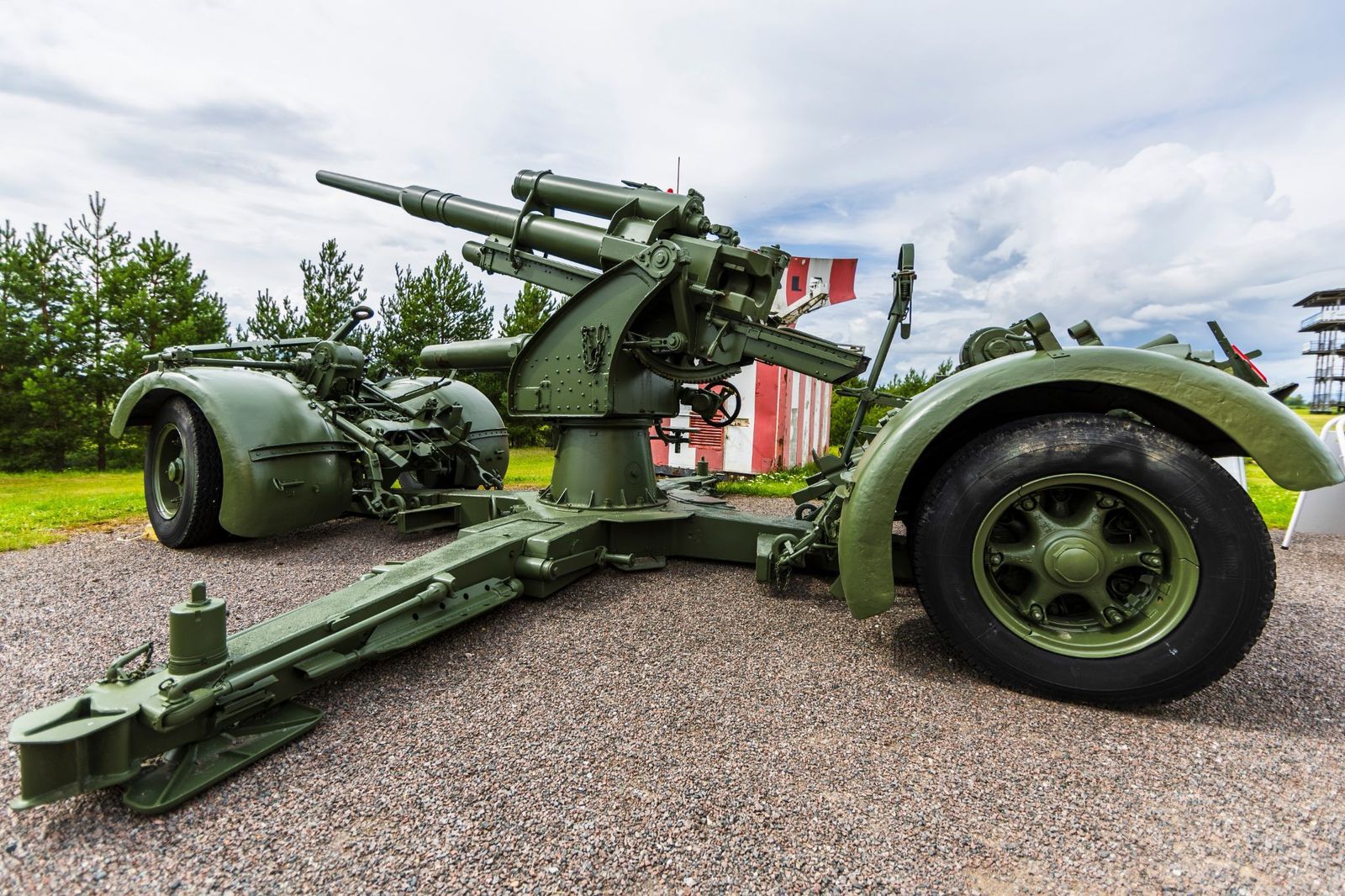
"Flak" came from the German word Fliegerabwehrkanone, literally "aircraft-defense cannon", and was used to describe the exploding shells fired at enemy planes during WWII. Pilots dreaded flying through it. Over time, people borrowed the image of getting hit from all directions to describe verbal attacks.

Now if you tell your spouse you forgot the anniversary dinner reservation, you're bracing for some serious flak.

6

Bunker

Image: geogif

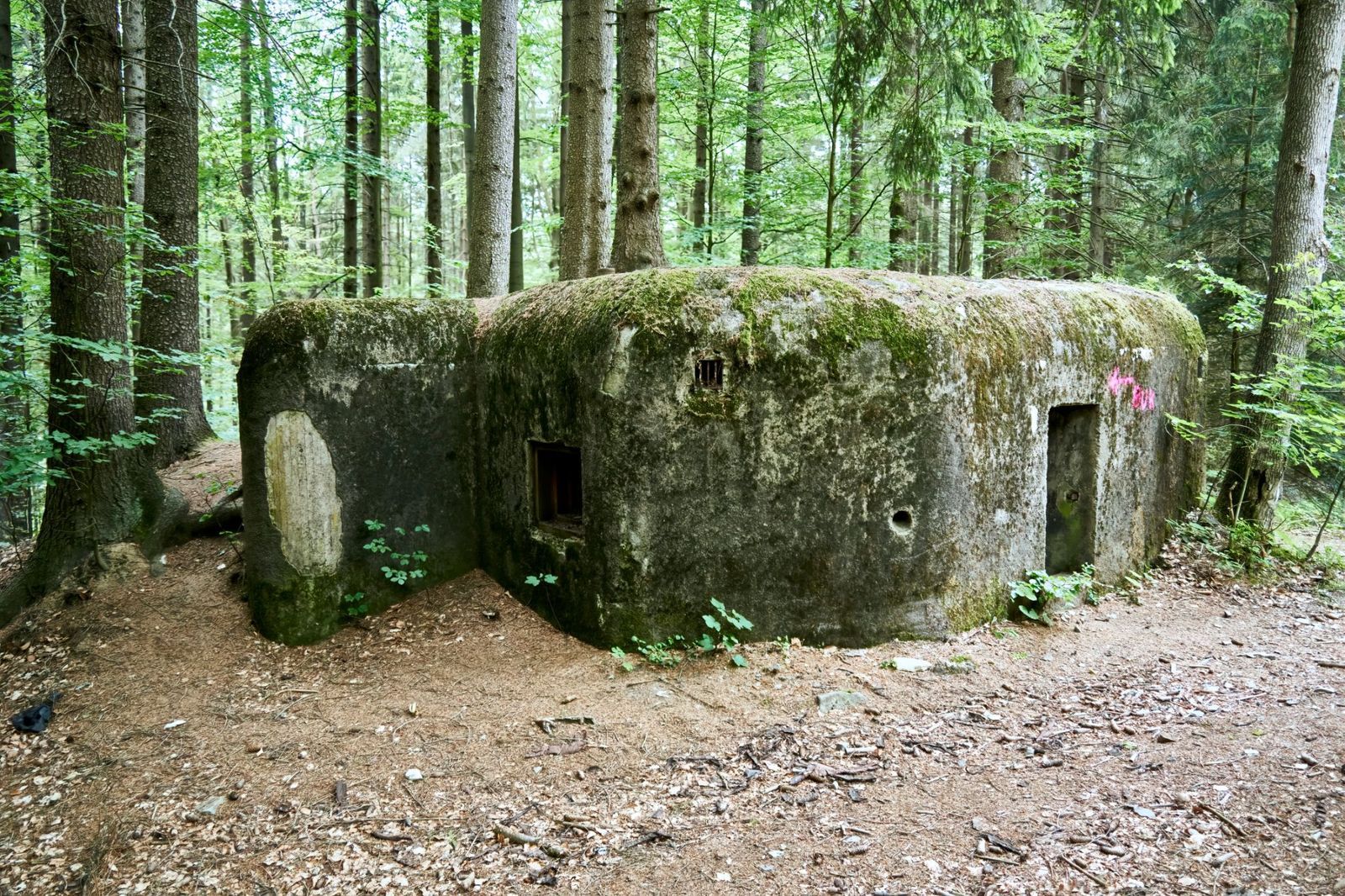
Originally a fortified shelter built to protect soldiers from bombing and shelling, the bunker was pure wartime survival architecture. After the wars, the word stuck around for anything reinforced and defensive-feeling.

These days, it describes storm shelters, wine cellars, even a golfer's sand trap. If your neighbor built a concrete room under his garage for tornado season, he's got a bunker.

7

Camouflage

Image: Kiri Photography

The military borrowed this word from French artists, who'd studied how animals blend into their surroundings to avoid predators. Armies applied the same idea to conceal tanks, uniforms, and equipment from enemy eyes during WWI. Civilians eventually embraced the pattern as a fashion statement, and the word itself came to mean any kind of blending in or hiding.

Wearing a camo jacket to the grocery store, or "camouflaging" a bad haircut with a hat: either way, you're covering something up.

8

Brainwashing

Image: Chizhevskaya Ekaterina

This unsettling term emerged during the Korean War, describing coercive tactics used on prisoners to change their beliefs. It sounded straight out of science fiction at the time. Now it's used far more casually, for anything from pushy advertising to a friend's obsession with a diet fad.

9

No man's land

Image: Zoltan Sandula

Centuries old, this phrase originally described unclaimed or disputed territory, then gained new meaning during WWI as the deadly strip between opposing trenches, a place nobody dared cross. Today it simply means any confusing, undefined space.

10

Radar

Image: DenisProduction.com

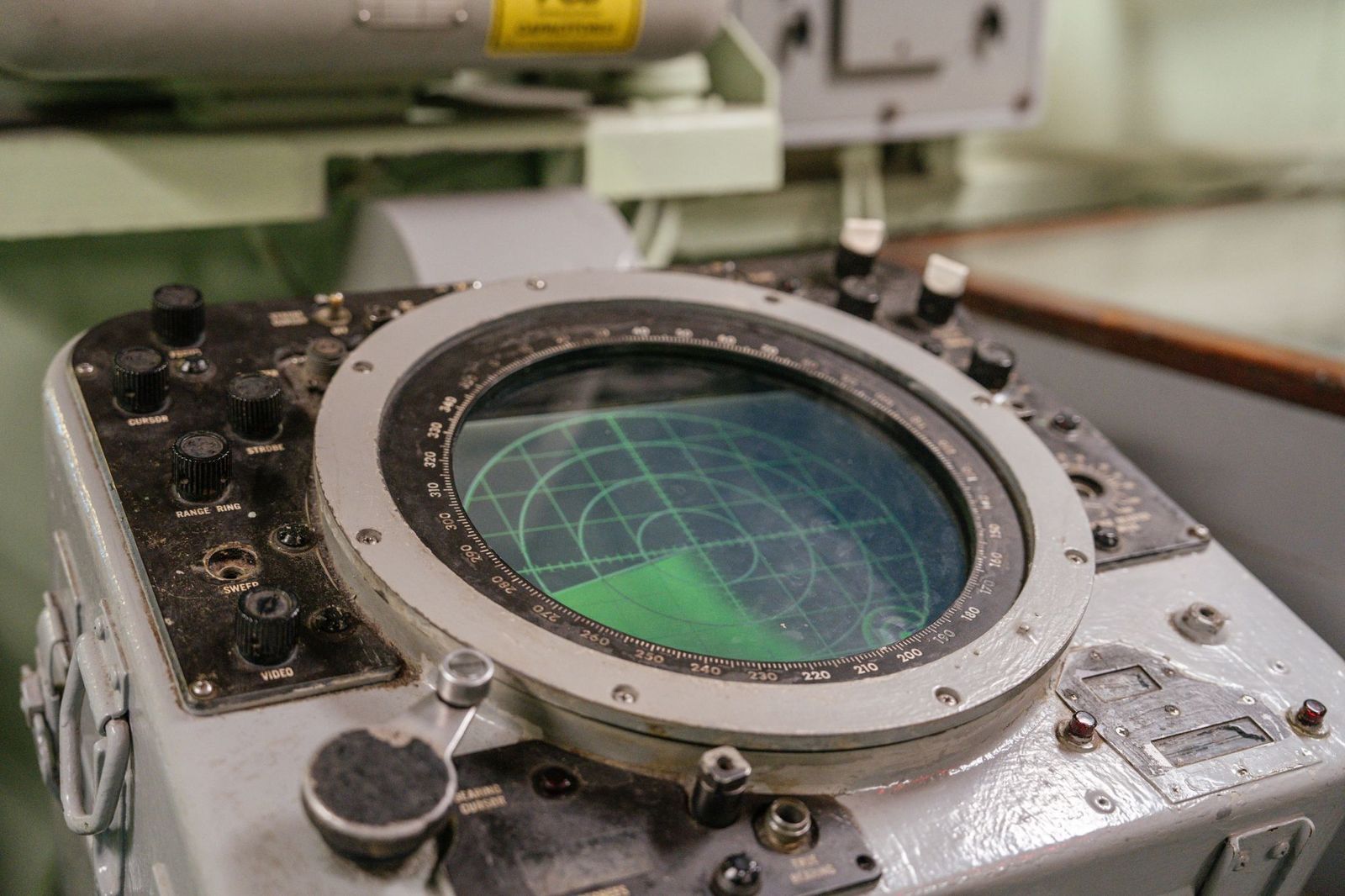
Developed in secret during WWII to detect approaching enemy planes and ships, radar was cutting-edge, classified technology. After the war, it became public knowledge and its name drifted into daily speech. Now, if something catches your attention, it's "on your radar", and if it sneaks past you, it flies "under the radar."
Did you know any of these?

Lima 9 Quebec! Discover NATO phonetics and their purpose


Published on September 19, 2026


Image: Jonathan Farber

While most people have never heard of the NATO phonetic alphabet, they have likely encountered it in use, at least in movies and television. If you can recall a scene where a pilot says something like "Alpha," "Bravo," and "Charlie" over the radio, then you have heard the NATO phonetic alphabet at work. It is a system designed to ensure letters are clearly understood, even over crackly or noisy connections. It's been around since the 1950s, but its roots go back even further. Take a look at some interesting and cool facts about it!

1

What it is

Image: Sergey Svechnikov

Simply put, a spelling alphabet helps clarify letters and numbers in messages, since many of them sound alike—like B and P, or M and N.

This is especially useful when static or interference affects radio or phone communication. For example, "DH98" would be said as "Delta-Hotel-Niner-Ait" to avoid confusion.

2

The current alphabet

Image: Jason Dent

The following is the complete current NATO phonetic alphabet: Alfa, Bravo, Charlie, Delta, Echo, Foxtrot, Golf, Hotel, India, Juliett, Kilo, Lima, Mike, November, Oscar, Papa, Quebec, Romeo, Sierra, Tango, Uniform, Victor, Whiskey, X-ray, Yankee, and Zulu.

Each word starts with the letter that it represents, and the words were selected to be easily understood by speakers of many different languages.

3

Not every word made the cut

Image: Steve Johnson

The original International Civil Aviation Organization (ICAO) alphabet, the predecessor to the NATO phonetic alphabet, was officially adopted on November 1, 1951, and became effective for civil aviation on April 1, 1952.

However, issues soon arose. Words like Delta and Extra, or Nectar and Victor, sometimes caused confusion, especially in poor radio conditions.

4

Live words only

Image: Christina @ wocintechchat.com

To be included in the NATO phonetic alphabet, a word had to be a "live," or commonly used, word in English, French, and Spanish—the three working languages of the ICAO, which developed the system before NATO adopted it.

This rule helped ensure that the words were easily recognized and understood across different cultures and languages, improving international communication and reducing confusion.

5

Ease of pronunciation

Image: NOAA

The ICAO required each word to be easy to pronounce and recognize by speakers of many different languages.

This helped ensure clear communication between pilots and air traffic controllers worldwide, reducing the risk of misunderstandings.

6

Good radio transmission

Image: Museums Victoria

Another criterion for inclusion in the NATO phonetic alphabet was that a word had to be clearly transmissible over the radio and easy to understand.

This helped minimize confusion caused by static, poor signals, or accents, making communication in aviation safer and more reliable.

7

Similar spelling

Image: Glen Carrie

Each word in the NATO phonetic alphabet had to begin with the letter it represented and be easily recognizable across several major languages, including English, French, and Spanish.

This made the alphabet easier to learn and understand internationally, ensuring consistency and clarity in communication.

8

No objectionable meanings

Image: Andre Hunter

Words in the NATO phonetic alphabet had to be free of any offensive or inappropriate meanings in any of the major languages.

This helped ensure that the words could be used safely and respectfully across different cultures and regions without causing misunderstandings or offense.

9

"X-ray" to "Xray"

Image: Cara Shelton

NATO changed the spelling of "X-ray" to "Xray" early on to make sure it was pronounced as a single word.

The ease of pronunciation goes hand in hand with another crucial aspect: there can be no other meaning interpretations.

10

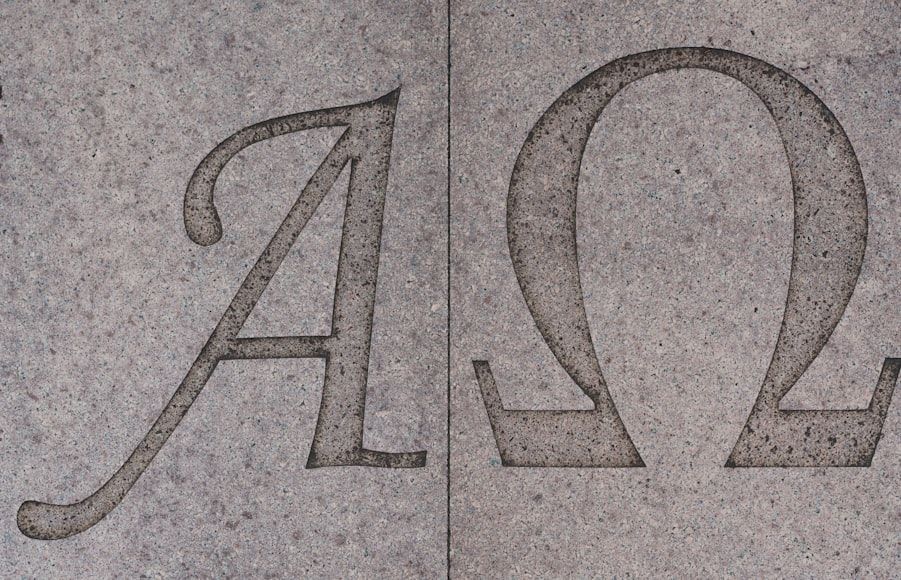
Alfa for Alpha

Image: Declan Sun

Two words in the NATO phonetic alphabet use non-standard English spellings: "Alfa" and "Juliett."

"Alfa" avoids the "ph" to ensure correct pronunciation by non-English speakers. "Juliett" includes a second "t" so French speakers don't mistakenly drop the final sound.

Looking for an extra scoop of literary fun?

Learn more with our Word of the day

jittery

/ˈdʒɪdəri/