Mind your manners

10 laws around the world that are just odd


Published on December 8, 2025


Image: Tingey Injury Law Firm

What people consider reasonable in terms of the law often changes from nation to nation, and sometimes even from region to region within the same country. However, there are some rules so odd that one cannot help but wonder if they were instituted as a joke and then forgotten. Some make more sense once you learn about the context, but others seem exaggerated. Be mindful of your actions, because you might end up fined—or even imprisoned—somewhere in the world.

1

Singapore: No chewing gum

Image: Charles Wright

Looking for a way to prevent chewing gum litter, Singapore decided to tackle the root cause and directly banned the import and sale of gum, with an exception made for therapeutic reasons. Blowing bubbles in public might get you fined, and smugglers may face imprisonment.

2

Greece: No high heels in historical sites

Image: Andrew Tanglao

This rule may sound odd, but it makes sense once you get the full picture. Greece is home to numerous ancient sites, such as the Acropolis and the Parthenon. To help preserve these monuments, high heels with narrow or sharp points are banned, as they could "damage the structures." Violating this rule can result in a fine of up to €900.

3

Canada: No excessive use of coins

Image: Dan Dennis

Let’s be honest—this one is a bit odd (unless you’ve worked in retail). According to Canadian law, there is a limit to the number of coins you can use in a single transaction. The allowable amount depends on the coin denomination and the total to be paid, but fear not: In true Canadian fashion, the law includes a detailed list of instructions.

4

Barbados: No wearing camouflage

Image: James Wainscoat

Camouflage patterns were originally developed as a military tool but have since become a popular fashion trend. Well, not in Barbados. Any civilian wearing clothes or accessories with a camouflage pattern can be fined, imprisoned, or both. Several neighboring Caribbean countries have similar laws, prompting cruise companies to specifically warn their passengers.

5

Russia: No driving a dirty car

Image: David Beale

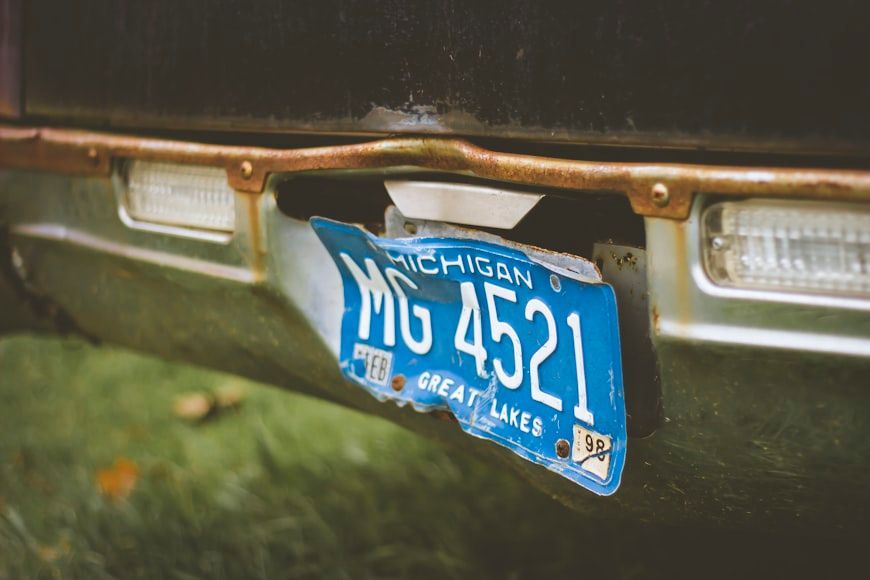
This one sounds weirder than it actually is. It’s not technically illegal to drive a dirty car in Russia—but it is illegal to drive with an unreadable license plate. So, if your car is so filthy that the dirt obscures your plate, you could be fined.

6

Thailand: No stepping on money

Image: YoNeKeN

This law stems from a combination of factors. Baht, the Thai currency, depicts the King, making them subject to strict laws requiring respect for the monarchy. Additionally, feet are considered the lowest and dirtiest part of the body in Thai culture, which adds another layer of disrespect. Even carrying money in your back pocket—effectively sitting on the King—can get you into trouble.

7

Sri Lanka: No selfies with Buddha

Image: Cristina Zaragoza

This law isn’t really about selfies—it’s about turning your back on Buddha statues, which is considered extremely disrespectful. Authorities take this very seriously, and tourists have occasionally gotten into trouble for posing with their backs to the statues. Such actions have even led to fines or imprisonment.

8

France: No snails without a train ticket

Image: Alexas_Fotos

Domesticated animals weighing under 11 pounds are allowed on French trains—but they must have a ticket. Why snails, specifically? The rule applies to all small pets, but it famously led to a dispute between the rail company and a passenger who was caught carrying live snails. Since the snails didn’t have tickets, the owner was fined—though the penalty was later waived.

9

Poland: No Winnie-the-Pooh near playgrounds
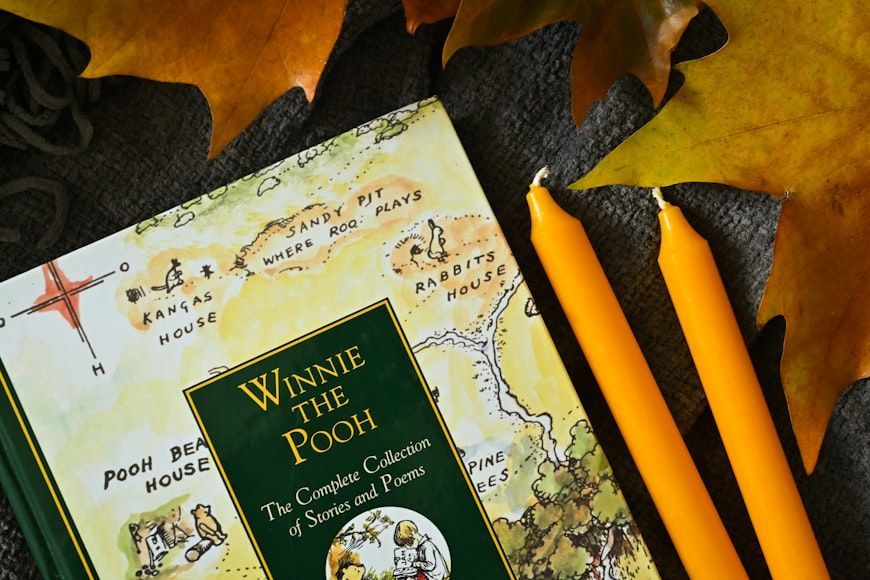
Image: Nik

This peculiar rule doesn’t apply to all of Poland, but to one specific town where officials rejected Winnie-the-Pooh as a playground mascot—because he doesn’t wear pants. The decision sparked plenty of laughter abroad, though locals defended it as a matter of propriety. As far as we know, Donald Duck and Bugs Bunny haven’t been considered for the job either.

10

China: No unsanctioned reincarnations

Image: Will Pagel

Tibet, a region in China, is one of the main centers of Buddhism and home to many spiritual leaders regarded as living Buddhas—believed to be reincarnations of previous teachers. According to Chinese law, for these reincarnations to be officially recognized, they must submit an application and receive government approval. The regulation was introduced to limit foreign influence—particularly from the Dalai Lama—over the selection process.


Some names stick around

From Table Tap Joe to Ziggy Stardust: Who are the best song characters?


Published on December 8, 2025


Image: Christina Radevich

Sometimes, a character is the perfect alter-ego to write a song about oneself without self-referencing so much. Other times, a character is just a character. Over the years, musicians have come up with lonely dreamers, fearless heroes, mysterious strangers, and even supernatural villains who have become just as famous as the songs themselves. Some were inspired by real people, others sprang entirely from imagination, but all of them left a lasting mark on music history. Which of these 12 do you remember?

1

Table Top Joe — Tom Waits — "Table Top Joe"

Image: lev radin

Tom Waits has always had a soft spot for society's oddballs, and few are even stranger than Table Top Joe. Introduced on the 2002 album Alice, Joe is born with only a head and hands, yet grows into a brilliant piano player whose extraordinary talent earns him fame despite the odds stacked against him.

The song unfolds like a forgotten American folk tale, complete with references to Coney Island's legendary Dreamland amusement park and composer Igor Stravinsky. Although many listeners assume the story is based on an old carnival legend, Table Top Joe is entirely Tom Waits' own creation.

2

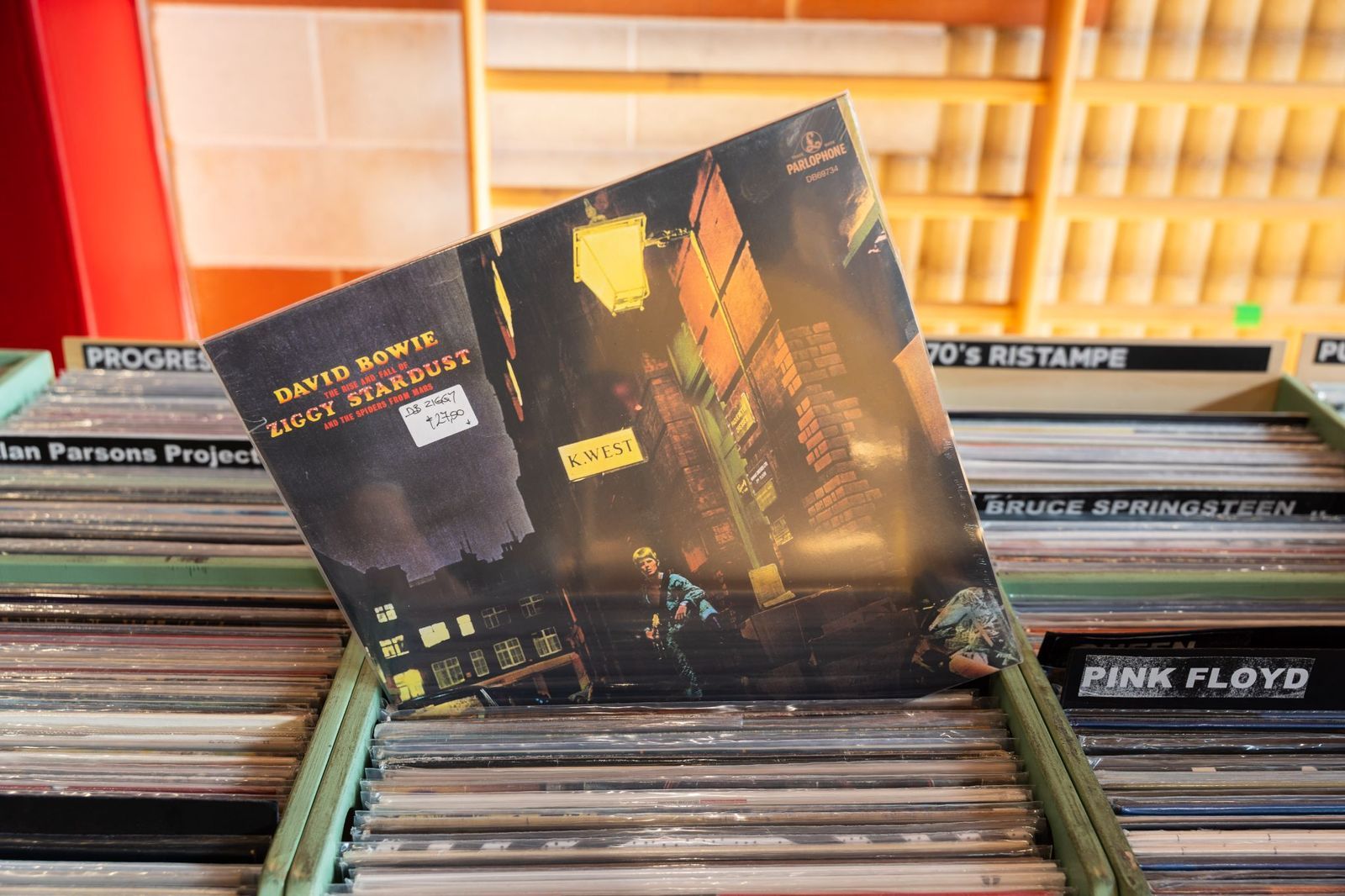
Ziggy Stardust — David Bowie — "Ziggy Stardust"

Image: PHLD Luca

Few fictional musicians have ever become as famous as Ziggy Stardust. Introduced in 1972, Ziggy is an alien rock star sent to Earth shortly before humanity's end, only to be consumed by the very fame that makes him a savior to millions.

David Bowie blurred the line between fiction and reality by performing as Ziggy onstage for more than a year. When he unexpectedly announced Ziggy's retirement during a concert at London's Hammersmith Odeon in 1973, many fans believed the character, and perhaps Bowie himself, had truly reached the end of the story.

3

Tommy — The Who — "Tommy"

Image: defotoberg

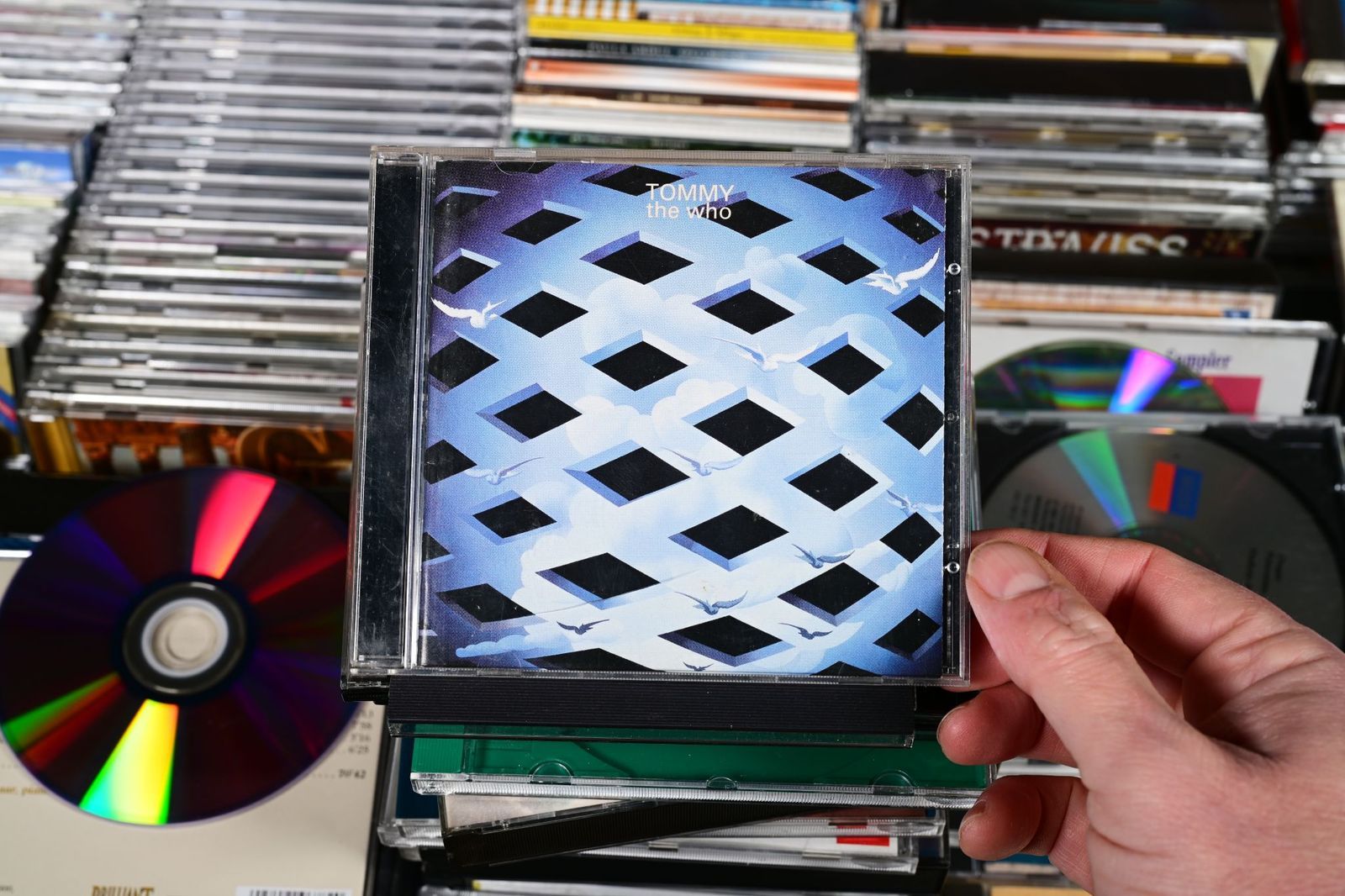
Tommy Walker isn't just the hero of a song, he's the central figure of one of rock music's first great operas. After witnessing a traumatic event as a child, Tommy becomes deaf, mute, and blind, yet somehow develops astonishing pinball skills that transform him into an unlikely celebrity.

Pete Townshend built an entire musical world around Tommy, exploring themes of trauma, faith, and redemption. First released in 1969, Tommy later became a hit film, a Broadway production, and one of the most influential concept albums ever recorded.

4

Johnny B. Goode — Chuck Berry — "Johnny B. Goode"

Image: Erman Gunes

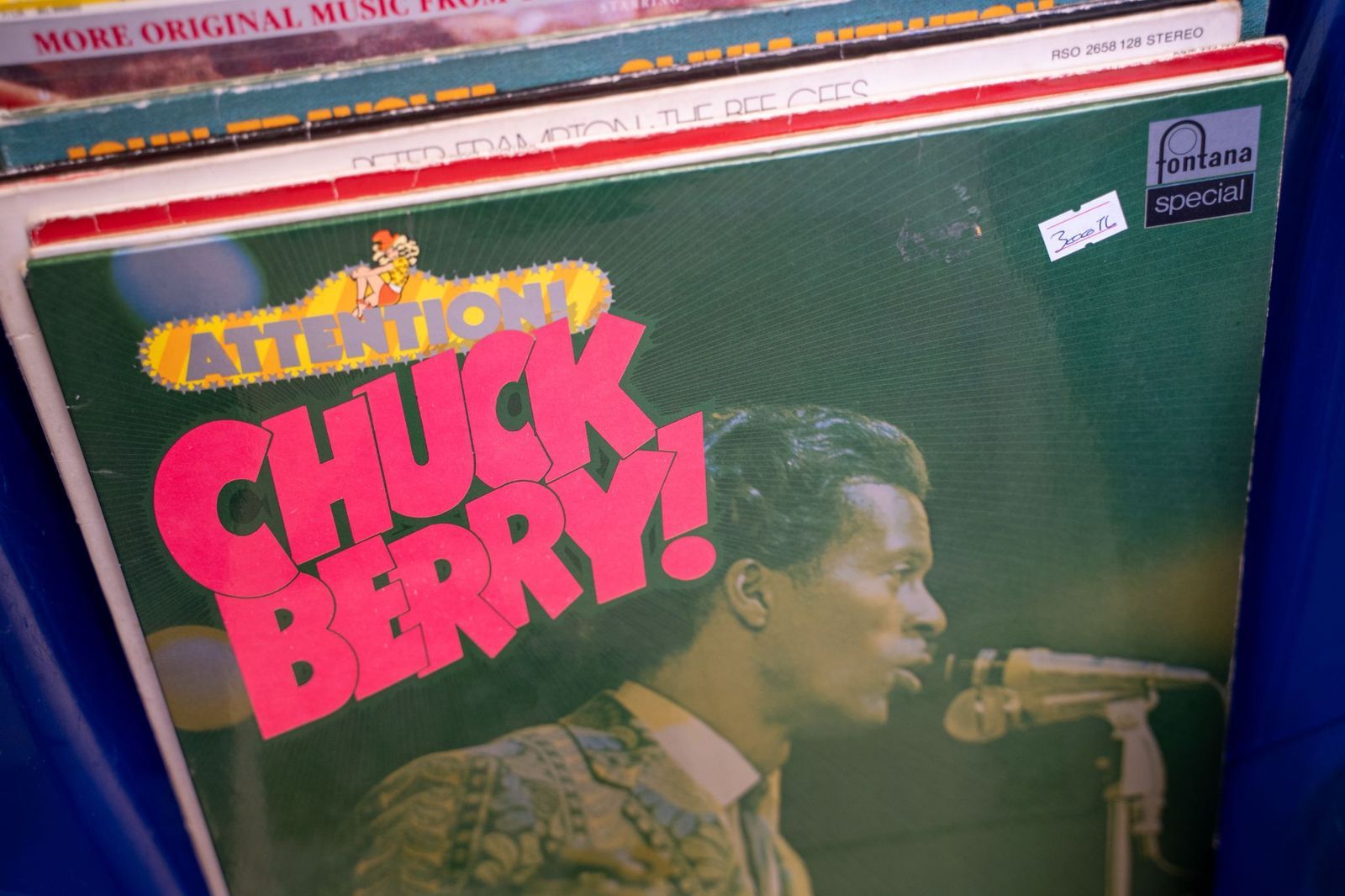
Johnny B. Goode is every aspiring musician's dream. Growing up in rural Louisiana with little more than a guitar and natural talent, he plays so brilliantly that listeners predict "his name will be in lights."

Chuck Berry based the character partly on himself and partly on pianist Johnnie Johnson. Originally described as a "colored boy," Johnny became a "country boy" in the final lyrics, making the song more likely to receive airplay during the segregation era. Nearly two decades later, Johnny's anthem would even travel into space aboard NASA's Voyager Golden Record.

5

Eleanor Rigby — The Beatles — "Eleanor Rigby"

Image: chrisdorney

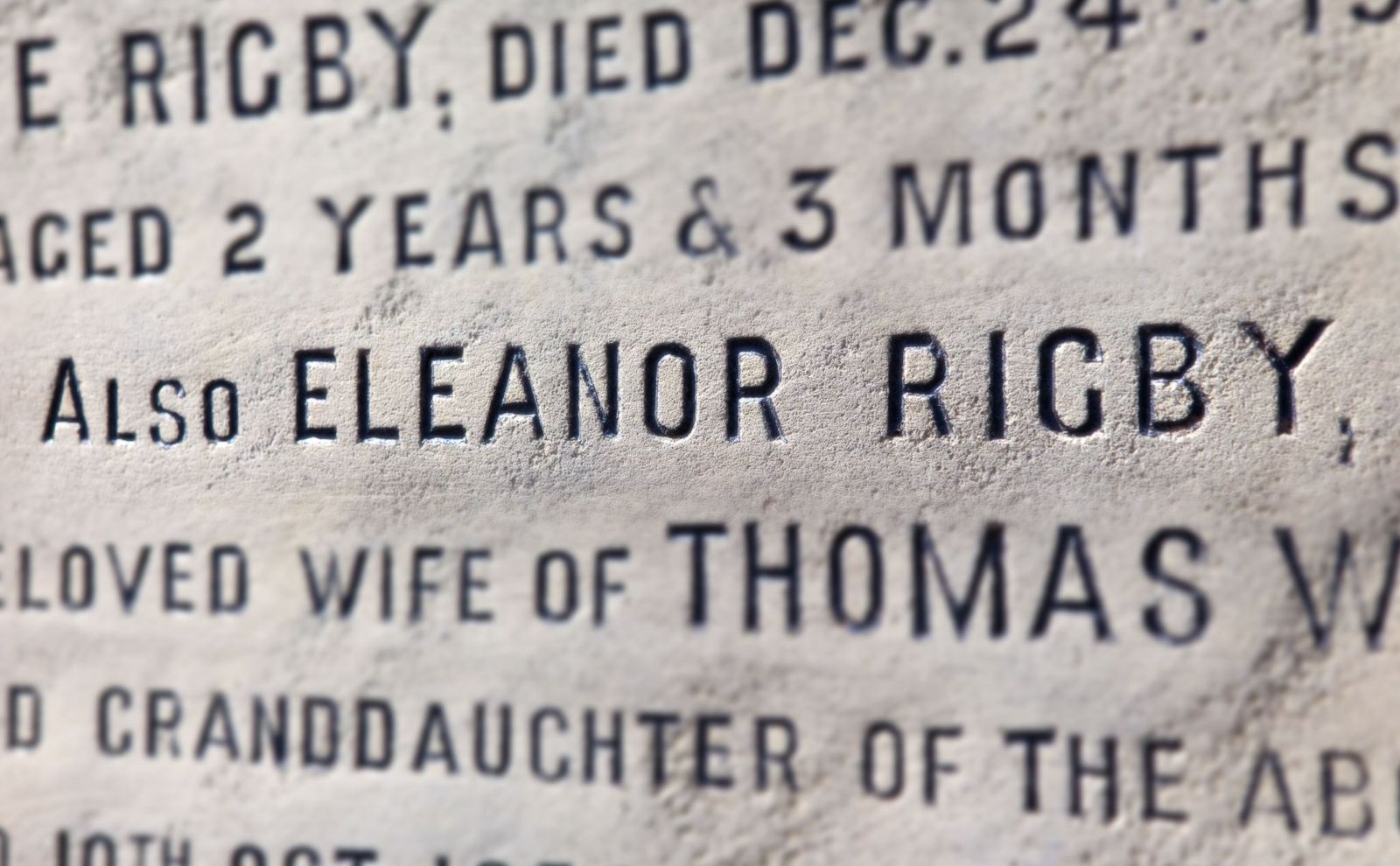
Few fictional characters have captured loneliness as powerfully as Eleanor Rigby. She quietly moves through life unnoticed, while Father McKenzie delivers sermons that no one hears, creating one of popular music's saddest portraits of isolation.

Paul McCartney later explained that Eleanor's name came from actress Eleanor Bron and the Liverpool shop Rigby & Evens. The discovery of an actual Eleanor Rigby gravestone in Liverpool only deepened the song's mystique, though McCartney maintained the coincidence was unintentional.

6

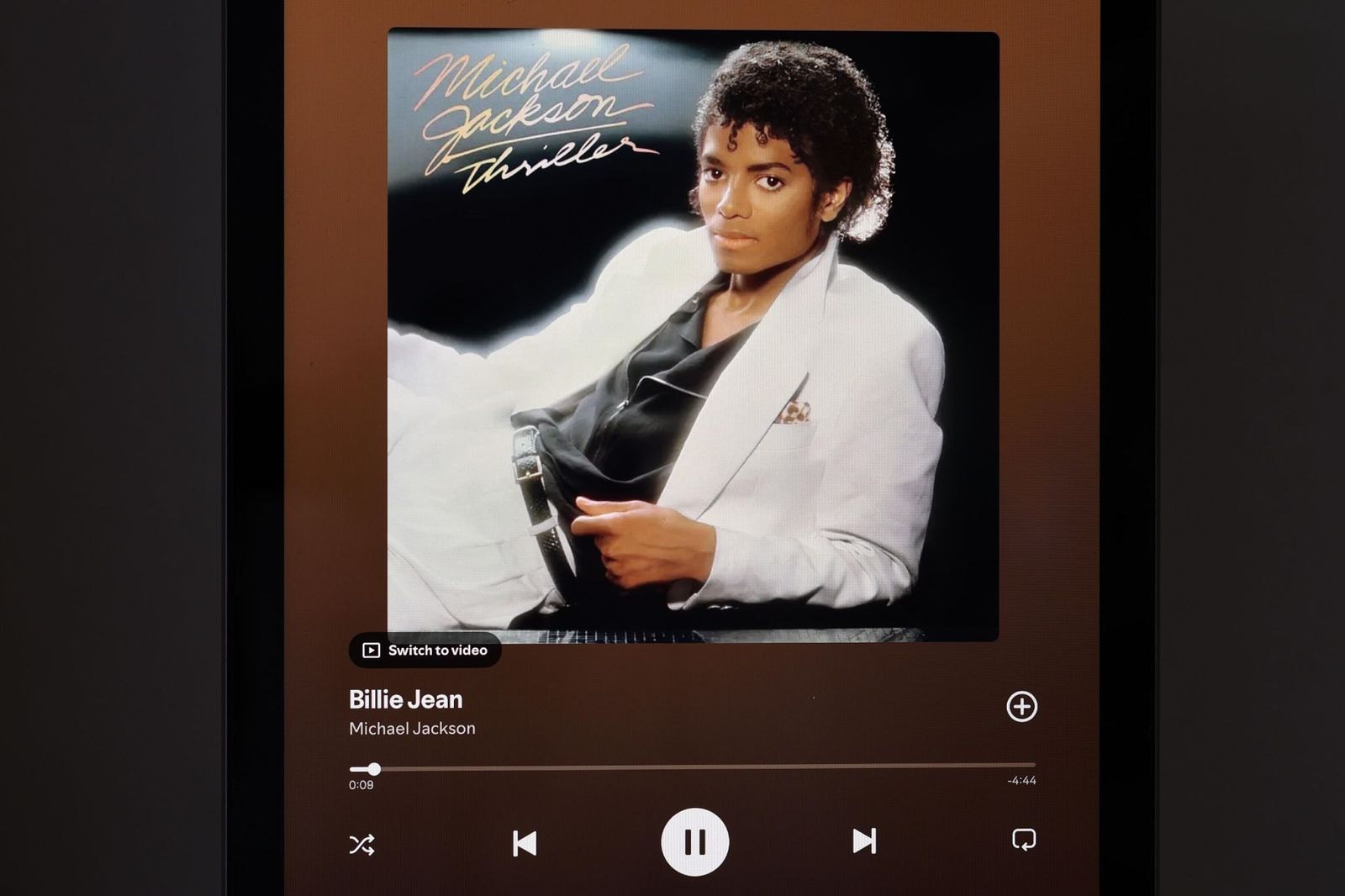
Billie Jean — Michael Jackson — "Billie Jean"

Image: McSleepy

Billie Jean may be one of pop music's most famous women, yet Michael Jackson insisted she wasn't a real person. Instead, she represented several women who falsely claimed that he had fathered their children during the height of the Jackson 5's fame.

Released in 1983 as part of Thriller, the song became a global phenomenon. It also provided the stage for Jackson's legendary moonwalk during Motown 25.

7

Stagger Lee — Lloyd Price — "Stagger Lee"

Image: L Paul Mann

Unlike many legendary song characters, Stagger Lee actually existed. His real name was Lee Shelton, a St. Louis criminal who murdered Billy Lyons during an argument over a hat on Christmas Eve in 1895.

The shocking crime quickly entered American folklore through countless folk songs before Lloyd Price transformed it into a chart-topping hit in 1958. More than a century later, Stagger Lee remains one of the most enduring antiheroes in American music.

8

Tom Dooley — The Kingston Trio — "Tom Dooley"

Image: BOOCYS

Tom Dooley was inspired by Thomas Dula, a Confederate veteran executed in North Carolina in 1868 after being convicted of murdering Laura Foster. His surname was locally pronounced "Dooley," giving the ballad its familiar title.

The Kingston Trio revived the old Appalachian folk song in 1958, turning it into an international hit and helping launch America's folk music revival.

9

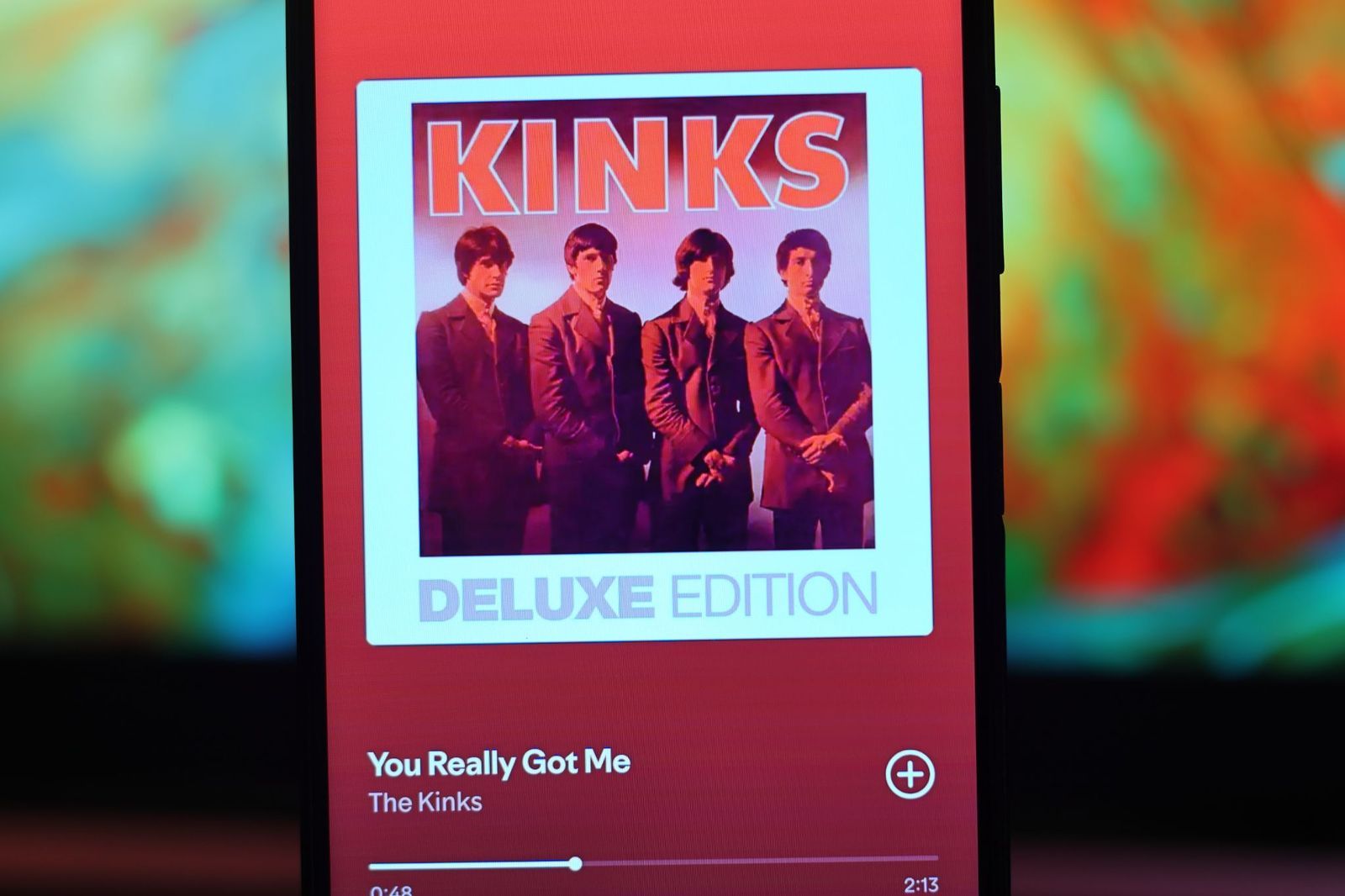
Lola — The Kinks — "Lola"

Image: McSleepy

When the narrator of "Lola" meets an intriguing stranger in a Soho nightclub, expectations quickly give way to surprise. Ray Davies crafted one of rock's earliest mainstream stories exploring gender ambiguity, decades before the topic entered popular conversation.

The recording rarely reached British radio. Because BBC rules prohibited commercial product names, Davies had to interrupt a U.S. tour and fly back to London simply to replace the lyric "Coca-Cola" with the now-famous "cherry cola."

10

Piano Man — Billy Joel — "Piano Man"

Image: Debby Wong

Unlike most famous song characters, the Piano Man is really Billy Joel himself. Before becoming a superstar, Joel spent six months in 1972 and 1973 performing under the pseudonym Bill Martin at the Executive Room, a piano bar in Los Angeles, after becoming trapped in a bad recording contract. The song transforms those experiences into a bittersweet portrait of ordinary people searching for escape at the end of another week.

Joel has said that virtually every character in the song was based on a real person, from bartender John to "Paul, the real estate novelist" and Davy, who really was in the Navy. Yet the Piano Man himself became the story's most enduring character: a quiet observer who offers music as a brief refuge for dreamers, lonely souls, and regulars alike. More than fifty years after its 1973 release, "Piano Man" remains Billy Joel's signature song, and its title has effectively become his lifelong nickname.

11

Amos Moses — Jerry Reed — "Amos Moses"

Image: AS project

Standing nearly seven feet tall and missing an arm, Amos Moses roams the Louisiana swamps hunting alligators. Jerry Reed filled the song with colorful Southern expressions and exaggerated storytelling that make Amos feel like an authentic folk legend.

Although fictional, Amos embodies the larger-than-life heroes found throughout American tall tales. His adventures turned the song into one of Reed's biggest crossover hits and secured Amos a permanent place among country music's greatest characters.

12

Big Bad John — Jimmy Dean — "Big Bad John"

Image: mirigifford

Big Bad John hardly says a word, but he doesn't have to. The towering coal miner earns everyone's respect through quiet strength before sacrificing his own life to save fellow workers when a mine collapses.

Jimmy Dean's 1961 ballad became a smash hit, winning a Grammy and inspiring several sequel songs. More than sixty years later, Big Bad John still stands as one of country music's defining working-class heroes.

Looking for an extra scoop of literary fun?

Learn more with our Word of the day

plausible

/ˈplɔzəb(ə)l/