Time changes everything

Do secretaries still keep secrets? 12 job titles that meant other things


Published on July 23, 2026


Image: Sopotnicki

Language preserves history in unexpected places. Many job titles that seem ordinary today began with entirely different meanings, reflecting the needs of medieval kingdoms, noble households, religious institutions, and even long-forgotten professions. Although the work behind these titles has changed dramatically over the centuries, the words themselves continue to carry traces of the past wherever they are used.

1

Secretary

Image: Vitaly Gariev

Today, a secretary is usually associated with calendars, correspondence, and office organization. But centuries ago, a secretary was a trusted keeper of confidential information. The word comes from the Latin secretarius, referring to someone entrusted with secrets and private affairs.

In royal courts and governments, secretaries often served as influential advisers rather than clerical workers. The title still carries traces of that earlier status in positions such as Secretary of State, where the role involves high-level decision-making rather than routine paperwork.

2

Clerk

Image: Stokkete

A modern clerk may work in an office, store, courthouse, or government agency. Originally, however, a clerk was a member of the clergy. During the Middle Ages, churches and monasteries were among the few places where people regularly learned to read and write.

Because clergy handled many written records, the word gradually became associated with literacy itself. As education spread beyond religious institutions, the meaning shifted from "churchman" to someone responsible for records, documents, and administrative work.

3

Marshal

Image: Scott Cornell

Today, marshals are often law enforcement officers or senior military officials. The title has surprisingly humble roots. It comes from an old Germanic term meaning something close to "horse servant" or "keeper of horses."

In medieval times, horses were essential for transportation, communication, and warfare. The official responsible for managing them gained increasing authority, and over centuries, the role evolved into one of the most prestigious military and governmental titles in many countries.

4

Sheriff

Image: Sanit Fuangnakhon

Modern Americans know sheriffs as elected county law-enforcement officials. The title dates back more than a thousand years to Anglo-Saxon England, where a sheriff was known as a shire-reeve.

A shire was a county, and a reeve was a royal administrator. Early sheriffs collected taxes, enforced the king’s orders, managed courts, and supervised local government. Fighting crime was only one part of a much broader set of responsibilities.

5

Butler

Image: Jeremy Walter

The butler is often portrayed as the head servant in a grand household. Yet the job originally revolved around something much more specific: wine. Early butlers were responsible for managing wine cellars and serving valuable beverages.

Because wine represented both wealth and status, the position required trust and responsibility. Over time, butlers gained authority over other servants and eventually became the chief managers of large households.

6

Steward

Image: Skytech Aviation

Today, the title steward may be used for airline attendants, ship personnel, or event supervisors. Historically, a steward was a powerful official responsible for managing a noble household, estate, or even an entire territory.

The word comes from Old English terms meaning "household guardian." Medieval stewards oversaw finances, property, staff, and daily operations. Some became influential political figures who effectively governed on behalf of kings and nobles.

7

Doctor

Image: Online Marketing

Most people immediately think of medicine when they hear the word doctor. Originally, however, a doctor was simply a teacher. The word comes from the Latin docere, meaning "to teach."

Medieval universities awarded the title to scholars qualified to instruct others at the highest level. Long before it became closely associated with physicians, doctors could be experts in theology, law, philosophy, and other academic disciplines.

8

Minister

Image: Alexandros Michailidis

A minister today can lead a government department or serve as a religious leader. The word’s original meaning is surprisingly modest. In Latin, minister meant "servant" or "attendant."

The title emphasized service rather than authority. Over time, ministers became trusted representatives of rulers and governments, eventually overseeing major areas of public policy while retaining a word that originally suggested humility and assistance.

9

Engineer

Image: Scott Blake

Modern engineers design everything from skyscrapers to software. The title originally referred to specialists who built or operated military "engines," a term once used for siege machines such as catapults and trebuchets.

These experts combined technical skill with practical problem-solving. As technology expanded during the Industrial Revolution, the meaning broadened dramatically, eventually encompassing the countless engineering fields that exist today.

10

Accountant

Image: Scott Graham

An accountant now manages financial records, audits, taxes, and budgets. Historically, the role was more closely tied to giving an account: that is, explaining how money or resources had been used.

Kings, merchants, and estate owners needed trusted individuals to report on financial matters. As trade and commerce became more complex, accounting evolved into a highly specialized profession recognized around the world today.

11

Computer

Image: Alex Knight

For centuries, a computer was not a machine at all. It was a person whose job involved performing calculations. Governments, observatories, universities, and scientific organizations employed teams of human computers to solve mathematical problems.

Human computers played important roles in astronomy, navigation, engineering, and even early space research. Only in the mid-20th century did electronic machines become so closely associated with the work that they inherited the title themselves.

12

Pilot

Image: Blake Guidry

Today, pilots are most commonly associated with airplanes. Yet the word was guiding vessels long before powered flight existed. Originally, a pilot was an expert navigator who directed ships through difficult harbors, rivers, and coastal waters.

These specialists relied on detailed local knowledge to help vessels avoid hazards and reach their destinations safely. When aviation emerged in the early 1900s, the title naturally transferred to those guiding aircraft through the skies.

The 12 longest-living animals on Earth (and how they cheat time)


Published on July 23, 2026


Image: David Clode

Nature doesn’t just create beauty, it crafts survival miracles. While most animals have short lives, a rare few have mastered the art of staying alive for centuries, even millennia. These aren’t just long-lived creatures; they’re nature’s ultimate time travelers. From the frozen depths of the oceans to the darkest corners underground, they’ve developed bizarre, brilliant strategies to cheat death. Get ready to meet 12 animals whose lifespans will absolutely blow your mind.

1

Antarctic Sponge (Anoxycalyx joubini)

Image: NOAA

Record age: up to 15,000 years

This unassuming sea sponge thrives in the freezing waters of Antarctica, where temperatures hover around 28.6 °F—so cold that biological processes hit the brakes. In such icy conditions, metabolism slows to a crawl, allowing these sponges to live for thousands of years.

Some have reached impressive sizes of over 3 feet tall and have been around since mammoths were still thundering across the tundra. They don’t move, they don’t stress, and they barely change, just quietly existing while centuries pass them by. Their secret to extreme longevity? Glacial patience, deep-sea stillness, and a lifestyle that redefines "low-maintenance".

2

Immortal Jellyfish (Turritopsis dohrnii)

Image: Dr. Karen J. Osborn, CC0, via Wikimedia Commons

Age: technically… infinite

This tiny jellyfish, no bigger than a fingernail—less than 0.2 inches—is like the ocean’s very own Benjamin Button. What makes it truly extraordinary is its ability to rewind its life story, flipping back to a youthful, juvenile stage whenever it wants. While it’s not completely invincible (predators and other threats are still very real), if left undisturbed, it can keep hitting the reset button on aging indefinitely, making it one of the most fascinating "time-benders" in nature.

3

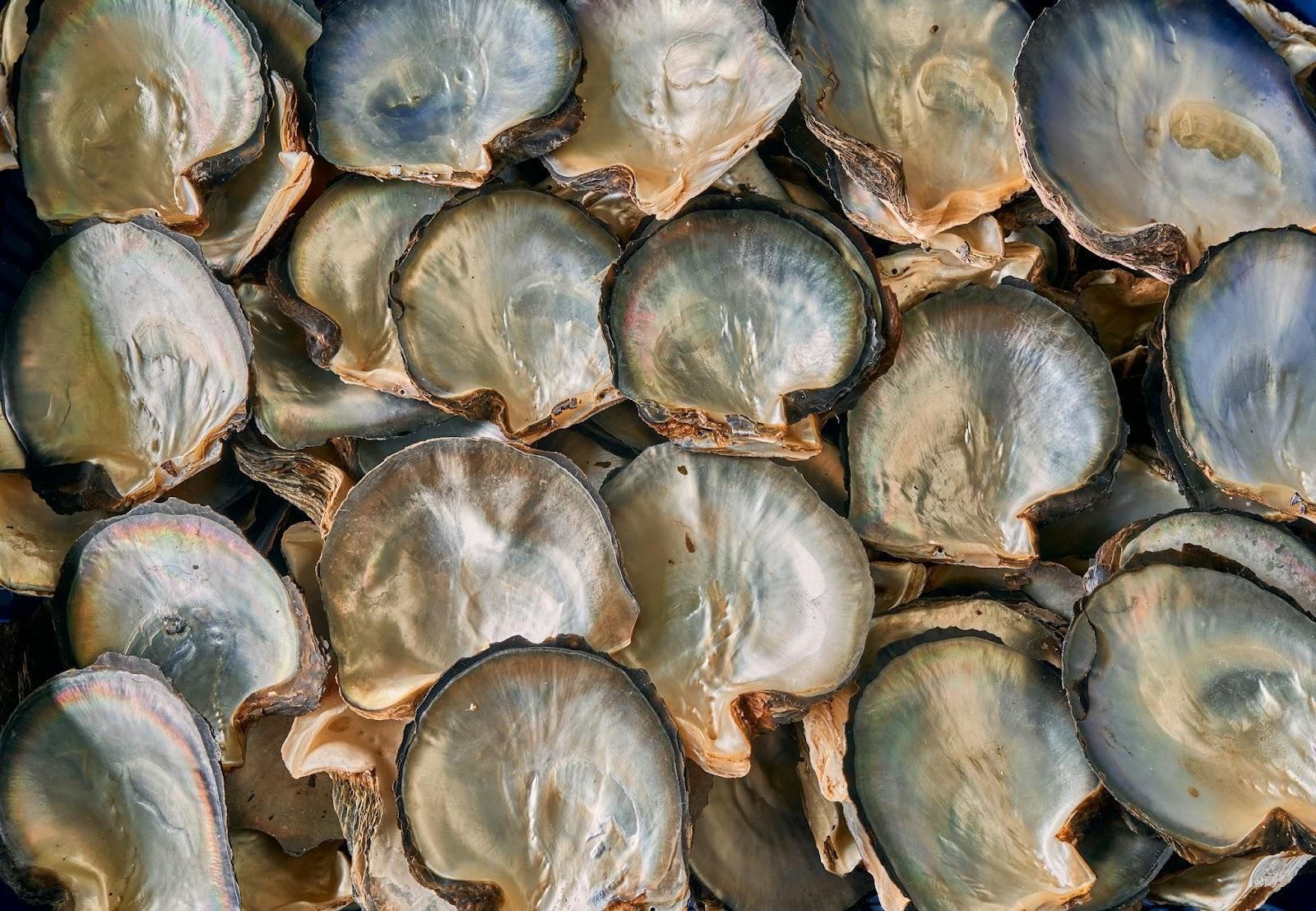
Ocean Quahog Clam (Arctica islandica)

Image: Norbert Braun

Record age: 507 years

In 2006, a special clam was discovered buried deep in the seabeds of the North Atlantic. Scientists were able to determine that it had been there since at least 1499—that’s centuries before the United States was even a thought! This ancient marvel, nicknamed "Ming", was able to perfect a slow-and-steady approach to life. Growing at a snail’s pace and barely budging, Ming’s sedentary lifestyle turned out to be a brilliant strategy for beating the clock. Who knew doing almost nothing could be the ultimate secret to longevity?

4

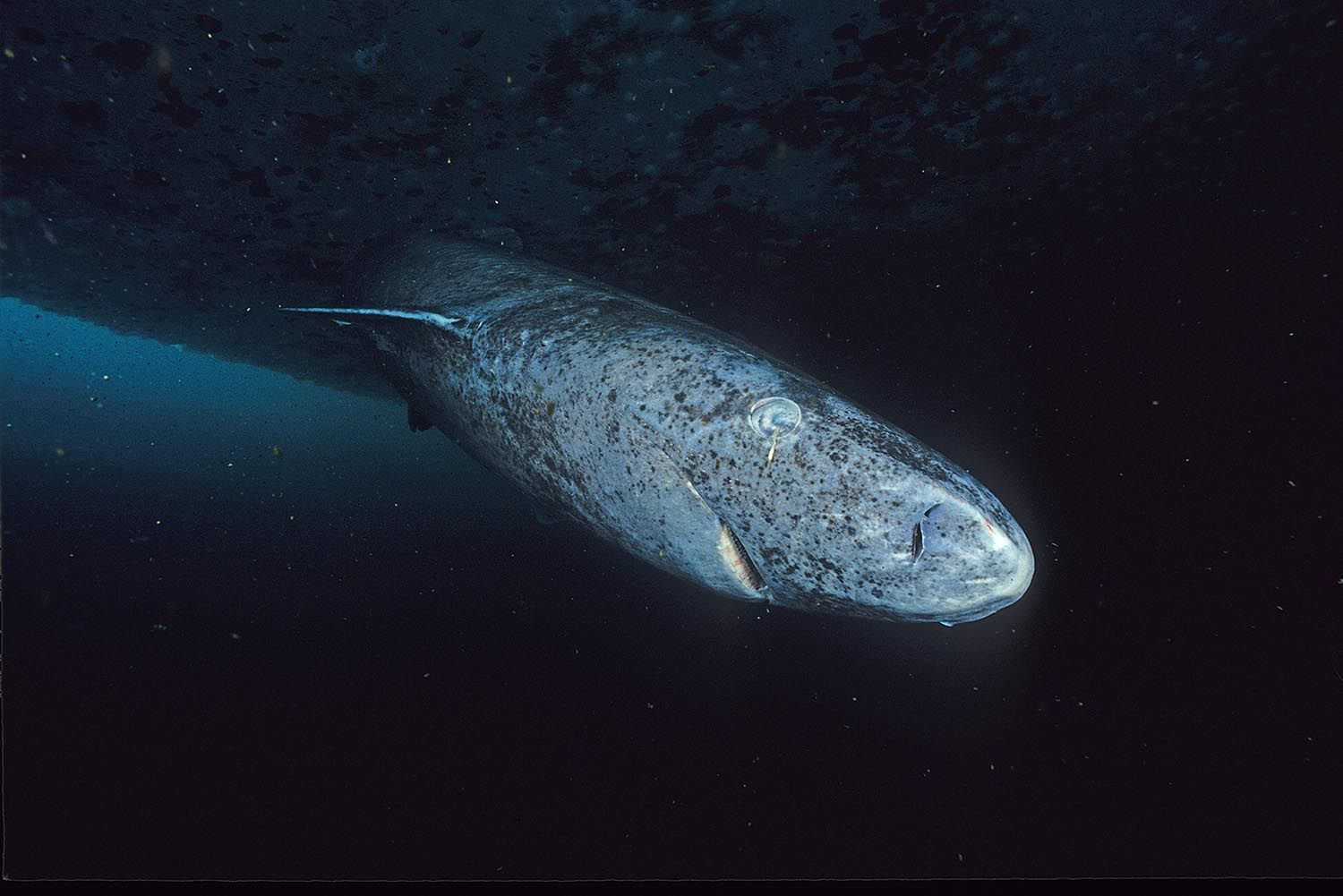
Greenland Shark (Somniosus microcephalus)

Image: https://upload.wikimedia.org/wikipedia/commons/3/39/Greenland_shark_profile.jpg

Record age: estimated 392 years

These sharks aren’t your average ocean cruisers—they can stretch over 20 feet long and weigh up to 2,200 pounds. But what’s really mindblowing is how slowly they move, like they’re in a permanent state of deep relaxation. Living in the icy Arctic waters, these giants don’t hit adulthood until they’re about 150 years old, and some can glide through the depths for nearly 400 years. Imagine that! These ancient swimmers were already around before America declared independence... and they are still out there, silently roaming the seas!

5

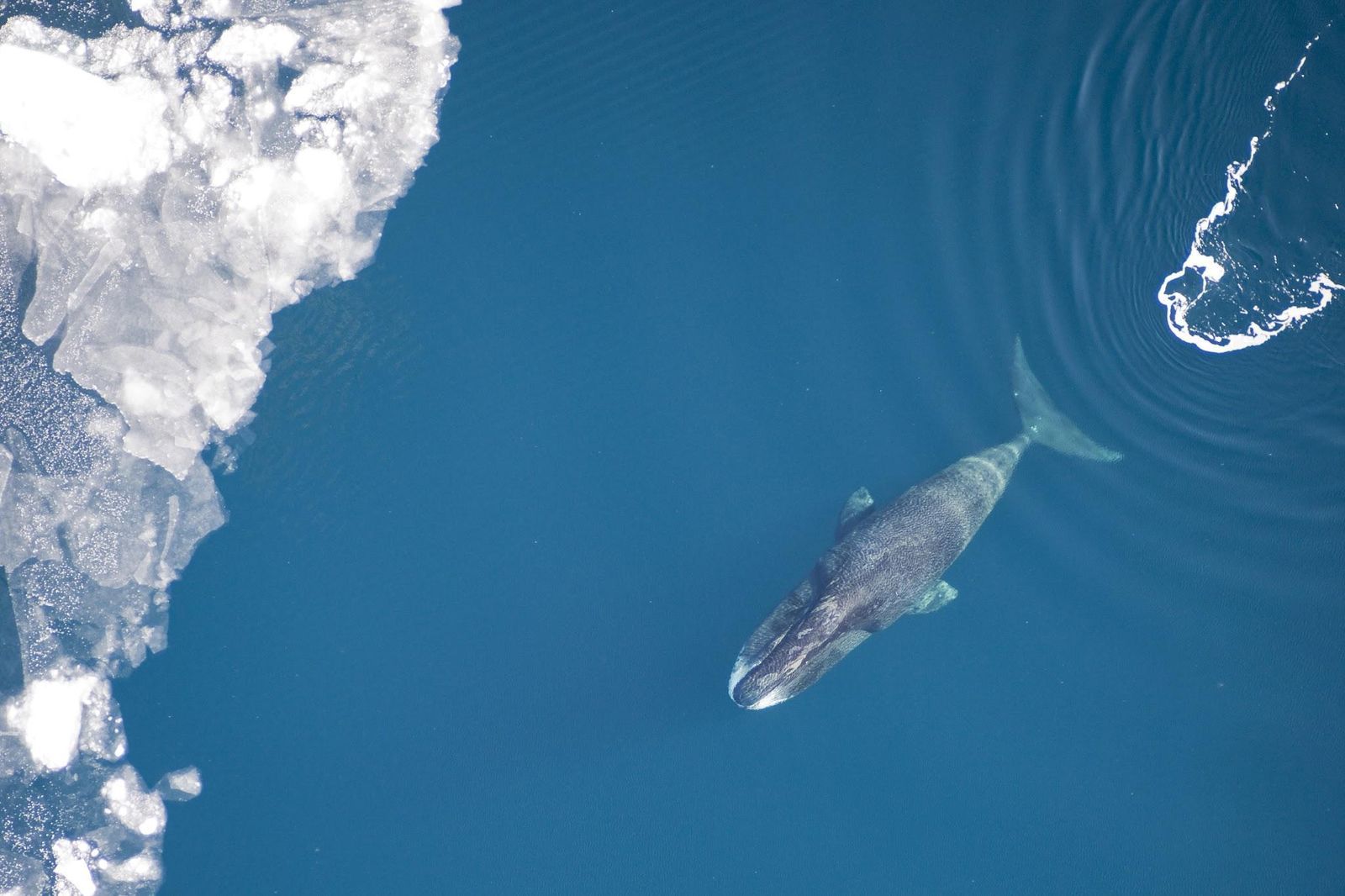
Bowhead Whale (Balaena mysticetus)

Image: Vicki Beaver, Alaska Fisheries Science Center, NOAA FIsheries, Marine Mammal Permit#14245, Public domain, via Wikimedia Commons

Record age: over 211 years

This whale is a true ocean giant, stretching up to 60 feet long and weighing a staggering 200,000 pounds. But what makes it stand out isn’t just its size but its age. Some of these majestic creatures carry harpoons from the 1800s still lodged in their skin, like walking history books. Just picture living so long that you’re literally carrying outdated technology embedded in your body—talk about being a time traveler of the seas!

6

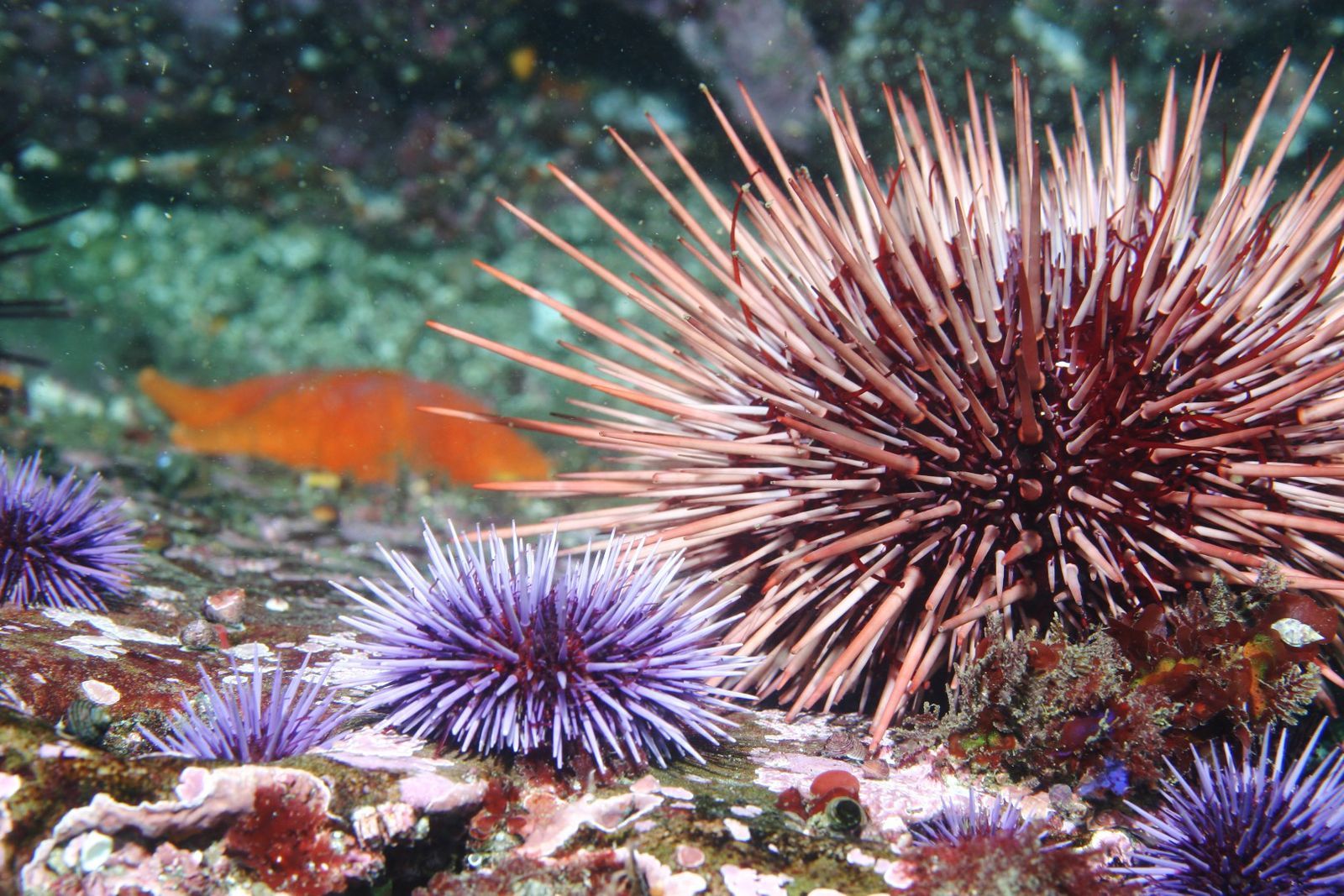
Red Sea Urchin (Mesocentrotus franciscanus)

Image: National Marine Sanctuaries, Public domain, via Wikimedia Commons

Record age: 200 years

Spanning the chilly Pacific coastline from California all the way up to Alaska, this spiky little ball—about 7 inches across—is full of surprises. It munches on algae and calls the deep, dark ocean its home, thriving at depths of up to 300 feet. Don’t let its size fool you: this prickly creature is a true elder of the cold seas, quietly outliving many ocean neighbors while keeping a low profile. A tough, slow-living veteran wrapped in spikes!

7

Koi Carp (Cyprinus rubrofuscus)

Image: Daniel Dan

Record age: 226 years

Meet Hanako, a legendary Japanese koi who swam through life for an astonishing 226 years. Scientists discovered how old she was by studying the rings on her scales, much like counting the growth rings of a tree. These colorful, ornamental fish aren’t just symbols of good fortune; they’re also secret long-lifers with the potential to celebrate over two centuries of birthdays, as long as they get the right care and a peaceful pond to call home.

8

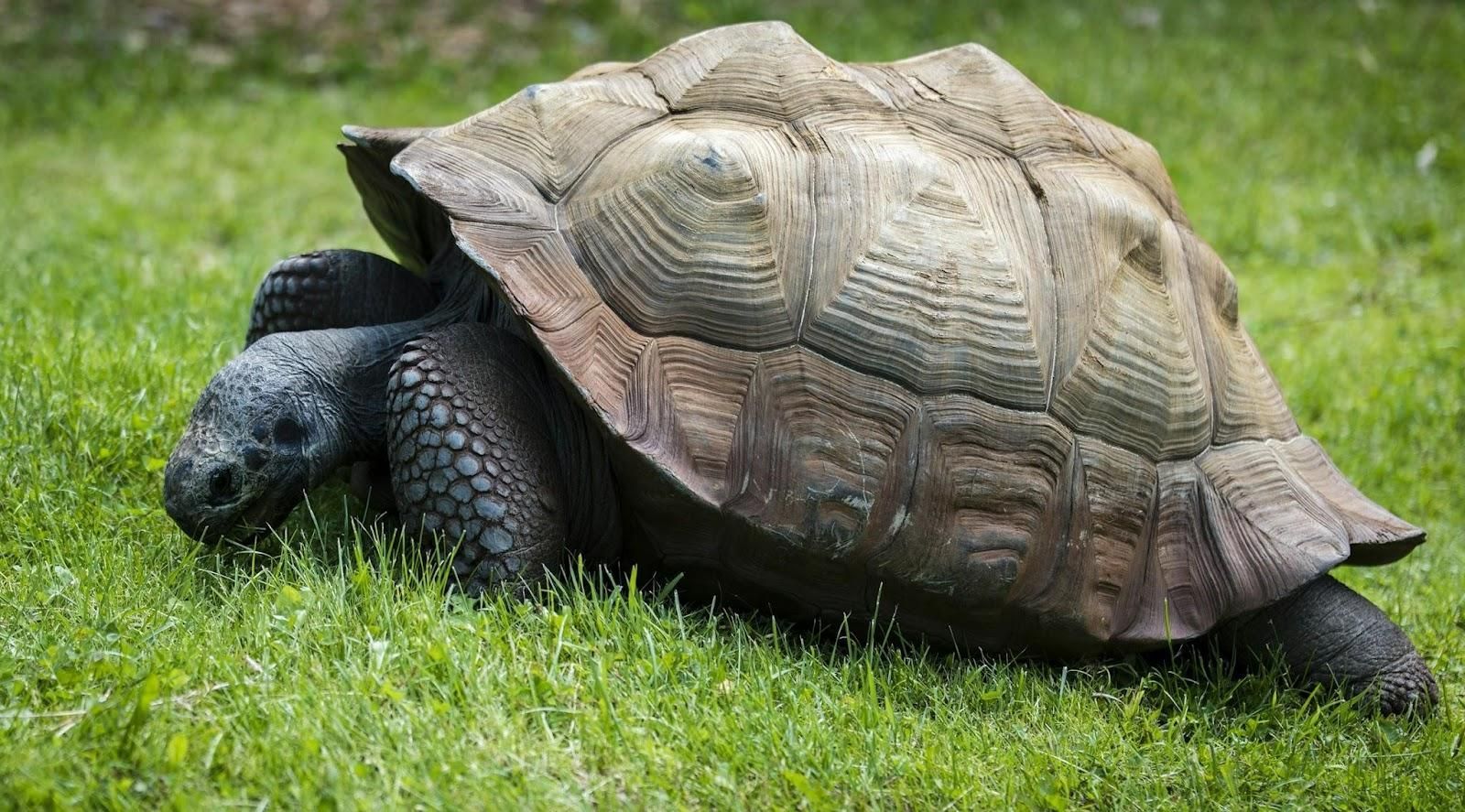
Seychelles Giant Tortoise (Aldabrachelys gigantea)

Image: Ryan Grewell

Record age: 190 years

Jonathan is a male tortoise living on the remote island of Saint Helena in the South Atlantic Ocean. He was born back in 1832, and he’s still happily chomping lettuce and soaking up the sun today. Weighing in at more than 400 pounds and measuring around 3 feet long, Jonathan holds the title of the oldest known living land animal on the planet. If he could share tales, they’d span nearly two centuries of history. Imagine that!

9

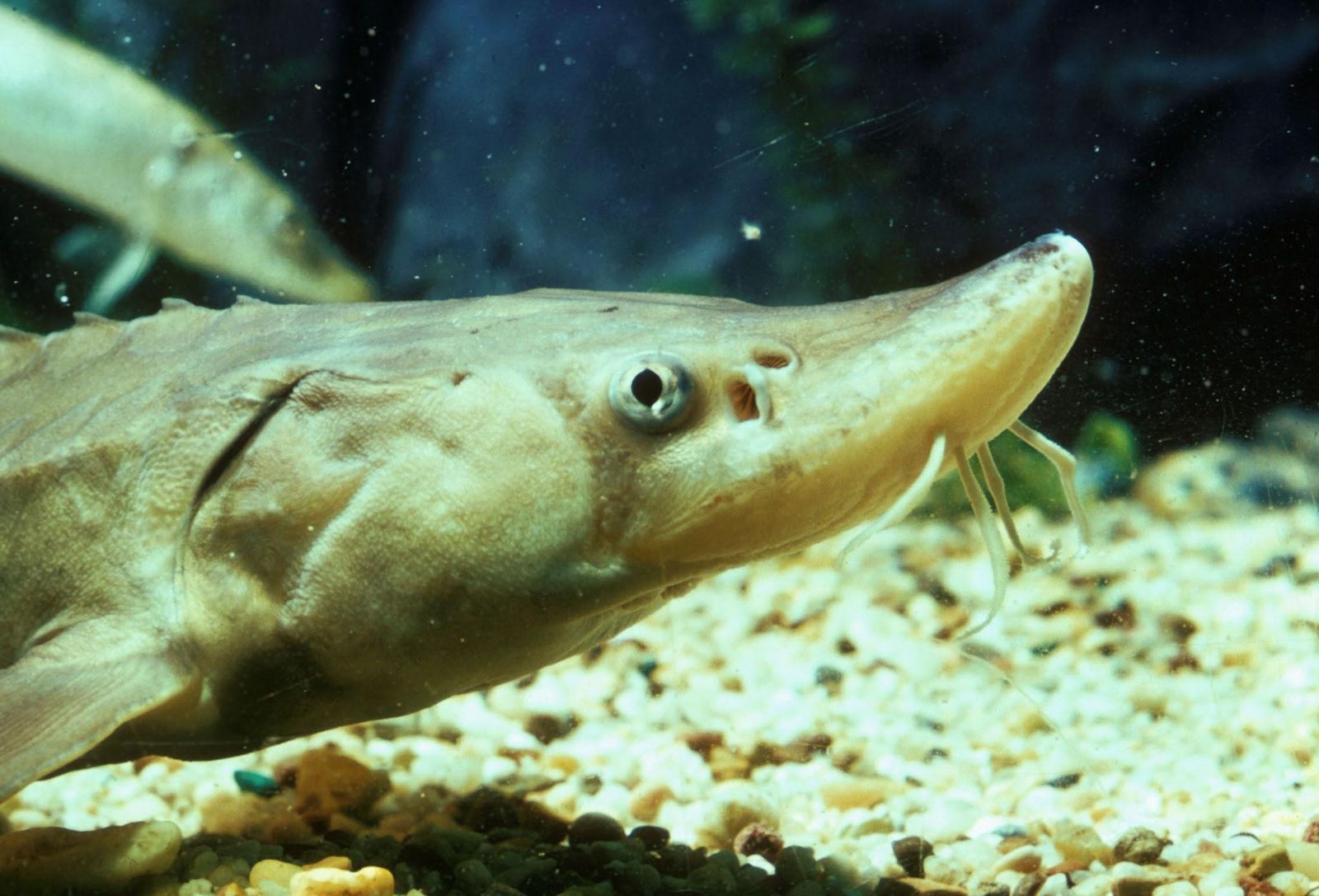
Lake Sturgeon (Acipenser fulvescens)

Image: See page for author, Public domain, via Wikimedia Commons

Record age: 152 years

This ancient-looking fish, with its whisker-like barbels, looking like a tiny underwater submarine, prowls the lakes of North America. It can reach an impressive length of up to 7 feet and weigh around 200 pounds. These slow-living creatures don’t rush into adulthood—they start breeding only around age 20—and then take their time cruising through life at a leisurely pace. Believe it or not, one legendary catch in Wisconsin was estimated to be over 150 years old!

10

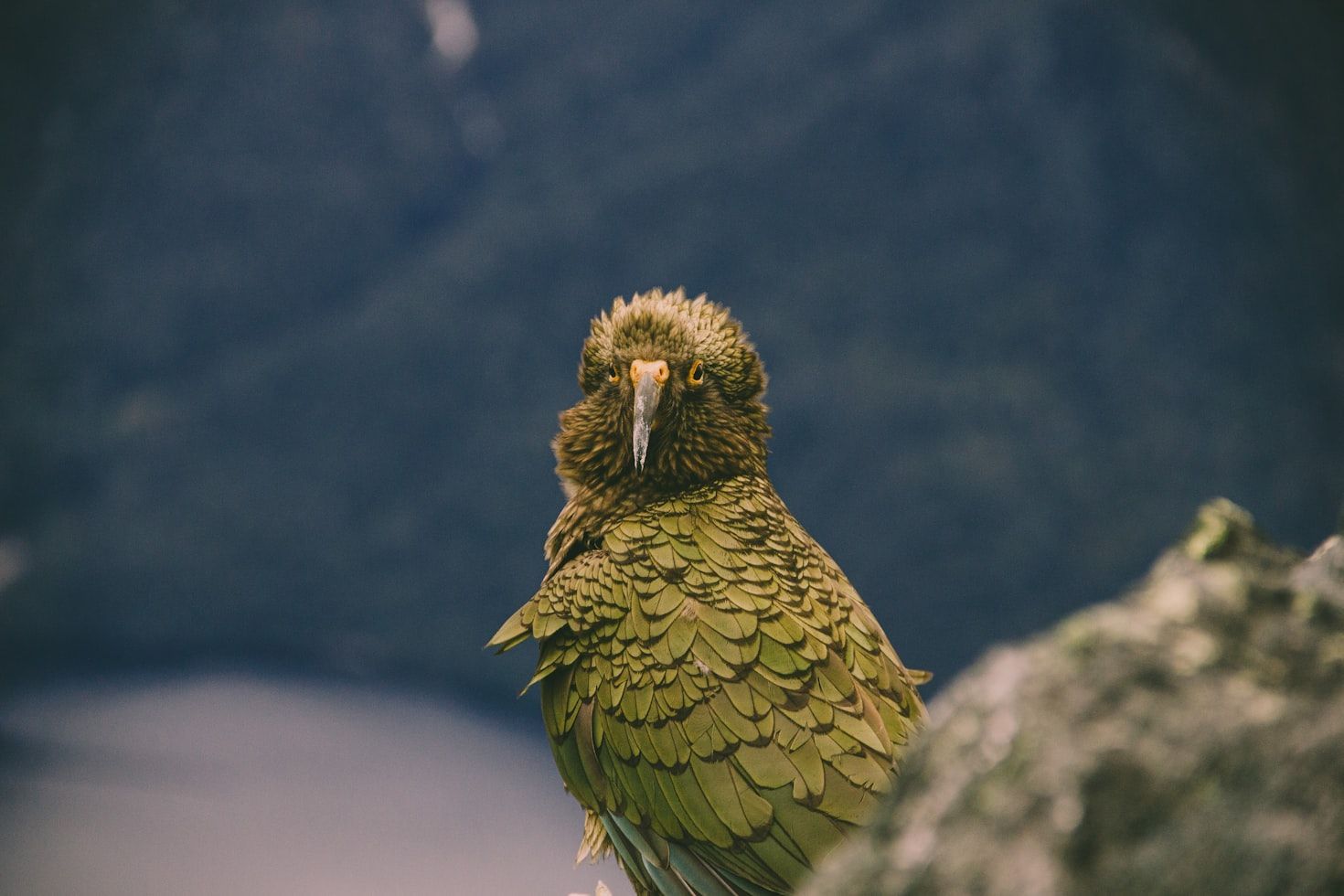
Kakapo Parrot (Strigops habroptilus)

Image: Andreas Sjövall

Record age: over 90 years

This chunky, night-loving parrot from New Zealand is a true oddball—it can’t fly, snores like a grumpy grandpa, and smells like fresh flowers. Despite its quirks, this bird boasts an impressively long lifespan. Sadly, it teeters on the edge of extinction. The oldest known kakapo, affectionately named Richard Henry, lived 90 years, earning him the title of the charmingly eccentric elder statesman of the avian world.

11

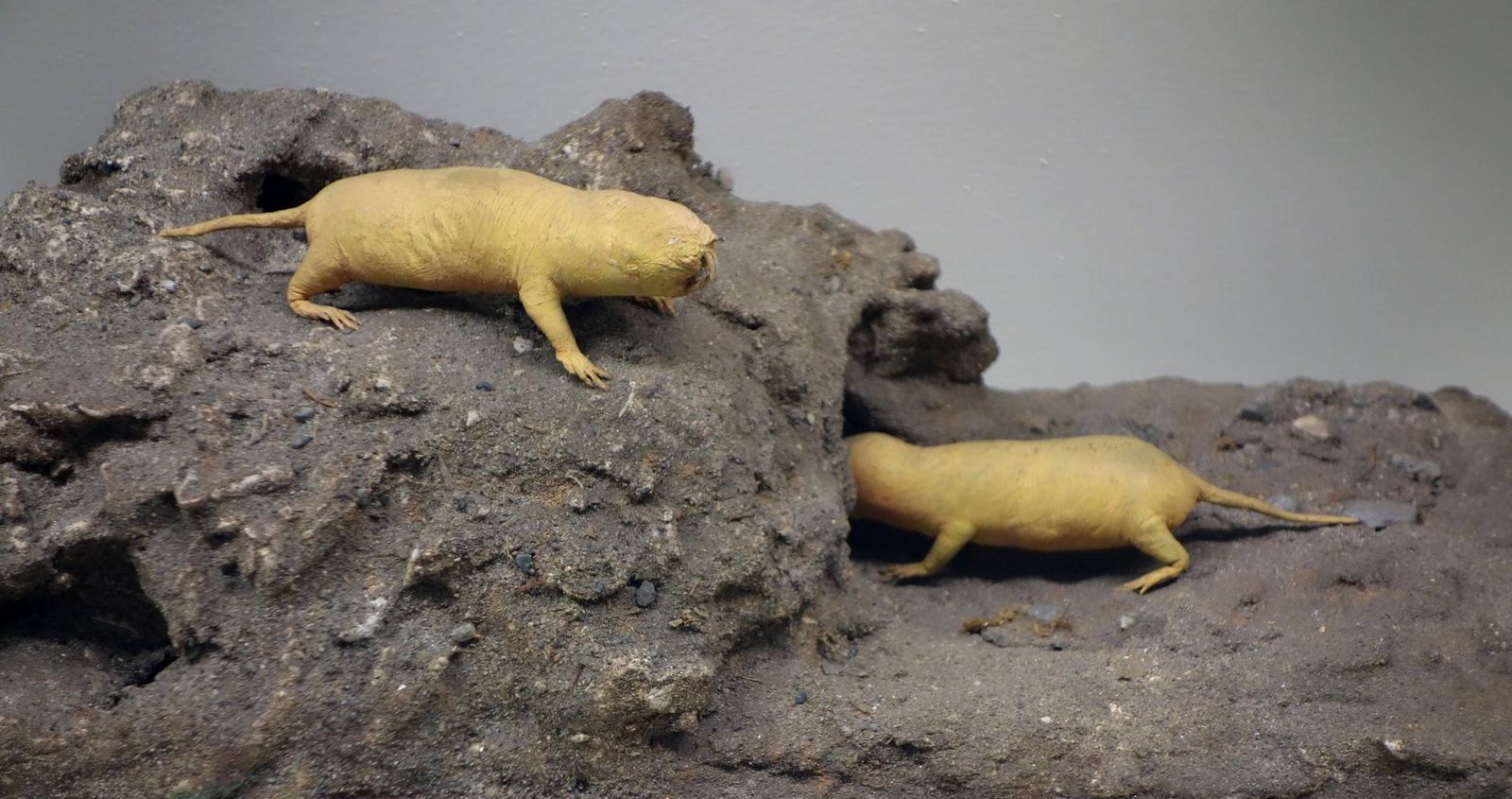
Naked Mole Rat (Heterocephalus glaber)

Image: Daderot, CC0, via Wikimedia Commons

Record age: 37 years

This tiny, kooky rodent—barely 3 inches long and just over an ounce in weight—could’ve been cast straight from a sci-fi apocalypse flick. Dwelling in vast underground colonies across Africa, it’s practically invincible to cancer, pain, and the usual effects of aging. Scientists are fascinated by this little marvel, even if it’s not winning beauty contests anytime soon. Its superpowers make it a star in longevity research!

12

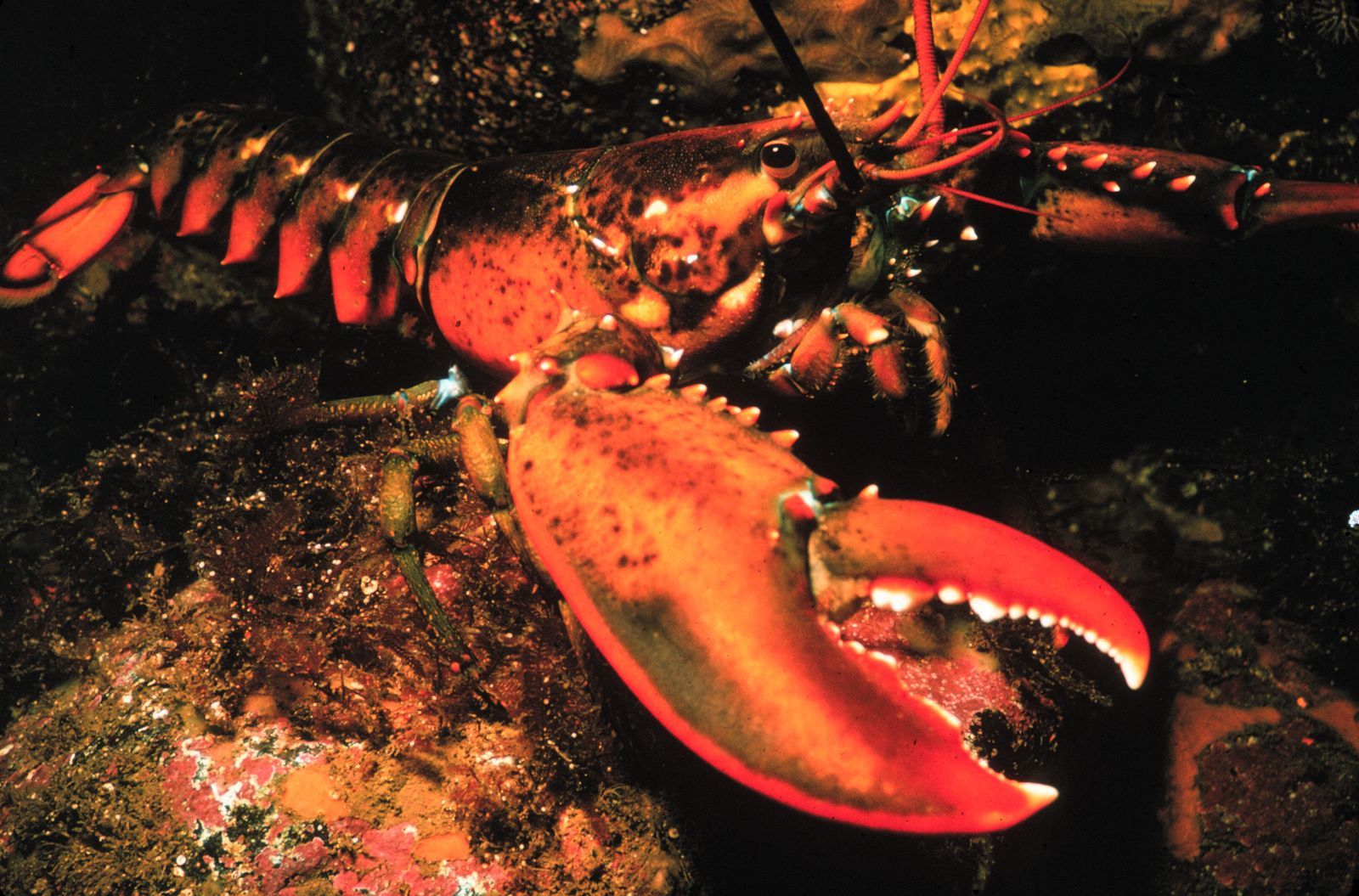
American Lobster (Homarus americanus)

Image: OAR/National Undersea Research Program (NURP)., Public domain, via Wikimedia Commons

Record age: estimated 100+ years

Lobsters have a totally different rulebook than us when it comes to aging. They don’t really grow old; they just keep getting bigger and bigger. Some giant lobsters weigh over 40 pounds and stretch beyond 3 feet long. Their biggest threats? Not old age, but predators or the risky process of shedding their shells. In theory, they could live forever if left alone—but let’s be honest, not many get to enjoy a peaceful, lobster-sized retirement!

Looking for an extra scoop of literary fun?

Learn more with our Word of the day

buzzing

/ˈbəzɪŋ/