Secret codes, decoded

Pilots don’t say “Roger” to mean “yes.” Here’s what it really means


Published on October 30, 2026


Image: Zoran Jesic

Every line of work has its own secret language. Pilots, nurses, actors, filmmakers, and sailors all use words and signals that mean something very specific to insiders. If you’re an outsider overhearing them, you probably wonder, "What the heck is going on?" Some of these terms are technical, some are funny, and some are just plain absurd. Take why pilots say "Roger" when they don’t mean "yes," or what "S.O.S." really stands for (spoiler: it doesn’t stand for anything). Let’s decode 10 of them.

1

Why pilots, ATC, and sailors say "Roger" instead of "Yes"

Image: LightField Studios

"Roger" doesn’t mean yes; it means "message received." Early radio operators spelled out letters with code words so garbled static wouldn’t ruin things, and the word for R was "Roger." R stood for "received," so the name stuck. The alphabet changed in 1957, and R became "Romeo," but "Roger" lived on like an old uncle at Thanksgiving. Civilians never learn it because most of us have never radioed a tower.

2

What "SOS" actually stands for in international maritime code

Image: Strannik_fox

Surprise: it doesn’t stand for anything. "Save Our Souls" is a catchy myth invented later. In Morse code, S is three dots, and O is three dashes, so the signal is just three dots, three dashes, three dots. It was adopted at a radio conference in Berlin in 1906, took effect in 1908, and was easy to send and hard to mistake. The Titanic famously used it in 1912. Since it isn’t an acronym, those periods in "S.O.S." are technically incorrect.

3

The reason hospital staff call out a "Code Red" instead of "Fire"

Image: Drazen Zigic

Imagine a hospital full of patients on oxygen, in surgery, or unable to walk, and then somebody shouts "FIRE!" That’s a recipe for panic. So hospitals use color codes: Code Red means fire, Code Blue means a patient needs resuscitation, and so on. Hospitals began adopting codes in the 1960s, and they still differ from state to state. Patients are often left confused, which is rather the point.

4

The secret phrase "Code Adam" in retail stores

Image: Monkey Business Images

If you hear "Code Adam" over a store speaker, a child is missing. Staff lock the doors and search. It’s named for Adam Walsh, a six-year-old who vanished from a Sears store in Hollywood, Florida, in 1981. Walmart introduced the program in 1994, and many other stores followed. Stores use a code instead of a plain announcement so a possible abductor doesn’t panic and bolt.

5

Why flight attendants perform a specific hand gesture when pointing out exits

Image: OSJPHOTO

That graceful sweep of the hands isn’t flight attendant theater. Federal rules require airlines to show passengers where the exits are, and the open-palm, arm-sweeping gesture makes the pointing clear and unmistakable, even in a noisy, crowded cabin. It dates back to the early days of commercial jets in the 1950s and ’60s. Most of us tune it out, usually while hunting for the little bag of pretzels.

6

Why pilots and sailors say "Mayday" three times when they’re in trouble

Image: Volodymyr Dudenkov

Nothing to do with the May 1st holiday. In 1923, it was hard to make out the letter "S" over radio telephone, so "S.O.S." was swapped for "mayday" on cross-channel flights between Britain and France. The word sounds like the French "m’aidez," meaning "help me." It was made the official voice distress call in 1927. Saying it three times keeps it from being mistaken for a message that merely mentions it. Most of us only hear it in movies.

7

Why ships turn on blue lights at night in passenger areas

Image: Kokhanchikov

Even though there’s no single worldwide rule, ships do use dim red or blue lighting in some areas at night so crews keep their night vision when they step out on deck, and on European rivers a blue light can flag dangerous cargo. Cruise lines also use soft lighting for ambiance. Naturally, passengers rarely hear about any of it because ship rules are written for crews, not vacationers.

8

Subtle hand gestures that could get you in trouble in foreign countries

Image: Luis Molinero

Hand gestures don’t mean the same thing everywhere. Arrests are actually rare, but real trouble is possible. The "thumbs up" is rude in parts of the Middle East. The "OK" sign is an insult in Brazil and a few other countries. In Greece, an open palm shoved toward someone’s face, called the "moutza," is a serious insult dating back to Byzantine times. Americans stumble into this because we assume our gestures are universal. They aren’t.

9

Why theater performers say "break a leg" instead of "good luck"

Image: New Africa

Actors consider it bad luck to wish each other luck, so they wish a little disaster instead. Nobody agrees on the origin. One theory says performers who bowed or took curtain calls were literally "breaking the leg" of the stage curtain. Another points to German pilots in the 1930s saying "neck and leg break." Either way, it’s an old theater superstition. If you say "good luck" backstage, expect some glares.

10

Why film crews cheer when someone yells "Martini shot"

Image: PeopleImages

On a movie or TV set, "martini shot" means the last setup of the day. The name is supposedly a joke that the next shot will be out of a glass. Its sidekick is the "Abby Singer," the second-to-last shot. It’s named after an assistant director who would call out "this, and one more" so the crew could prepare to move to the next set.
The 12 longest-living animals on Earth (and how they cheat time)


Published on October 30, 2026


Image: David Clode

Nature doesn’t just create beauty, it crafts survival miracles. While most animals have short lives, a rare few have mastered the art of staying alive for centuries, even millennia. These aren’t just long-lived creatures; they’re nature’s ultimate time travelers. From the frozen depths of the oceans to the darkest corners underground, they’ve developed bizarre, brilliant strategies to cheat death. Get ready to meet 12 animals whose lifespans will absolutely blow your mind.

1

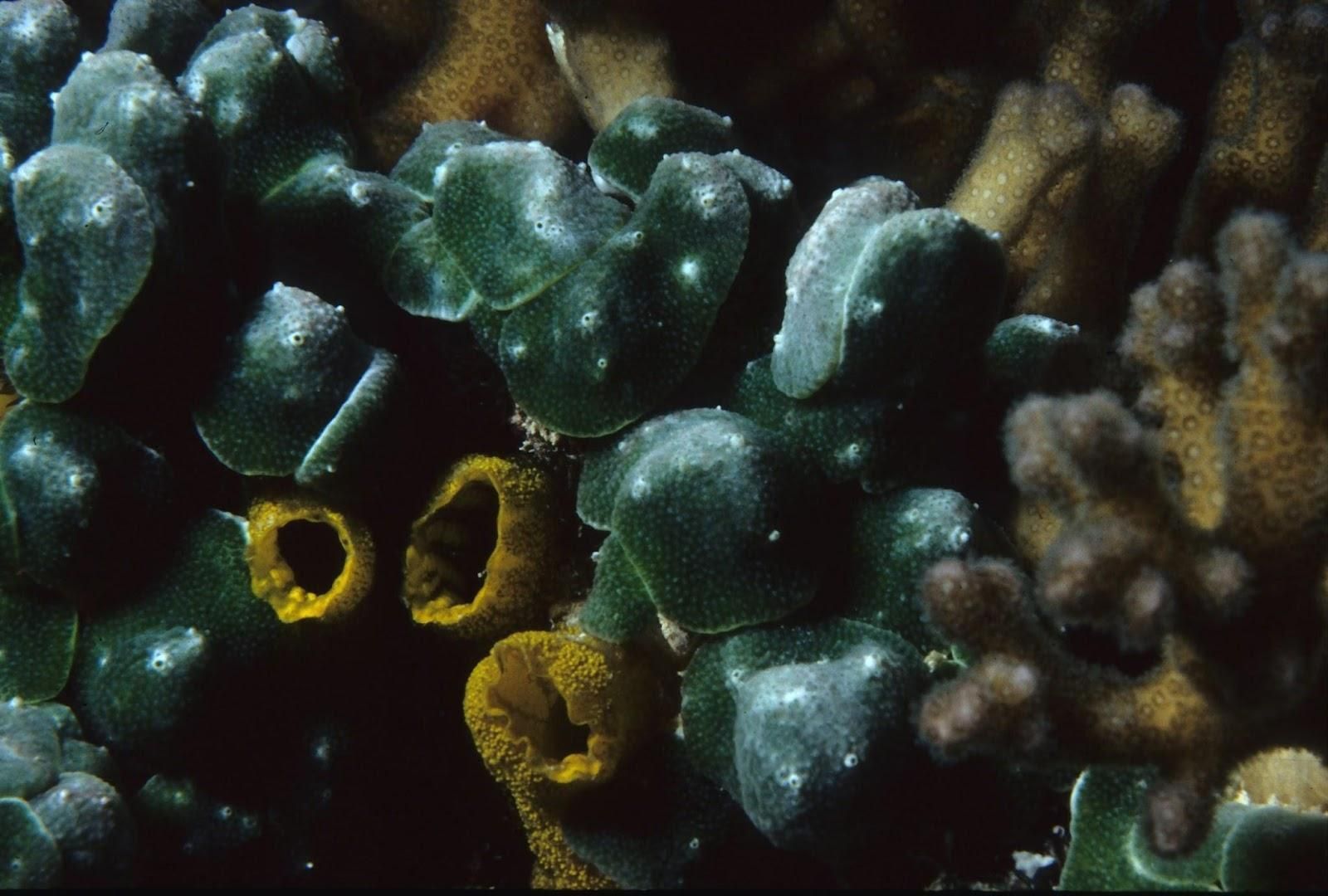
Antarctic Sponge (Anoxycalyx joubini)

Image: NOAA

Record age: up to 15,000 years

This unassuming sea sponge thrives in the freezing waters of Antarctica, where temperatures hover around 28.6 °F—so cold that biological processes hit the brakes. In such icy conditions, metabolism slows to a crawl, allowing these sponges to live for thousands of years.

Some have reached impressive sizes of over 3 feet tall and have been around since mammoths were still thundering across the tundra. They don’t move, they don’t stress, and they barely change, just quietly existing while centuries pass them by. Their secret to extreme longevity? Glacial patience, deep-sea stillness, and a lifestyle that redefines "low-maintenance".

2

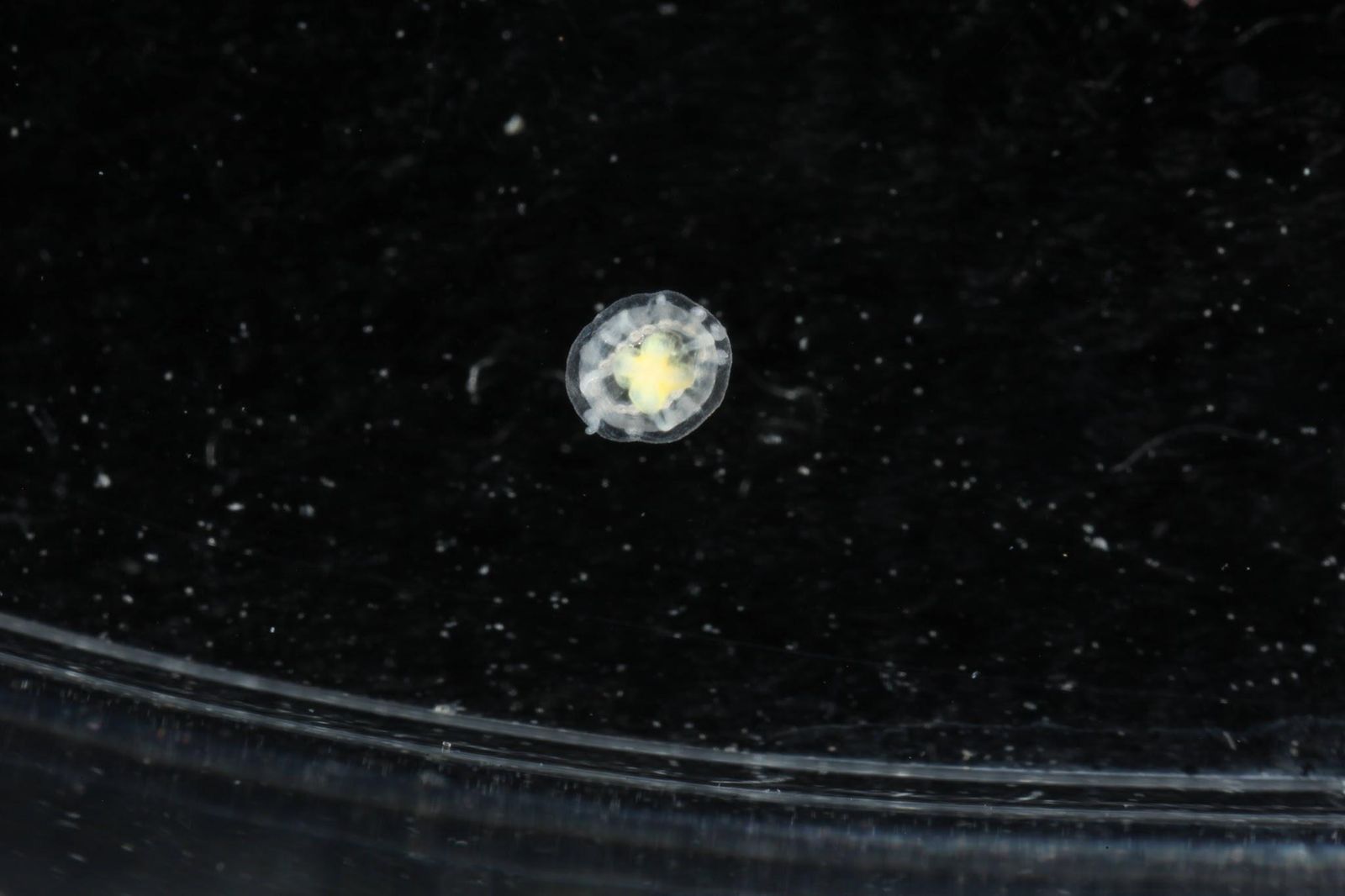
Immortal Jellyfish (Turritopsis dohrnii)

Image: Dr. Karen J. Osborn, CC0, via Wikimedia Commons

Age: technically… infinite

This tiny jellyfish, no bigger than a fingernail—less than 0.2 inches—is like the ocean’s very own Benjamin Button. What makes it truly extraordinary is its ability to rewind its life story, flipping back to a youthful, juvenile stage whenever it wants. While it’s not completely invincible (predators and other threats are still very real), if left undisturbed, it can keep hitting the reset button on aging indefinitely, making it one of the most fascinating "time-benders" in nature.

3

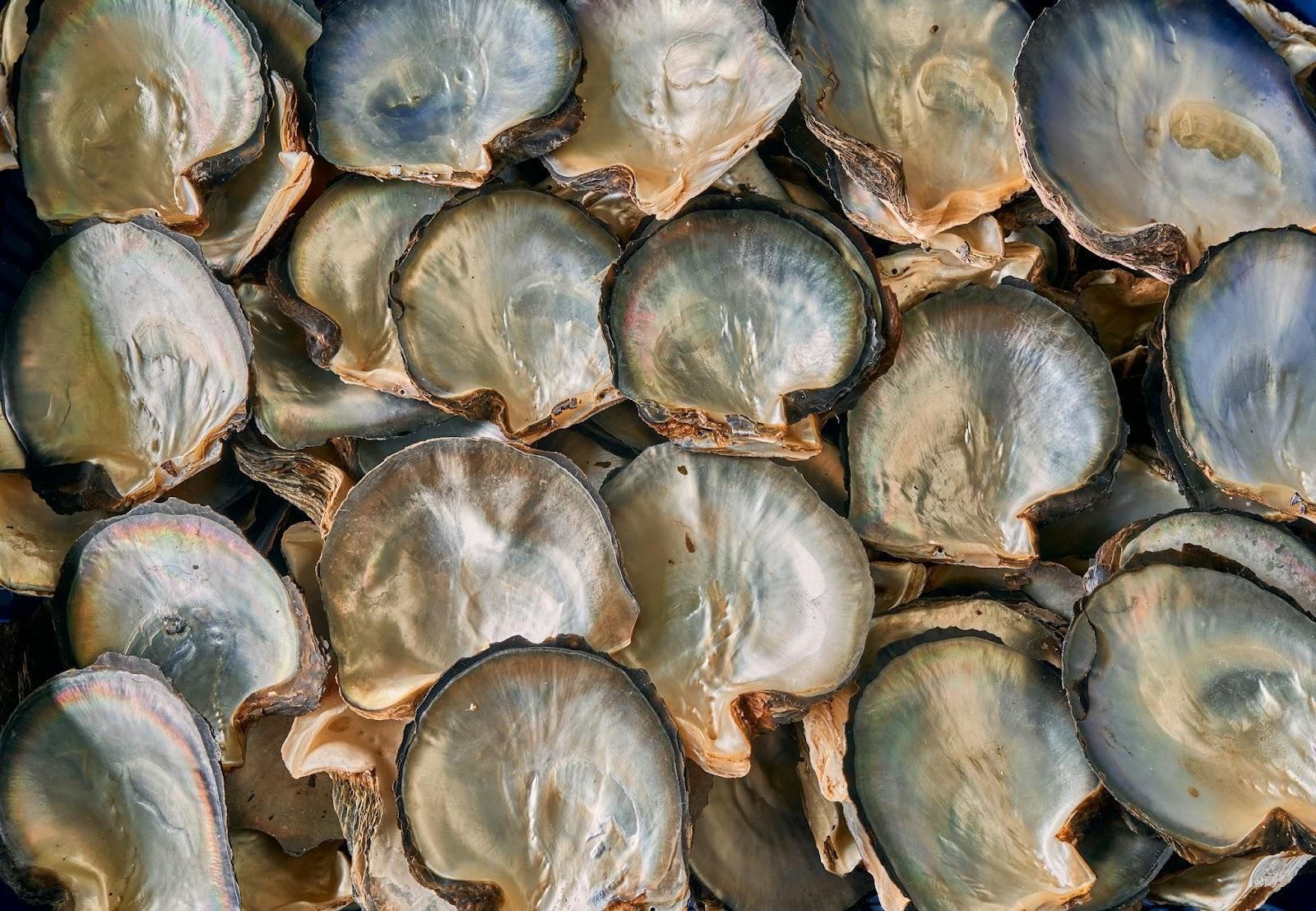
Ocean Quahog Clam (Arctica islandica)

Image: Norbert Braun

Record age: 507 years

In 2006, a special clam was discovered buried deep in the seabeds of the North Atlantic. Scientists were able to determine that it had been there since at least 1499—that’s centuries before the United States was even a thought! This ancient marvel, nicknamed "Ming", was able to perfect a slow-and-steady approach to life. Growing at a snail’s pace and barely budging, Ming’s sedentary lifestyle turned out to be a brilliant strategy for beating the clock. Who knew doing almost nothing could be the ultimate secret to longevity?

4

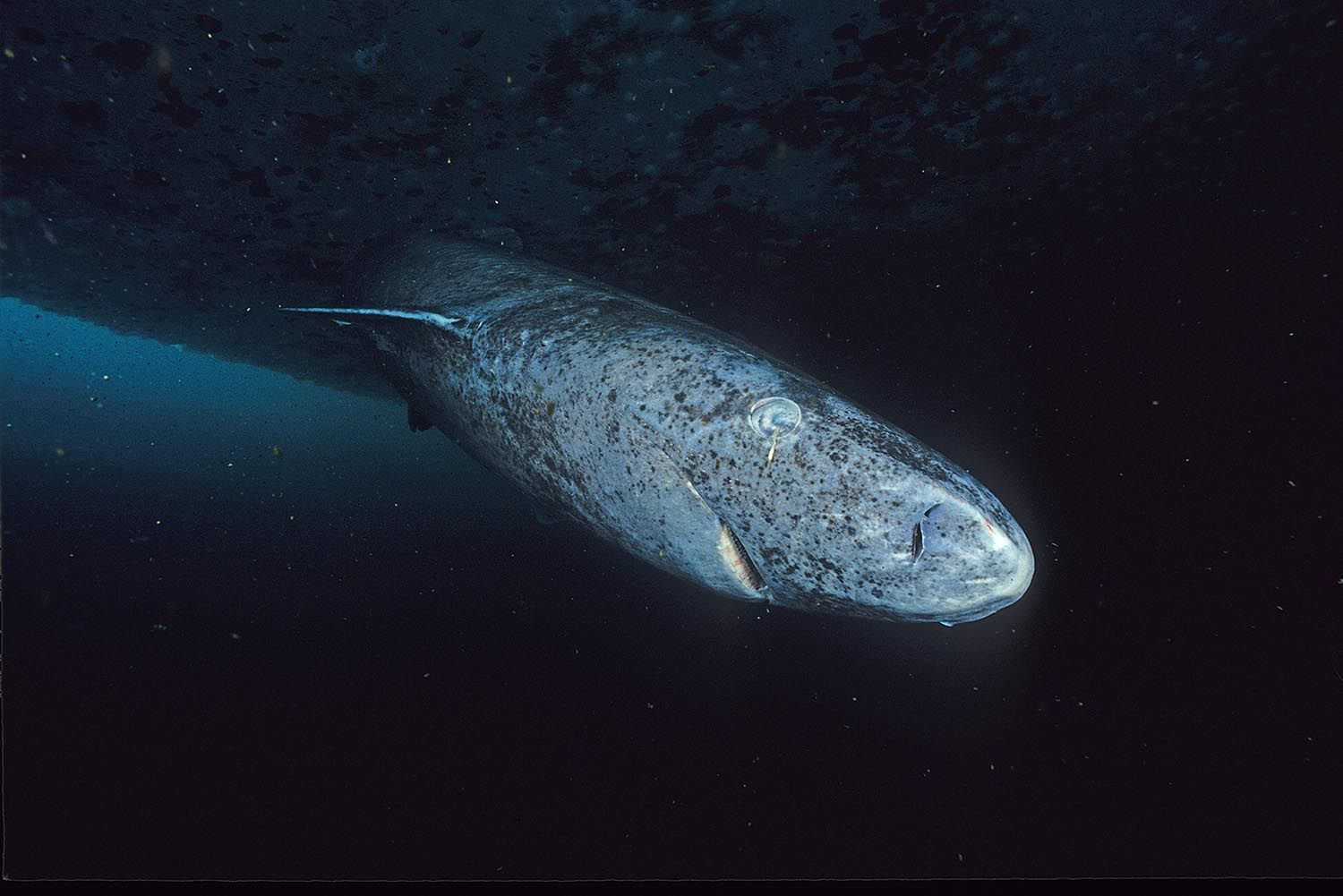
Greenland Shark (Somniosus microcephalus)

Image: https://upload.wikimedia.org/wikipedia/commons/3/39/Greenland_shark_profile.jpg

Record age: estimated 392 years

These sharks aren’t your average ocean cruisers—they can stretch over 20 feet long and weigh up to 2,200 pounds. But what’s really mindblowing is how slowly they move, like they’re in a permanent state of deep relaxation. Living in the icy Arctic waters, these giants don’t hit adulthood until they’re about 150 years old, and some can glide through the depths for nearly 400 years. Imagine that! These ancient swimmers were already around before America declared independence... and they are still out there, silently roaming the seas!

5

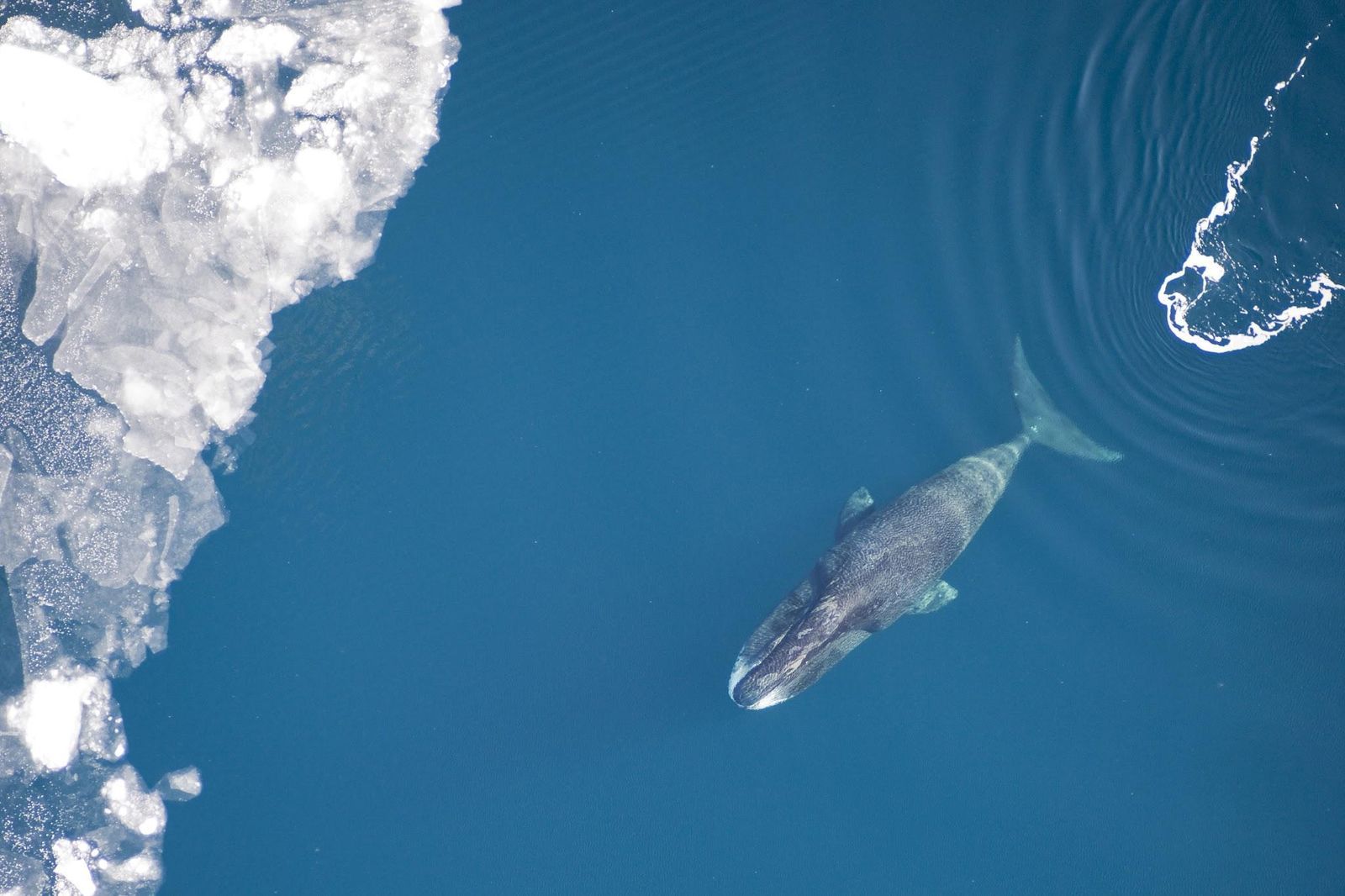
Bowhead Whale (Balaena mysticetus)

Image: Vicki Beaver, Alaska Fisheries Science Center, NOAA FIsheries, Marine Mammal Permit#14245, Public domain, via Wikimedia Commons

Record age: over 211 years

This whale is a true ocean giant, stretching up to 60 feet long and weighing a staggering 200,000 pounds. But what makes it stand out isn’t just its size but its age. Some of these majestic creatures carry harpoons from the 1800s still lodged in their skin, like walking history books. Just picture living so long that you’re literally carrying outdated technology embedded in your body—talk about being a time traveler of the seas!

6

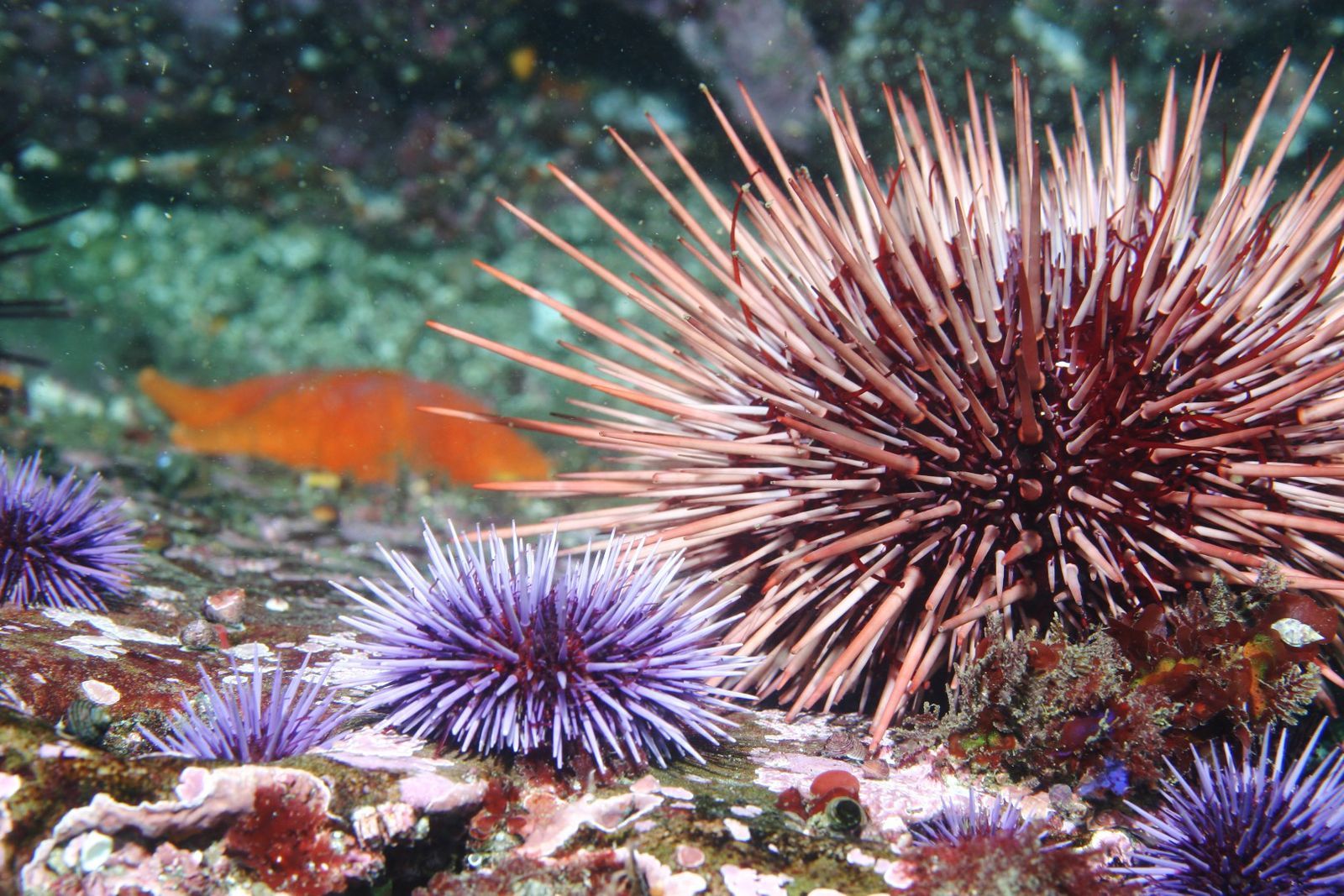
Red Sea Urchin (Mesocentrotus franciscanus)

Image: National Marine Sanctuaries, Public domain, via Wikimedia Commons

Record age: 200 years

Spanning the chilly Pacific coastline from California all the way up to Alaska, this spiky little ball—about 7 inches across—is full of surprises. It munches on algae and calls the deep, dark ocean its home, thriving at depths of up to 300 feet. Don’t let its size fool you: this prickly creature is a true elder of the cold seas, quietly outliving many ocean neighbors while keeping a low profile. A tough, slow-living veteran wrapped in spikes!

7

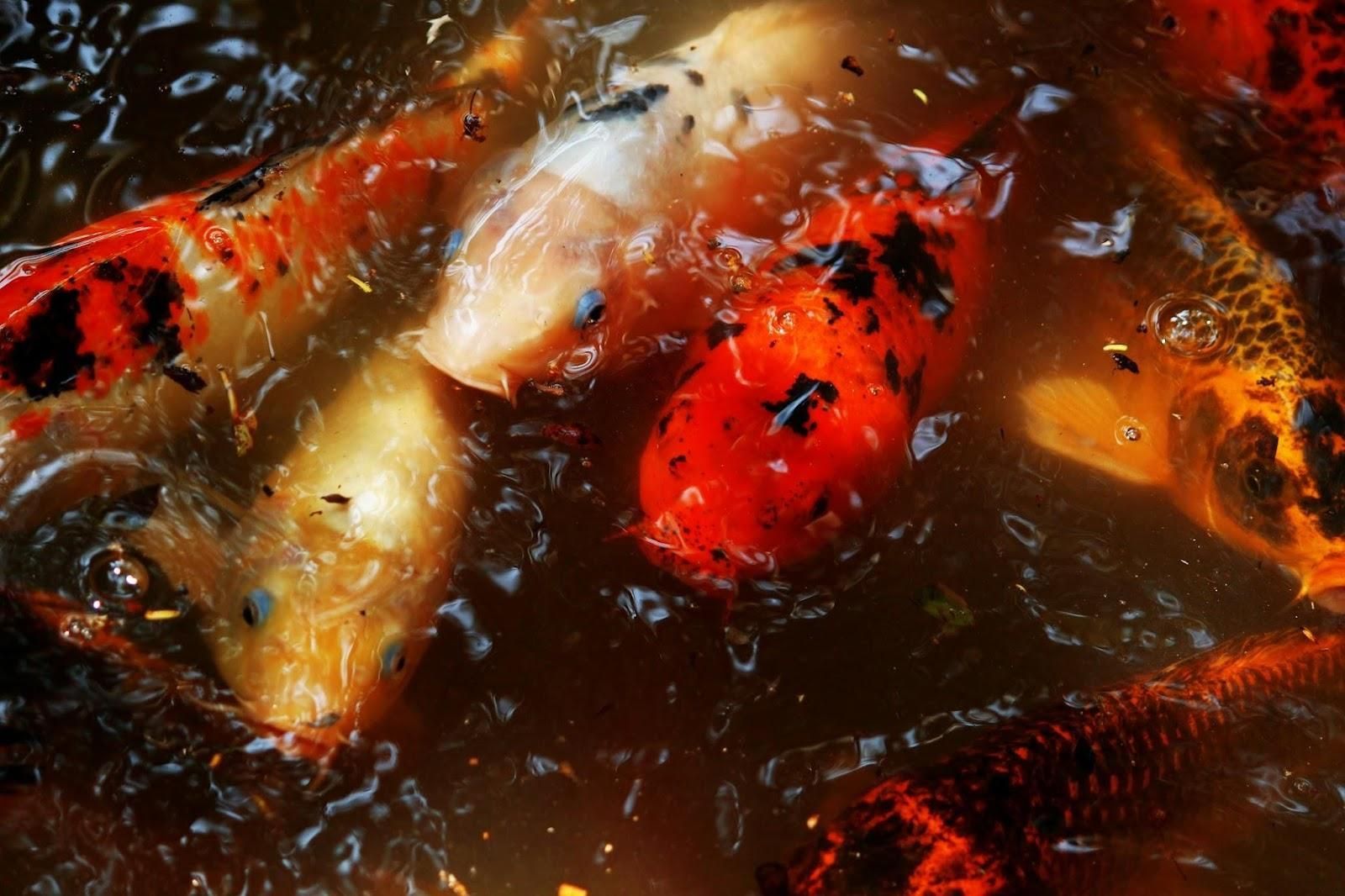
Koi Carp (Cyprinus rubrofuscus)

Image: Daniel Dan

Record age: 226 years

Meet Hanako, a legendary Japanese koi who swam through life for an astonishing 226 years. Scientists discovered how old she was by studying the rings on her scales, much like counting the growth rings of a tree. These colorful, ornamental fish aren’t just symbols of good fortune; they’re also secret long-lifers with the potential to celebrate over two centuries of birthdays, as long as they get the right care and a peaceful pond to call home.

8

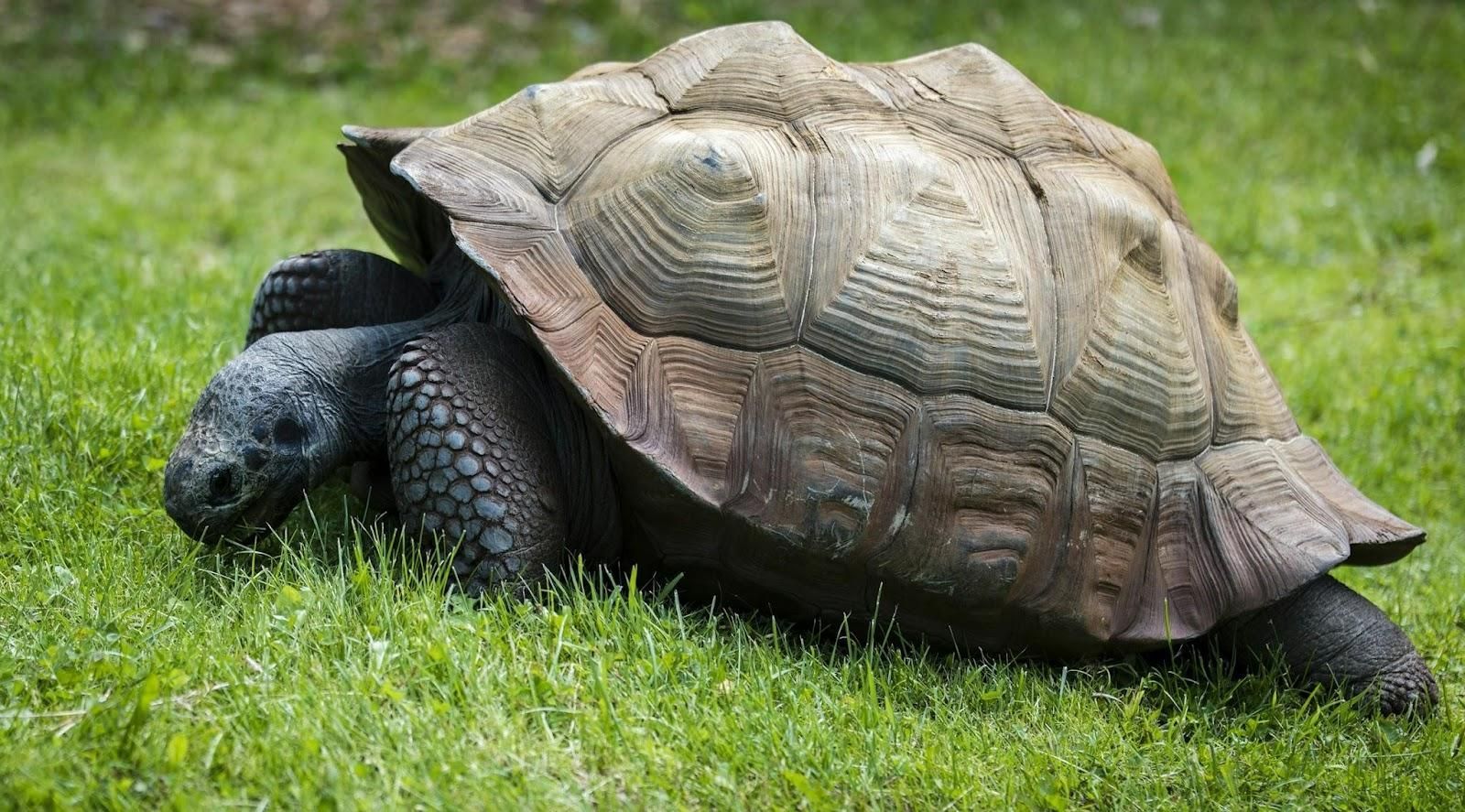
Seychelles Giant Tortoise (Aldabrachelys gigantea)

Image: Ryan Grewell

Record age: 190 years

Jonathan is a male tortoise living on the remote island of Saint Helena in the South Atlantic Ocean. He was born back in 1832, and he’s still happily chomping lettuce and soaking up the sun today. Weighing in at more than 400 pounds and measuring around 3 feet long, Jonathan holds the title of the oldest known living land animal on the planet. If he could share tales, they’d span nearly two centuries of history. Imagine that!

9

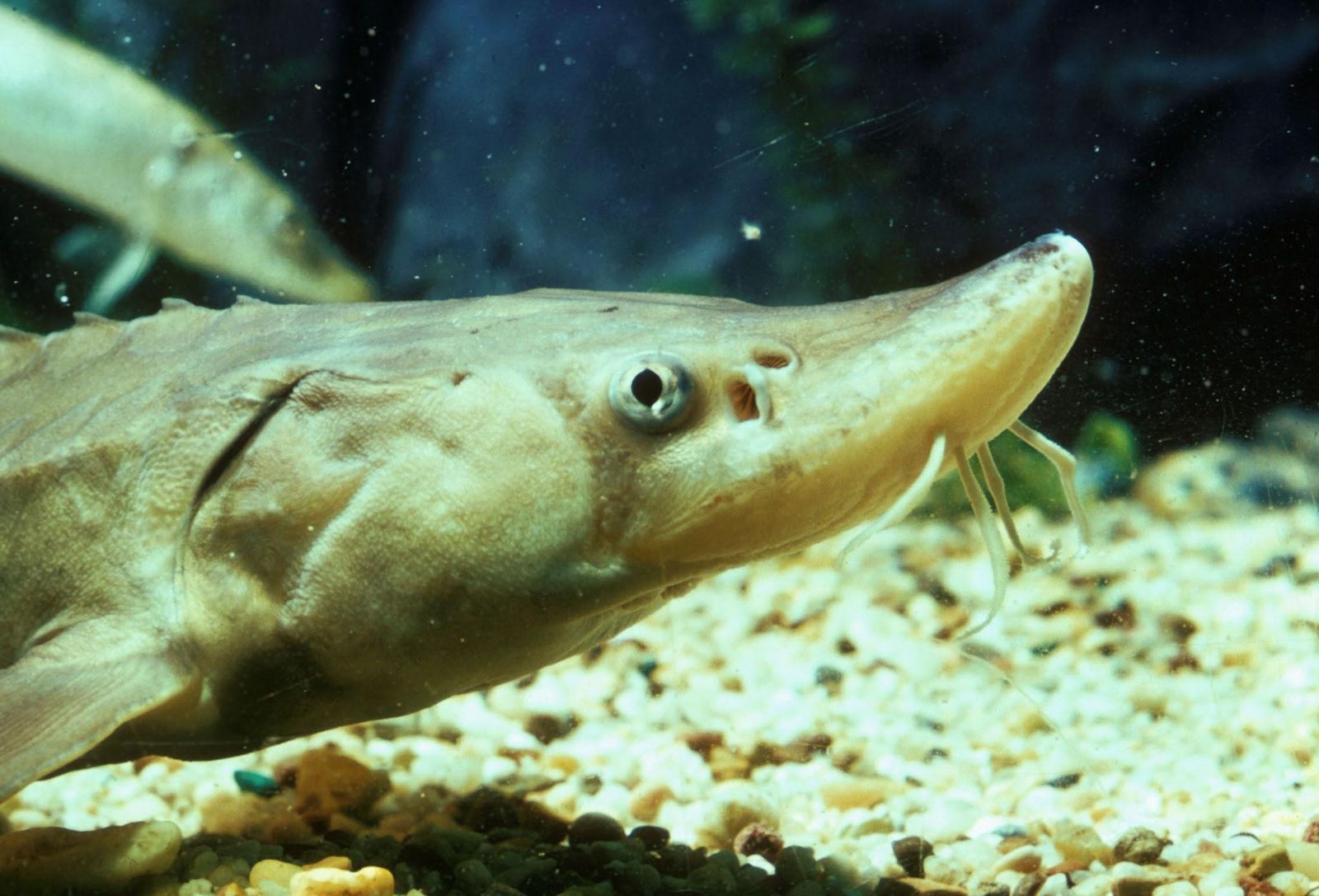
Lake Sturgeon (Acipenser fulvescens)

Image: See page for author, Public domain, via Wikimedia Commons

Record age: 152 years

This ancient-looking fish, with its whisker-like barbels, looking like a tiny underwater submarine, prowls the lakes of North America. It can reach an impressive length of up to 7 feet and weigh around 200 pounds. These slow-living creatures don’t rush into adulthood—they start breeding only around age 20—and then take their time cruising through life at a leisurely pace. Believe it or not, one legendary catch in Wisconsin was estimated to be over 150 years old!

10

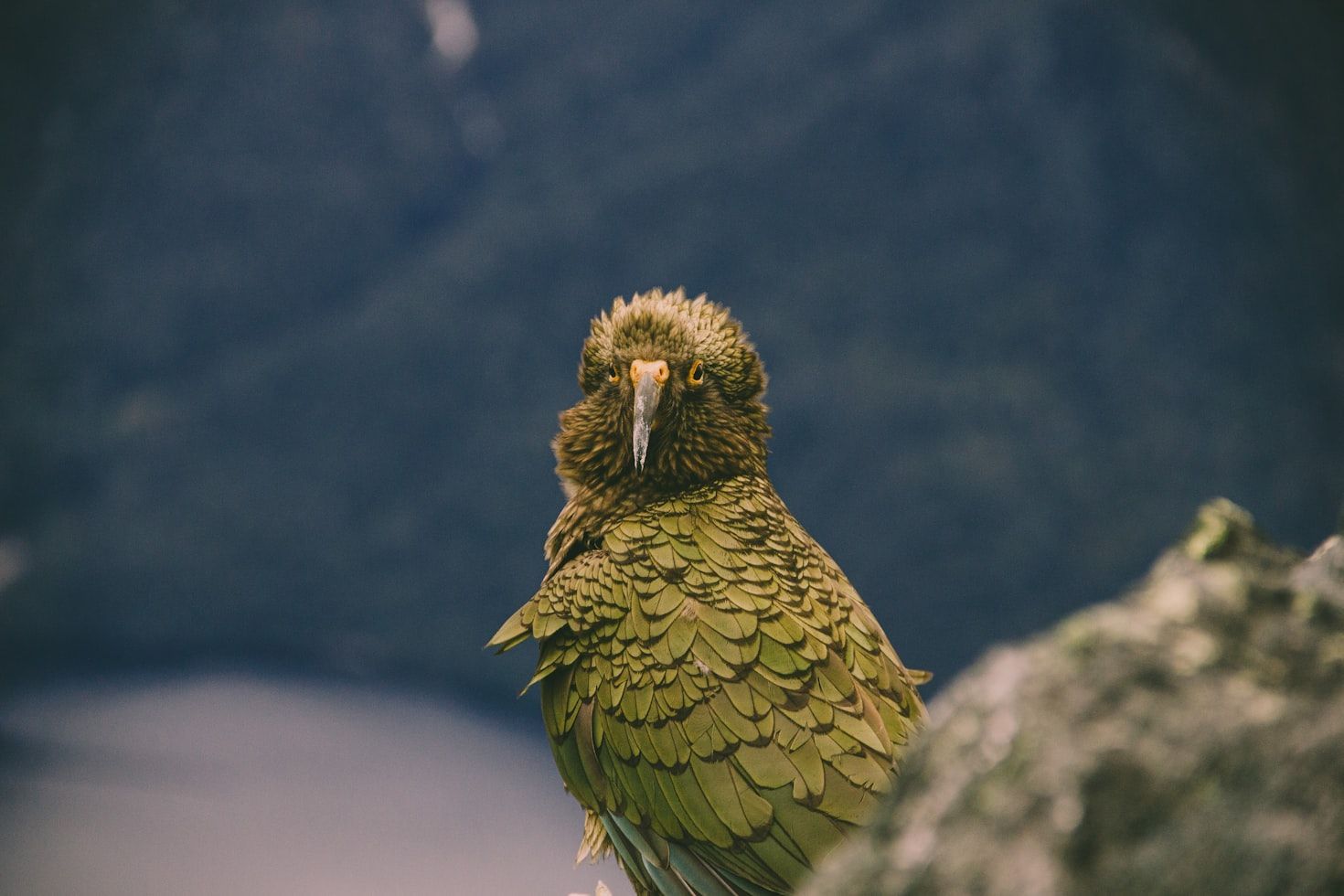
Kakapo Parrot (Strigops habroptilus)

Image: Andreas Sjövall

Record age: over 90 years

This chunky, night-loving parrot from New Zealand is a true oddball—it can’t fly, snores like a grumpy grandpa, and smells like fresh flowers. Despite its quirks, this bird boasts an impressively long lifespan. Sadly, it teeters on the edge of extinction. The oldest known kakapo, affectionately named Richard Henry, lived 90 years, earning him the title of the charmingly eccentric elder statesman of the avian world.

11

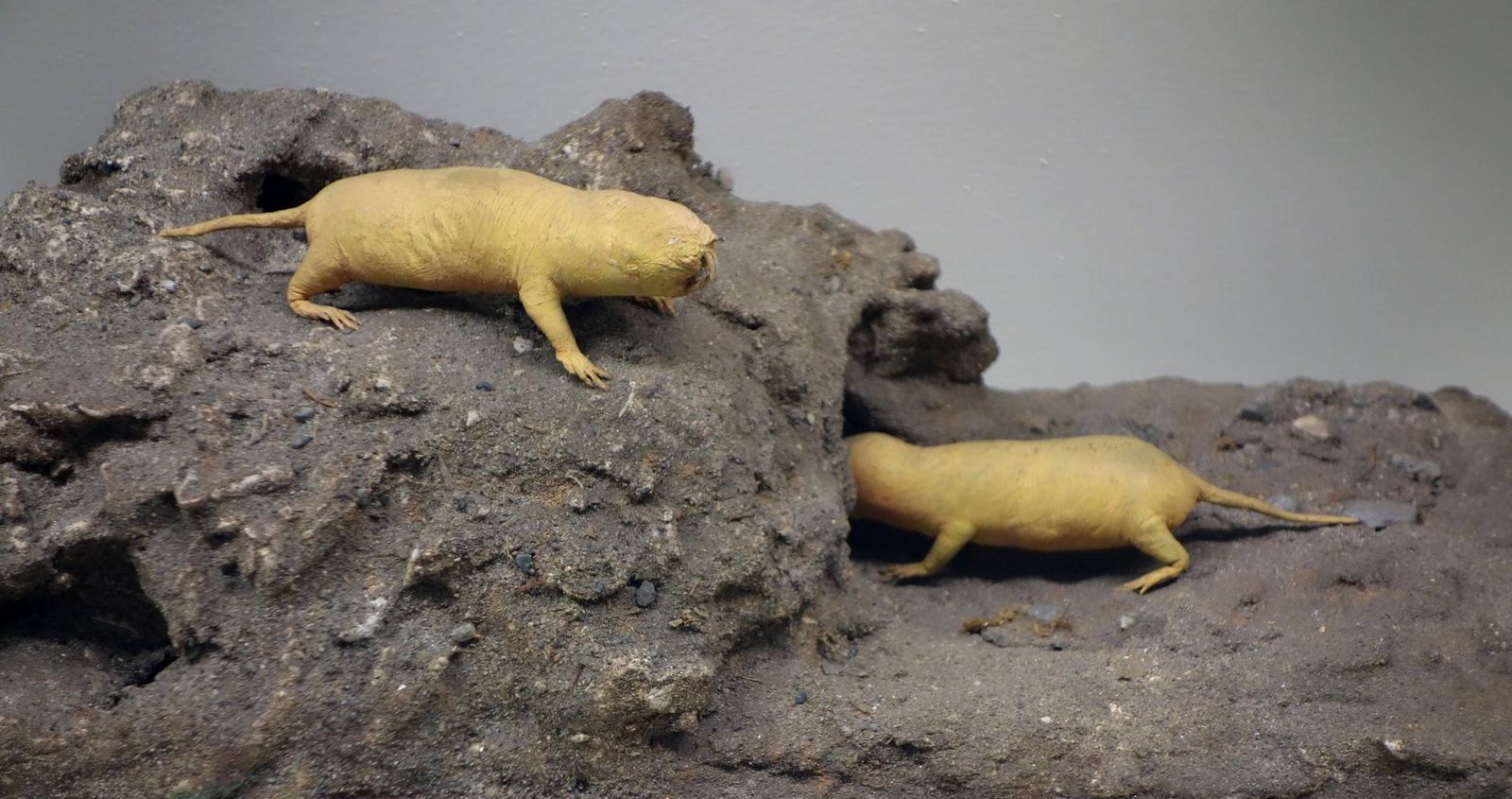
Naked Mole Rat (Heterocephalus glaber)

Image: Daderot, CC0, via Wikimedia Commons

Record age: 37 years

This tiny, kooky rodent—barely 3 inches long and just over an ounce in weight—could’ve been cast straight from a sci-fi apocalypse flick. Dwelling in vast underground colonies across Africa, it’s practically invincible to cancer, pain, and the usual effects of aging. Scientists are fascinated by this little marvel, even if it’s not winning beauty contests anytime soon. Its superpowers make it a star in longevity research!

12

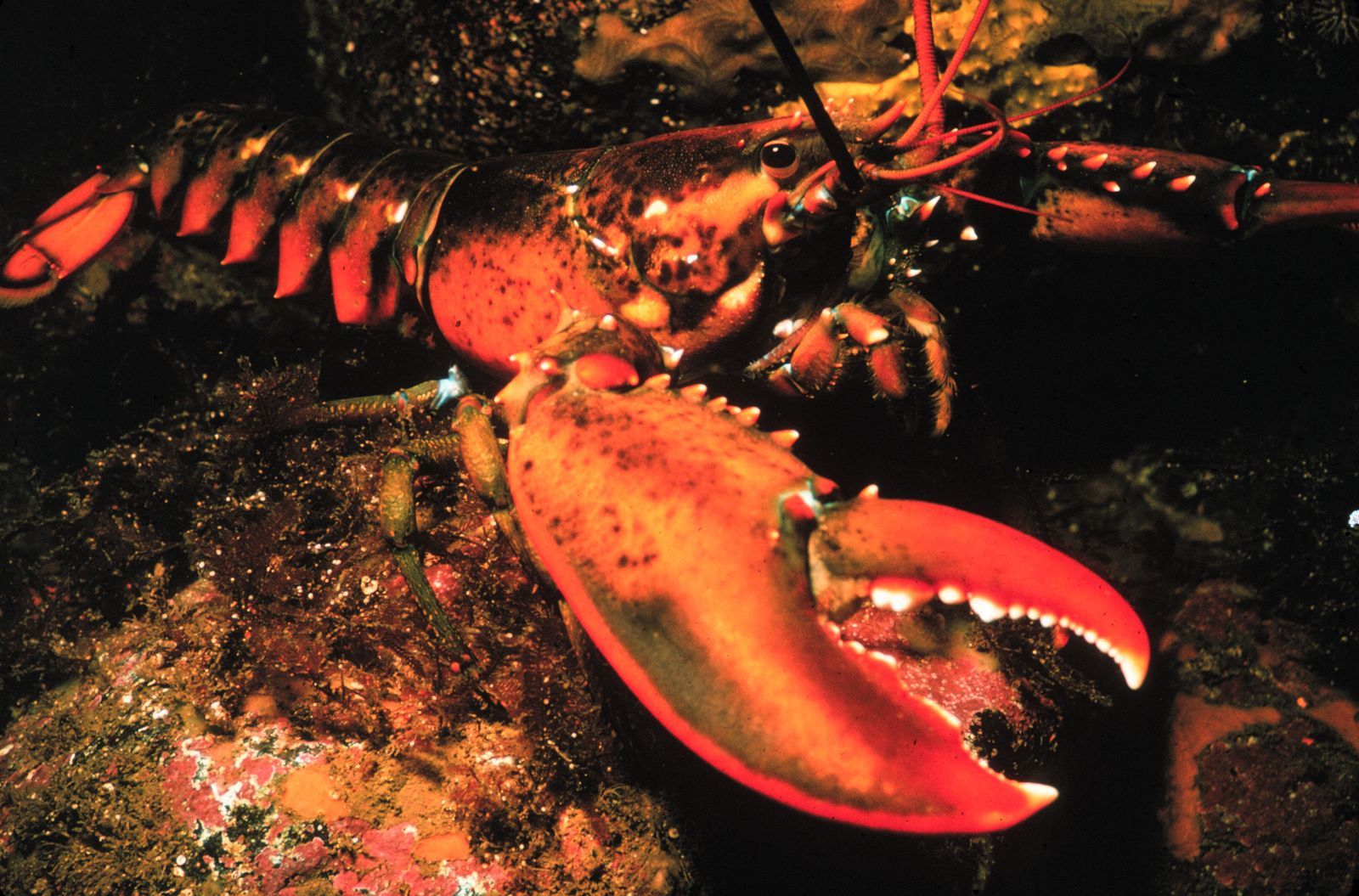
American Lobster (Homarus americanus)

Image: OAR/National Undersea Research Program (NURP)., Public domain, via Wikimedia Commons

Record age: estimated 100+ years

Lobsters have a totally different rulebook than us when it comes to aging. They don’t really grow old; they just keep getting bigger and bigger. Some giant lobsters weigh over 40 pounds and stretch beyond 3 feet long. Their biggest threats? Not old age, but predators or the risky process of shedding their shells. In theory, they could live forever if left alone—but let’s be honest, not many get to enjoy a peaceful, lobster-sized retirement!

Looking for an extra scoop of literary fun?

Learn more with our Word of the day

guru

/ˈɡʊˌru/