Memories vs facts

Stop getting it wrong: Darth Vader never said, "Luke, I am your father"


Published on July 22, 2026


Image: Unknown photographer Self-scanned, Public domain, via Wikimedia Commons

Was "Play It Again, Sam" a real quote from Casablanca? You may feel certain that you already know the answer. That confidence is what makes the Mandela Effect so interesting: it occurs when many people share the same false memory and are convinced it’s correct. The effect is named after Nelson Mandela, who many believed had died in prison during the 1980s. In truth, he was alive, and after his release in 1990, he became president of South Africa in 1994. What can make a false memory feel so real? Here are 10 Mandela Effect examples that you might be misremembering.

1

Did Humphrey Bogart Ever Say, "Play It Again, Sam"?

Image: Shutterstock

Bogart is often credited with one of Hollywood’s most famous lines, but he never actually says "Play it again, Sam" in Casablanca. Ingrid Bergman’s character, Ilsa, says, "Play it, Sam. Play As Time Goes By." Later, Bogart’s character, Rick, also asks Sam to play the song, but he never uses the famous phrase.

Woody Allen’s play and 1972 film "Play It Again, Sam" also played a huge part in ingraining this famous misquotation in the general public. Either way, the phrase still creates an instant nostalgic connection to the classic, beloved film.

2

Did the Monopoly Man Ever Wear a Monocle?

Image: Shutterstock

Something doesn’t feel right when looking at Mr. Monopoly and realizing that he doesn’t actually wear a monocle. It’s somehow disappointing, and it can feel as though the board game itself is mistaken, rather than the common memory of a wealthy man with a white mustache, a black top hat, an old-fashioned suit, and a monocle.

This confusion may stem from Mr. Peanut, the Planters mascot, who wears a monocle, a black top hat, and carries a walking stick. Still, the imaginary monocle fits Mr. Monopoly almost too well. It matches the familiar image of a wealthy gentleman from a bygone age.

3

Did Darth Vader Really Say, "Luke, I Am Your Father"?
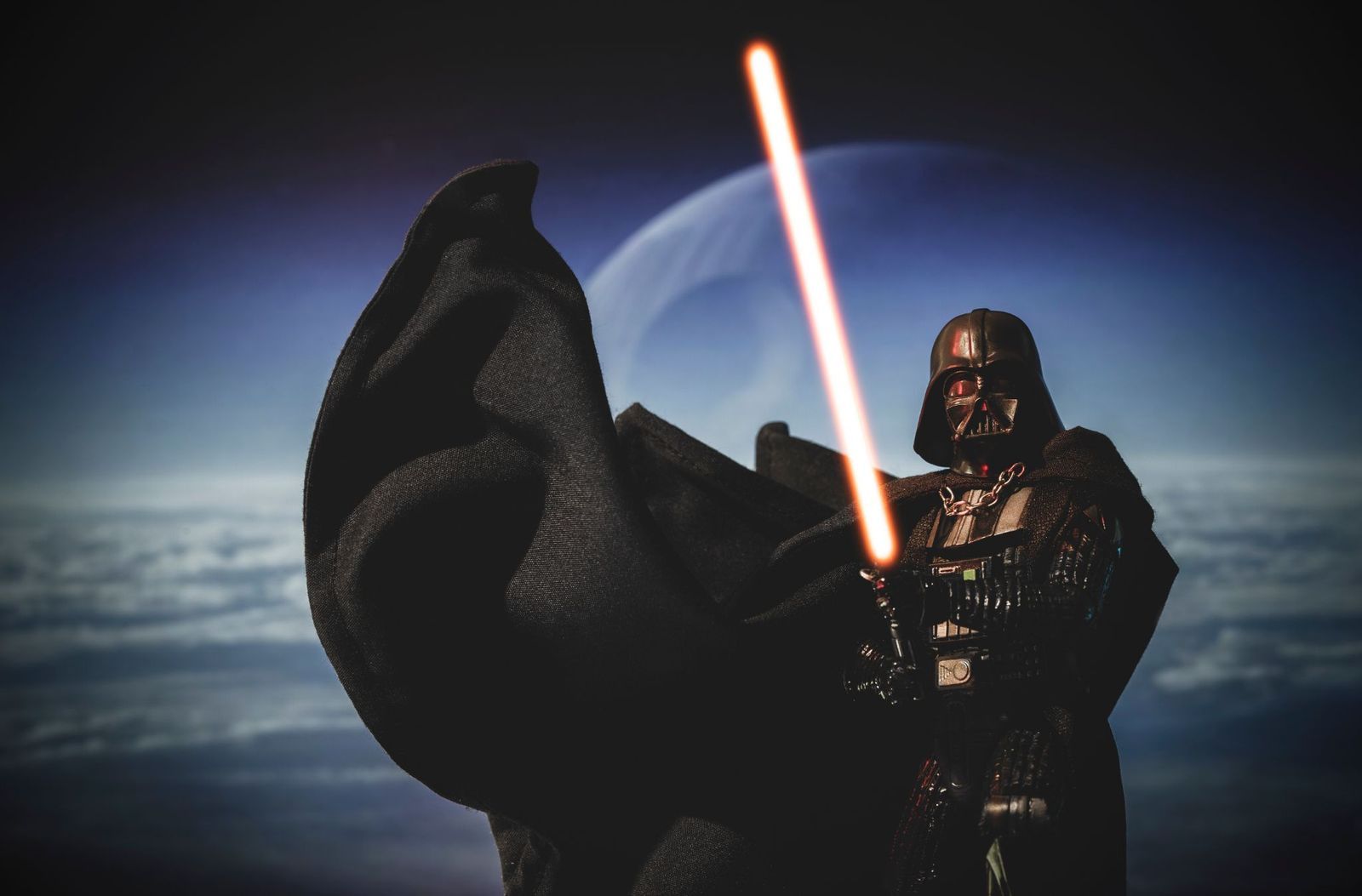
Image: Shutterstock

This may be one of the most famous misquotes in movie history. During the famous scene in The Empire Strikes Back, Darth Vader doesn't begin his revelation with Luke's name. After Luke accuses him of killing his father, Vader replies, "No, I am your father."

However, outside the movie, "No, I am your father" can sound unclear because the listener may not know who is speaking or being addressed. Adding "Luke" makes the reference instantly recognizable. Parodies, impressions, and everyday jokes favored the clearer version until it became more familiar than the original dialogue.

4

Did "We Are the Champions" End With "Of the World"?
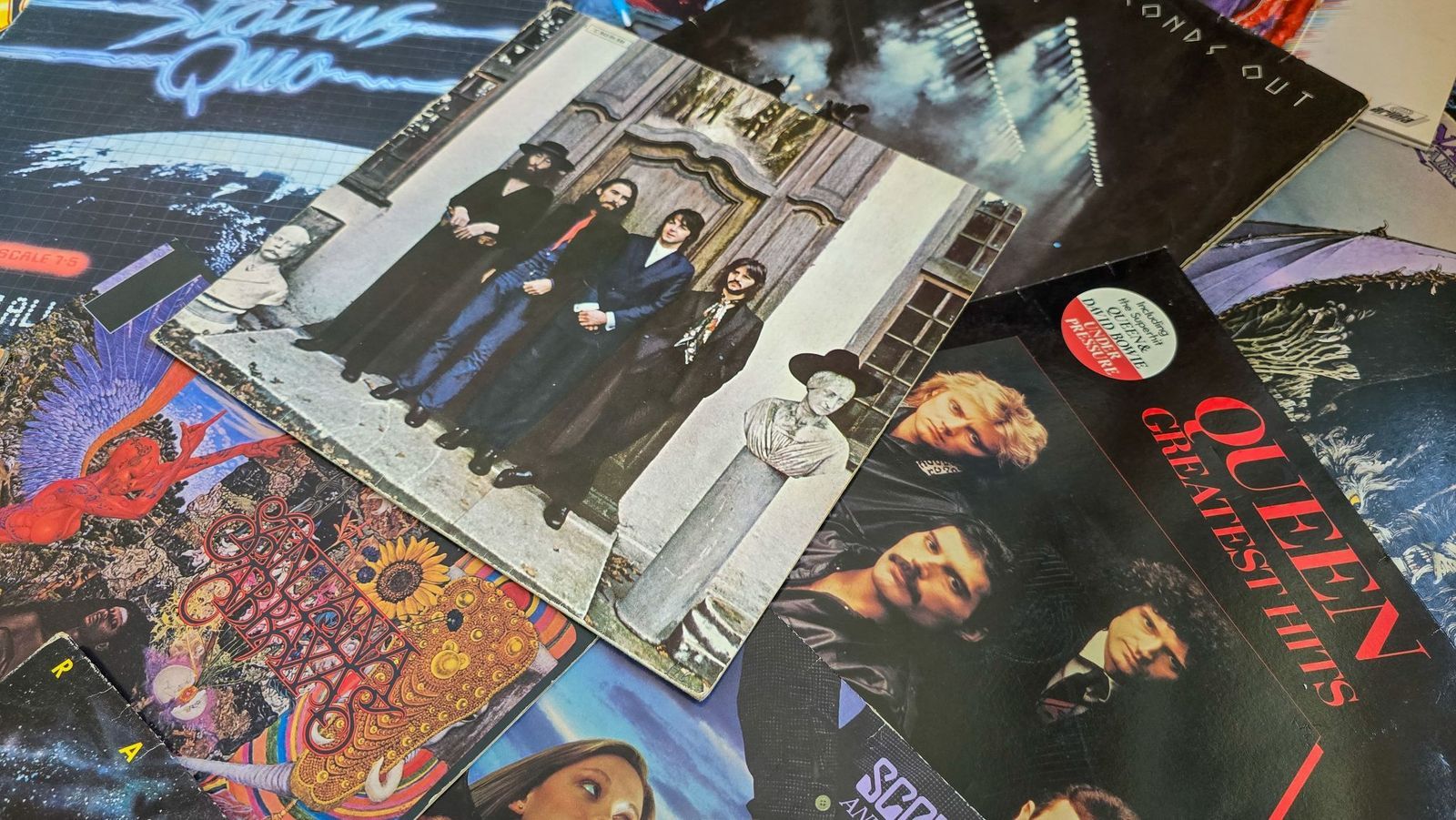
Image: Shutterstock

Queen recorded "We Are the Champions" in 1977 at Wessex Studios and Sarm East Studios in London. With its release, a new anthem for sporting events was born. Whenever listeners reach the final part of the song, instinct takes over, and everyone sings, "We are the champions… of the world". But the final line doesn’t include "of the world," and it never did, unlike the chorus, which includes "of the world" earlier in the song. Still, listeners have made it their own, and adding "of the world" at the end of the song has become a classic in its own right.

5

Was There Ever a Peanut Butter Called Jiffy?
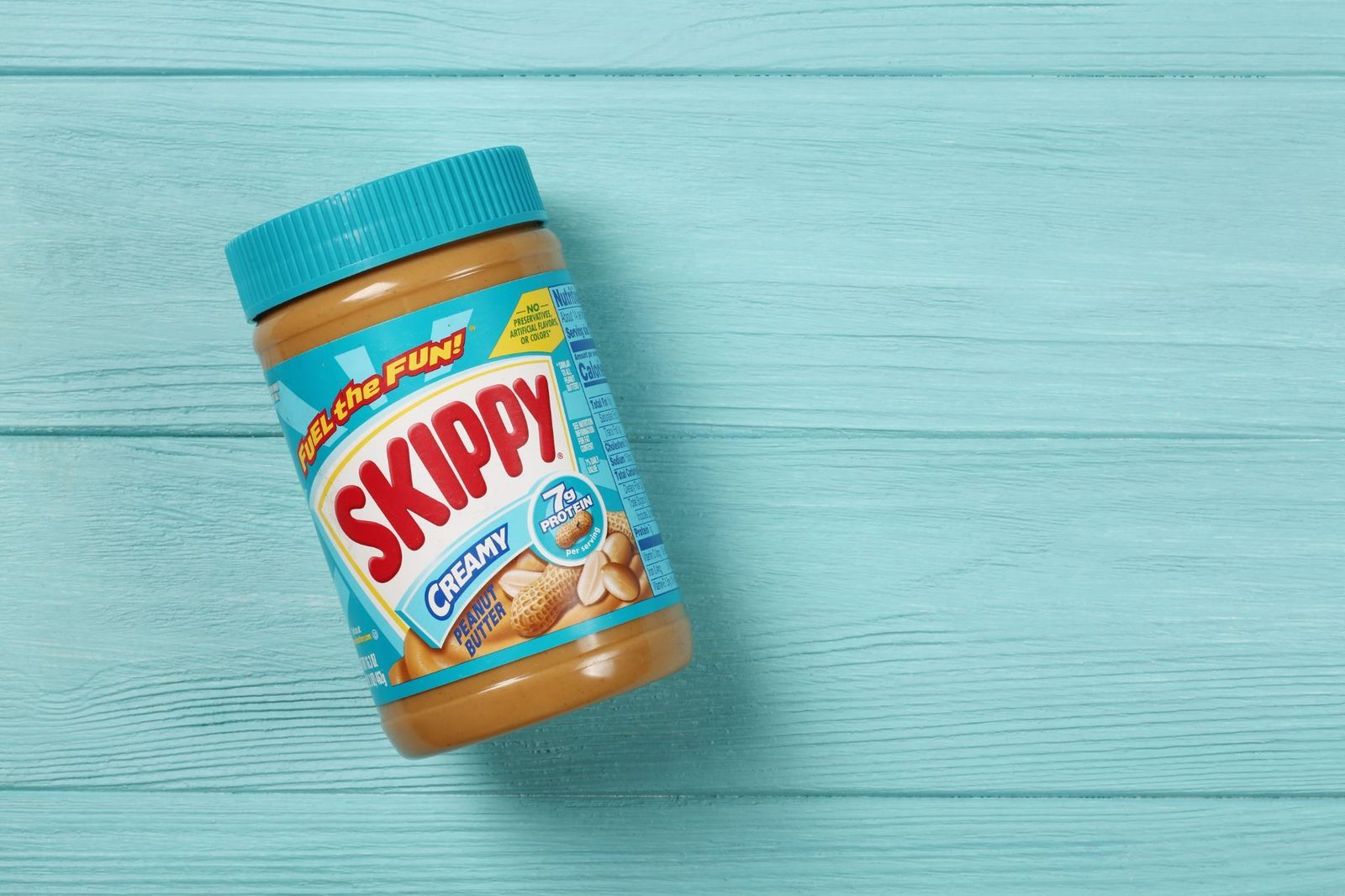
Image: Shutterstock

"Jiffy" sounds like a peanut butter brand that exists. Many shoppers remember seeing it beside Skippy on supermarket shelves. But the major brand was actually called Jif, launched nationally in 1958, and later became known for the slogan "Choosy Mothers Choose Jif," and its official history doesn't include a period when the product was named Jiffy. The false name could actually be the mental mixture of Jif, Skippy, and the common word "jiffy."

6

Did Disney's Evil Queen Really Say, "Mirror, Mirror on the Wall"?
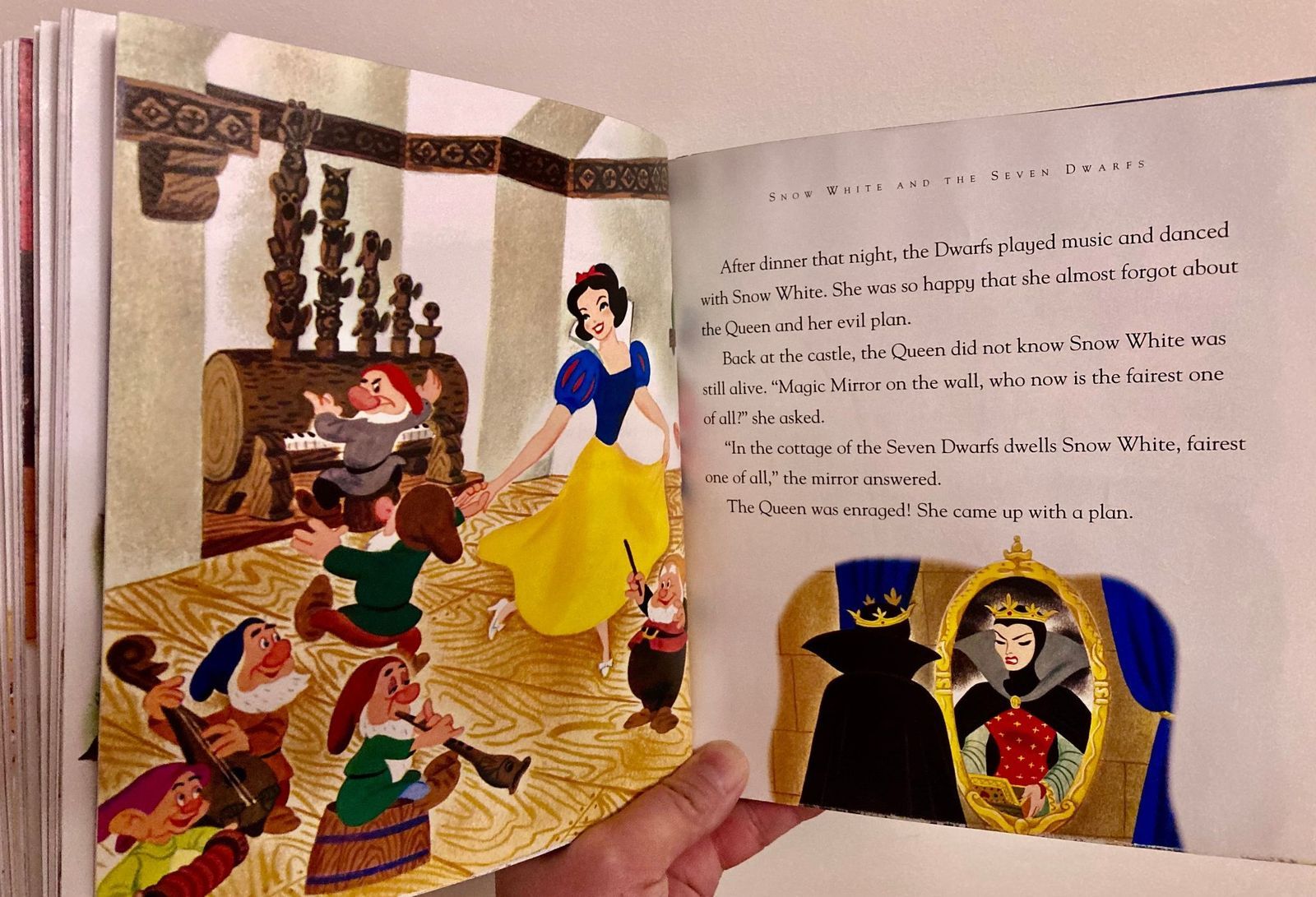
Image: Shutterstock

In Disney's 1937 animated film Snow White and the Seven Dwarfs, the Evil Queen asks, "Magic Mirror on the wall, who is the fairest one of all?" But, in this case, "Mirror, mirror" wasn't invented by viewers. English versions of the Grimm’s story of Snow White commonly used that wording long before the Disney movie. What really happened is that the older fairy-tale line and the Disney scene blended into one familiar and iconic quotation. The remembered version is wrong for the film, but it belongs to the wider history of the story.

7

Did Ed McMahon Deliver Publishers Clearing House Checks?
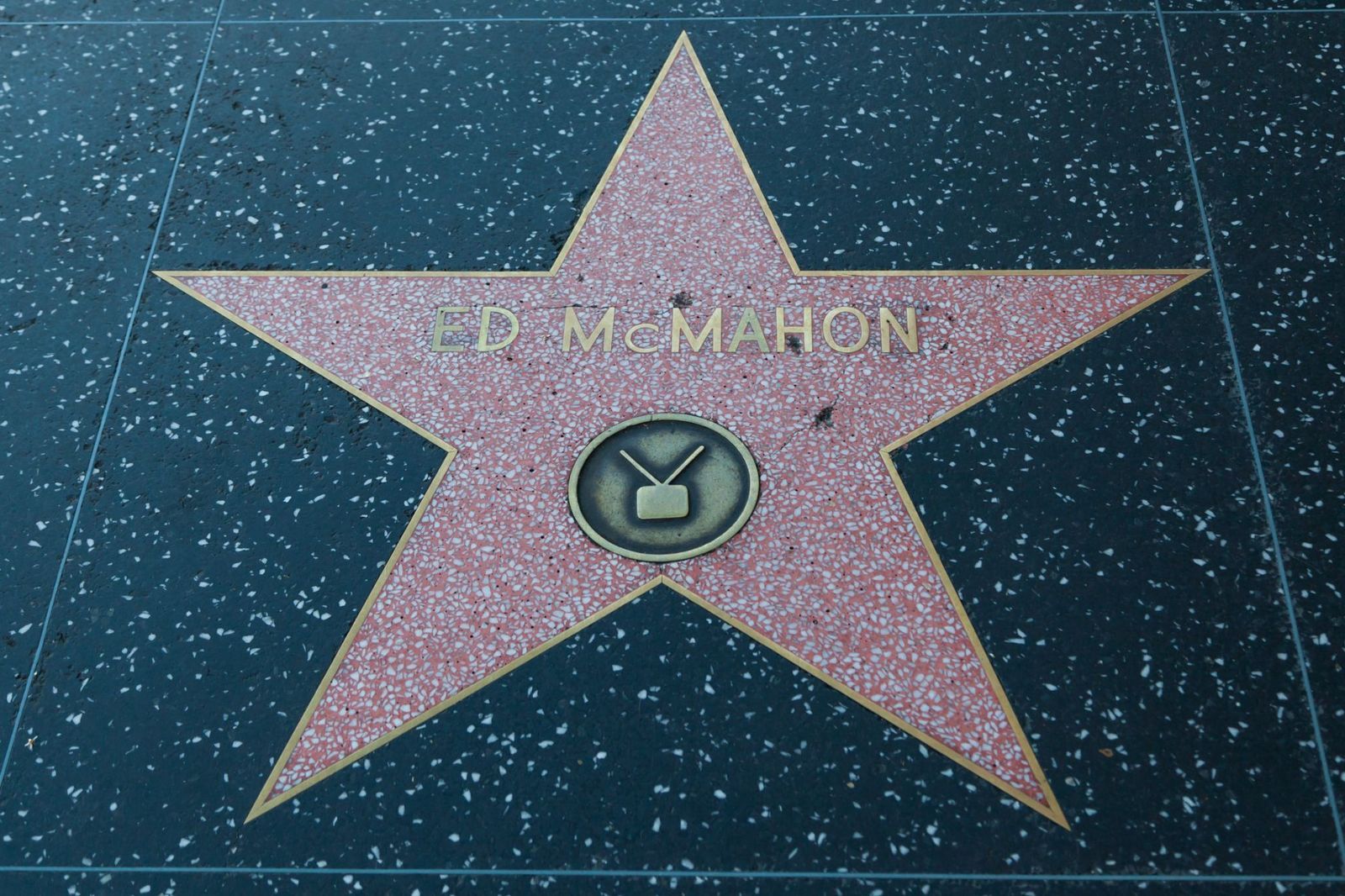
Image: Shutterstock

Two rival companies helped create one of America’s most persistent false memories. During the 1980s and 1990s, television personality Ed McMahon promoted sweepstakes for American Family Publishers, a company that sold magazine subscriptions. Today, many people remember him working for its better-known competitor, Publishers Clearing House. But he never did.

It’s easy to see how the mix-up happened. Both companies sold magazine subscriptions, offered large cash prizes, and appeared constantly on television and in the mail. Publishers Clearing House also became famous for its Prize Patrol, which surprised winners at home with oversized checks. With similar names and years of pop culture references, McMahon eventually became linked to PCH in the public memory, even though he was never part of its team.

8

Was It "Sex and the City" or "Sex in the City"?

Image: Shutterstock

The HBO series was always called Sex and the City, not Sex in the City. The title came from Candace Bushnell’s New York Observer column, which began in 1994, and her 1996 book with the same name.

However, the mix-up makes a lot of sense. The show is about dating and relationships in New York, so "Sex in the City" sounds like a logical title. The words "and" and "in" can also sound similar when people say the title quickly. But the real title puts sex and the city side by side as two major parts of the characters’ lives.

9

Did Curious George Have a Tail?

Image: Shutterstock

Something appears to be missing from Curious George, but it has actually always been missing. The little monkey was drawn without a tail in the original books, and official modern versions continue to show him without it. Many familiar cartoon monkeys have long, curling tails, so the brain may quietly add one when remembering George. His active poses also make it easy to imagine a tail swinging behind him.

10

Were They the Berenstein Bears or the Berenstain Bears?

Image: Shutterstock

One letter has caused decades of arguments. Many readers are certain that the American children’s book series, which began in the 1960s, was called The Berenstein Bears, with an "e" near the end. The covers, however, have always used Berenstain, with an "a."

The spelling came from the creators Stan and Jan Berenstain’s family name. Their first Bear book, The Big Honey Hunt, appeared in 1962 under that spelling. However, it makes sense that "Berenstein" feels more natural because it resembles familiar names such as Einstein, Frankenstein, and Bernstein.
The 12 longest-living animals on Earth (and how they cheat time)


Published on July 22, 2026


Image: David Clode

Nature doesn’t just create beauty, it crafts survival miracles. While most animals have short lives, a rare few have mastered the art of staying alive for centuries, even millennia. These aren’t just long-lived creatures; they’re nature’s ultimate time travelers. From the frozen depths of the oceans to the darkest corners underground, they’ve developed bizarre, brilliant strategies to cheat death. Get ready to meet 12 animals whose lifespans will absolutely blow your mind.

1

Antarctic Sponge (Anoxycalyx joubini)

Image: NOAA

Record age: up to 15,000 years

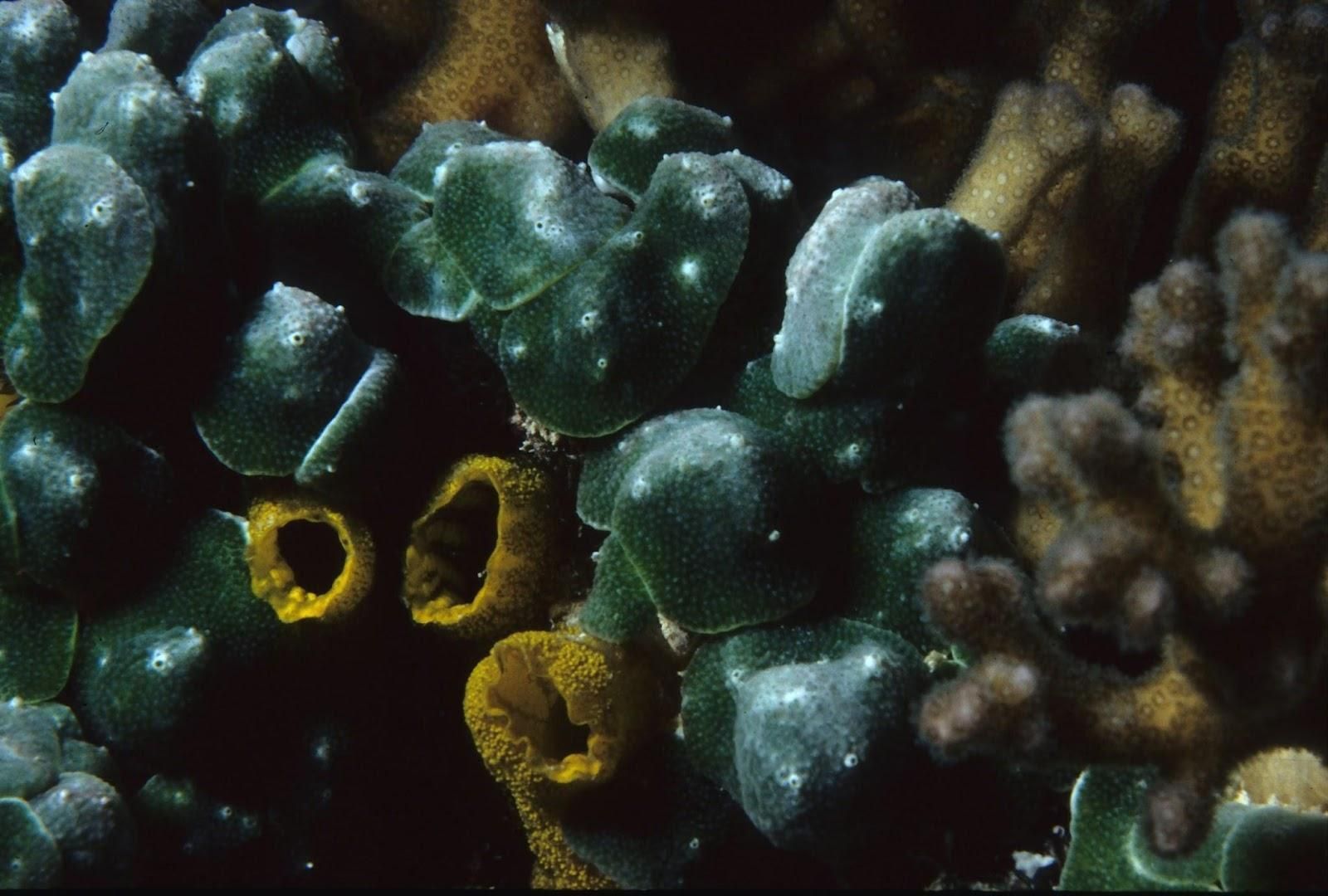
This unassuming sea sponge thrives in the freezing waters of Antarctica, where temperatures hover around 28.6 °F—so cold that biological processes hit the brakes. In such icy conditions, metabolism slows to a crawl, allowing these sponges to live for thousands of years.

Some have reached impressive sizes of over 3 feet tall and have been around since mammoths were still thundering across the tundra. They don’t move, they don’t stress, and they barely change, just quietly existing while centuries pass them by. Their secret to extreme longevity? Glacial patience, deep-sea stillness, and a lifestyle that redefines "low-maintenance".

2

Immortal Jellyfish (Turritopsis dohrnii)

Image: Dr. Karen J. Osborn, CC0, via Wikimedia Commons

Age: technically… infinite

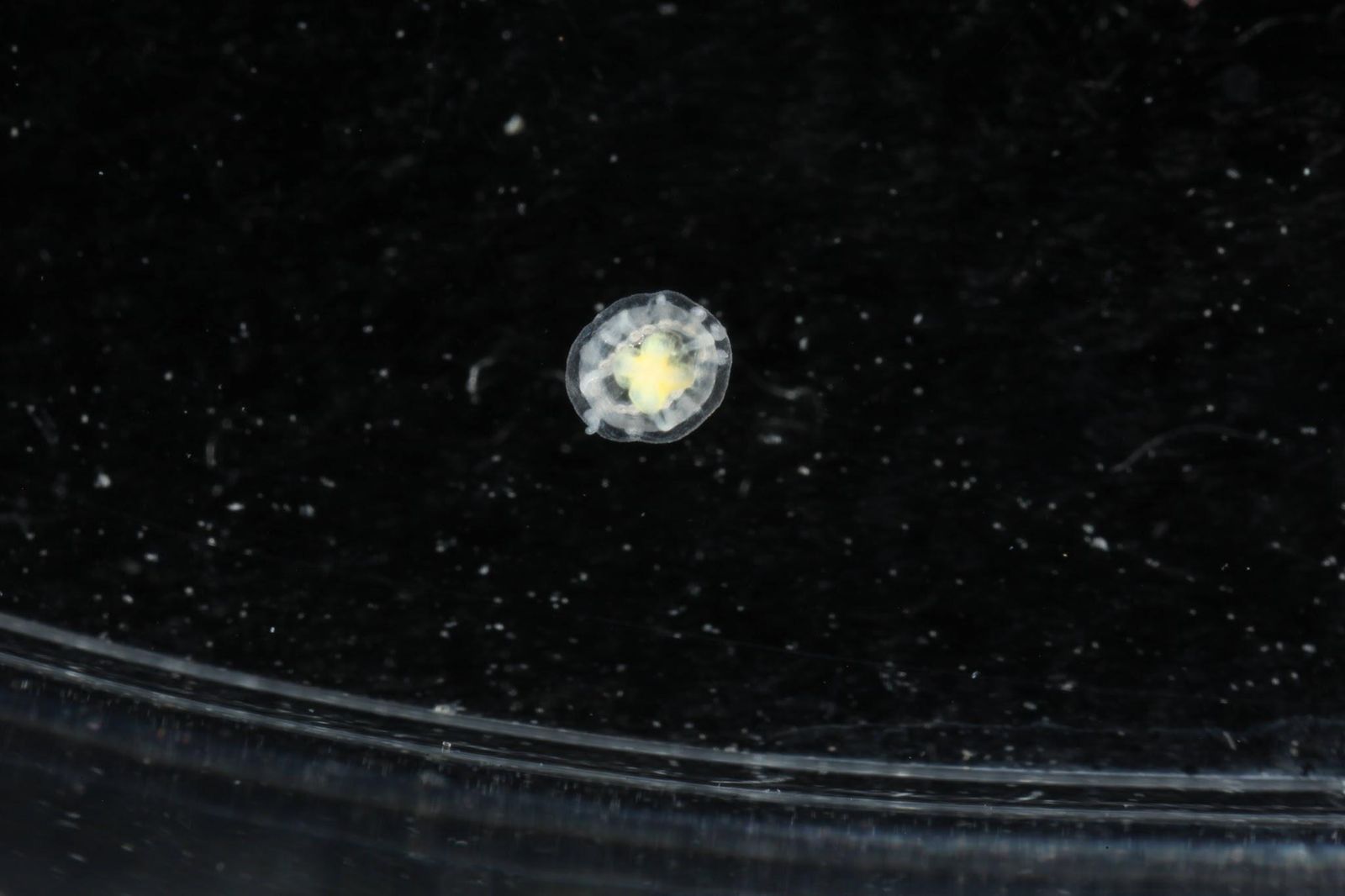
This tiny jellyfish, no bigger than a fingernail—less than 0.2 inches—is like the ocean’s very own Benjamin Button. What makes it truly extraordinary is its ability to rewind its life story, flipping back to a youthful, juvenile stage whenever it wants. While it’s not completely invincible (predators and other threats are still very real), if left undisturbed, it can keep hitting the reset button on aging indefinitely, making it one of the most fascinating "time-benders" in nature.

3

Ocean Quahog Clam (Arctica islandica)

Image: Norbert Braun

Record age: 507 years

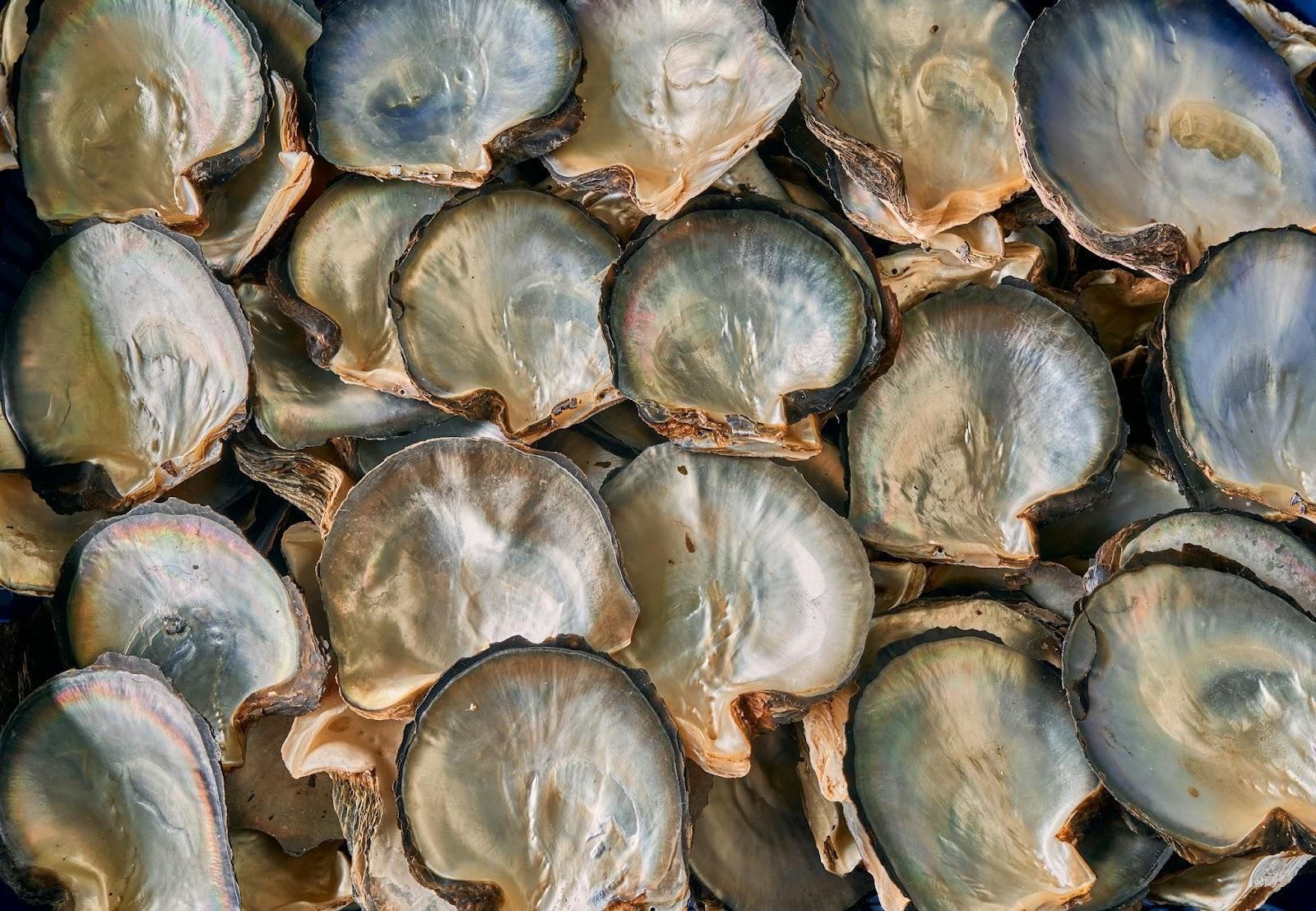
In 2006, a special clam was discovered buried deep in the seabeds of the North Atlantic. Scientists were able to determine that it had been there since at least 1499—that’s centuries before the United States was even a thought! This ancient marvel, nicknamed "Ming", was able to perfect a slow-and-steady approach to life. Growing at a snail’s pace and barely budging, Ming’s sedentary lifestyle turned out to be a brilliant strategy for beating the clock. Who knew doing almost nothing could be the ultimate secret to longevity?

4

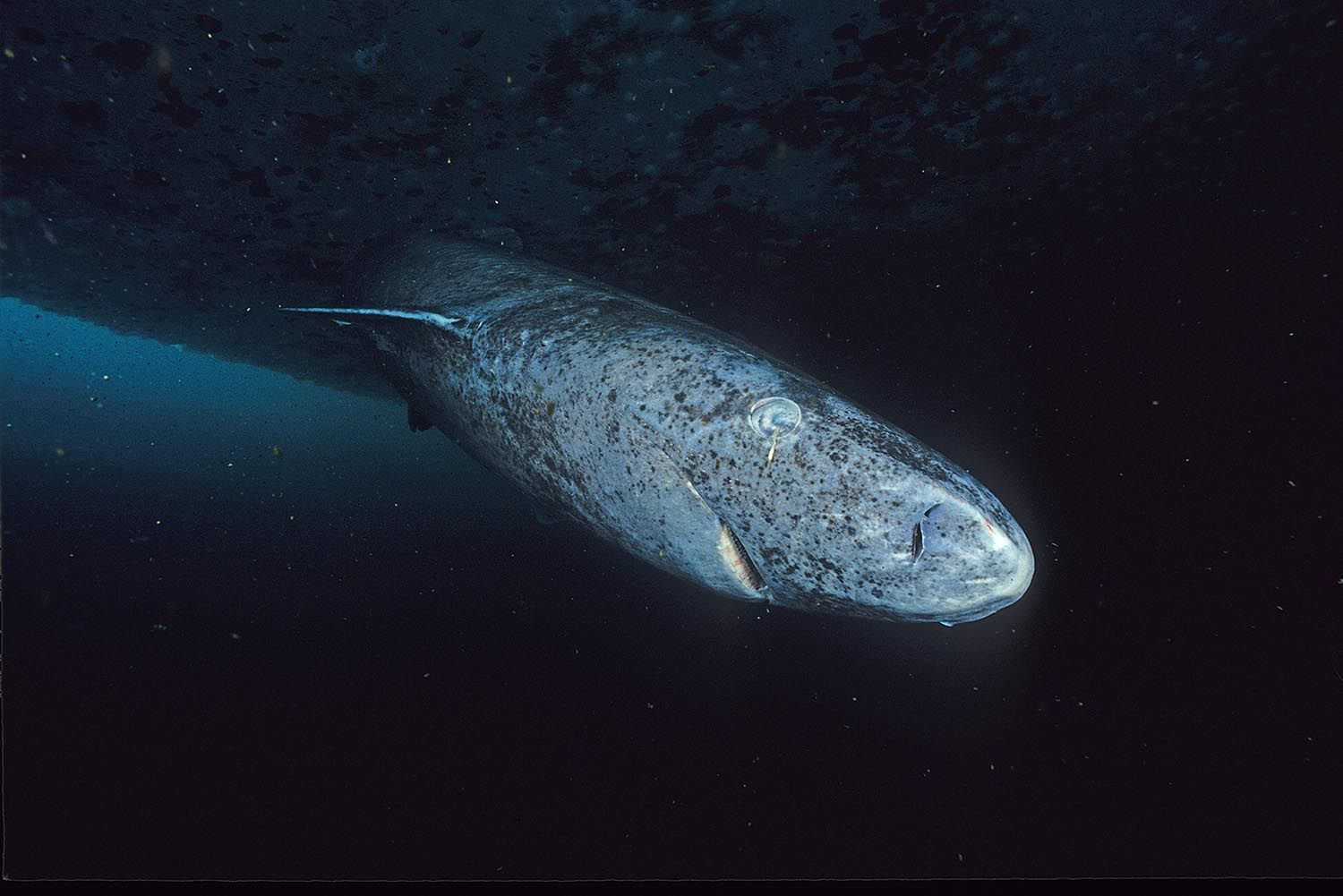
Greenland Shark (Somniosus microcephalus)

Image: https://upload.wikimedia.org/wikipedia/commons/3/39/Greenland_shark_profile.jpg

Record age: estimated 392 years

These sharks aren’t your average ocean cruisers—they can stretch over 20 feet long and weigh up to 2,200 pounds. But what’s really mindblowing is how slowly they move, like they’re in a permanent state of deep relaxation. Living in the icy Arctic waters, these giants don’t hit adulthood until they’re about 150 years old, and some can glide through the depths for nearly 400 years. Imagine that! These ancient swimmers were already around before America declared independence... and they are still out there, silently roaming the seas!

5

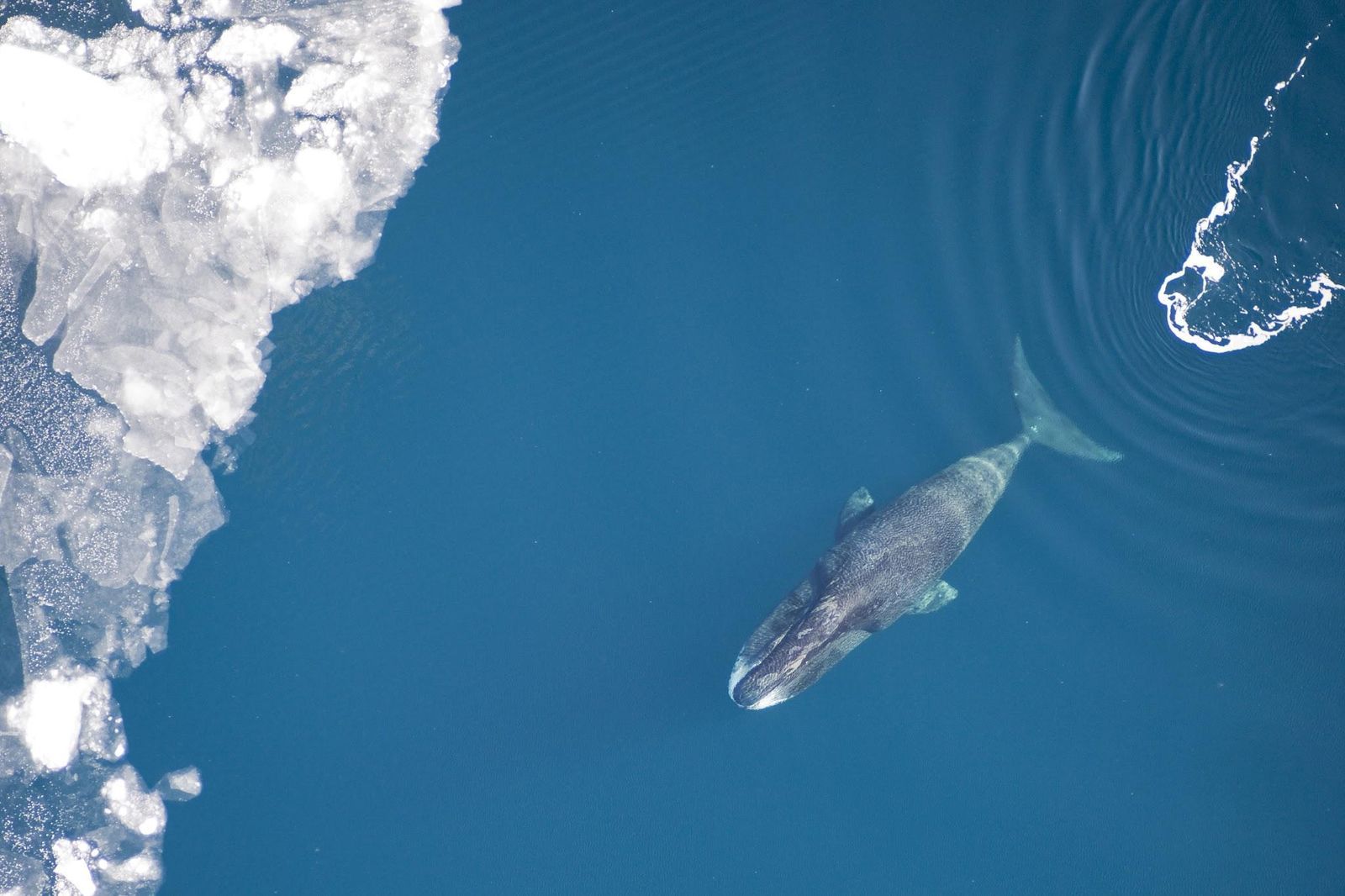
Bowhead Whale (Balaena mysticetus)

Image: Vicki Beaver, Alaska Fisheries Science Center, NOAA FIsheries, Marine Mammal Permit#14245, Public domain, via Wikimedia Commons

Record age: over 211 years

This whale is a true ocean giant, stretching up to 60 feet long and weighing a staggering 200,000 pounds. But what makes it stand out isn’t just its size but its age. Some of these majestic creatures carry harpoons from the 1800s still lodged in their skin, like walking history books. Just picture living so long that you’re literally carrying outdated technology embedded in your body—talk about being a time traveler of the seas!

6

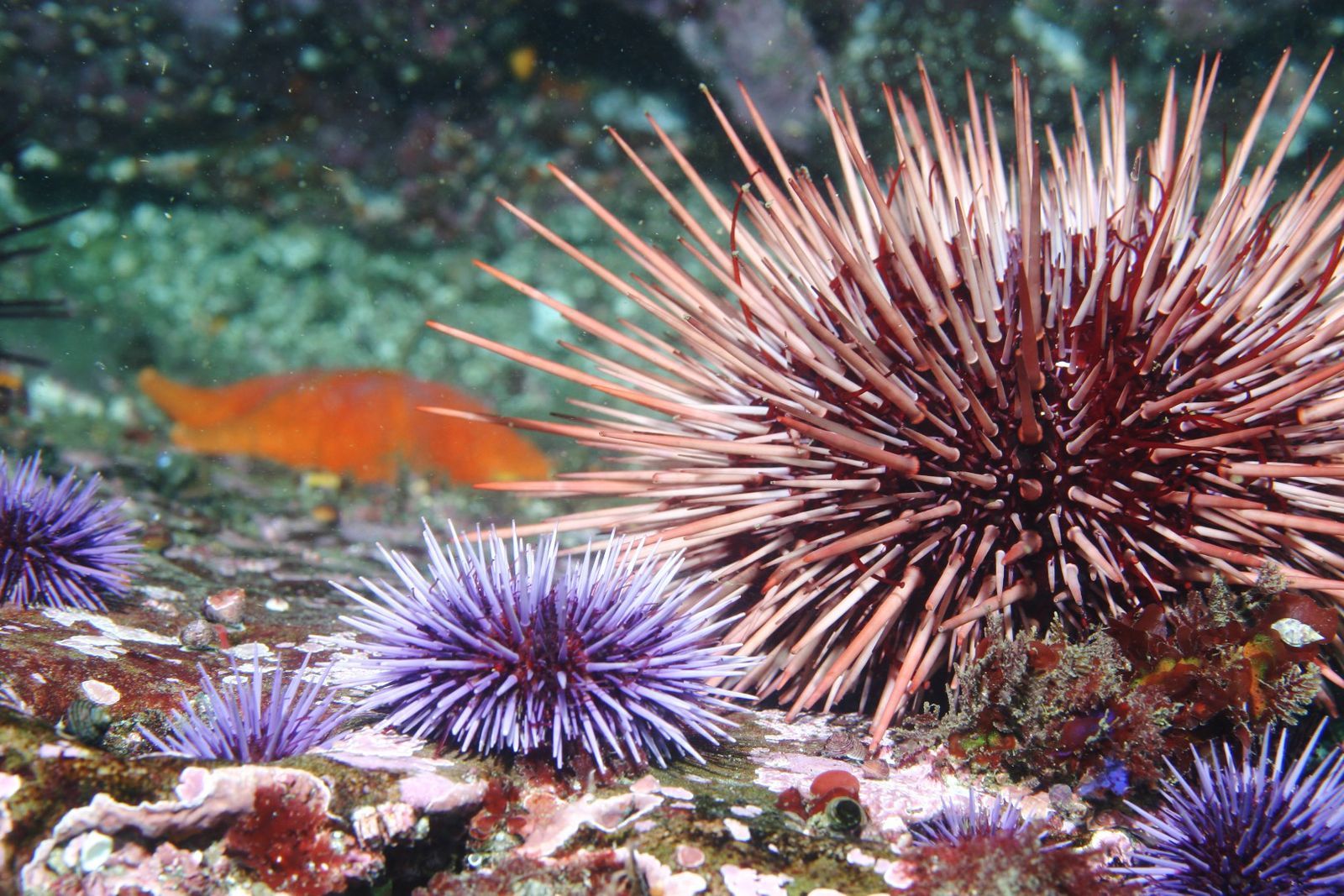
Red Sea Urchin (Mesocentrotus franciscanus)

Image: National Marine Sanctuaries, Public domain, via Wikimedia Commons

Record age: 200 years

Spanning the chilly Pacific coastline from California all the way up to Alaska, this spiky little ball—about 7 inches across—is full of surprises. It munches on algae and calls the deep, dark ocean its home, thriving at depths of up to 300 feet. Don’t let its size fool you: this prickly creature is a true elder of the cold seas, quietly outliving many ocean neighbors while keeping a low profile. A tough, slow-living veteran wrapped in spikes!

7

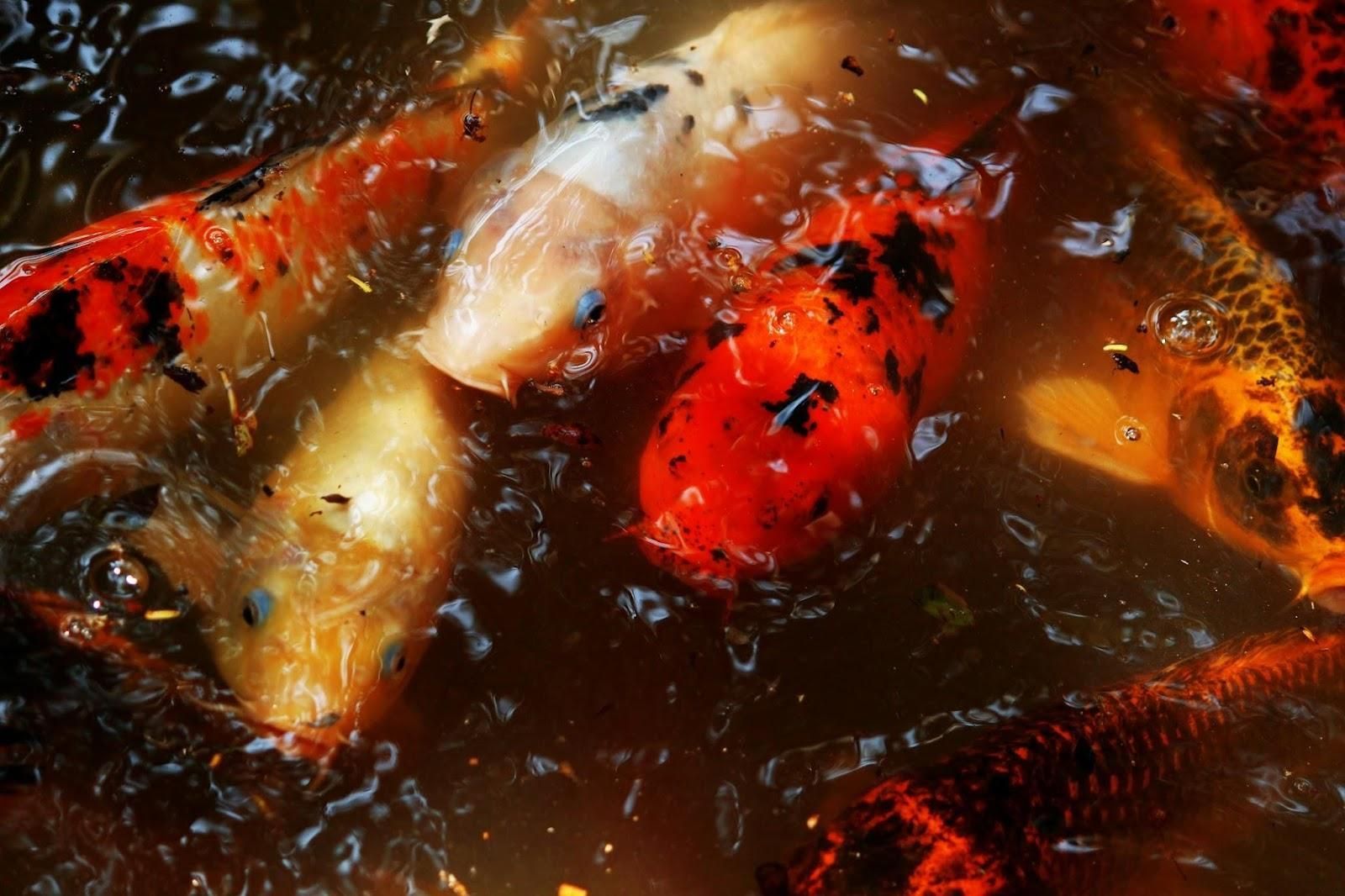
Koi Carp (Cyprinus rubrofuscus)

Image: Daniel Dan

Record age: 226 years

Meet Hanako, a legendary Japanese koi who swam through life for an astonishing 226 years. Scientists discovered how old she was by studying the rings on her scales, much like counting the growth rings of a tree. These colorful, ornamental fish aren’t just symbols of good fortune; they’re also secret long-lifers with the potential to celebrate over two centuries of birthdays, as long as they get the right care and a peaceful pond to call home.

8

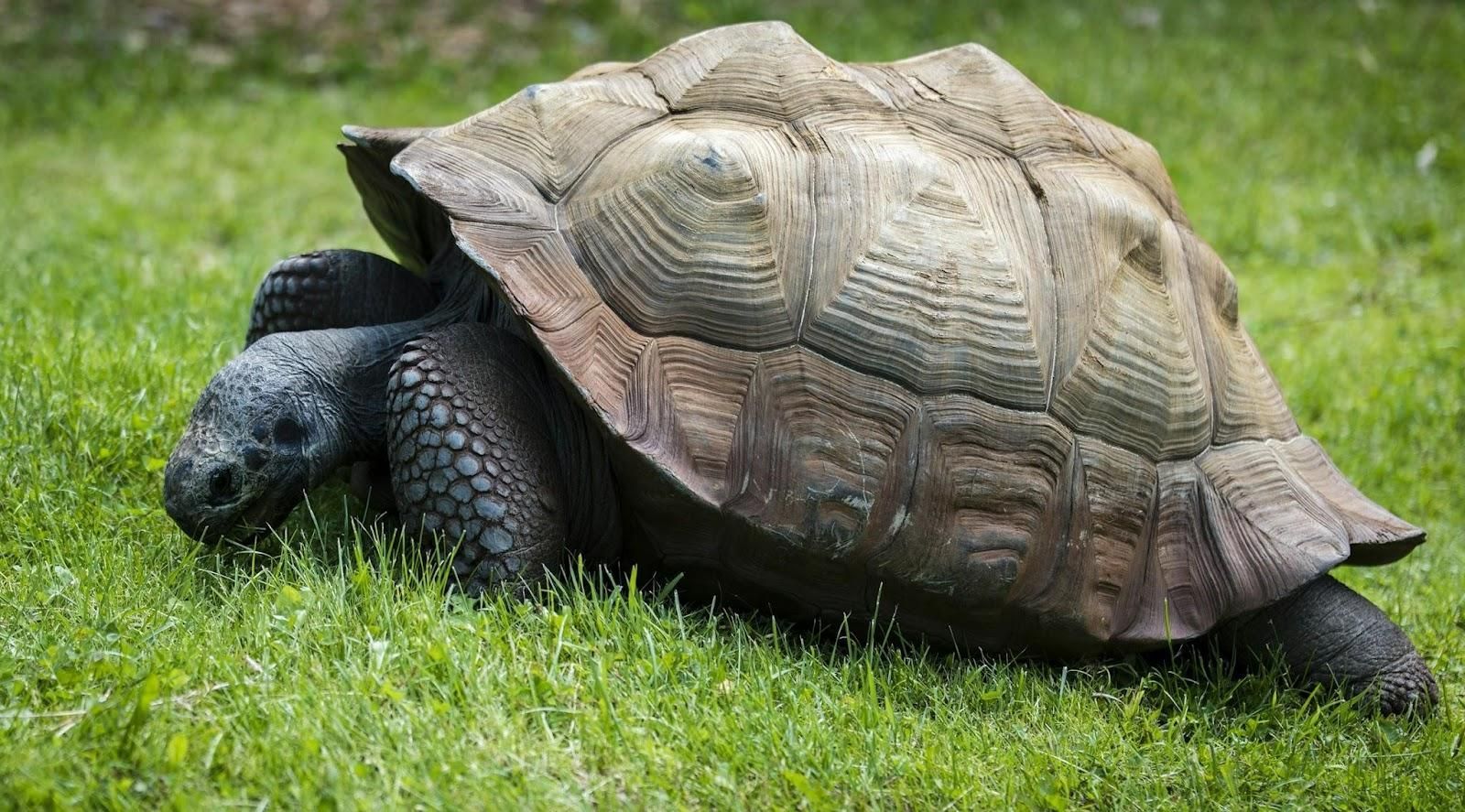
Seychelles Giant Tortoise (Aldabrachelys gigantea)

Image: Ryan Grewell

Record age: 190 years

Jonathan is a male tortoise living on the remote island of Saint Helena in the South Atlantic Ocean. He was born back in 1832, and he’s still happily chomping lettuce and soaking up the sun today. Weighing in at more than 400 pounds and measuring around 3 feet long, Jonathan holds the title of the oldest known living land animal on the planet. If he could share tales, they’d span nearly two centuries of history. Imagine that!

9

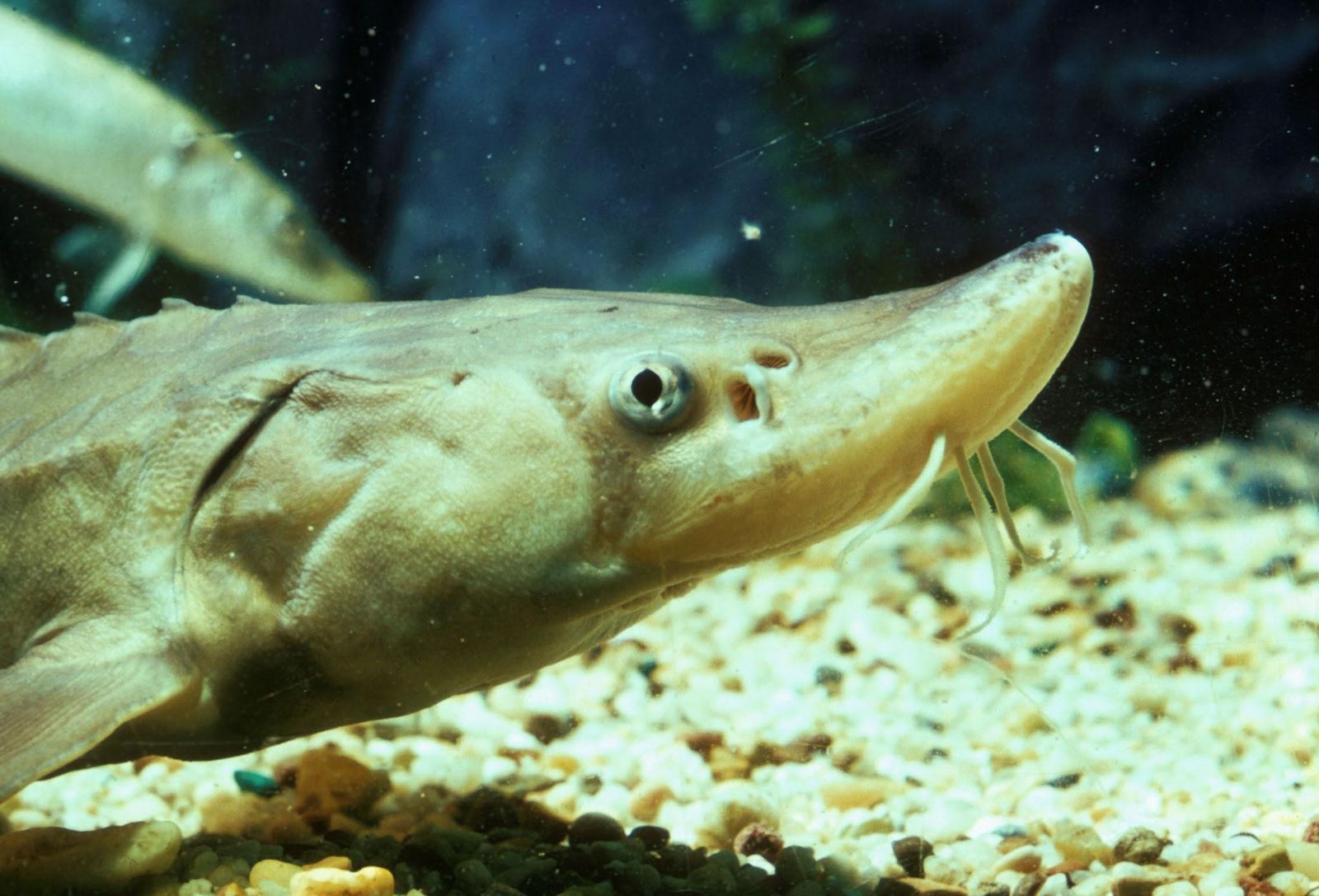
Lake Sturgeon (Acipenser fulvescens)

Image: See page for author, Public domain, via Wikimedia Commons

Record age: 152 years

This ancient-looking fish, with its whisker-like barbels, looking like a tiny underwater submarine, prowls the lakes of North America. It can reach an impressive length of up to 7 feet and weigh around 200 pounds. These slow-living creatures don’t rush into adulthood—they start breeding only around age 20—and then take their time cruising through life at a leisurely pace. Believe it or not, one legendary catch in Wisconsin was estimated to be over 150 years old!

10

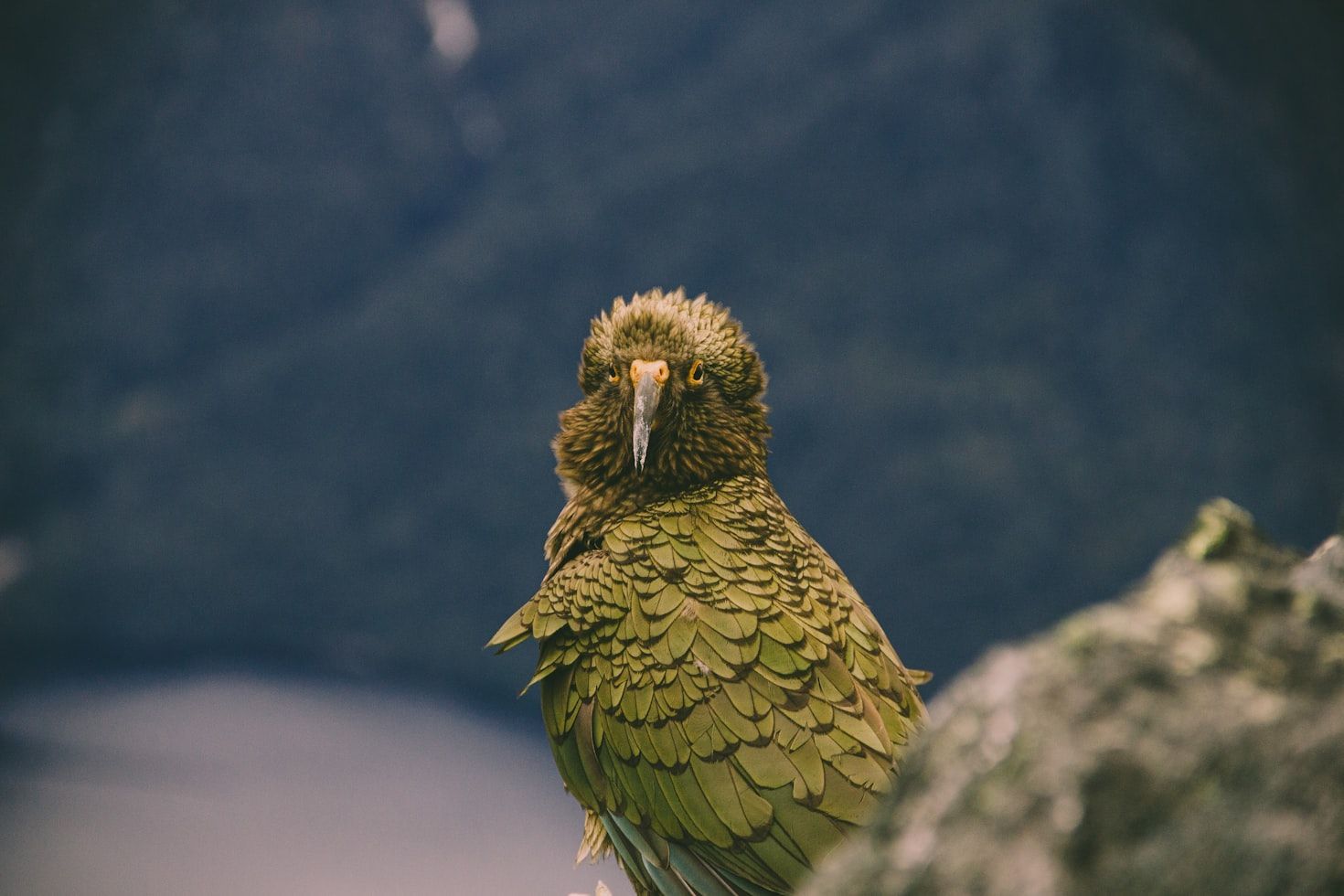
Kakapo Parrot (Strigops habroptilus)

Image: Andreas Sjövall

Record age: over 90 years

This chunky, night-loving parrot from New Zealand is a true oddball—it can’t fly, snores like a grumpy grandpa, and smells like fresh flowers. Despite its quirks, this bird boasts an impressively long lifespan. Sadly, it teeters on the edge of extinction. The oldest known kakapo, affectionately named Richard Henry, lived 90 years, earning him the title of the charmingly eccentric elder statesman of the avian world.

11

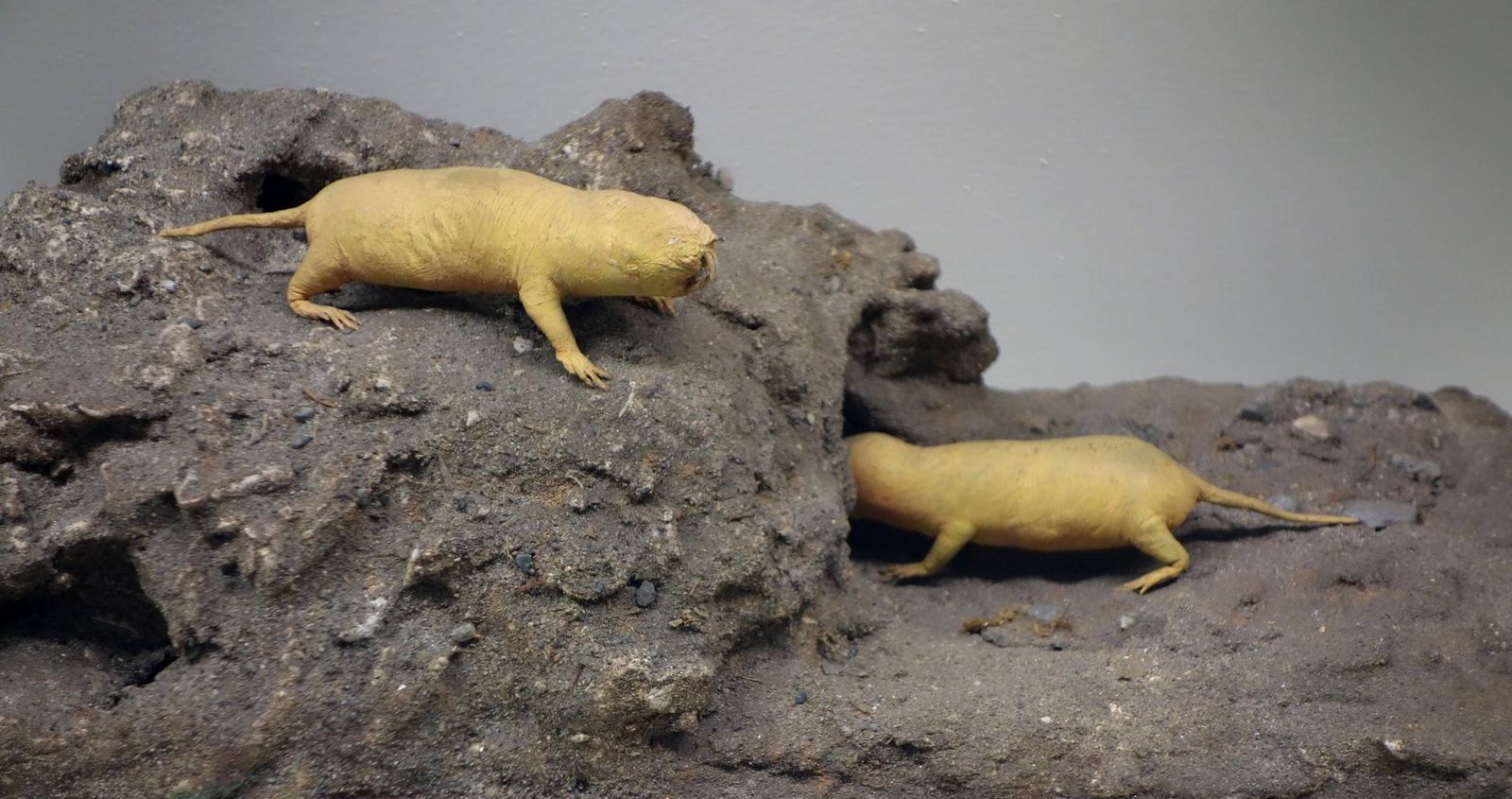
Naked Mole Rat (Heterocephalus glaber)

Image: Daderot, CC0, via Wikimedia Commons

Record age: 37 years

This tiny, kooky rodent—barely 3 inches long and just over an ounce in weight—could’ve been cast straight from a sci-fi apocalypse flick. Dwelling in vast underground colonies across Africa, it’s practically invincible to cancer, pain, and the usual effects of aging. Scientists are fascinated by this little marvel, even if it’s not winning beauty contests anytime soon. Its superpowers make it a star in longevity research!

12

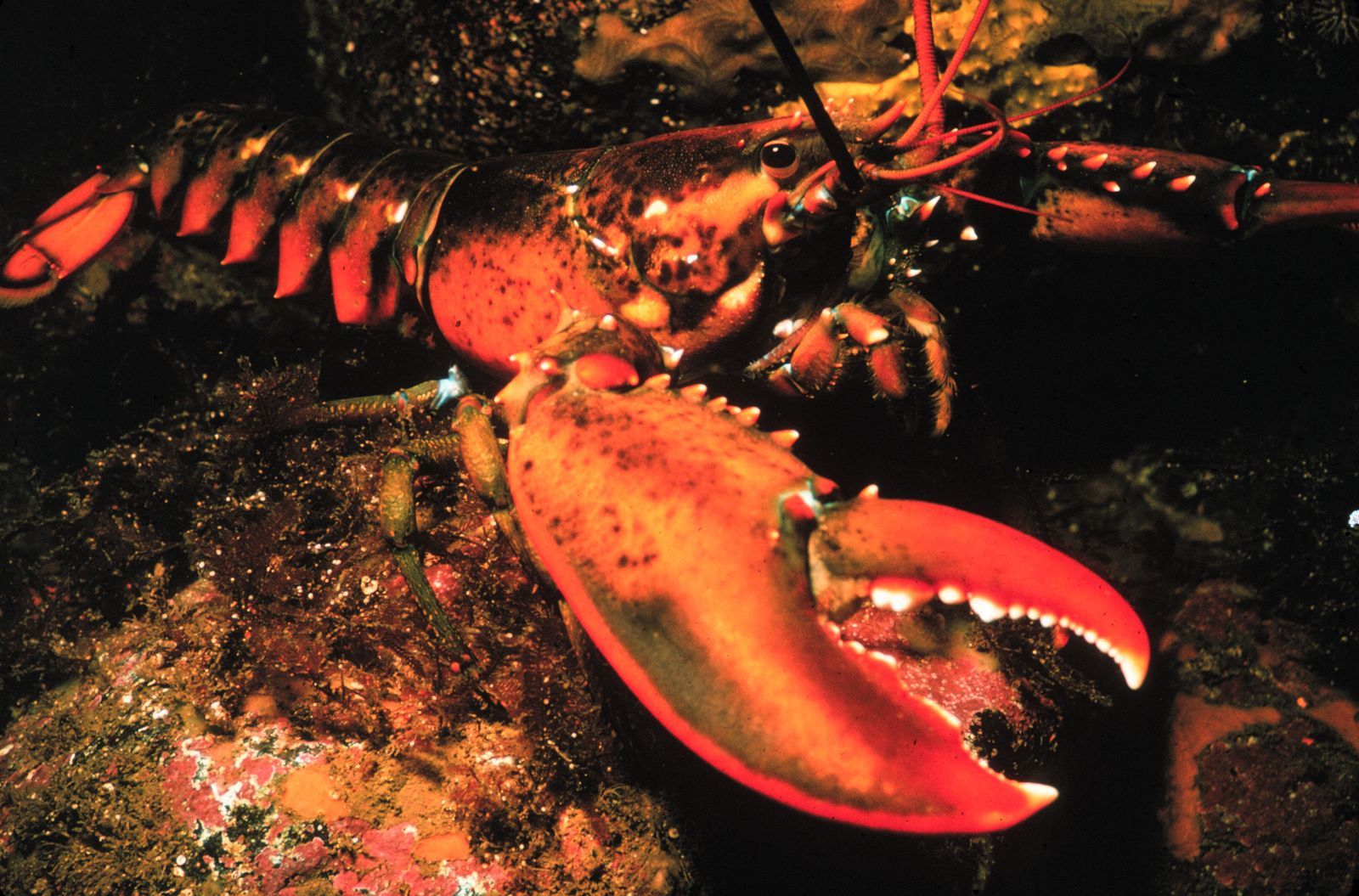
American Lobster (Homarus americanus)

Image: OAR/National Undersea Research Program (NURP)., Public domain, via Wikimedia Commons

Record age: estimated 100+ years

Lobsters have a totally different rulebook than us when it comes to aging. They don’t really grow old; they just keep getting bigger and bigger. Some giant lobsters weigh over 40 pounds and stretch beyond 3 feet long. Their biggest threats? Not old age, but predators or the risky process of shedding their shells. In theory, they could live forever if left alone—but let’s be honest, not many get to enjoy a peaceful, lobster-sized retirement!

Looking for an extra scoop of literary fun?

Learn more with our Word of the day

novice

/ˈnɑvəs/